

Worre Studios, Answered
Worre Studios is a 25,000 square foot production studio and event venue in southwest Las Vegas, built around a patented 360° LED volume that hosts live, hybrid and virtual events and reaches hundreds of thousands of attendees at once. Below are 75 answers covering the room, the technology, the reach, the crew, the cost and the load-in. If your question is not here, tell us about your event and a real member of the team will answer it.
A patented 360° LED room in Las Vegas that runs live, hybrid and virtual events end to end. Everything is installed, outside crews are welcome, and every quote is built per event.
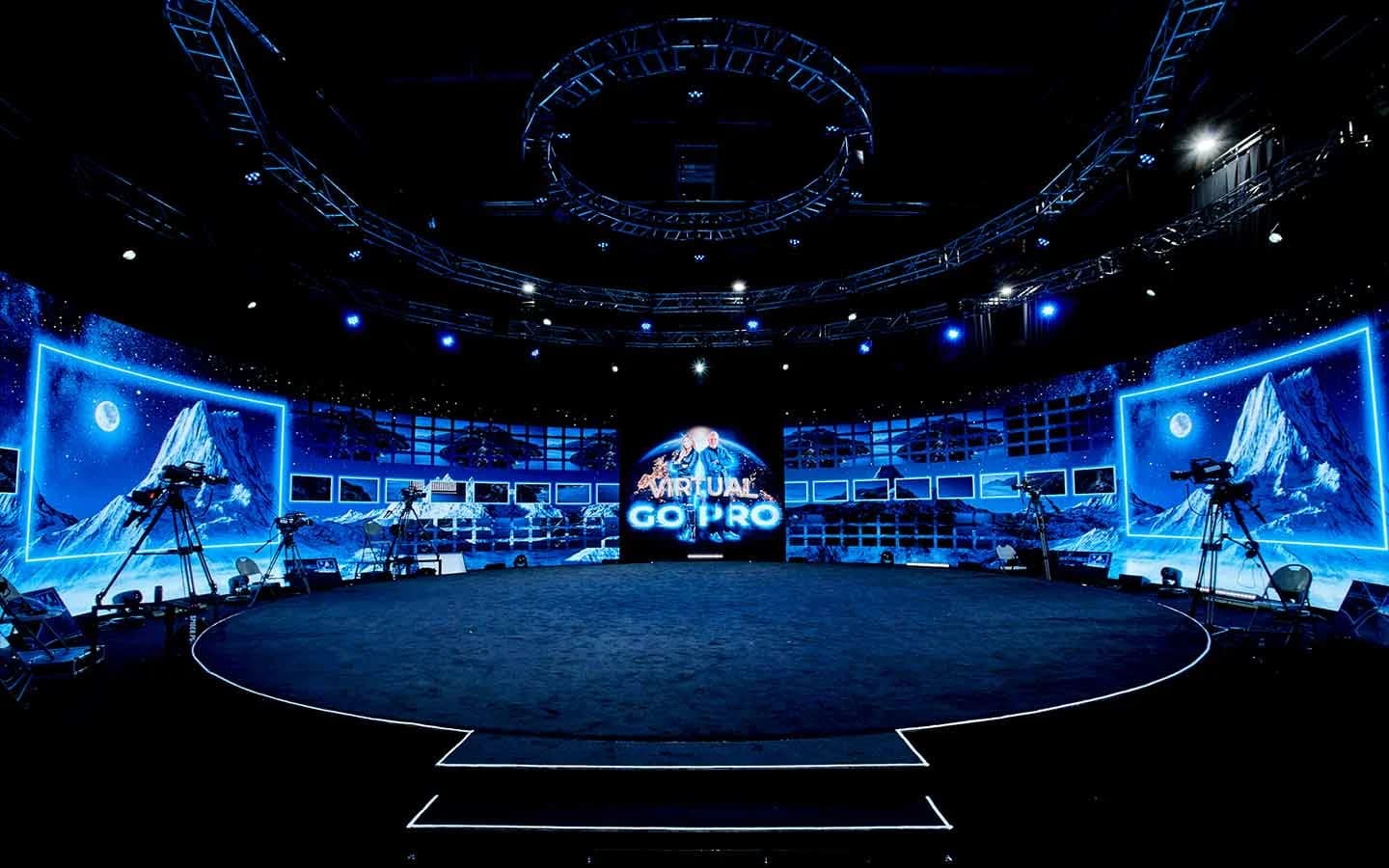
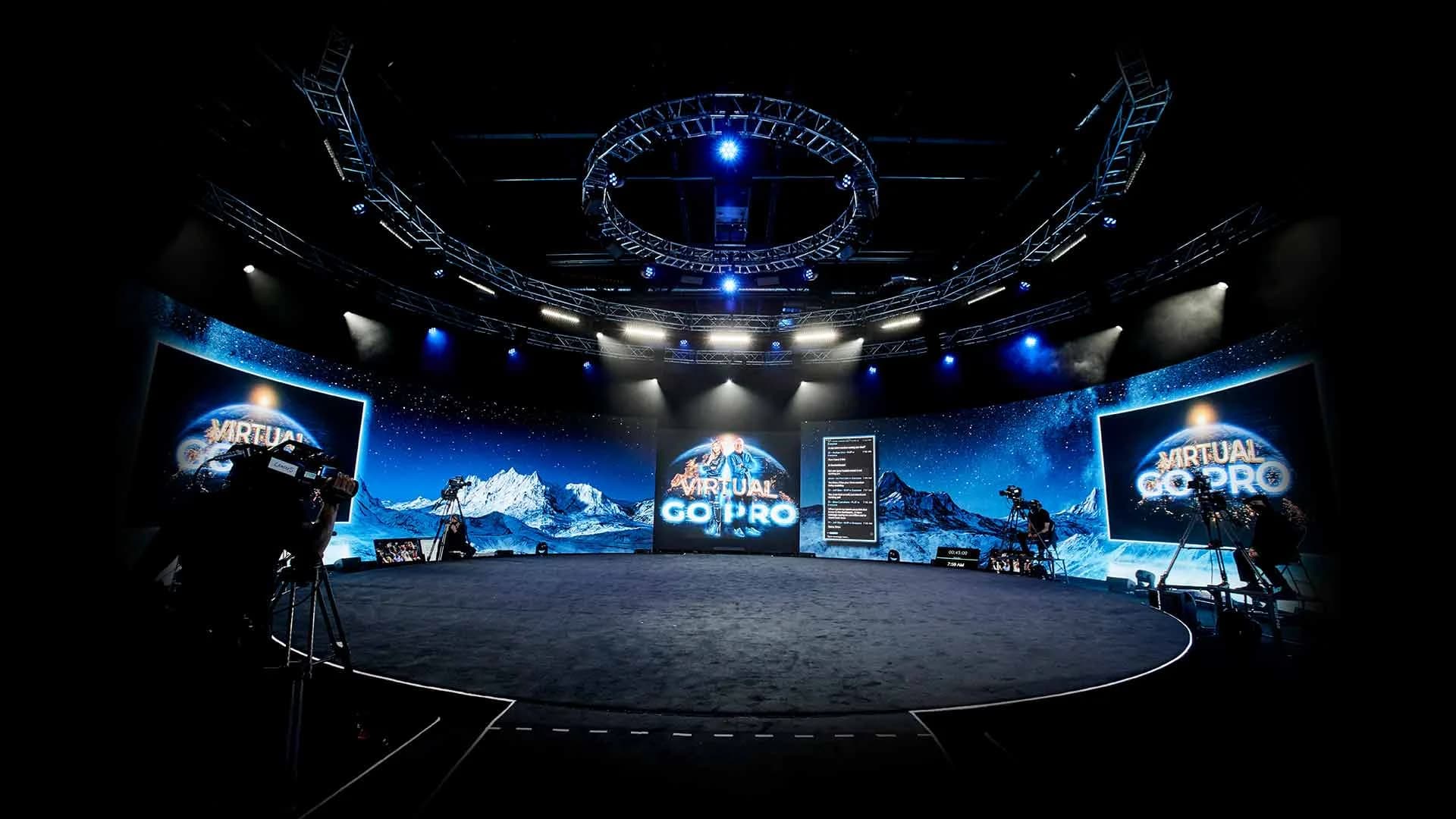
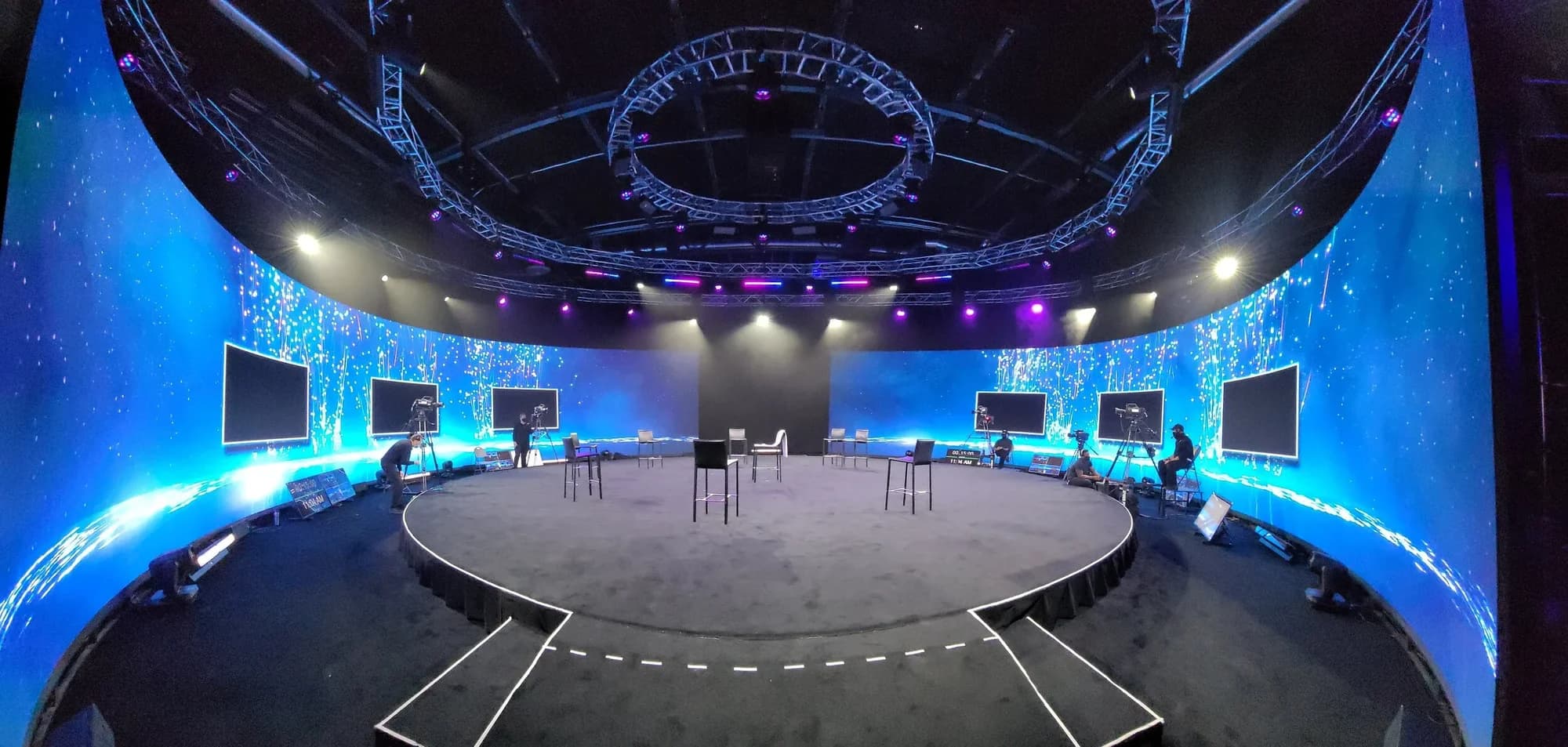
- The room: 25,000 sq ft stage in the round, four curved 1.9mm LED walls (two at 73' × 14', two at 24' × 14'), half on a track system. 350 seated, 500 standing, 600 concert in person.
- Two reach numbers, and they are different: 500,000+ total hybrid and virtual attendance is the maximum reach. Interactive capacity is up to 500,000, the most who can take part in the live participating experience at once.
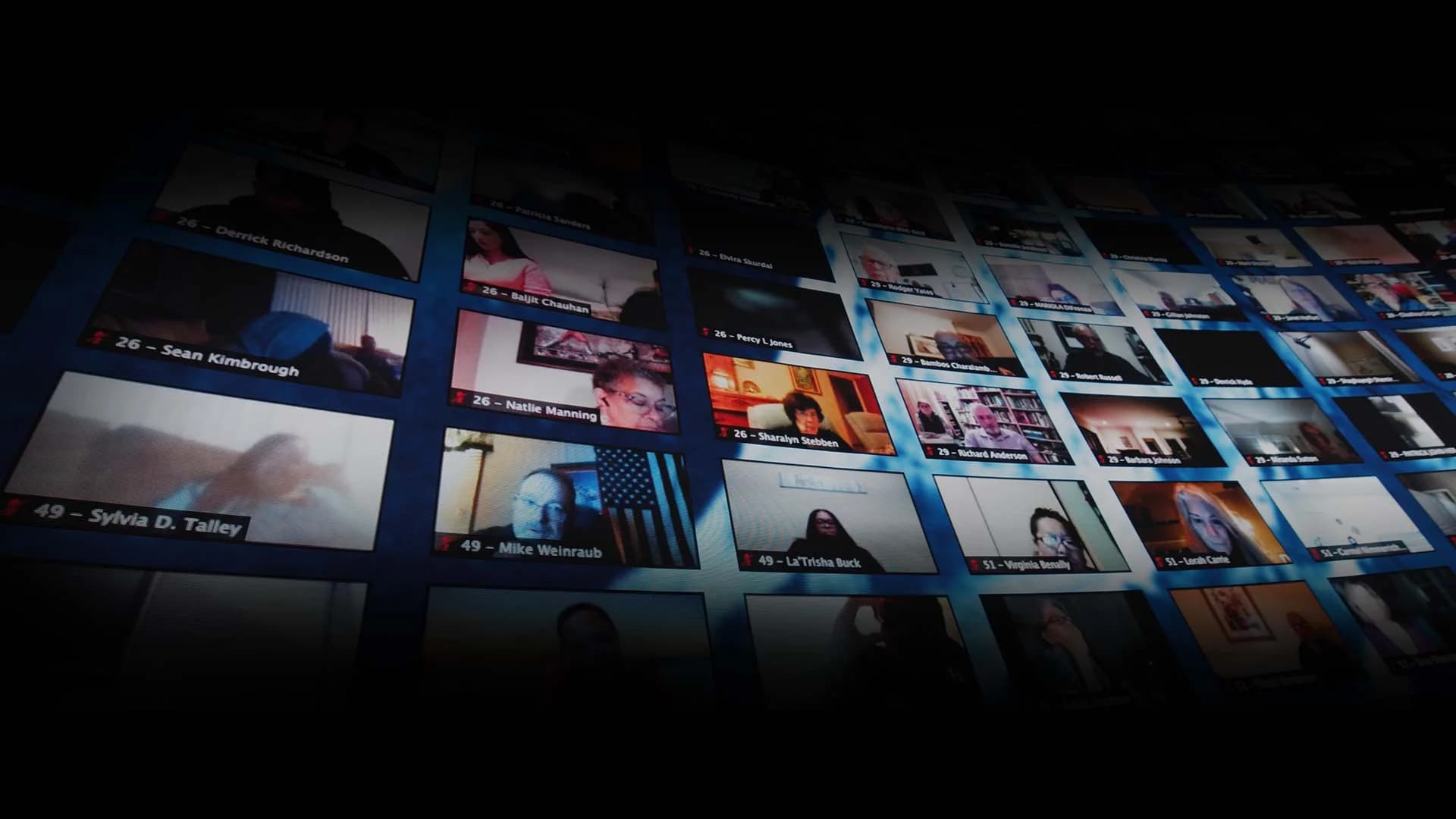
- Not a webinar: remote attendees go live on the wall, up to 2,744 feeds at a time, inside a dashboard branded as yours with breakout rooms, segmentation and shopping carts.
- Turn-key: walls, audio, lighting and control room are permanently installed. Cameras are sourced per project, so no house body or lens package is forced on your DP.
- Outside crews welcome at no extra charge, with two house positions held: the lighting console and the production network.
- Pricing is à la carte and quoted per event, so this site routes to inquiry rather than publishing rates.
The Studio & the Room
How Big Is Worre Studios?
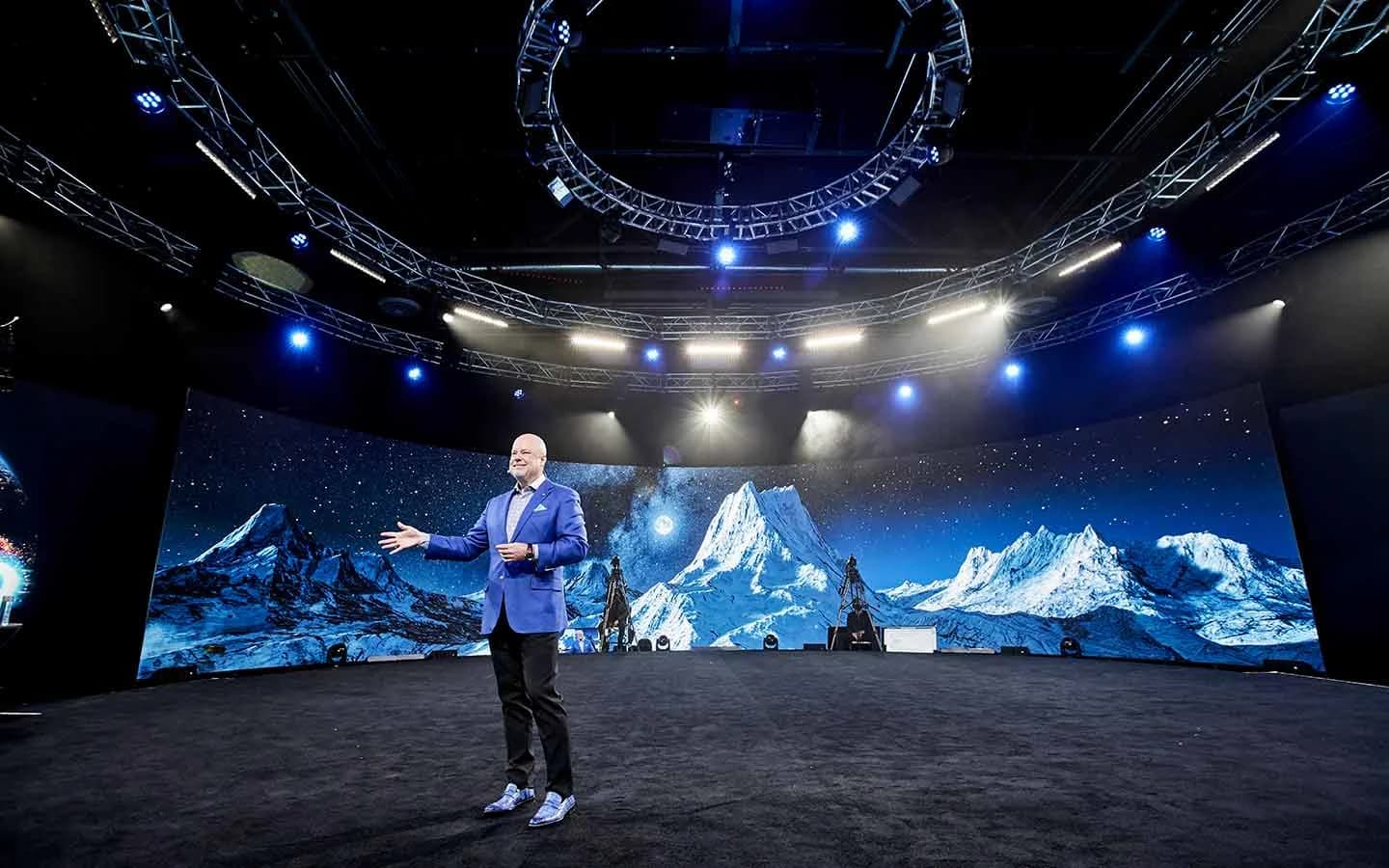
The facility runs 25,000 square feet, built as a stage in the round rather than a rectangular box. The 360° LED volume sits at the center, with the control room, media village, dining and support spaces wrapped around it. Our floor plan walkthrough has the measured dimensions of every room, from the loading and staging area to the green rooms.
How Many Guests Fit in the Room in Person?
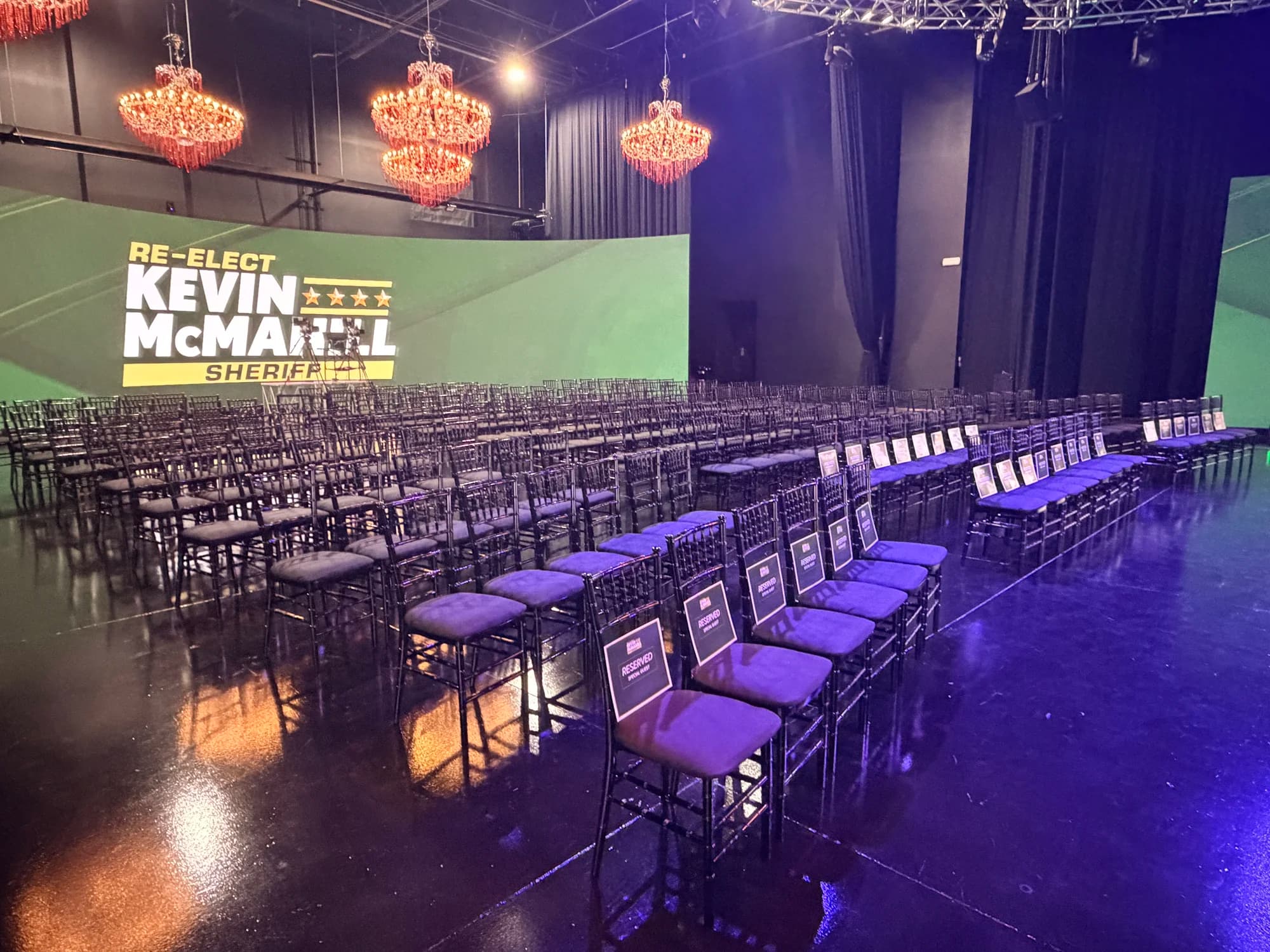
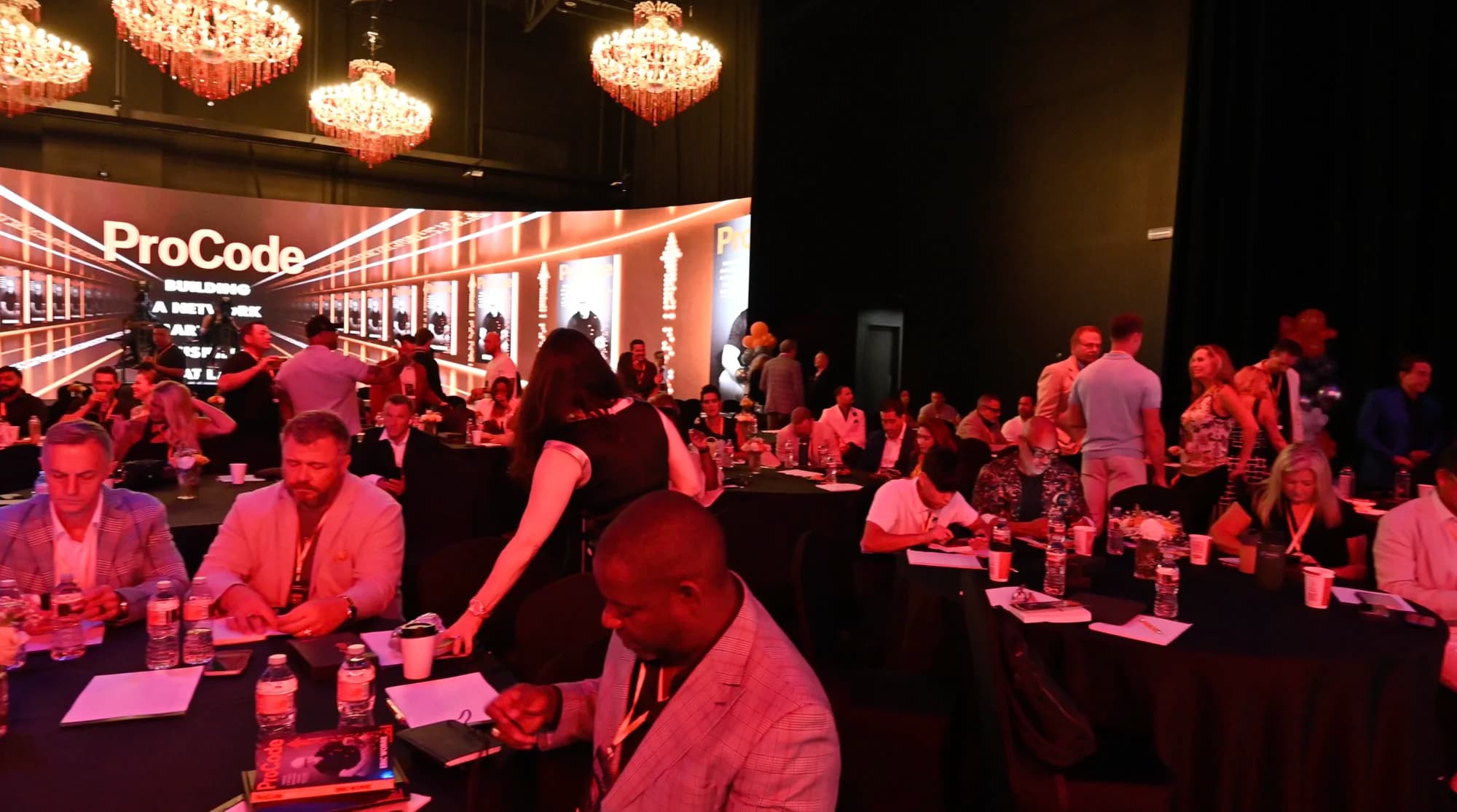
In-room capacity is 350 seated, 500 standing, or 600 for a concert setup. Half the 360° wall rolls back on a track system to open the floor for a live audience, so the seated footprint changes with the configuration you choose.
Is the LED Wall a Closed Circle, or Does It Open Up?
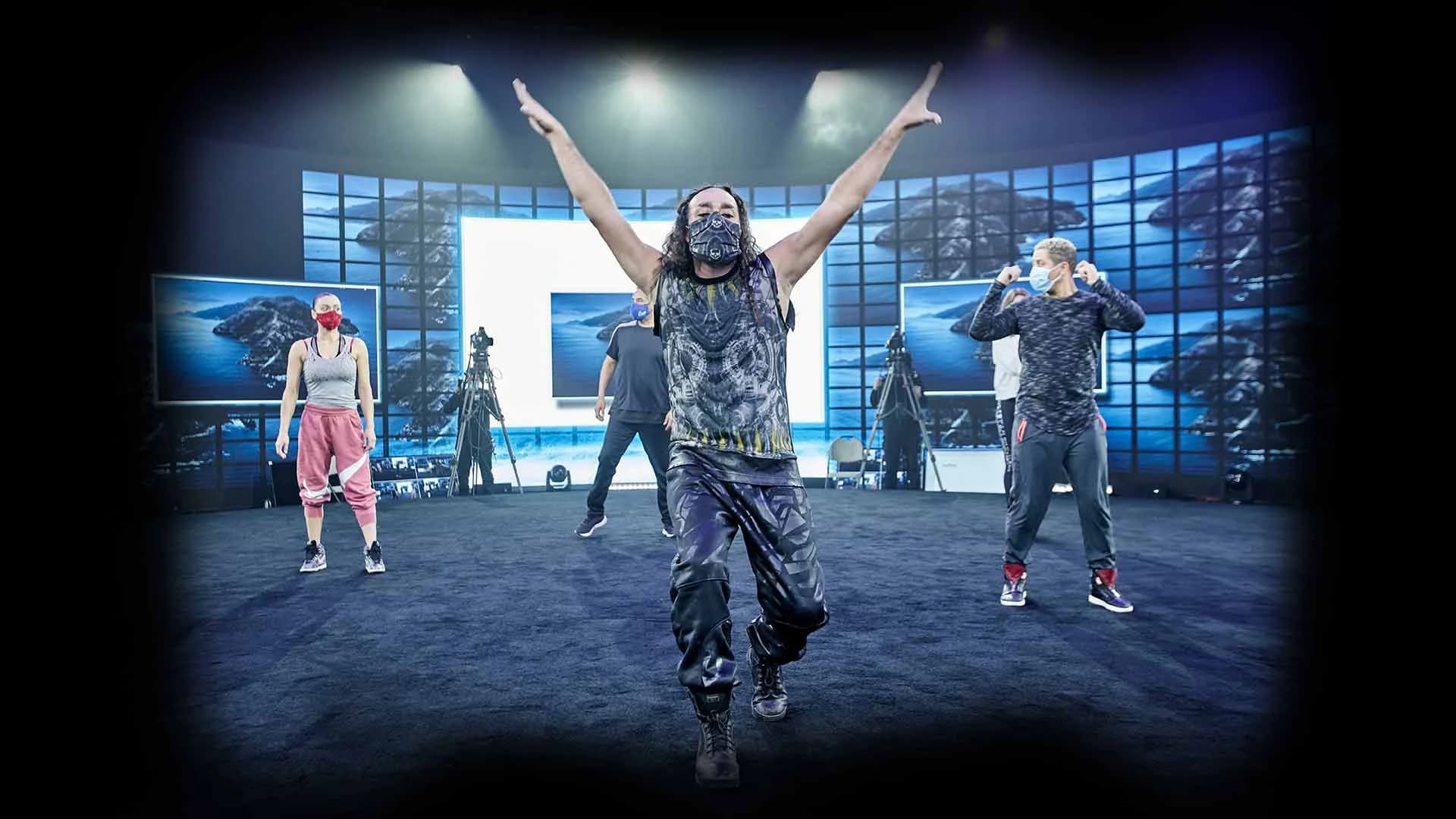
It opens. The volume is built from four curved walls, and half the structure sits on a track system that pulls back. Closed, you get full wraparound immersion. Open, you get a stage with an audience in front of it and the wall behind.
Can the Stage Take a Full Set Build?
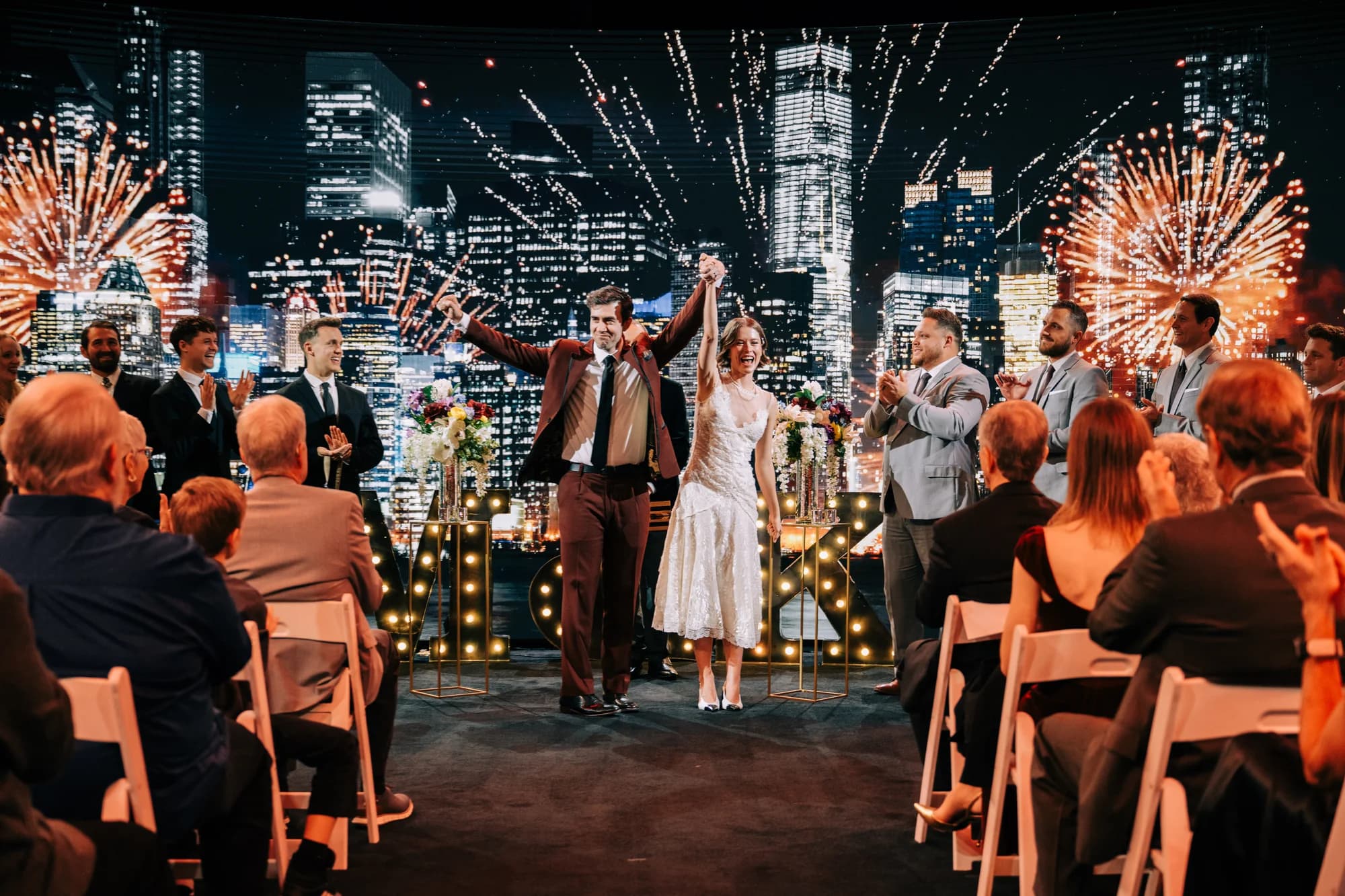
Yes. Teams have built eight to ten separate environments for a single production here, including game show and wedding builds so complete that guests asked where they were. One three-ton steel set piece was fabricated in Texas, shipped in and hung from a custom grid above the house grid. The set build story covers how.
Is the Room Only for Broadcasts, or Can We Hold a Normal Live Event?
Both. The same room hosts purely in-person events, hybrid events and virtual-only broadcasts. What changes is how much of the interactive side you switch on. Event formats breaks down the differences between the three.
What Kinds of Events Has the Room Actually Hosted?
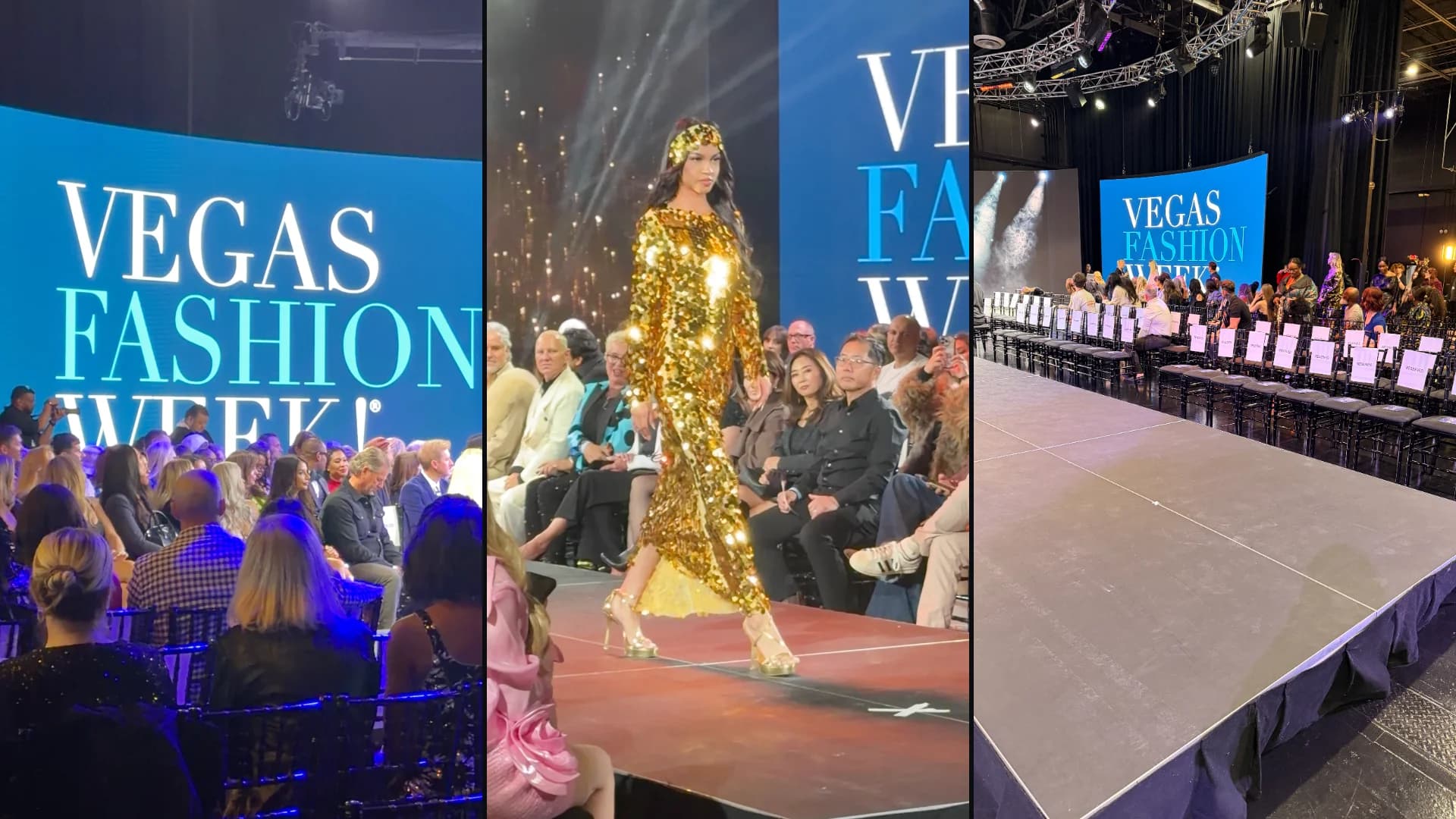
Product launches, keynote conferences, a televised gubernatorial debate, fashion week, film and television production, faith broadcasts, concerts with live band and choir, watch parties, weddings and a full game show. The gallery shows how differently one room can read.
Is the 360° Design Patented?
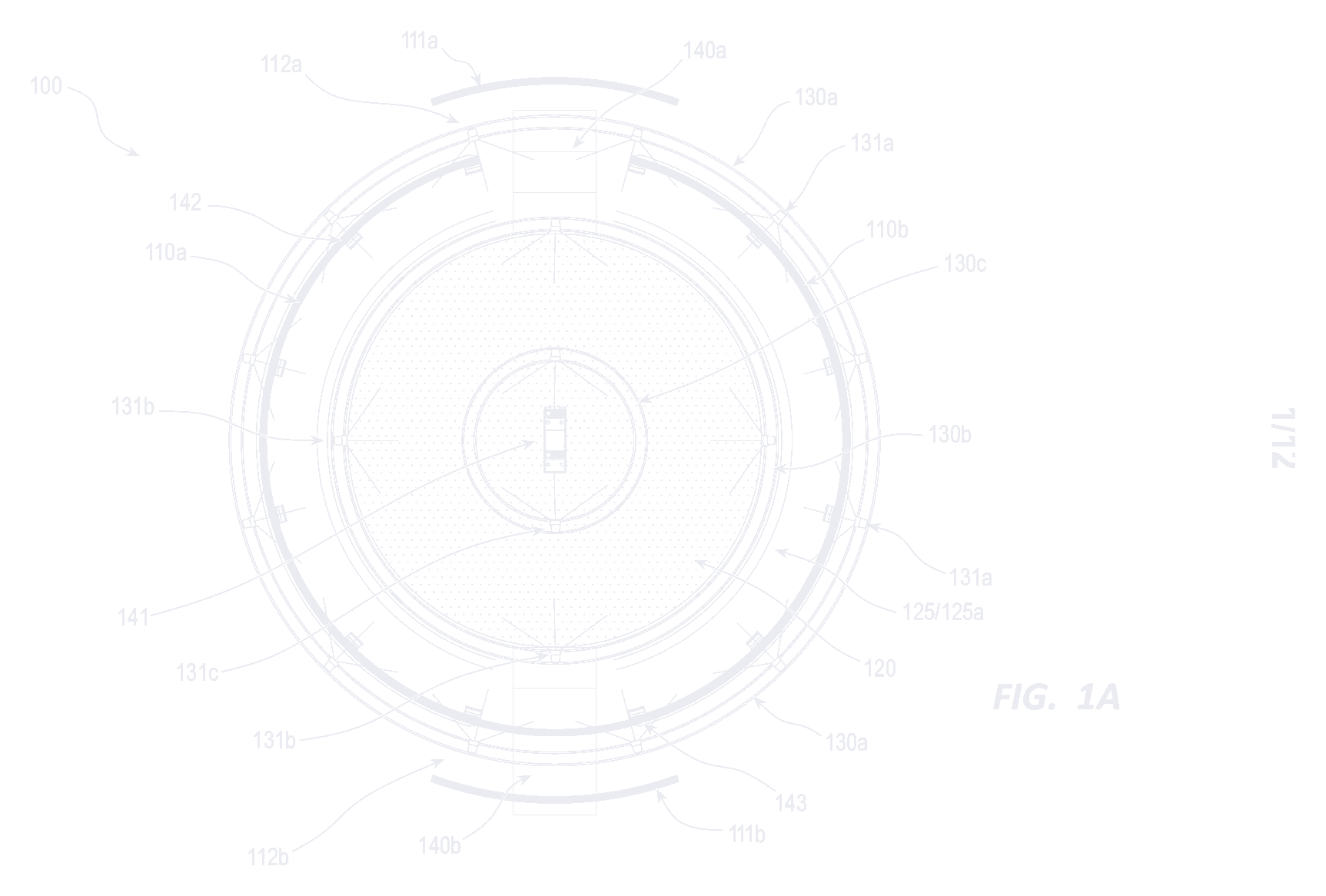
Yes. Three granted United States patents cover it. Utility patents 11,431,920 and 11,996,012 protect the studio system, including the opposing curved screen geometry, circular truss structures and 360° audio arrangement. Design patent D1,013,208 covers the ornamental screen configuration. Details sit on the patents page.
Why Does Being Off-Strip Matter?
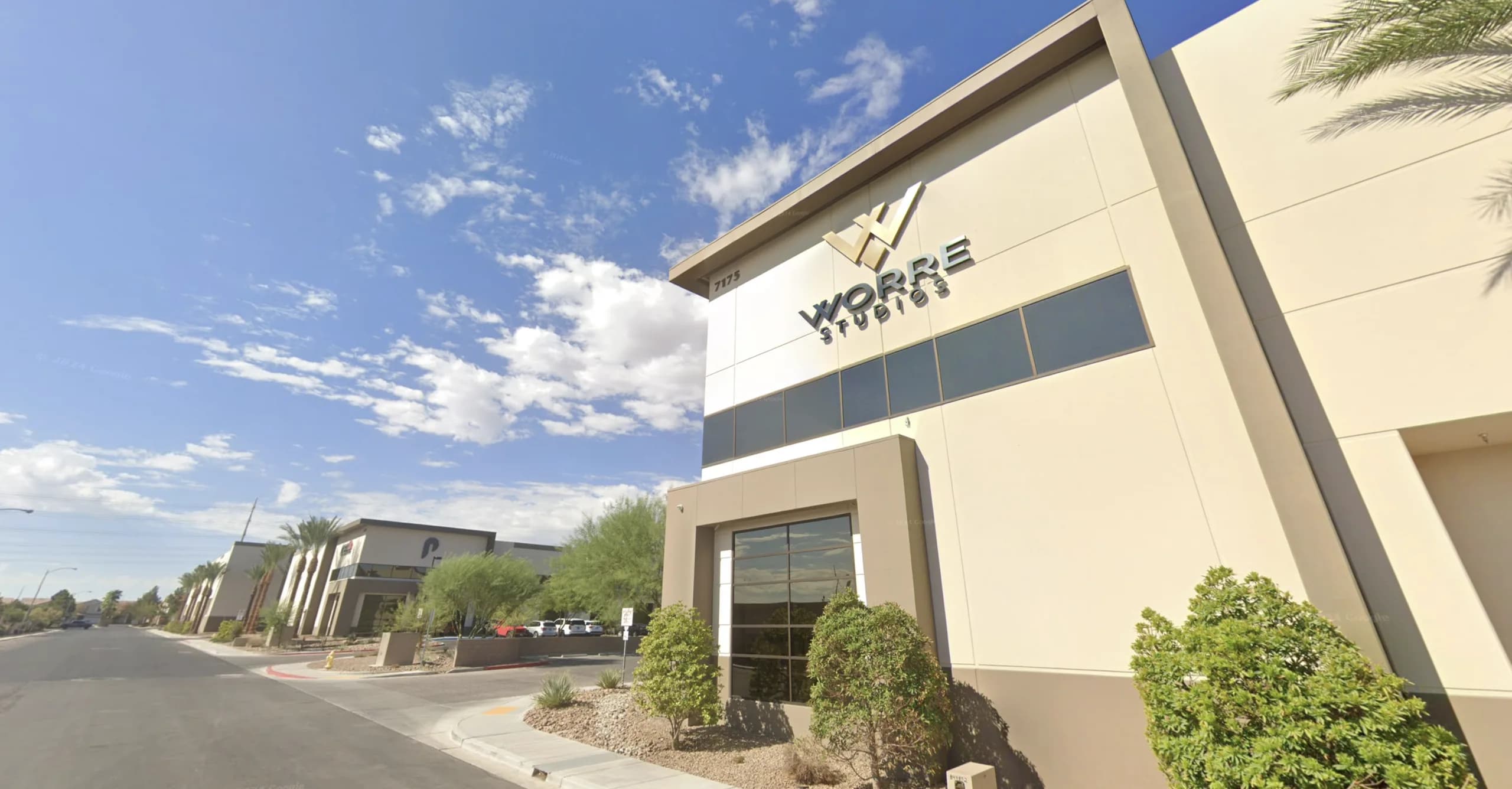
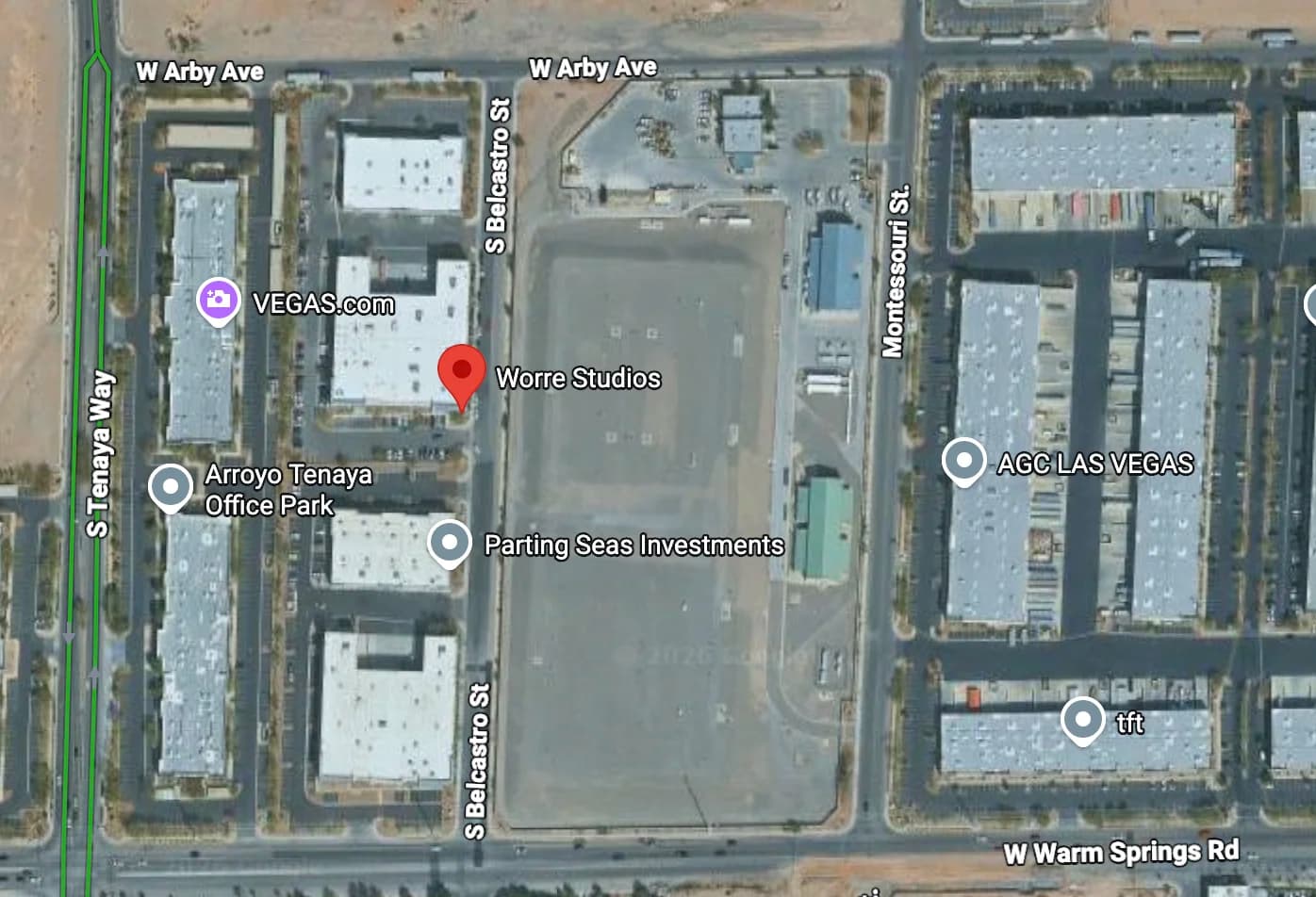
The studio sits at 7175 S Belcastro Street in southwest Las Vegas, just off the 215 Beltway. Off-Strip means direct truck load-in at the door, fast airport access and none of the access constraints that come with operating inside a casino property. See location and directions.
The 360° LED Volume
What Are the Actual LED Wall Dimensions?
Four curved walls at 1.9mm pixel pitch: two measuring 73 feet by 14 feet, and two measuring 24 feet by 14 feet. Together they form the continuous wraparound surface the room is built around, rather than four screens sitting near each other.
How Many Pixels Are on the Wall Altogether?
Roughly 65 million across the full surface. The number matters less than what it buys, which is a continuous image with no seams to hide and enough density for cameras to shoot tight against the wall. Pixel pitch is covered on the technology page.
Can the Walls Go Green or Blue for Keying?
Yes. The LED surface can be driven to a flat green or blue for chroma key work, so a production can shoot in-camera LED backgrounds and traditional keyed shots inside the same booking without rigging a separate cyclorama.
Should We Use LED or a Green Screen?
It depends what you are shooting. LED gives in-camera backgrounds, real reflections and lighting that matches the scene, and talent can see what they are standing in. Green screen still wins for heavy compositing work. Our LED volume versus green screen comparison walks through both.
Can the Wall Show Live Video of Remote Attendees?
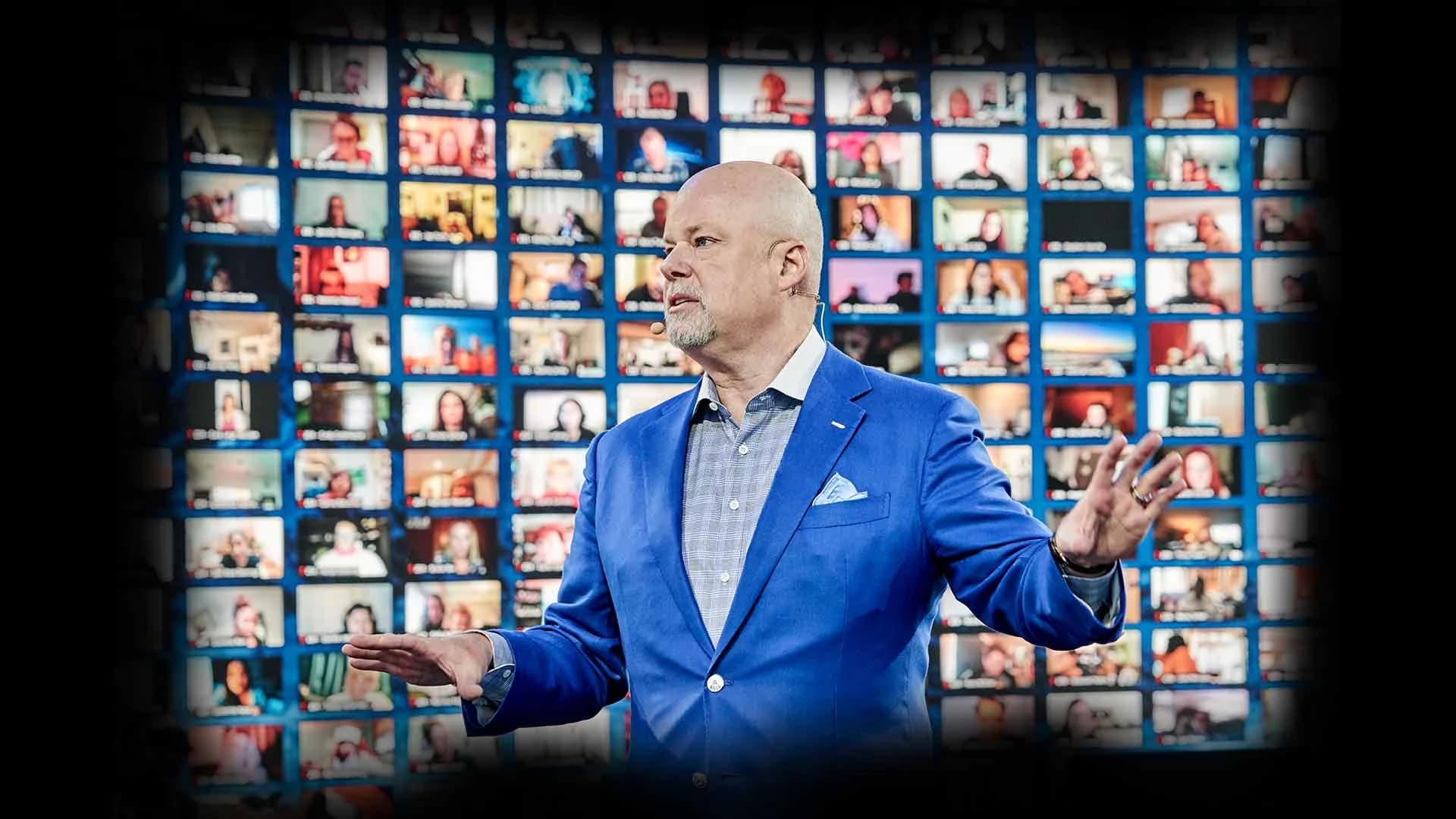
Yes, and it is the moment most rooms cannot match. Up to 2,744 guest feeds can be displayed at once, so a speaker looks out at a live audience in the room and thousands of faces wrapping around them.
Our Brand Assets Are Just a Logo. Is That Enough?
It works, but it wastes the room. A static logo on a 360° surface is the most common under-use we see. The wall can carry connected motion graphics that travel the whole space, full environments, and reveals built around your brand. The LED volume primer shows what the surface is capable of.
Who Builds the Content That Runs on the Wall?
Either side can. Our graphic artists render custom environments in house, which needs months of lead time for a full build. Teams with an existing motion or Unreal pipeline can bring finished content and we integrate it. Most events land somewhere in between.
Does the Track System Change What the Room Can Do?
It changes the event type. Walls closed gives a sealed 360° environment for broadcast. Pulled back, the floor opens for a seated or standing audience with the wall as backdrop. Hybrid events routinely use both configurations inside a single show.
Is Audio Part of the 360° Design, or an Add-On?
Part of the design. The 360° audio arrangement is named in the granted utility patent, not bolted on afterward. Meyer loudspeakers are distributed around the room so coverage follows the wraparound geometry instead of firing at an audience from one end.
Unreal Engine, Content & Creative
What Is Unreal Engine 5 Doing at a Live Event?
UE5 renders the environments on the wall in real time, running on a custom-built system. Scenes, reveals and complete environment changes are pre-built and blended in advance, then triggered live during the show. The result is a set that can change instantly. More in Unreal Engine for live events.
Who Operates It During the Show?
A producer, from an iPad. Scene changes, reveals and full environment swaps are triggered by touch, with no code written during the show and no engineer at a keyboard. Everything is built and blended before doors open.
Can the Environment Change Mid-Show?
Yes, and it is the reason to build it this way. A keynote can open in one world, drop into a product environment for a reveal, and land somewhere else for the close, with each change cued like any other show element.
What Is CANVAS?
CANVAS is part of the custom-built system that drives the 360° surface alongside the UE5 pipeline, licensed to the studio under a five-year term. It sits in the layer between finished content and the four walls, so the surface behaves as one continuous display.
How Much Lead Time Does Custom Content Need?
Plan on months for a fully custom Unreal environment rendered from scratch, because it is built like a game environment rather than a slide. Lighter builds, brand treatments and blended pre-built scenes move much faster. Lead time gets scoped on the first needs call.
Can We Bring Our Own Content?
Yes. Teams regularly arrive with finished motion graphics, video packages and Unreal assets. Our team handles mapping it across the four curved walls so it reads as one continuous surface rather than four separate screens.
What Happens if Something Fails Mid-Show?
The infrastructure carries redundancy where it counts. The control room runs two AJA Bridge Live units, so the outbound signal has a backup path rather than a single point of failure. The chain is built to the standard the room already delivers for live television.
Broadcast, Audio, Lighting & Crew
What Is in the Control Room?
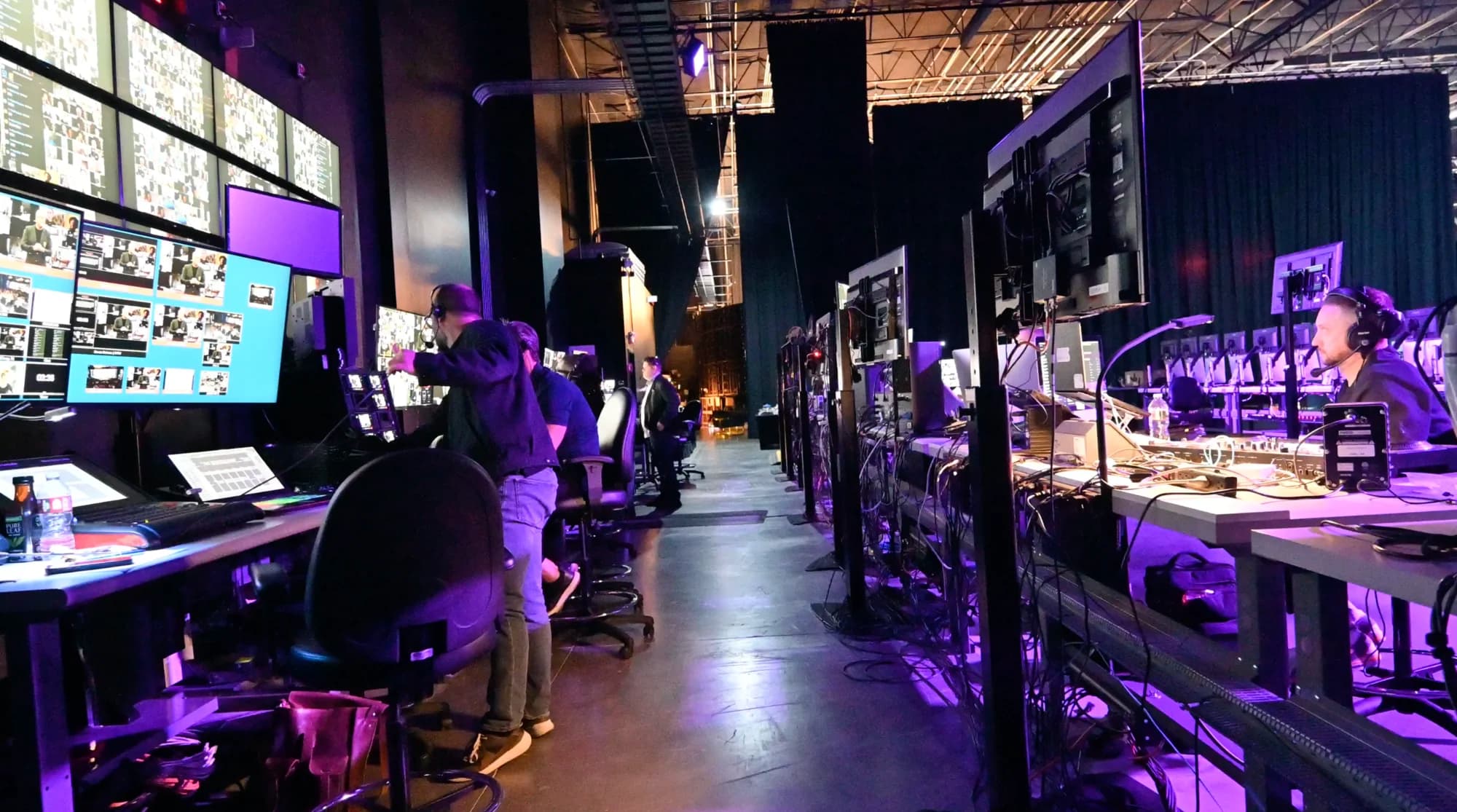
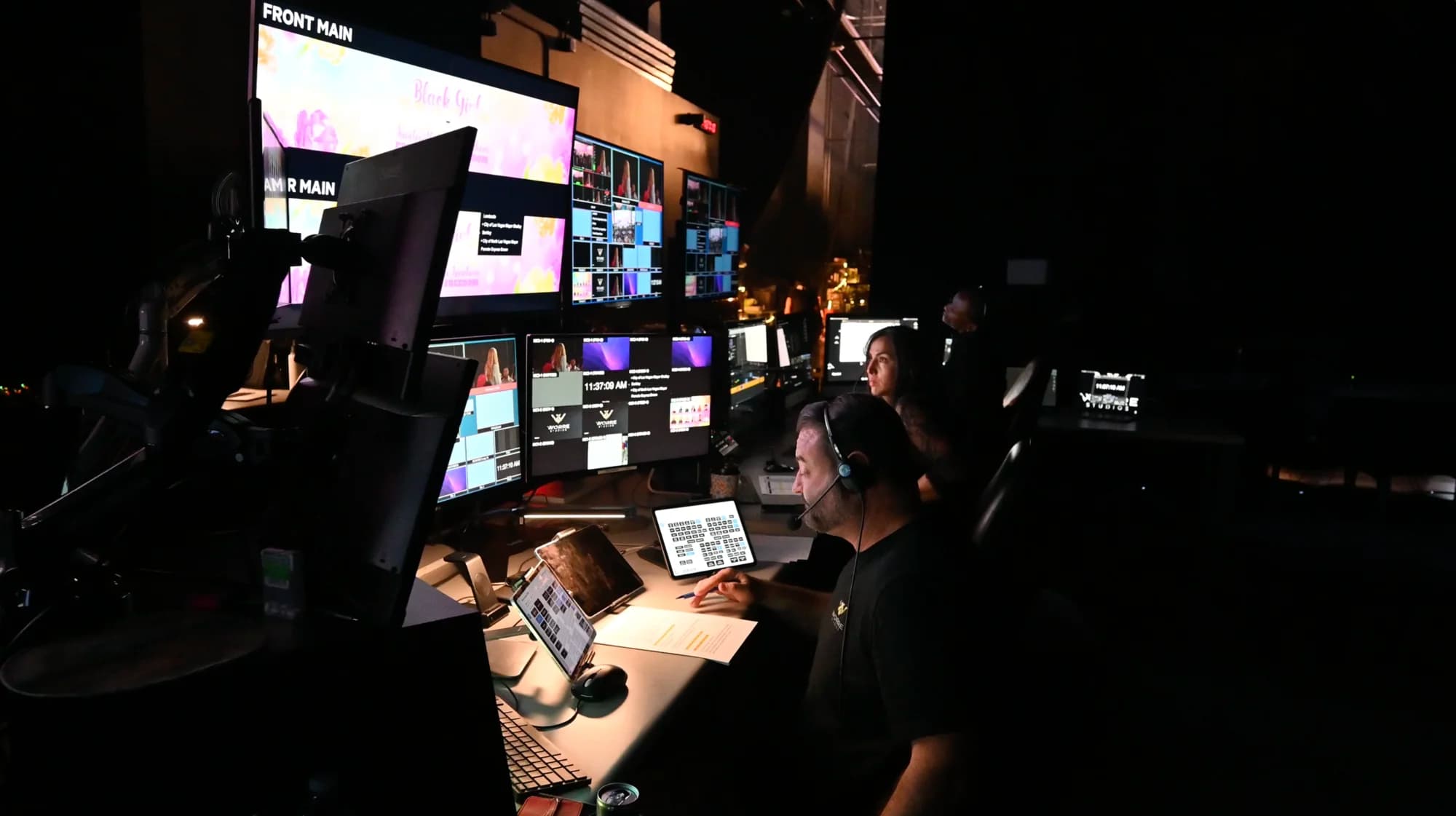
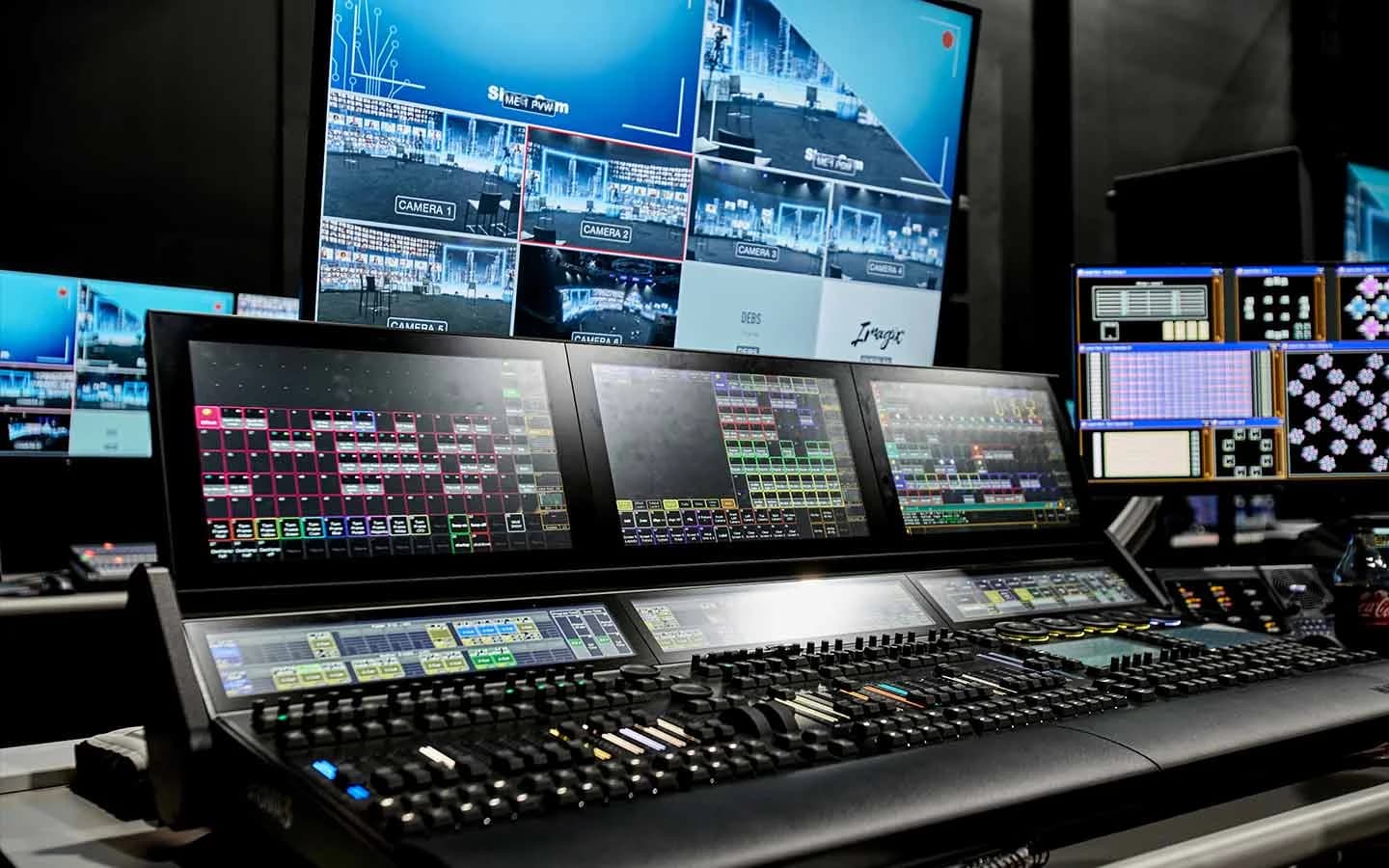
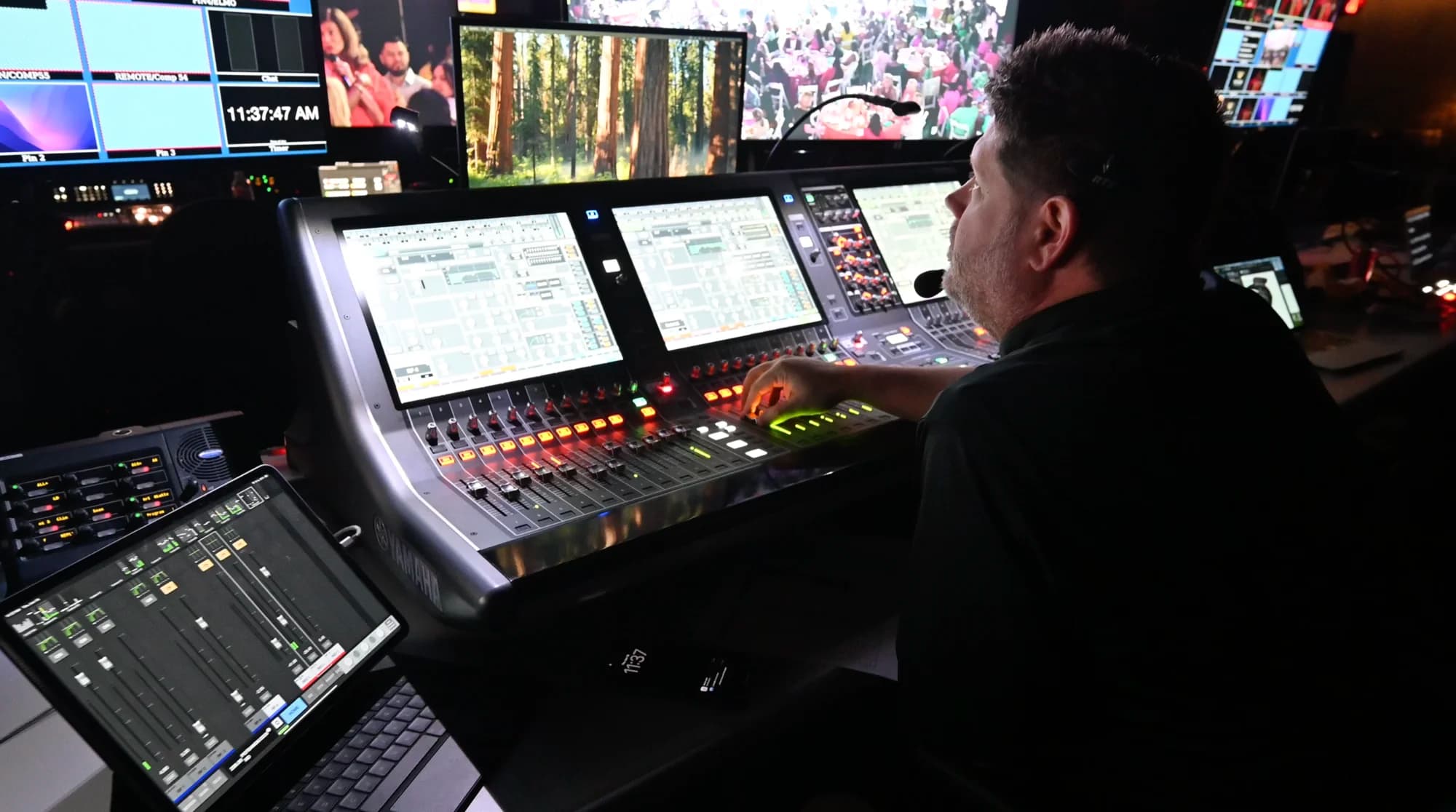
Two AJA Bridge Live units for encoding and distribution, a Barco E2 switcher and controller, and Meyer Galaxy audio processing. An Evertz video router moves signal around the facility behind it. The technology page carries the full inventory.
How Many Platforms Can You Stream To at Once?
Up to 24. The Dell Alienware laptop launch pushed one show out across Twitch, X and 22 other destinations simultaneously and finished at 17.2 million total views across live and social. Read the Alienware launch breakdown.
What Audio System Is Installed?
A Meyer loudspeaker system distributed for 360° coverage, driven by a Yamaha Rivage PM5 console over Dante, with Shure Axient handling wireless microphones. Everything is permanently installed, so there is no audio package to truck in and tune on the day.
How Many Microphones Are On Hand?
Sixteen are in house across handheld, headset and lapel. Larger shows get additional units sourced in, which is routine and gets scoped during the quote rather than discovered on show day.
What Lighting Rig Is in the Room?
A full installed rig on a GrandMA 3 console, with moving heads, beam fixtures and wash fixtures on the house grid. Because it lives here permanently, lighting design starts from a working rig rather than a truck manifest and a load-in day.
Do You Supply Cameras?
Cameras are sourced per project rather than owned, so you are never locked into a house body or lens package. Tell us what your DP wants and we bring it in. Everything else in the signal chain is already standing.
Can You Provide Crew, Including a DP and Director?
Yes. Full crew is available, from camera operators, switchers and technical directors through to a DP, a director and the graphic artists who build custom environments. Teams who already have their own crew are welcome to bring them.
How Do Crew Communicate During a Show?
ClearCom wireless comms, with packs distributed across production positions. Comms are part of the installed infrastructure, so an incoming production team plugs into a working system instead of building one from scratch.
How Is the Facility Connected?
Dual 5G networks back the building alongside the wired infrastructure carrying the broadcast chain. Network access for outside teams is supported, with one standing rule covered below: no unsupervised patching into the full production network.
Interactive Broadcast & Reach
How Many People Can Attend a Hybrid Event Here?
Total hybrid and virtual attendance runs to 500,000 or more, which is the official maximum reach. The count covers everyone attending and watching, and it sits separate from interactive capacity below. More in hybrid event reach.
How Many People Can Be in the Fully Interactive Experience at Once?
Interactive capacity is up to 500,000. It is the maximum number who can take part in the live participating experience at the same time, with the branded dashboard, breakout rooms and the ability to be pulled live on stage. Total attendance can run higher than interactive capacity.
What Makes It Interactive Rather Than a Stream?
Remote attendees are participants, not viewers. They can be brought live and face to face with the host in real time, join breakout rooms, buy, download and be segmented into groups. A stream sends one direction. An interactive broadcast runs both. See interactive broadcast explained.
What Is the Branded Virtual Dashboard?
Every event gets its own dashboard, built for that event and branded as yours. Attendees experience your brand rather than a third-party platform. Breakout rooms, multiple shopping carts, audience segmentation and custom capabilities are built into it rather than bolted on.
Can We Sell During the Event?
Yes. The dashboard supports multiple shopping carts inside a single event, so different offers can run to different segments at different moments. The broadcast becomes a revenue surface instead of a cost line.
Can We Capture Leads From the Virtual Audience?
Yes. Gated downloads, registration data and in-event actions all flow through the dashboard, which makes a virtual audience measurable in a way a room full of people never is. You leave the event knowing who showed up, what they opened and what they bought.
Can We Split the Audience Into Groups?
Yes. Segmentation is built in. Audiences can be routed by region, language, ticket tier, team or anything else you define, then sent into breakout rooms or served different content inside the same event.
What Platform Runs Underneath?
Zoom Enterprise provides the plumbing, with roughly 500 licenses stitched together to reach the numbers above. The platform is not the product. What you book is the interactive layer, the branded dashboard and the room driving both. Why it is not a webinar covers the distinction.
How Do Remote Attendees Appear in the Room?
On the wall. Up to 2,744 live guest feeds display at once, wrapping around the speaker. Latency is engineered for genuine conversation rather than satellite-style delay, which the virtual events page goes into further.
What Is the Media Village?
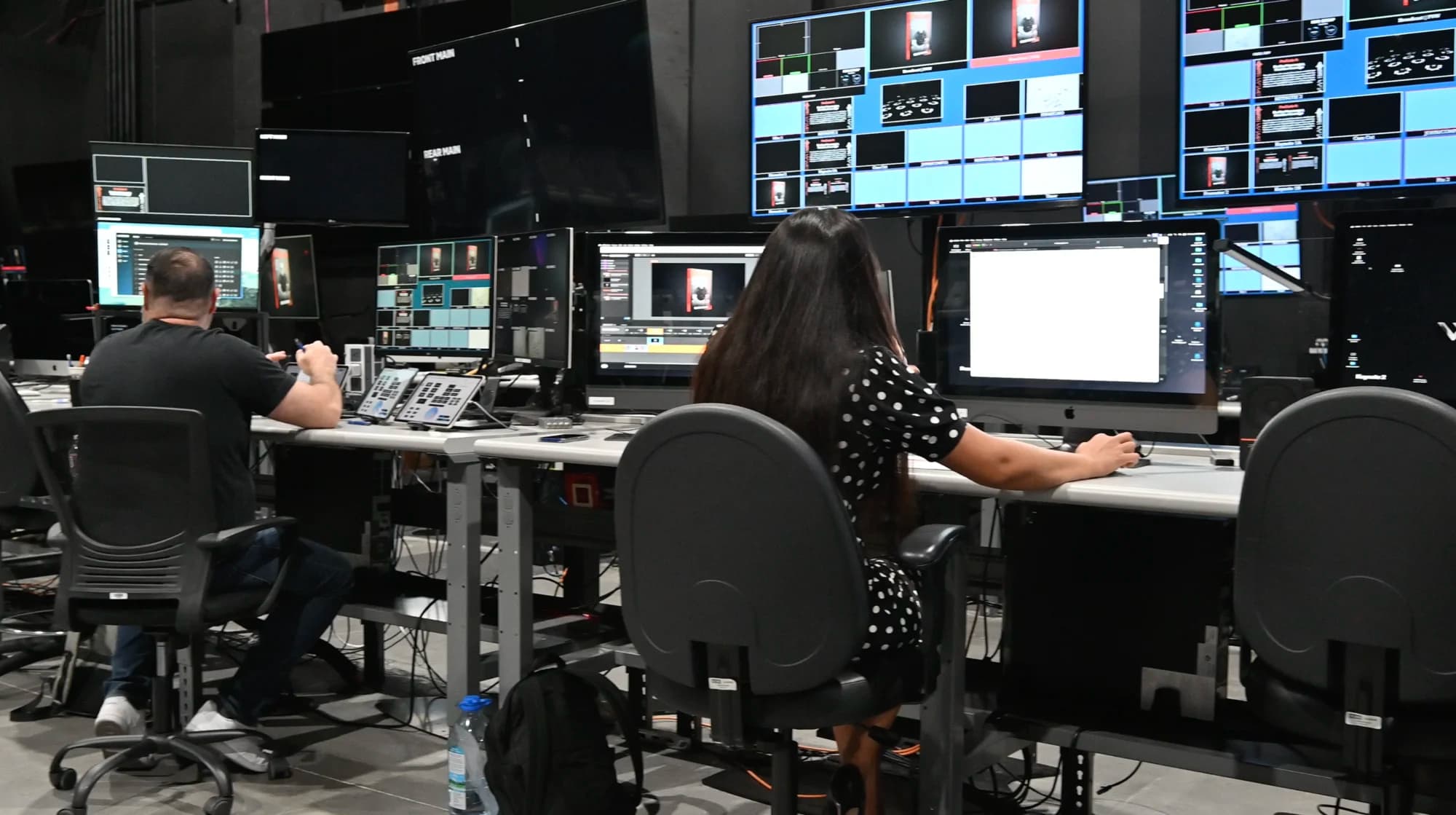
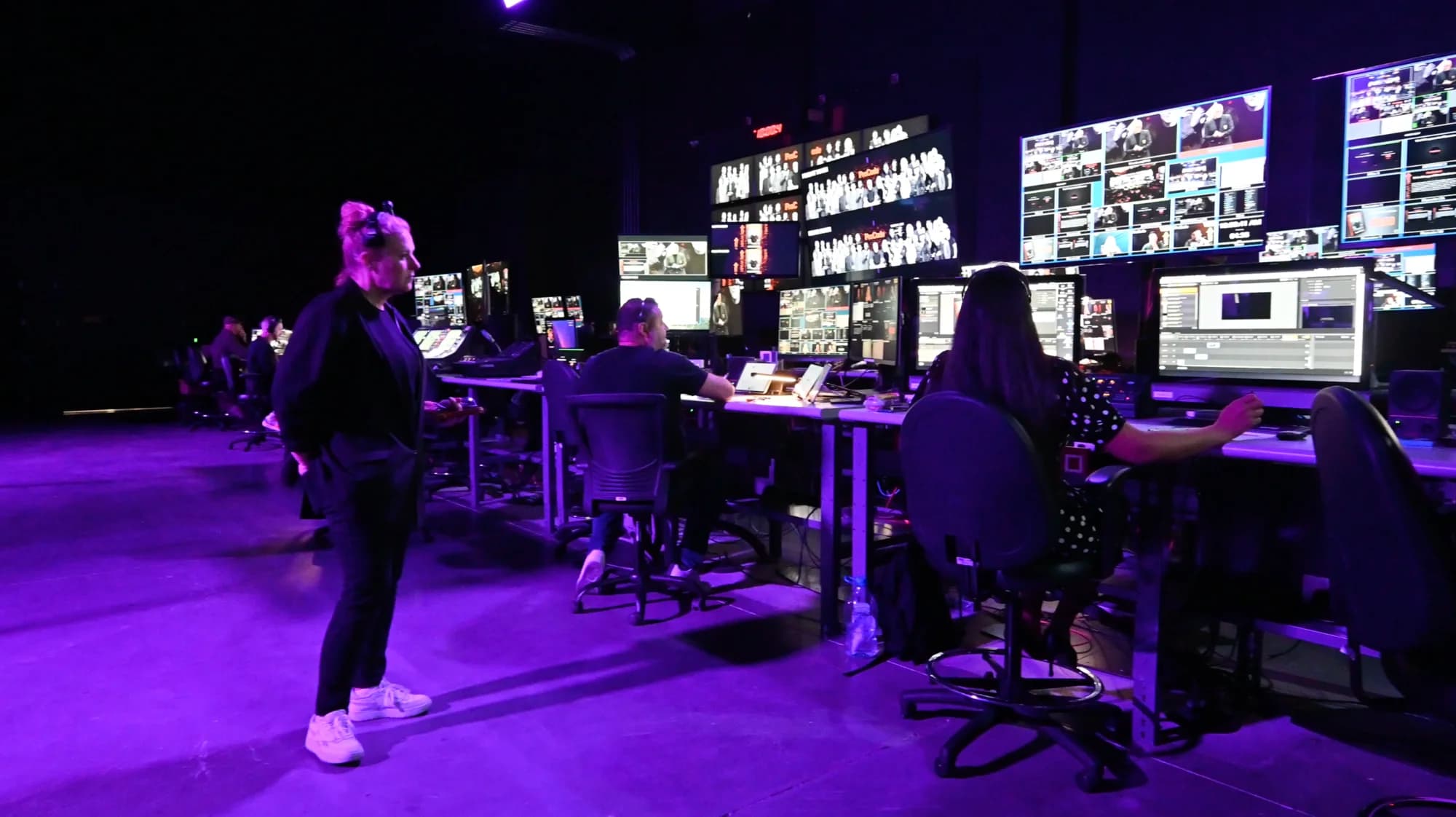
More than 50 workstations and interactive stations inside the facility, staffed during large events. It is where the virtual side is run, monitored and moderated, and it is why a six-figure interactive event is a production rather than a host clicking admit.
Remote Virtual Stage & Translation
What Is the Remote Virtual Stage?
A standalone service where we act as the broadcast stage for a client who has none. You send your camera feed from wherever you are and we broadcast it out as a full interactive experience, with the dashboard, breakout rooms and reach intact. See Remote Virtual Stage.
Do We Have to Travel to Las Vegas?
Not for this service. Matthew McConaughey broadcast a multi-hour session for Tony Robbins from a private studio with no remote capability, and it ran as a roughly 90,000-person interactive broadcast with breakout rooms. Nobody flew anywhere. The full account is here.
How Many Remote Stages Can Run at Once?
Up to about ten simultaneously, comfortably. Organizations running parallel regional sessions or a multi-track program can put several stages up at the same time instead of sequencing them across a calendar.
Is the Remote Virtual Stage Scoped Differently From a Studio Booking?
Yes. You are not booking the room, the in-house crew or the gear, so the scope is narrower and the quote reflects that. What carries over is the interactive layer, the branded dashboard and the reach.
How Many Languages Can an Event Run In?
More than 100 with AI-driven translation. Live human interpreter channels currently run four simultaneously, expandable to two sessions of ten for roughly 20 channels. Most global events use a mix, with interpreters on primary markets and AI extending the tail.
Do Remote Attendees Get Captions as Well as Audio?
Both. An attendee receives closed captions plus the translated voice in their own language, delivered live during the event rather than as a subtitle pass afterward. Nobody has to pick between reading along and listening, and nobody waits for a recording to understand what was said.
Does the Event Still Sound Like an Event in Another Language?
Yes, and it is the part most translation setups get wrong. Effects, music and room ambiance are layered underneath the translated voice, so an attendee in another language hears a show rather than a voice over a dead, silent background. More in real-time translation.
Can One Message Go Out Globally at the Same Time?
Yes, and it is the core argument for running a global event this way. One message, one time, across the world, instead of re-cutting regional versions and watching them drift. Every market hears the same announcement in the same moment, in their own language.
Booking, Scoping & Cost
How Does Booking Work, Step by Step?
An introduction call, then a virtual walkthrough, then an in-person site visit when you are ready. Exploratory needs calls define scope, crew, power and custom builds. A custom quote follows, then a contract, and crew is booked on signing. Start at book the studio.
What Happens Between Signing and Show Day?
You work directly with the production team through weekly or biweekly meetings right up to event day, whether that is two weeks out or ninety days out. Most venues hand over keys and wave. Here a dedicated team stays with you the whole way in.
Where Can I See What a Booking Costs?
Pricing is à la carte, built from the room plus exactly the crew, gear, interactive layer and custom build your event needs, so two events in the same room can be very different numbers. Approximate day rates for a basic booking are published in our article on the studio day rate. Anything beyond a basic build is quoted per event.
How Does the Cost Compare to a Hotel Ballroom?
Renting comparable LED walls into a ballroom runs roughly $300,000 to $500,000 for the walls alone, before crew, audio, lighting, rigging or the room itself. Raw venues quote the empty space and charge everything else as a plus. Here it is already standing. See studio versus convention center.
Do Clients Actually End Up Spending Less?
Teams who priced the ballroom route and came back have told us it landed higher than the original studio quote once every plus line was added. Most buyers learn it by pricing both. We will help you build that comparison honestly rather than ask you to take it on faith. Our cost breakdown lays out the lines.
How Far in Advance Should We Book?
It depends on the build. A straightforward booking can come together in weeks. A fully custom Unreal environment needs months. The first needs call sorts out which one you are, and lead-up support runs from contract to show day either way. Before you book covers what to have ready.
Can We See the Room Before Committing?
Yes, and we would rather you did. Virtual walkthroughs happen early and in-person site visits are the step that settles most decisions. The room does not photograph the way it feels standing inside it.
What Happens After We Submit the Inquiry Form?
A real member of the team replies, typically the same business day. From there it is an intro call and a virtual walkthrough to learn the event before anything gets quoted. No automated sequence and no sales queue. You can also reach us directly.
Can You Handle a Recurring Annual Event?
Yes. Enterprise clients run recurring flagship events here, including one that regularly brings roughly 7,000 people in person alongside 10,000 to 20,000 remote. Repeat builds move faster each cycle because the environments and workflows already exist.
Working in the Room With Your Own Team
Can Our Production Company Run the Show?
Yes. Outside teams bring their own crew and run their own show here. Our house is their house. Most venues will not allow it at all, and creative continuity matters more to us than protecting a labor line.
Is There a Surcharge for Bringing Our Own Crew?
No extra charge. Outside teams work the room at no premium, which is unusual enough that most producers ask twice. The only thing that changes is which two positions stay with us, covered next. Everything else, from creative to call times, stays in your hands.
Which Positions Does the Studio Keep in House?
Two, and only two. No outside lighting designer runs the house console, and nobody patches into the full production network unsupervised. Everything else is open. Both rules exist to protect installed systems the next client is depending on.
Can Our Lighting Designer Still Design the Show?
Absolutely. Your designer builds the looks and cues the show. A house operator runs the console itself. In practice it is one short conversation before the first rehearsal, and then it disappears into the workflow.
Can Our Team Load In Their Own Gear?
Yes. Direct truck load-in comes to the studio door, and productions regularly bring in scenery, cases, wardrobe and their own packages. Rigging that goes above the house grid gets scoped ahead of time, which is routine here. The producer’s playbook covers the walk-in.
Logistics, Las Vegas & Guests
How Do Trucks Get In?
Direct load-in at the building, with garage door truck access straight to the floor. There is no loading dock queue, no service elevator and no shared freight corridor to schedule around, which is the detail touring production managers notice first.
Which Airports Are Closest?
Harry Reid International is the main gateway and Henderson Executive handles private aviation. Both sit a short drive from the studio. Our airport guide covers approximate drive times and which one suits talent, crew or freight.
Where Do Guests Park?
On-site parking serves standard events. Larger events use off-site parking with shuttle service, which we have run for 400 cars and more. Parking plans are built into the scope rather than left to the day.
Can You Arrange Hotel Rooms?
Yes. Room blocks are sourced through us at Mandalay Bay, which extends across most MGM properties, and across Station Casinos properties including Red Rock Resort, Durango and Green Valley Ranch. One point of contact instead of a hotel sales cycle. See hotels near the studio.
There Are No Hotel Rooms Attached. Is That a Problem?
It is the trade most planners want once they think it through. Guests are not wandering onto a casino floor mid-session, so attention stays in the room. Room blocks plus transport cover the hotel side. Our take is in choosing a venue without attached rooms.
How Do Guests Get From the Hotel to the Studio?
Buses, limos, cars and charters are sourced through us, including talent transport, with shuttles scheduled around your run of show. Transportation options near the studio are covered in more depth.
Can You Source Generators, Trailers and Permits?
Yes. Power trucks and generators, star wagons, wardrobe and production trailers, extra rigging, and city permits for parking and loading are sourced through us. A production that would normally need a local fixer does not need one here. See Las Vegas logistics.
Is Food and Beverage Handled On Site?
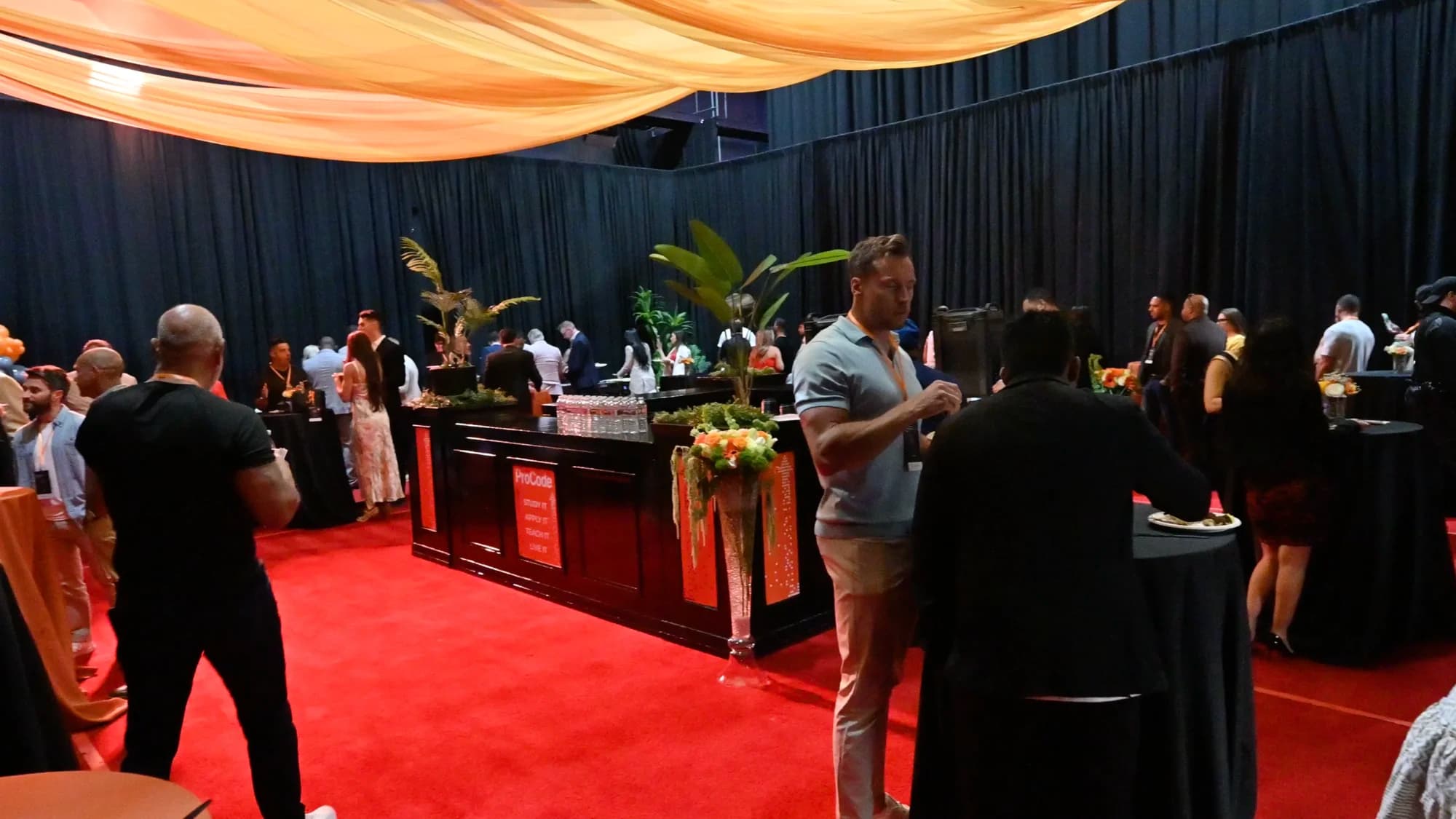
Yes. Executive dining, craft services and food trucks are all available, buffet or served, in house or through our network. One fewer vendor for your team to manage, and nobody leaves the building to eat.
Are There Nevada Film Incentives We Could Use?
Possibly, depending on the production. We are connected with the Las Vegas Film Office for tax incentives and credits and can point you at the right conversation early, while it still affects how you structure the shoot.
How Do Attendees Register or Buy Tickets?
Through INCREDEVENT, the ticketing and registration platform built into the operation. Registration, ticketing, the interactive dashboard and the broadcast all sit under one roof, which removes the usual seams between a ticketing vendor and a production vendor. Ticket pricing for hybrid events goes further.
Reviewed by Ben Groen
Specifications, capacity figures and production details on this page are maintained by the Worre Studios team and reviewed by Ben Groen, Ticketing & Interactive Platform Lead.
Published 15 September 2026 · Last updated 27 September 2026
Still have a question? Ask it and we will answer it straight
Tell us about your event and we will build the scope with you. Venue, crew and reach, end to end, from one team in one room.