

A Remote Virtual Stage at 90,000 Scale
On this page
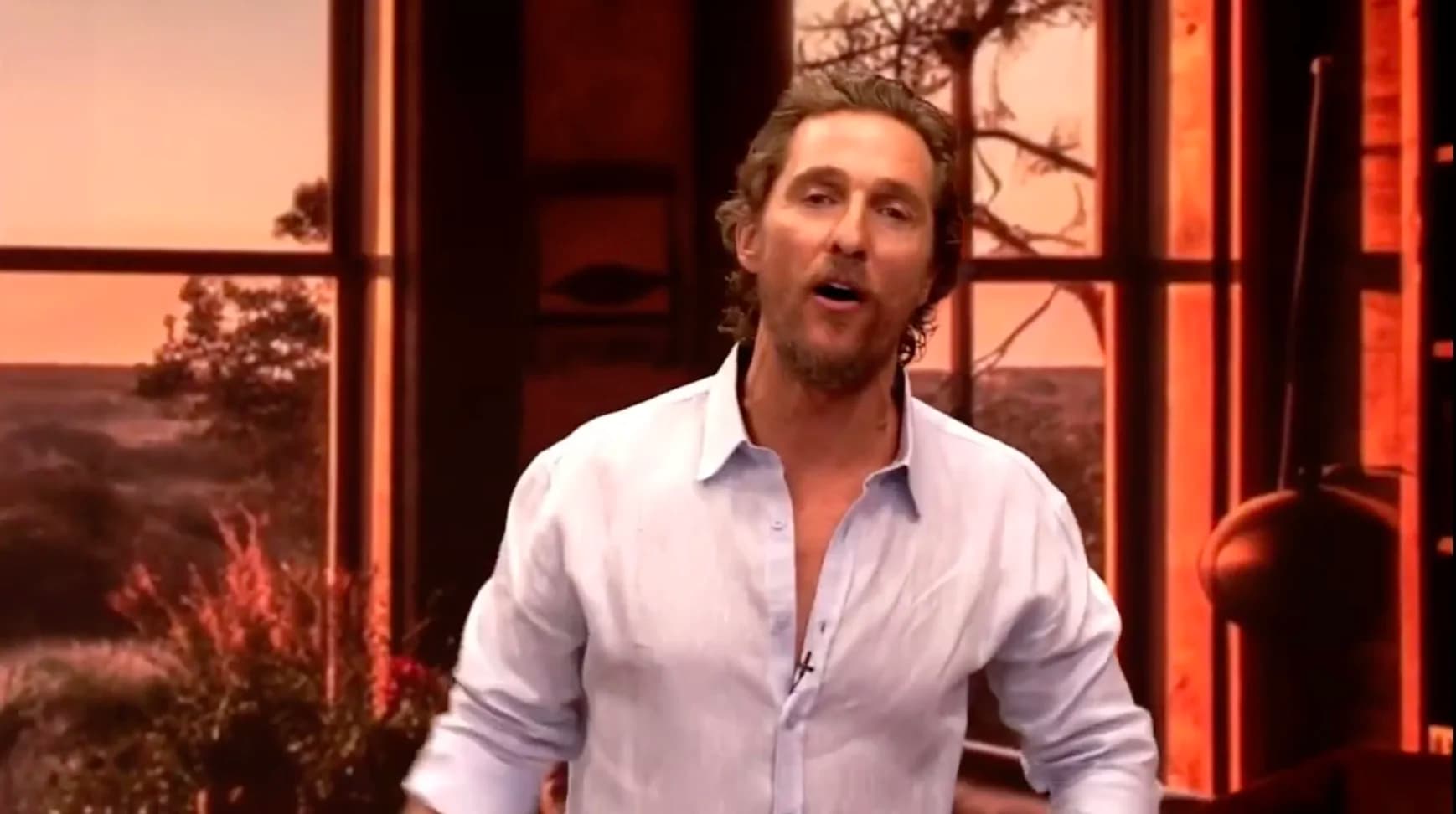
Matthew McConaughey had a multi-hour interactive session to broadcast and a private studio with no remote capability. His camera feed came to Worre Studios; a fully interactive event — breakout rooms and all — went out to an audience at roughly 90,000-attendee scale. He never left his studio. The audience never felt the distance. It's the clearest proof of what a remote virtual stage is for.
Key Takeaways
- The host's location had a camera and nothing else a broadcast requires — no streaming infrastructure, no interactive capability.
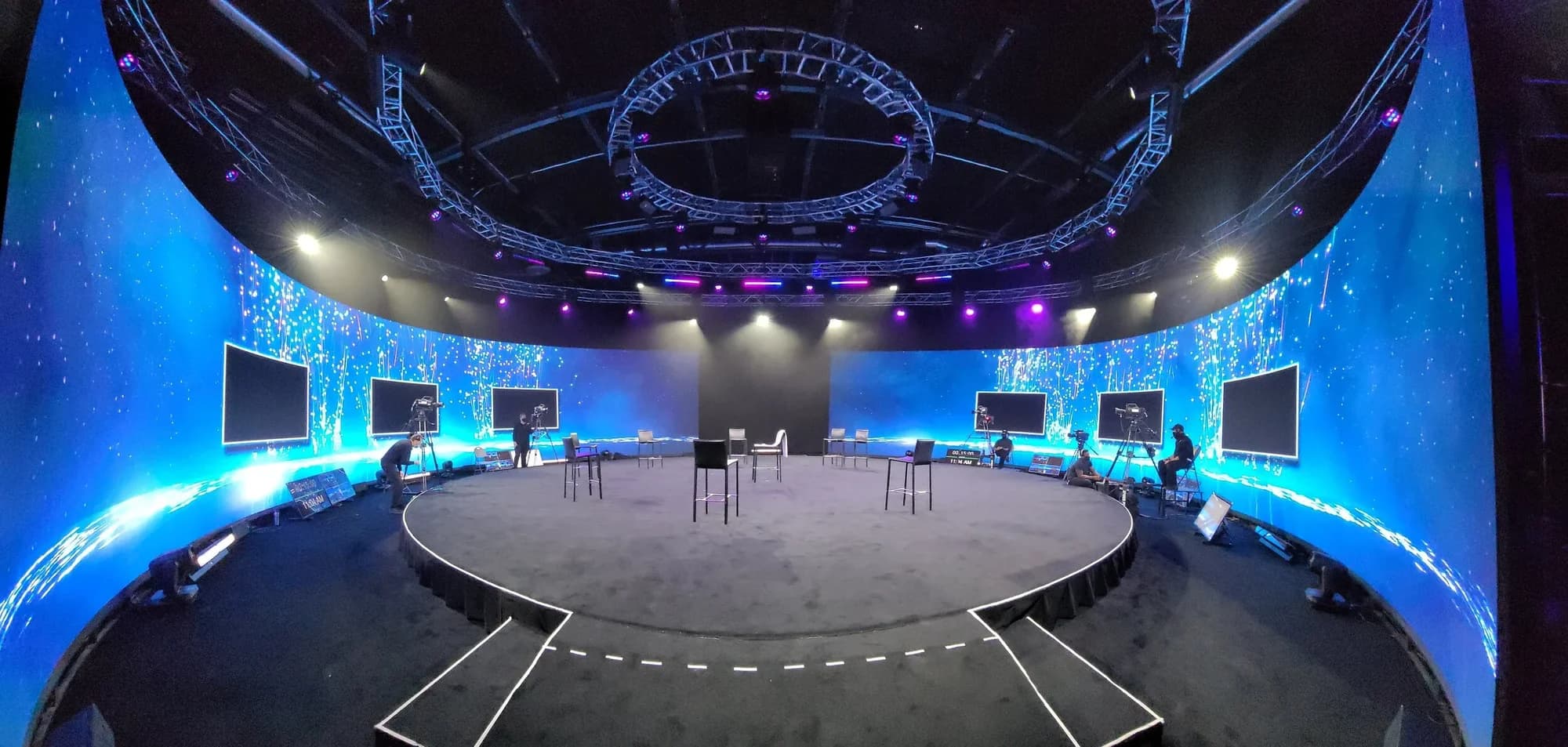
- Worre Studios served as the broadcast stage: the feed came in, and full interactive-broadcast infrastructure carried it out.
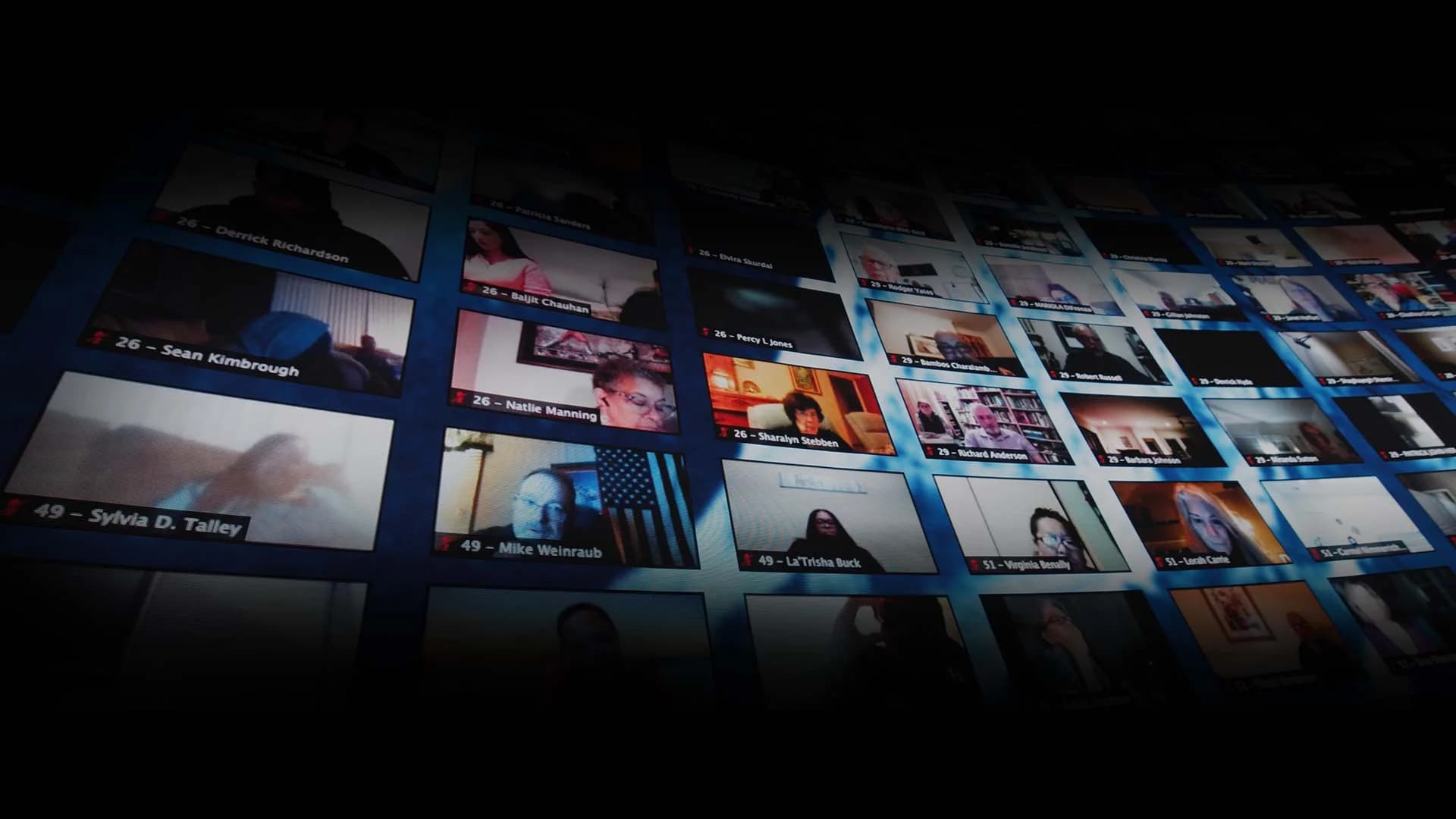
- The event ran fully interactive at roughly 90,000-attendee scale, including live breakout rooms — a format no webinar platform delivers.
- The engagement proved the Remote Virtual Stage as a standing service, not a workaround.
Some productions prove a spec sheet. A few prove a service exists. A multi-hour broadcast with Matthew McConaughey did the second.
The Setup
The engagement, produced in connection with Tony Robbins, called for McConaughey to lead a multi-hour Monday session built around his book and road trip. The content was ready and the host was set — in a private recording studio that had no remote broadcast capability. No streaming stack, no interactive layer, no way to reach an audience at scale, and an audience of tens of thousands expecting to do more than watch.
The conventional answers all had the same flaw. Fly the host to a broadcast facility, and you've moved the mountain to the camera. Stream the feed through a webinar platform, and 90,000 people get a window — muted, passive, one browser tab from gone — when the entire format of the session was interaction.
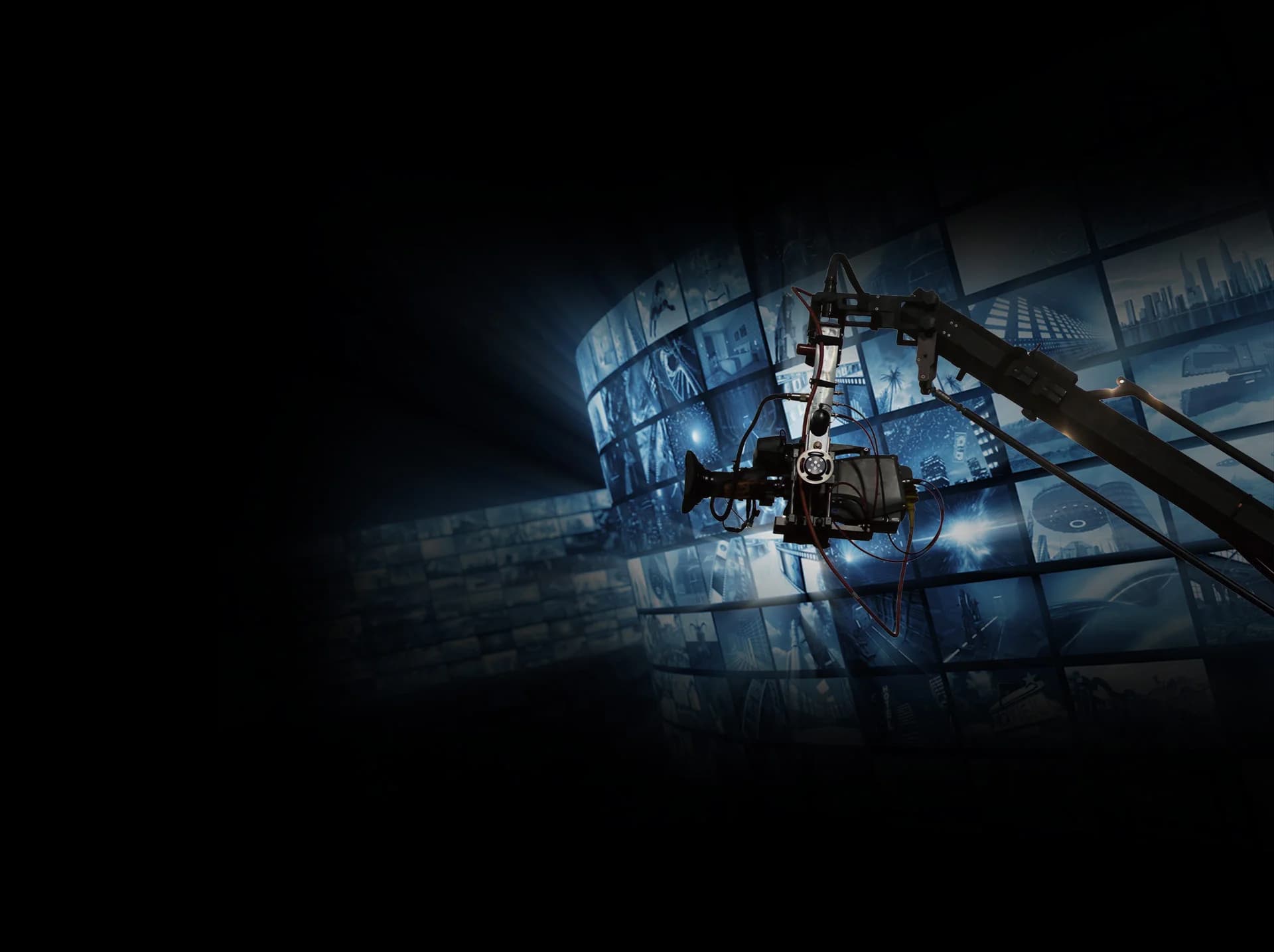
The stage was here; only the picture came from there.
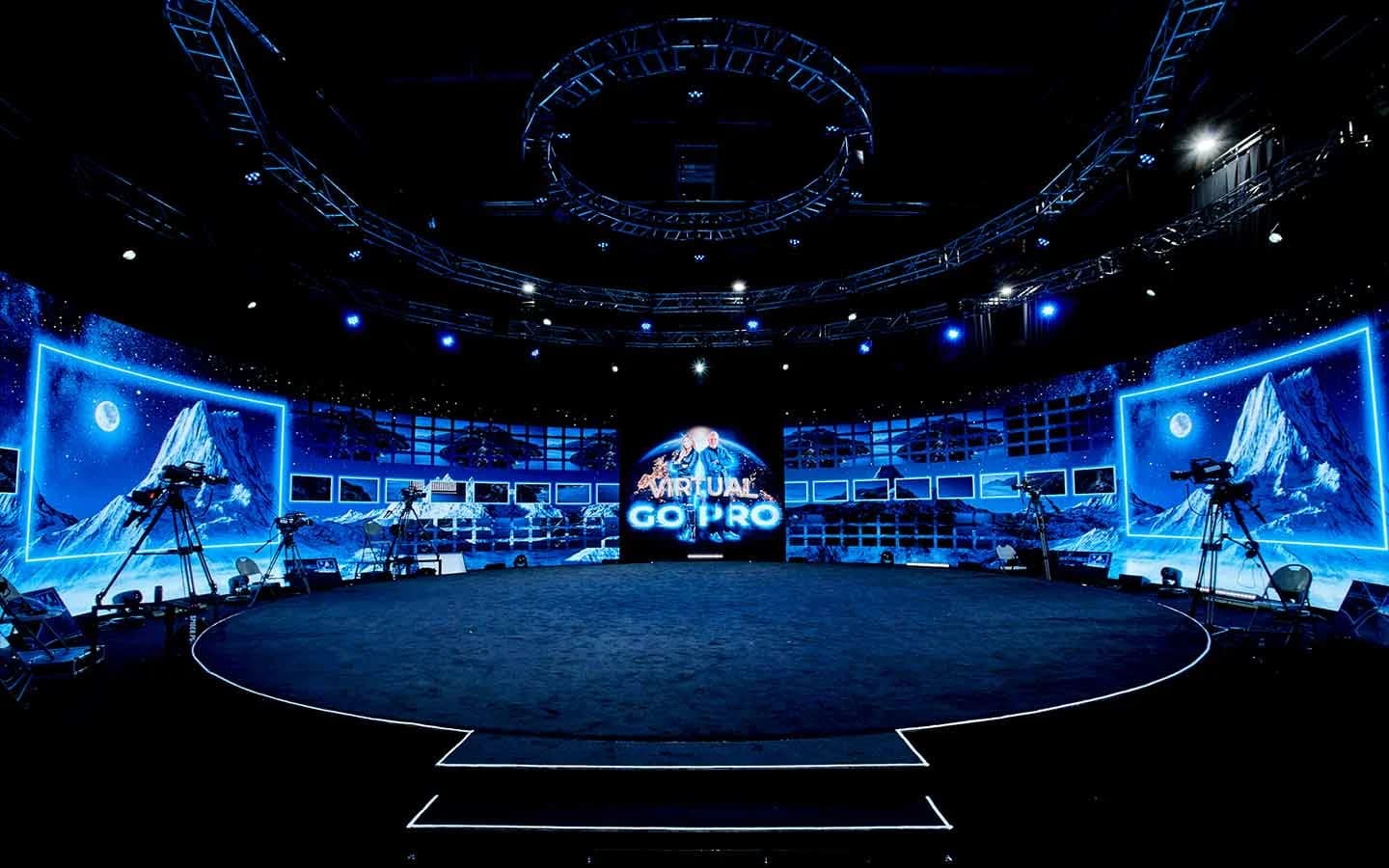
The Stage He Never Stood On
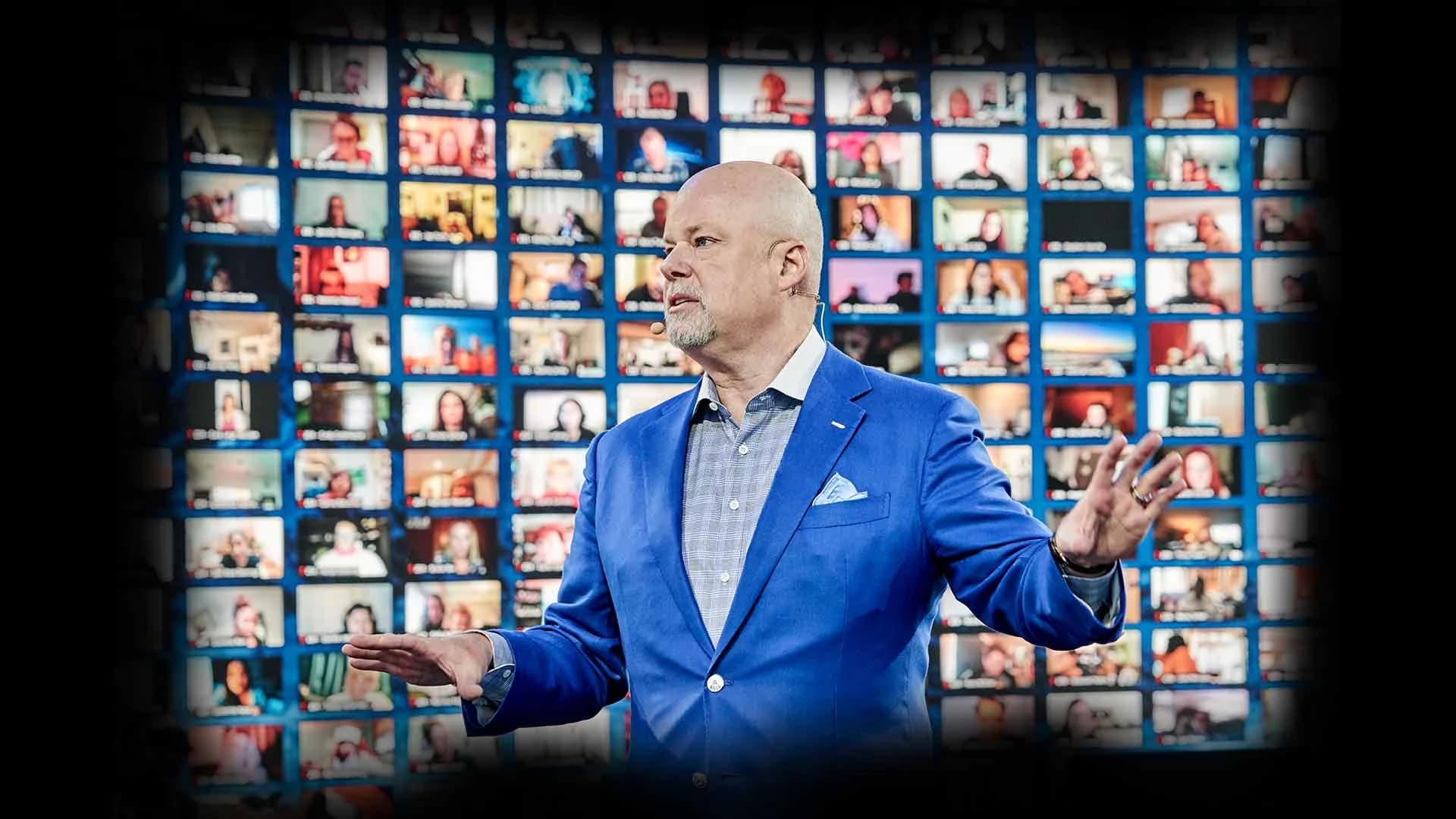
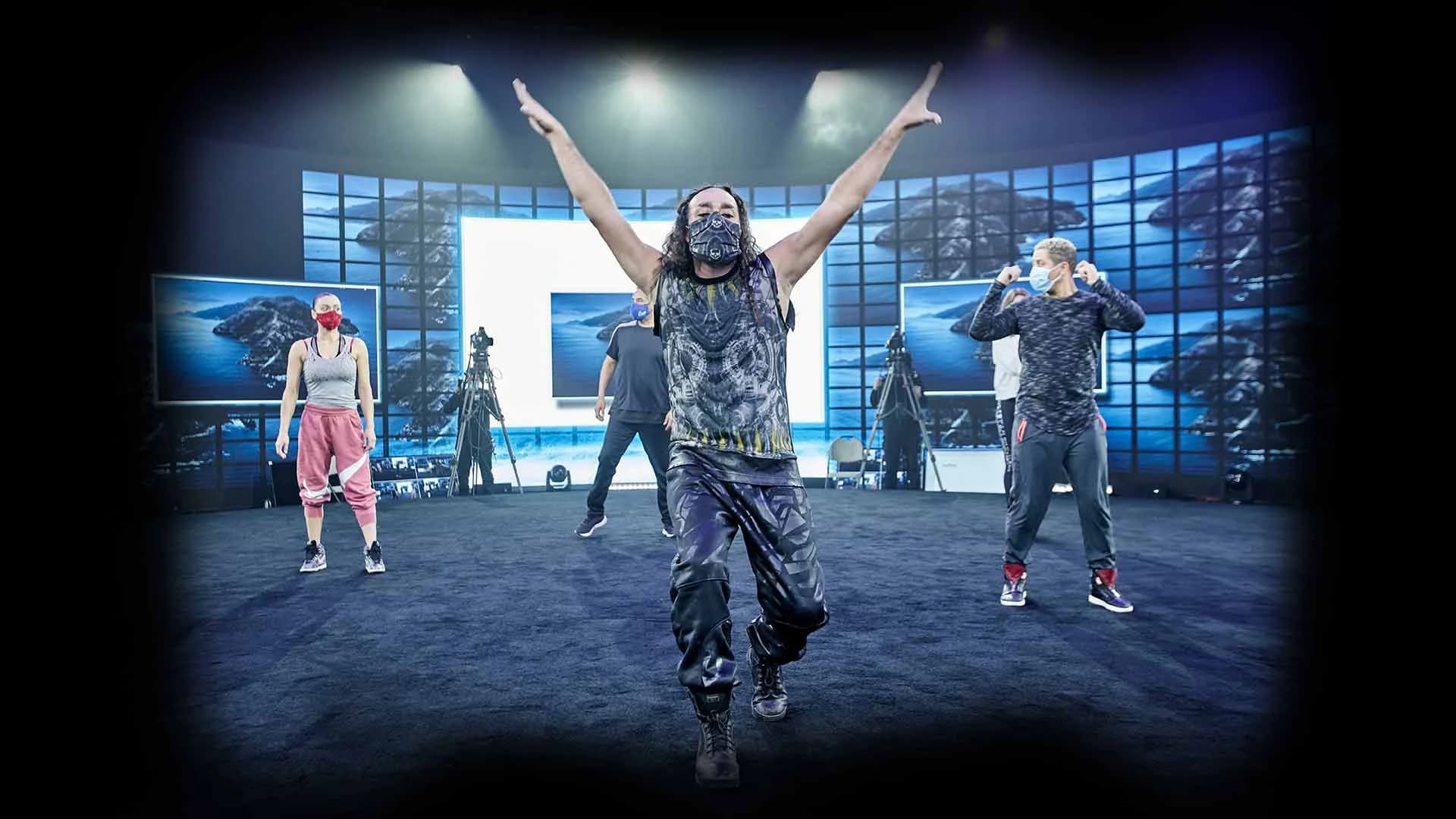
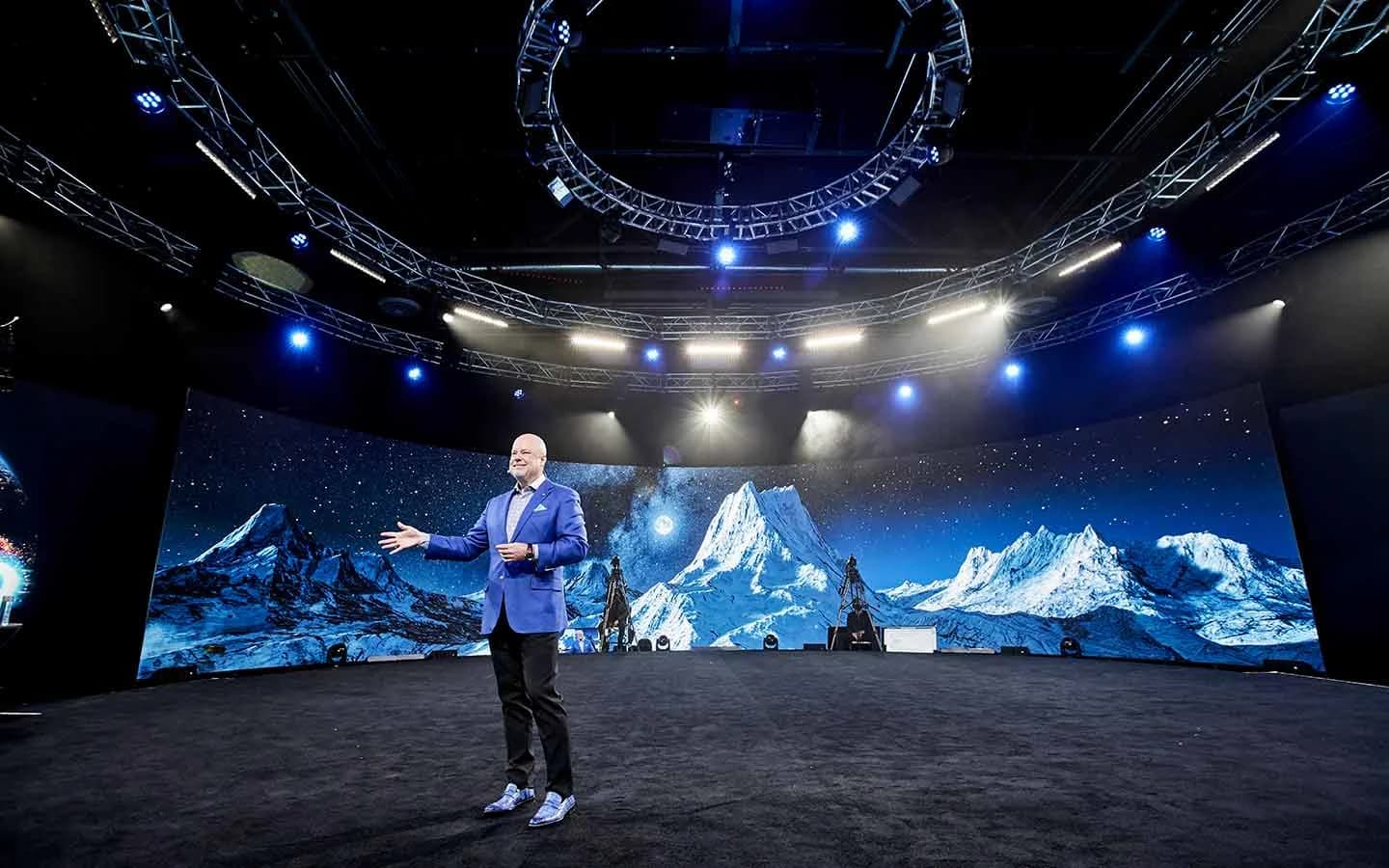
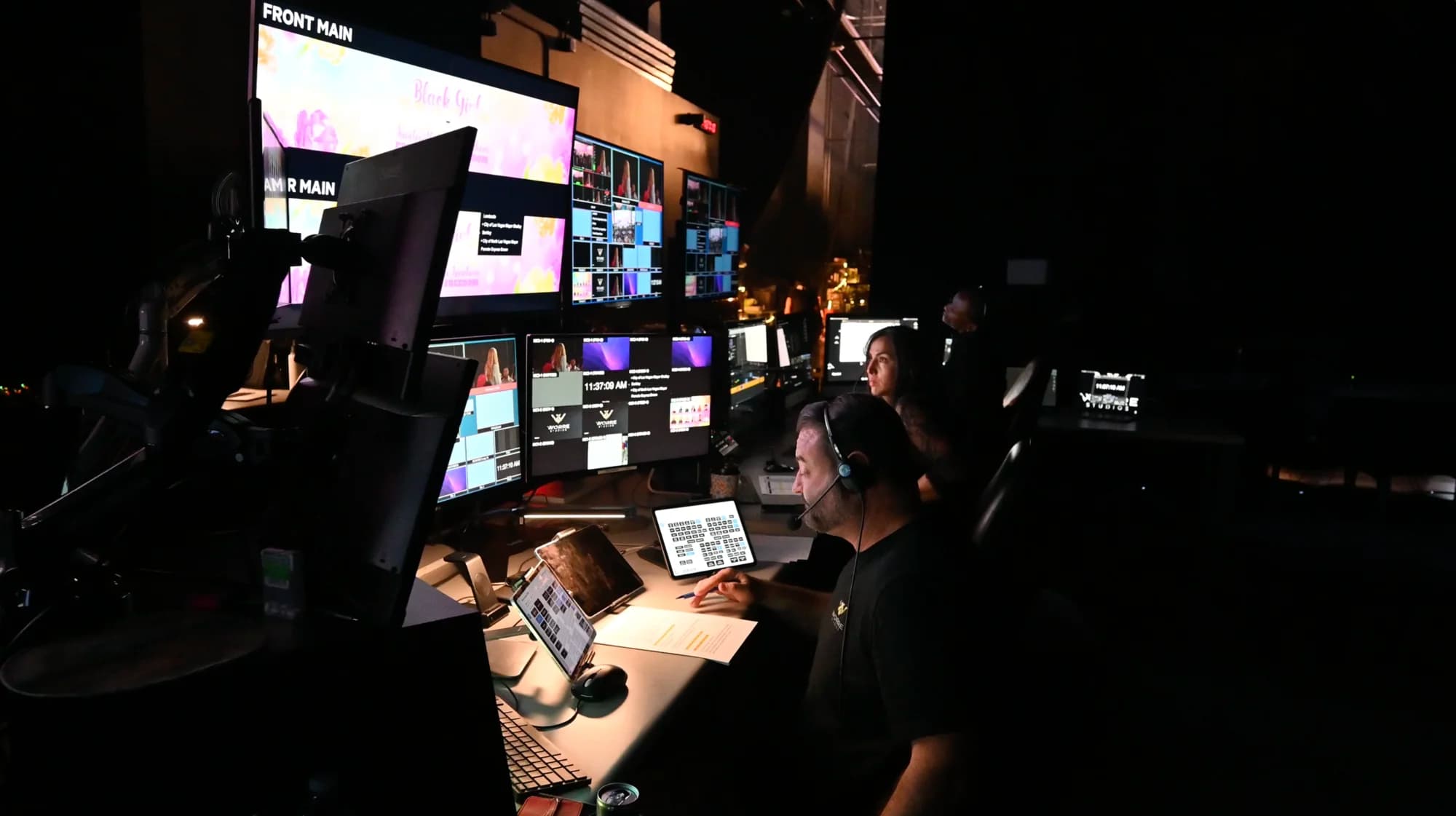
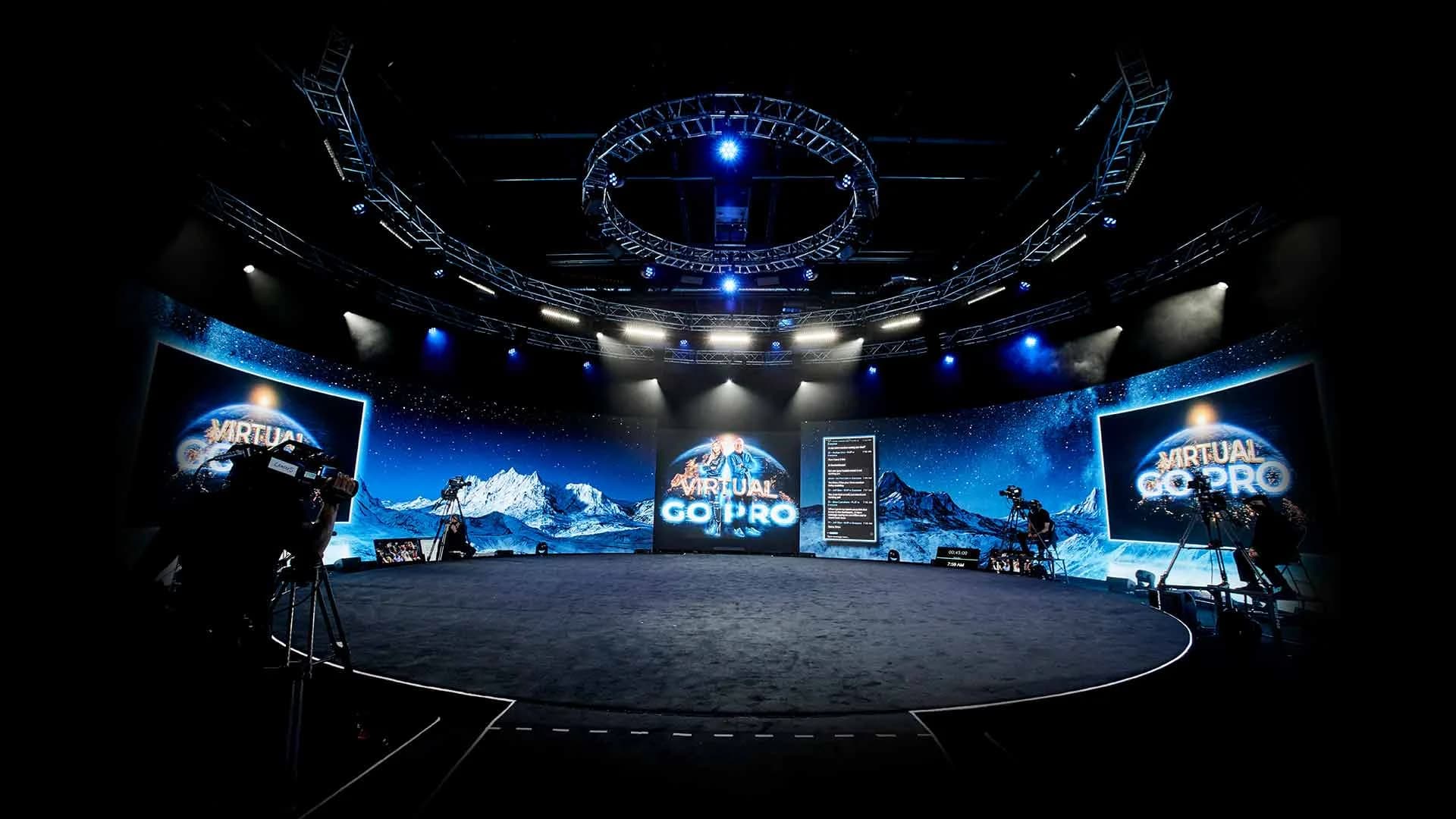
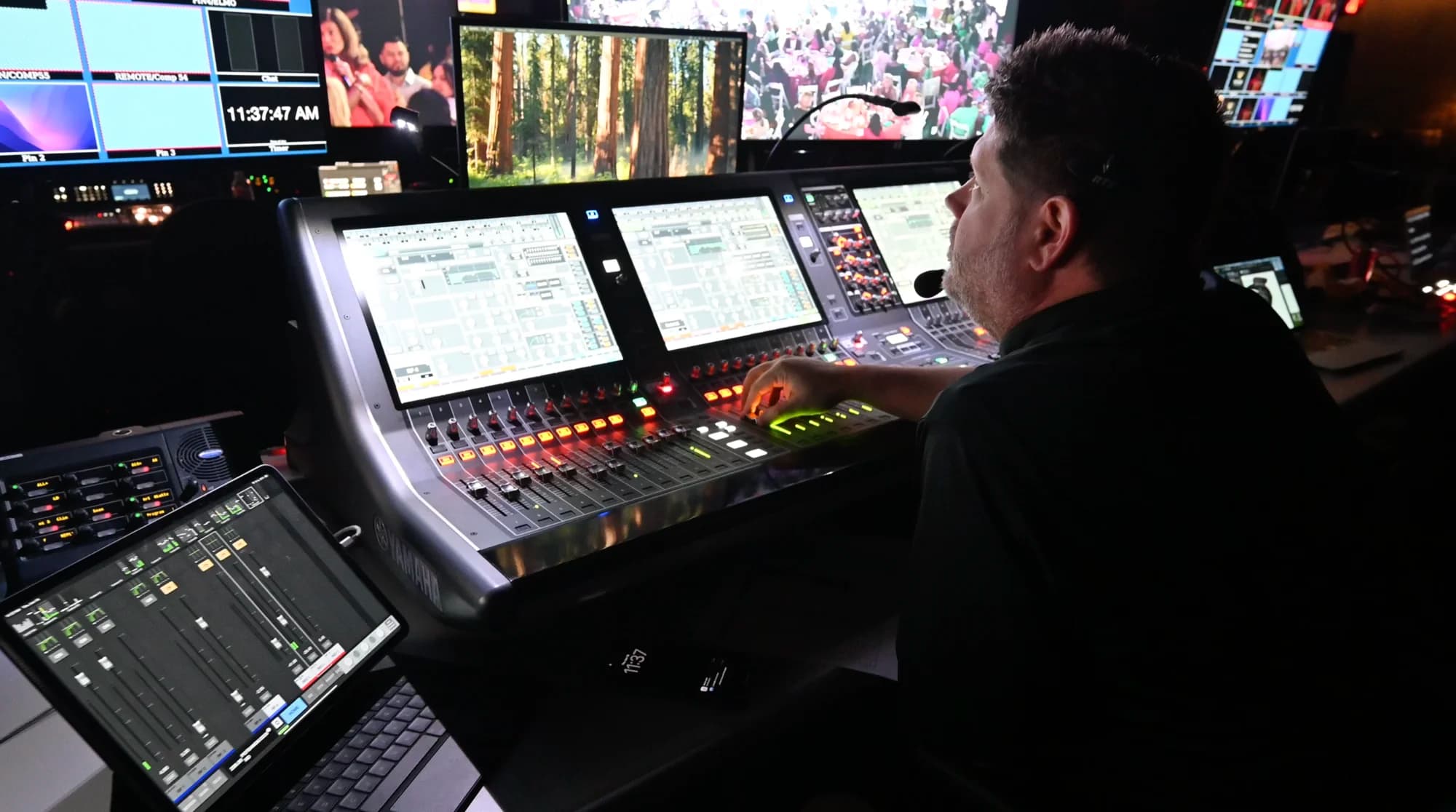
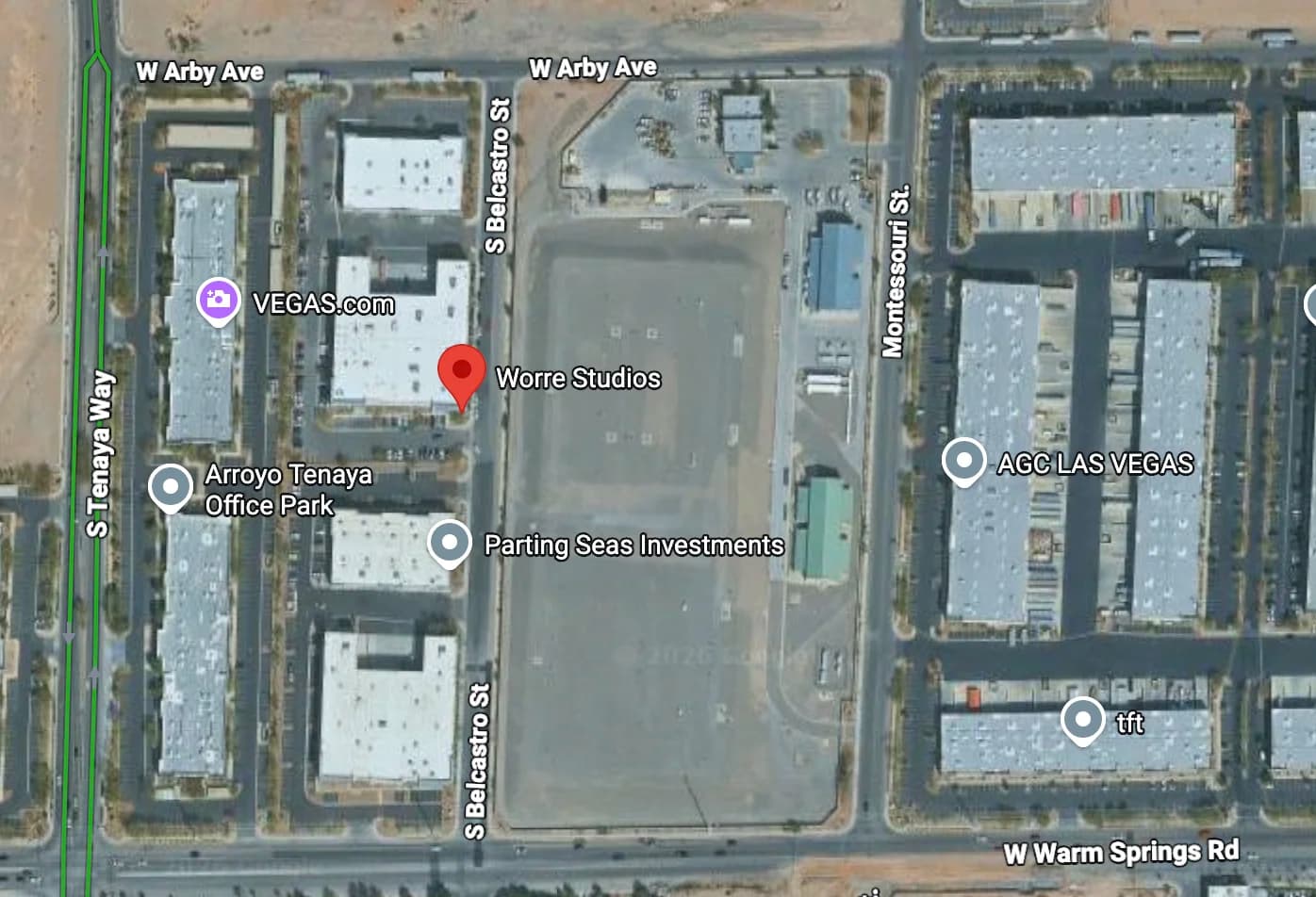
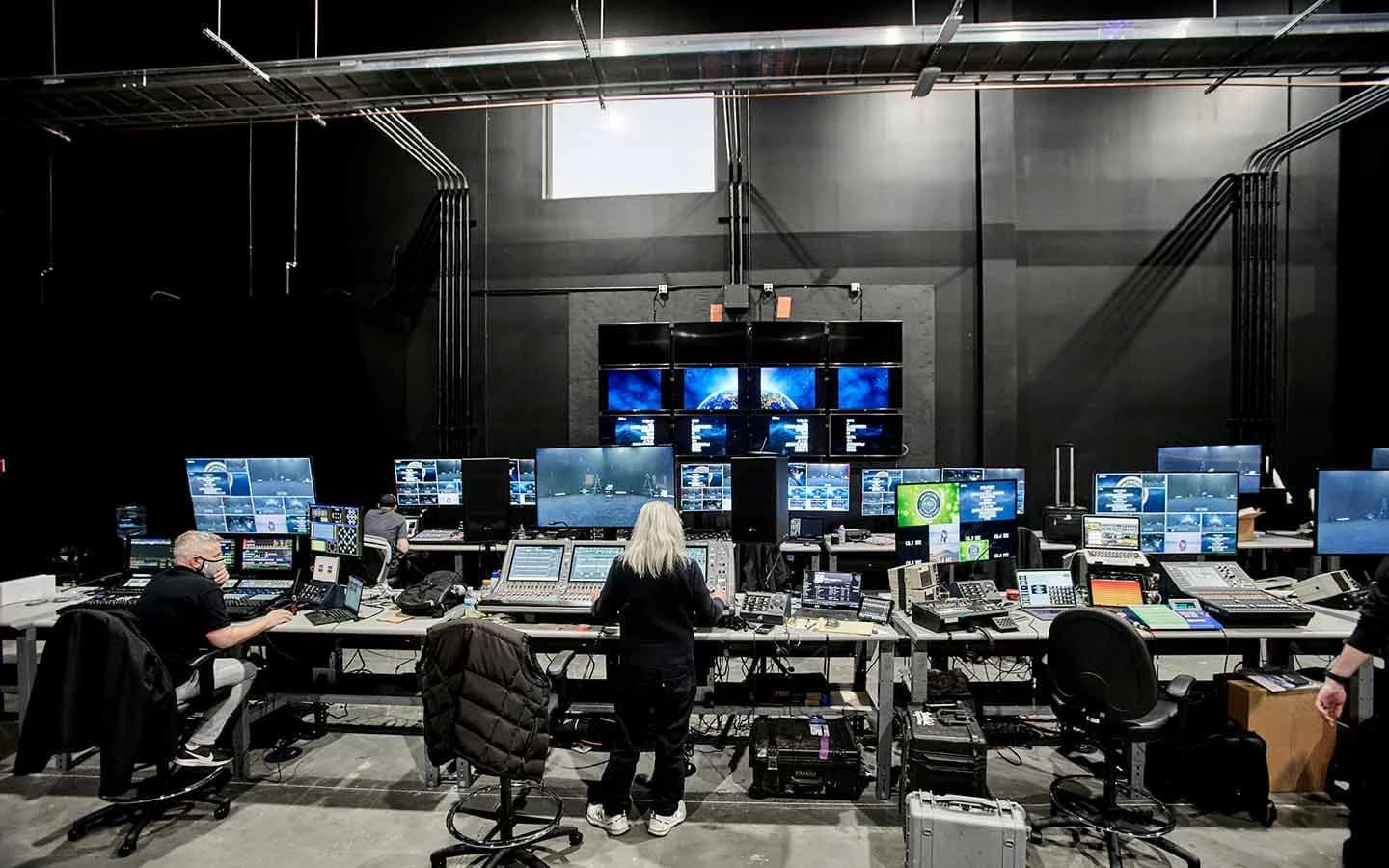
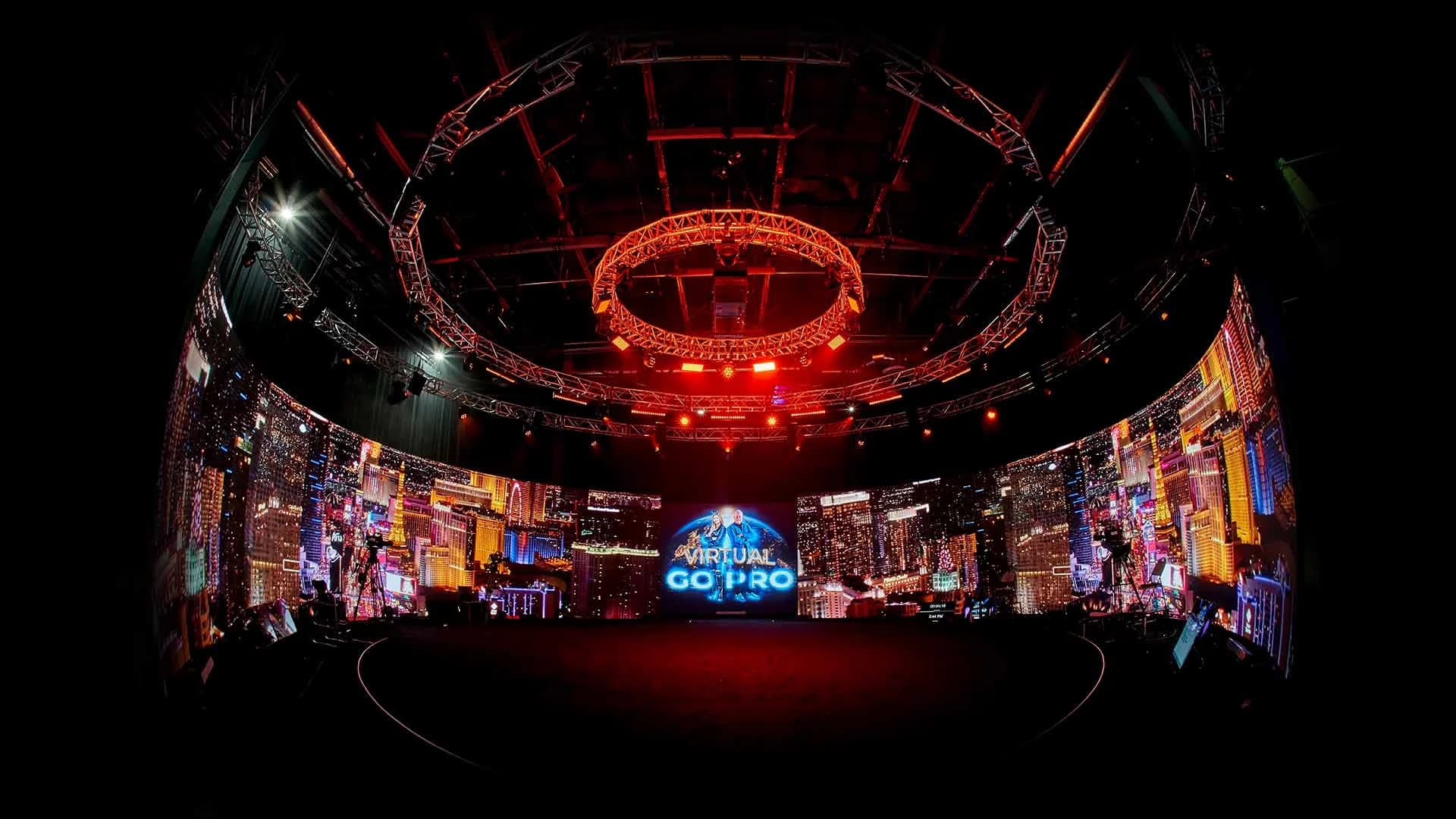
The remote virtual stage model splits the problem exactly where it wants to be split. McConaughey's studio did the one thing it could do: put a camera on the host. Everything else happened at Worre Studios.
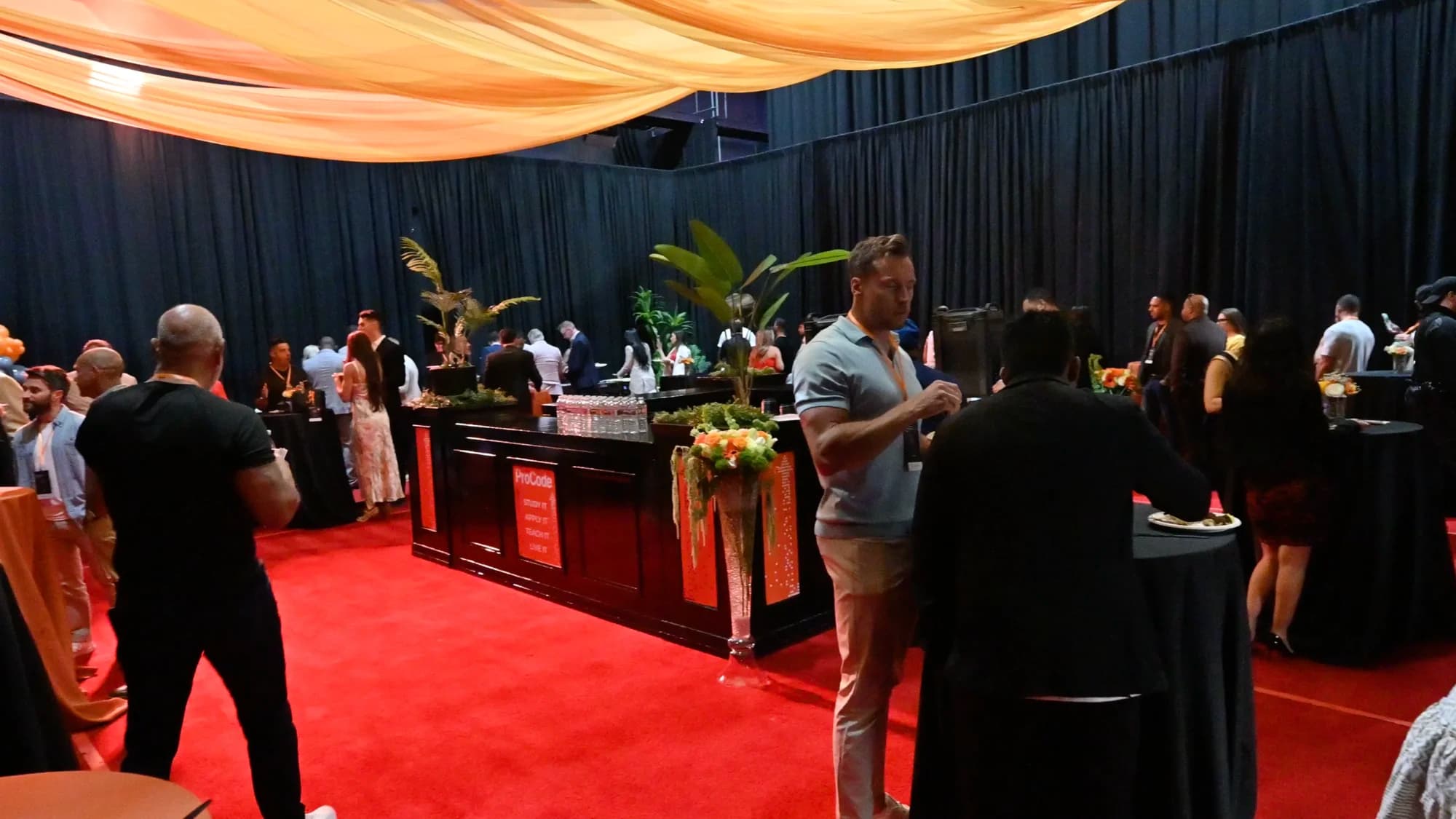
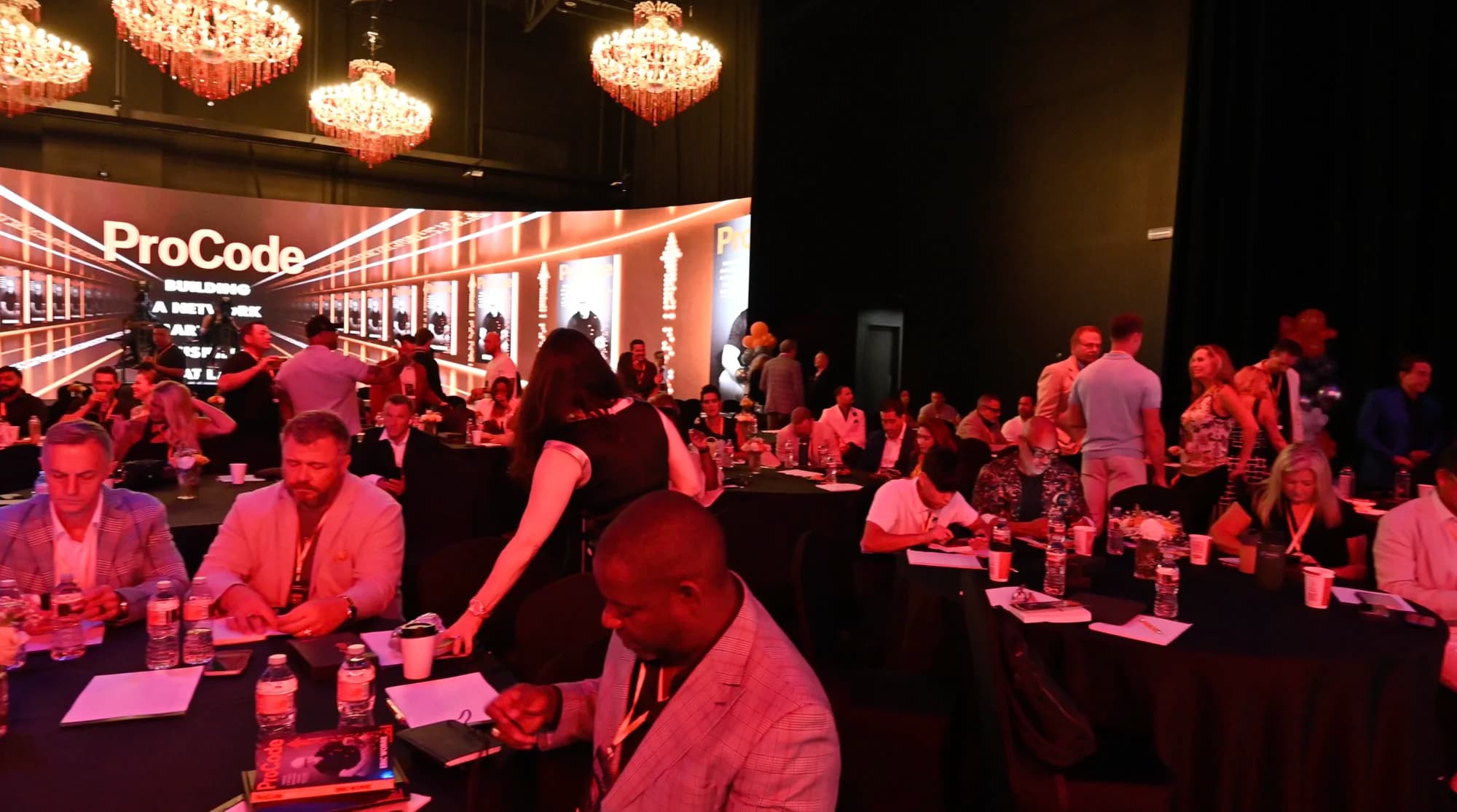
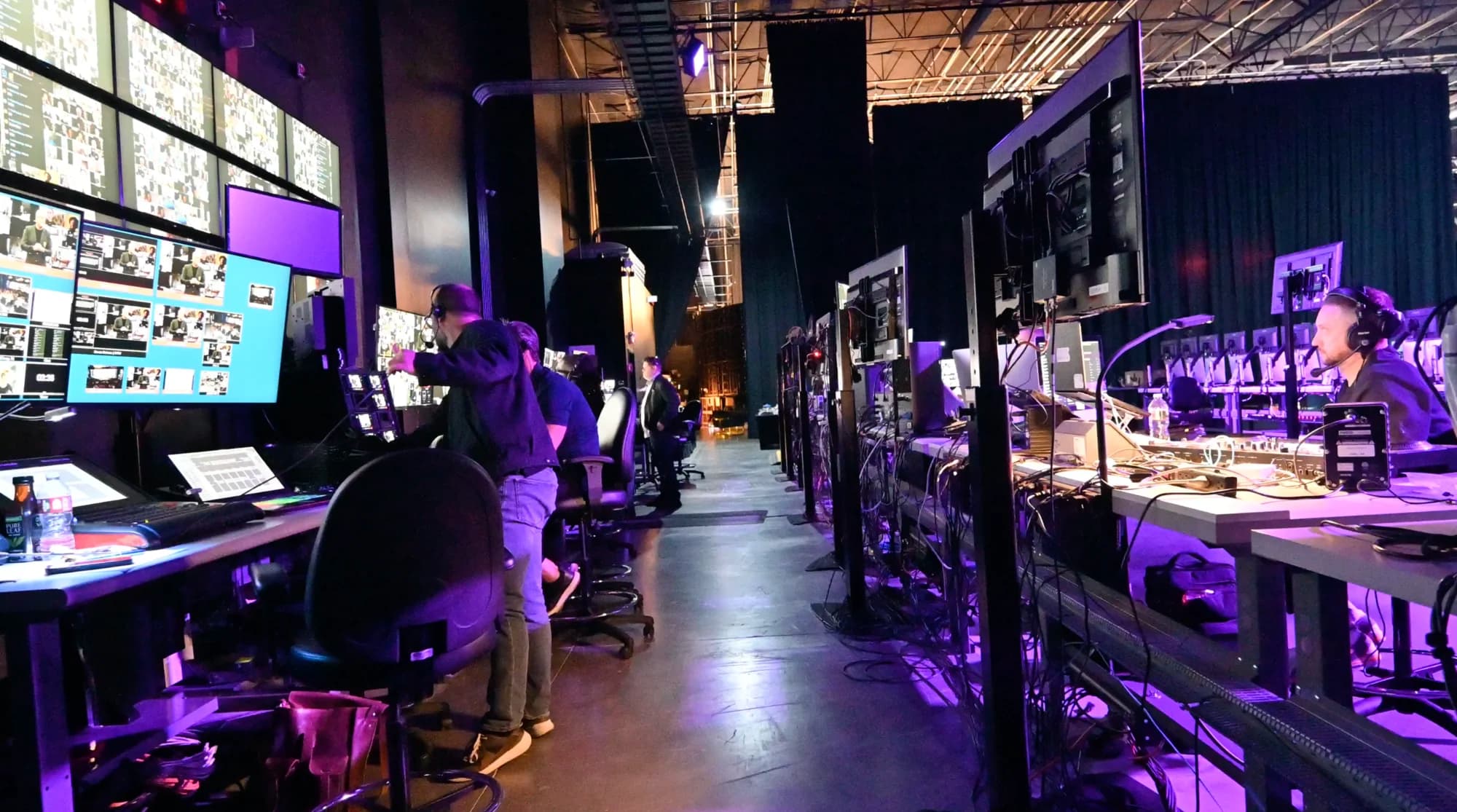
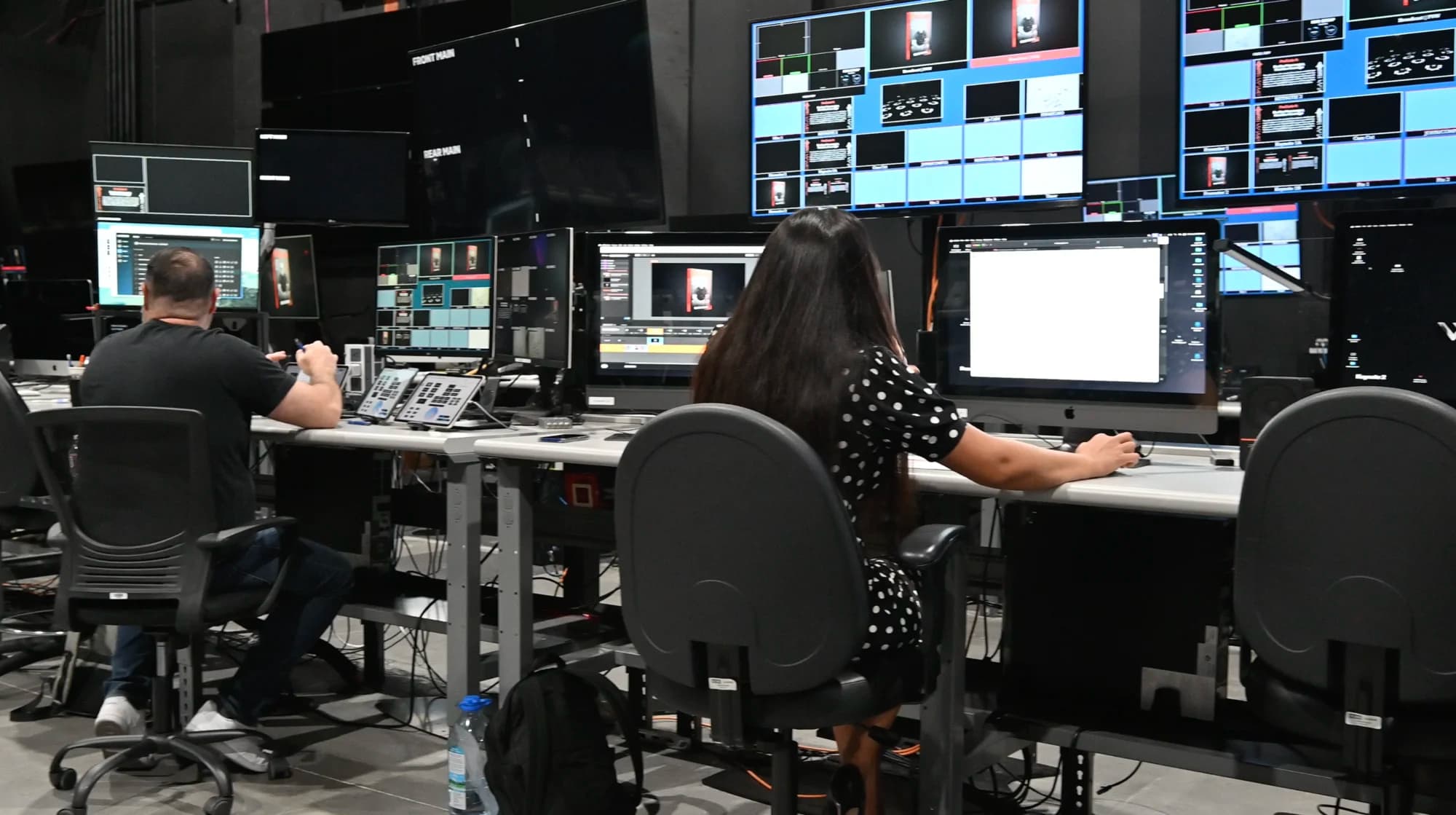
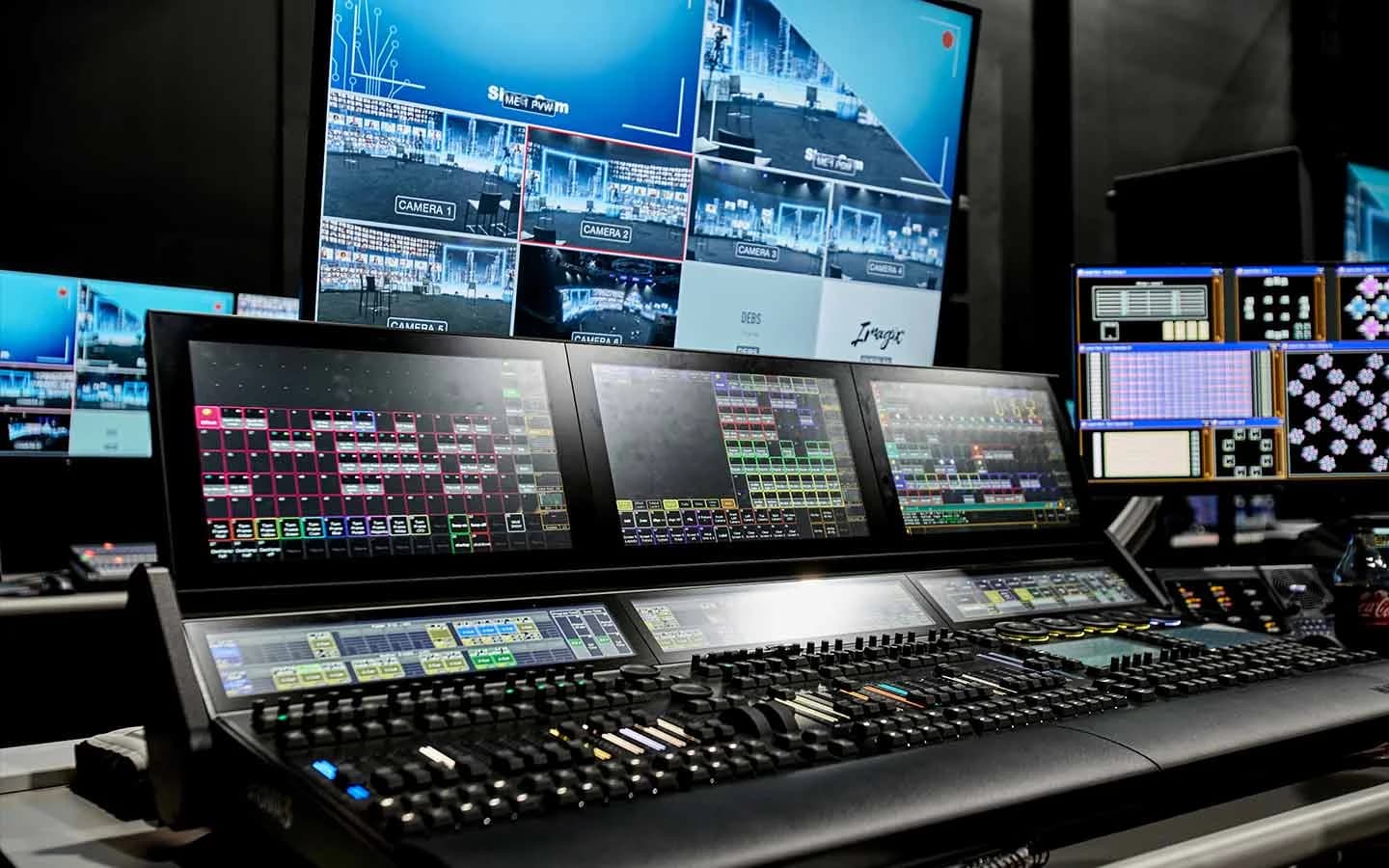
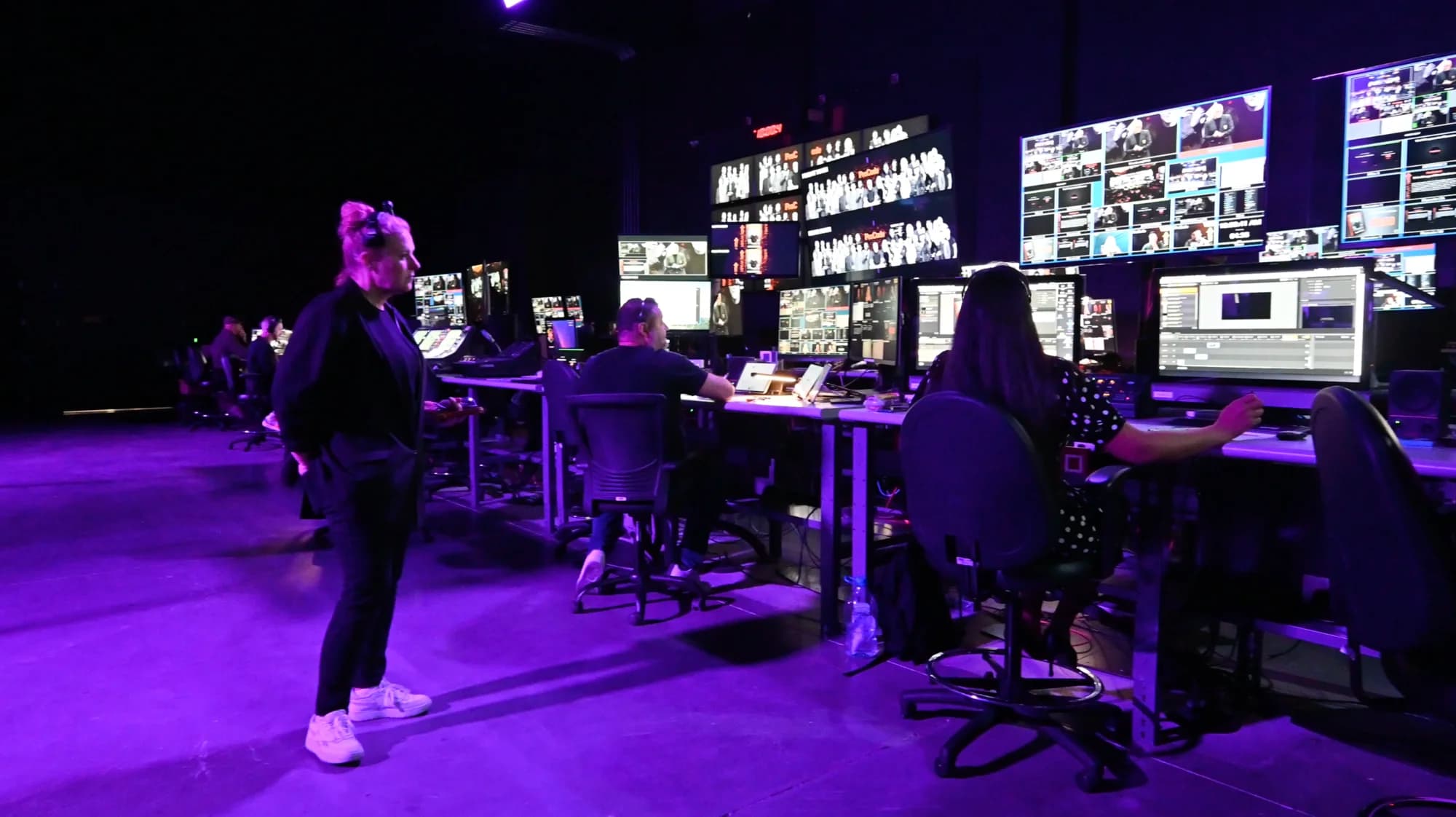
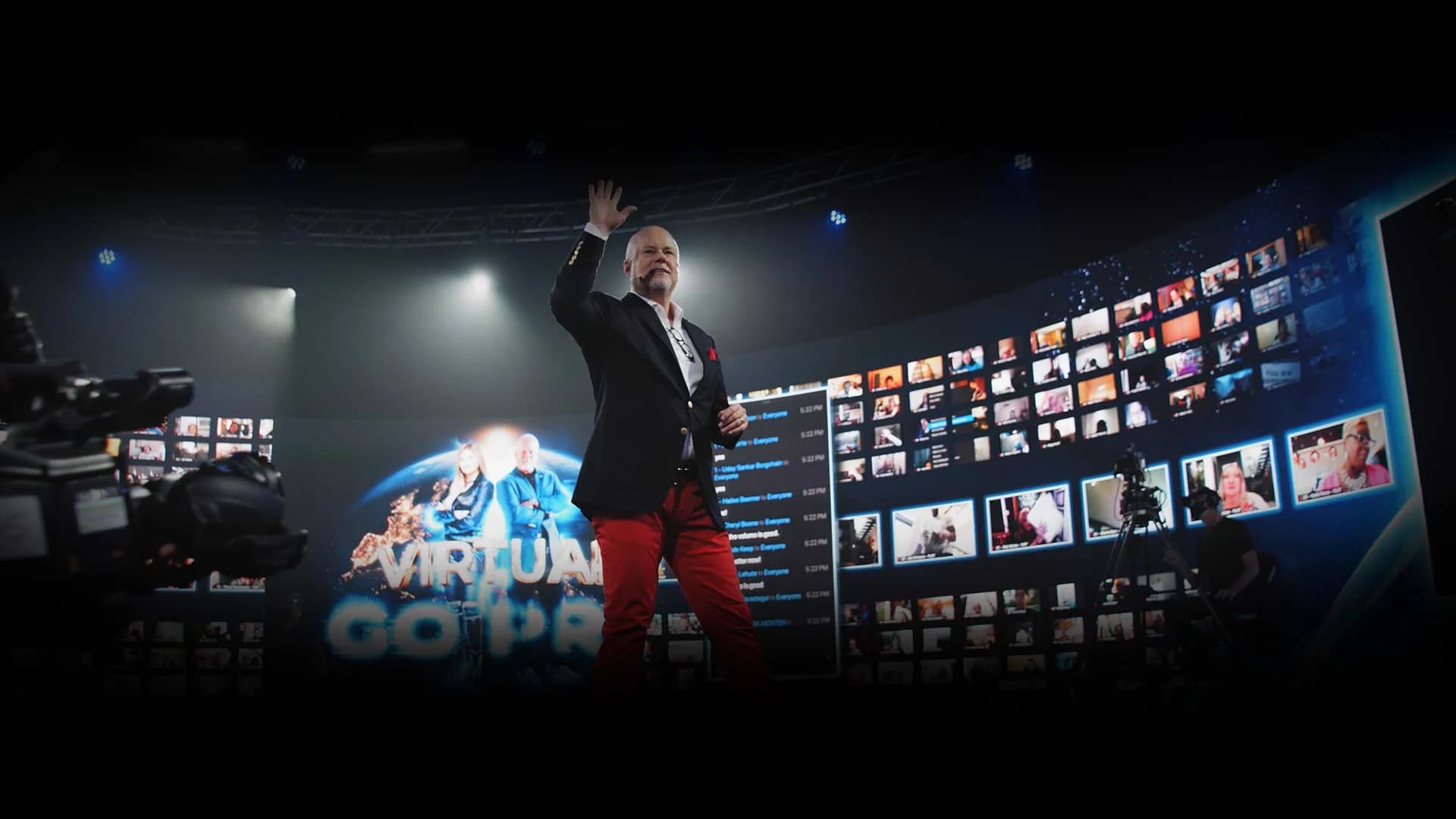
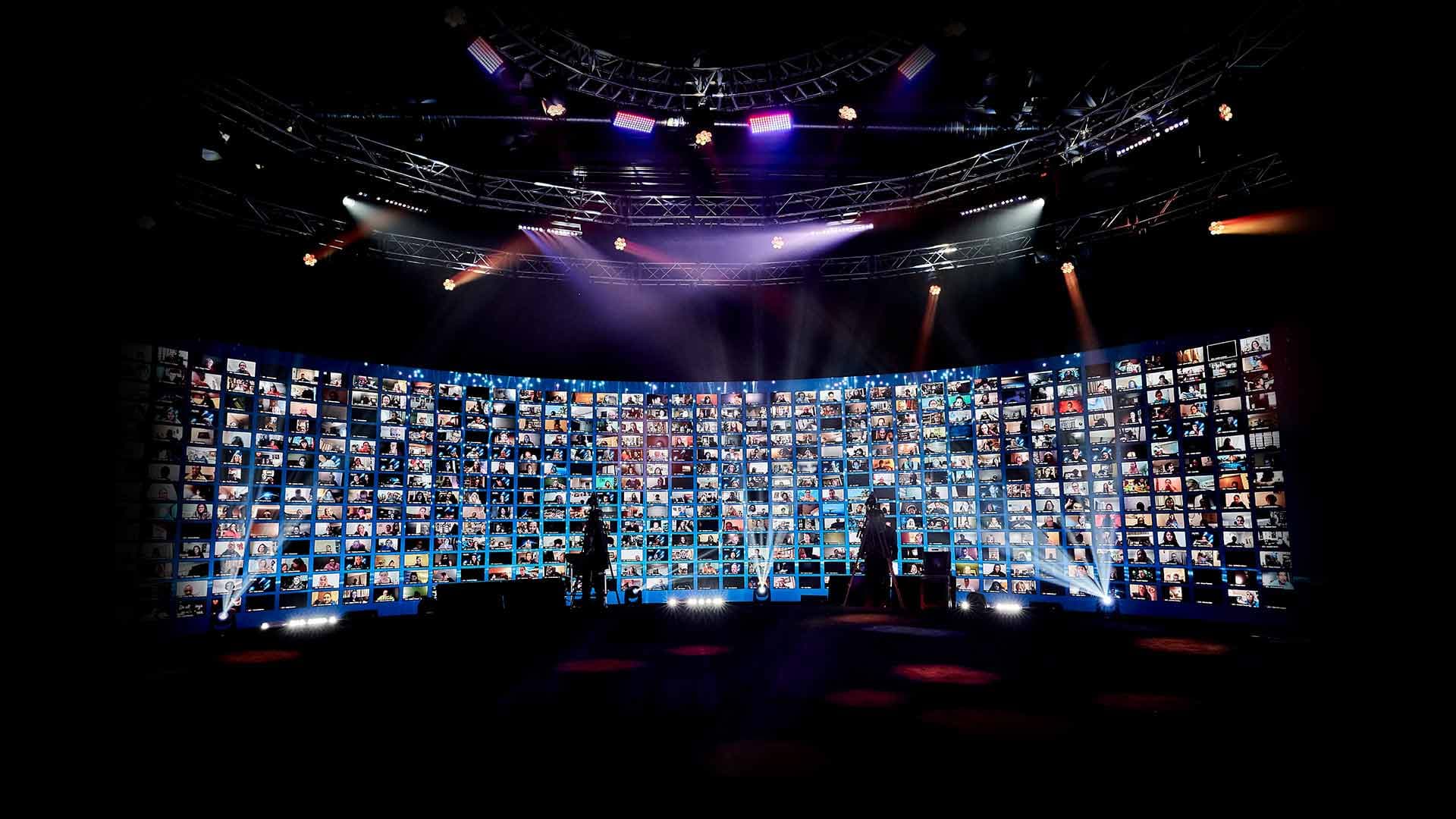
His feed landed in the broadcast-grade control room and went out inside full interactive-broadcast infrastructure — the branded per-event dashboard, live audience interaction, and breakout rooms where attendees met face to face in live sessions. From the audience's side, the event simply happened: roughly 90,000 attendees inside a fully interactive broadcast, participating rather than spectating. Nobody experienced it as a feed relayed across the country, because functionally it wasn't one — the stage was here; only the picture came from there.
What It Proved
One production settled two questions at once. For the audience, it answered "is this just a big webinar?" the way specs never can — breakout rooms at 90,000-scale aren't a webinar feature. For every team that has a host, a camera, and no broadcast capability, it proved the Remote Virtual Stage isn't an improvisation but a named, repeatable service — one the studio now runs as standing capacity, with up to ten virtual stages operating simultaneously.
Frequently Asked Questions
No — and that's the point of the story. He broadcast from a private studio with no remote capability of its own. His camera feed came to Worre Studios, which served as the broadcast stage and delivered the interactive event out to the audience.
Attendees participated inside a branded event environment with live interaction and breakout rooms — live, face-to-face sessions within the broadcast. A webinar platform delivers a one-way feed; this delivered an environment.
Yes. The Remote Virtual Stage is one of the studio's three core service lines. If you have a host and a camera anywhere in the world, the studio provides everything between your camera and your audience. Select Remote Virtual Stage as your service type on the studio inquiry form.
Written by the Worre Studios Content Team and reviewed by Marina Worre, Founder & CEO, from the studio's delivered-production record. Details are limited to the confirmed engagement — we publish what we delivered, not embellishment. Last reviewed July 5, 2026.
Have the Host. Need the Stage?
If your speaker, executive, or event can't come to a broadcast facility, the broadcast facility comes to your feed. Tell us about the session you're planning.