


How Many People Can a Hybrid Event Actually Reach?
On this page
More than your plan assumes — that's the honest answer, and it's the one that unsettles planners most. A hybrid event's ceiling isn't the venue's seat count plus a webcast; with real interactive-broadcast infrastructure, attendance scales to hundreds of thousands of live, participating attendees while a few hundred share the room in person. The question stops being "how many seats?" and becomes "how big is the audience we're actually marketing to?"
Key Takeaways
- Hybrid reach is a different unit of measurement: in-room capacity and broadcast attendance are two numbers, and the second dwarfs the first.
- Reach only counts if attendees participate — a view counter isn't an audience. Interactivity is what separates attendance from traffic.
- Delivered productions have run at tens of thousands of live remote attendees pulled into a single event.
- Real-time translation in 100+ languages means the reachable audience is global, not just remote.
- The most common reaction to this math is the need to re-plan — the room out-scales most teams' original event concept.
There's a moment that repeats in almost every studio walkthrough. A planner comes in with an event sized in their head — a few hundred people, maybe a thousand — and somewhere between the LED volume and the reach conversation, they go quiet. The most common thing we hear next: "I have to go back and rethink this. It's bigger than anything I've done."
They're right, and the math is why.
Two Numbers, Not One
A hybrid event has two capacities, and planners trained on physical venues habitually plan around the smaller one.
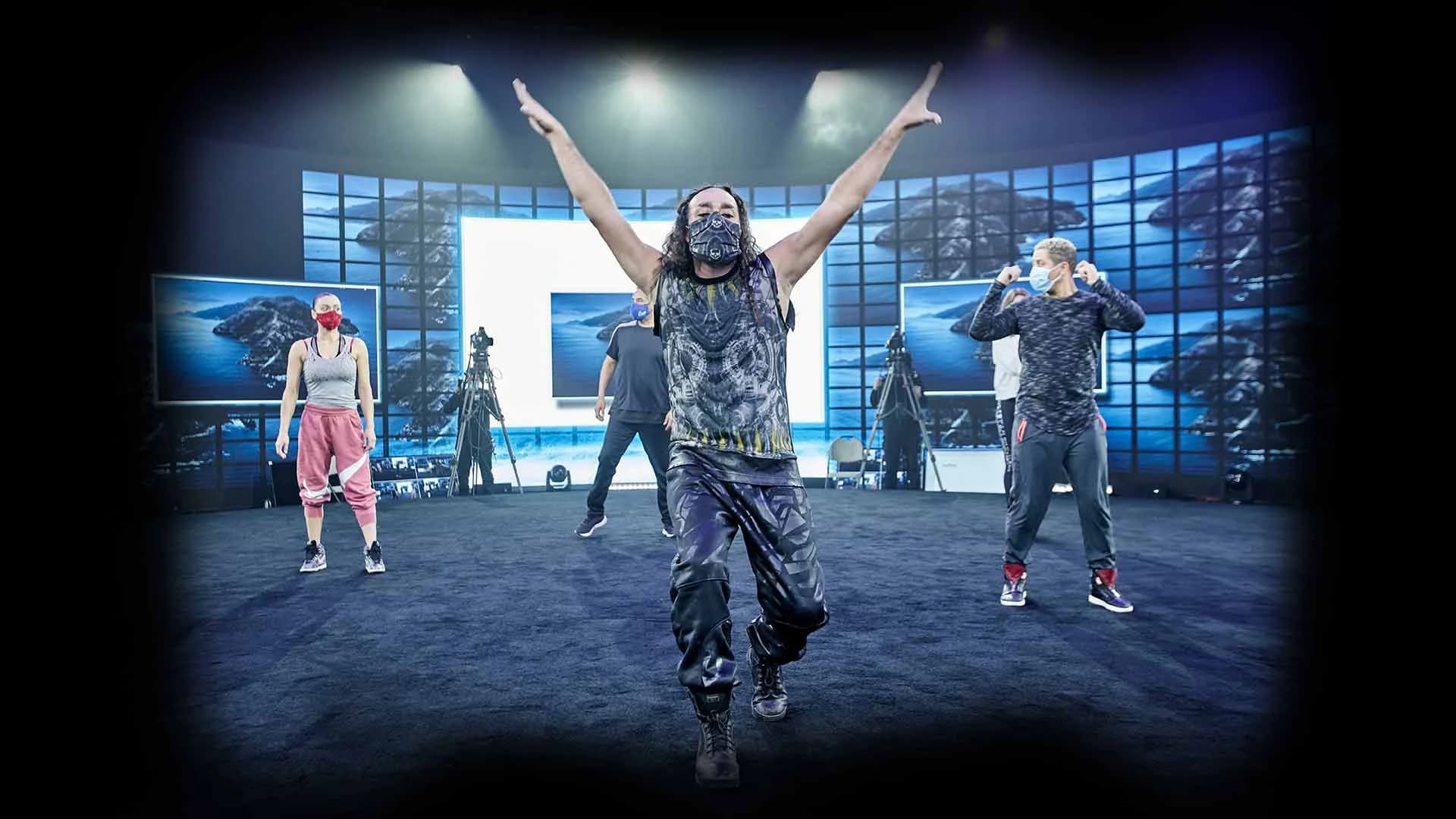
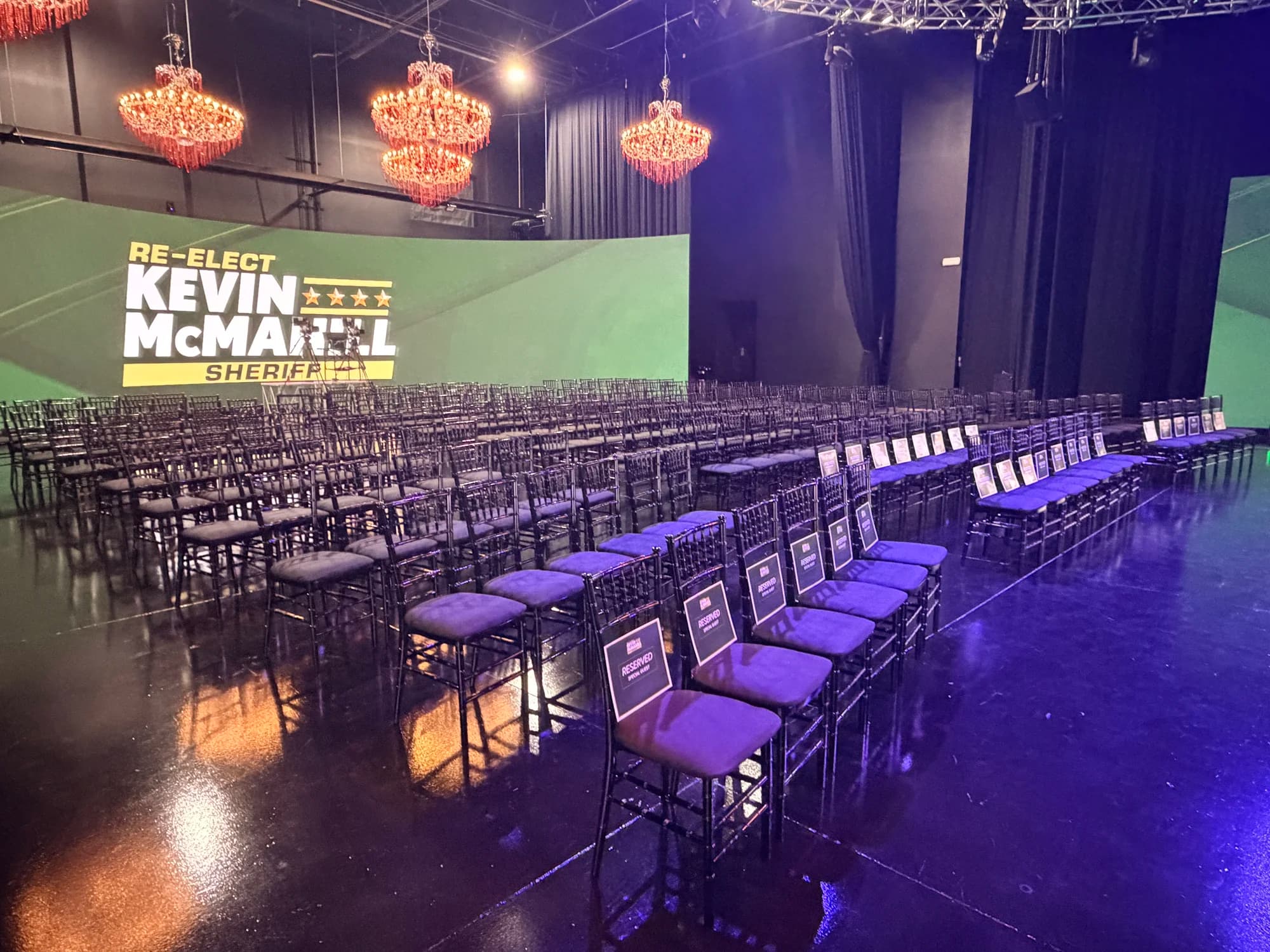
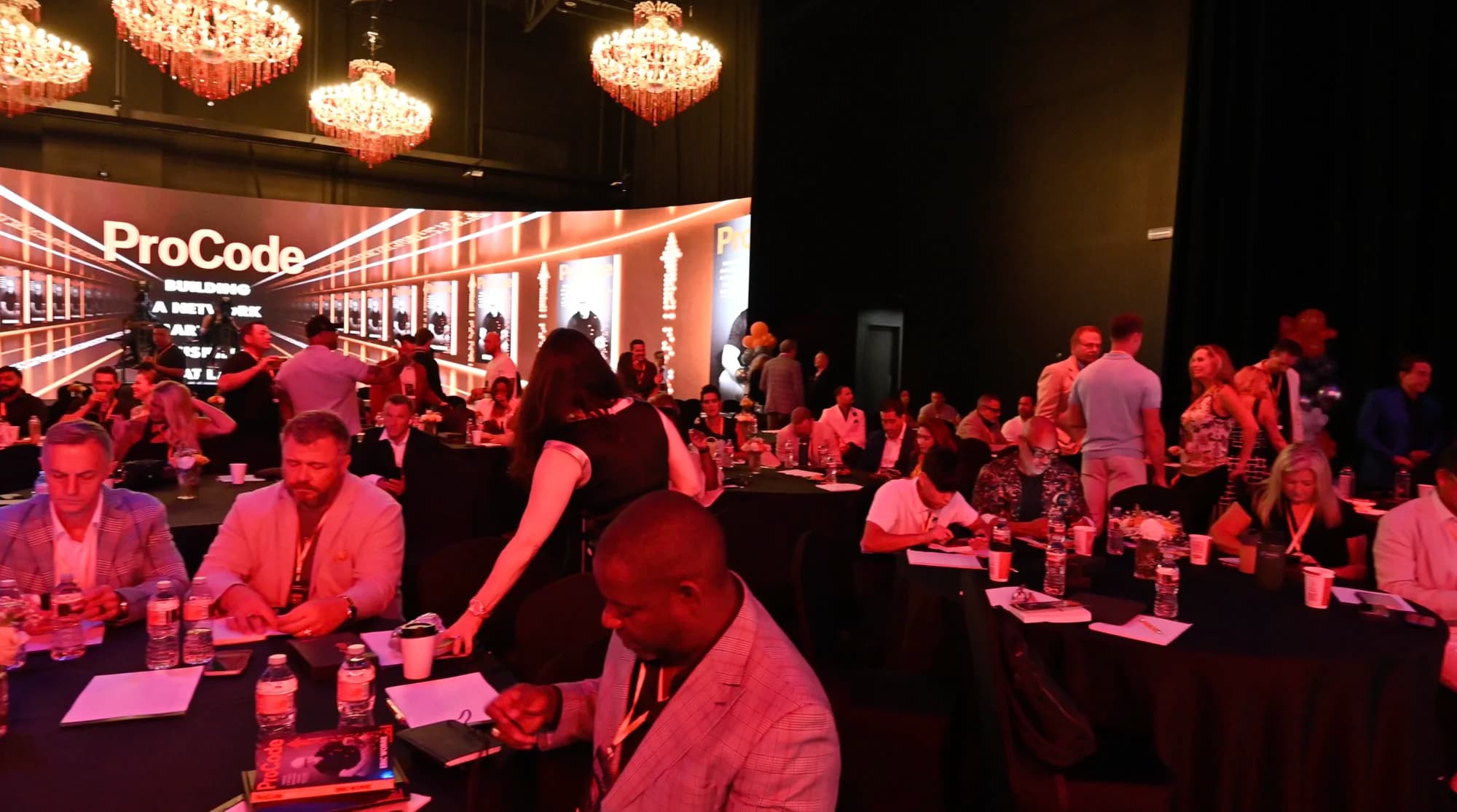
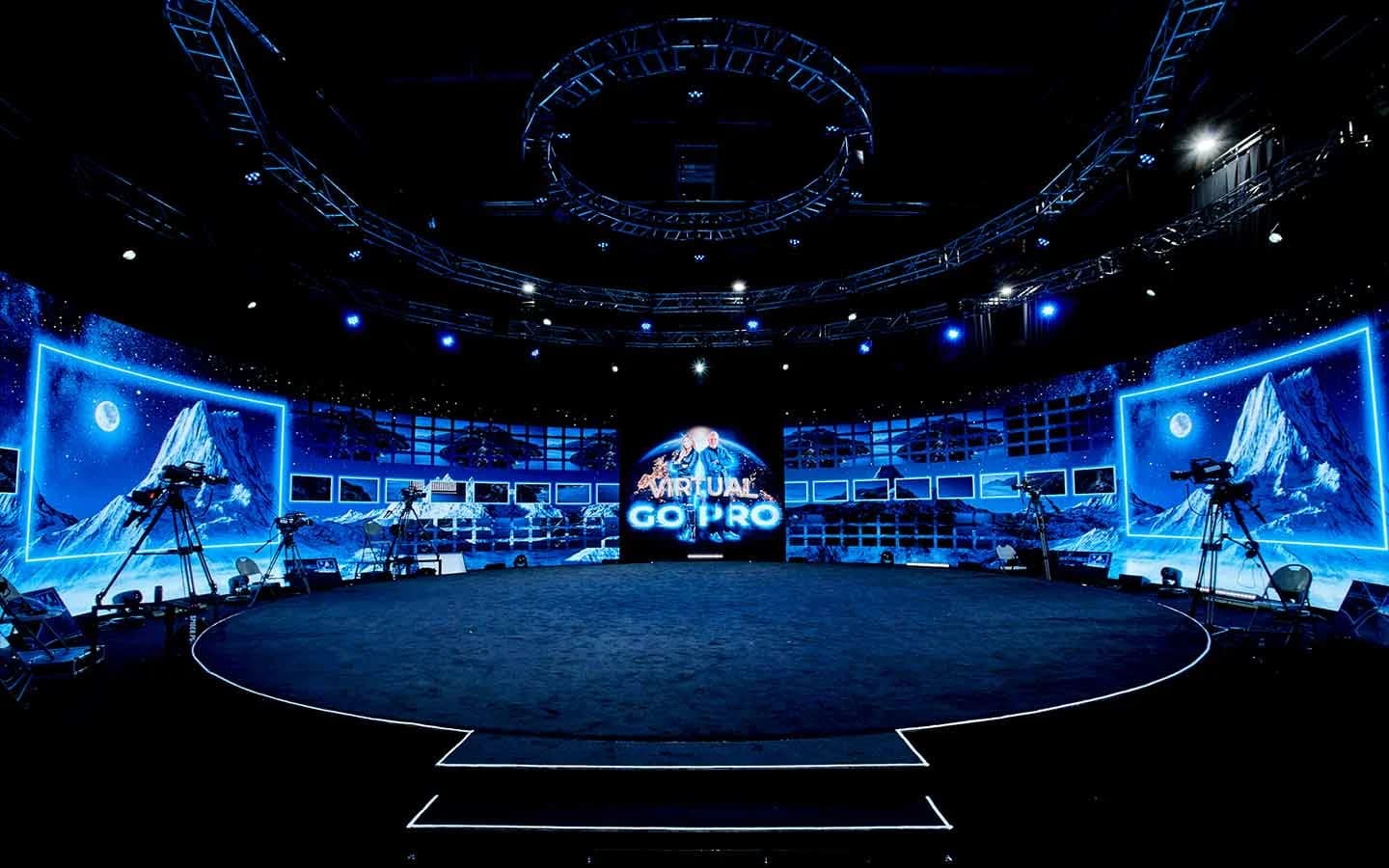
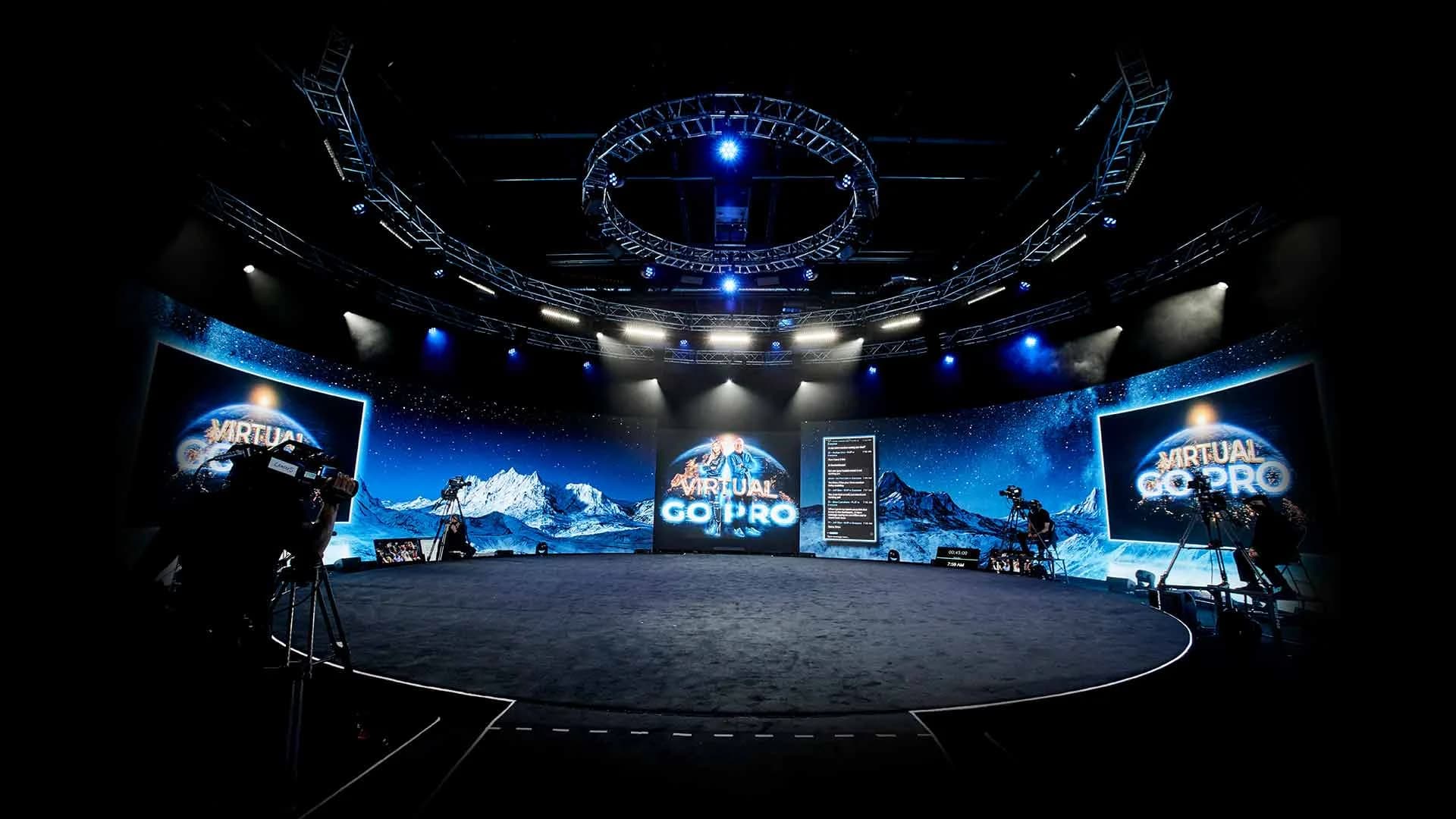
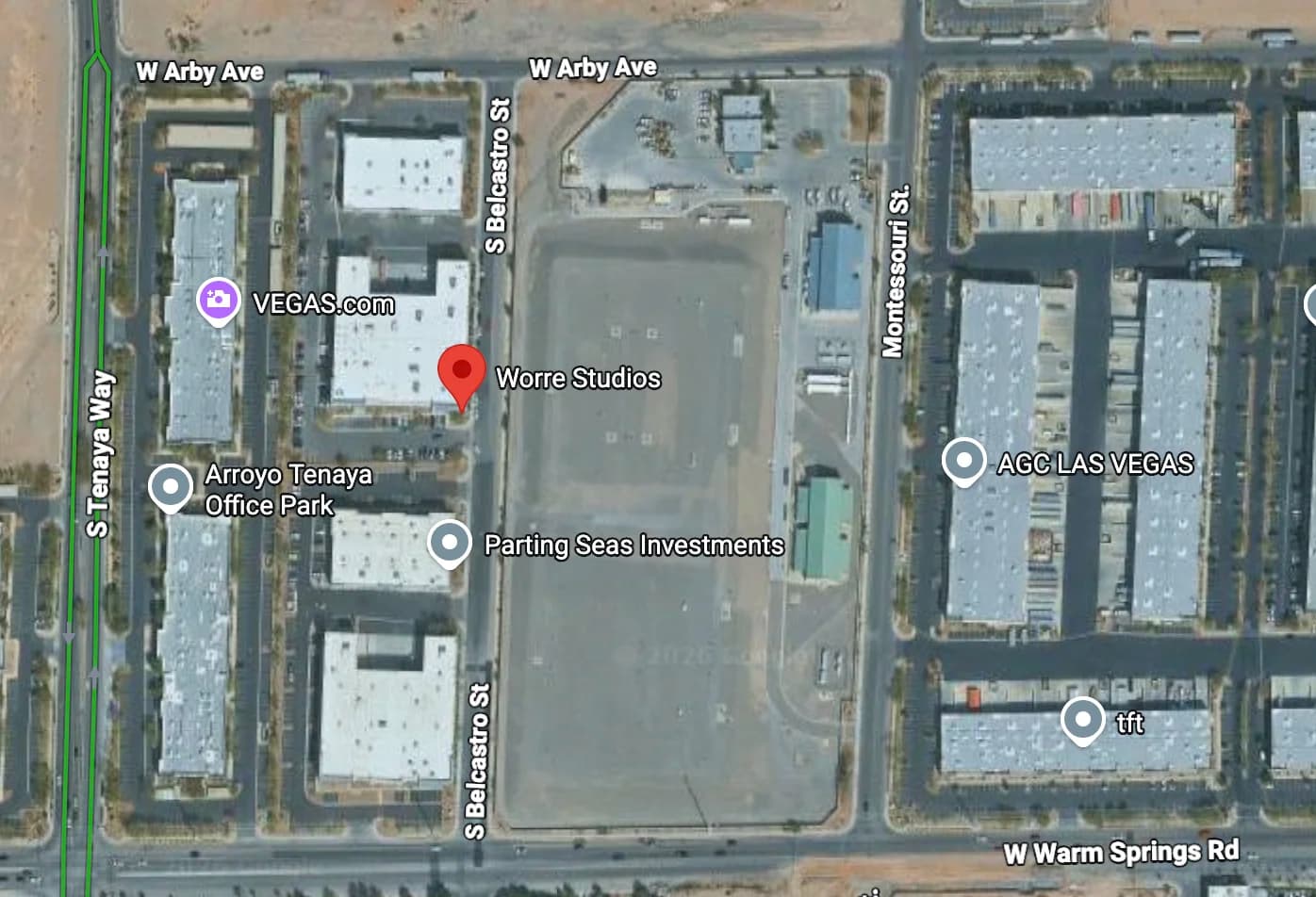
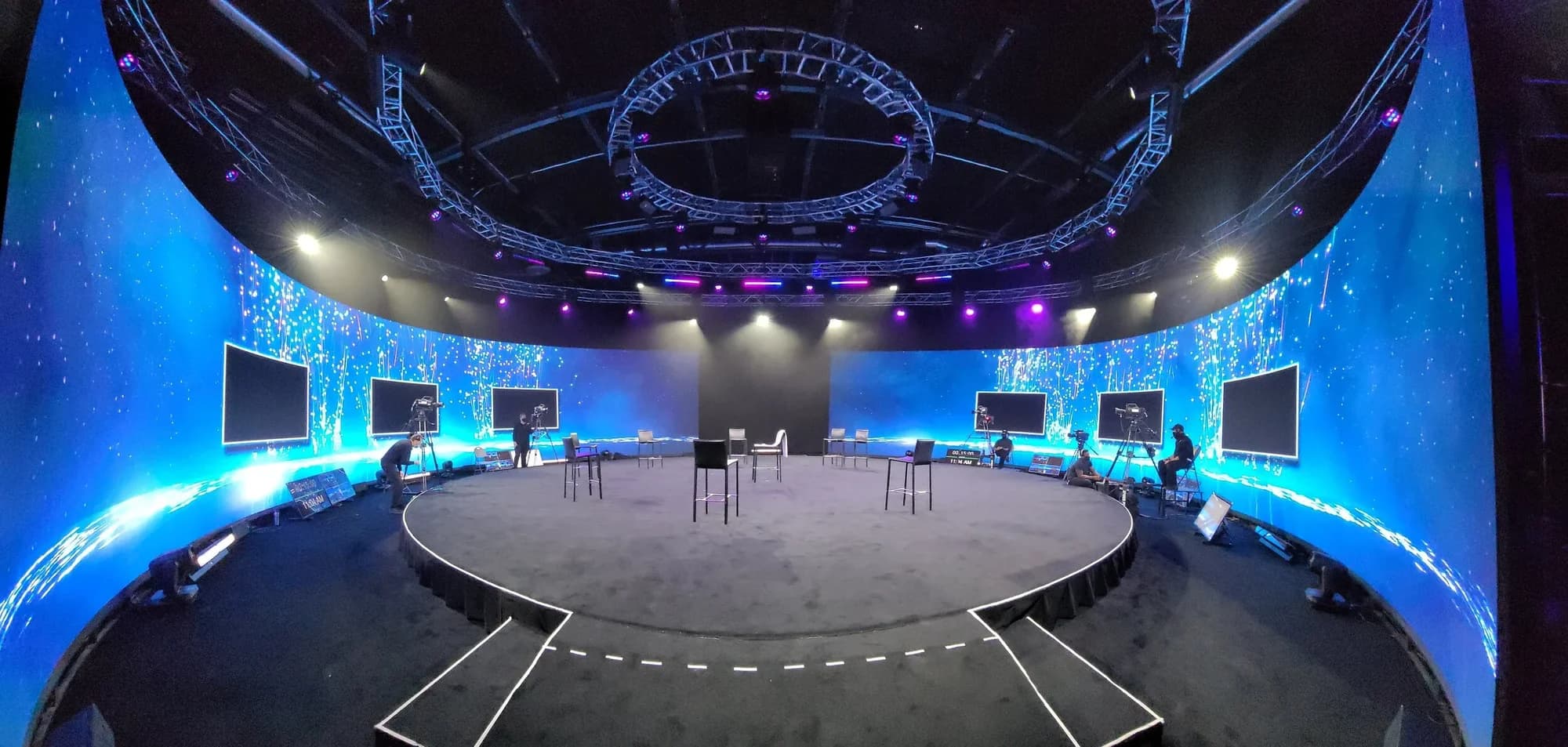
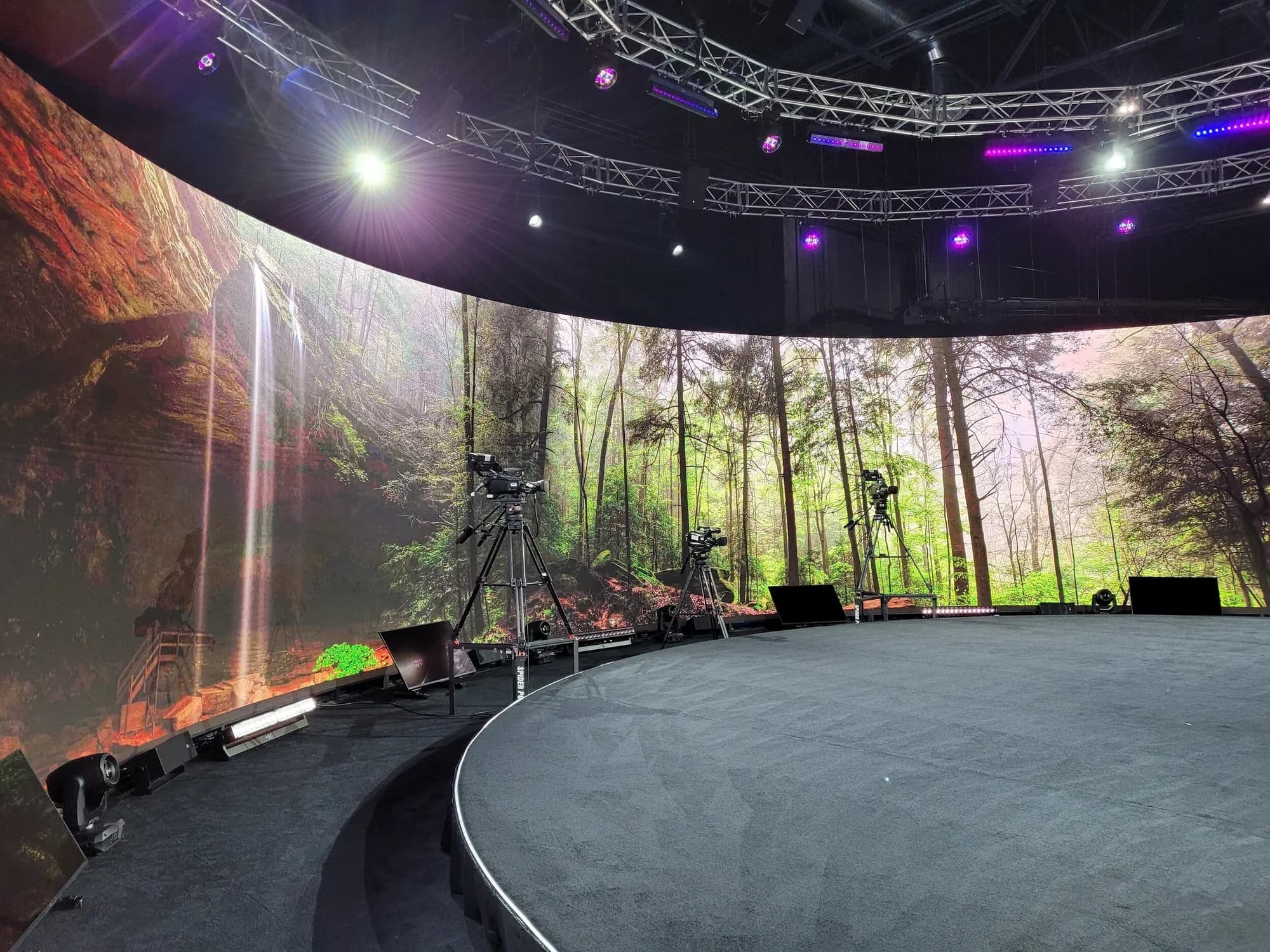
The first number is the room. At Worre Studios that's up to 350 seated, 500 standing, or 600 in a concert configuration — the people who fly in, sit down, and feel the stage.
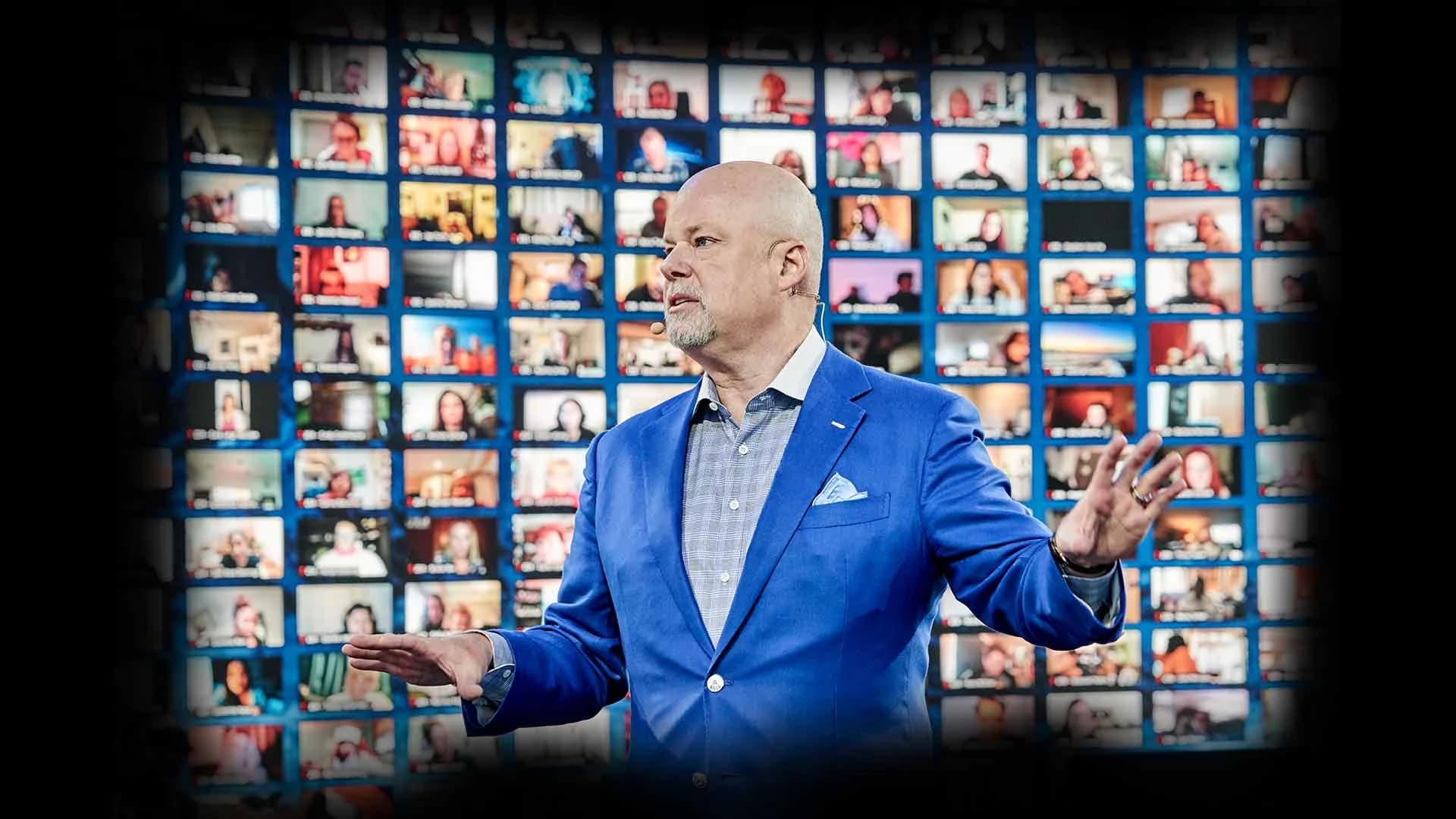
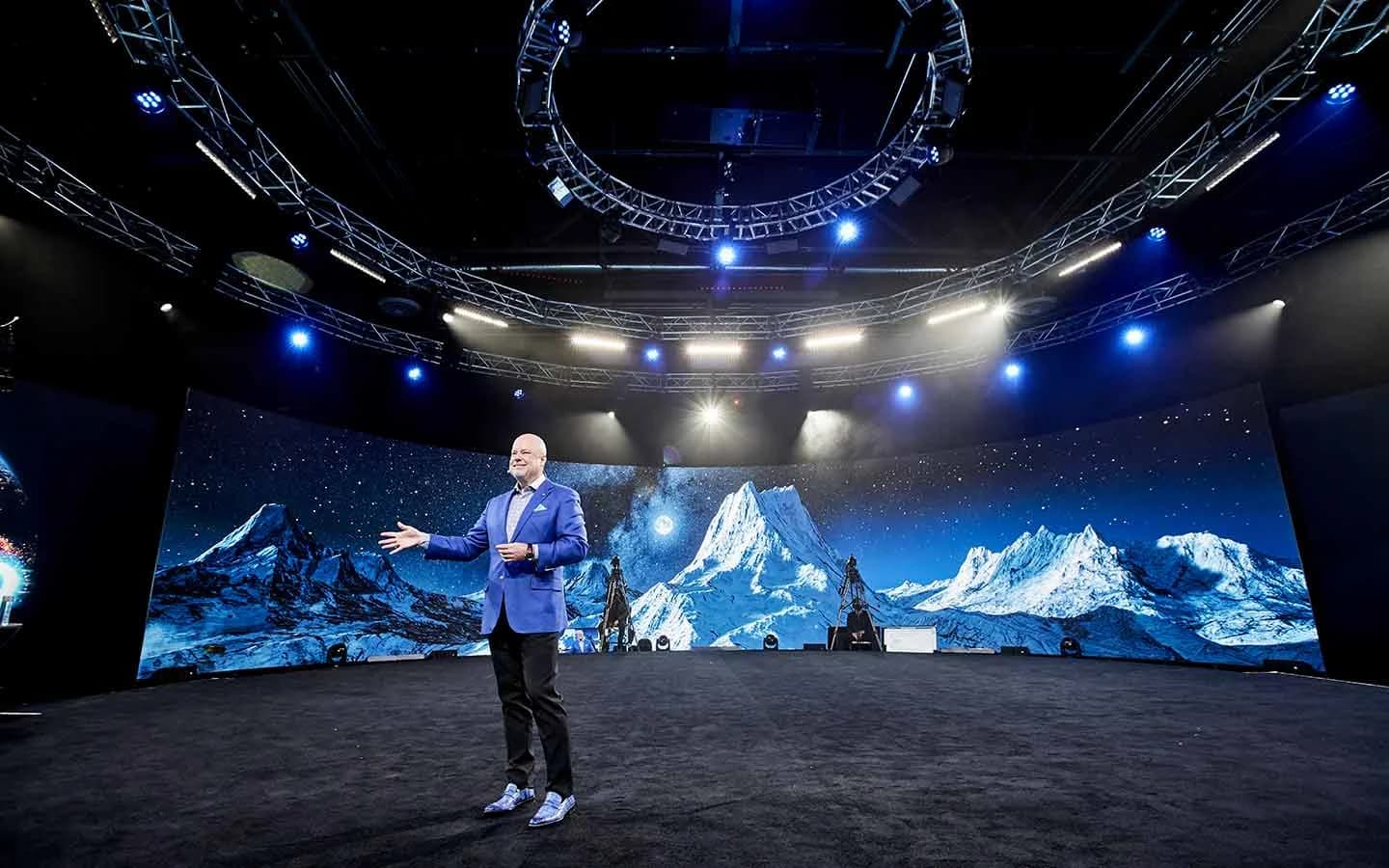
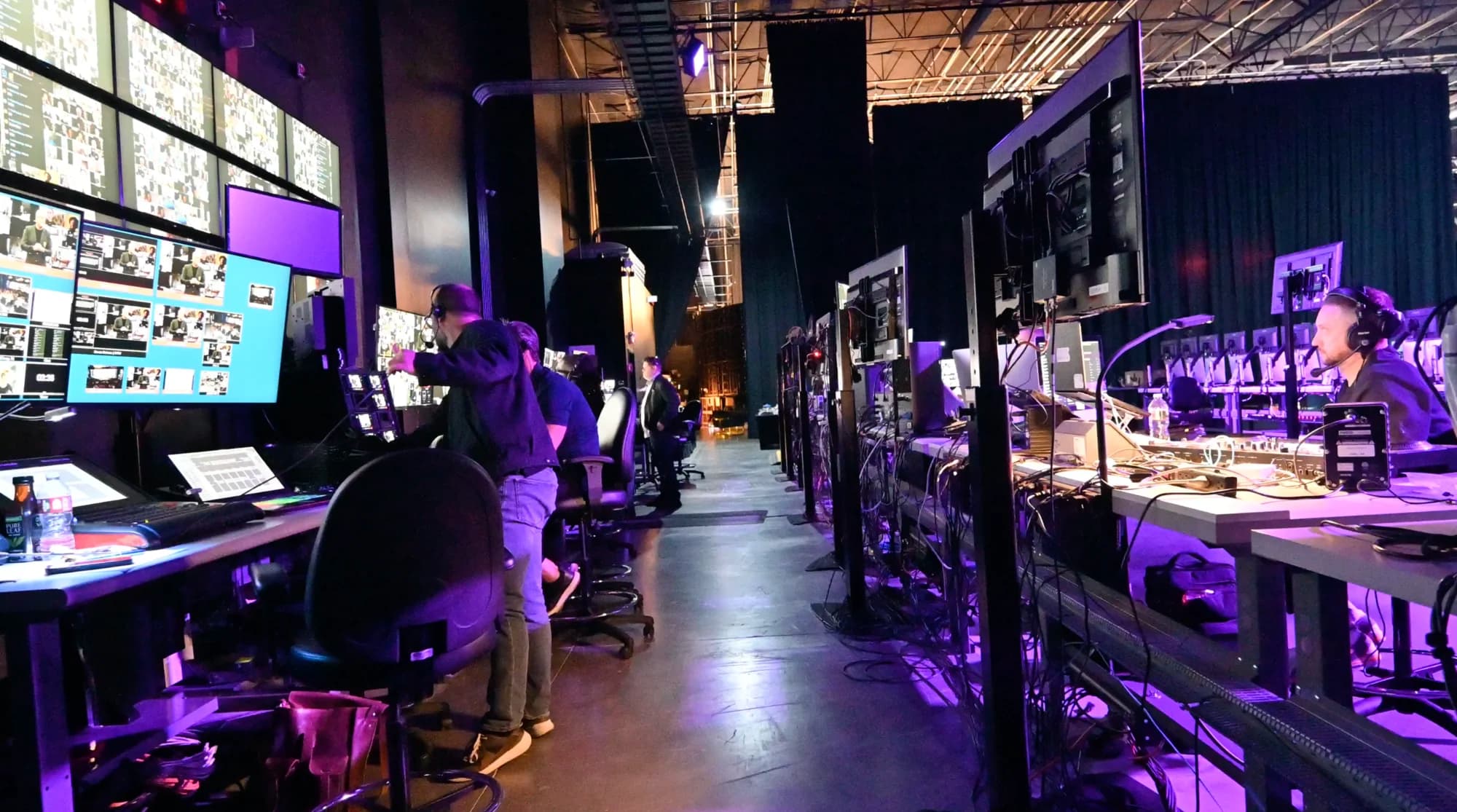
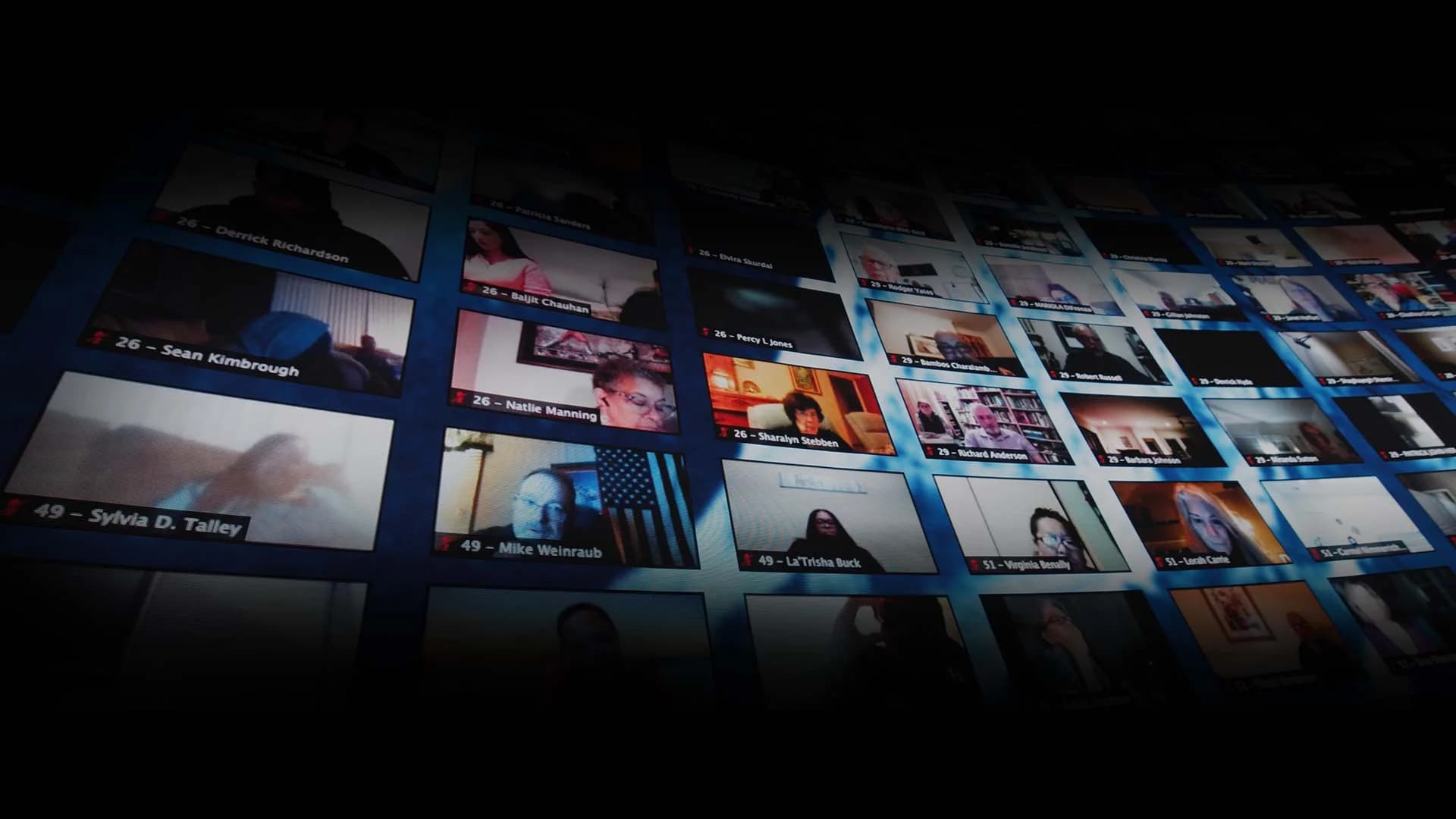
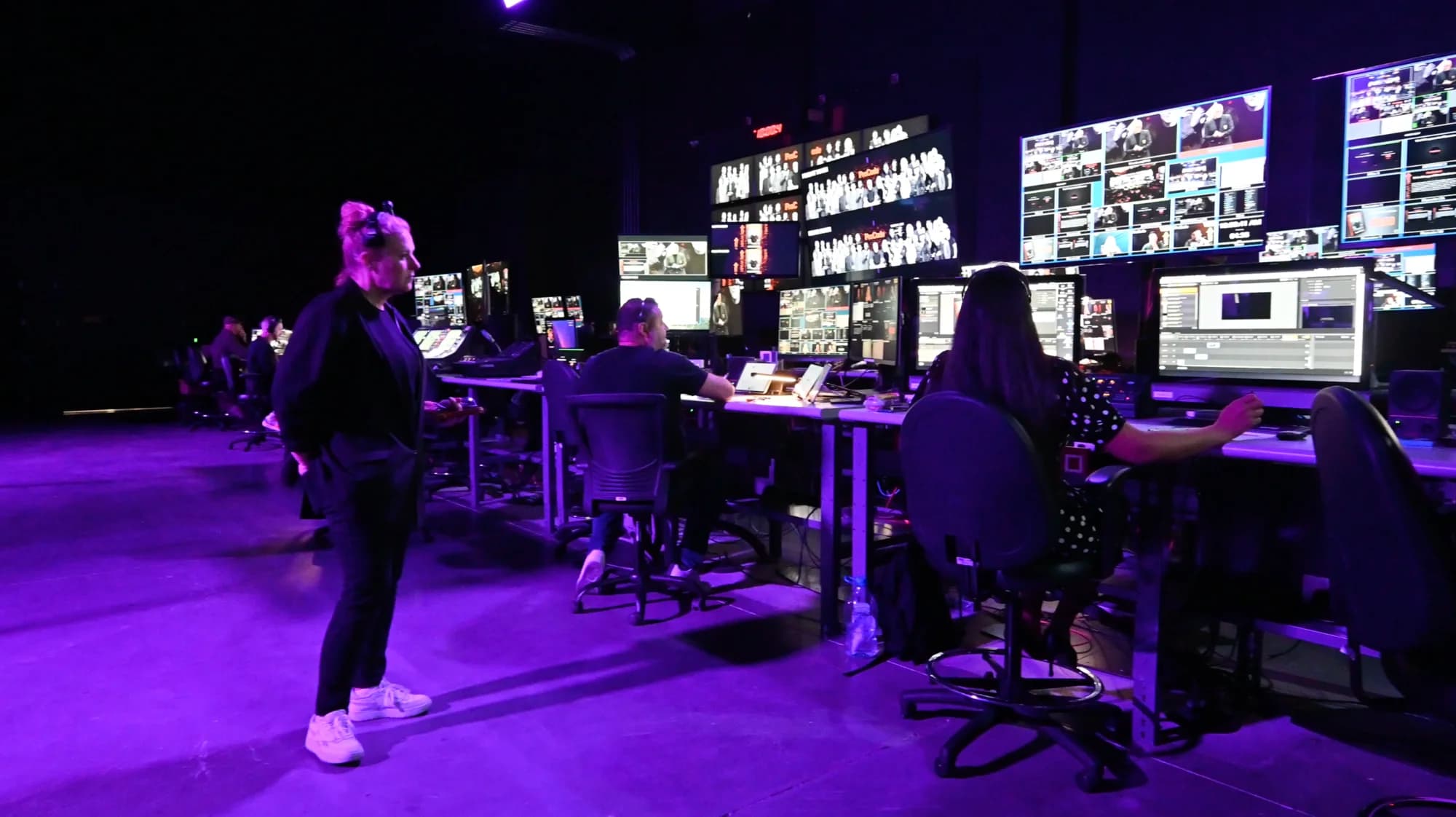
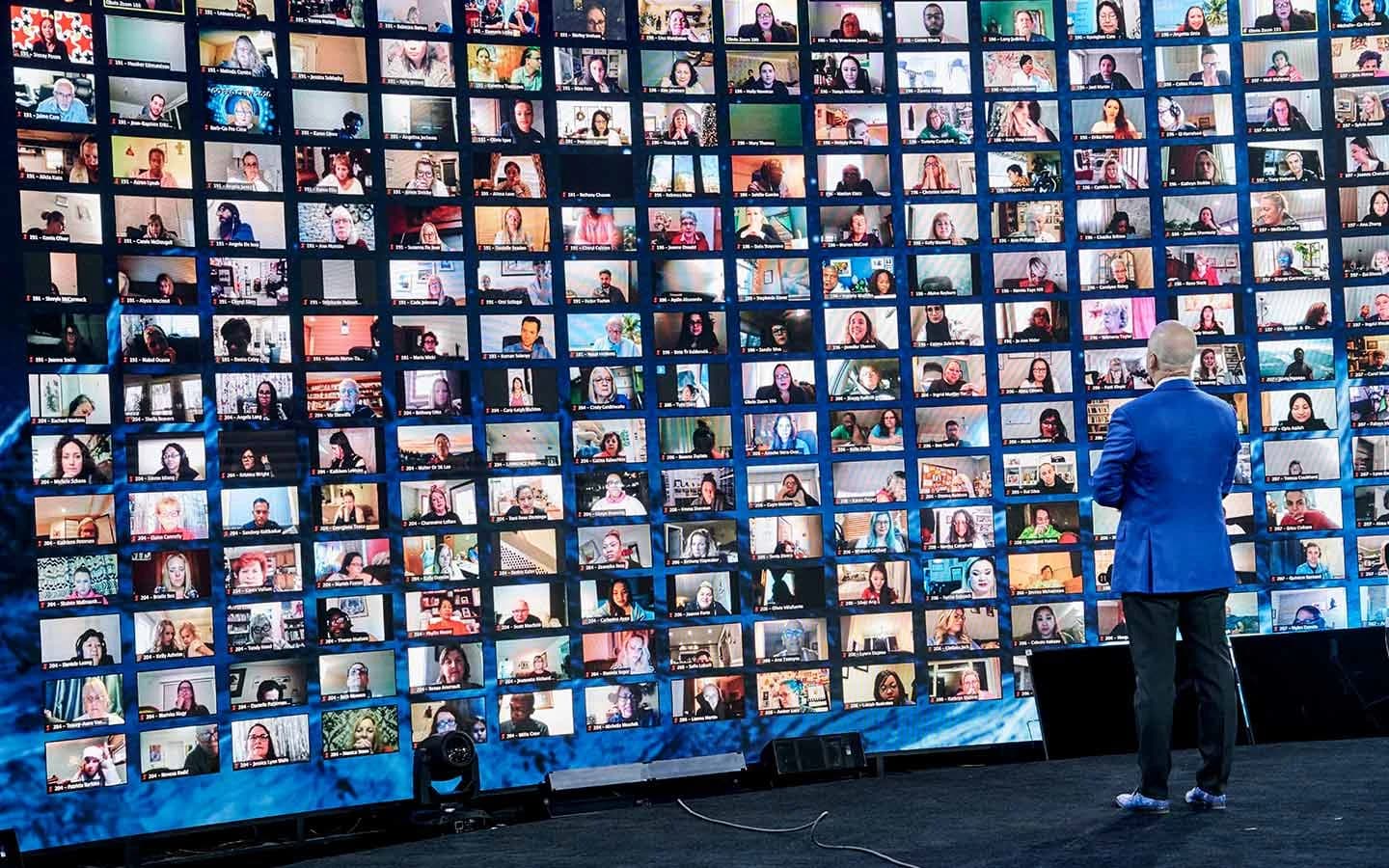
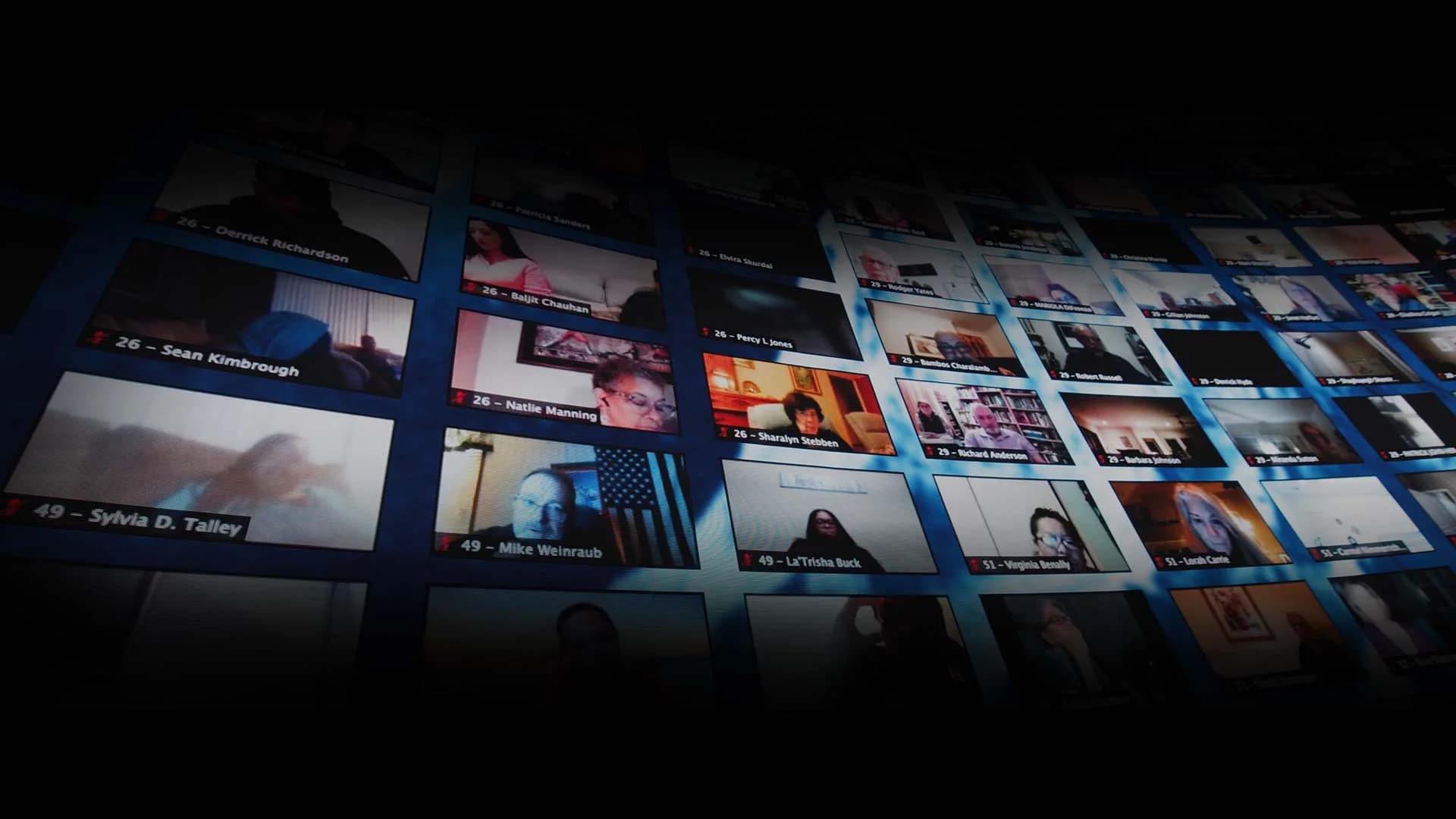
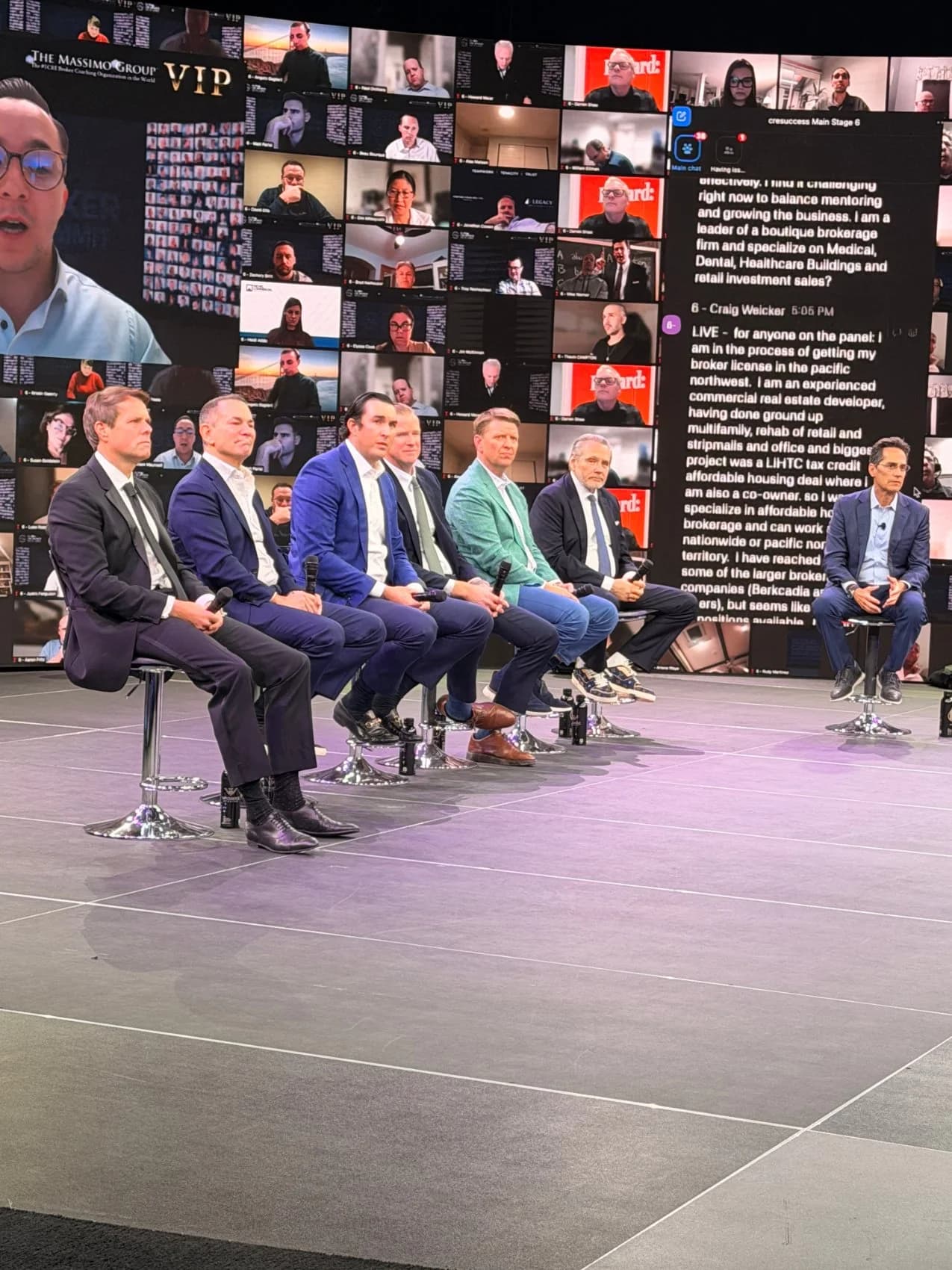
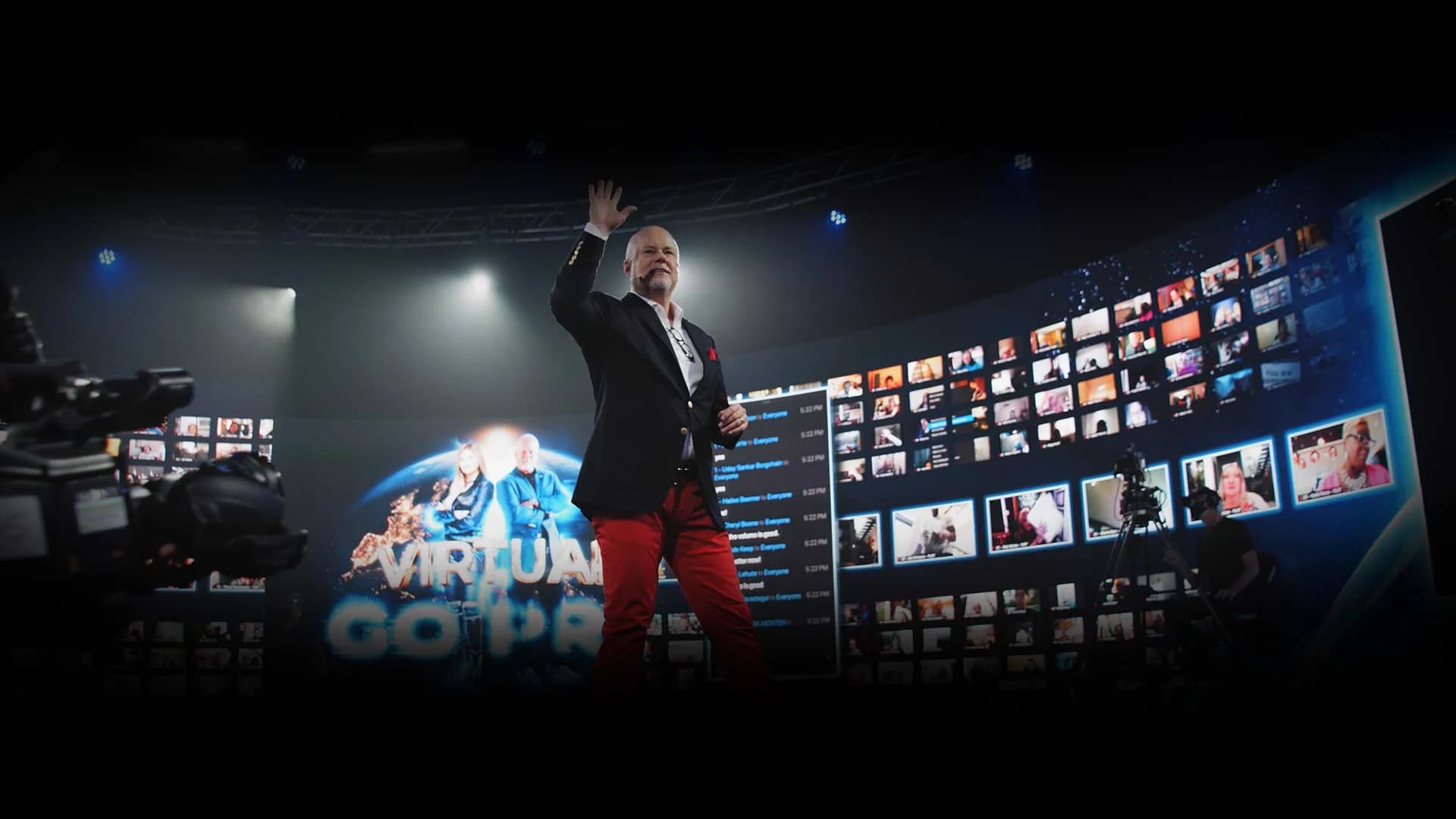
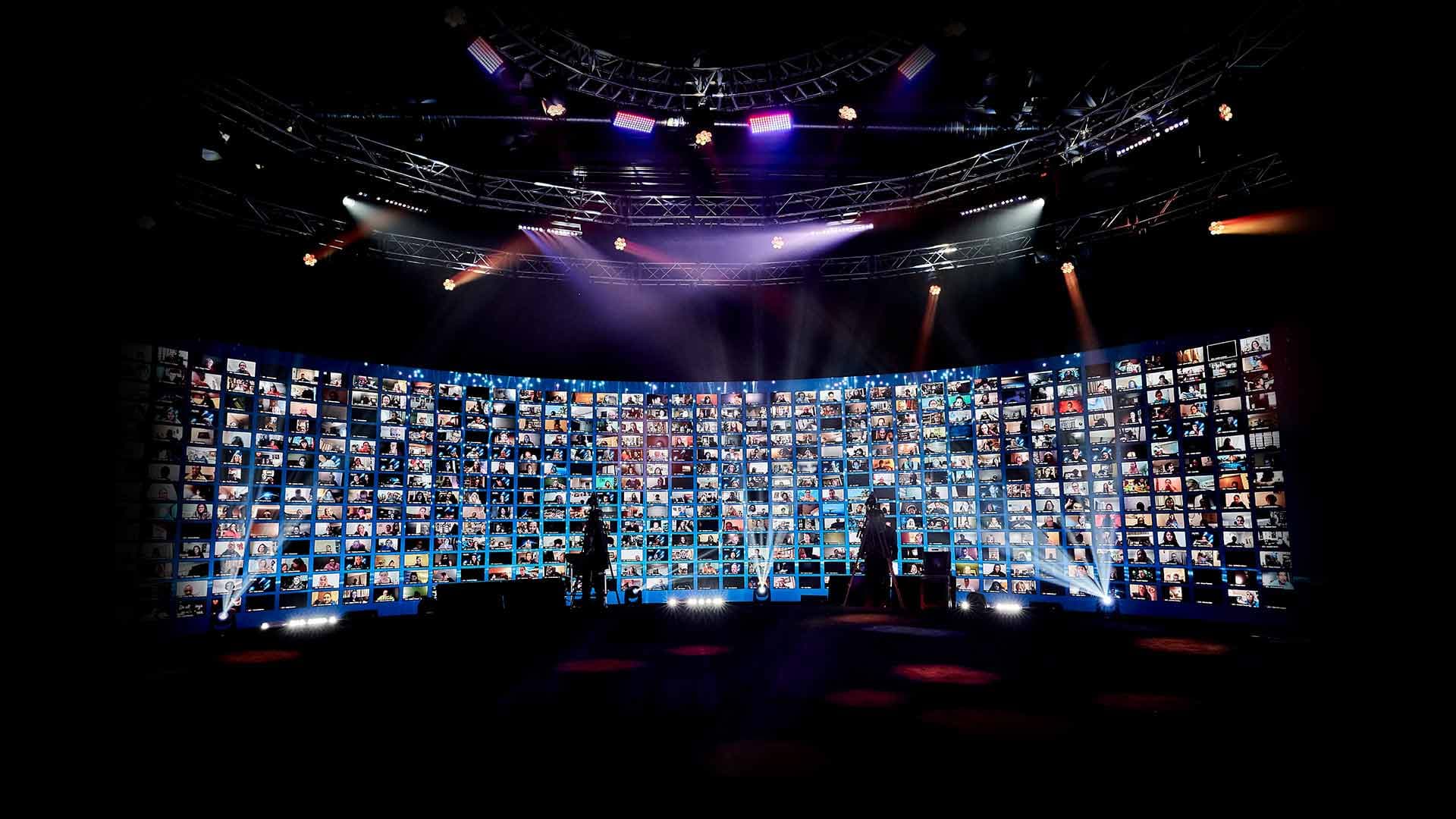
The second number is the broadcast, and it lives on a different scale entirely: the studio's infrastructure reaches hundreds of thousands of hybrid attendees in a single event. Between the two sits a number that makes remote attendance visible — up to 2,744 remote guests displayed live on the LED walls at once, their faces wrapping the stage.
Put the numbers side by side and the shape of a "big event" changes. An audience in the hundreds of thousands is not a big webcast. Framed the way we frame it for clients: you're not marketing to fill a venue — you're marketing to fill eight stadiums.
You're not marketing to fill a venue — you're marketing to fill eight stadiums.
Reach Only Counts if It's Attendance
A caveat matters here, because it separates honest reach math from vanity numbers: viewers aren't attendees.
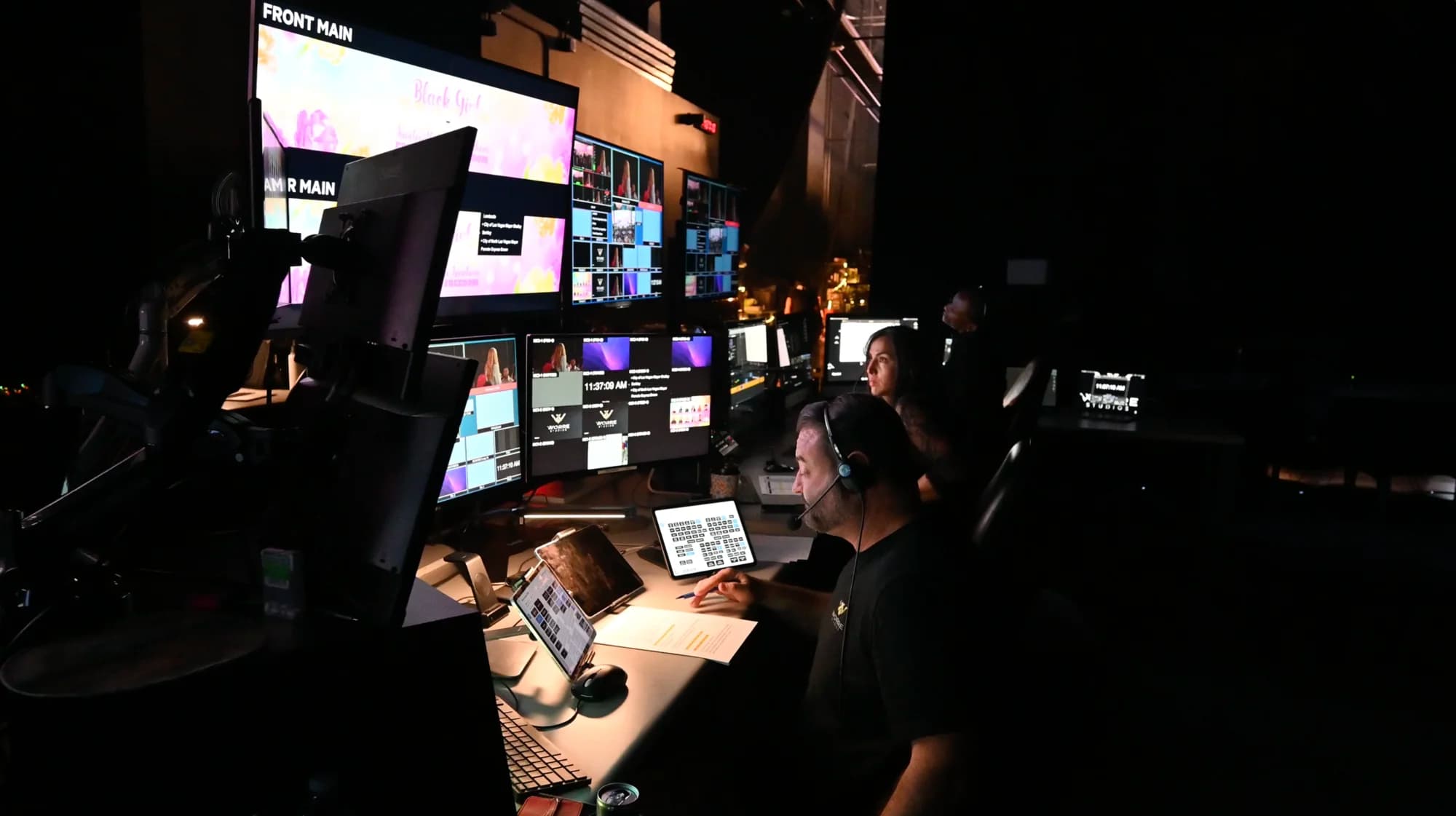
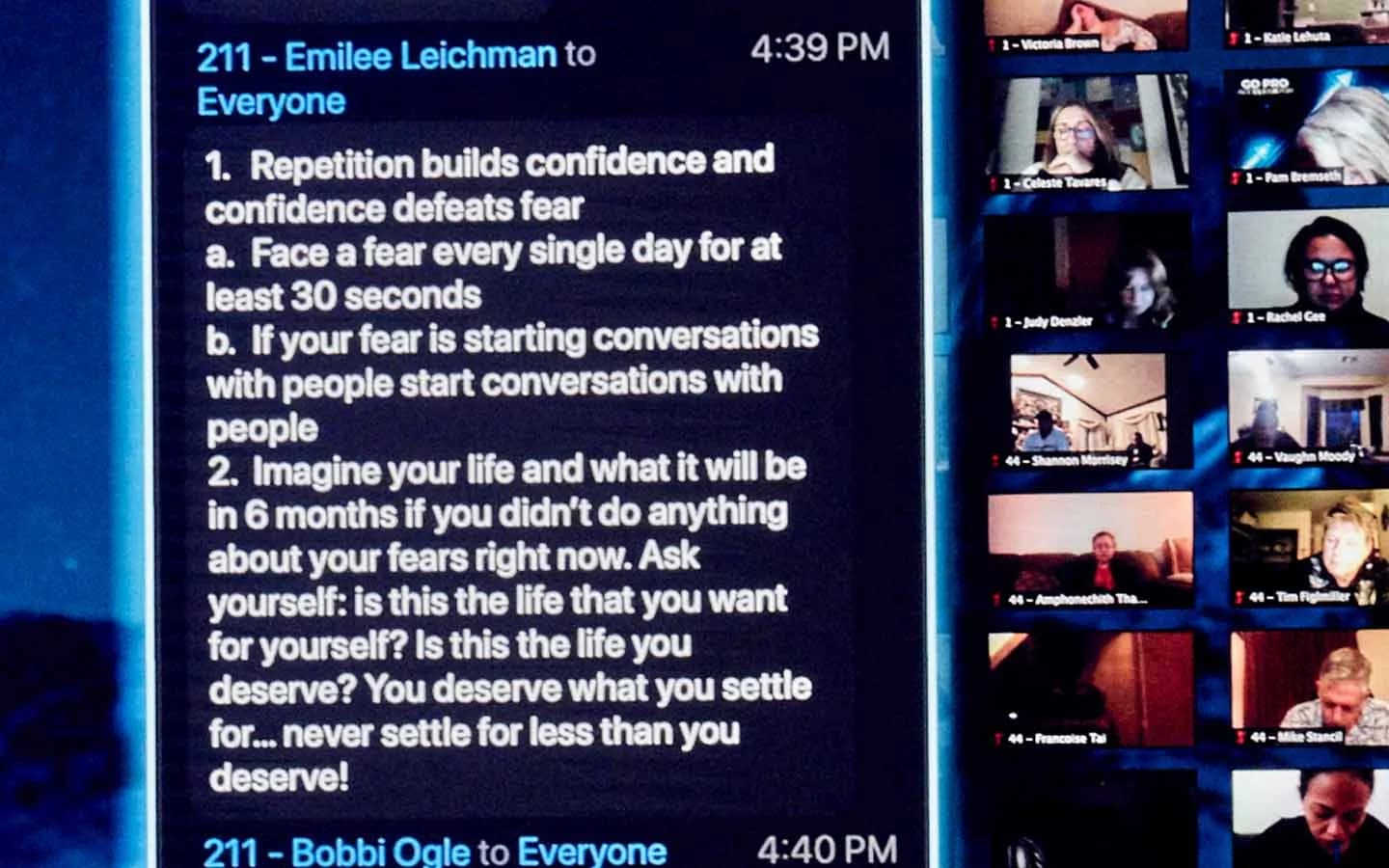
Streams and social platforms measure impressions — a number worth having, but a different thing from a person attending your event. Reach at broadcast scale only means something if the format holds interactivity at that scale: attendees joining live face-to-face, breaking into rooms, participating in their own language. The webinar-vs-broadcast distinction is exactly this line — a window shows people your event; an environment lets them attend it.
Real-time translation widens the same math globally: with 100+ languages live or AI-driven, the reachable audience is anyone awake, not just anyone remote — one message, delivered once, across the world.
What Delivered Events Actually Ran
Capability claims are cheap, so here's the delivered record:
- Joel Osteen's first post-COVID tour broadcast from Yankee Stadium — roughly 20,000 people in the stadium, with another 40,000–50,000 remote attendees pulled into the event live through the studio.
- Matthew McConaughey's multi-hour session ran at roughly 90,000-attendee scale, fully interactive with breakout rooms — from a studio with no broadcast capability of its own.
- A recurring enterprise client combines ~7,000 in-person attendees at their own venue with 10,000–20,000 remote attendees per event, feed sent into the studio.
Different formats, same pattern: the in-room number is the smallest number in the story.
What This Does to Your Plan — And Why That's Good News
The overwhelm is legitimate. When the ceiling moves from 600 seats to hundreds of thousands of attendees, everything sized to the old ceiling — marketing budget, ticket strategy, content, sponsorship — is suddenly sized wrong. Teams really do go back and re-plan.
But look at what the re-plan buys: an event that isn't capped by fire code, ticket revenue that isn't capped by seats, and a message delivered once instead of re-cut region by region. Reach is the raw material; what you build with it is the plan. Bring the version of the event you'd design if seats weren't the constraint, and start a studio inquiry — sizing that plan is exactly what the exploration process is for.
Frequently Asked Questions
The studio's hybrid attendance capability tops 500,000+ — in practice, events are designed around the audience you can realistically assemble, from thousands to hundreds of thousands. In the room, configurations support up to 350 seated, 500 standing, or 600 concert-style.
No — and be wary of anyone who says yes. The studio provides the reach capability: infrastructure that holds interactivity at broadcast scale. Attendance itself comes from your audience, marketing, and offer. What we can promise is that the ceiling won't be the technology.
When the format is interactive, yes. Remote guests join live face-to-face, appear on the LED walls with the in-room audience, break into live sessions, and participate in their own language. A passive stream produces viewers; an interactive broadcast produces attendees.
Events run with real-time translation in 100+ languages, live-interpreter or AI-driven — attendees get closed captions plus a translated voice layered over the event's actual music and ambiance.
It might be — honestly. But most teams that ask discover their 300-person plan was sized by their previous venue, not their actual audience. The useful exercise is pricing both versions of the event; the exploration call is built for exactly that.

Written by the Worre Studios Content Team and reviewed by Ben Groen, Ticketing & Interactive Platform Lead. Attendance figures for past productions reflect the studio's delivered-event record; capability figures reflect installed infrastructure. Reach capability is not a guarantee of attendance for any specific event. Last reviewed July 5, 2026.
More from The Front Row
Size the Event to the Audience, Not the Room.
Bring us the event you'd plan if seats weren't the limit. We'll walk you through what the reach infrastructure makes possible — and help you size the version worth building.