

Yankee Stadium, Plus the World
On this page
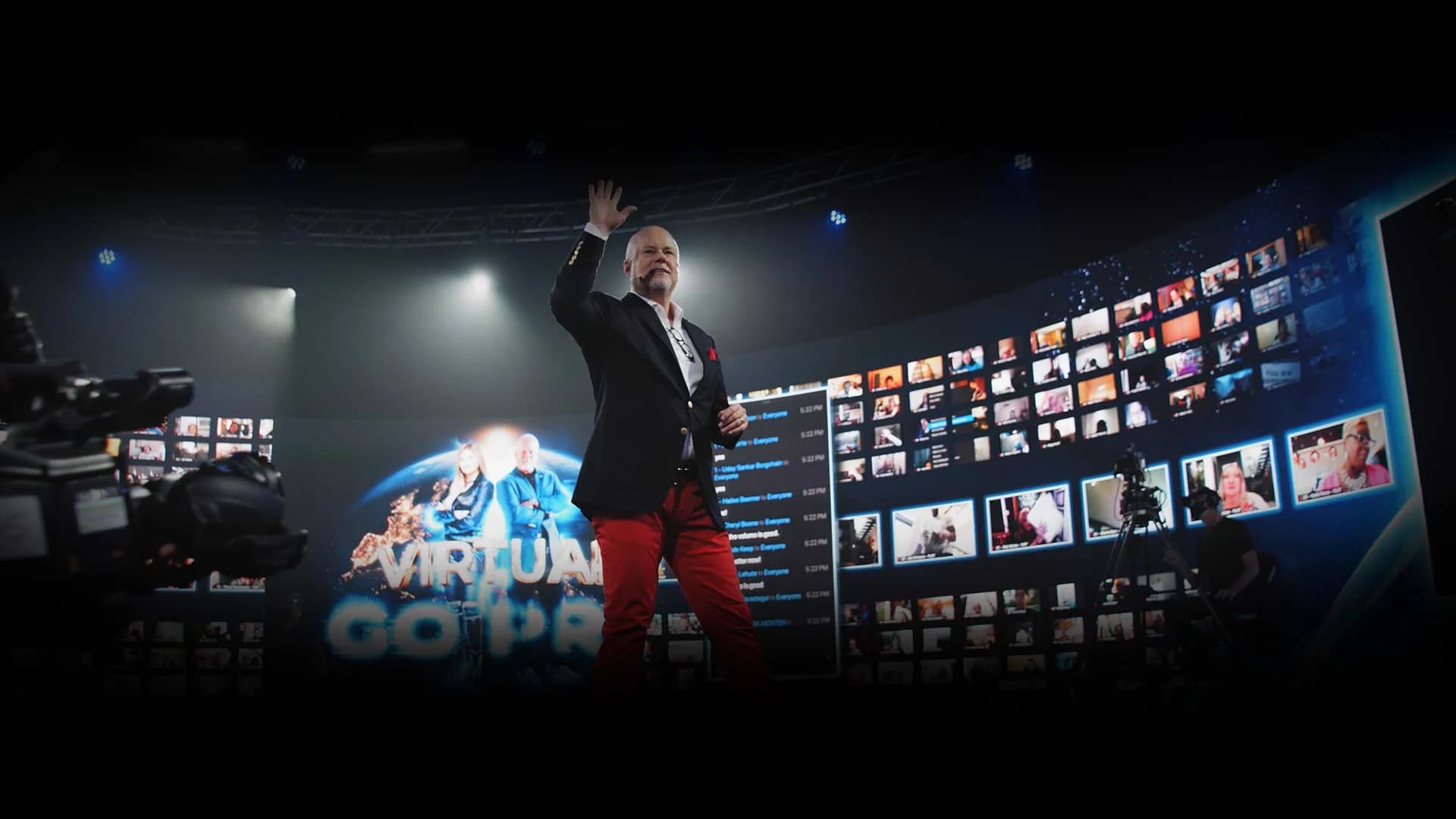
Joel Osteen's first post-COVID "back to the world" tour filled Yankee Stadium with roughly 20,000 people — and the event's audience didn't stop at the outfield wall. Another 40,000–50,000 remote attendees were pulled into the event live through Worre Studios, more than doubling the stadium's crowd without adding a seat. The engagement proves a model planners overlook: the studio as reach infrastructure for an event happening somewhere else entirely.
Key Takeaways
- The live event happened in the Bronx; the reach infrastructure ran through Las Vegas.
- Roughly 20,000 attended in-stadium — and 40,000–50,000 more attended remotely, live, through the studio.
- Remote attendance outnumbered the physical crowd roughly two to one, at one of the most famous venues in American sports.
- The model generalizes: any event at any venue can extend its audience through the studio without changing its own production.
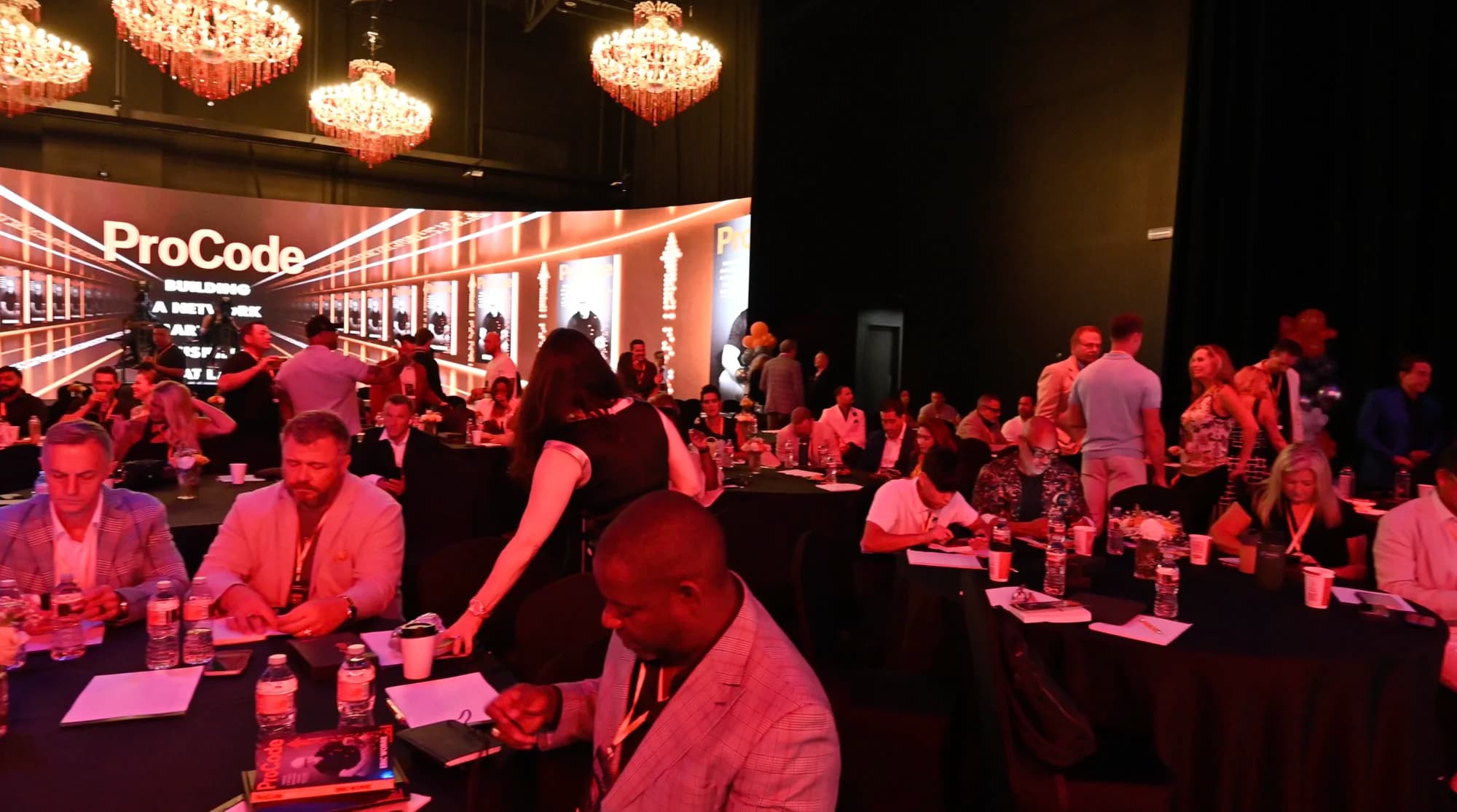
Some venues don't need an introduction, and Yankee Stadium is one of them. When Joel Osteen's first post-COVID tour — the "back to the world" moment after a year of empty rooms — came to the Bronx, roughly 20,000 people filled the stadium for it.
Here's the number that makes it a Worre Studios story: the stadium wasn't most of the audience.
The Audience Beyond the Outfield
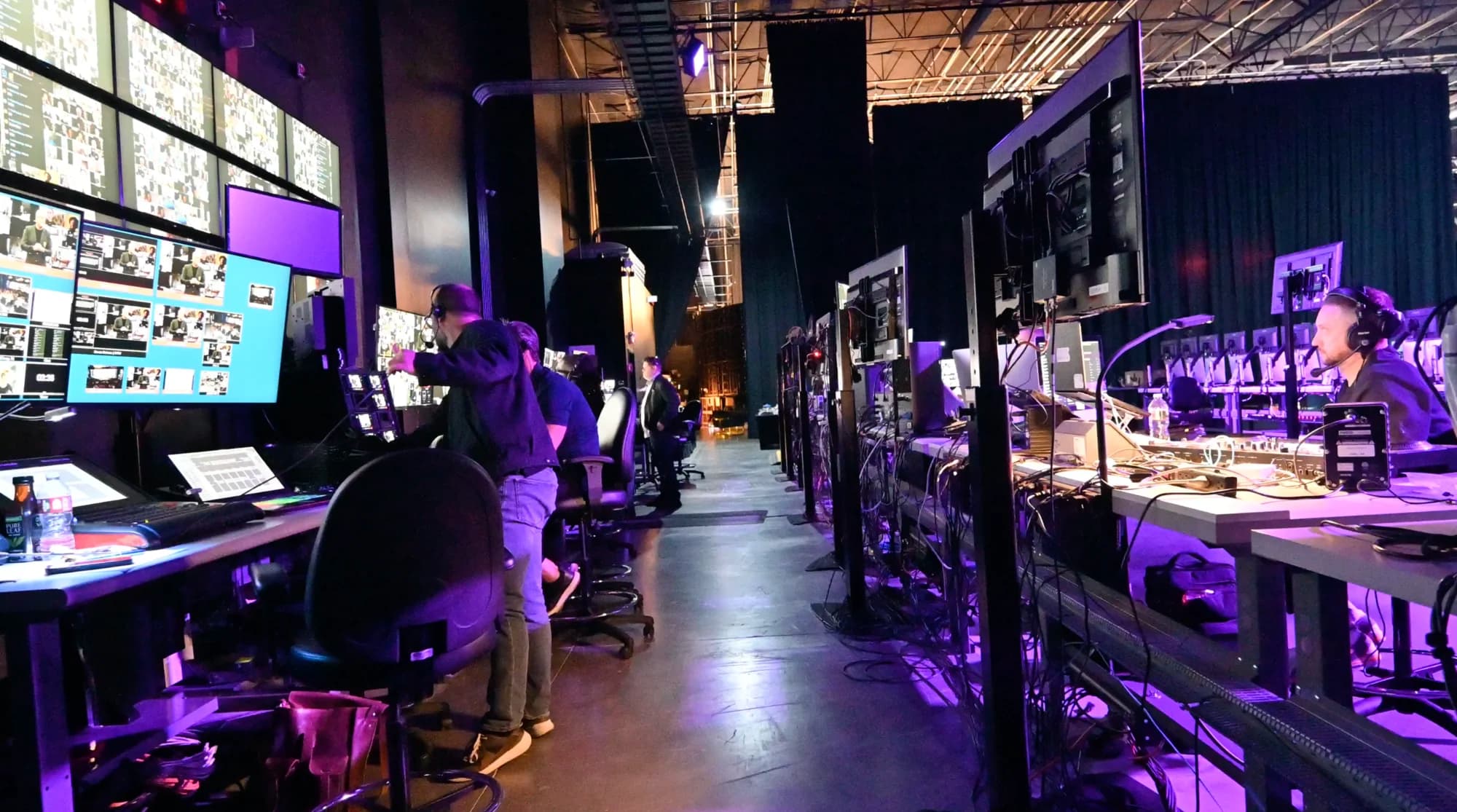
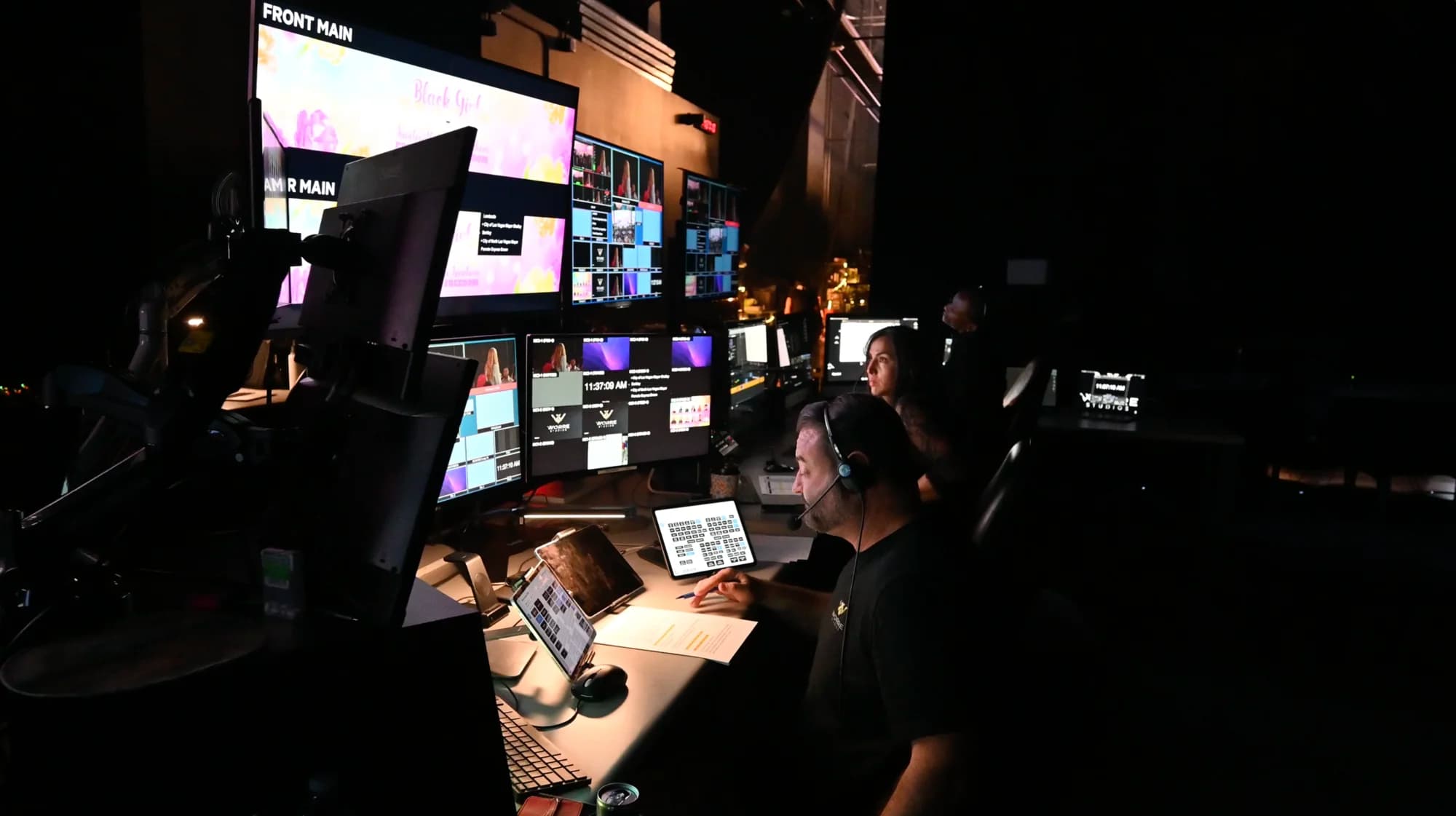
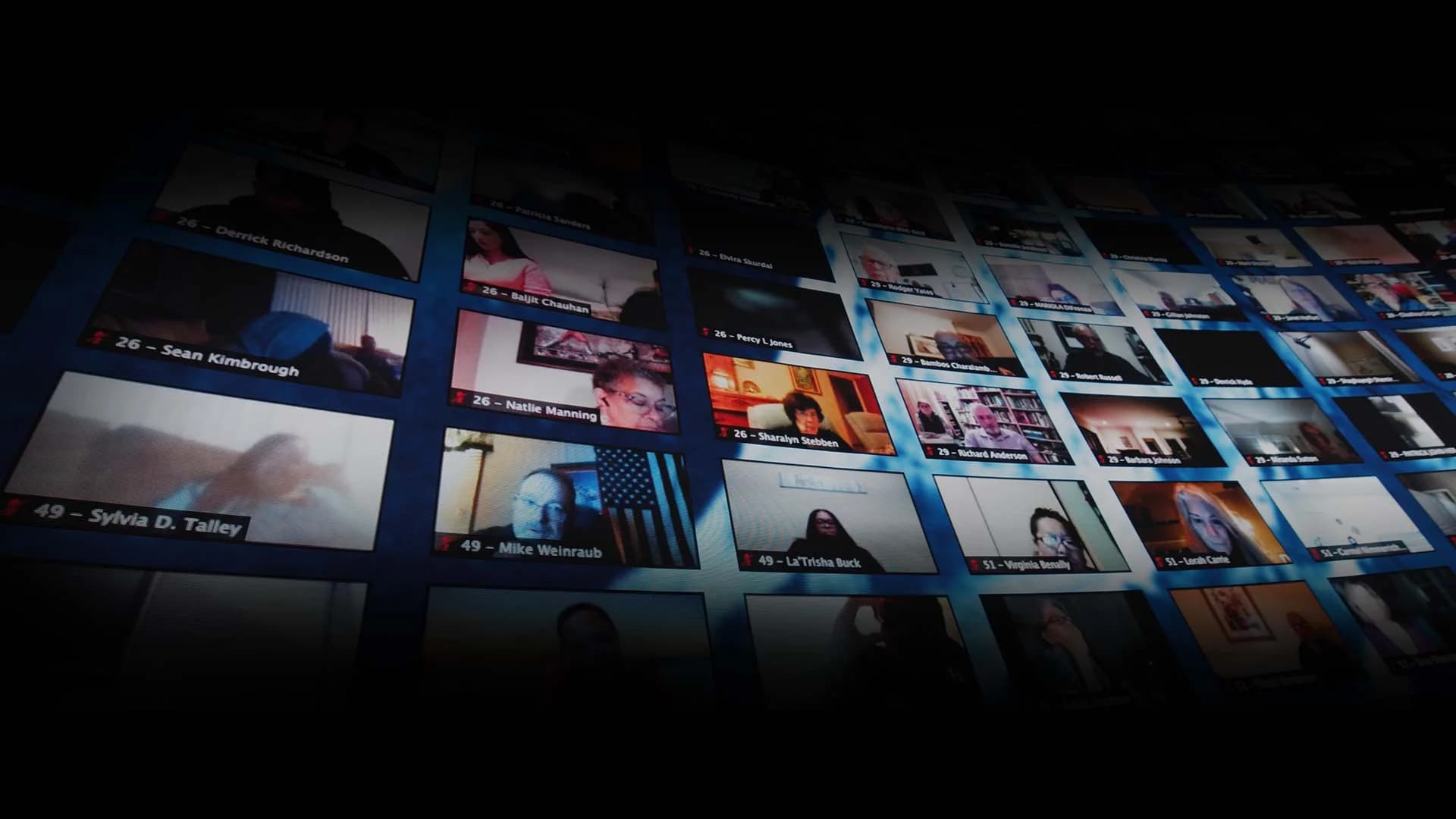
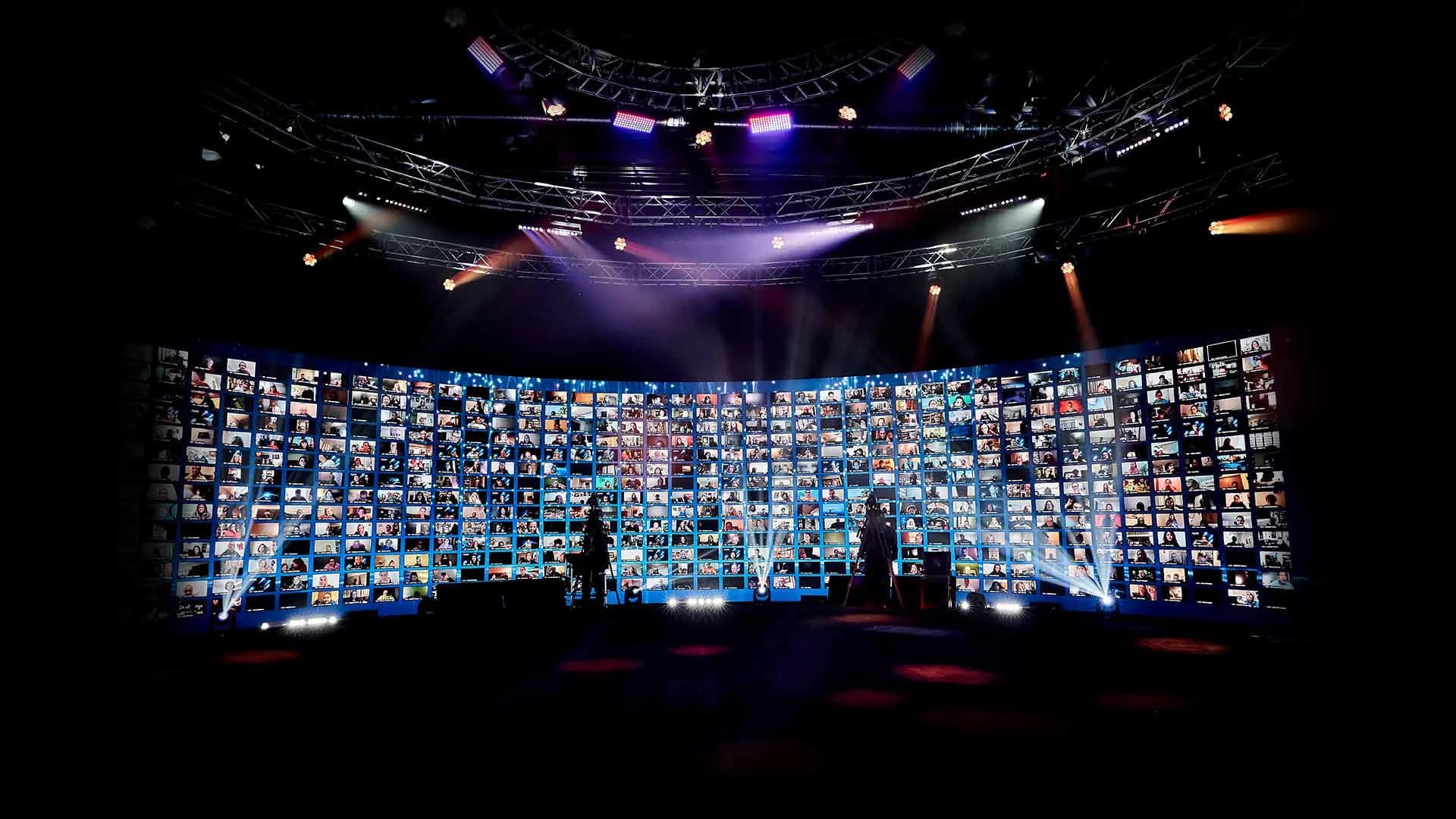
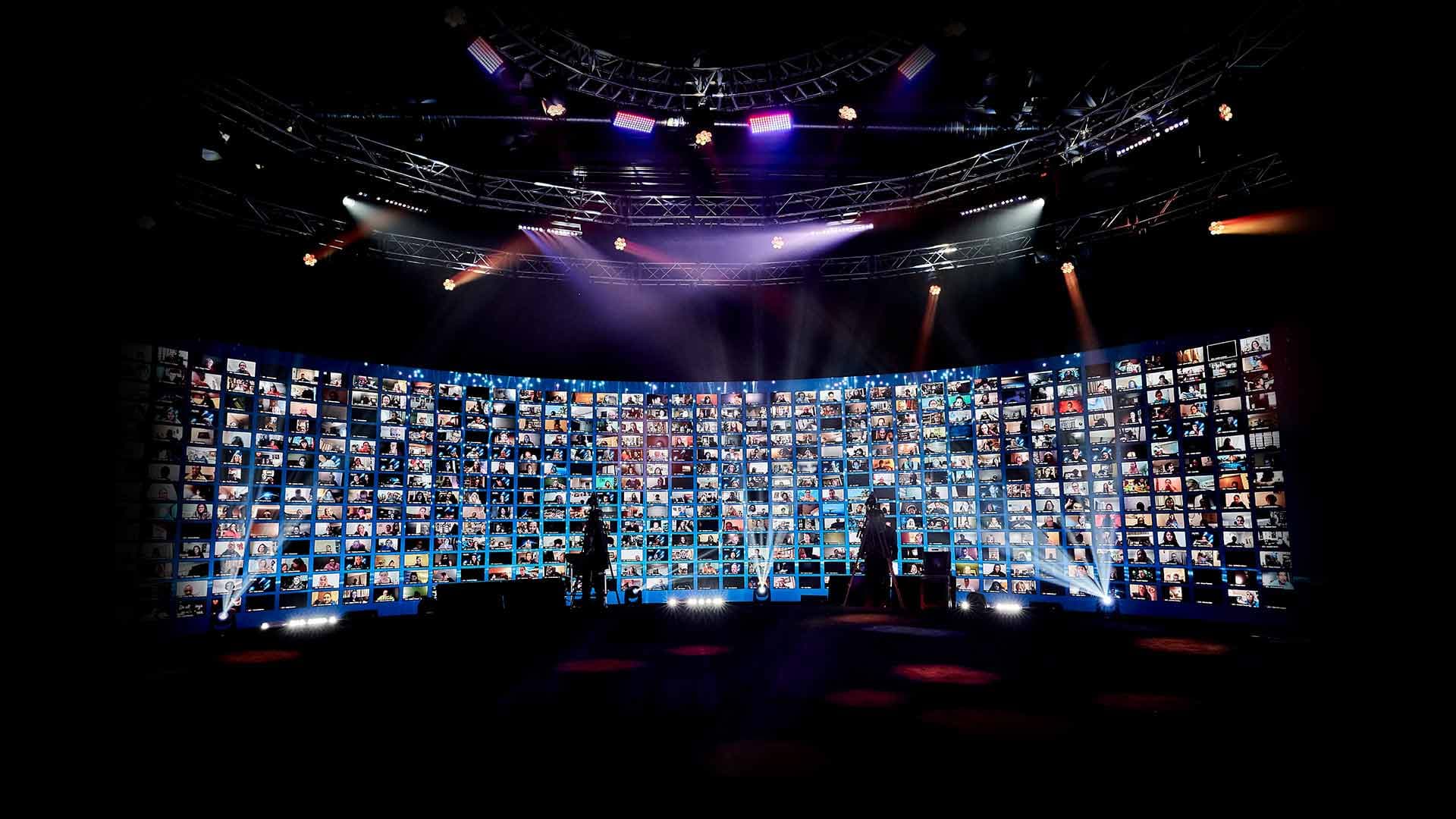
Another 40,000–50,000 attendees joined the event remotely, live, pulled in through Worre Studios. The tour's production stayed exactly what it was — a stadium event, staged for a stadium — while the studio's broadcast infrastructure extended its reach to an audience two times the size of the crowd in the seats.
The timing gave the model its meaning. A "back to the world" tour is, by definition, for people coming back at different speeds — some ready to sit shoulder to shoulder in a stadium, many not yet. Hybrid reach meant nobody had to choose between attending and staying home; the event met both audiences at once, live.
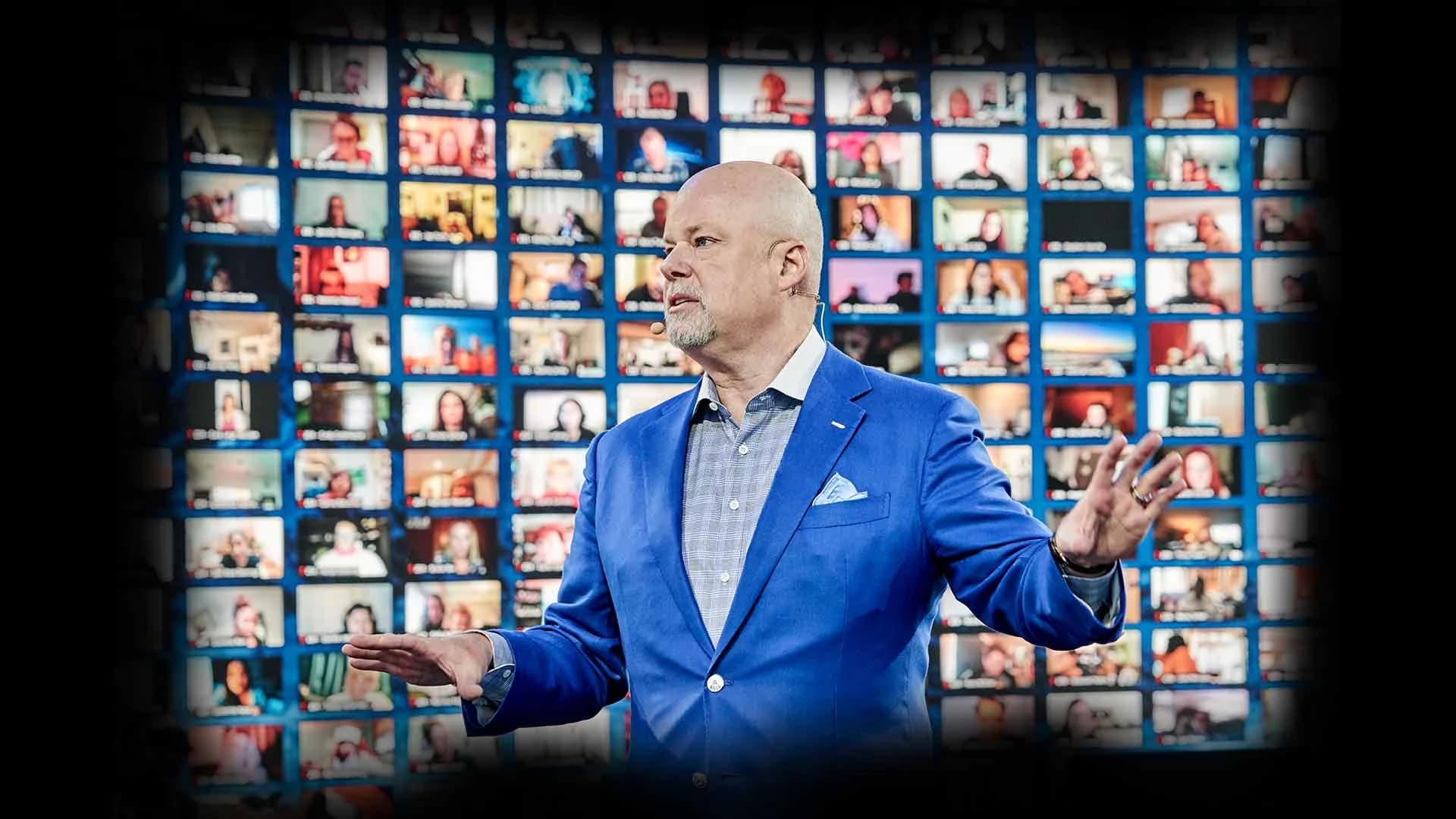
The stadium wasn't most of the audience.
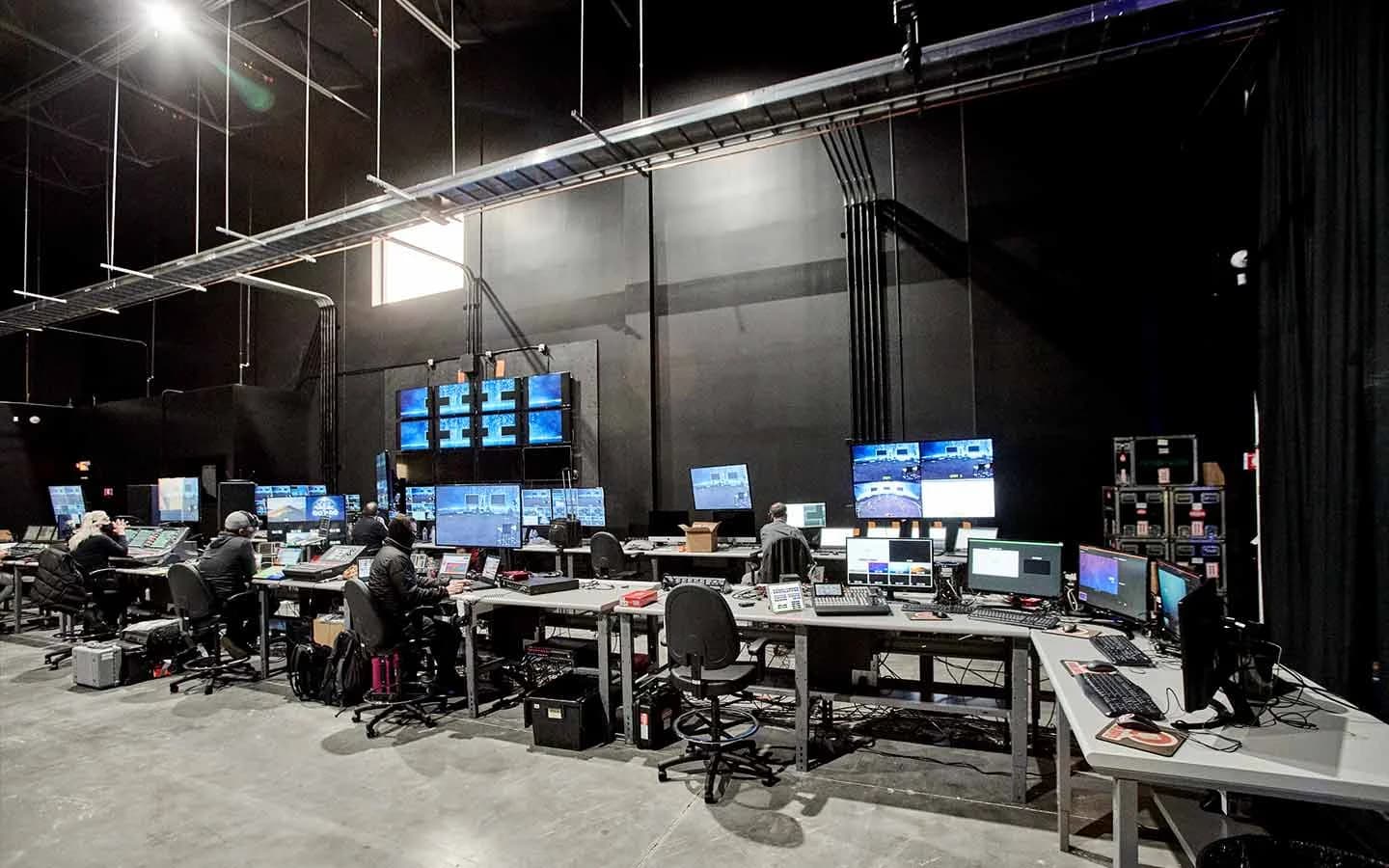
The Model under the Moment
Strip away the famous venue and the engagement demonstrates something any event team can use: the studio doesn't need to host your event to multiply it.
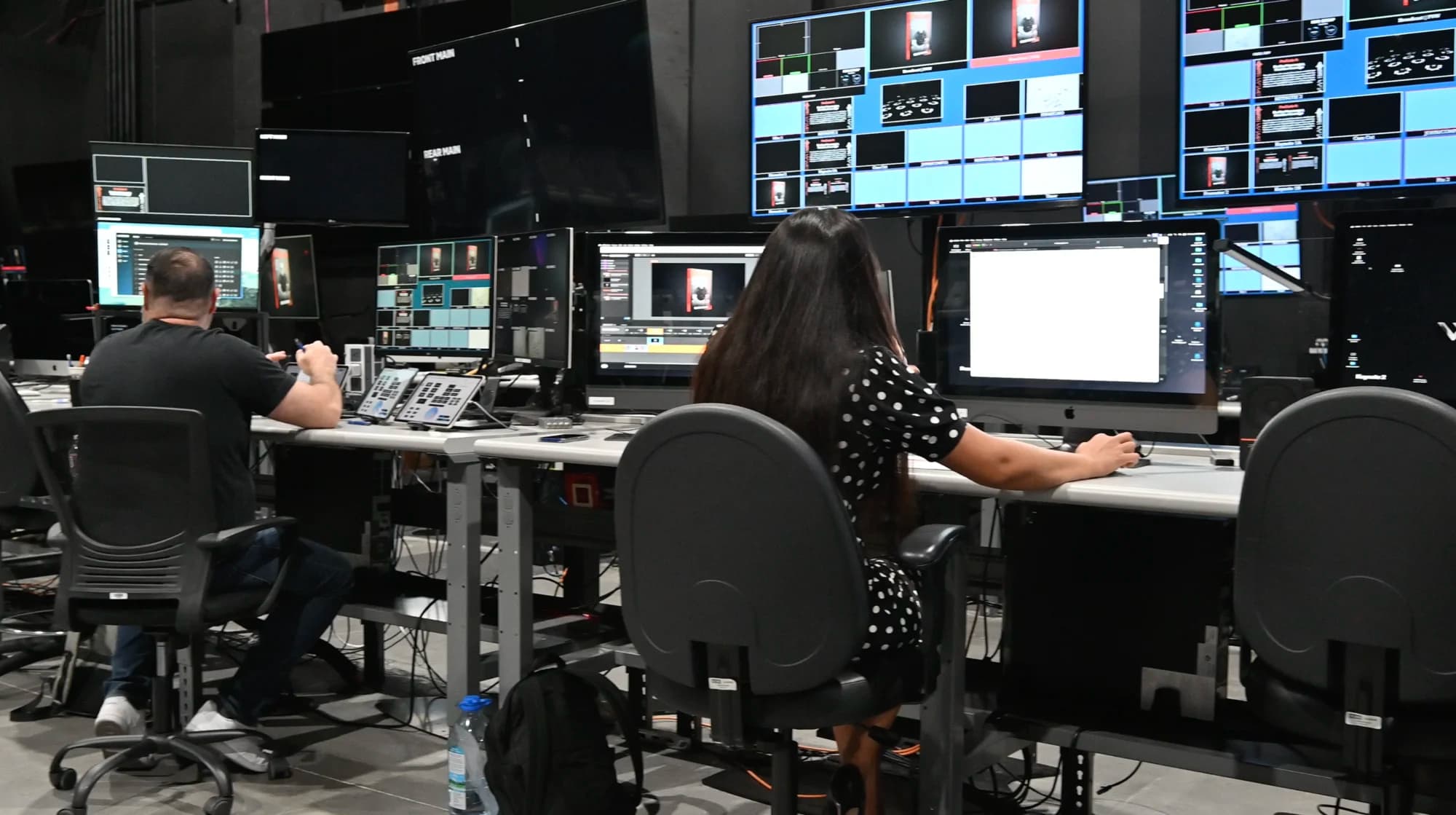
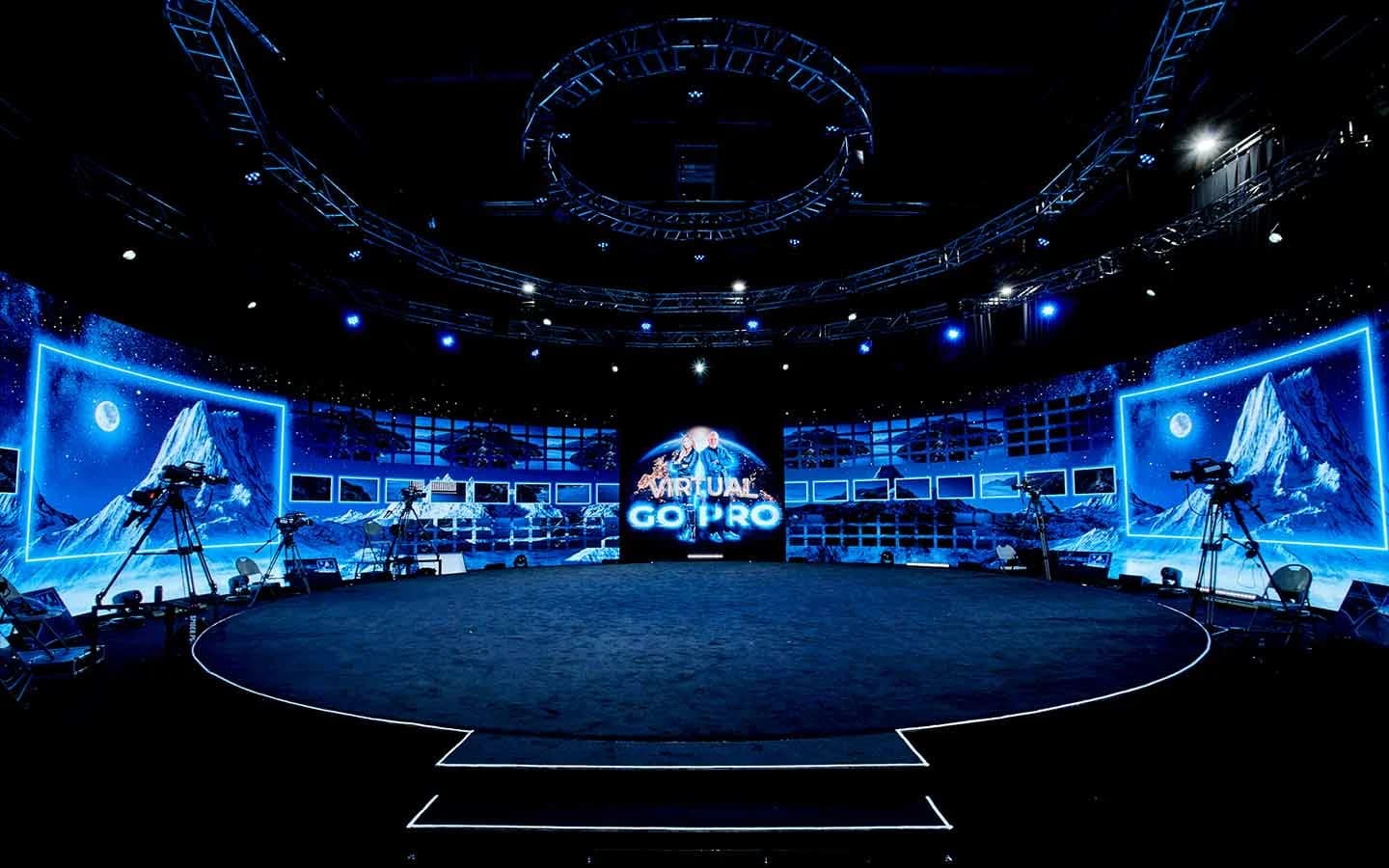
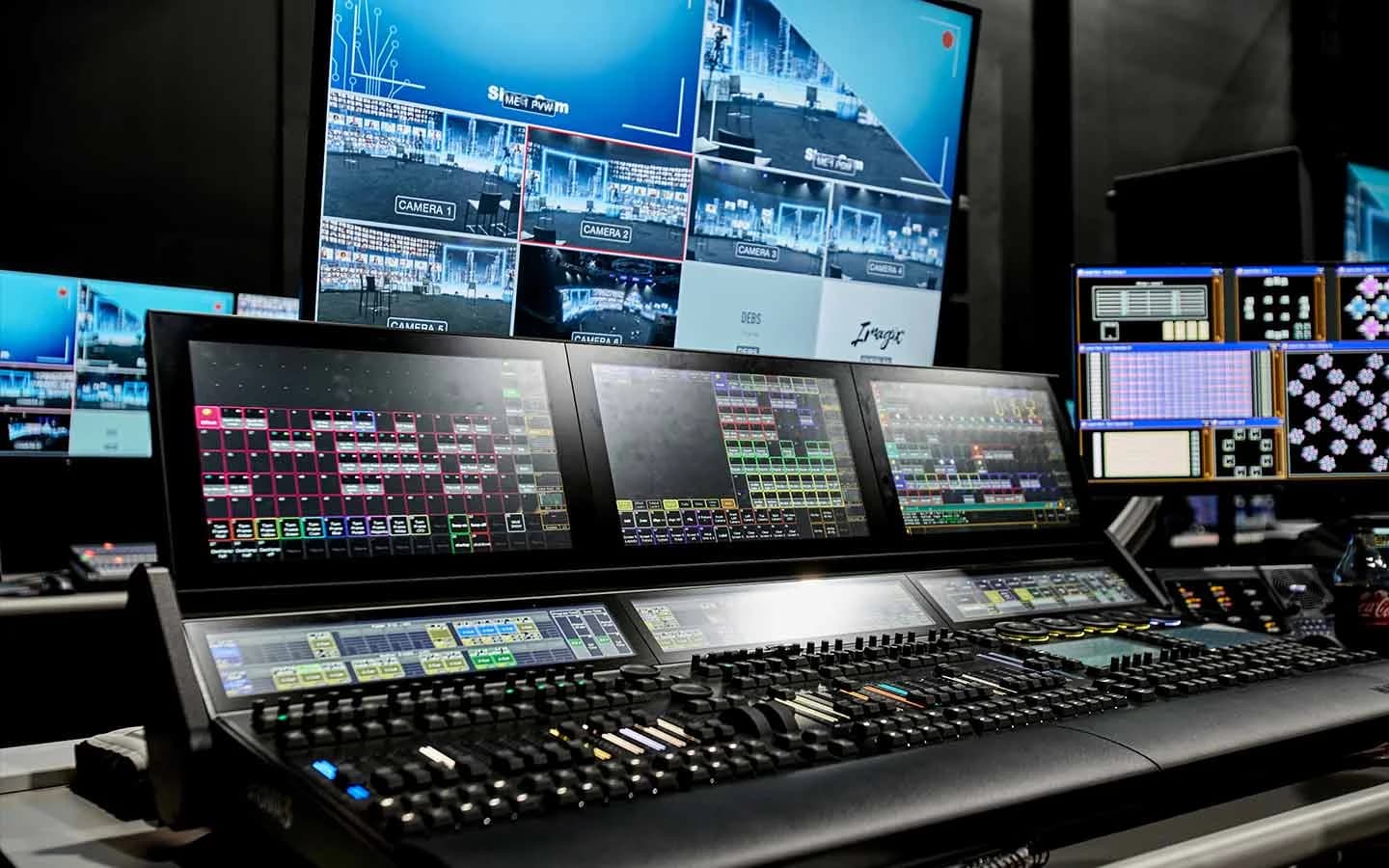
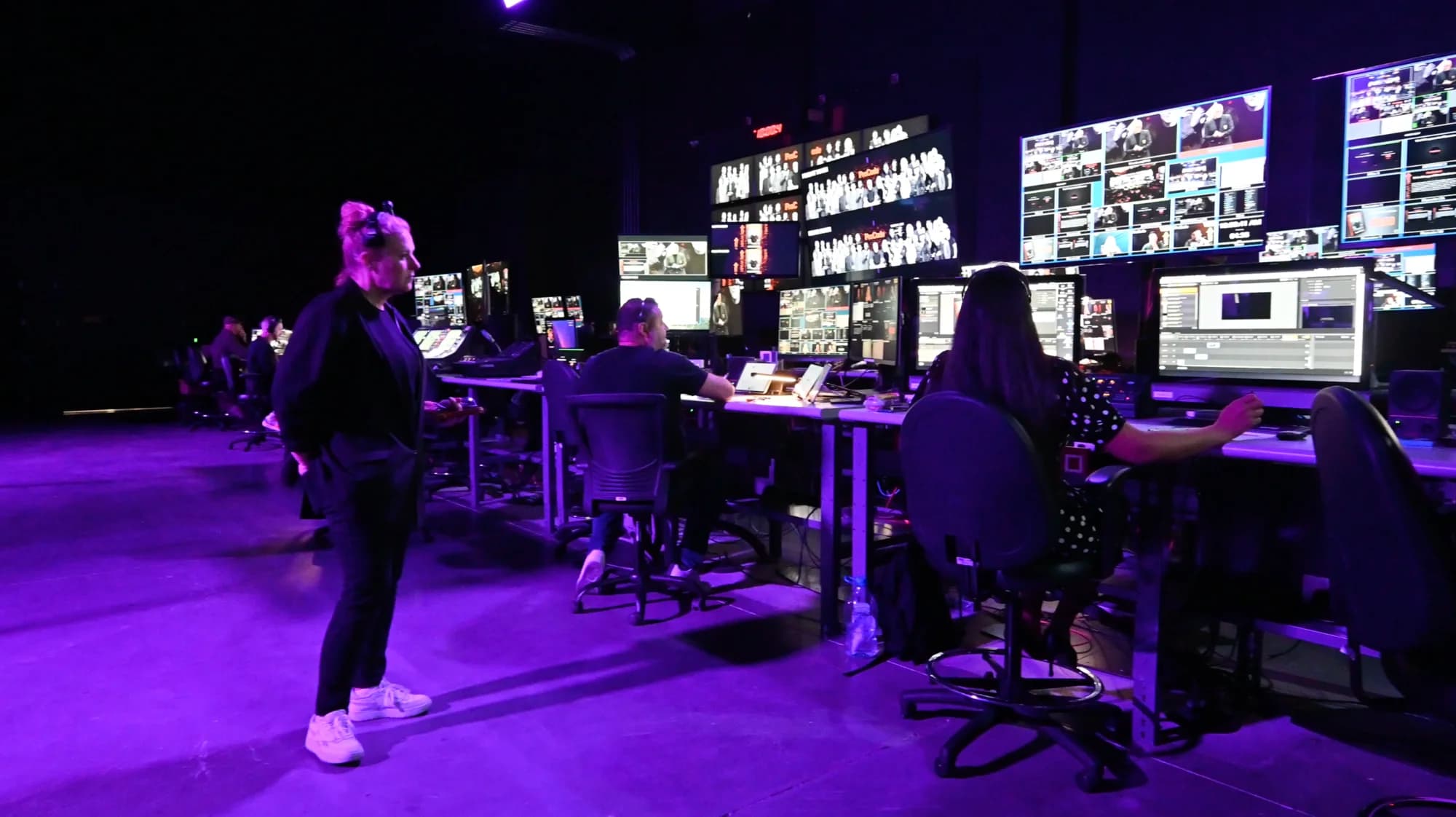
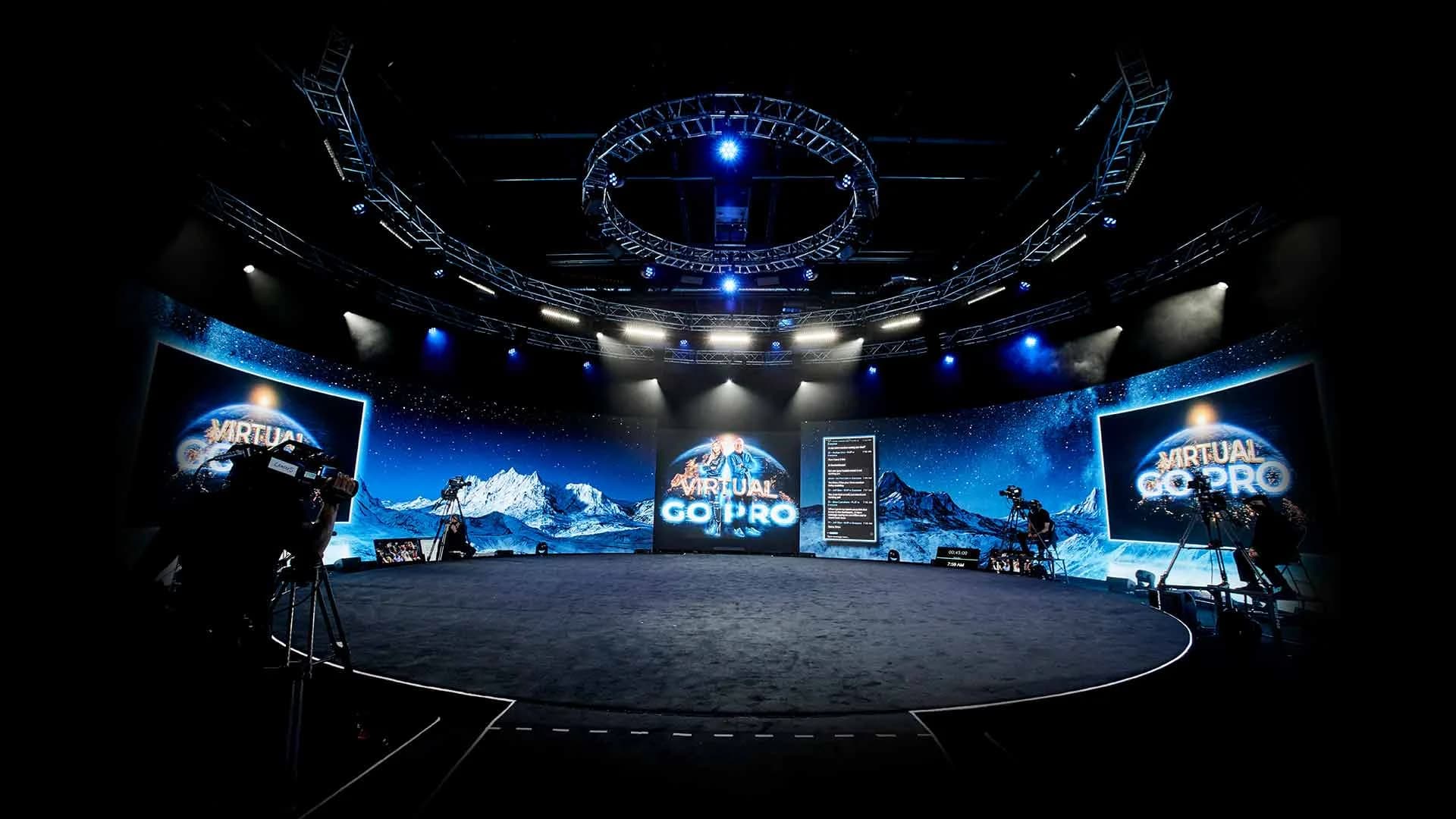
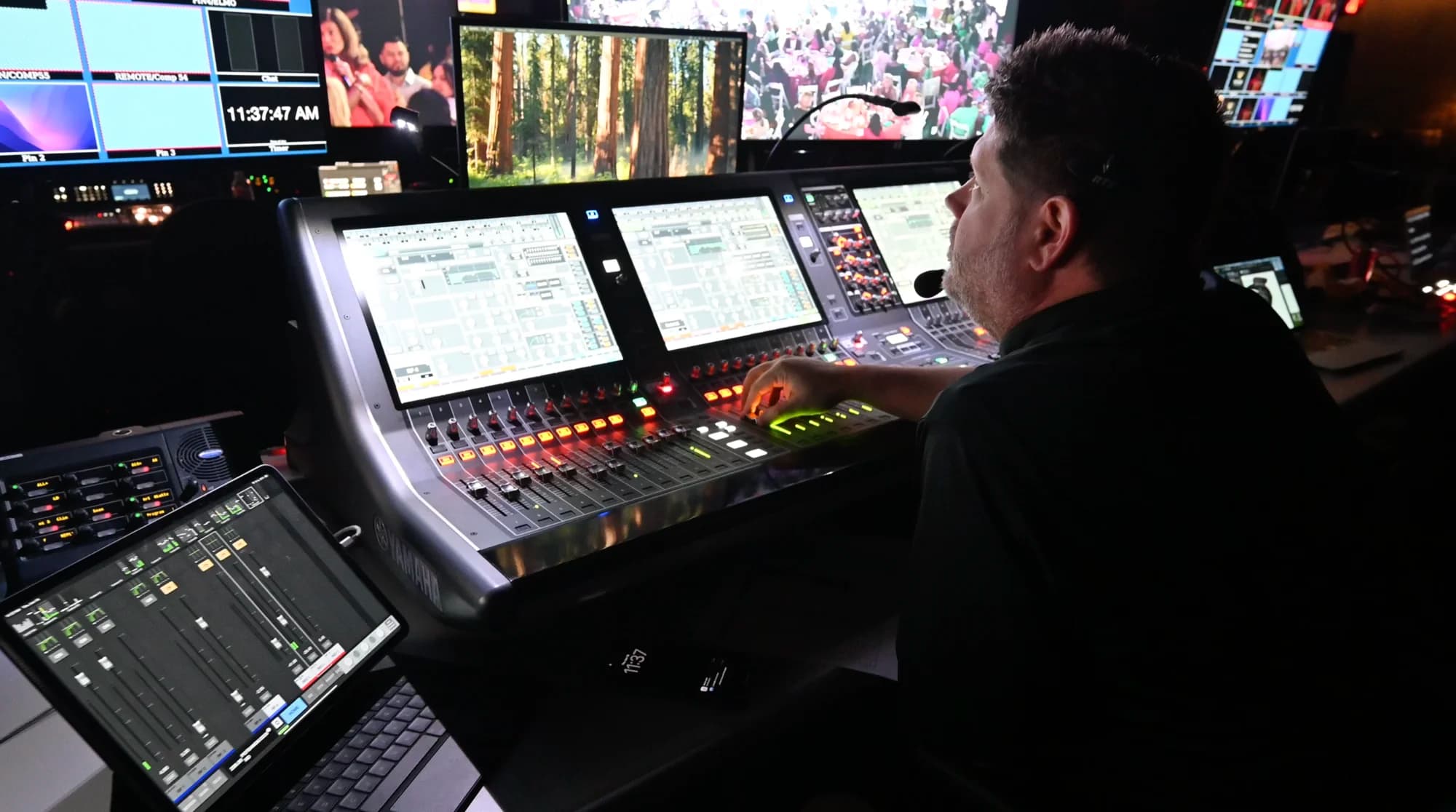
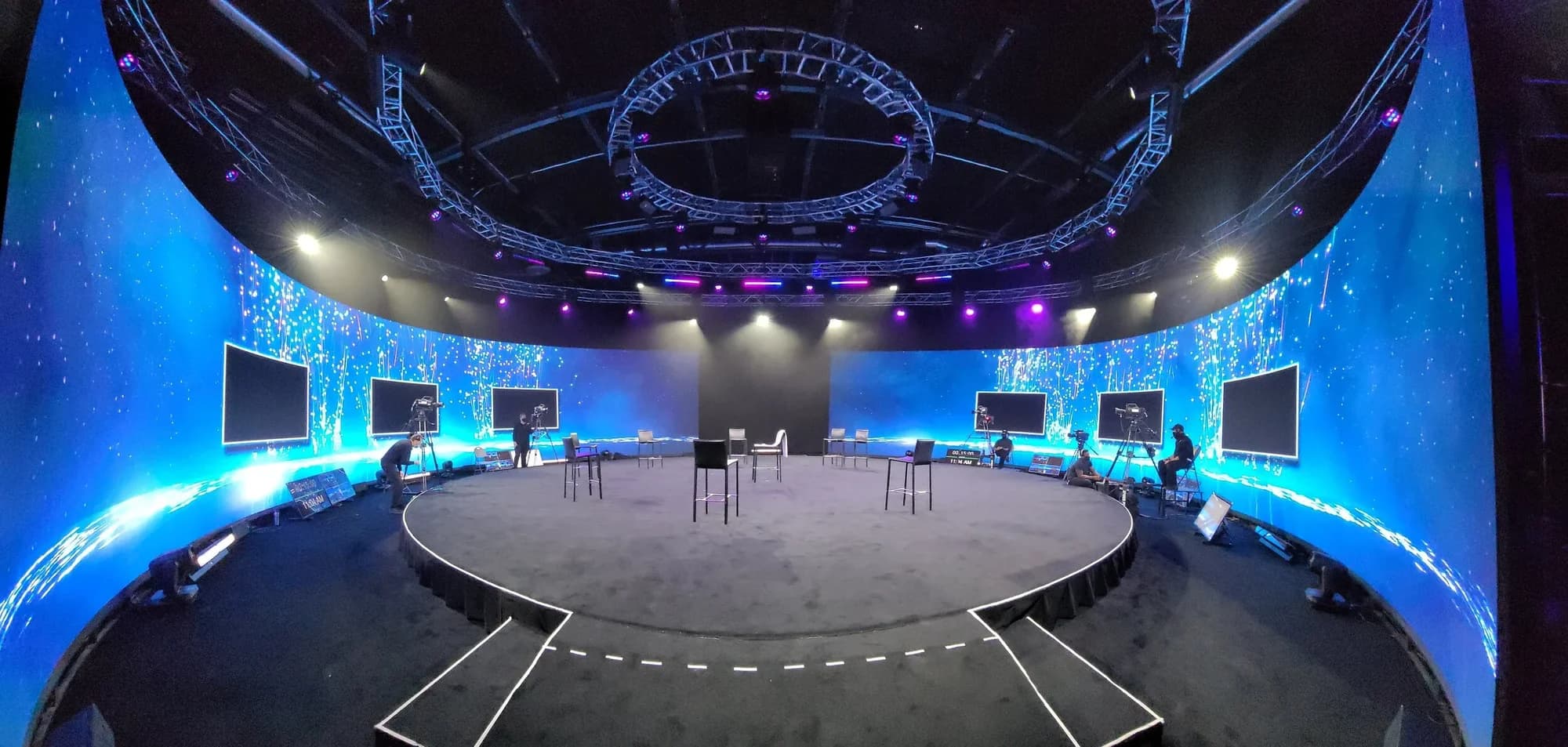
The tour didn't relocate to Las Vegas. The stage, the program, the in-person experience — all of it stayed at the venue where it belonged. Worre Studios operated as the reach layer: the broadcast infrastructure that turned a stadium event into a stadium-plus-the-world event. It's the same family of capability as the remote virtual stage — your event where your event needs to be, the audience wherever the audience is — running at the scale of one of America's most recognizable venues.
For planners, the takeaway is a question worth asking about any event already on the calendar: the venue is booked and the production is set — how many people should this actually reach?
Frequently Asked Questions
No — the event took place at Yankee Stadium, with roughly 20,000 attending in person. Worre Studios provided the broadcast infrastructure that pulled another 40,000–50,000 remote attendees into the event live.
The stadium's capacity capped the physical audience; the broadcast didn't have that ceiling. With the studio handling reach, the event's total attendance more than doubled what the venue alone could hold.
Yes. If your event is already planned at your own venue, the studio can operate as its reach layer — extending live attendance beyond the room without changing your production. It's a scoping conversation in the studio inquiry process.
Written by the Worre Studios Content Team and reviewed by Marina Worre, Founder & CEO, from the studio's delivered-production record. Attendance figures reflect the confirmed engagement; we publish what we delivered. Last reviewed July 5, 2026.
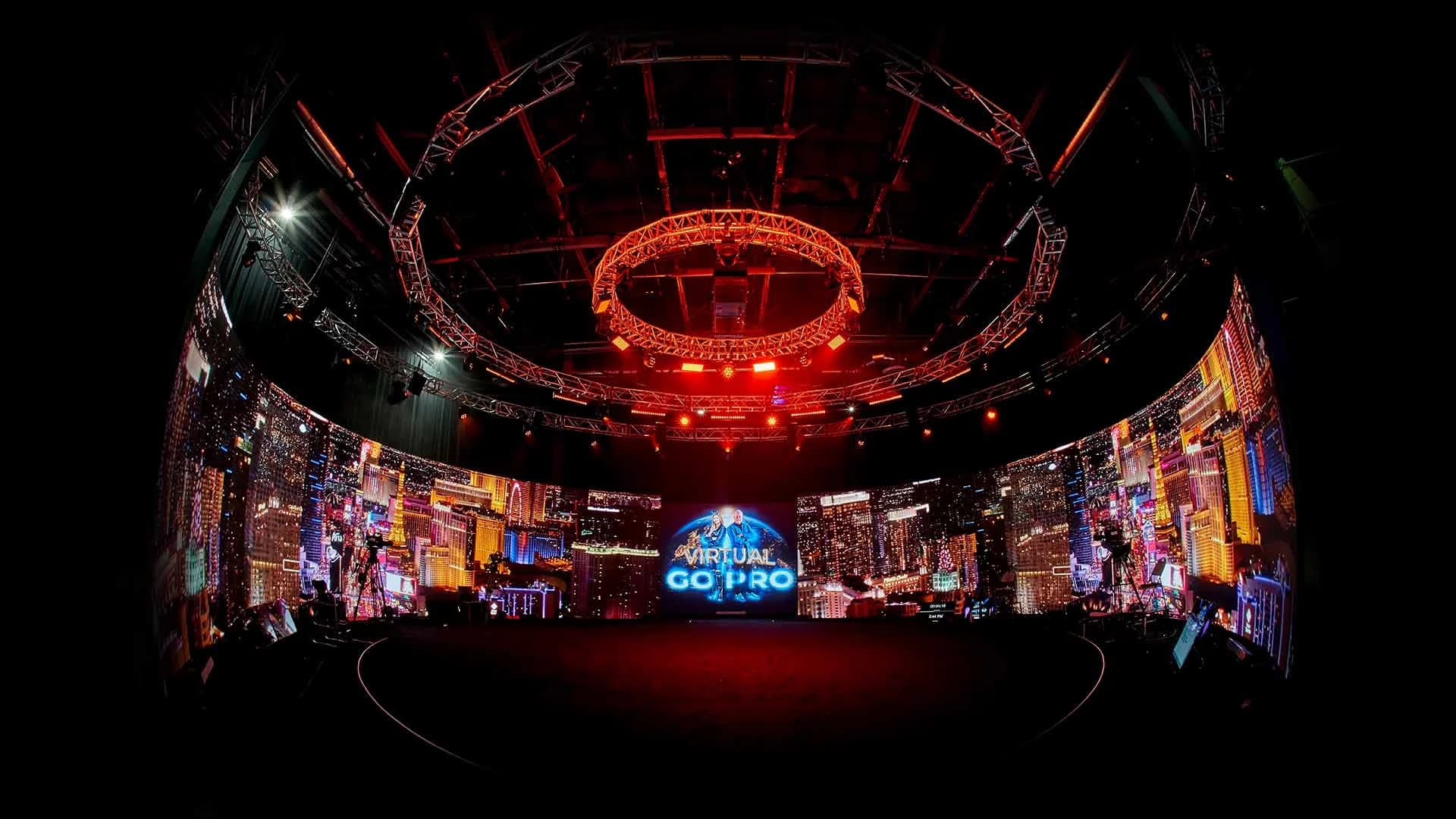
Your Venue Holds the Crowd. We Hold the World.
If your event is already booked somewhere great, the question left is reach. Tell us about it.