

Event Studio vs. Convention Center: Which Fits Your Event?
On this page
They're different tools, not competitors on a spectrum. A convention center sells square footage: maximum bodies, maximum booths, everything else quoted as an add-on. A production studio sells a finished broadcast environment: infrastructure permanently installed, crew in-house, reach measured in broadcast attendance rather than floor space. If your event is a trade show or needs 10,000 physical seats, book the convention center. If your event is a moment — a launch, a kickoff, a broadcast — the studio model was built for it.
Key Takeaways
- Convention centers price the empty space; production essentials — lighting, audio, staging, crew, streaming — arrive as plus-charges from approved vendors.
- A production studio inverts the model: the broadcast infrastructure is the building, and quotes start from a complete room.
- Raw in-person capacity is the convention center's honest win; broadcast-scale reach is the studio's.
- A studio is self-contained by design — your audience is in your event, not drifting between a casino floor and a food court.
- The right question isn't "which venue is better" — it's whether your event is a floor plan or a production.
Planners usually frame this as one decision — "where should we hold the event?" — but the two options aren't versions of the same thing. A convention center and a production studio are different machines that happen to both contain events. Pick by understanding what each machine was built to do.
What a Convention Center Is Built to Do
A convention center is optimized for volume: acres of contiguous floor, ceiling grids rated for anything, loading docks by the dozen, and the ability to put tens of thousands of people and a thousand booths under one roof. For a trade show, an expo, or any event whose success is measured in physical foot traffic, nothing else competes. That's the honest case for the convention center, and when it's your event, take it.
The model has a second defining trait: the quote covers the space. Nearly everything that turns the space into your event — staging, lighting, audio, power drops, rigging, internet, camera and streaming infrastructure, and the crews to install and operate all of it — arrives as a plus-charge, often through the venue's approved vendors. The headline number is the floor; the event is extra. We've walked through what that math does to hybrid production budgets in detail.
A convention center holds more bodies; a studio reaches more people.
What a Production Studio Is Built to Do
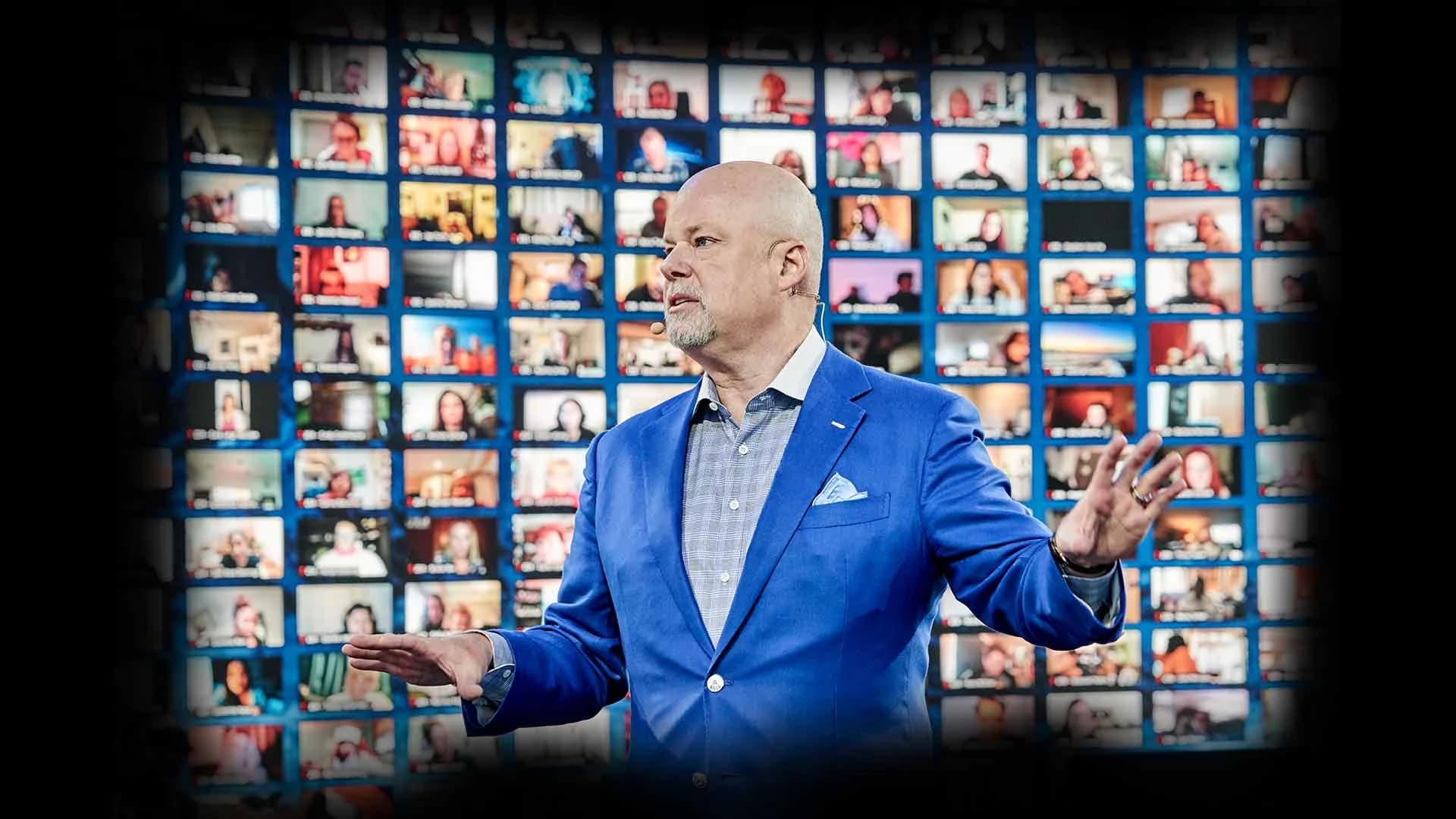
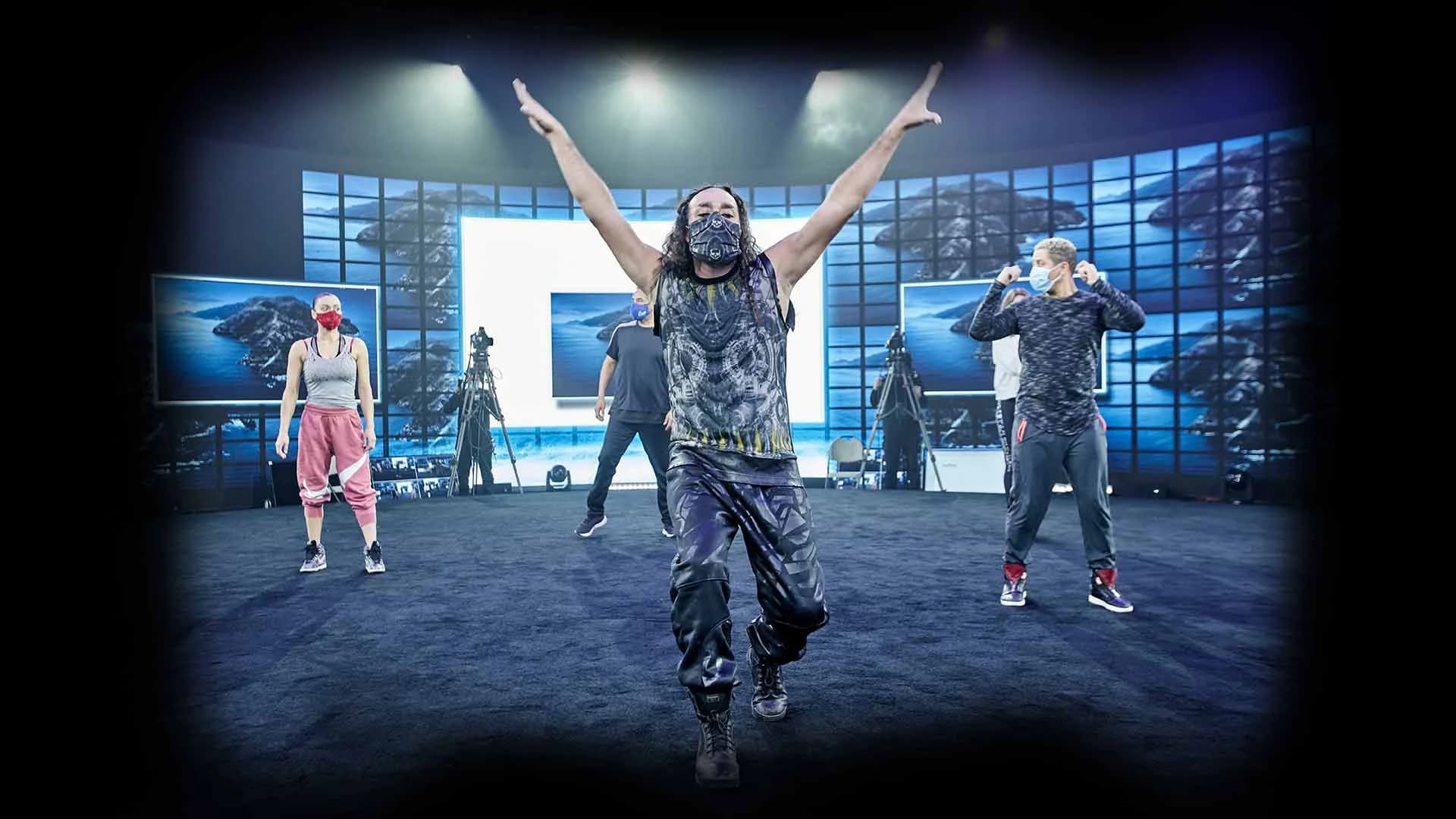
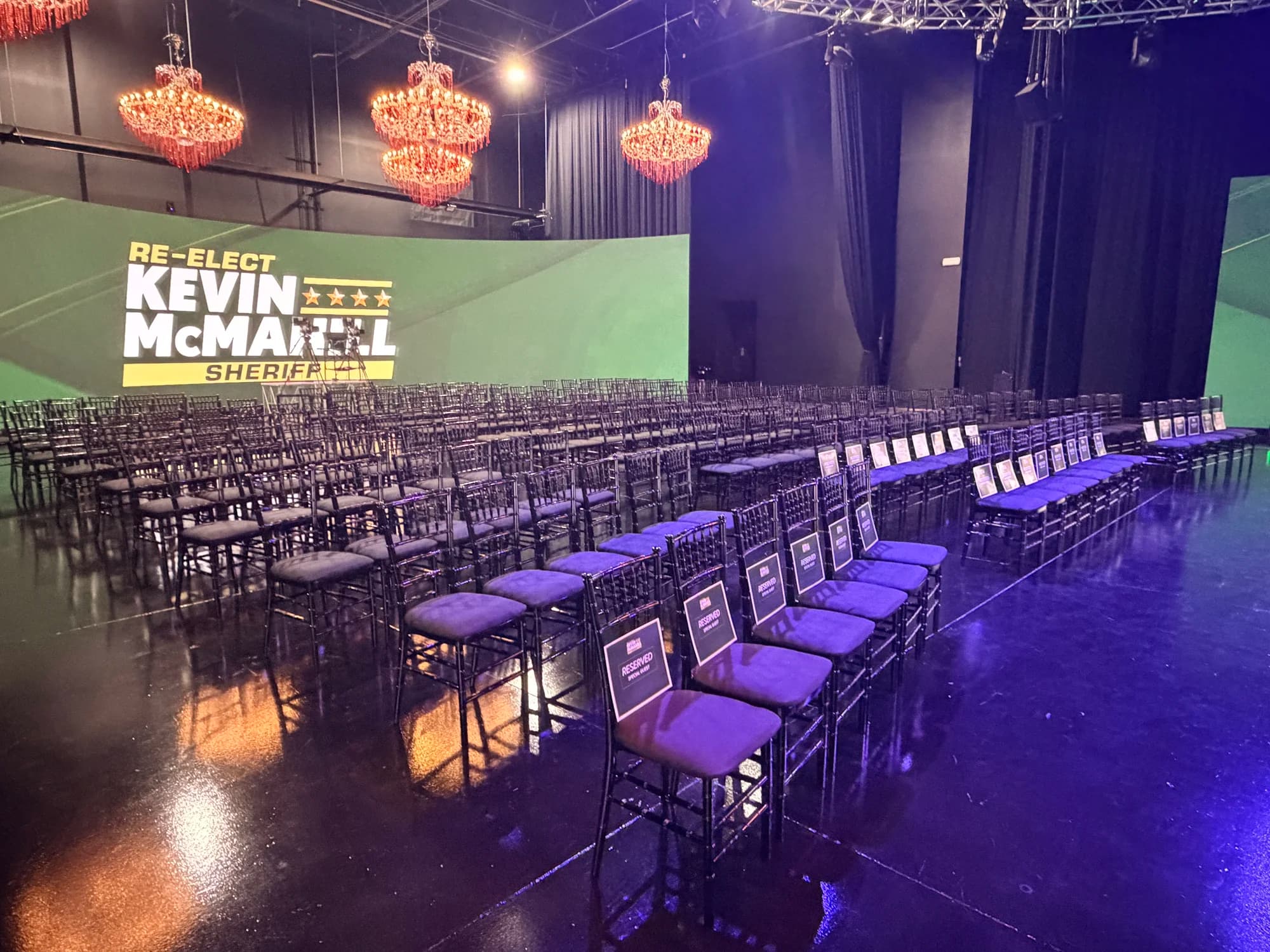
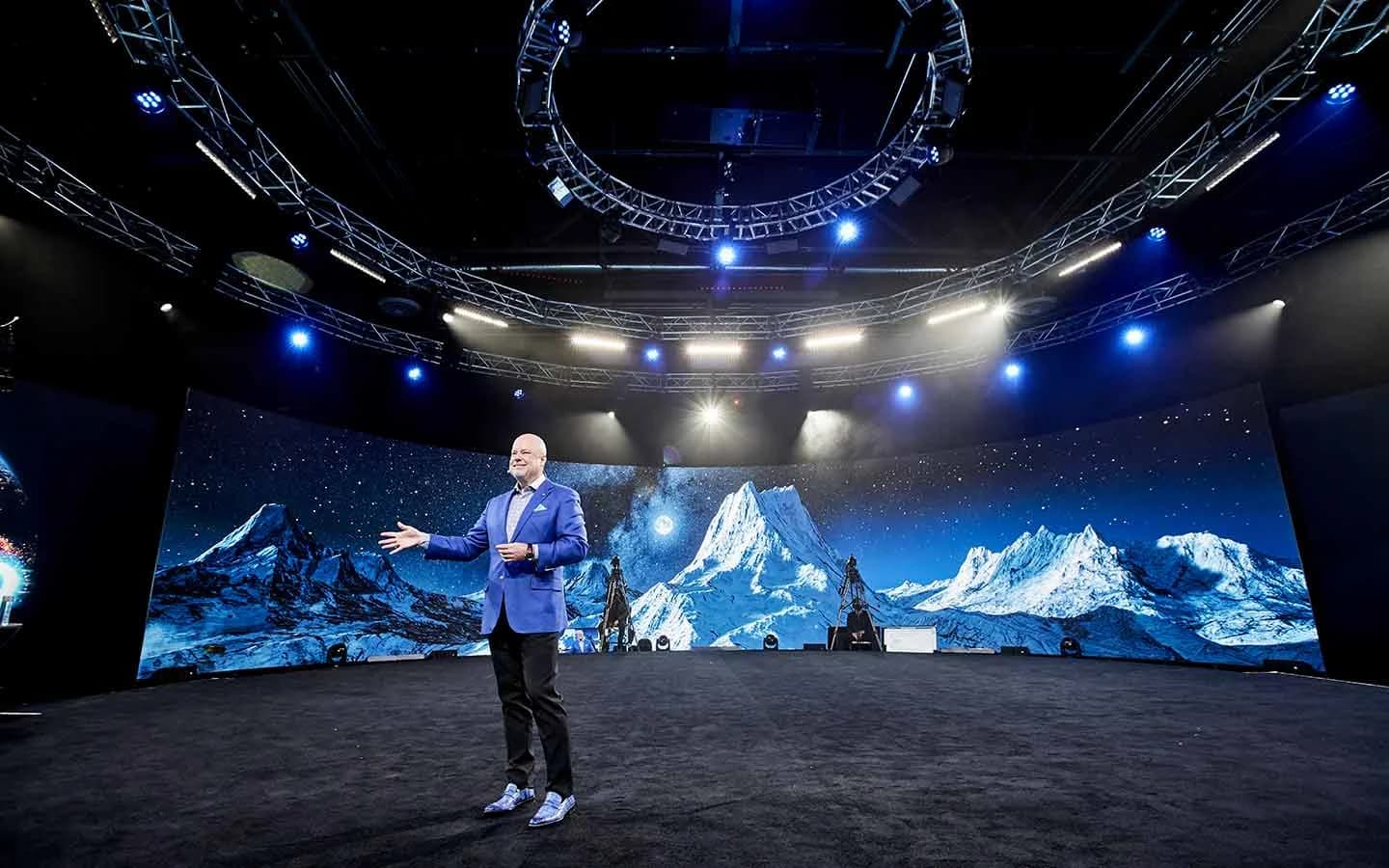
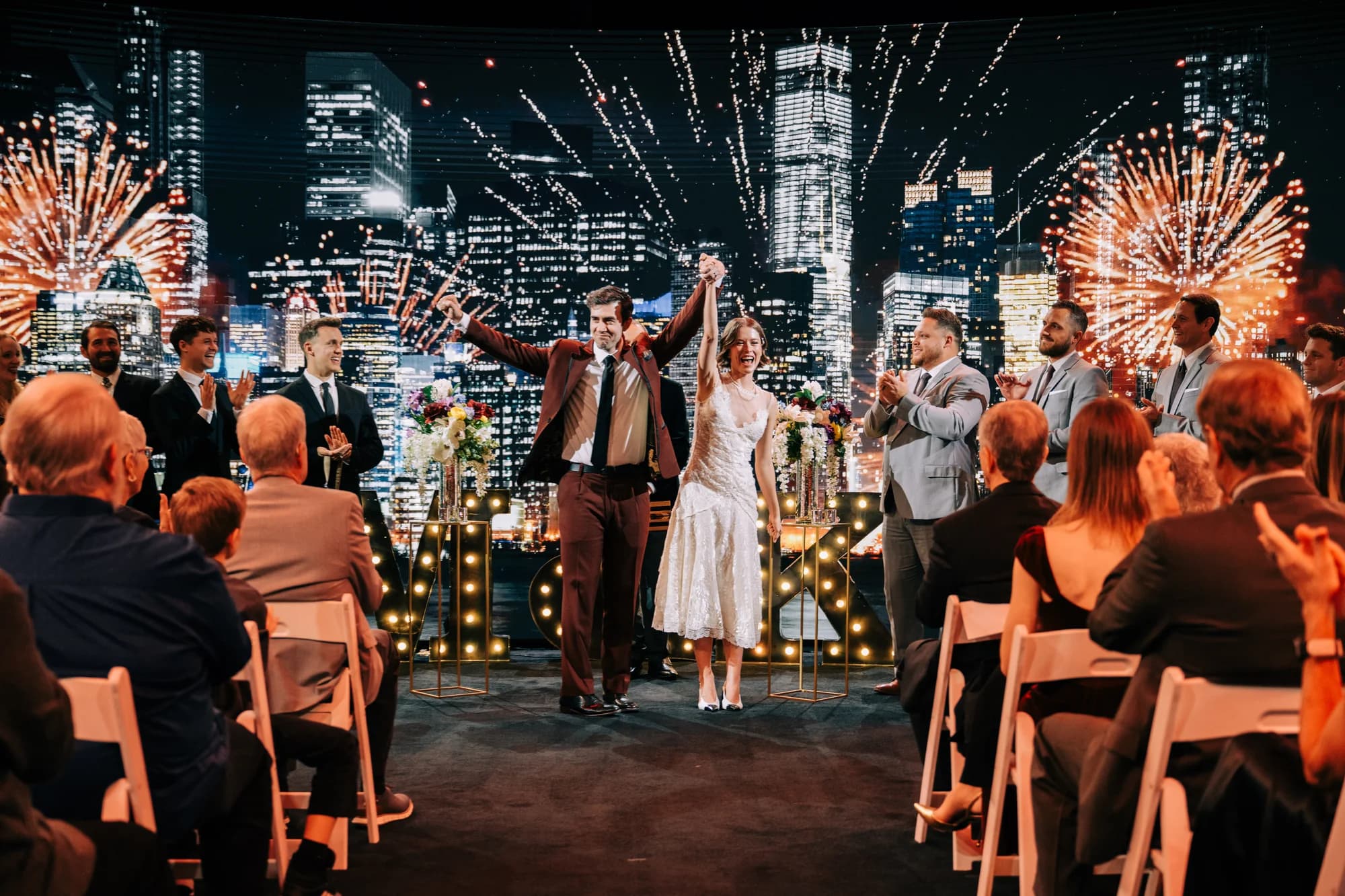
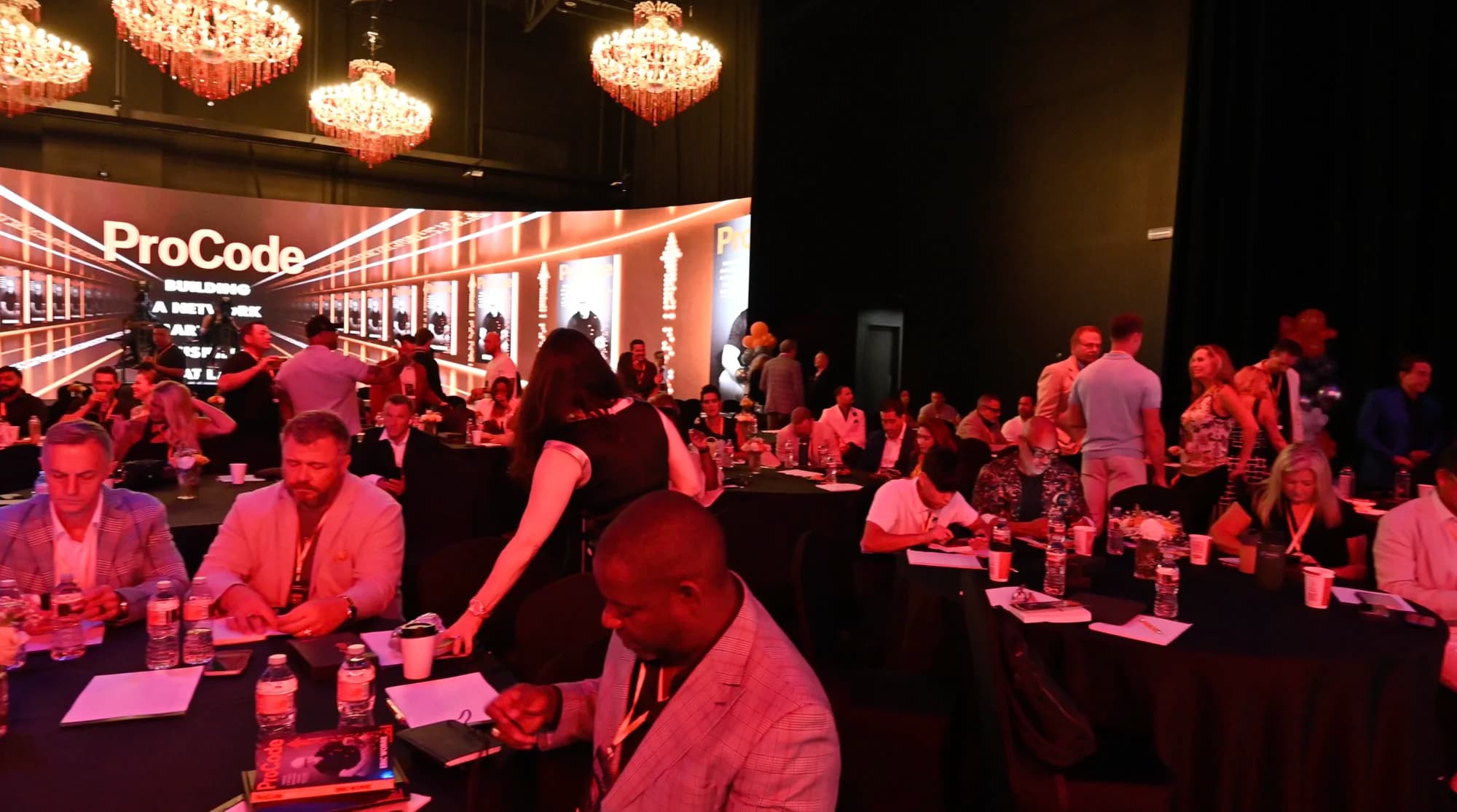
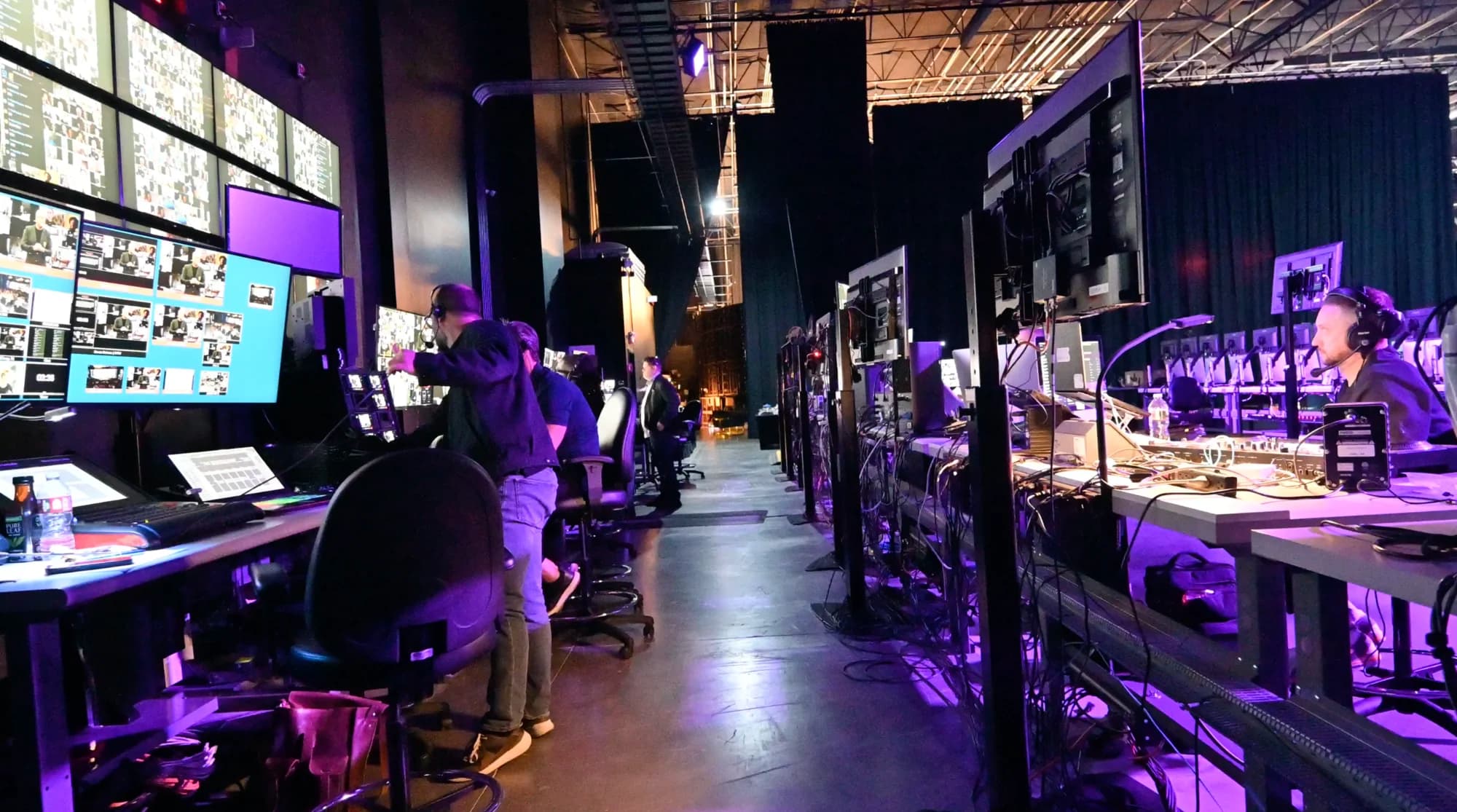
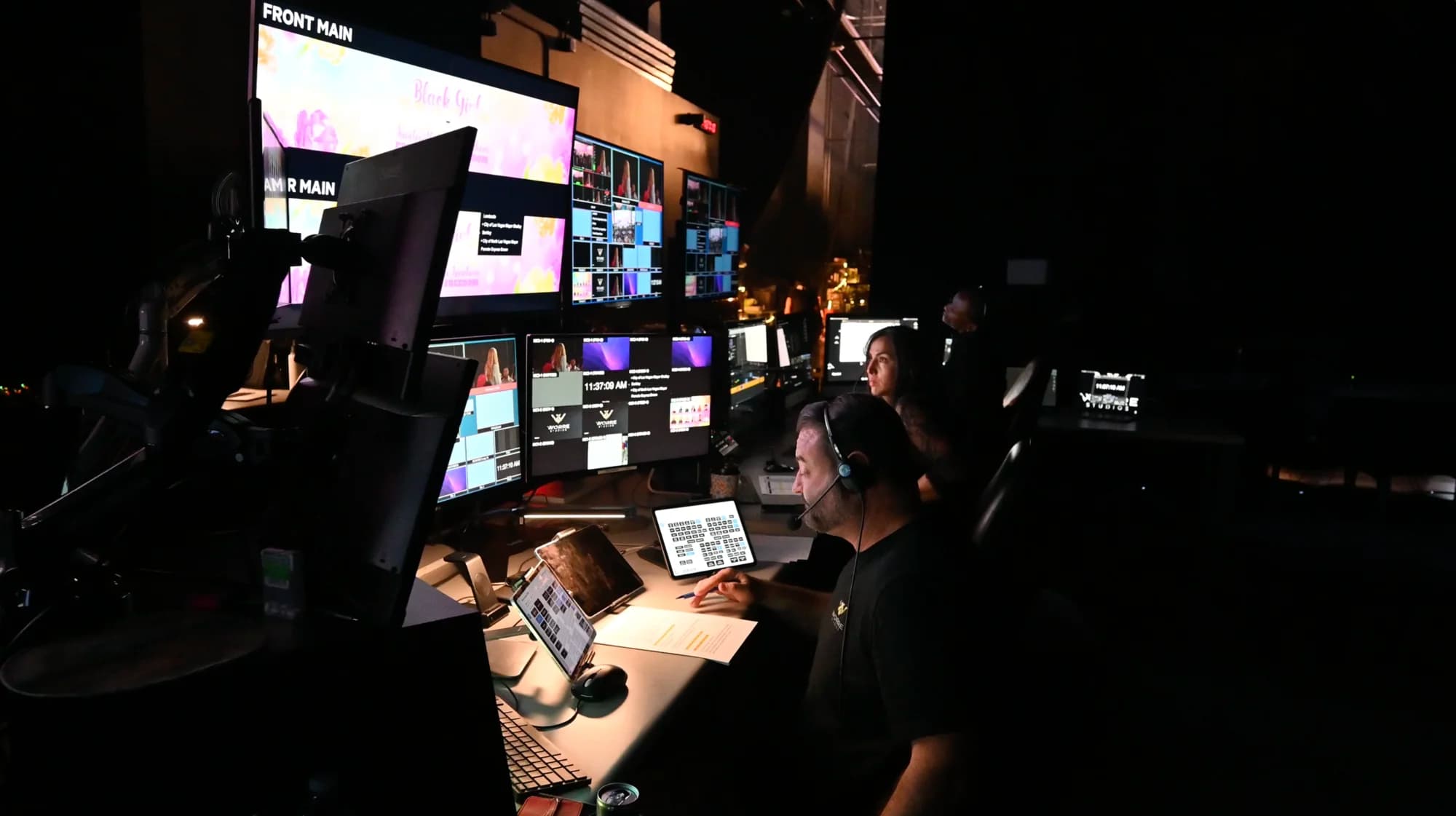
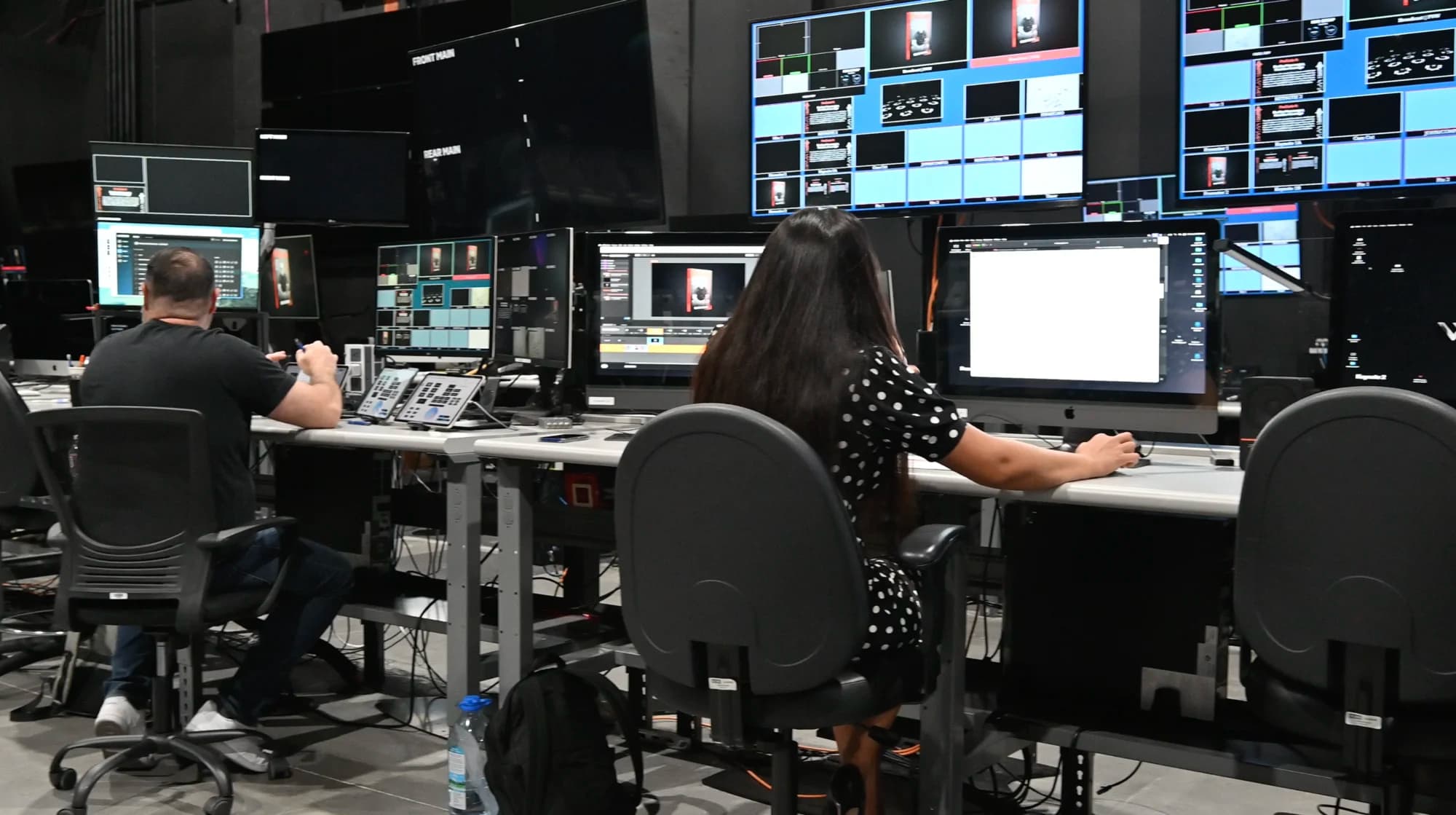
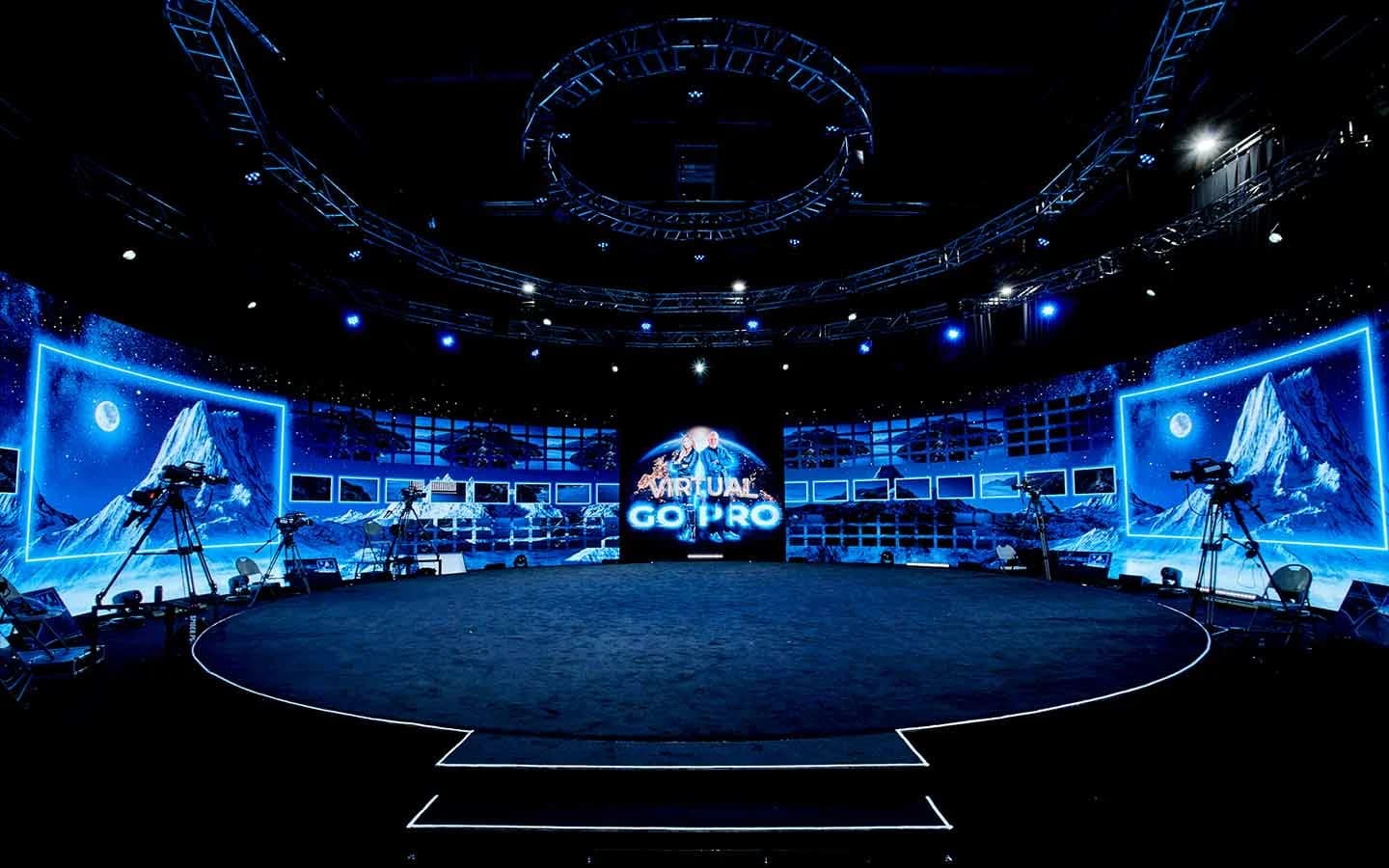
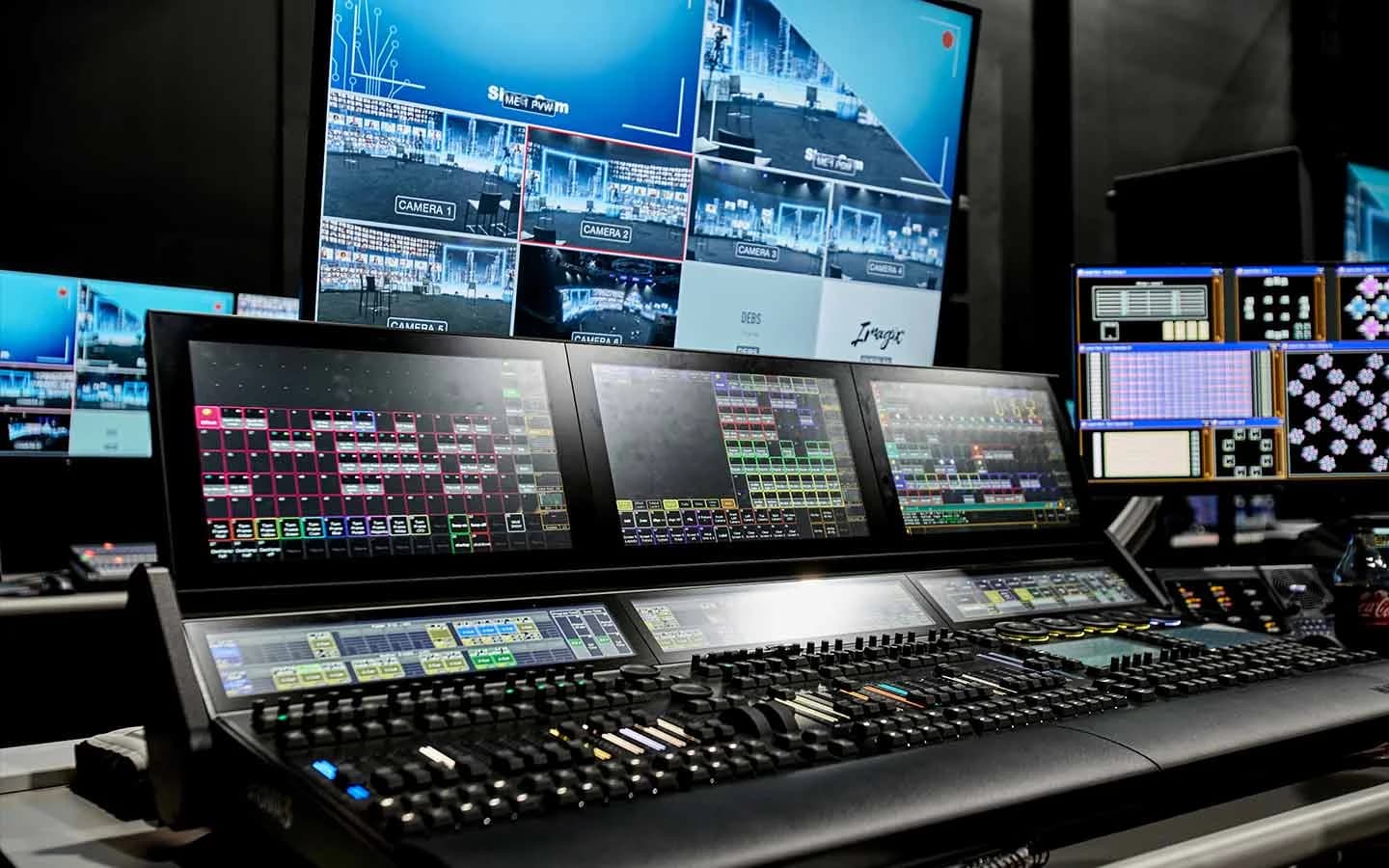
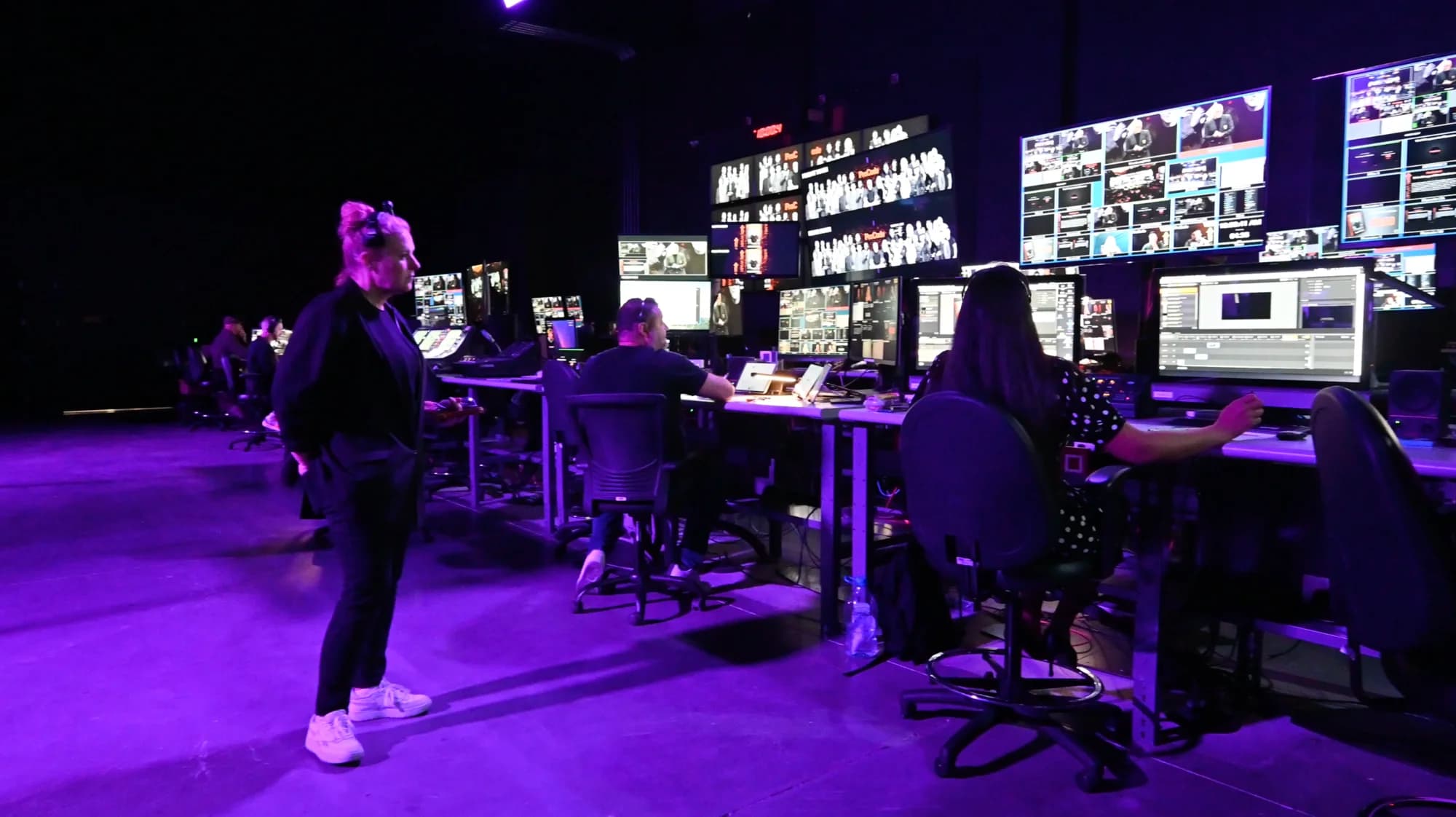
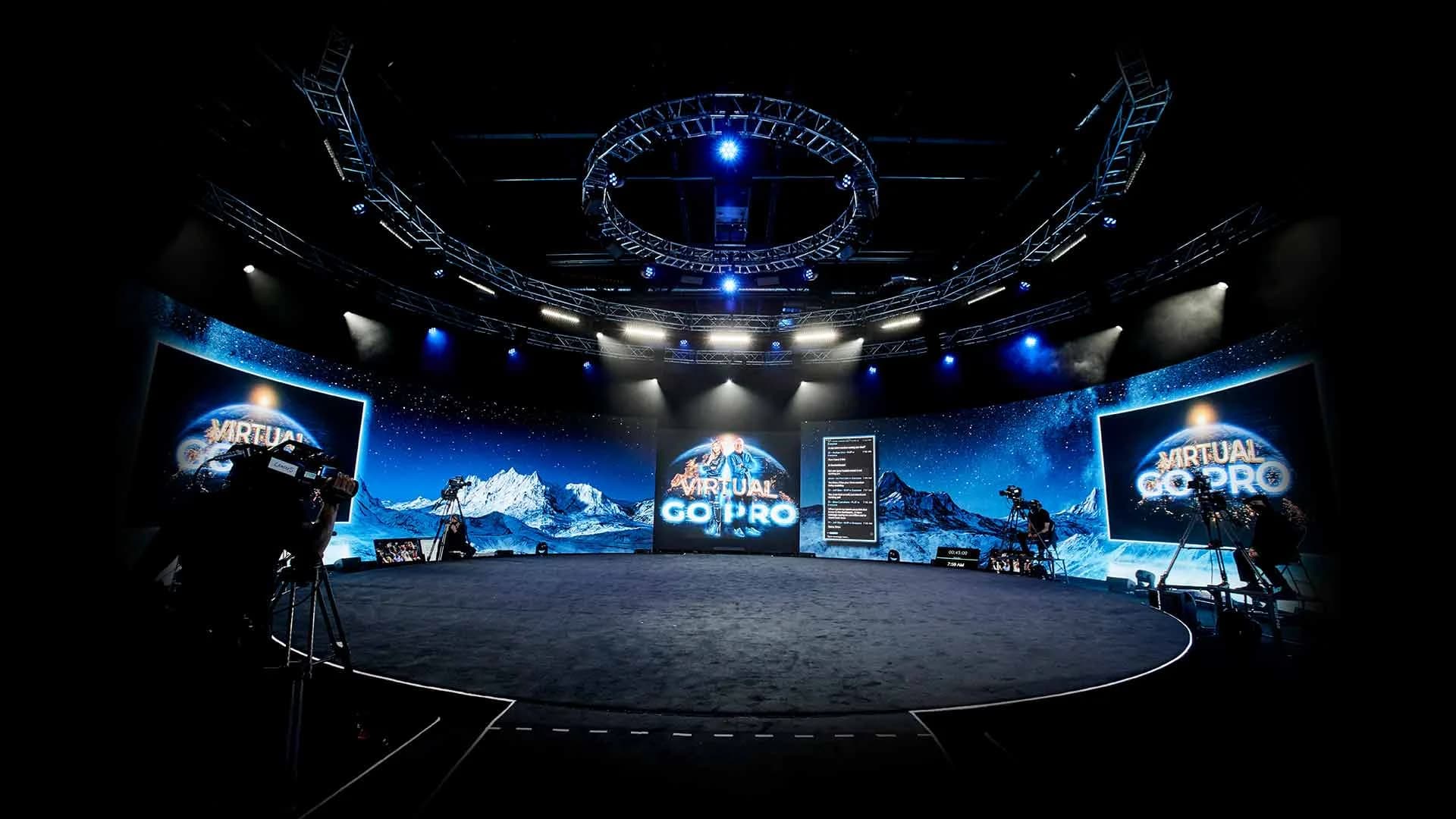
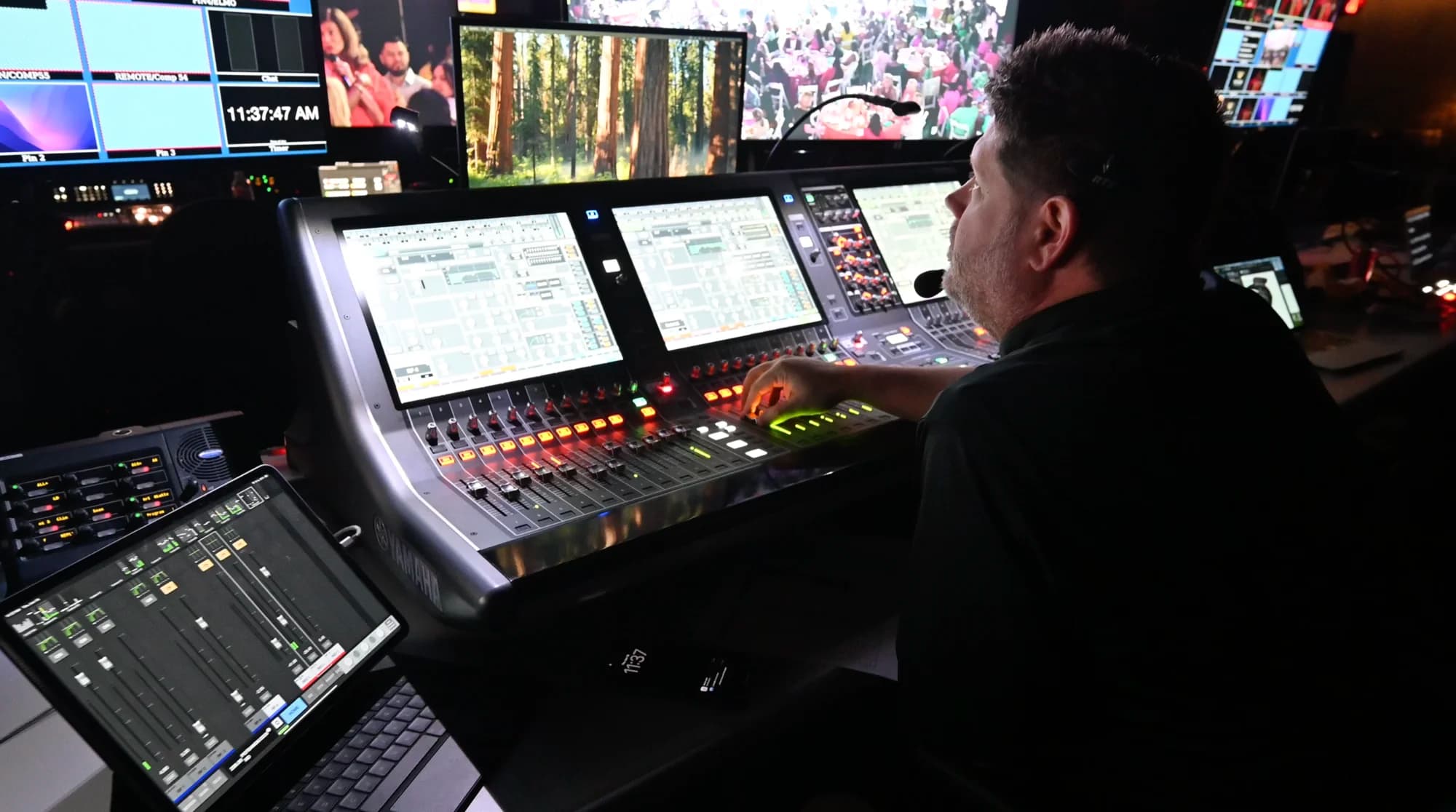
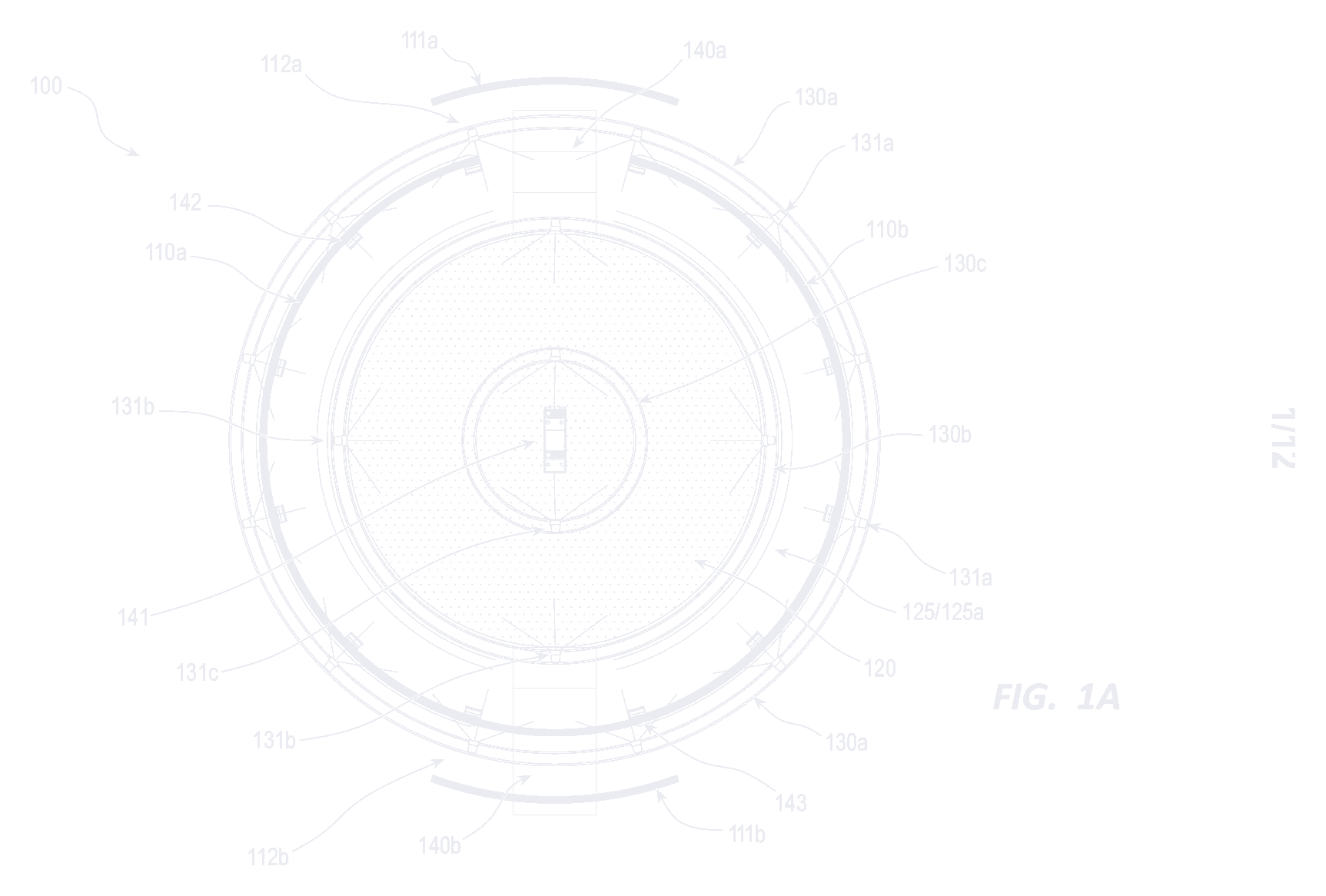
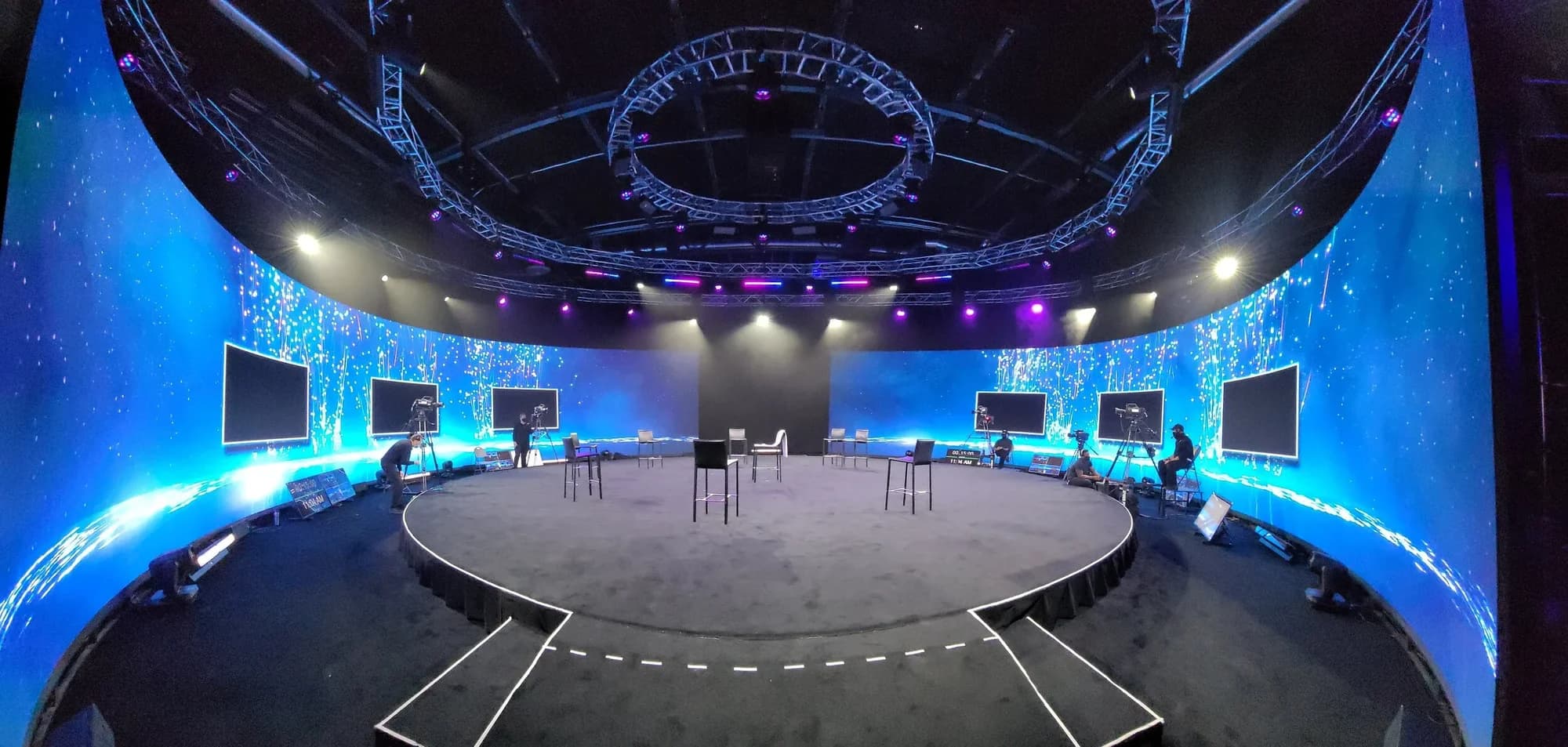
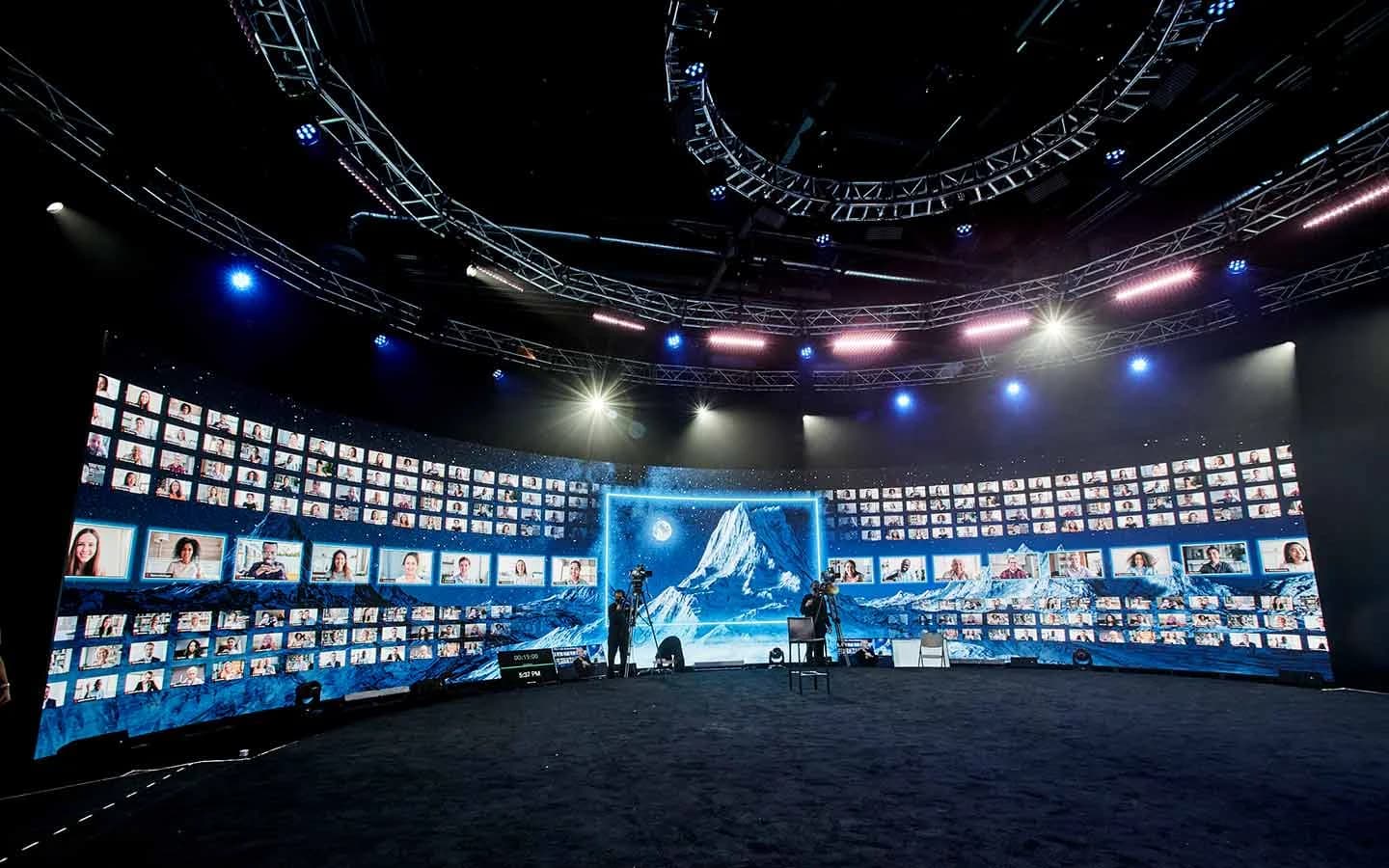
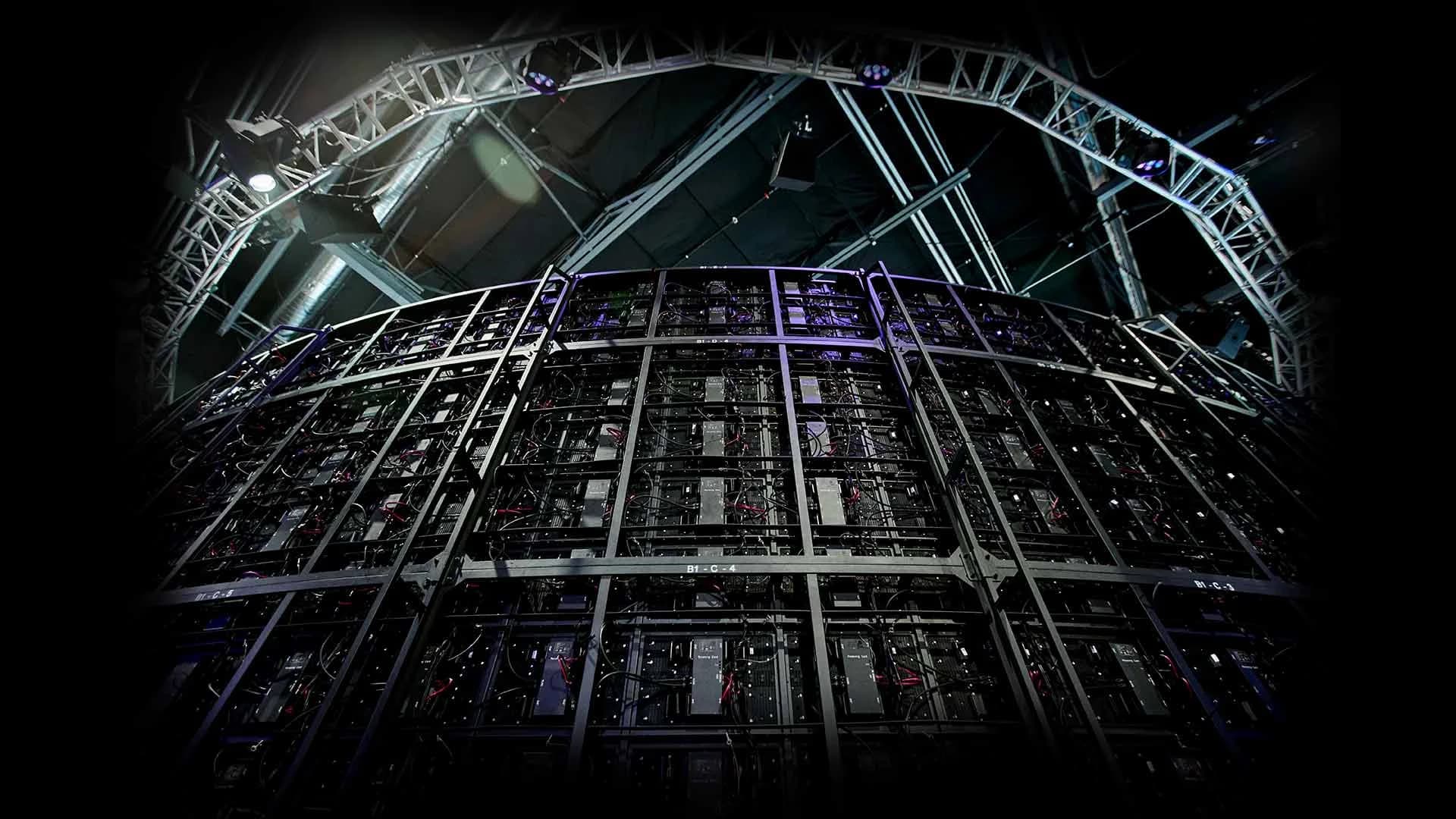
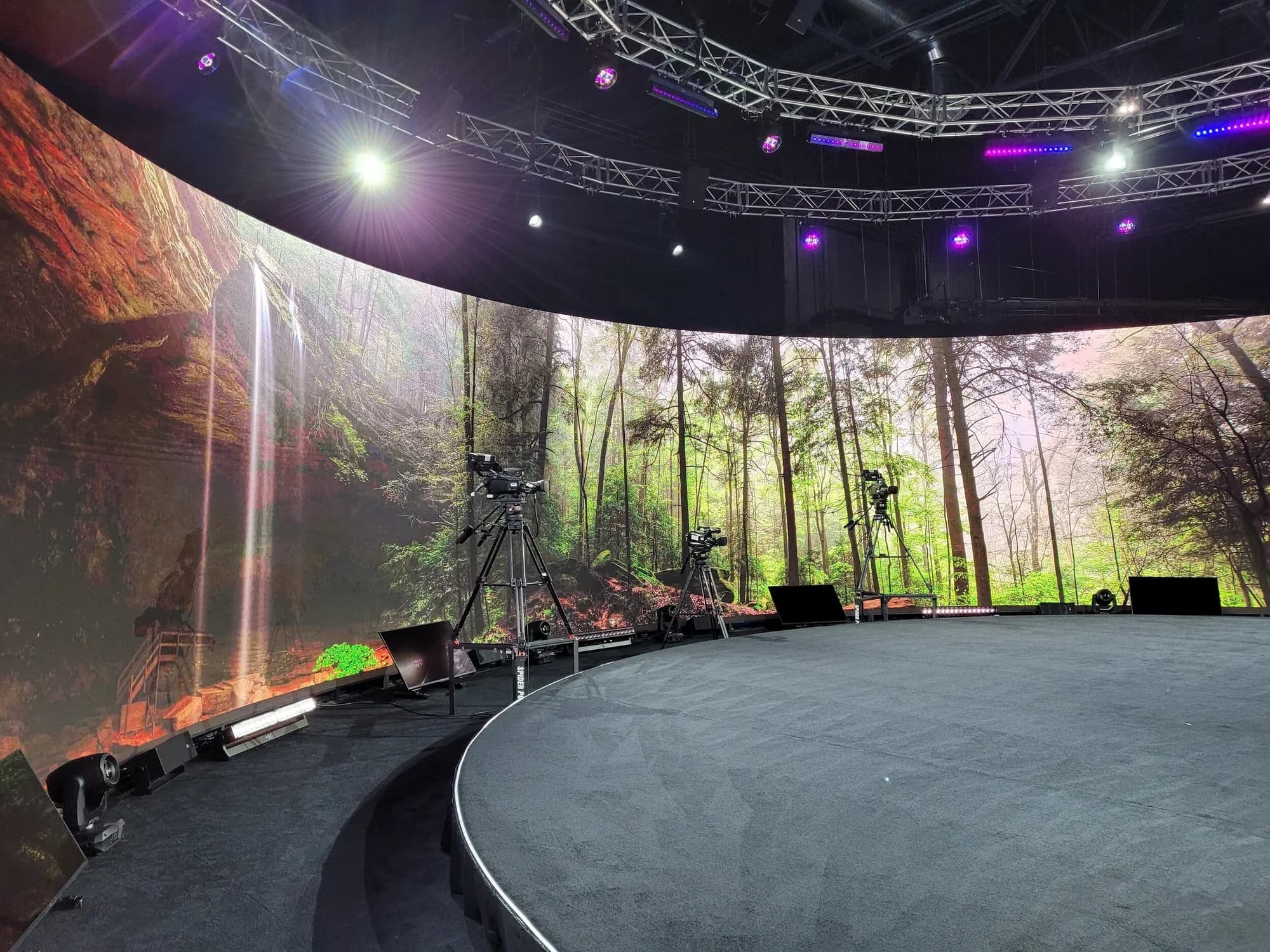
A production studio inverts the model completely. The broadcast infrastructure isn't trucked in for your date — it is the building: the 360° LED environment permanently standing, engineered audio and lighting live every day, a broadcast control room, and a crew that operates the same room every event. For teams comparing soundstage rental in Las Vegas options, the quote starts from a complete production environment, and à la carte additions size it to your event rather than building it from zero.
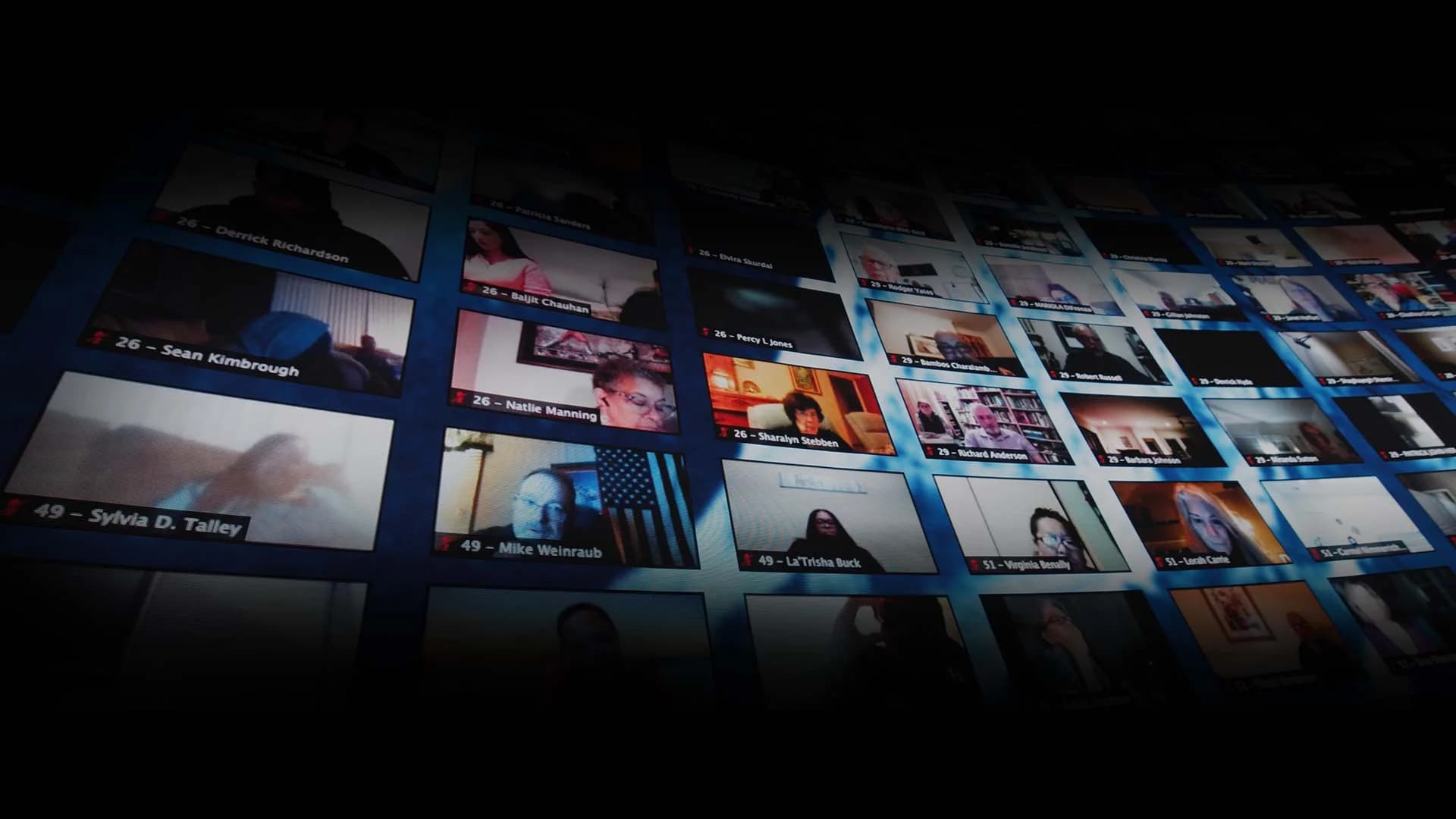
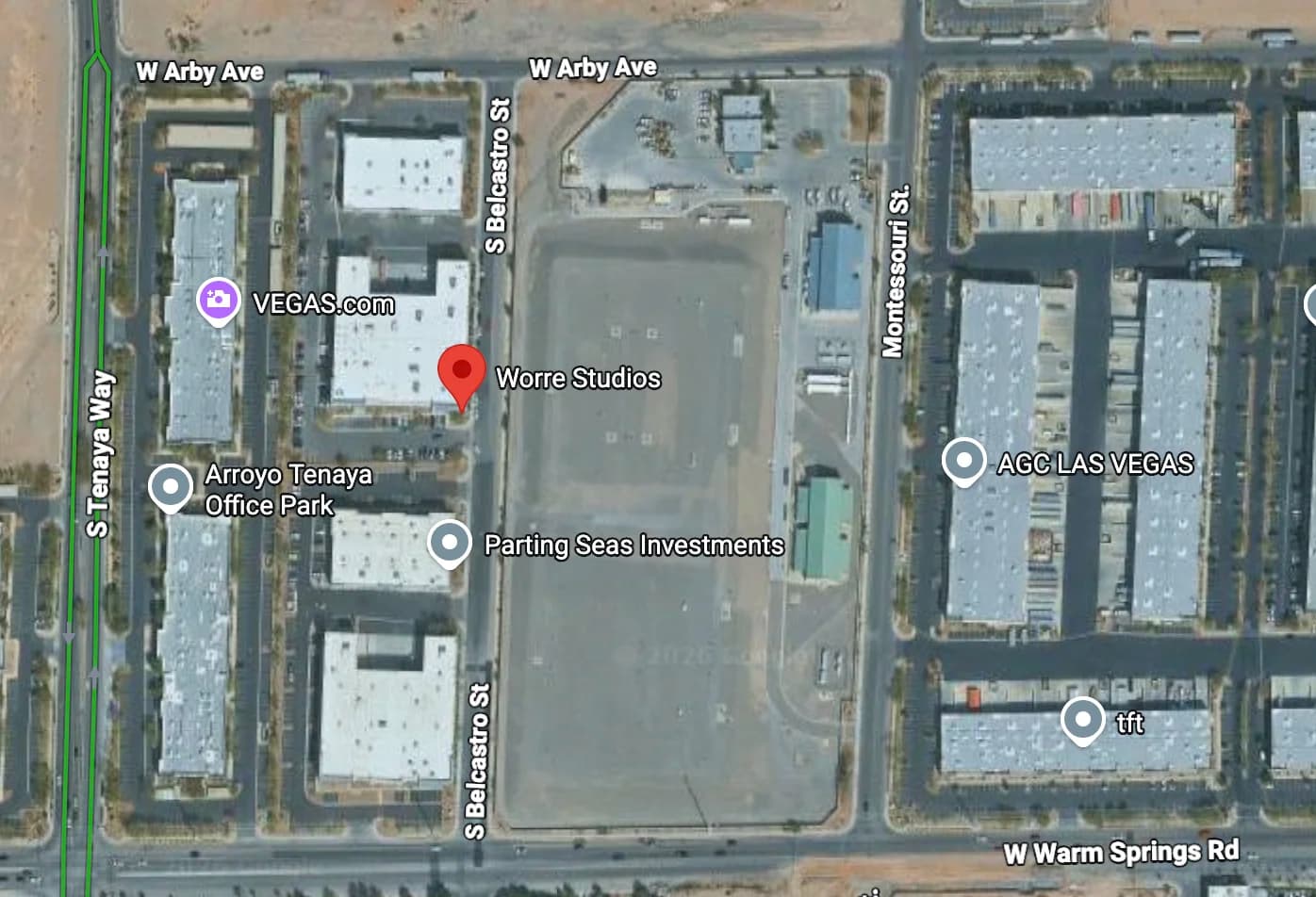
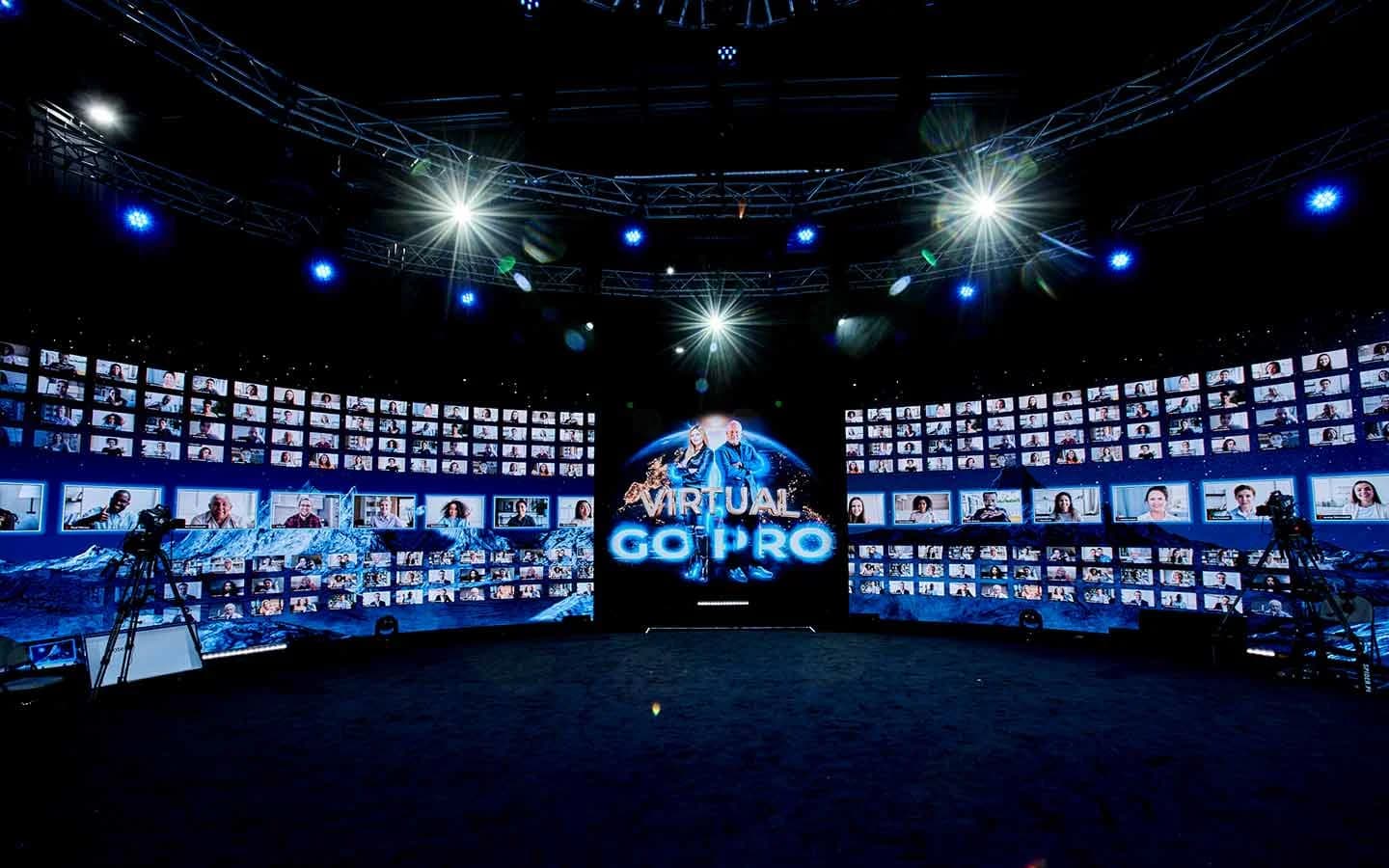
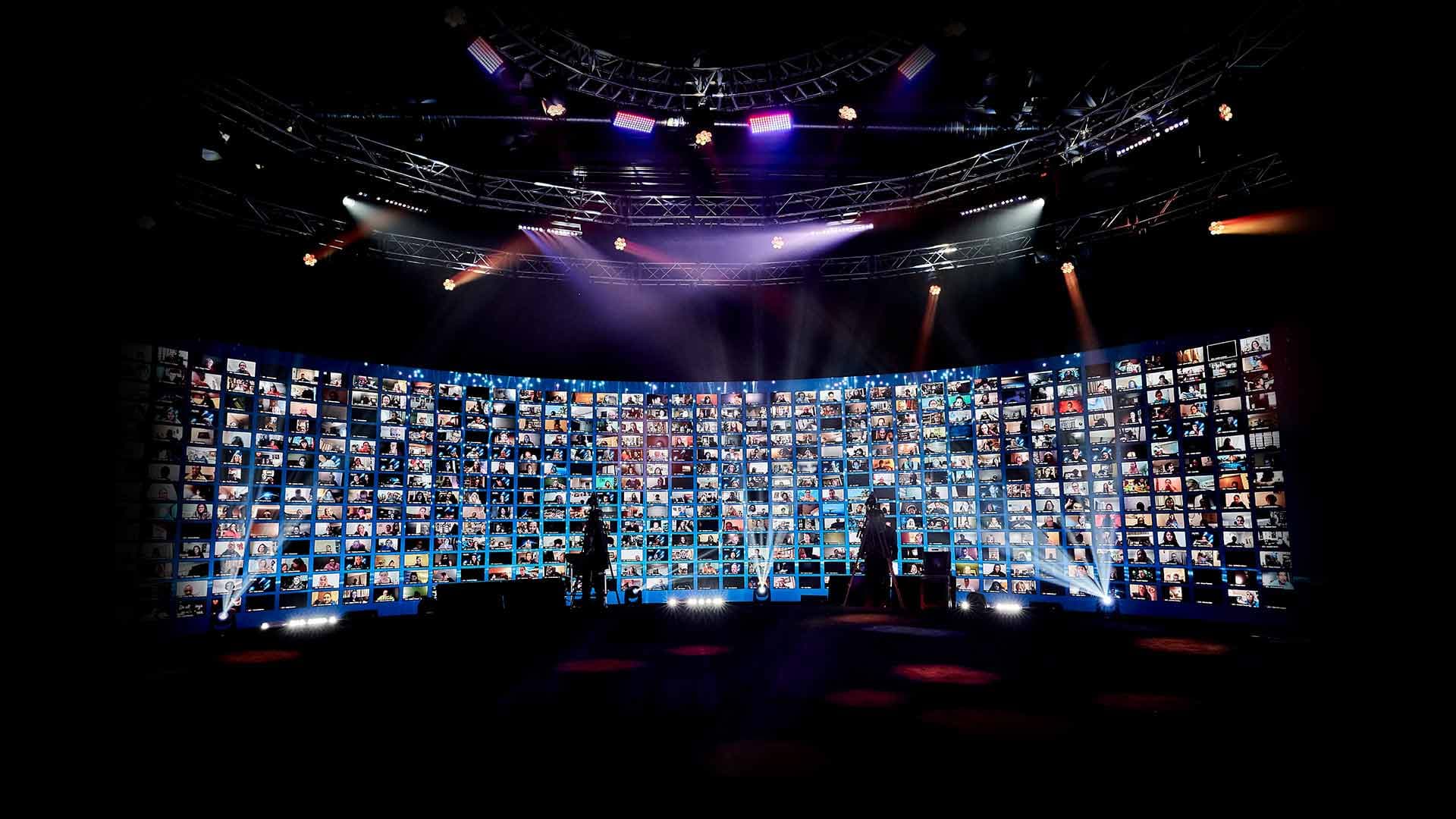
Reach works differently too. A studio's in-room capacity is deliberately intimate — at Worre Studios, up to 350 seated, 500 standing, or 600 concert-style — because the room's real audience is hybrid: broadcast-scale attendance reaching hundreds of thousands, with remote attendees participating rather than watching.
Two traits of the studio model deserve specific mention:
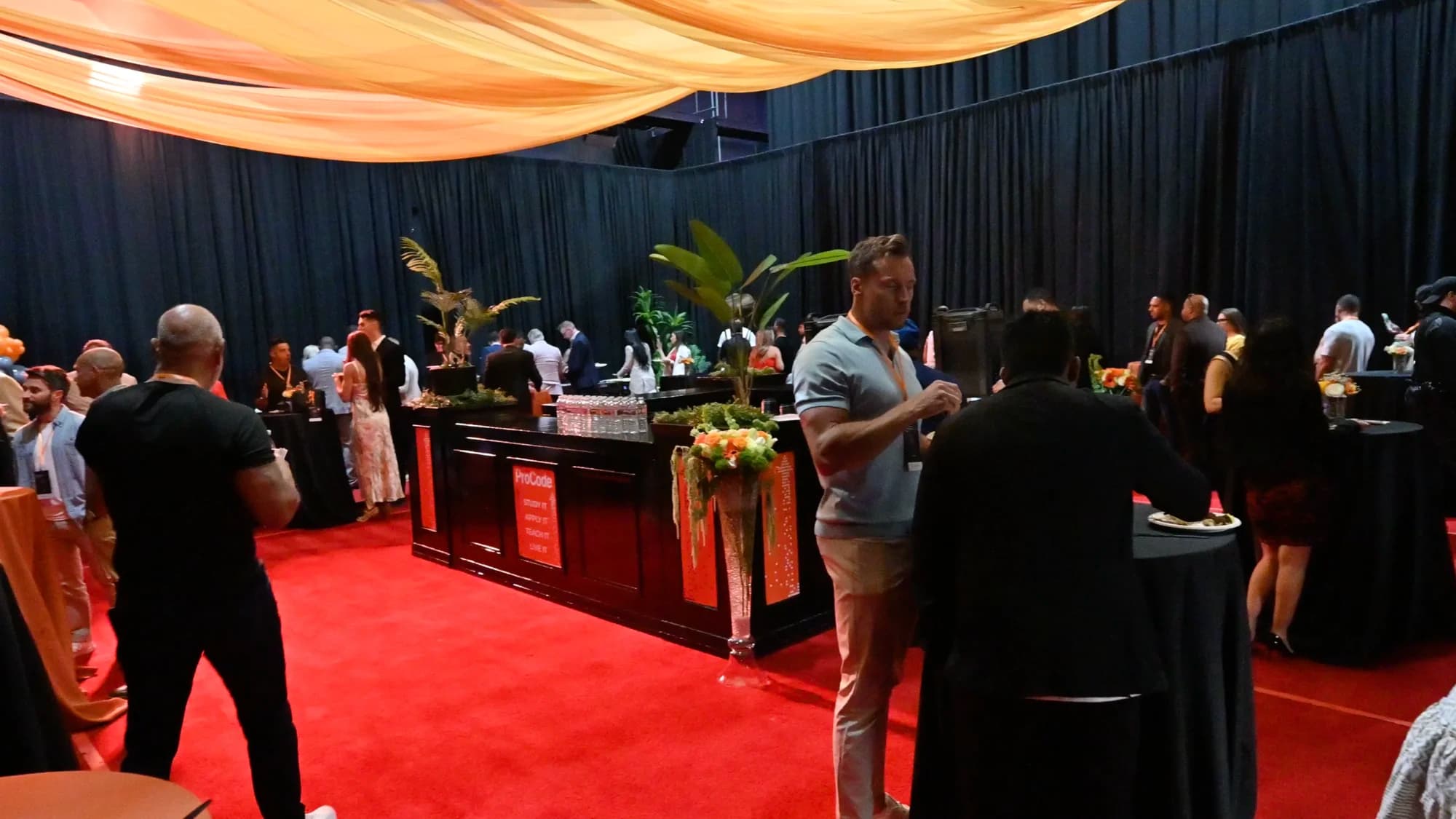
- Self-contained by design. A studio event holds its audience. There's no casino floor, no competing ballrooms, no drift toward the food court mid-afternoon — food and beverage run on-site, and your audience's attention stays inside your event until it ends. Room blocks at nearby partner hotels handle accommodation without giving up that focus.
- Your team is welcome on the board. Outside production teams bring their own crew and run their own show at the studio — "our house is their house" — a collaboration many venues won't allow at any price. Creative continuity survives the venue change; a small set of house-held positions protects the infrastructure everyone's show depends on.
The Decision, Honestly
Run your event through three questions:
- Is success measured in floor traffic or in reach? Booths, exhibitors, and badge scans → convention center. Audience, message, and broadcast attendance → studio.
- Is the production the event, or logistics around the event? If the staging, environment, and broadcast are the product — a launch, a kickoff, a show — the studio's permanent infrastructure is the entire point. If the event is primarily circulation space, buy square footage.
- What does the real budget compare? Compare finished-event quotes, not headline room rates. The convention center's number grows with every plus-charge; the studio's number starts closer to complete. The honest comparison is scope-for-scope.
Some events are genuinely both — a physical gathering that needs broadcast-scale reach. Worth knowing: the two models can split the job, with the in-person component at your venue and the broadcast running through a remote virtual stage.
If your event reads studio, the next step is seeing the difference rather than reading about it — start a studio inquiry and begin with a walkthrough, virtual or in person.
Frequently Asked Questions
When success is measured in physical volume: trade shows, expos, and events needing tens of thousands of in-person attendees or exhibitor floor space. A production studio doesn't compete on square footage — it competes on production and reach.
The base quote typically covers the space itself. Staging, lighting, audio, rigging, power, streaming infrastructure, and operating crews arrive as separate plus-charges, often through approved vendors — so the finished-event number can look very different from the headline rate.
The broadcast infrastructure — LED environment, audio, lighting, control room — is permanently installed and always on, with crew in-house. Quotes start from a complete room and add exactly what your event needs, à la carte.
Yes. Outside teams bring their own crew and run their own show — a flexibility most venues don't offer. A small number of house-held technical positions protect the core infrastructure; everything creative stays yours.
Compare complete scopes, not room rates. Studio pricing varies by project and is quoted à la carte around your event's actual needs — start a studio inquiry with your scope and put the quote next to the convention center's finished number.

Written by the Worre Studios Content Team and reviewed by Miko Hilton, Event Manager. The comparison reflects venue pricing models at the category level and the studio's own model; it intentionally includes the cases where a convention center is the right choice. Last reviewed July 5, 2026.
More from The Front Row
If Your Event Is a Production, Start with the Room Built for One.
Bring us your scope. We'll give you a complete number to compare — and a walkthrough that makes the difference obvious.