

What It Costs to Produce a Large Hybrid Event in a Hotel Ballroom
On this page
A hotel ballroom quote is the start of the bill, not the bill. The room comes empty — the production comes in trucks. Renting LED walls comparable to a purpose-built broadcast stage runs $300K–$500K on its own, before audio, lighting, rigging, crew, or the streaming infrastructure a hybrid event actually needs. Teams that have priced both paths keep reaching the same conclusion: the ballroom looks cheaper until the line items land.
Key Takeaways
- Raw venues price the empty space; nearly everything a broadcast-scale event requires arrives as a plus-charge on top.
- LED walls alone — rented, trucked in, built, and struck — run $300K–$500K for a comparable installation.
- Every rented system adds load-in days, labor, and teardown you're paying for but your audience never sees.
- A purpose-built studio starts complete: the walls are standing, the infrastructure is live, and the crew already knows the room.
- Teams that priced both paths are the reason we wrote this — several came back after doing the ballroom math.
Here's a conversation that keeps repeating. A team plans a flagship hybrid event, gets a ballroom quote from a hotel or convention center, and the number looks manageable. A few weeks later, the production bids arrive — and the manageable number has tripled.
Nobody misled them. It's just how raw venues price: you're quoted the empty room, and everything that turns an empty room into a broadcast-scale event is extra.
The Empty-Box Problem
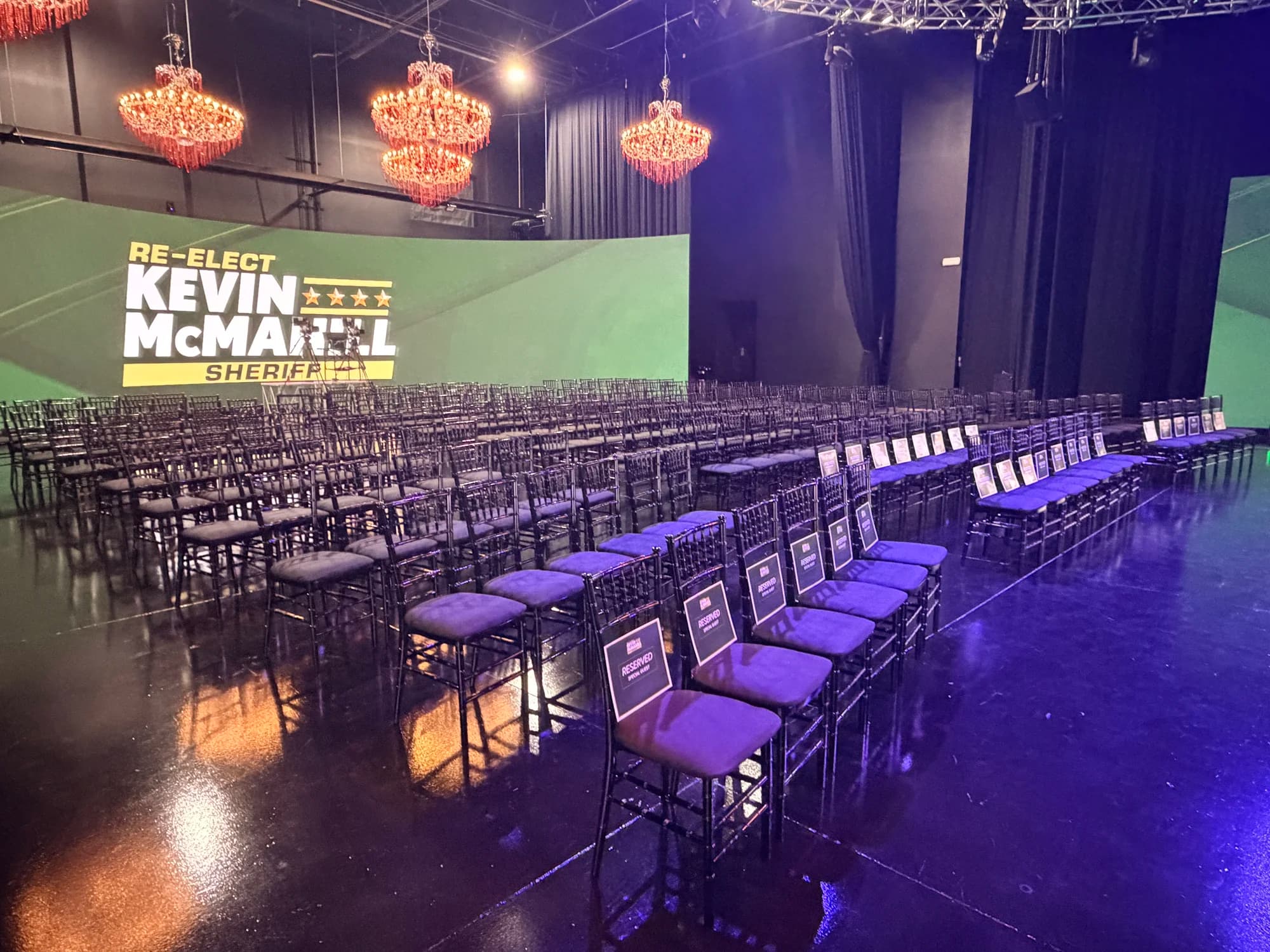
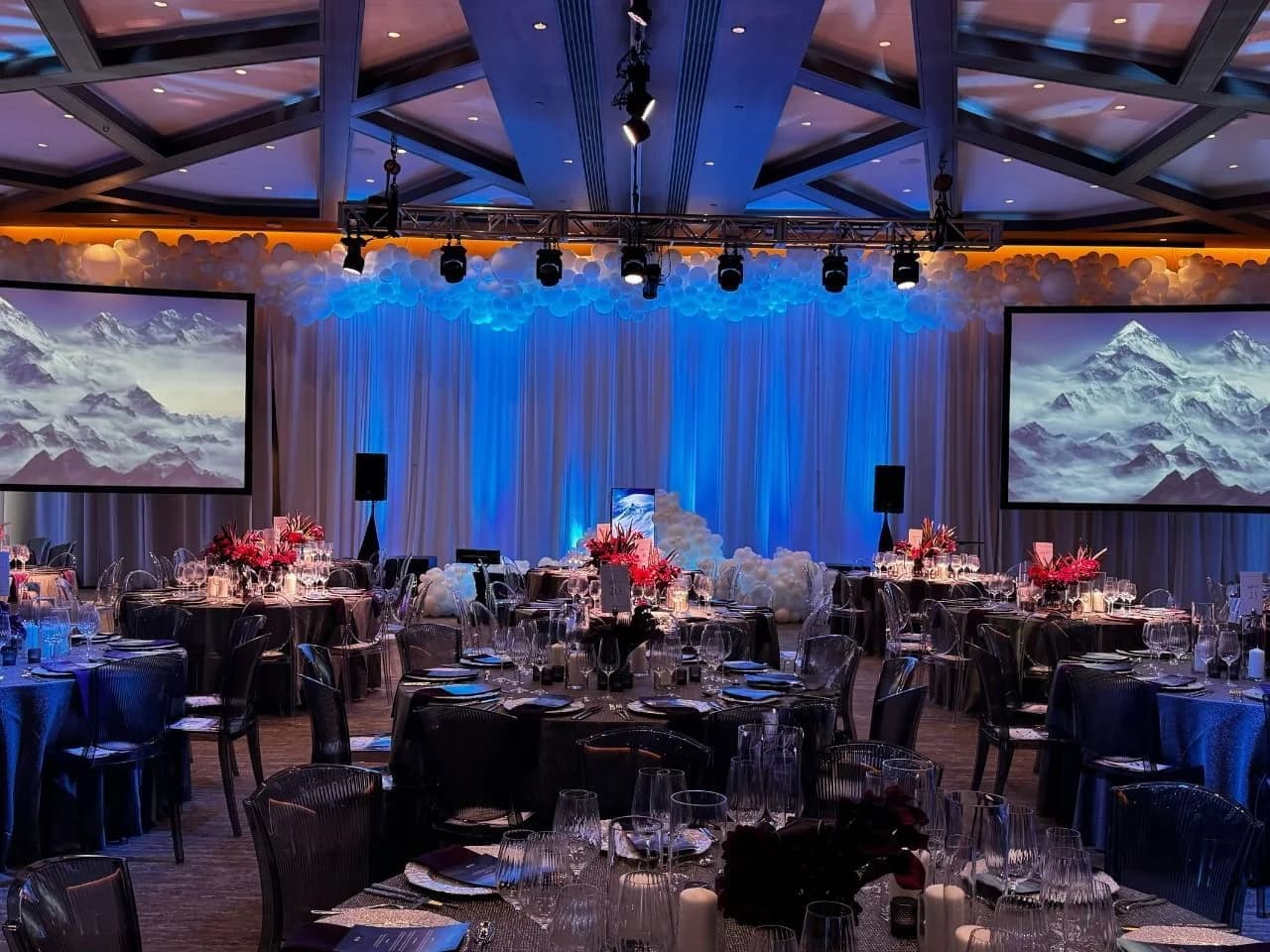
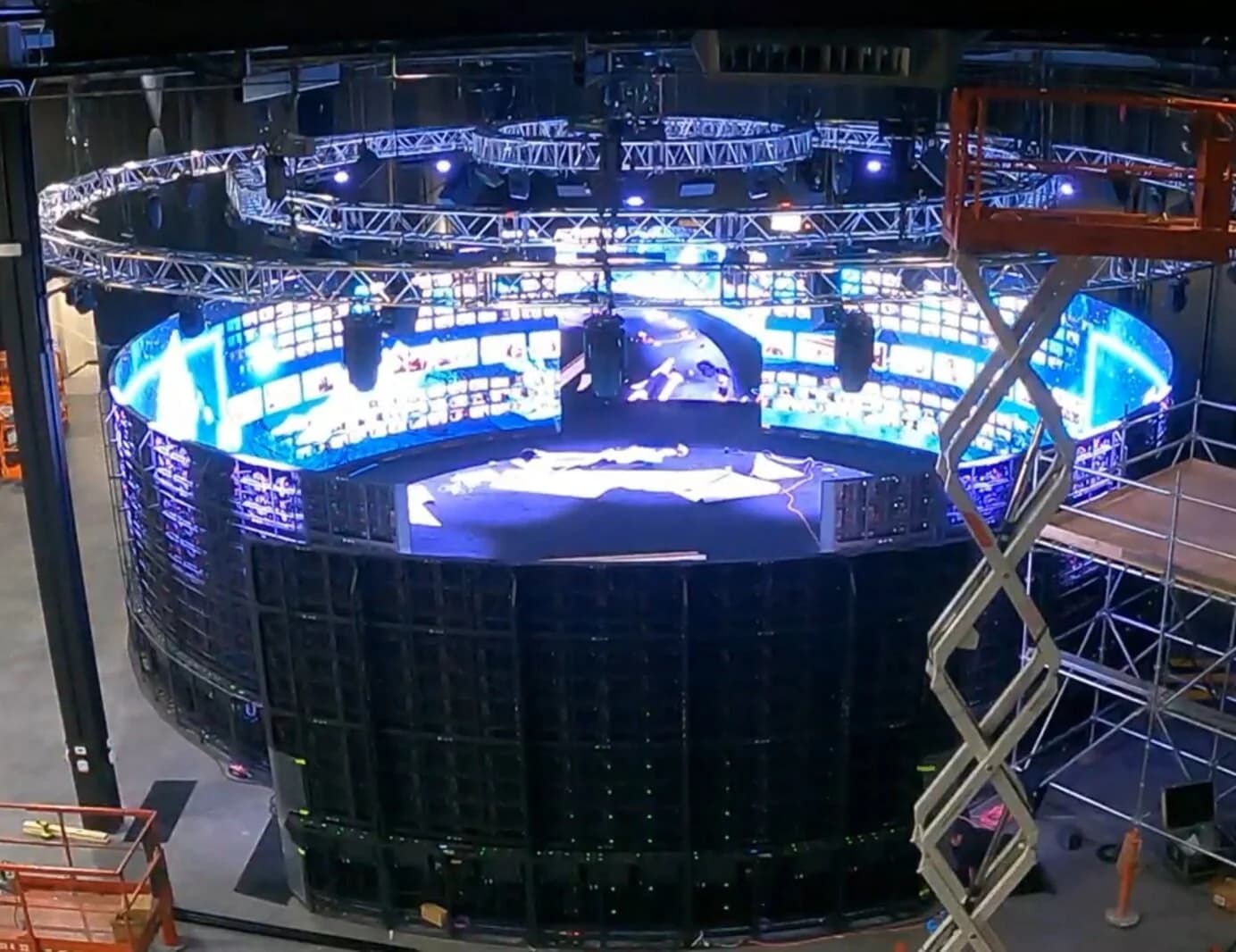
A ballroom is a box with a ceiling grid and a loading dock. For a meeting, that's enough. For a hybrid event that needs to look and sound like a broadcast — LED environments, engineered audio, camera coverage, real streaming infrastructure — everything has to be rented, trucked in, rigged, commissioned, operated, and struck.
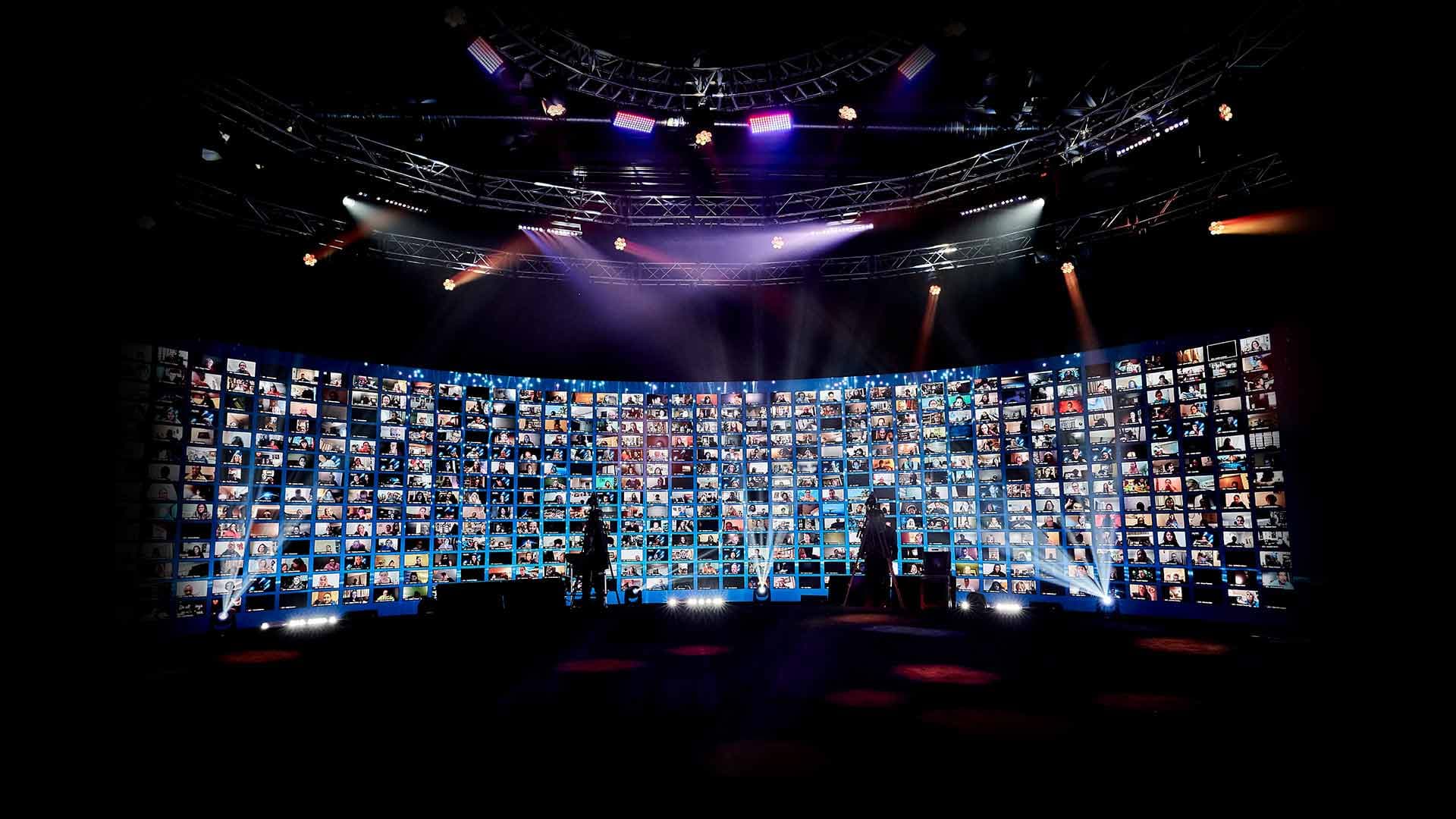
The LED walls make the point on their own. Renting a wall system comparable to a purpose-built broadcast installation runs $300K–$500K for the event — and that's one line on the production budget. Around it stack the categories every producer knows by heart: rigging and power distribution, audio systems sized to the room, lighting packages, camera packages and operators, switching and streaming infrastructure, and the labor to build all of it before your event and tear it out after.
Each category is its own vendor, its own contract, and its own point of failure. And because it's all temporary, you're also paying for time your audience never sees: load-in days, commissioning, rehearsal in a half-built room, and strike.
The ballroom looks cheaper until the line items land.
What the Teams Who Priced It Found
We didn't arrive at this comparison in the abstract. Teams have walked through the studio, gone off to price the hotel path — familiar territory, known brands, the room block right upstairs — and then come back after the bids landed. The pattern in their math was consistent: once the ballroom quote grew its production line items, the total passed what the turn-key studio path would've been, and it bought a temporary build in a room designed for banquets.
The lesson wasn't ours to teach. They ran the numbers themselves — which is exactly why we trust the comparison enough to publish it.
What "turn-Key" Changes
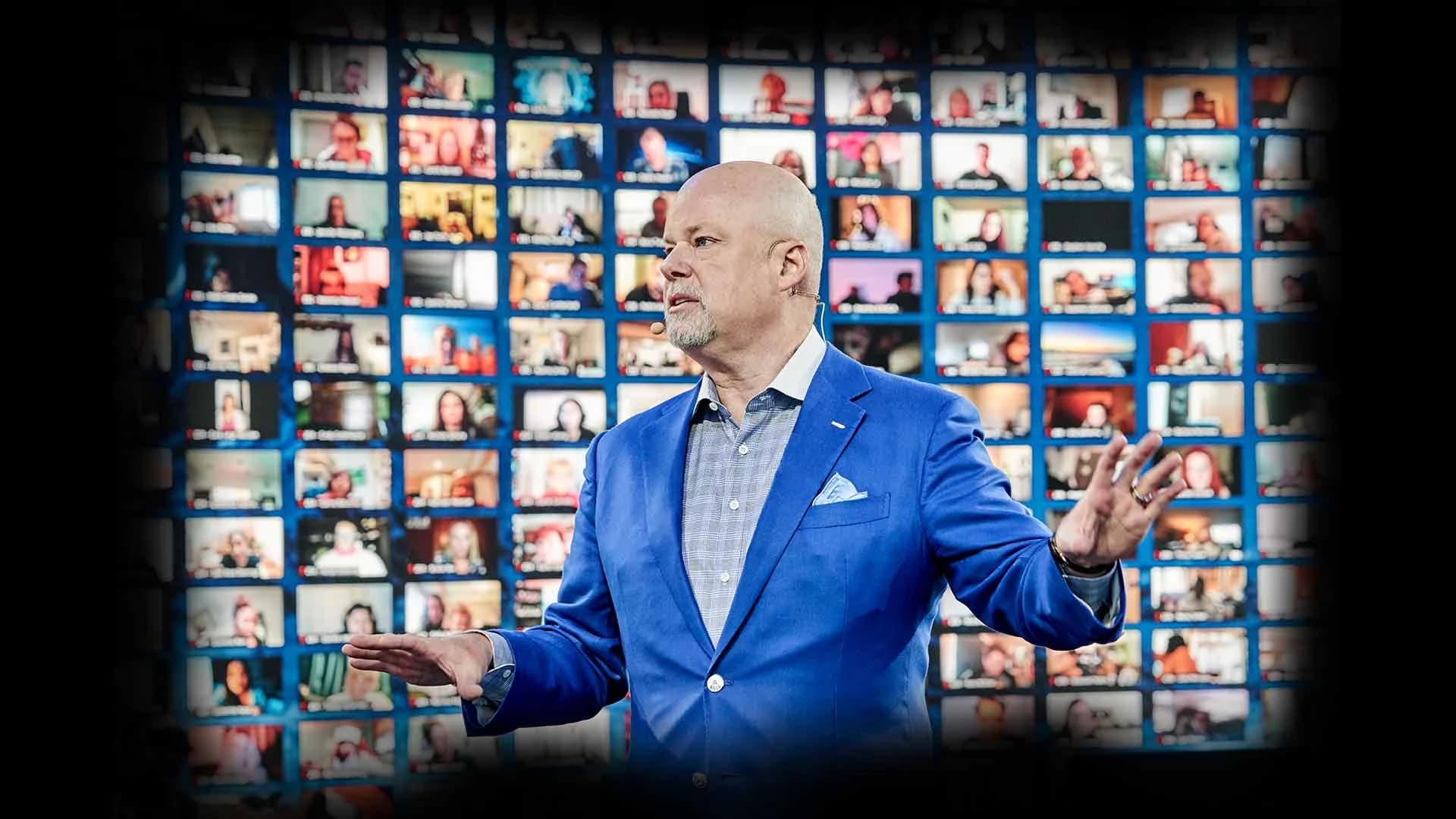
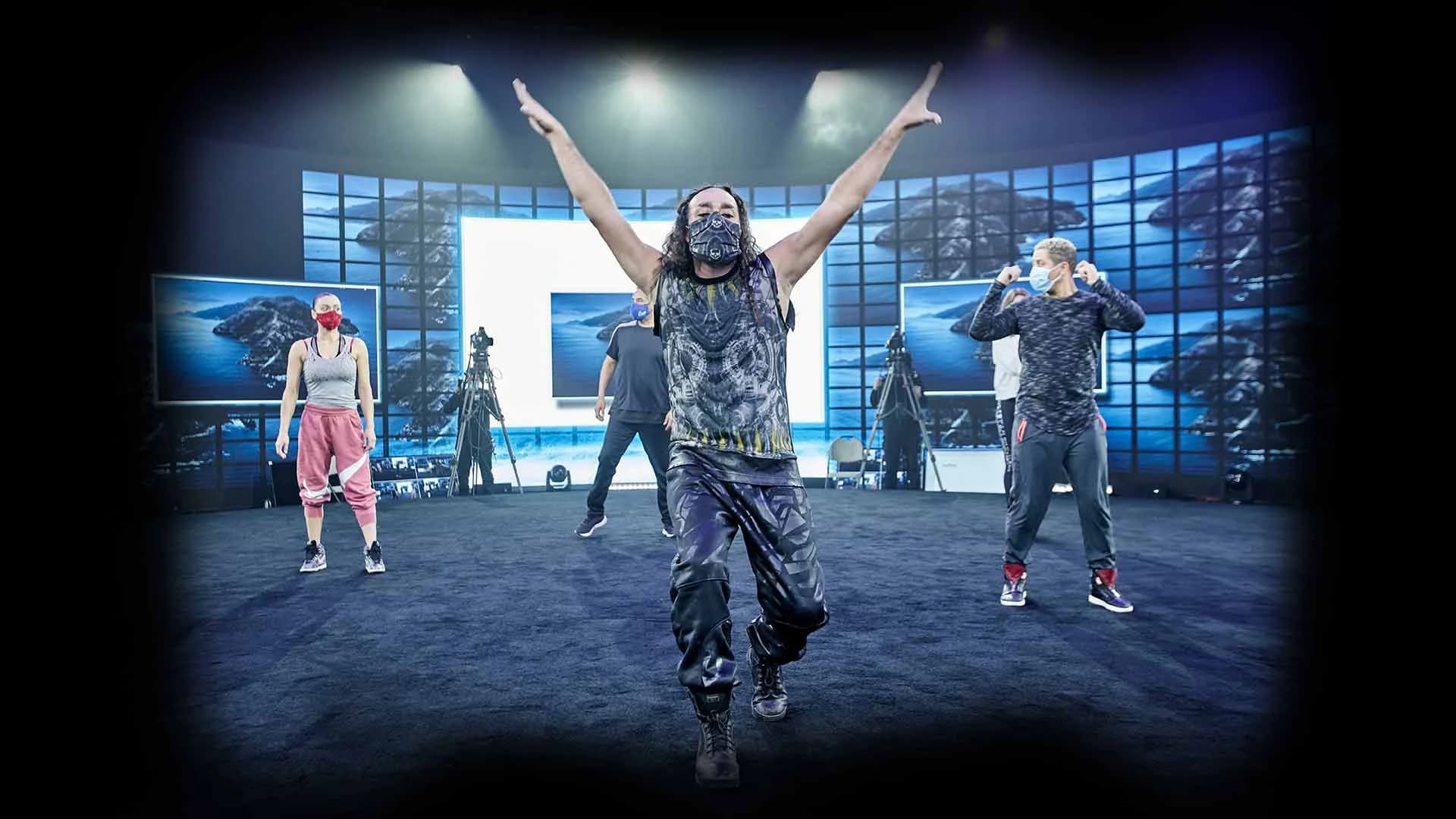
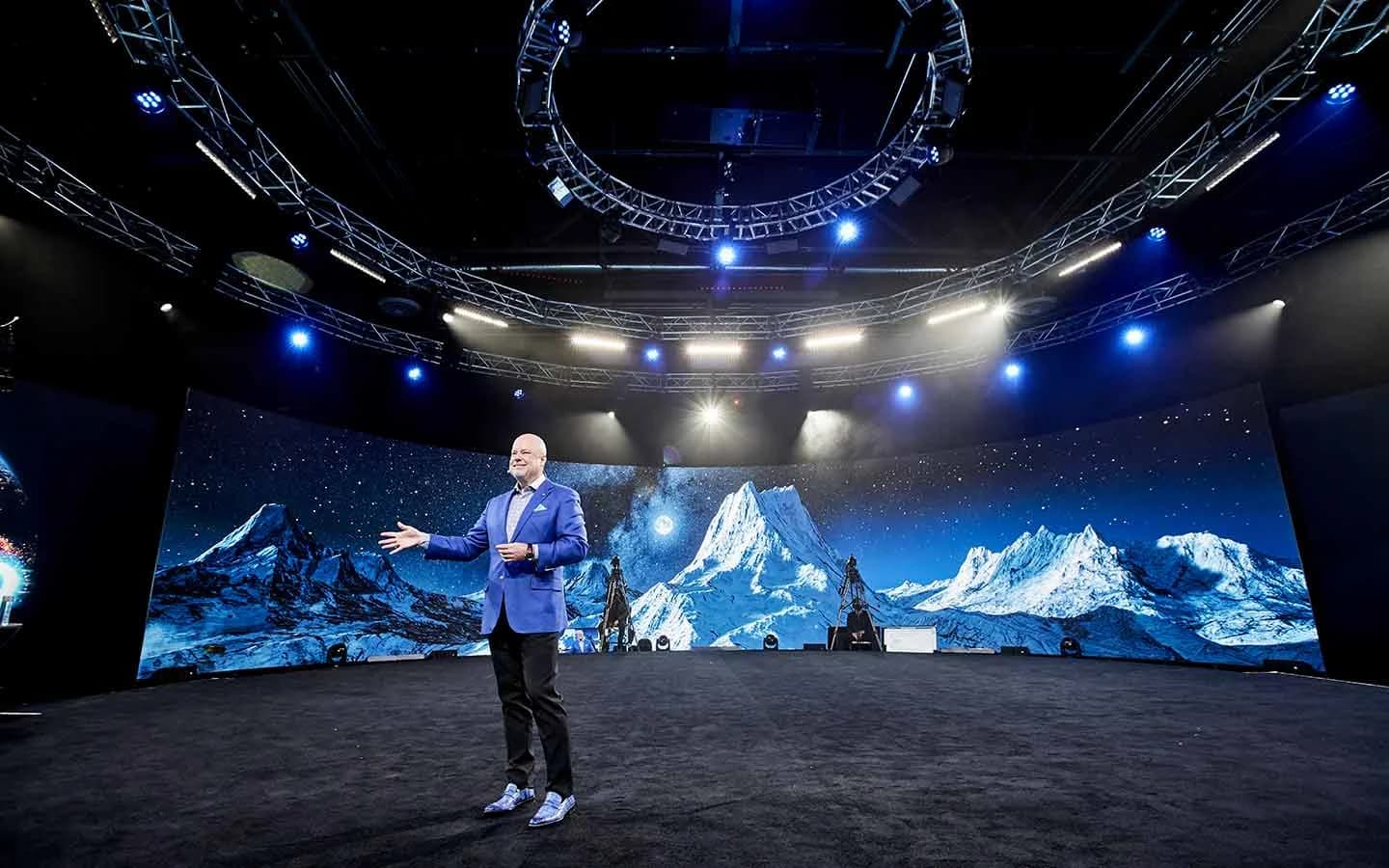
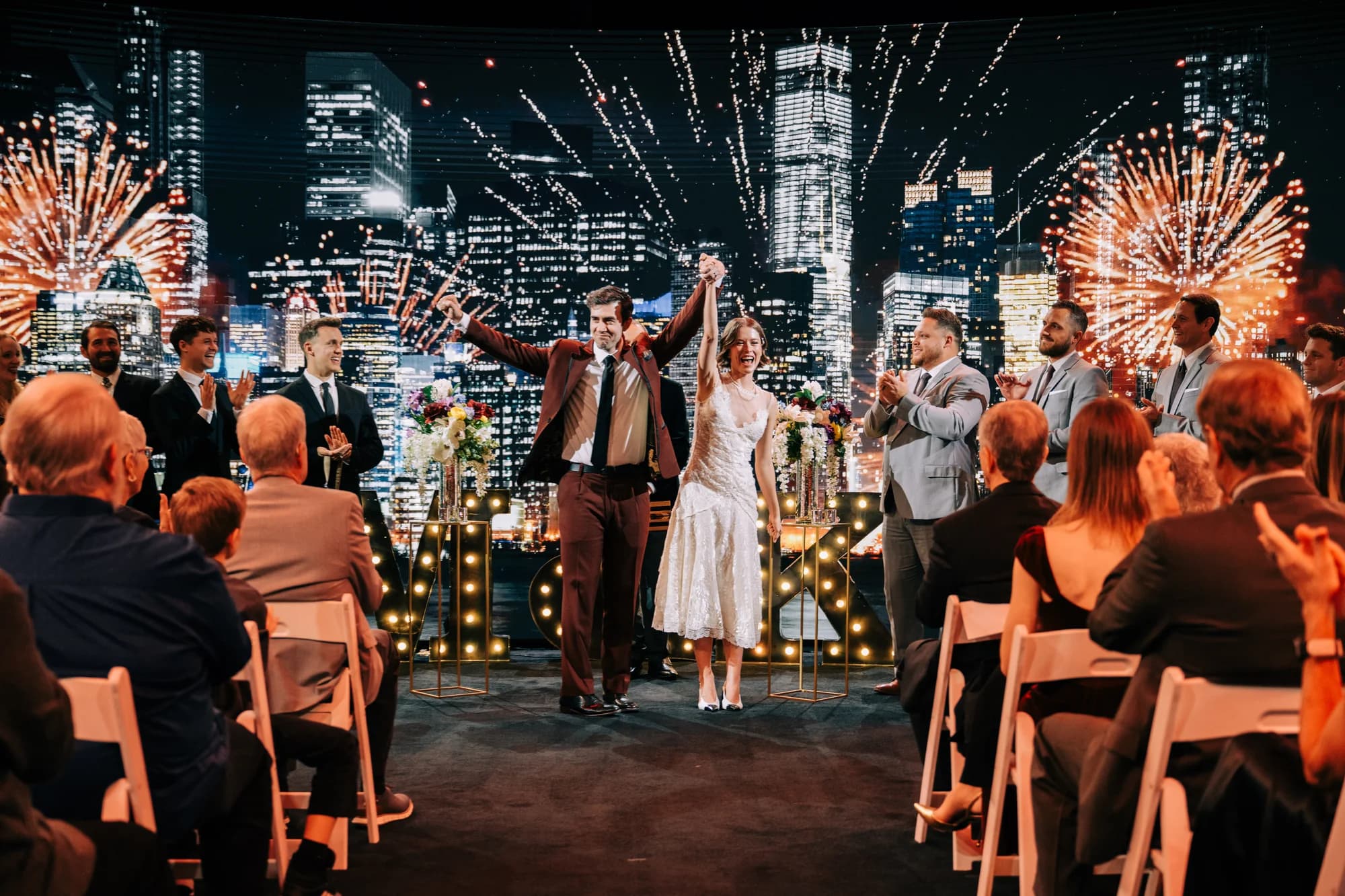
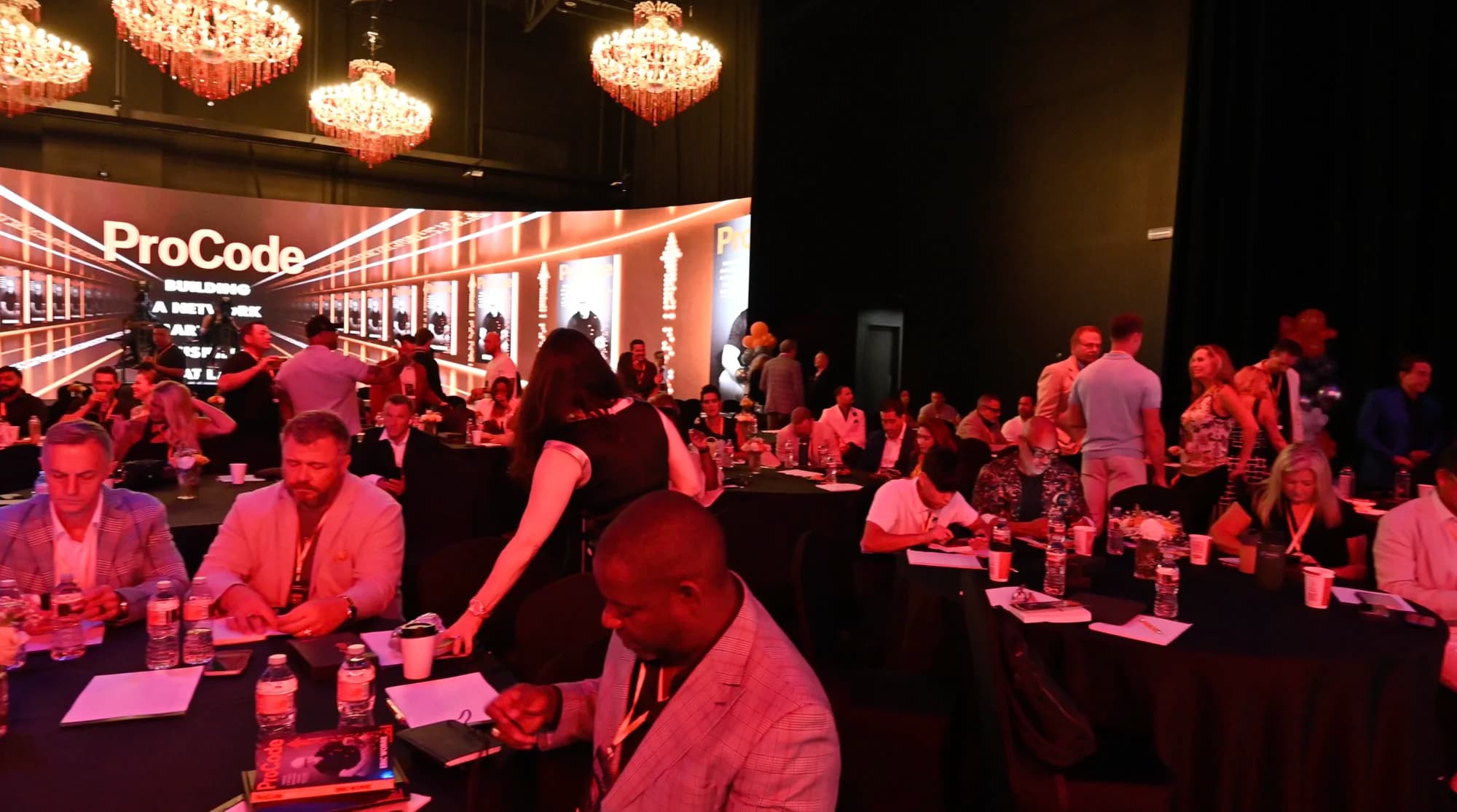
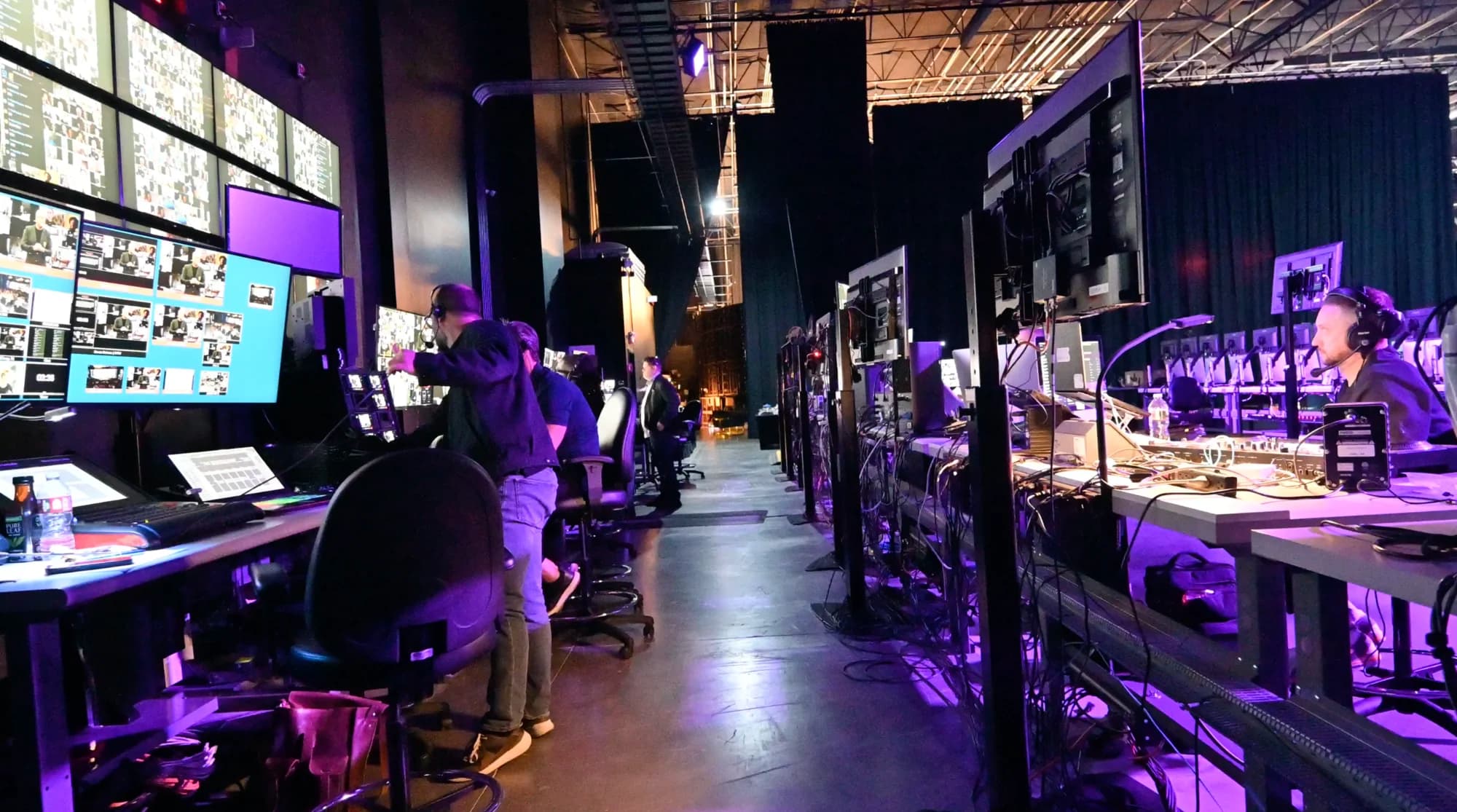
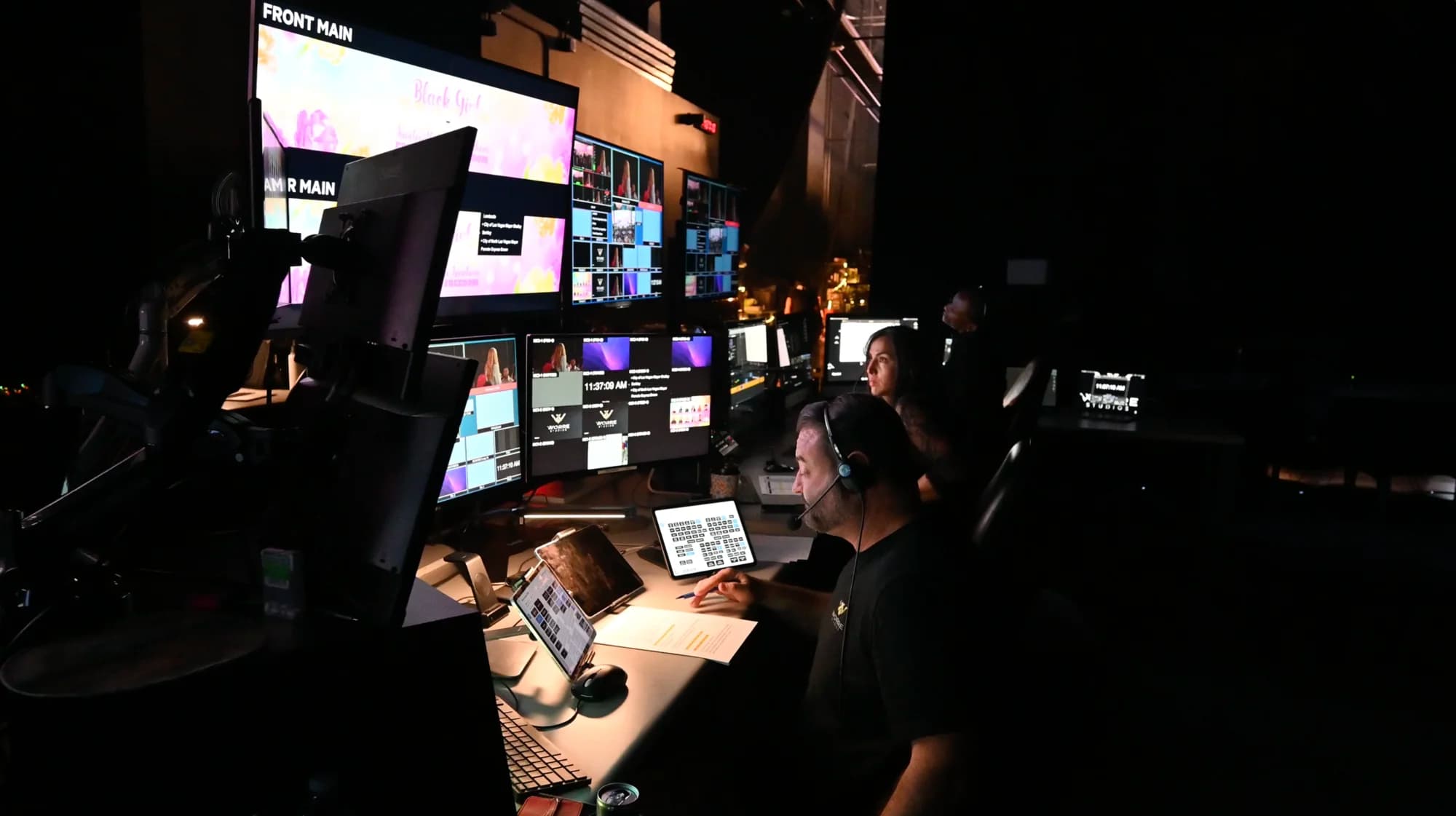
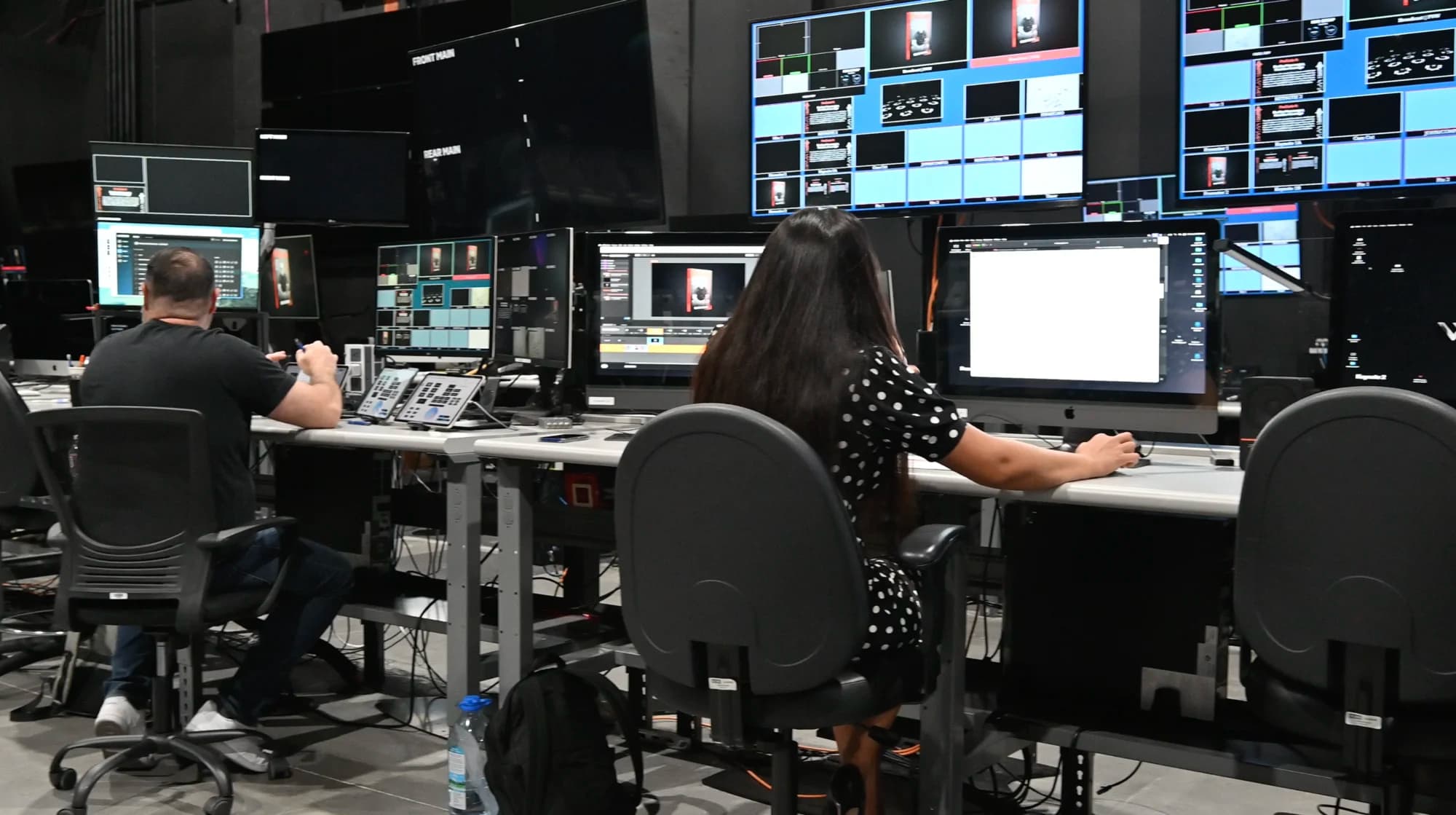
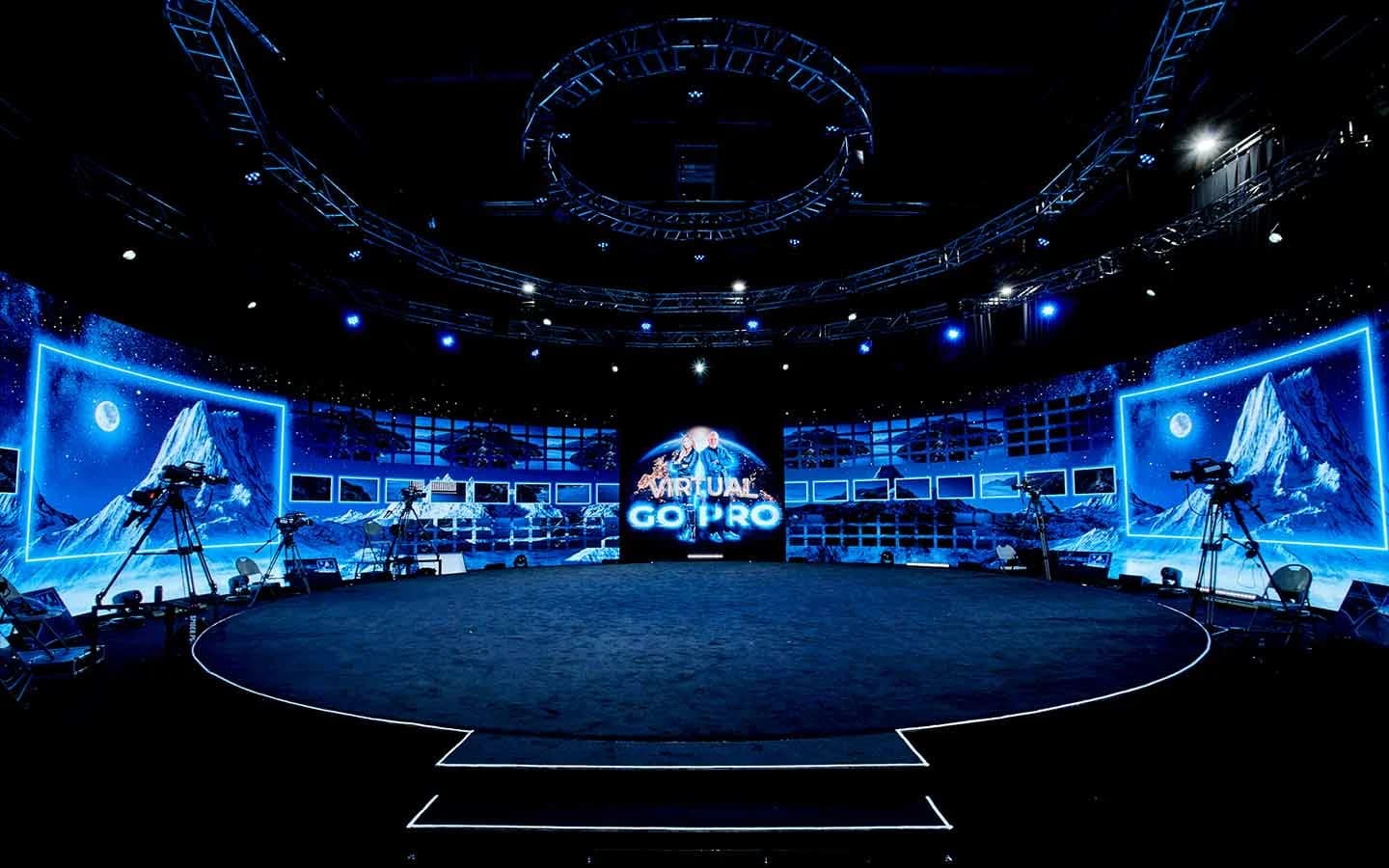
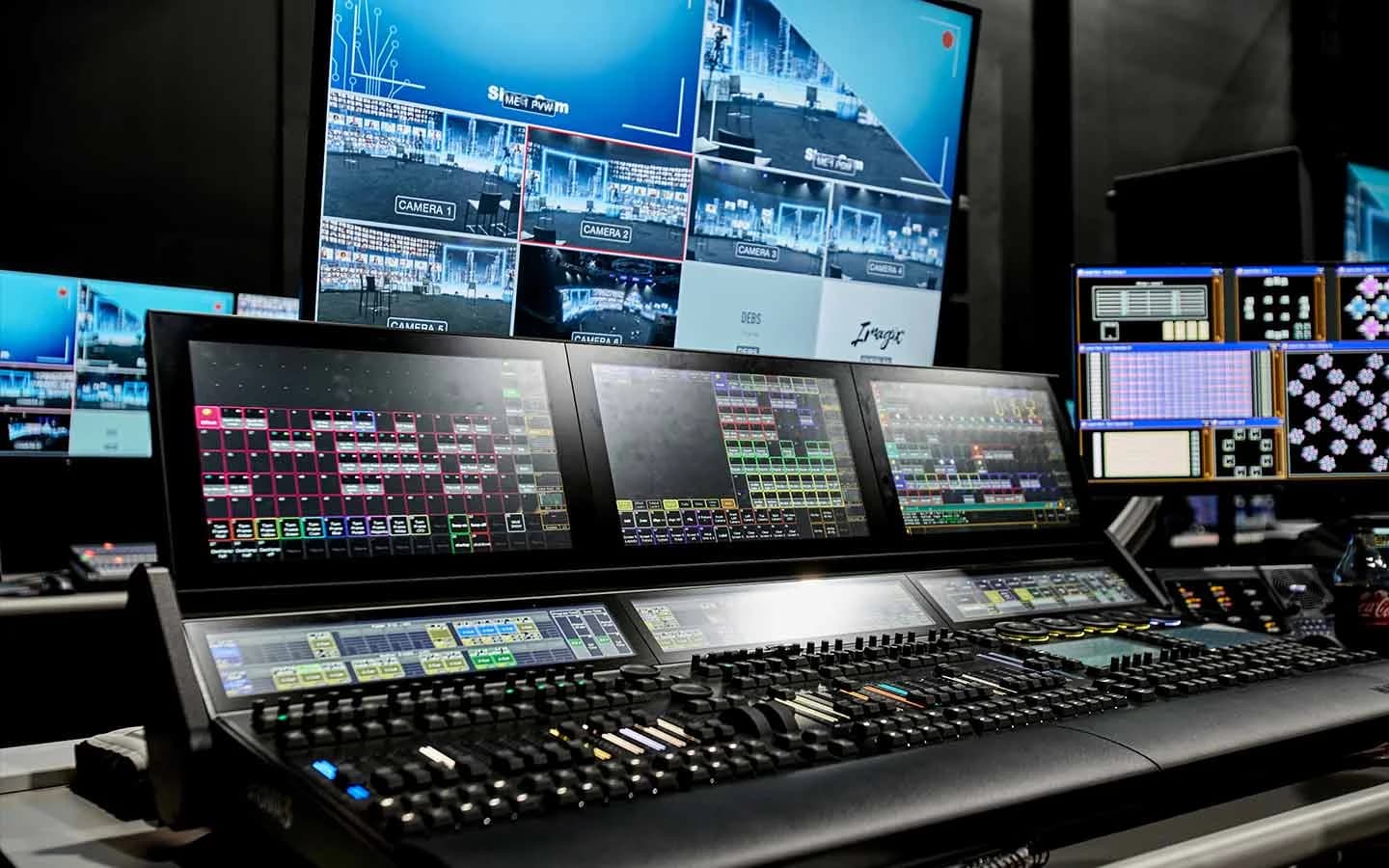
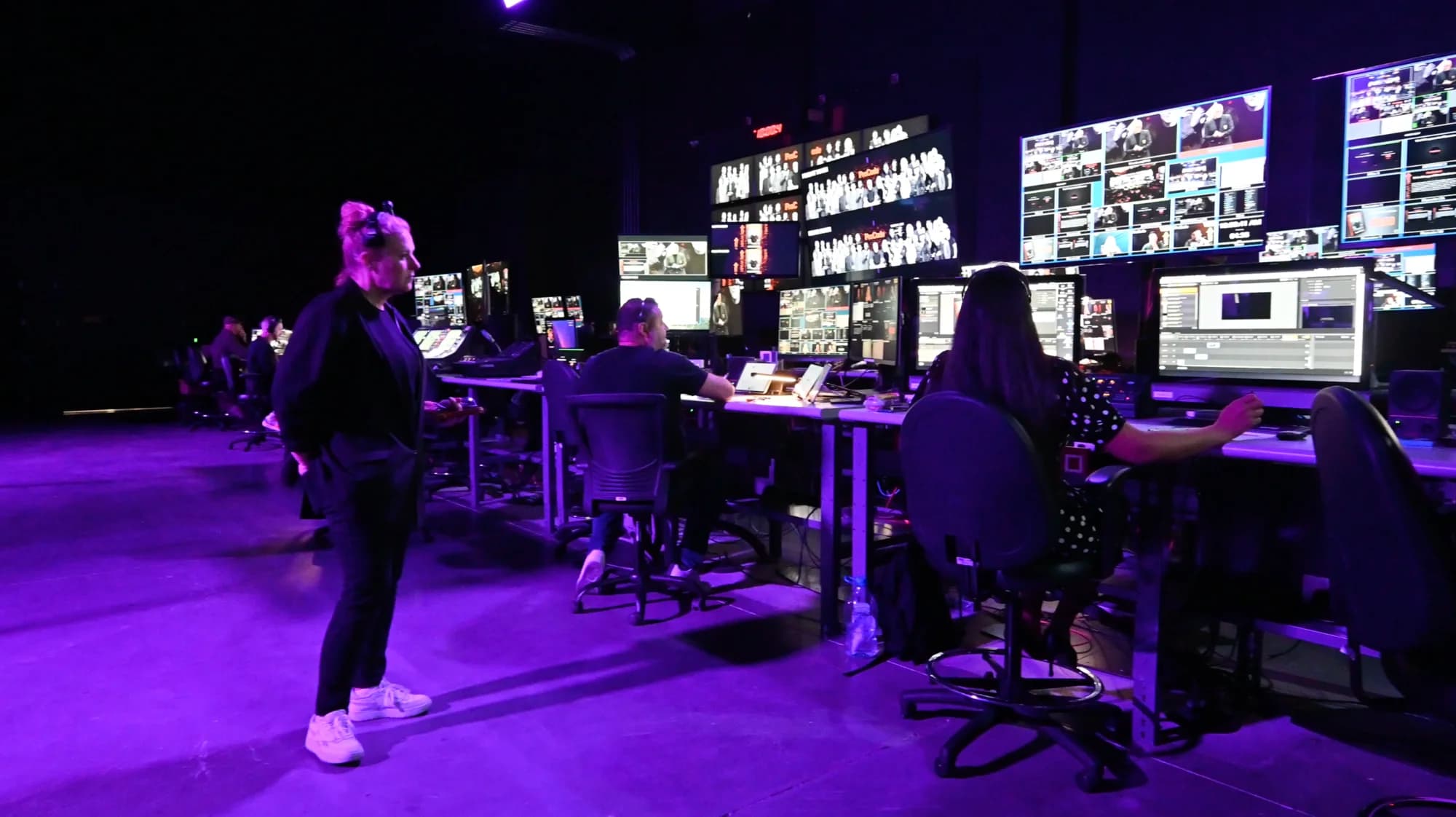
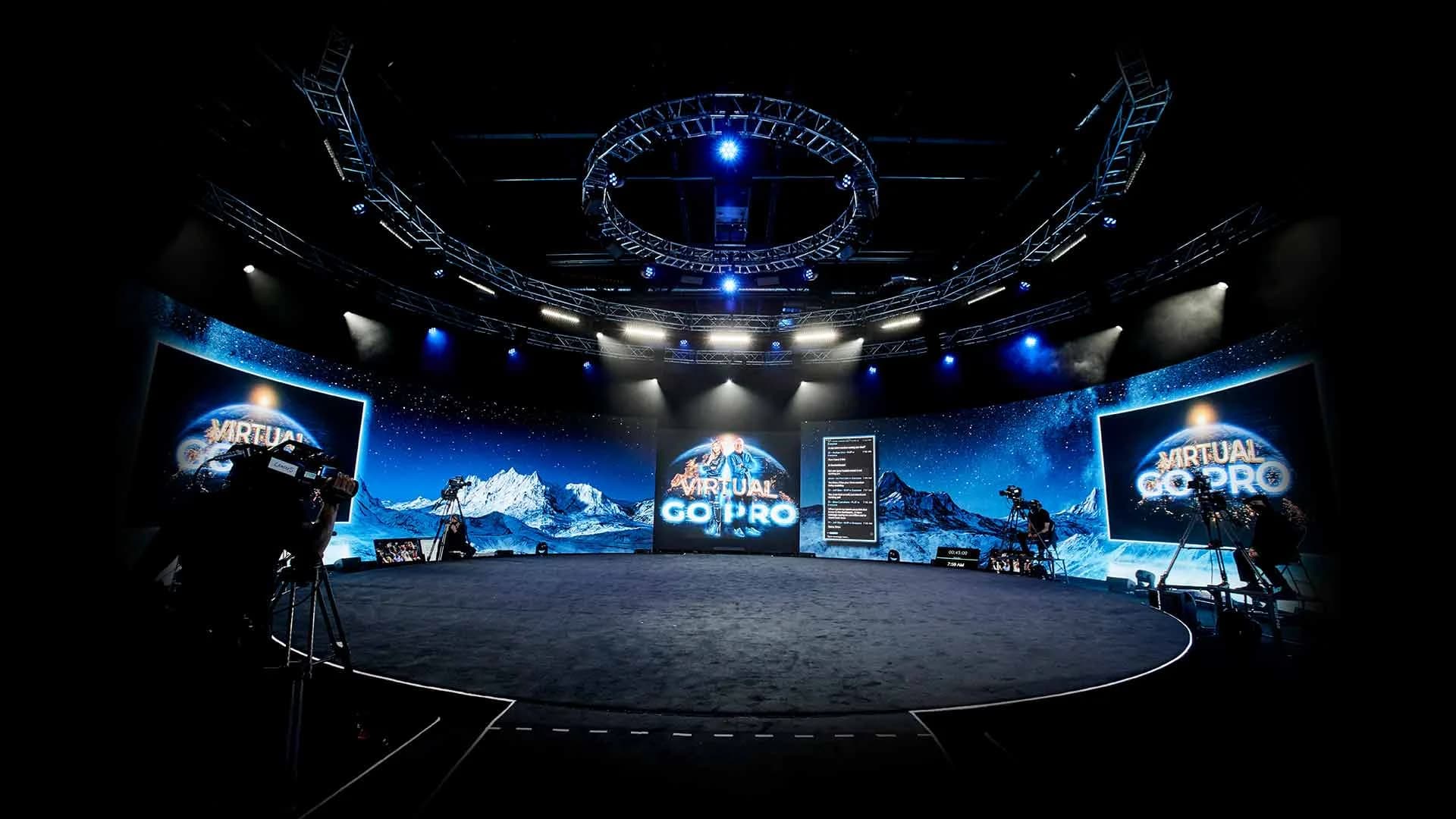
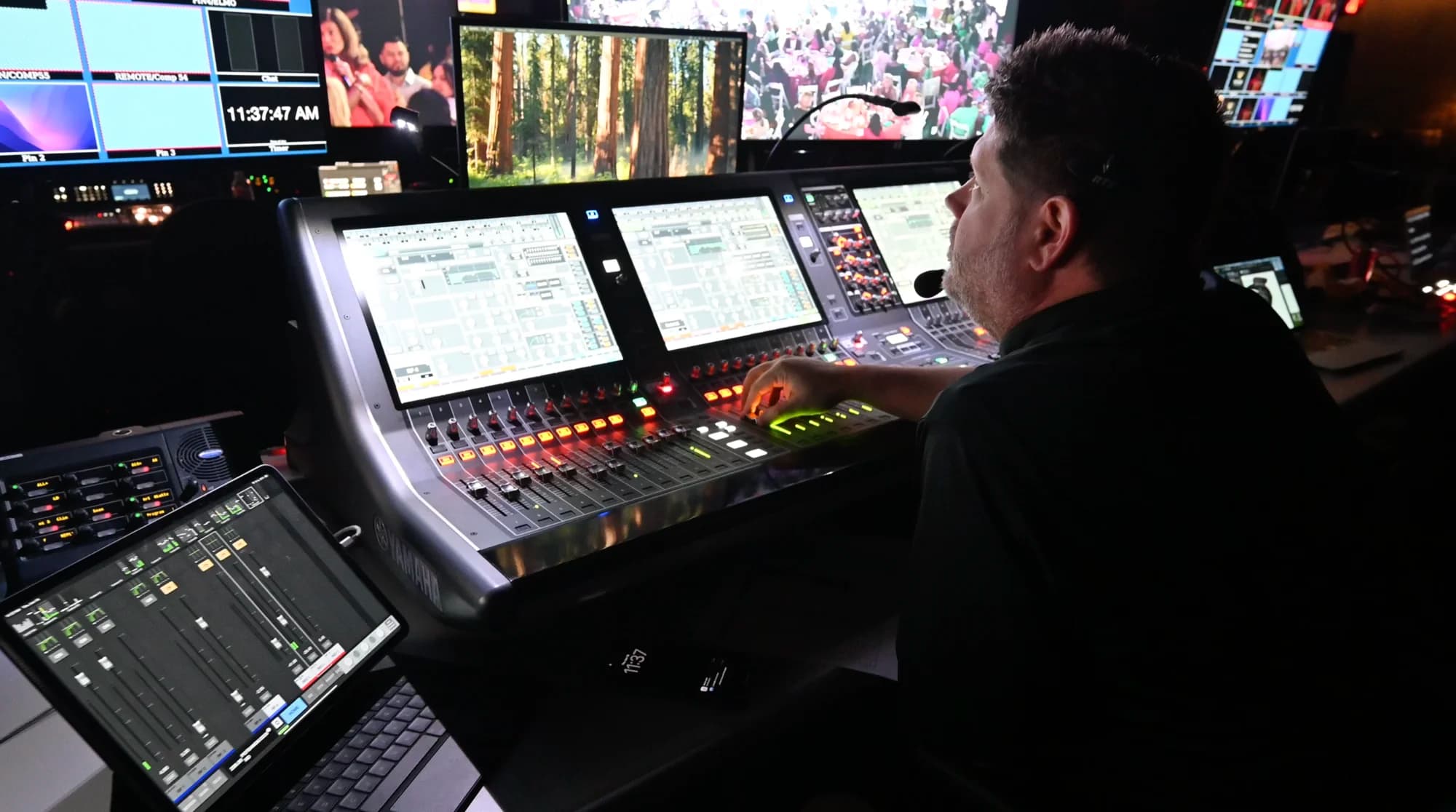
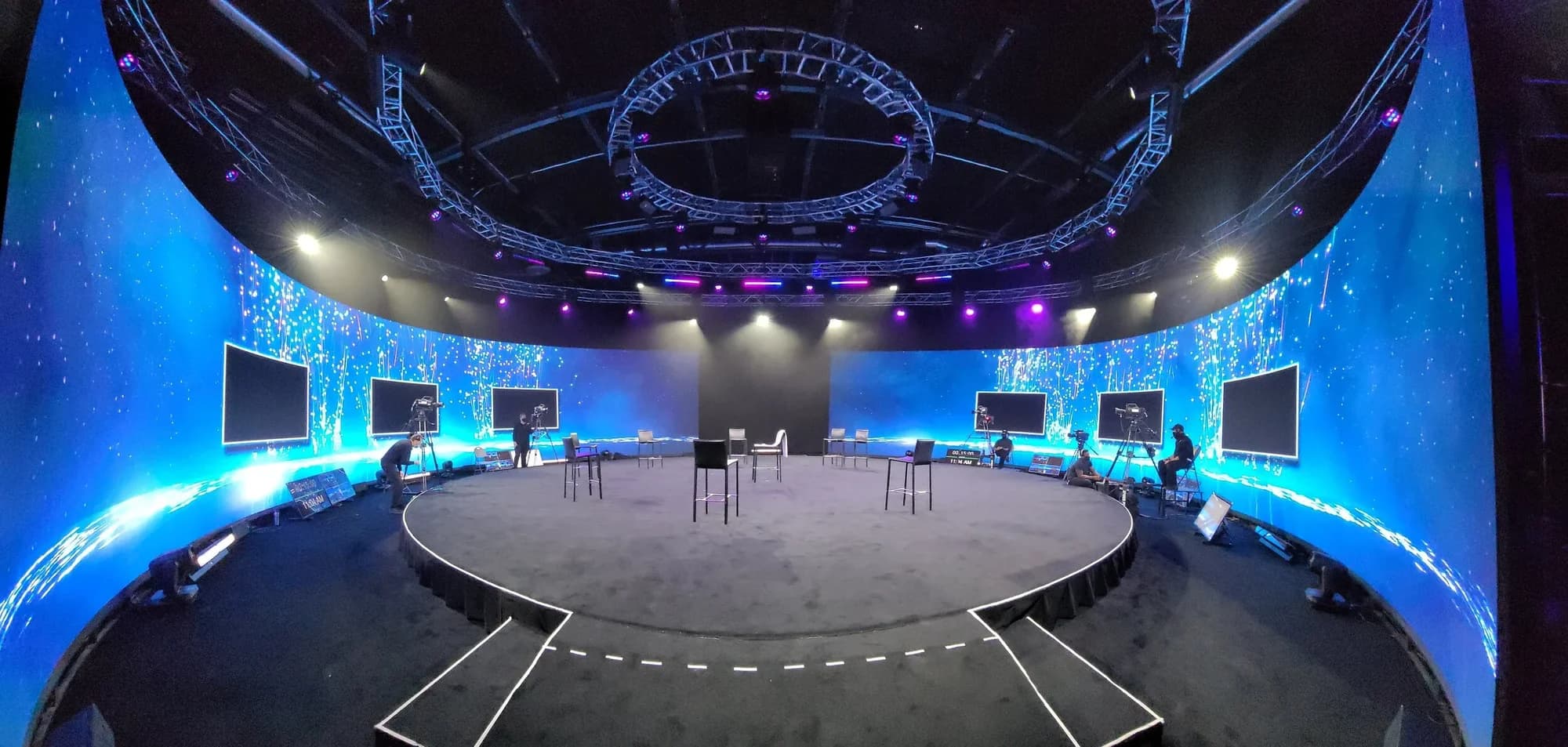
A purpose-built broadcast studio inverts the model. The 360° LED environment is permanently installed and always standing. The audio, lighting, streaming, and control infrastructure is engineered into the building and live every day. The crew operates the same room every event instead of learning a new one on load-in day.
What that means for a budget is structural, not marginal: you're not funding the construction and demolition of a temporary broadcast facility inside a banquet hall. You're booking one that already exists — and the production days you pay for go into the event, not the build.
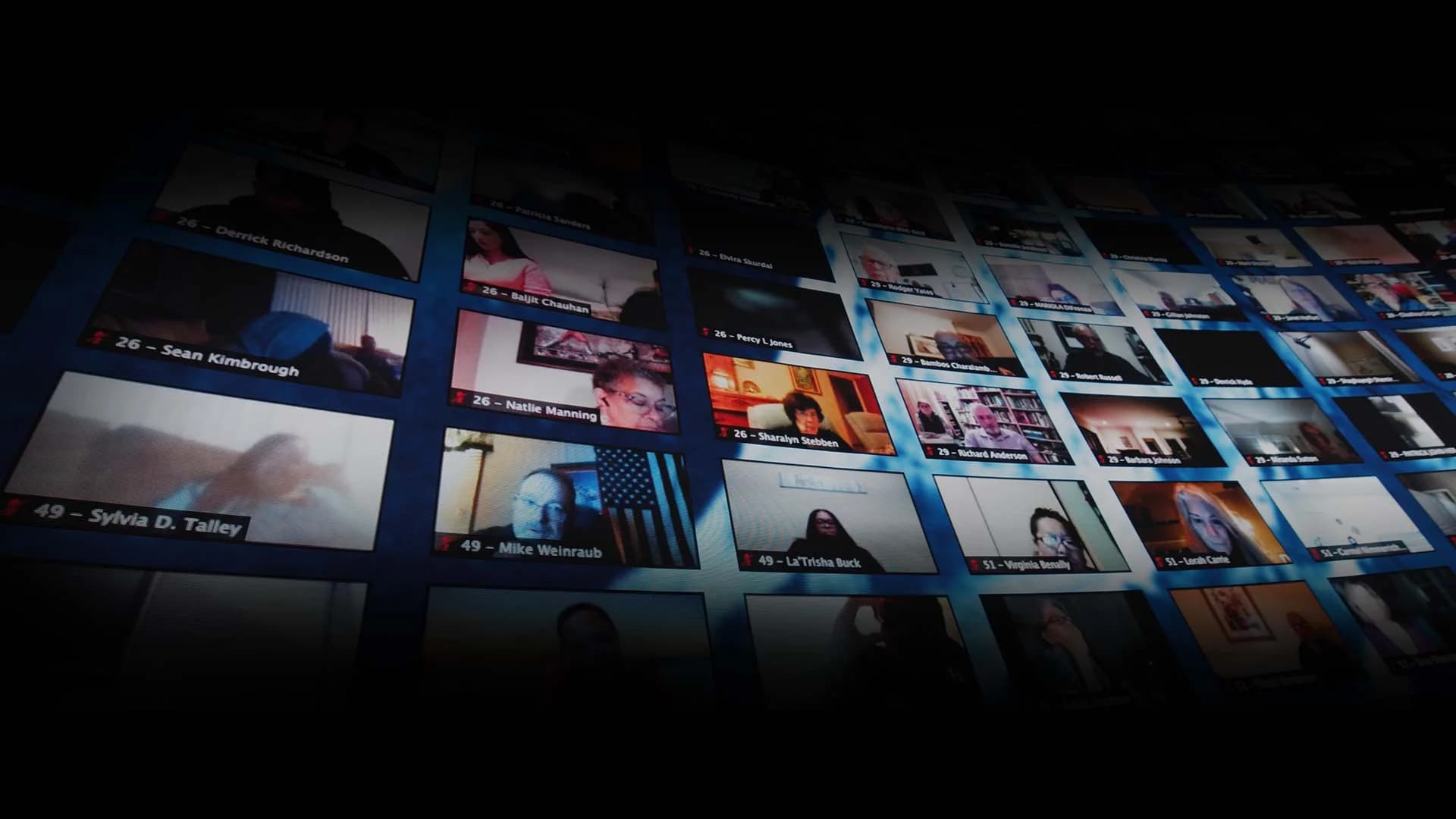
Every event here is quoted à la carte around exactly what it needs — the room, cameras, crew, and the interactive layer for remote attendees — so the number reflects your event rather than a package. Pricing varies by project; the honest way to compare paths is to start a studio inquiry with your event's real scope and put our quote next to the ballroom bids. For what the room itself includes, the Technology page carries the full specification.
Frequently Asked Questions
The venue quote covers the empty room. Broadcast-scale production — LED, audio, lighting, rigging, cameras, streaming, and the crew to build and run it — arrives as separate rentals and plus-charges. Comparable LED walls alone run $300K–$500K to rent, and every rented system adds load-in, labor, and strike time to the bill.
It's a real consideration, and there's a fair trade to weigh. A dedicated studio keeps your audience in a controlled, self-contained environment — focused on your event rather than a casino floor — and room blocks at nearby partner hotels close the accommodation gap. Guests get a hotel; your event gets their full attention.
Pricing varies by project. Every event is quoted à la carte — the room, cameras, crew, and interactive layer sized to what your event actually needs — so the most useful comparison is a real quote against your real scope. Start a studio inquiry and we'll build one.
The opposite. The room is rebuilt around each production — full set builds, custom environments, furniture, catering. Turn-key refers to the infrastructure: the walls, audio, lighting, and broadcast systems are permanent, so customization budget goes into your event's look instead of basic capability.

Written by the Worre Studios Content Team and reviewed by Miko Hilton, Event Manager. The market-side figures cited reflect LED wall rental rates for installations comparable to the studio's permanent system; the comparison reflects the experience of teams that priced both paths before booking. Last reviewed July 5, 2026.
More from The Front Row
Run the Comparison with Real Numbers.
Bring us your event's scope. We'll build an à la carte quote you can put next to the ballroom bids — and walk you through the room the bids are trying to recreate.