

Hanging a 3-Ton Set From a Custom Grid
On this page
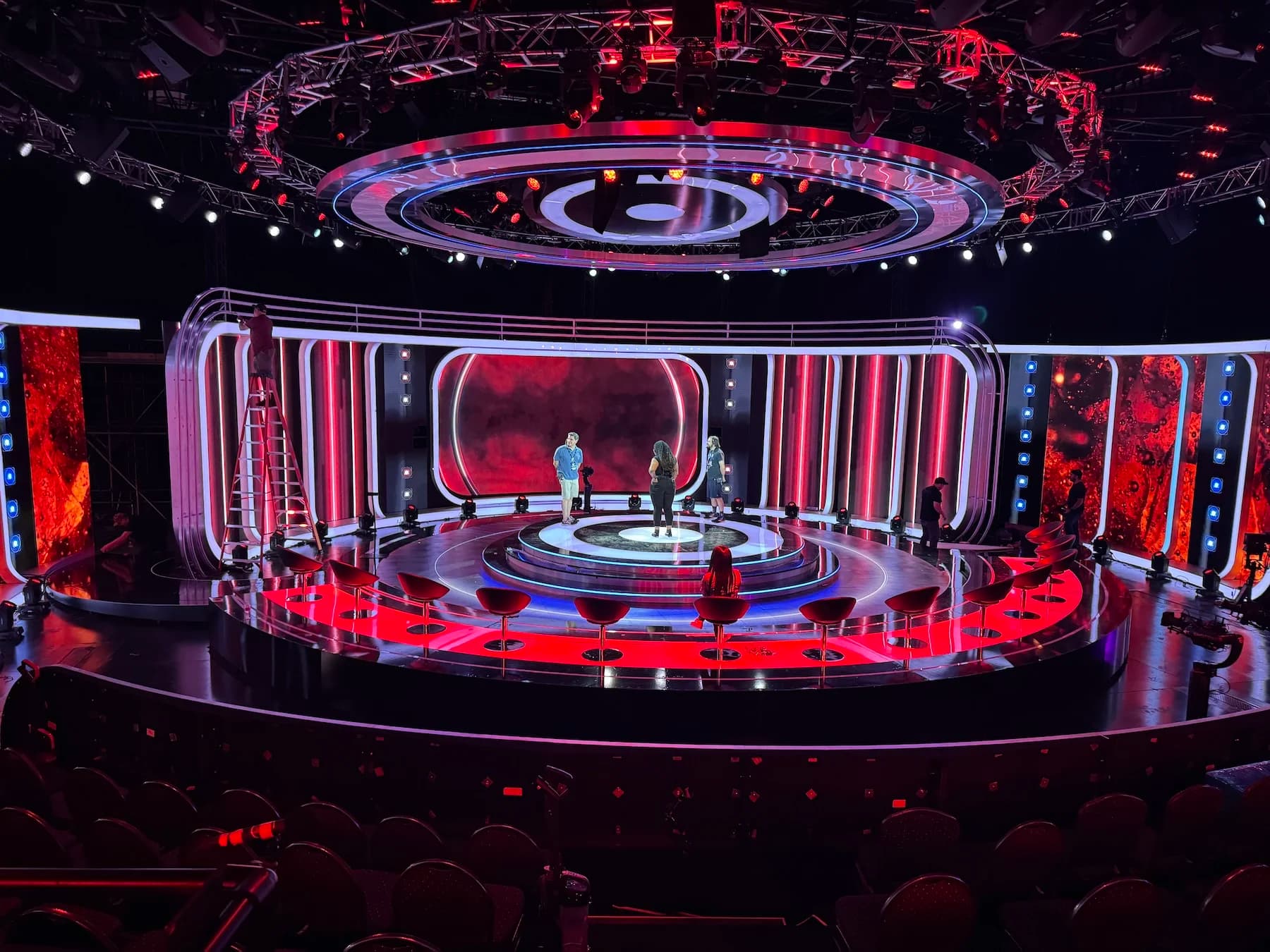
A game show production needed its set — a full steel piece, three tons of it, fabricated in Texas — hanging over a Las Vegas stage. The studio's answer wasn't "here's what our rigging allows." It was a custom grid, engineered and built above the house grid, purpose-made to fly the piece. The production got its set exactly as designed; the studio got its cleanest proof that "total customization" is an engineering practice, not a brochure word.
Key Takeaways
- The set arrived as designed — a 3-ton steel piece built in Texas and shipped in — rather than redesigned to fit the venue's limits.
- The studio built a custom grid above its house grid specifically to hang it: infrastructure adapted to the show, not the reverse.
- Direct truck-to-floor load-in is what makes shipping a full fabricated set cross-country a plan instead of a gamble.
- The engagement is the studio's total-customization differentiator in physical form — the venue rebuilds itself around each production.
Every venue's marketing says "we'll customize the space." The test is what happens when a production shows up with three tons of steel and a design that doesn't ask permission.
The Ask
A game show came to the studio with its set already real: a full steel set piece, fabricated in Texas, weighing in at three tons — built to the show's design, not to any venue's spec sheet. The production didn't need a room that could approximate its set. It needed the set, as built, hanging over the stage.
Most venues answer that ask with subtraction: here's our rated grid, here's what it holds, here's the redesign your set needs. The show shrinks to fit the room.
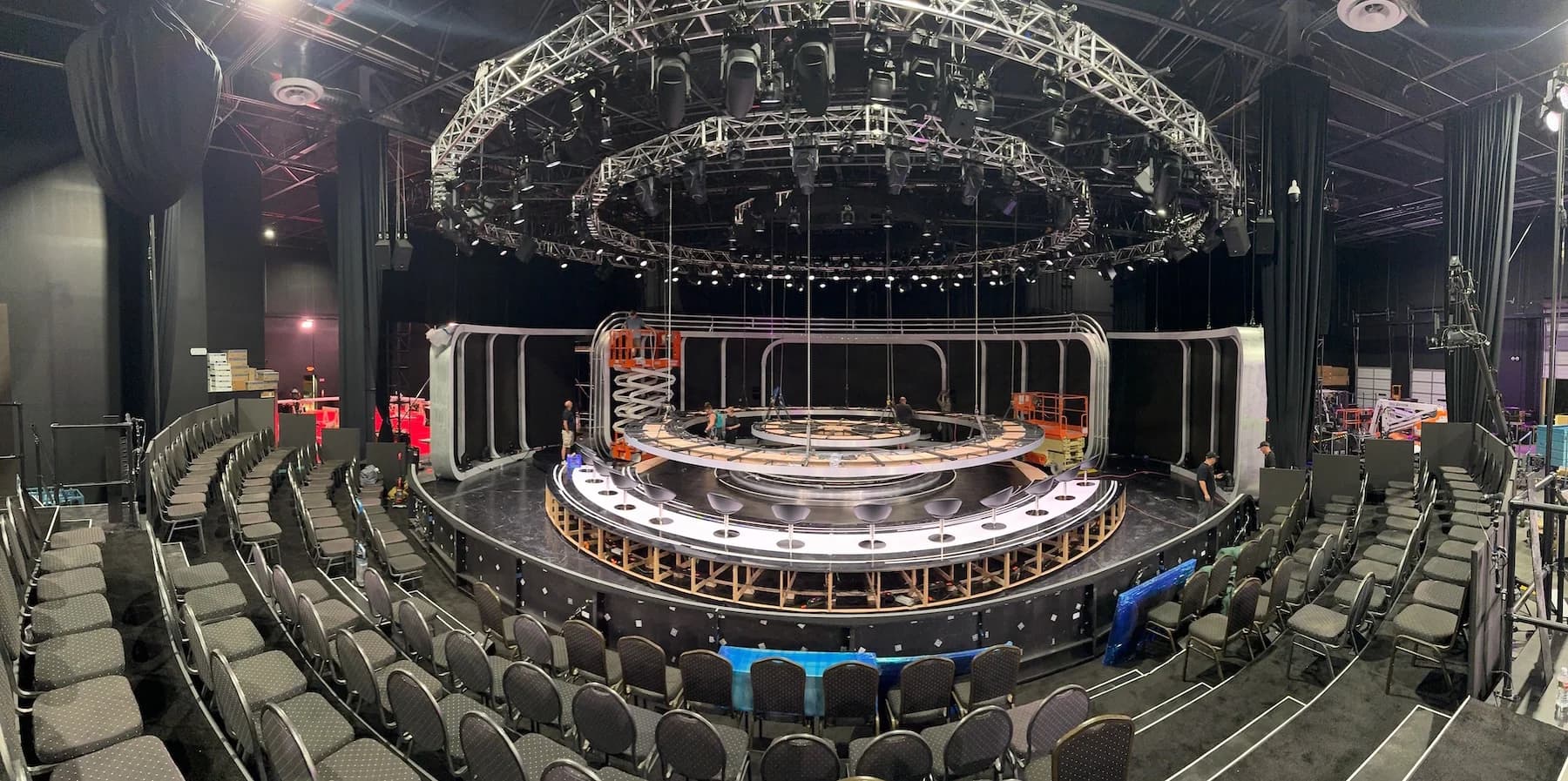
When a production's physical design exceeds the building, the building grows.
The Answer
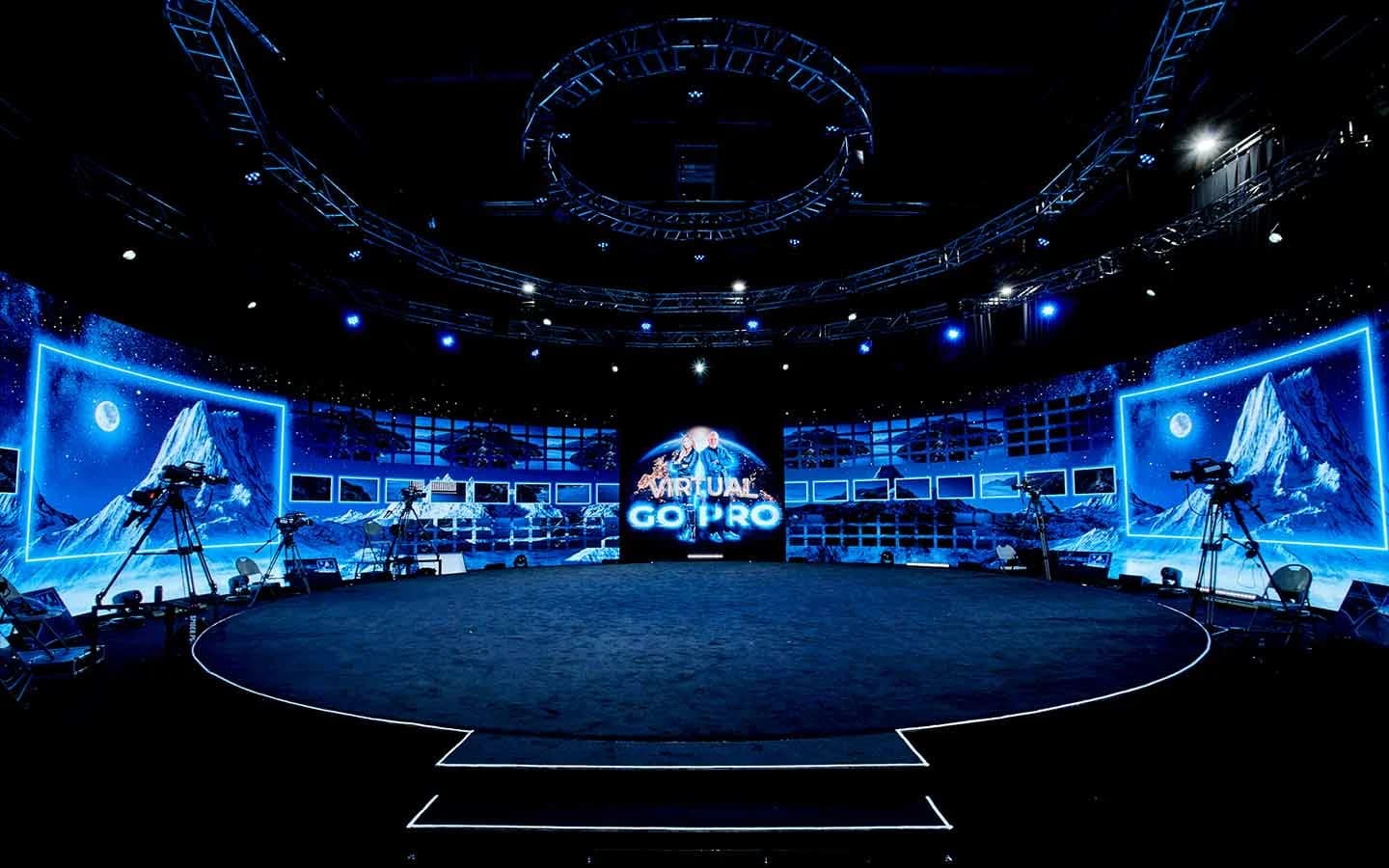
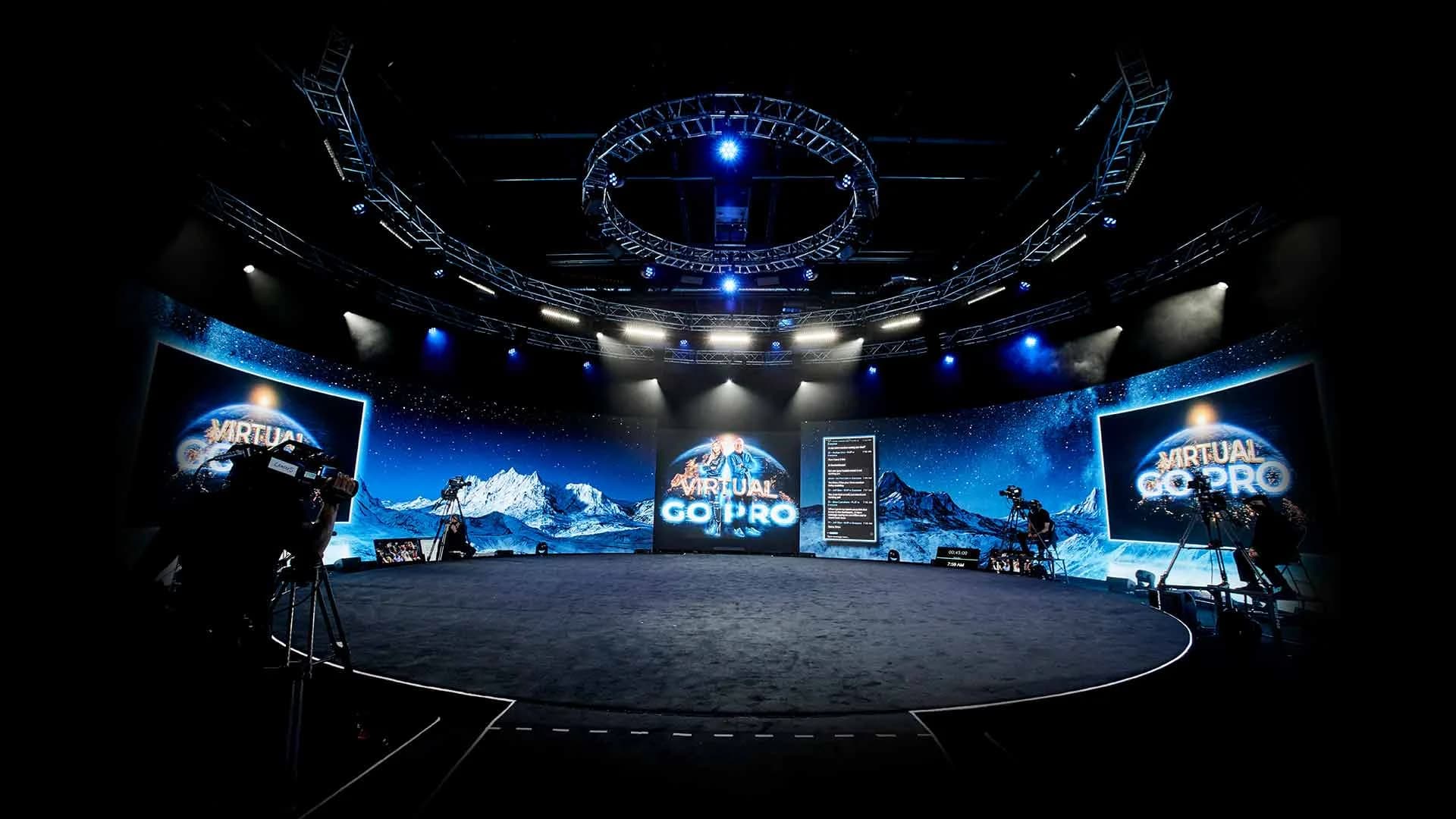
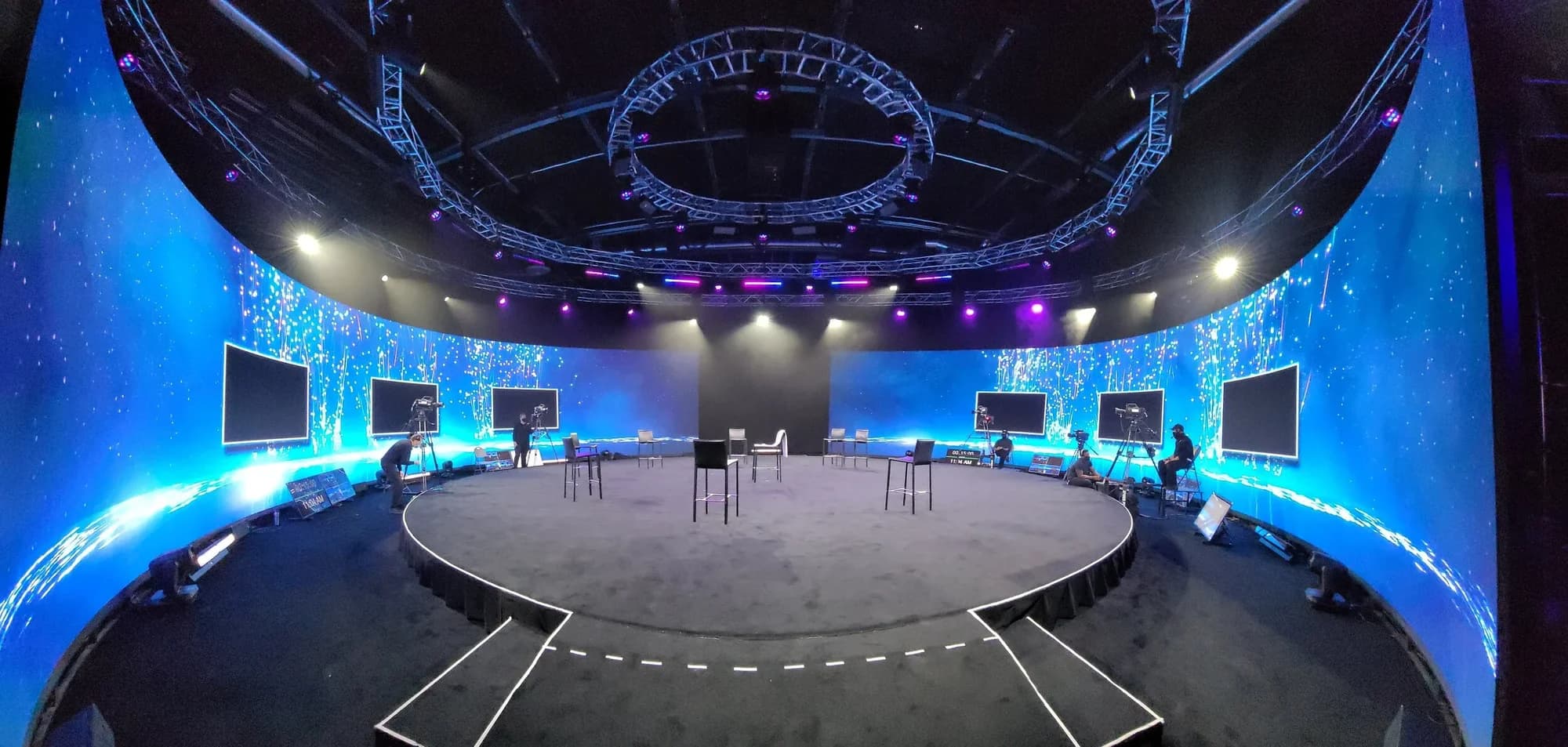
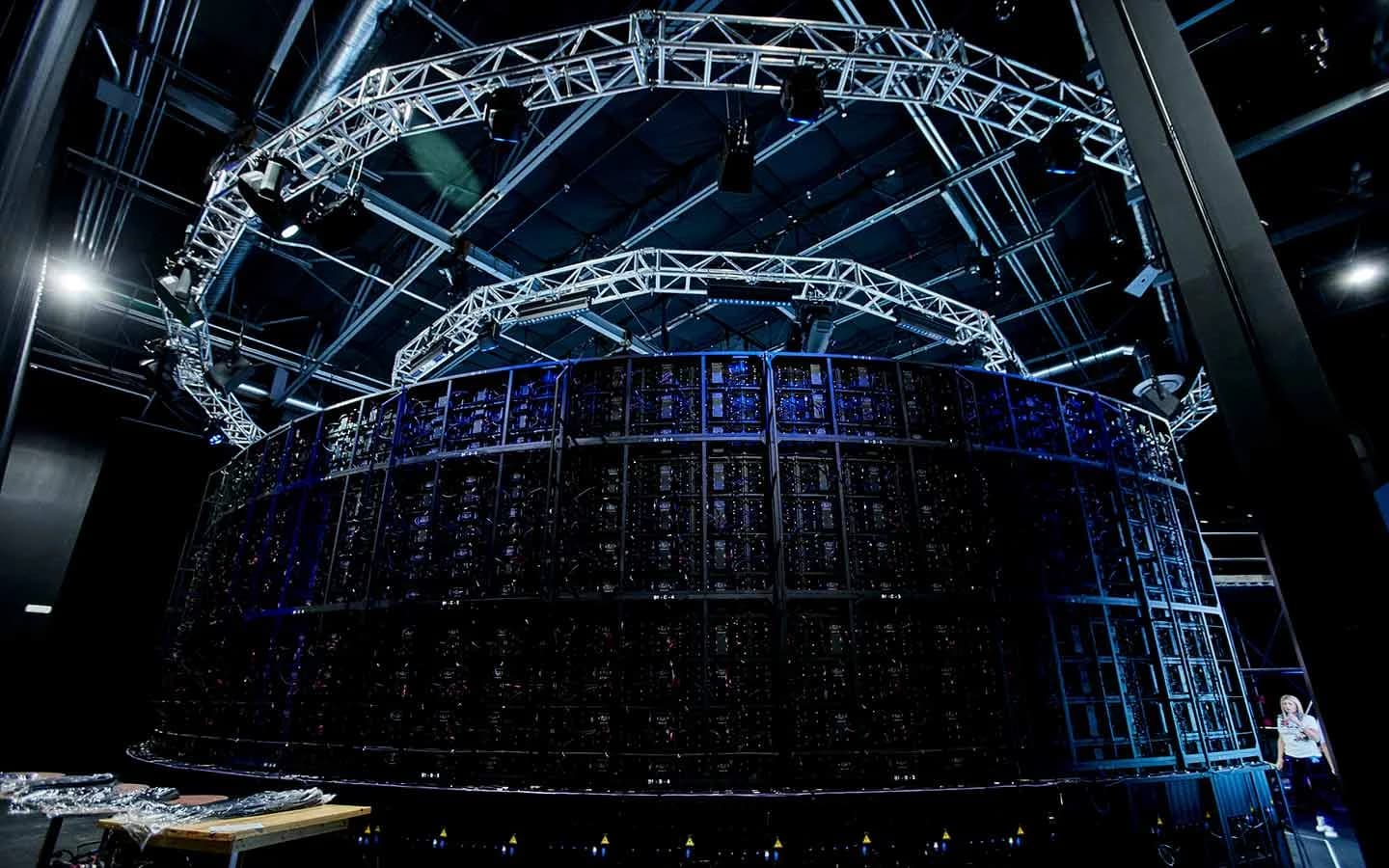
The studio answered with addition instead. A custom grid was engineered and built above the house grid — dedicated structure, purpose-made to fly this piece — and the set shipped in from Texas, rolled through direct truck-to-floor load-in, and went up as designed. The room adapted to the show. Three tons of steel hung where the show's designers drew it.
The house grid kept doing its job underneath — lighting, audio, the studio's standing infrastructure — while the custom structure carried the production's. Two grids, two jobs, one stage.
What It Proves
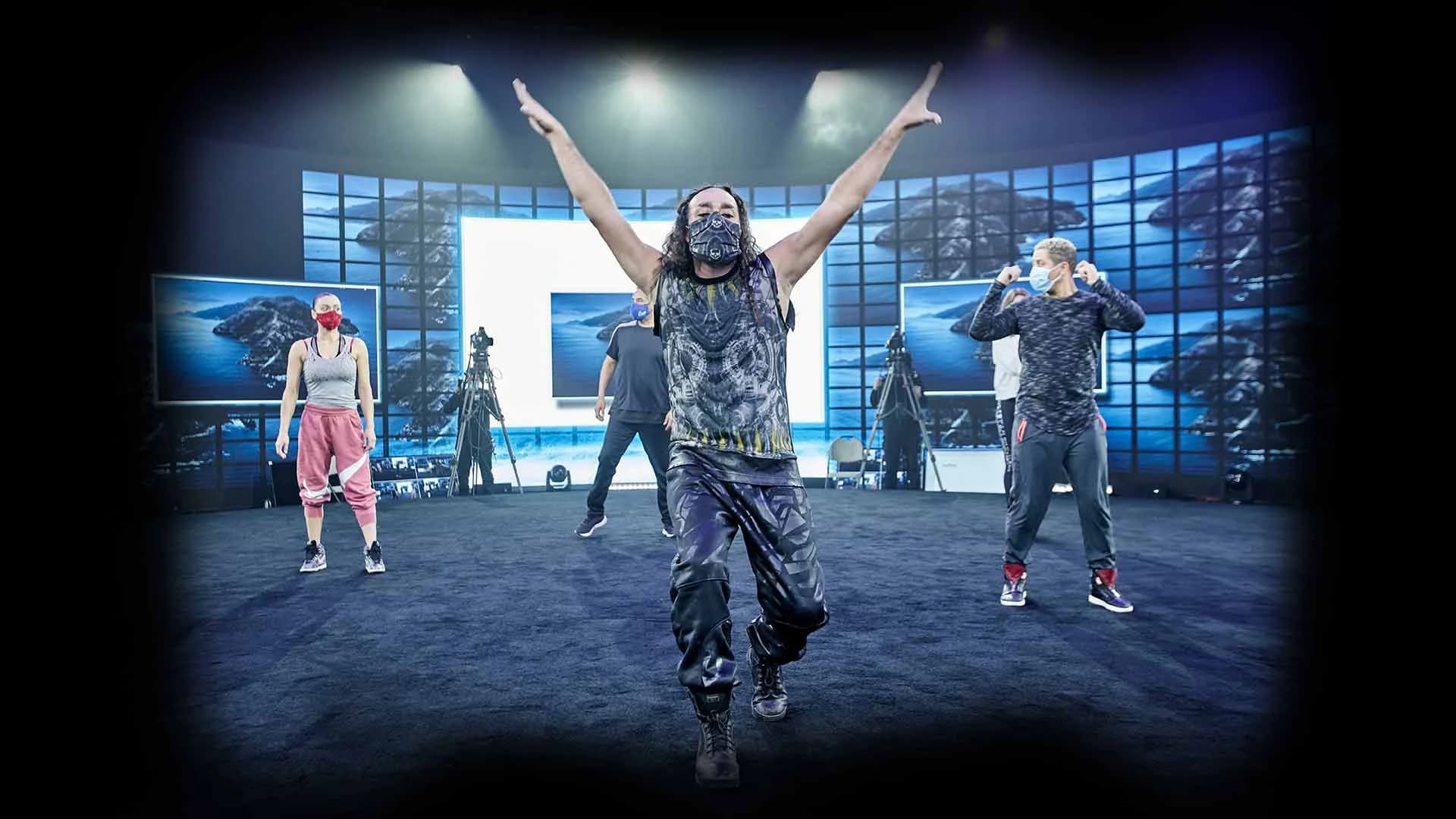
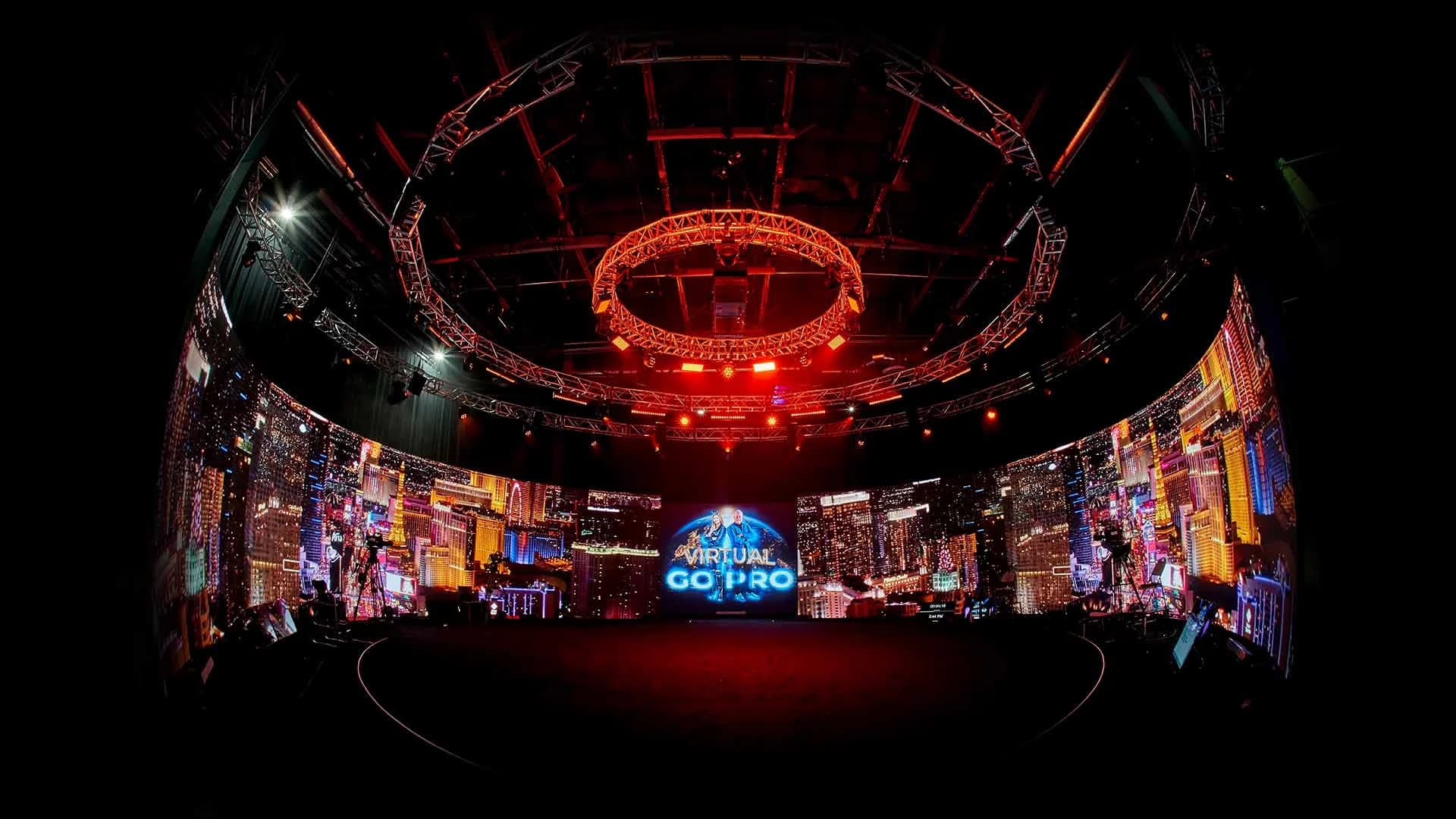
The studio's customization claim runs deep in the rest of its work — productions here have had as many as 8–10 distinct environments built for a single show, sets so complete that guests have literally asked "where am I?" But rendered worlds and set dressing, however immersive, still live inside the room's existing envelope. The volume's environments transform what the room shows.
The 3-ton build is the harder proof: when a production's physical design exceeds the building, the building grows. Structure gets engineered, a second grid goes up, and the show's vision arrives intact. For any producer whose set, stunt, or staging has ever been redesigned down to a venue's limits, that's the sentence worth remembering — the studio's answer to "can you hold this?" was to build the thing that could.
Frequently Asked Questions
Yes — demonstrated at the 3-ton scale. A custom grid was engineered and built above the house grid to fly a full steel game-show set, with the house infrastructure operating normally beneath it. Custom structural needs are scoped in the exploratory production calls.
Yes. The game-show set was built in Texas and shipped to the studio, arriving through direct truck-to-floor load-in. Freight, rigging, and any supplemental structure are planned as part of the production's scope.
As early as the design exists. Engineering, fabrication coordination, and rigging plans carry real lead time — bring the drawings to the first exploratory call and the build gets sequenced with the rest of the production.

Written by the Worre Studios Content Team and reviewed by Marina Worre, Founder & CEO, from the studio's delivered-production record. Details are limited to the confirmed engagement — we publish what we delivered. Last reviewed July 5, 2026.
Bring the Design You Actually Want Built.
If your show's vision is bigger than the venues you've been shrinking it for, bring the drawings. We'll engineer the answer.