






How to Price Tickets When Your Event Isn't Limited by Seats
On this page
Traditional ticket pricing is scarcity math: divide the revenue goal by the seat count and defend the number. Hybrid events at broadcast scale break the formula — when attendance can reach hundreds of thousands, seats stop being the constraint and access becomes the product. The teams that get it right stop selling one ticket at one price and start selling a ladder of experiences: scarce in-person access at the top, tiered interactive access across the middle, and global pricing that meets every market where it lives.
Key Takeaways
- Uncapped reach doesn't mean one cheap ticket for everyone — it means pricing access levels instead of chairs.
- Physical presence becomes your genuine scarcity tier: a few hundred in-room seats against a broadcast audience is a premium by definition.
- Interactive features — breakout access, face-time with speakers, language-specific rooms — are tierable experiences, not production overhead.
- Global reach means global pricing: real-time translation opens markets that a single flat price would lock out.
- In-event commerce turns the broadcast itself into a second revenue layer — multiple carts, different offers, different segments, one event.
The first thing broadcast-scale reach does to an event team's spreadsheet is break the pricing cell. The old formula — revenue target ÷ seats = ticket price — needs a seat count to work, and when attendance can run to hundreds of thousands, the divisor disappears. Teams either see the problem and re-plan, or they do the reflexive thing: price the stream cheap, like a consolation prize.
The reflexive thing is the mistake. Uncapped reach doesn't make tickets worth less — it changes what a ticket is.
From Selling Chairs to Selling Access
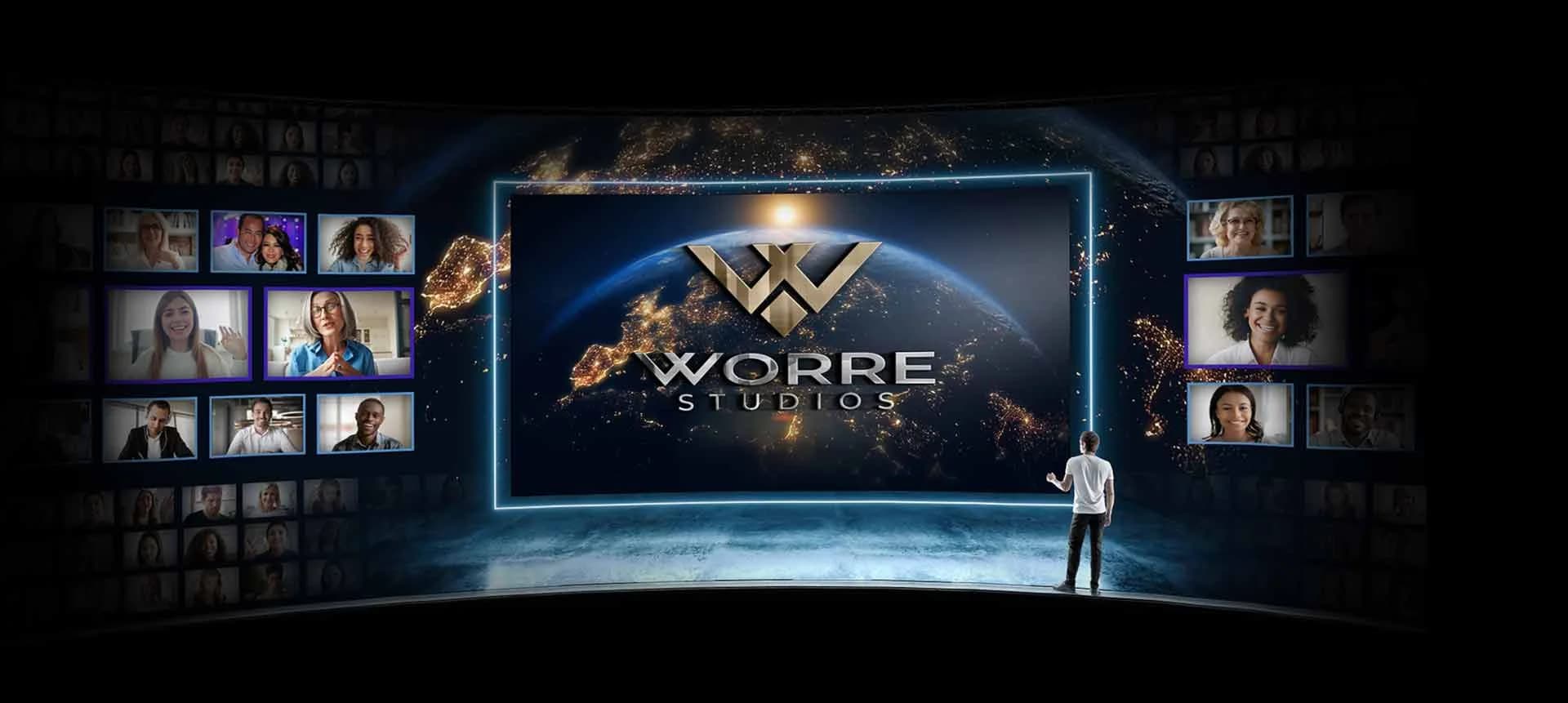
A seat-limited event sells one product: presence. A hybrid event at scale sells a ladder of them, and the ladder prices itself along two honest axes — how close the attendee gets, and how much they can do.
A working tier structure, bottom to top:
- Broadcast access. The event, live, in the attendee's language — the wide base of the ladder and the entry price for the largest audience.
- Interactive access. Participation, not viewership: breakout rooms, Q&A eligibility, the segmented sessions that fit the attendee's track. The middle of the ladder, and for most events the revenue center.
- Premium interactive. The scarce end of the virtual experience — small-group breakouts, face-time sessions where attendees come up live with speakers, VIP rooms. Scarcity returns here by design: face-time doesn't scale, which is exactly why it prices.
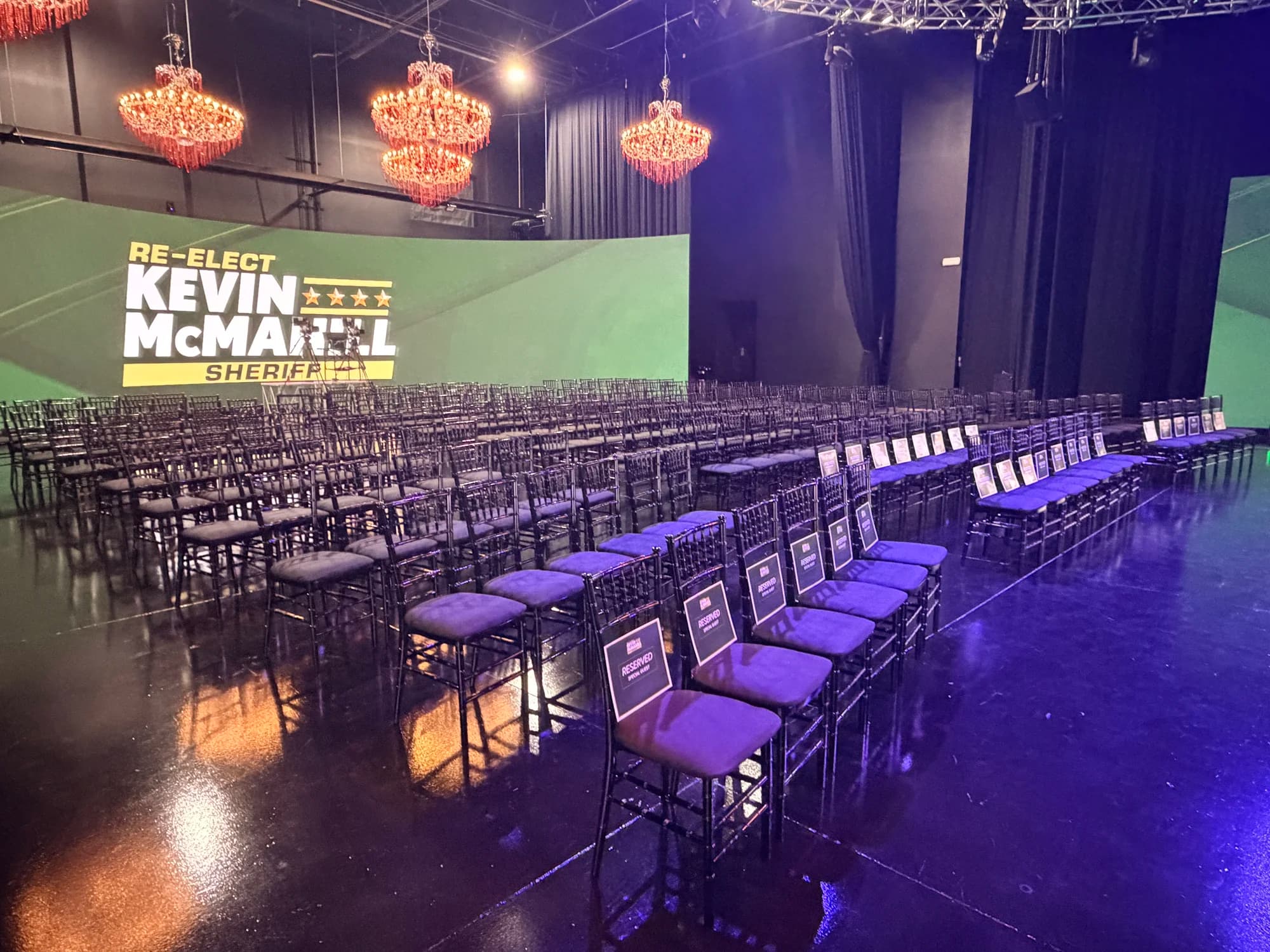
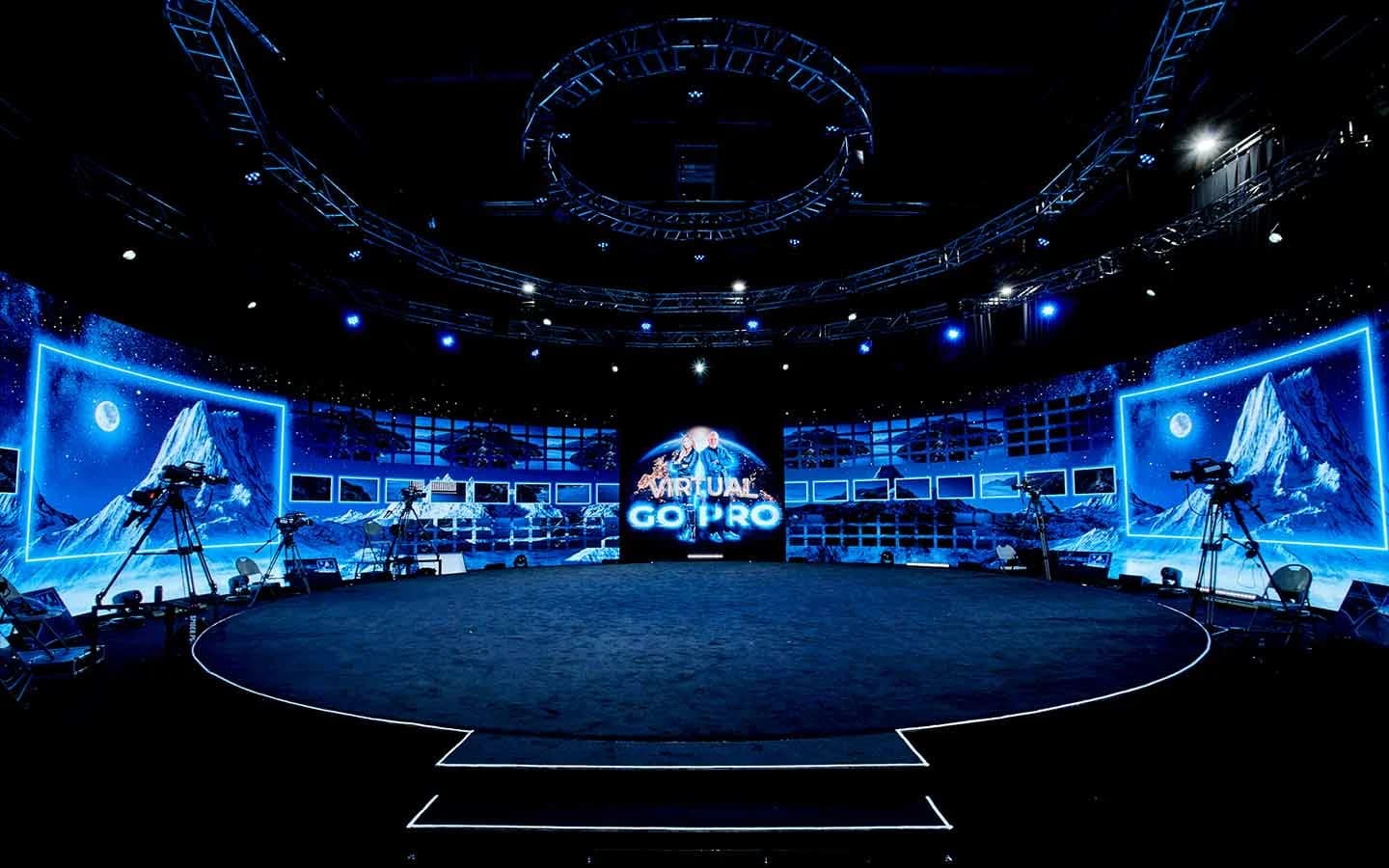
- In-person. The genuinely finite tier — a few hundred seats in the room where it's all happening, against an audience of thousands or hundreds of thousands. In-room presence at a broadcast-scale event is a premium product by arithmetic alone.
Notice what the ladder does to the old anxiety about "cannibalizing" in-person sales with a stream. Cannibalization is a flat-pricing problem; a tier structure makes the virtual audience the reason the room is scarce.
Uncapped reach doesn't make tickets worth less — it changes what a ticket is.
Price the World Like the World
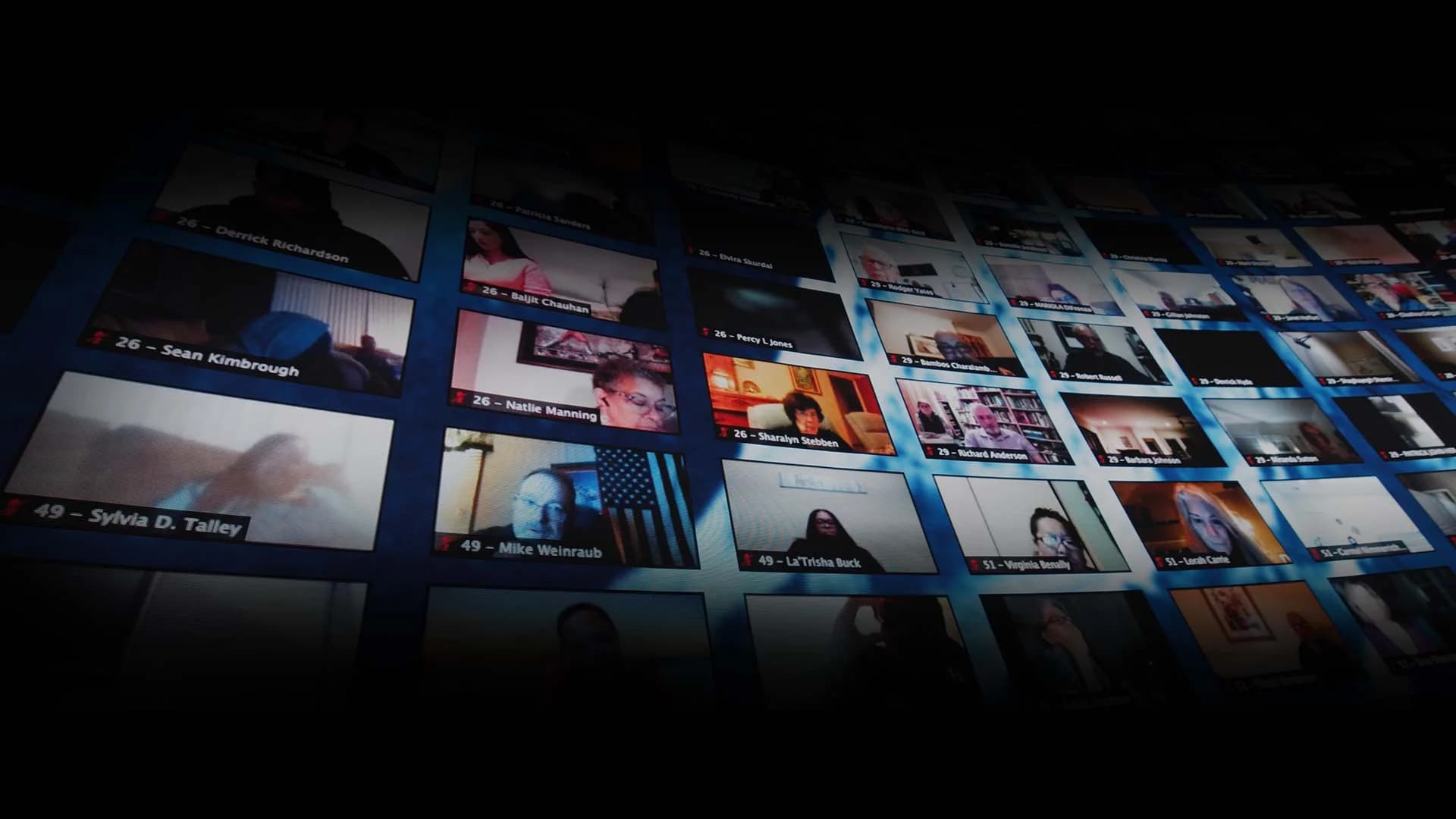
Reach without borders creates a pricing question flat rates can't answer: the right price in one market locks out ten others. With real-time translation running in 100+ languages, your sellable market is global — which argues for regional pricing on the broadcast tiers, set to each market's purchasing power, while premium and in-person tiers hold global rates. Segmentation makes it operable: audiences route by ticket type, region, and language into the experience they bought, inside one event.
The Second Revenue Layer: Commerce Inside the Event
Ticketing is the revenue you collect before the event; an interactive broadcast keeps collecting during it. The branded per-event dashboard supports multiple shopping carts within a single event — different offers to different segments — plus captive downloads and registration flows, so upsells (next event's presale, the premium tier upgrade, the product the keynote just launched) happen where attention is highest: inside the event itself.
The operational spine for all of it is INCREDEVENT, the event-management and ticketing platform built into the studio's model — registration, tiering, and ticketing run as part of the production rather than as one more vendor integration on your team's plate.
Three Rules for the Transition
For teams pricing their first uncapped event, the failure patterns are consistent enough to invert into rules:
- Don't price the broadcast as an apology. A cheap "virtual ticket" teaches your market the event is worth little. Price the base tier as the real event it is; let the ladder create the range.
- Let scarcity live where it's real. In-room seats and face-time sessions are finite; broadcast access isn't. Price the finite things like finite things.
- Design tiers around experiences you'll actually deliver. Every tier is a promise the production has to keep — build the ladder with the production team in the exploratory calls, not in a pricing meeting the venue never attends.
Revenue outcomes belong to your offer and your audience — no venue can promise them, and you should distrust any that does. What the infrastructure promises is narrower and more useful: the ceiling on your pricing model will be your strategy, not your seat count. Bring the revenue model to the studio inquiry alongside the event itself; they're one design problem.
Frequently Asked Questions
As different products, not discounts of each other. In-person presence is the finite premium tier; interactive virtual access is the volume product priced on what attendees can do — participation, breakouts, face-time — rather than as a reduced version of a seat.
Under flat pricing, it can. Under tiered access, the broadcast audience is what makes the room scarce — a few hundred seats at an event attended by tens of thousands is a stronger in-person offer, not a weaker one.
Yes — regional pricing on broadcast tiers is one of the main advantages of global reach, and audience segmentation routes each ticket type into its purchased experience within the same event.
INCREDEVENT — the event-management and ticketing platform built into the studio's model — runs registration, tiering, and ticketing as part of the production.
Yes. The branded event dashboard supports multiple shopping carts within a single event, targeted by segment — plus downloads and registration flows — so in-event offers run where attention is highest.

Written by the Worre Studios Content Team and reviewed by Ben Groen, Ticketing & Interactive Platform Lead. Pricing structures described are strategy patterns, not revenue projections; outcomes depend on each event's offer, audience, and market. Platform capabilities reflect the studio's confirmed feature set. Last reviewed July 5, 2026.
More from The Front Row
Price the Event Your Audience Deserves — Not the Room You Used to Fit In.
Bring the revenue model and the event to the same conversation. We'll design the tiers the production can actually deliver.