

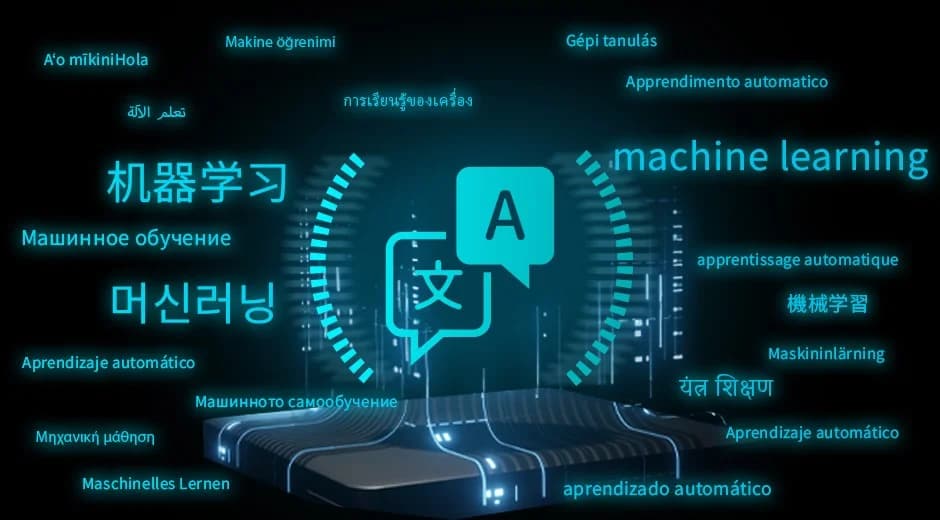
How Real-Time Translation Works at Global Events
On this page
Most "translated" events give international attendees a downgrade: a muted feed with a lone interpreter voice floating over silence. Real-time translation done properly keeps them inside the event — closed captions plus a translated voice layered over the actual music, effects, and ambiance of the room. At Worre Studios, that runs in 100+ languages, live-interpreter or AI-driven, so one event reaches a global audience without splintering into regional re-cuts.
Key Takeaways
- The differentiator isn't the language count — it's the mix. Attendees hear the translated voice layered under the event, not replacing it.
- Coverage runs 100+ languages: live human interpreters for headline languages, AI-driven translation extending across the rest.
- Live-interpreter capacity runs four simultaneous channels, expandable to roughly twenty across two sessions.
- Language pairs with segmentation — audiences can be routed into language-specific rooms and experiences inside the same event.
- The payoff is single-source messaging: one message, delivered once, across the world — no re-cut regional versions drifting off-script.
Ask anyone who's attended a "translated" broadcast in their second-choice language what it was like, and you'll hear the same description: the event went quiet. The music dropped out, the crowd disappeared, and a single interpreter's voice hung over dead air. Technically, they received the content. Experientially, they watched your event through soundproof glass.
The gap between receiving a translation and attending an event is the whole problem real-time translation infrastructure exists to solve.
The Mix Is the Differentiator
Here's the detail that separates broadcast-grade translation from a bolted-on interpreter line: what attendees hear is mixed, not swapped.
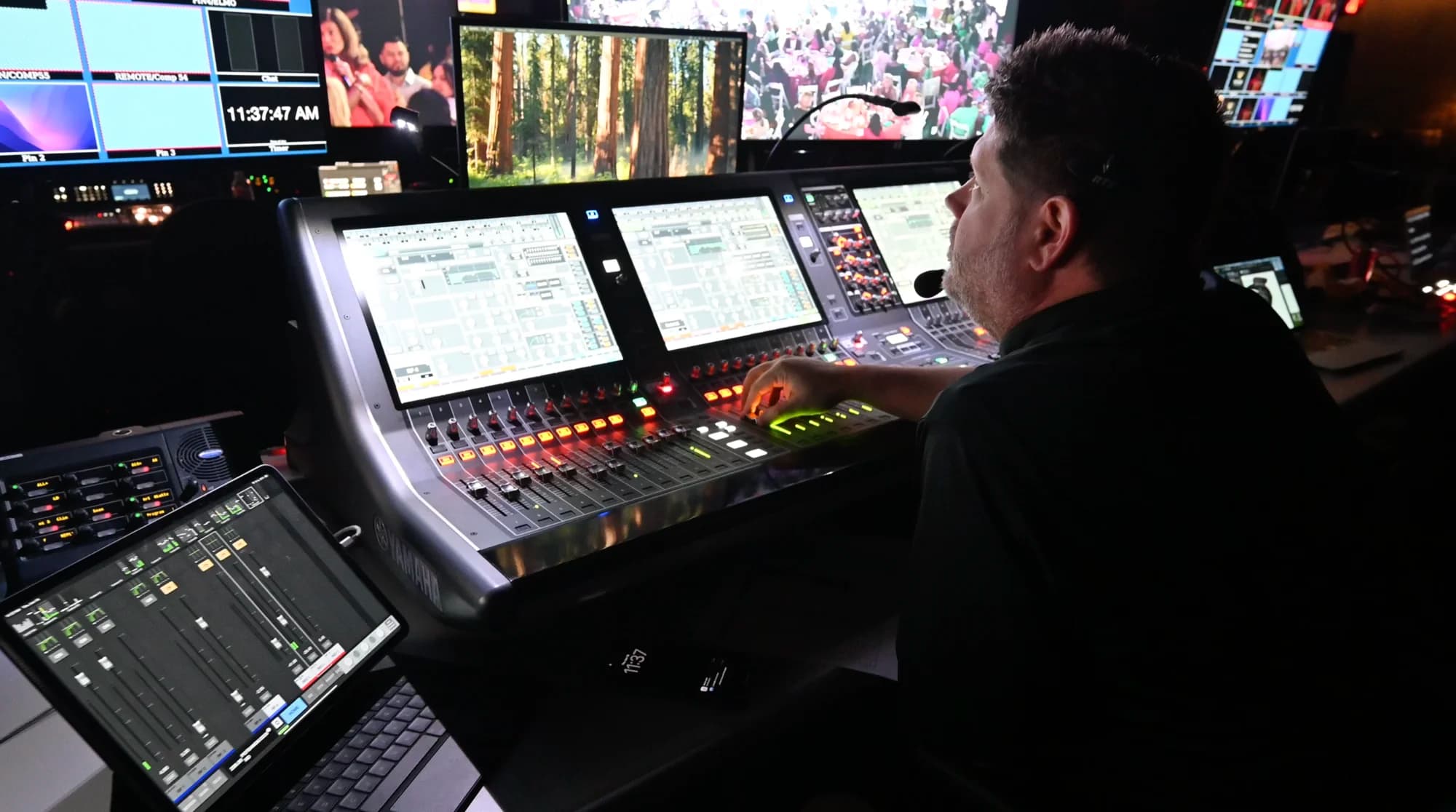
At Worre Studios, an attendee selecting their language gets two things at once — closed captions, and a translated voice layered over the event's actual audio bed. The music still swells. The effects still hit. The room still sounds like a room. The translated voice sits on top of the event rather than replacing it, so a listener in their own language is having the same emotional experience as the audience in the house — not a narrated summary of it.
It sounds like a small production choice. It's the difference between an international attendee feeling like a guest of the event and feeling like they're monitoring one. Translation is often the deciding factor in multilingual company town halls.
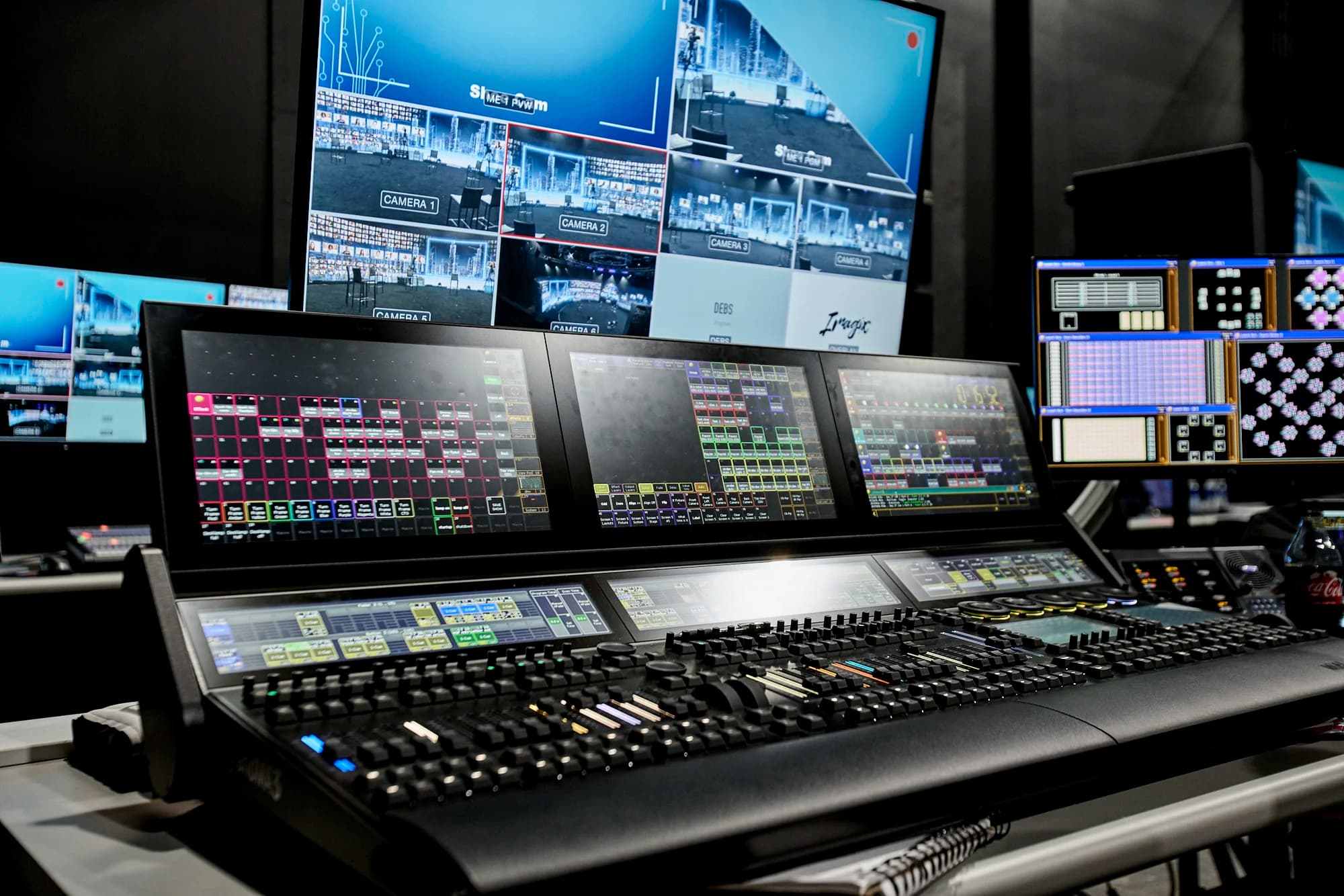
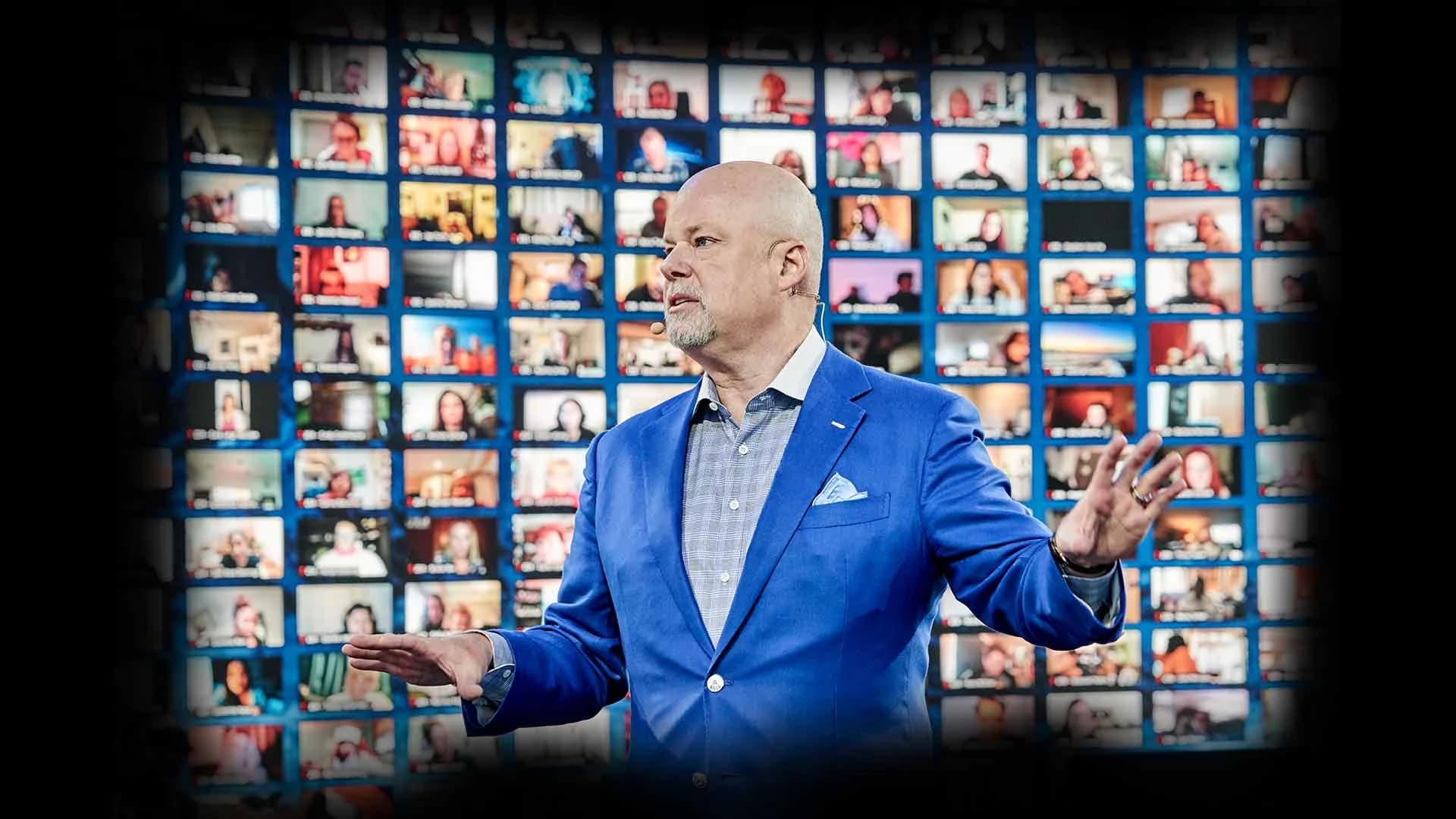
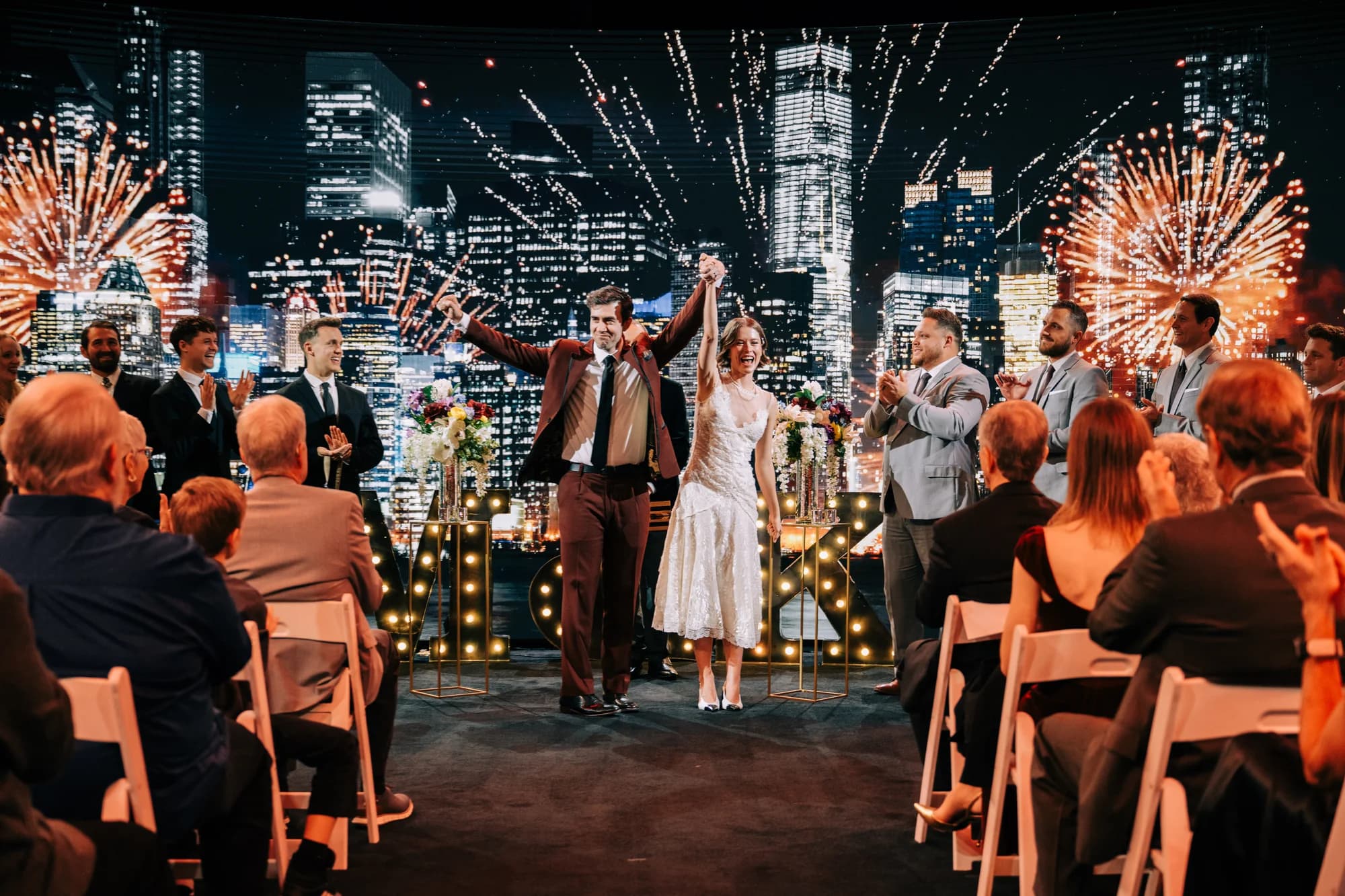
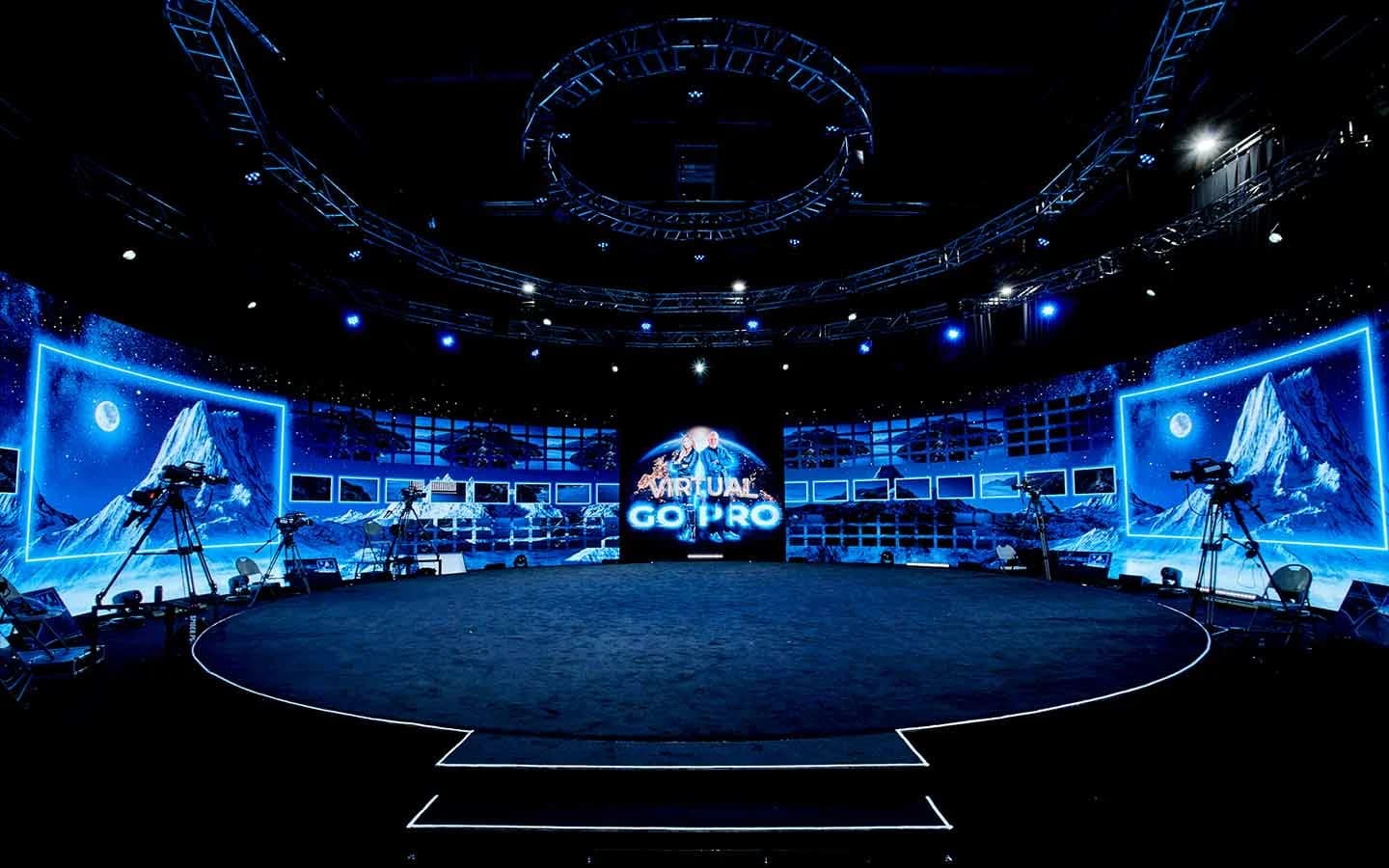
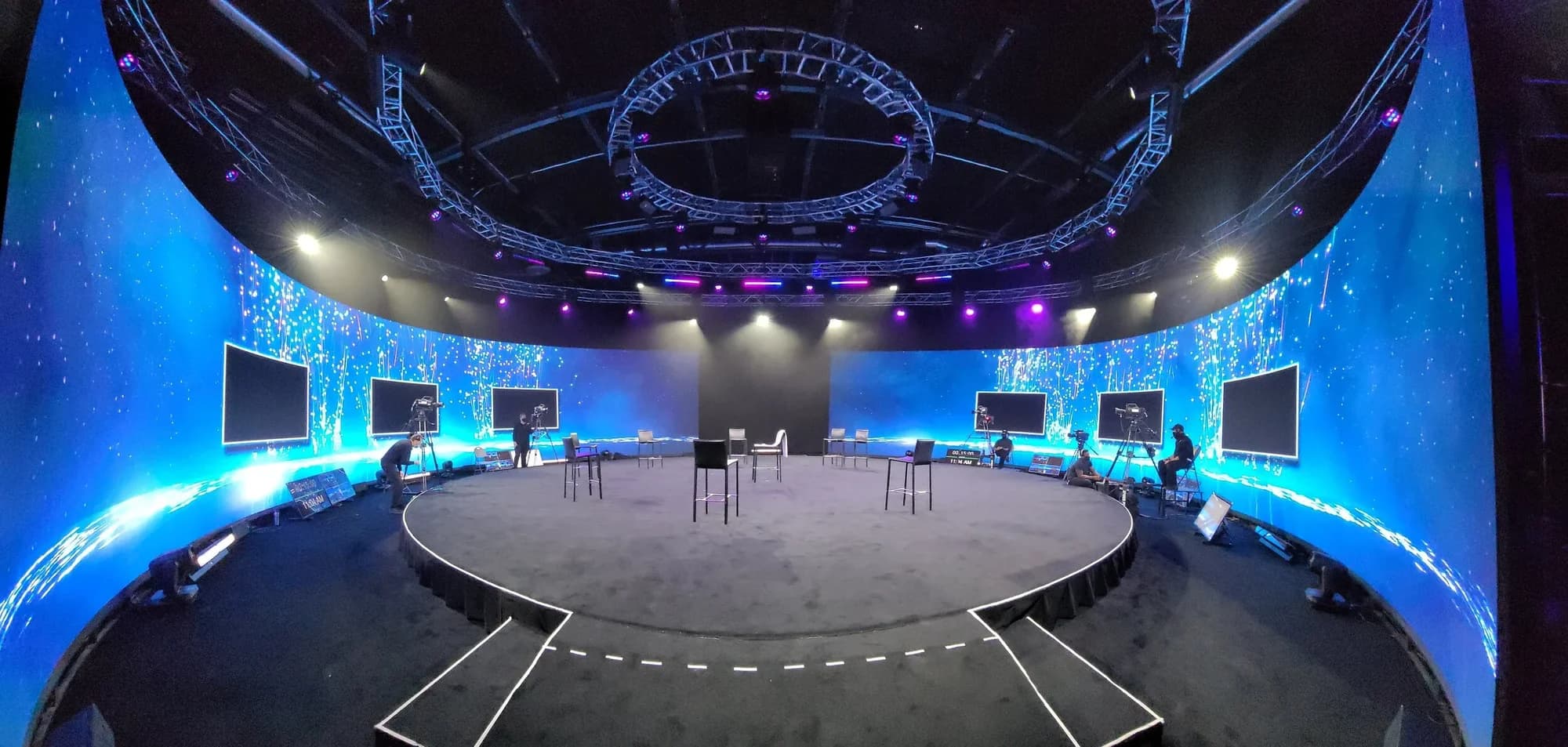
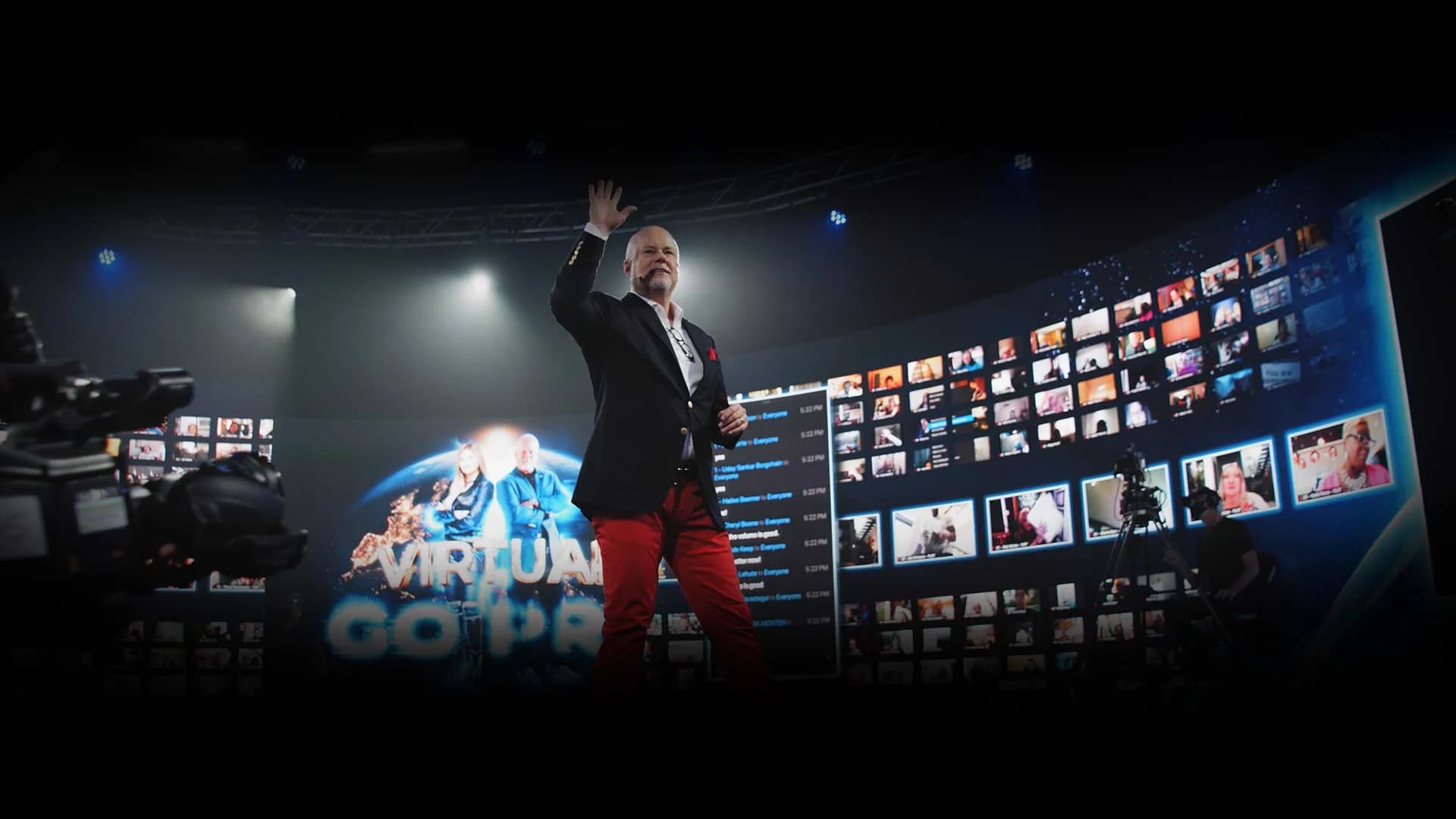
One stage, one moment, every language at once — one message, one time, across the world.
Live Interpreters, AI Reach, One System
Coverage runs on two engines, and events use both:
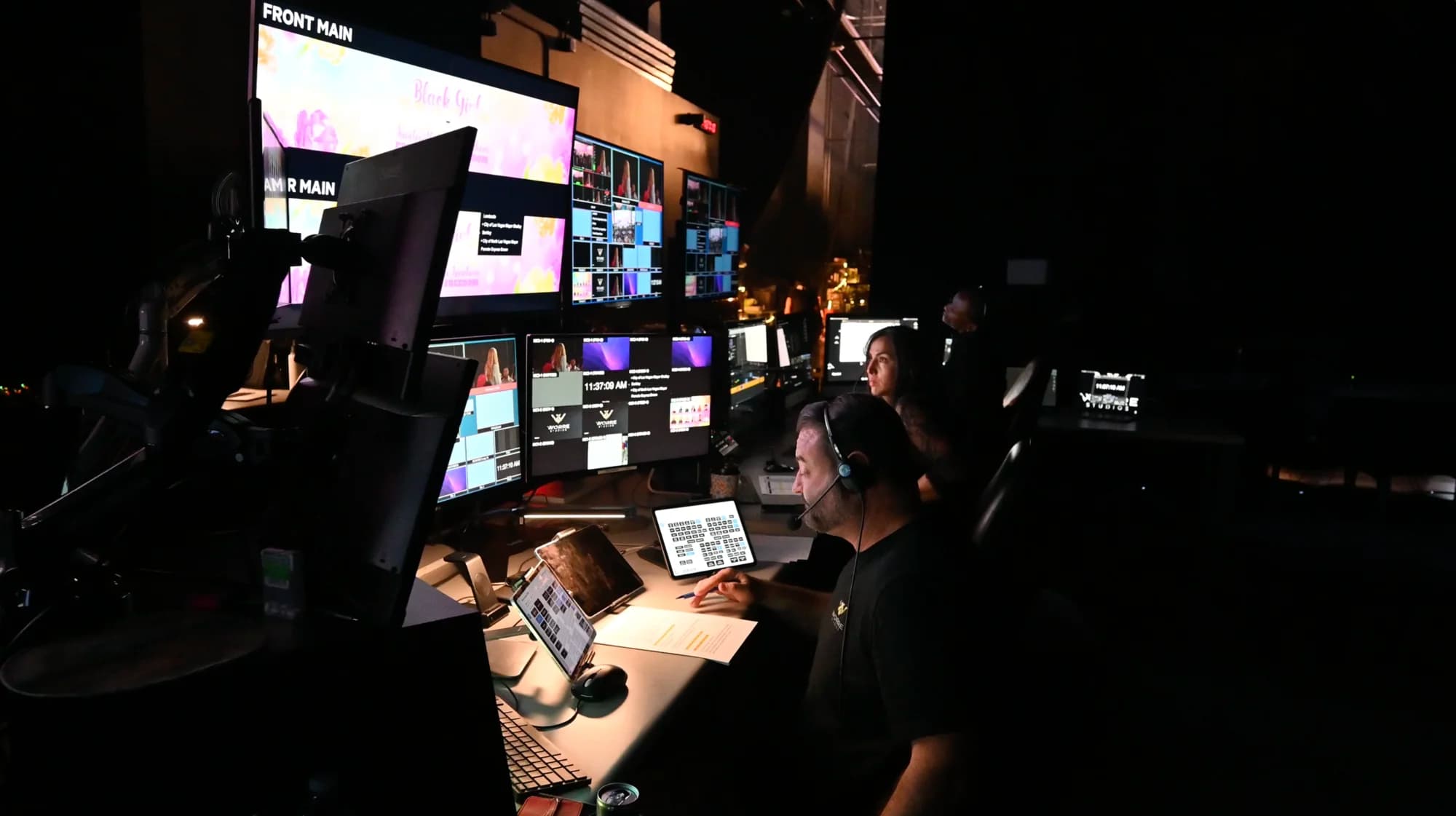
- Live interpretation for the languages that carry the event's core audiences — human interpreters working in real time, currently four simultaneous channels, expandable to roughly twenty across two sessions.
- AI-driven translation extending coverage across 100+ languages, so the long tail of a global audience isn't an afterthought or an added production line per language.
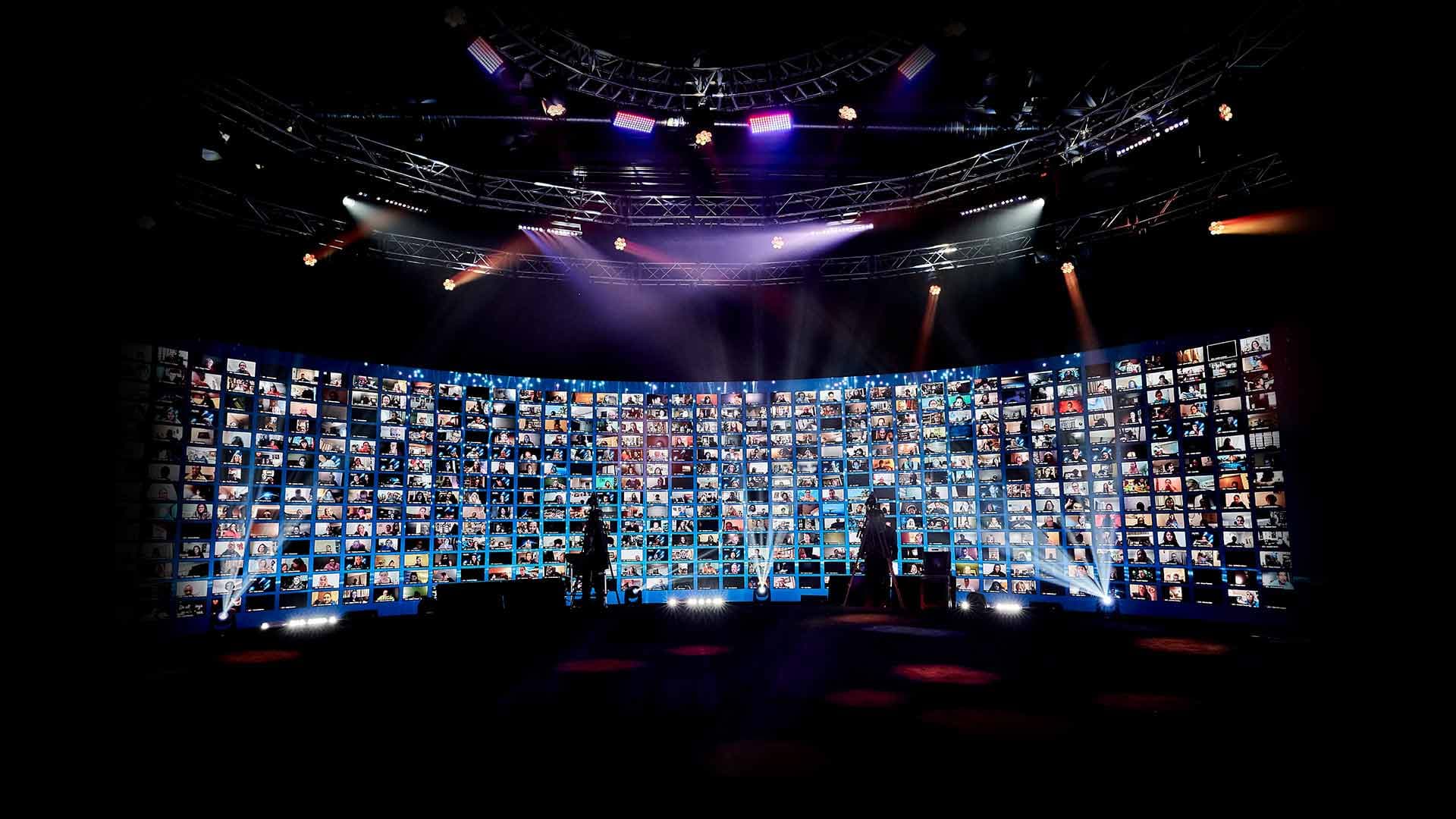
For the event team, it's one decision — which languages matter most for live interpreters — and the infrastructure handles the rest. And because translation runs inside the interactive layer, it pairs with the branded per-event dashboard's segmentation: audiences can be routed into language-specific breakout rooms and experiences without ever leaving the event.
Why Single-Source Messaging Matters
Translation infrastructure isn't just an attendee courtesy — it changes how organizations communicate.
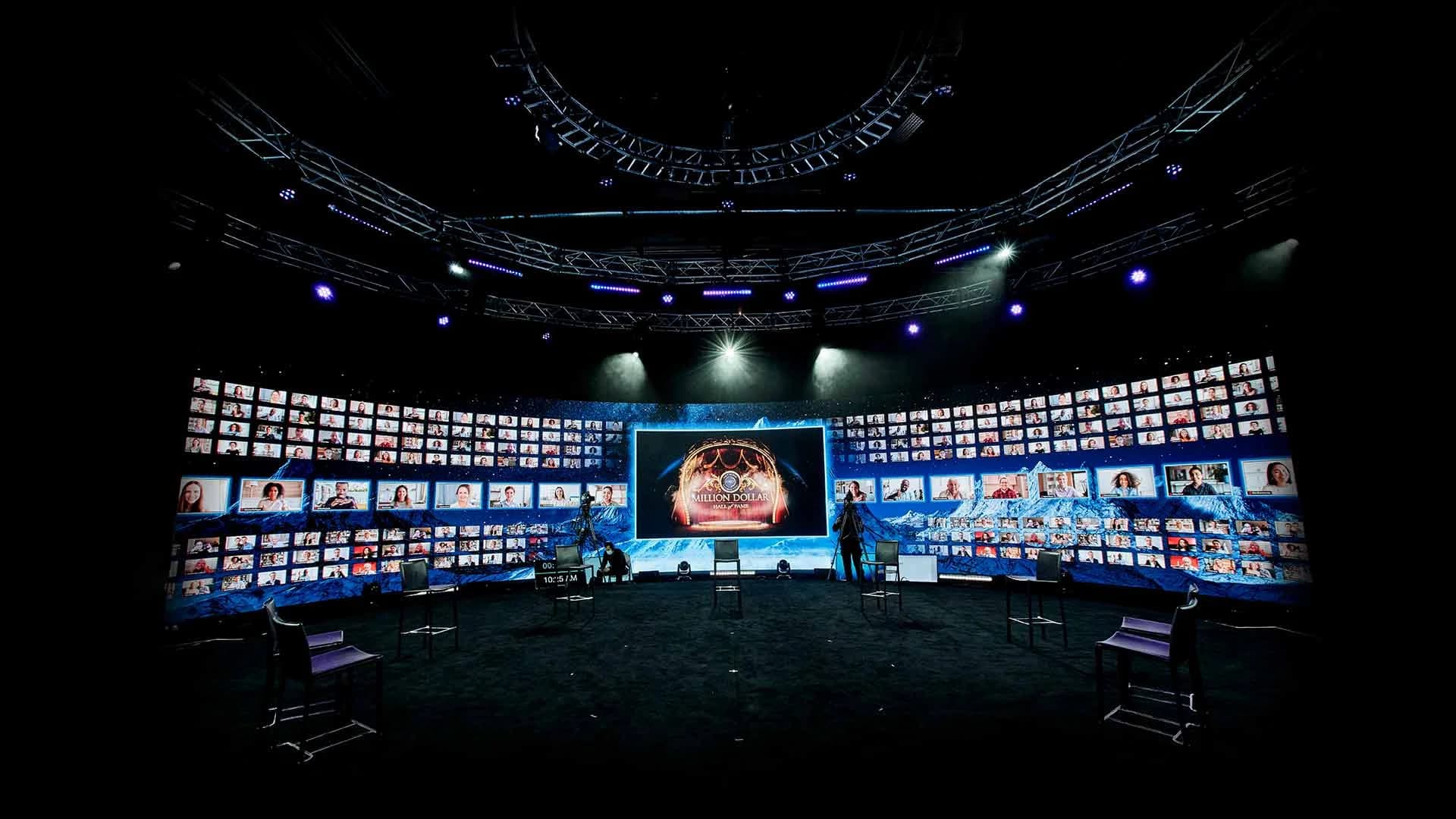
The traditional global playbook is a game of telephone: headquarters records the message, regions re-cut it, local teams re-present it, and by the third retelling the message has drifted. Real-time translation collapses that chain. One stage, one moment, every language at once — one message, one time, across the world. For announcements where precision matters (a launch, a policy change, a leadership message), the drift you eliminate is the point.
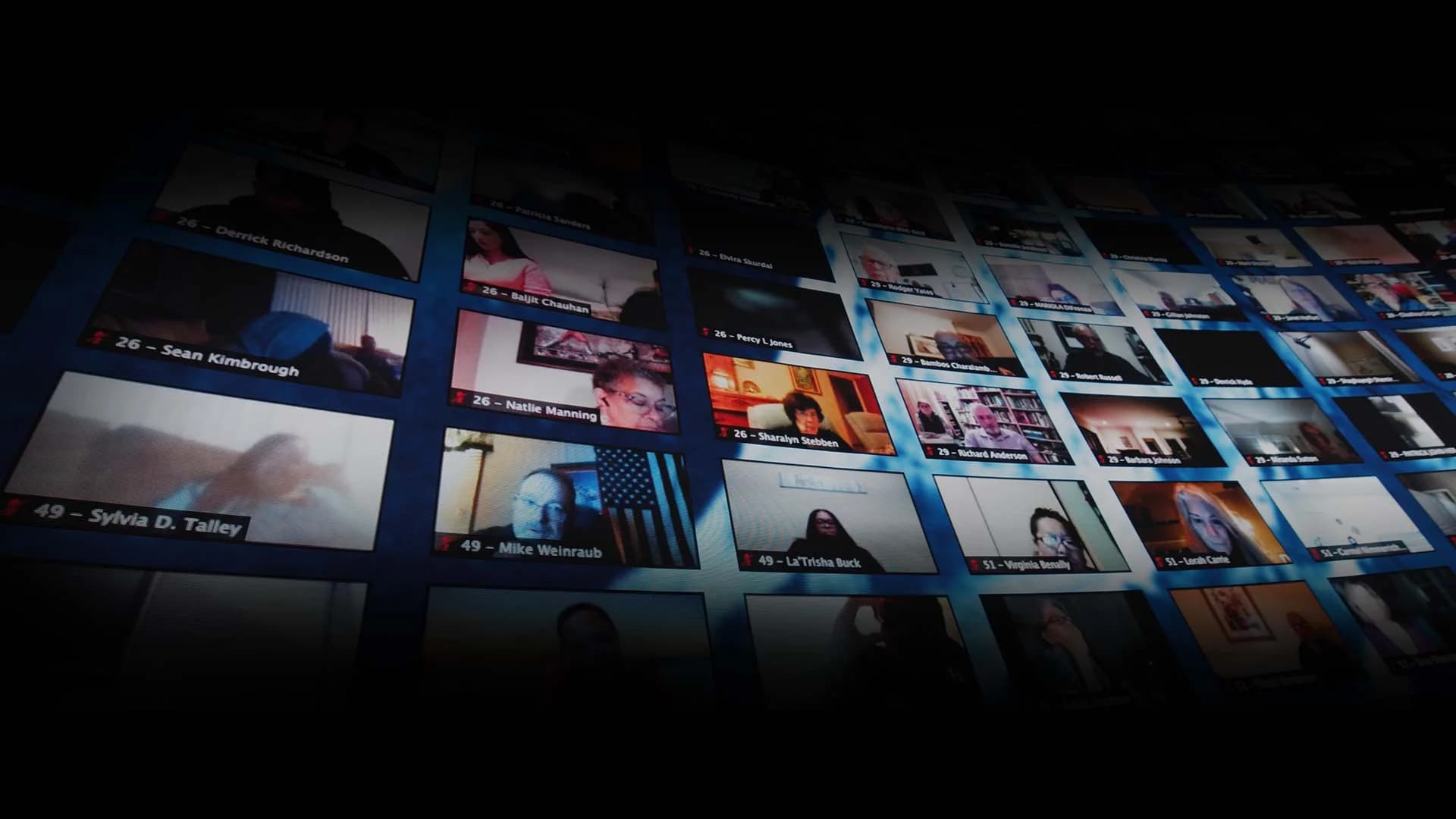
It also changes reach math. When language stops filtering your audience, the reachable audience for a single event is global — a multiplier that compounds with everything covered in how many people a hybrid event can actually reach.
What to Bring to the Planning Call
Translation is a scoping conversation, not a checkbox — which languages carry live interpreters, how audiences segment, and how Q&A or breakouts run across languages all get designed into the event during the exploratory process. Bring your audience's language map to the studio inquiry and the production team designs the translation architecture around it.
Frequently Asked Questions
100+ — live human interpreters on the languages that carry your core audiences, with AI-driven translation extending coverage across the rest.
Closed captions plus a translated voice layered over the event's real audio — music, effects, and room ambiance included. Attendees experience the event in their language rather than a muted feed with an interpreter track.
Four simultaneous live-interpreter channels, expandable to roughly twenty across two sessions, with AI translation covering languages beyond the live channels.
Yes. Translation runs inside the event's interactive layer, so audiences can be segmented and routed by language — into dedicated breakout rooms, sessions, or content tracks — within the same event.
The translated experience is delivered through the event's virtual dashboard, which serves the remote audience; in-room audiences experience the event in its stage language. Global reach is where the translation layer does its heaviest lifting.
Written by the Worre Studios Content Team and reviewed by Ben Groen, Ticketing & Interactive Platform Lead. The translation capabilities described — language coverage, channel architecture, and the layered audio mix — reflect the studio's installed infrastructure and delivered productions. Last reviewed July 5, 2026.
More from The Front Row
One Stage. Every Language. Zero Drift.
Tell us where your audience lives and what they speak. We'll design the translation architecture into the event from the first planning call.