


Does Your Event Venue Need a Connected Hotel?
On this page
No — but the question deserves a better answer than that. A connected hotel buys one real thing: elevator convenience. It costs one real thing too: your audience's attention, which spends the whole event a short walk from the casino floor, the pool, and six other ballrooms. A self-contained venue with partner room blocks flips the trade — guests keep the hotel, your event keeps the audience, and a short shuttle ride is the only price of both.
Key Takeaways
- The connected-hotel advantage is real but narrow: nobody walks outside, and the room is an elevator away.
- The hidden cost is attention. In a hotel, your event competes with everything the property was built to offer.
- A self-contained venue holds its audience — sessions, meals, and networking all happen inside your event, and attendance holds through the last session.
- Room blocks at partner properties across Las Vegas restore the hotel half of the equation, with transportation handled as part of the event.
- The right frame isn't convenience vs. inconvenience — it's whose environment your event happens in: yours or the property's.
Every Las Vegas event planner eventually hears the question, usually from the CFO or the person who booked last year's venue: "But there's no hotel attached — where does everyone stay?" It's a fair operational question wearing the costume of a dealbreaker, and it deserves an honest answer on both sides.
What a Connected Hotel Actually Buys You
Credit where due: a connected hotel means attendees roll out of bed, take an elevator, and walk into your general session. Nobody checks a weather app, nobody waits for a shuttle, and the logistics of "getting people to the event" mostly disappear. For a short internal meeting where convenience is the whole brief, it's a genuine advantage.
But be precise about what you're buying, because it's smaller than it looks. The convenience is the commute — thirty seconds instead of fifteen minutes. Everything else about the connected-hotel model comes bundled, and the bundle is where events quietly leak.
What It Costs You
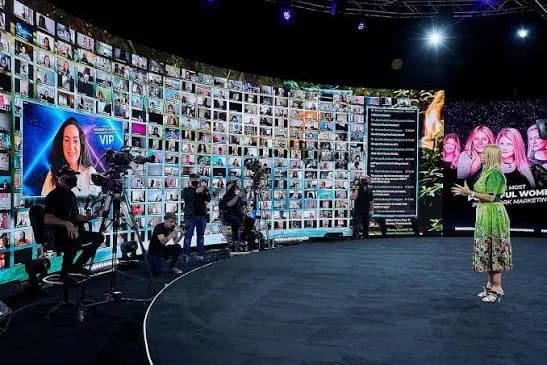
A hotel is an environment engineered to offer people things — and during your event, it never stops offering. The casino floor is between the elevator and your ballroom. The pool is right there. Restaurants, a spa, sports books, and, in most convention hotels, several other events running down the same corridor.
Planners know the symptoms by heart: the post-lunch session that restarts to two-thirds of the morning's crowd; the networking reception competing with dinner reservations; the final-day content delivered to the attendees whose flights were latest. None of it is anyone's fault. Your event is simply happening inside someone else's environment, and the environment is very good at what it does.
Logistics are solvable; attention isn't retrofit-able.
The Self-Contained Alternative
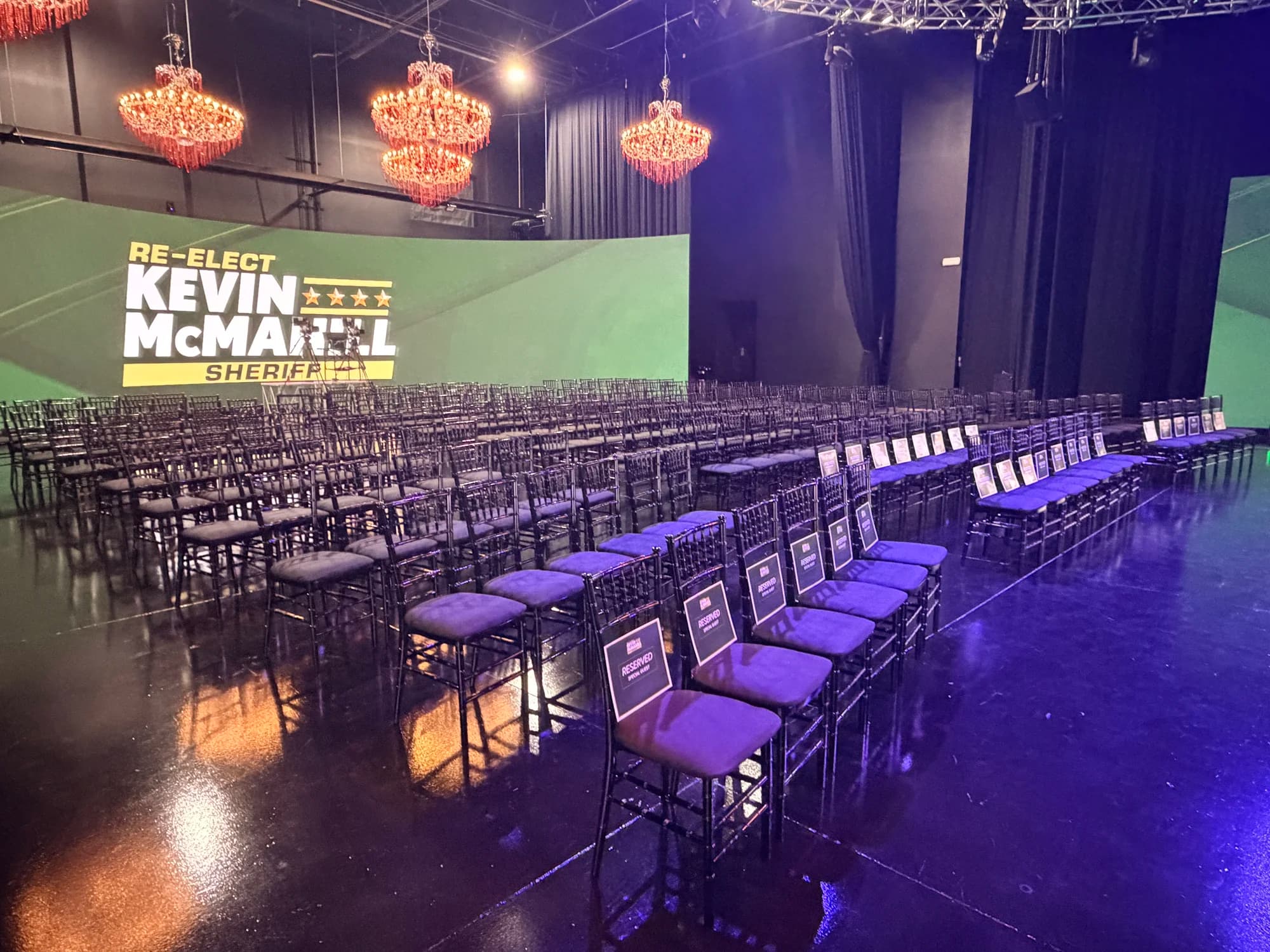
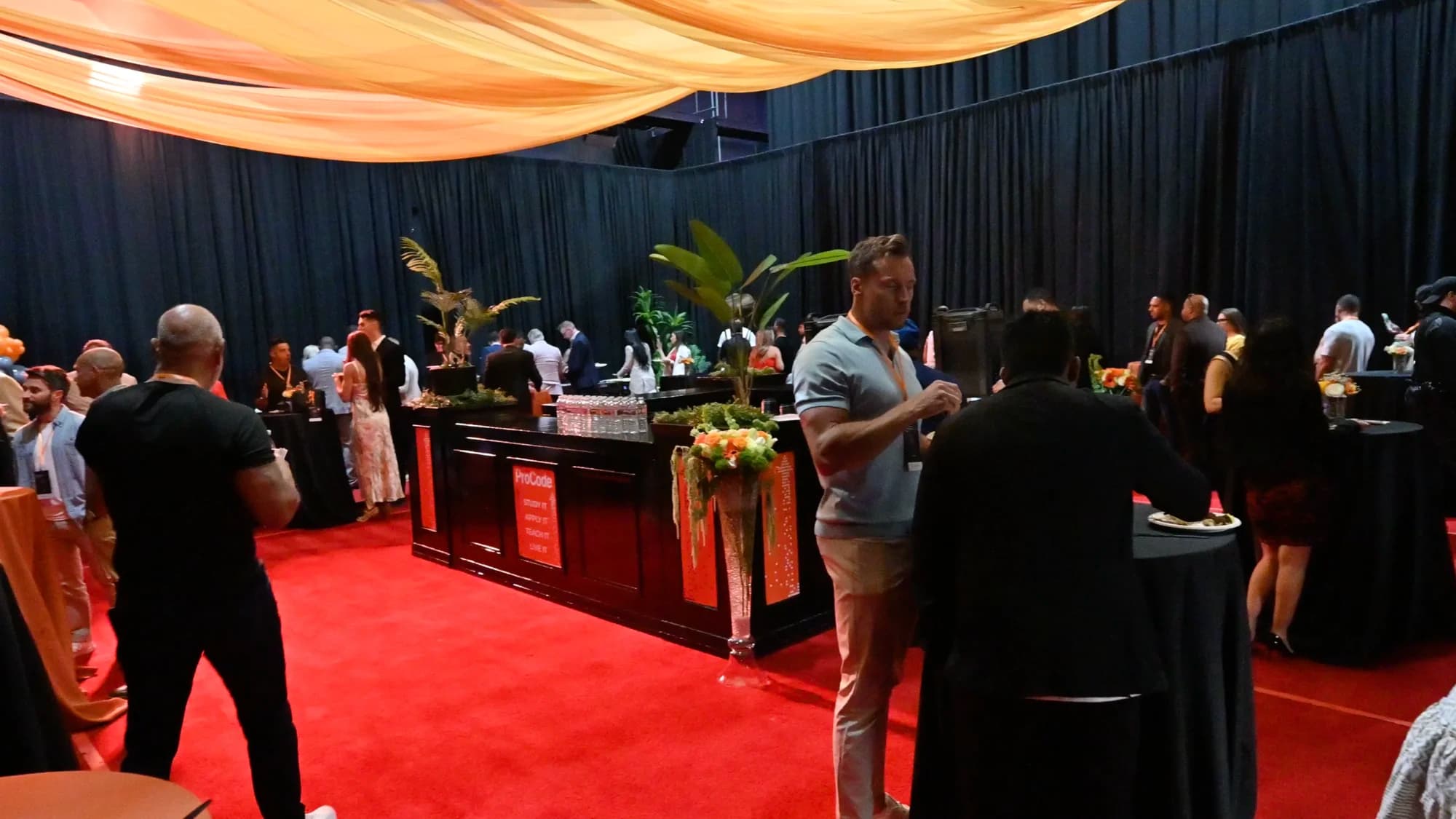
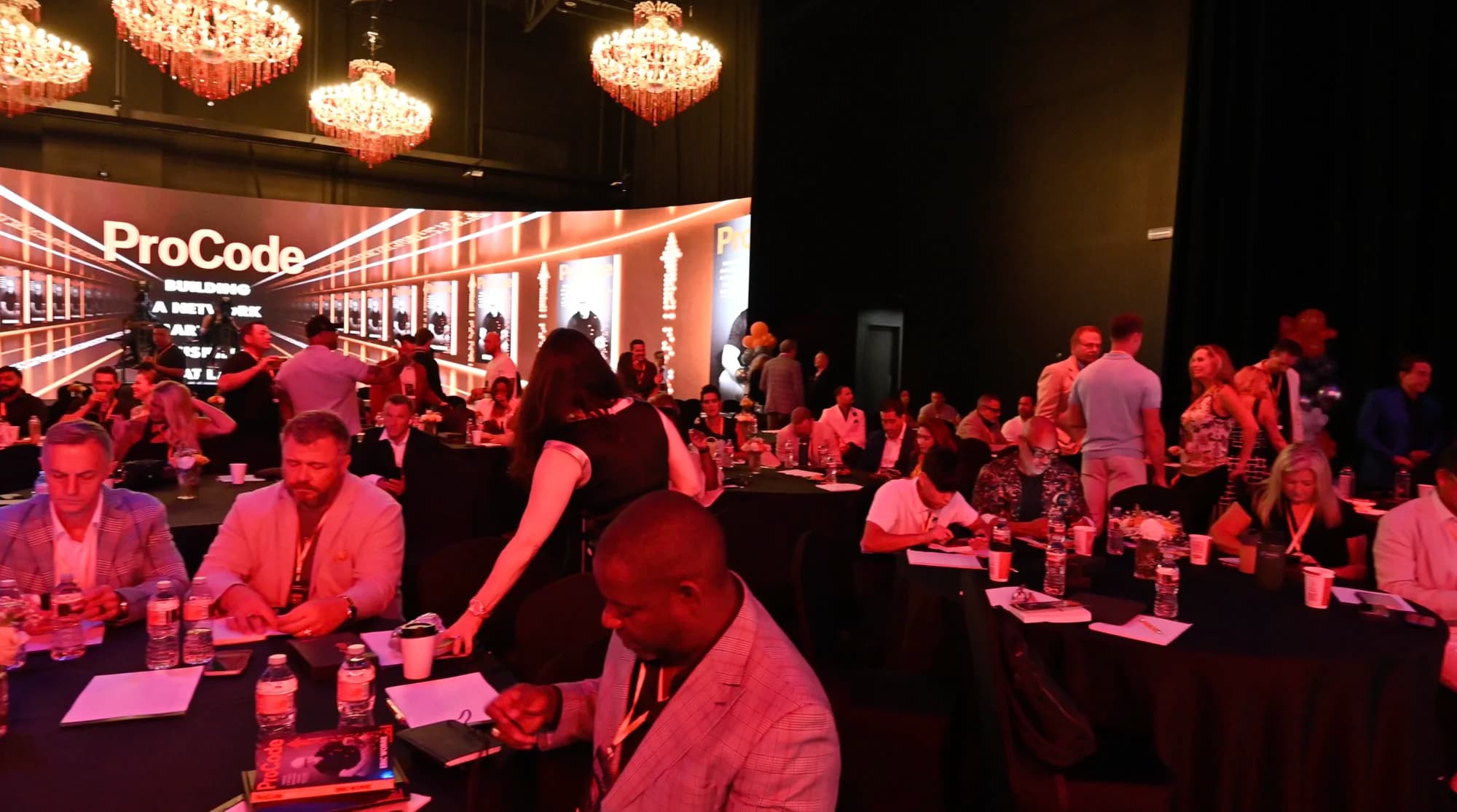
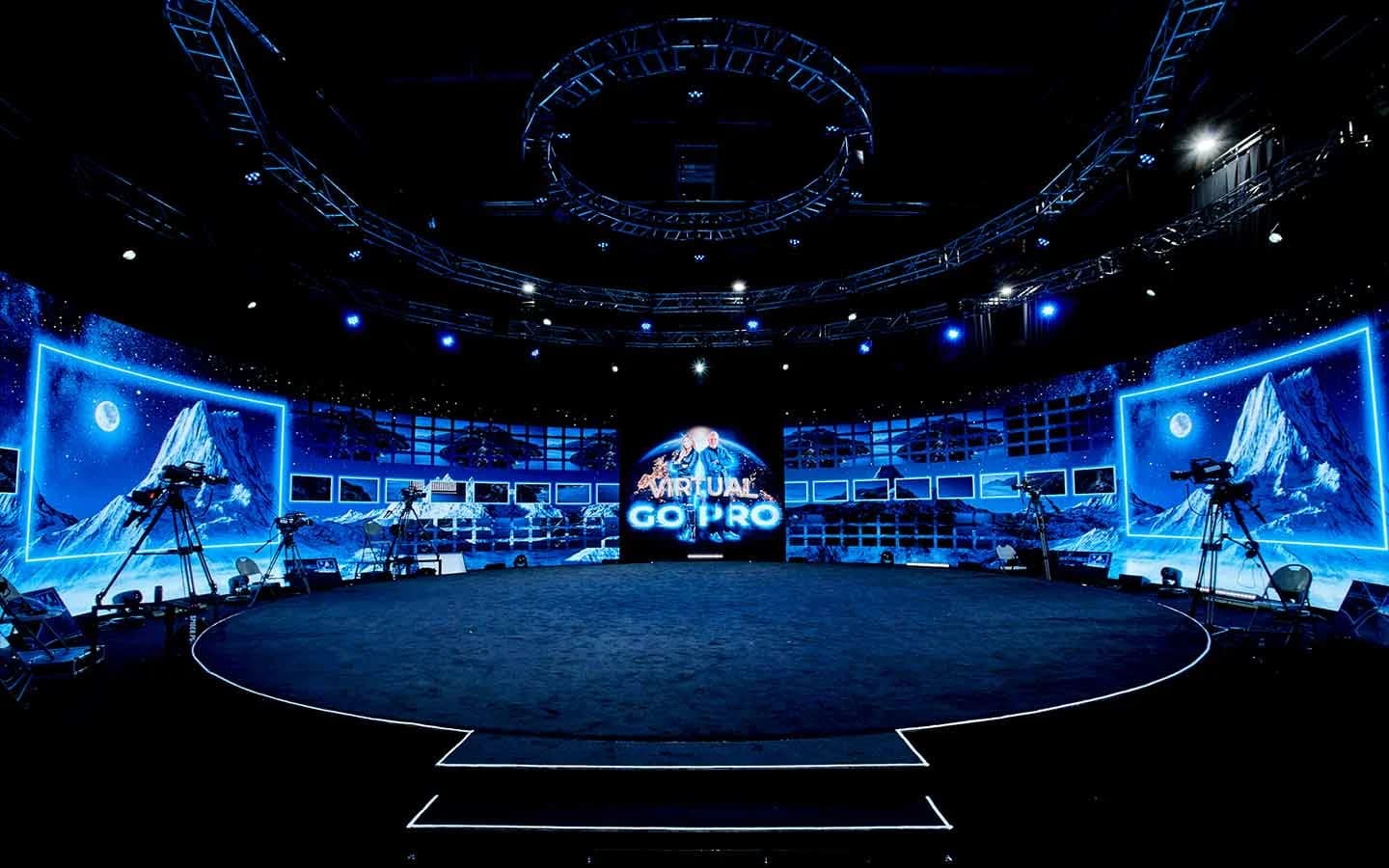
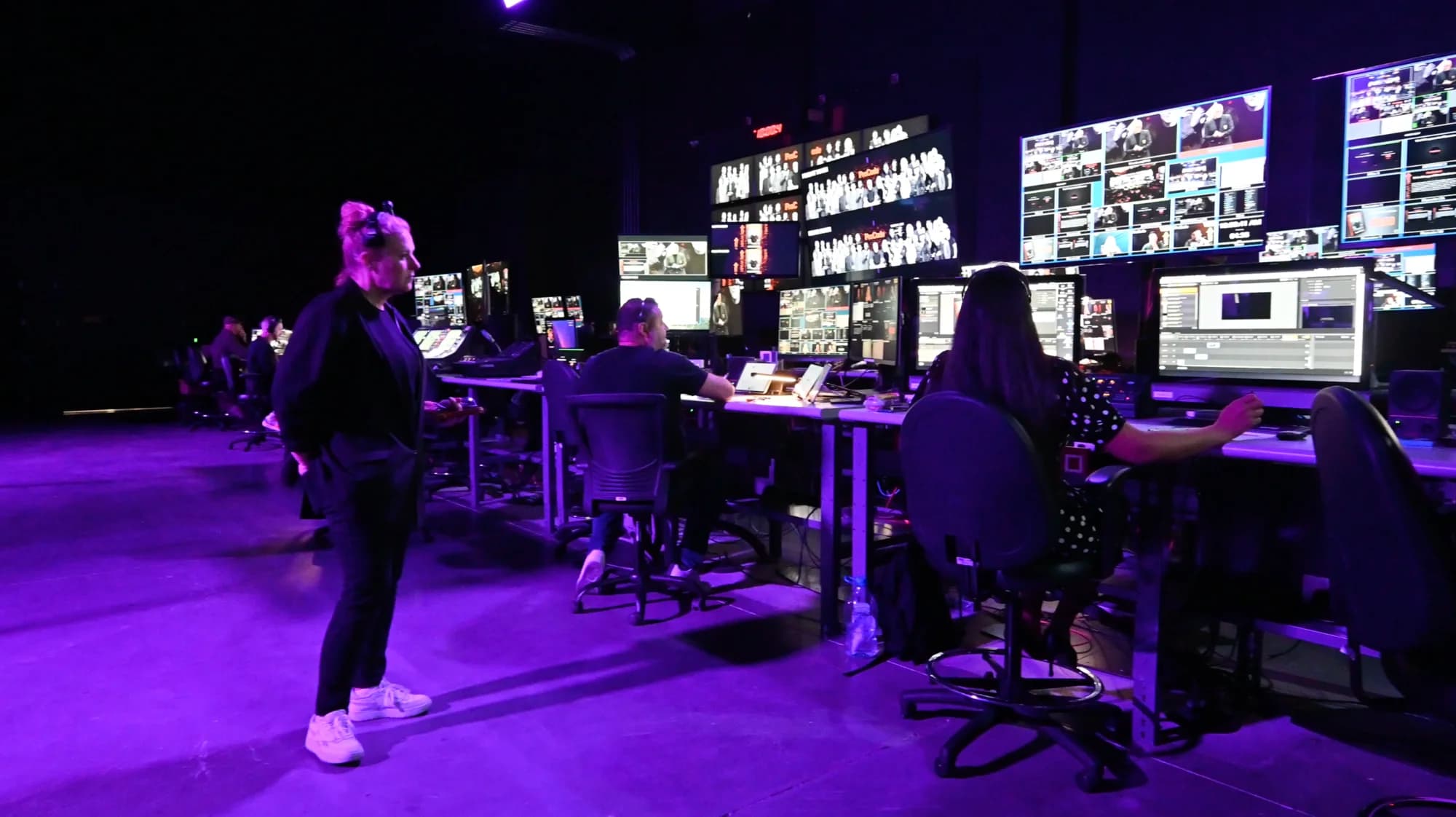
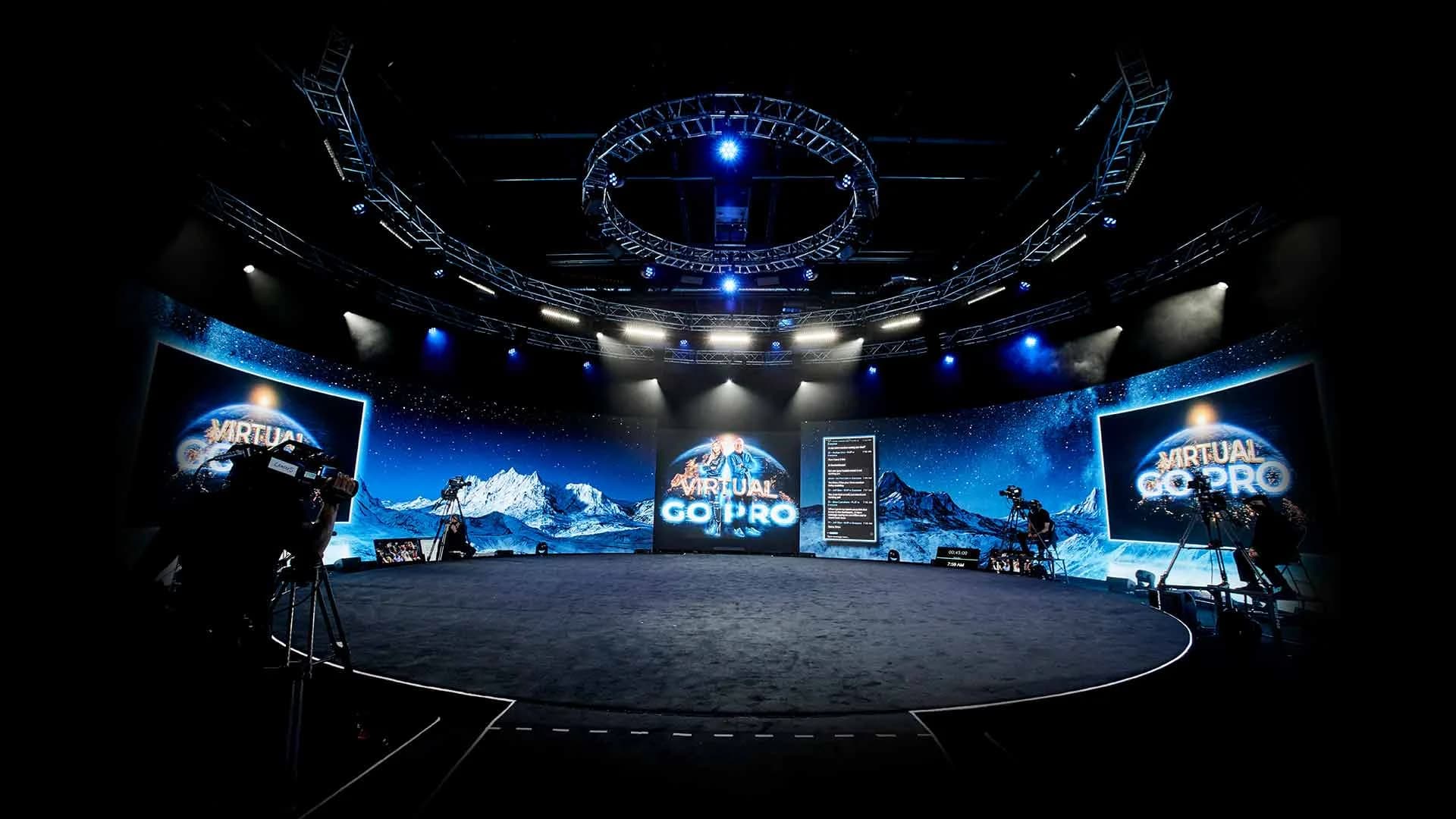
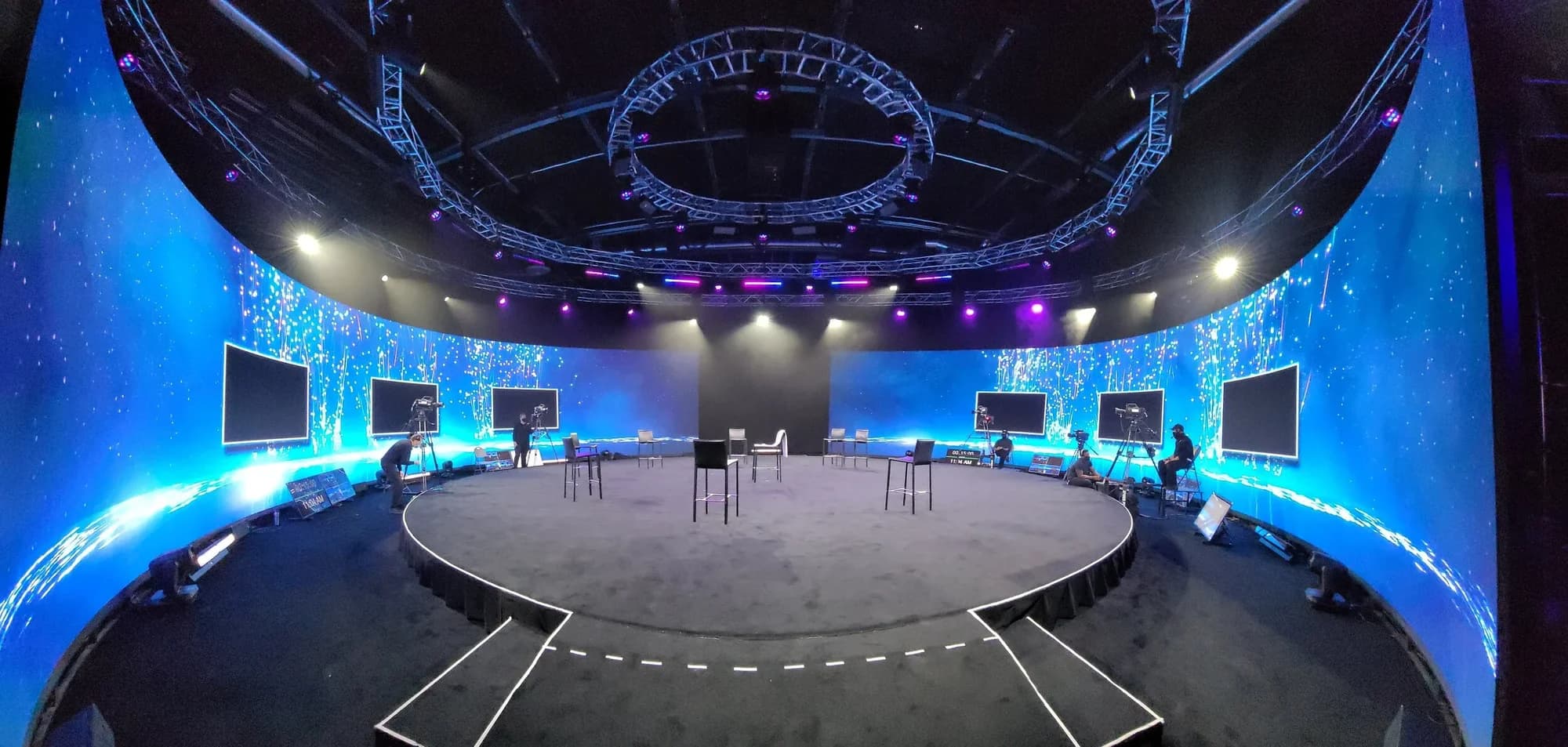
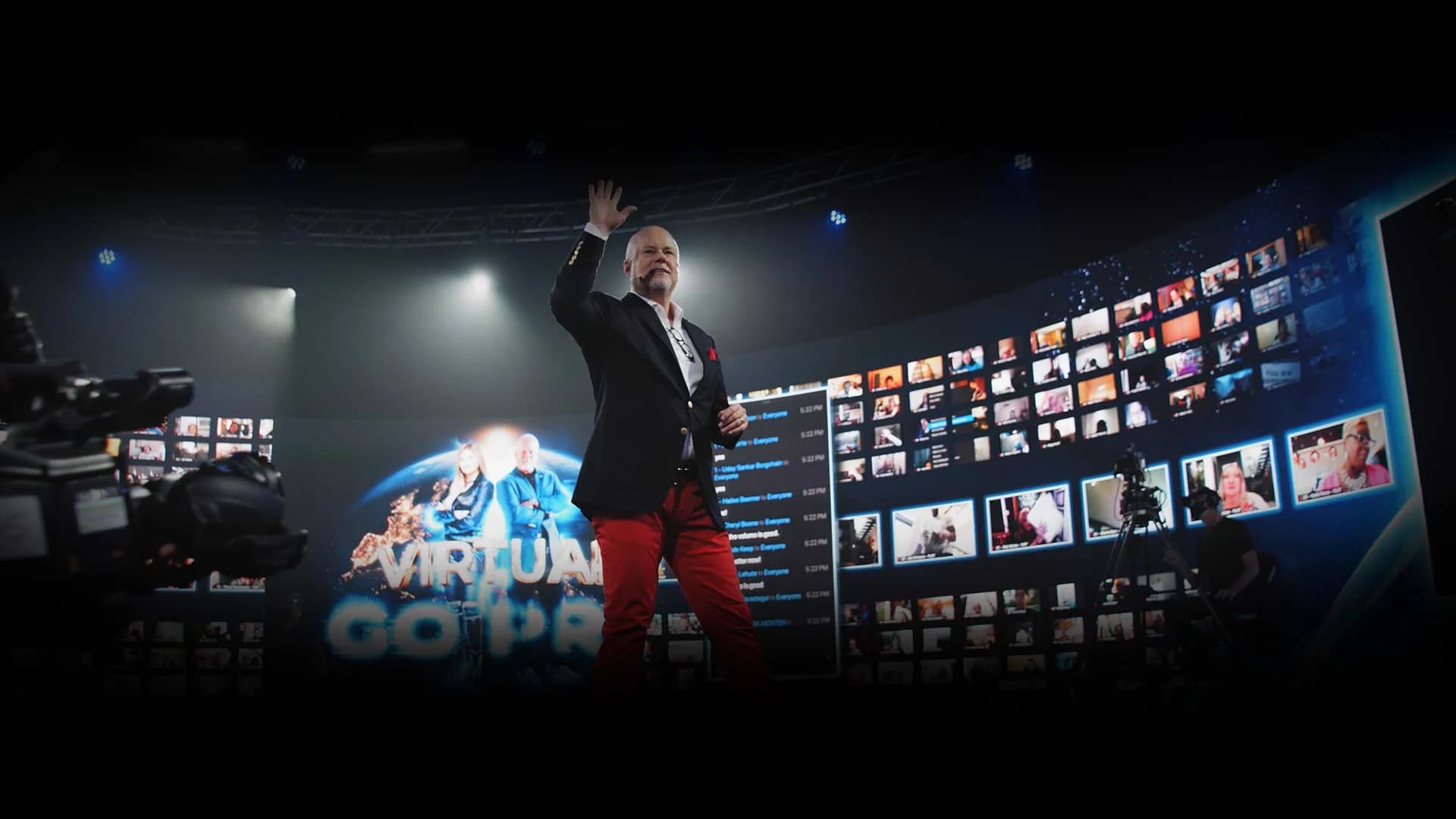
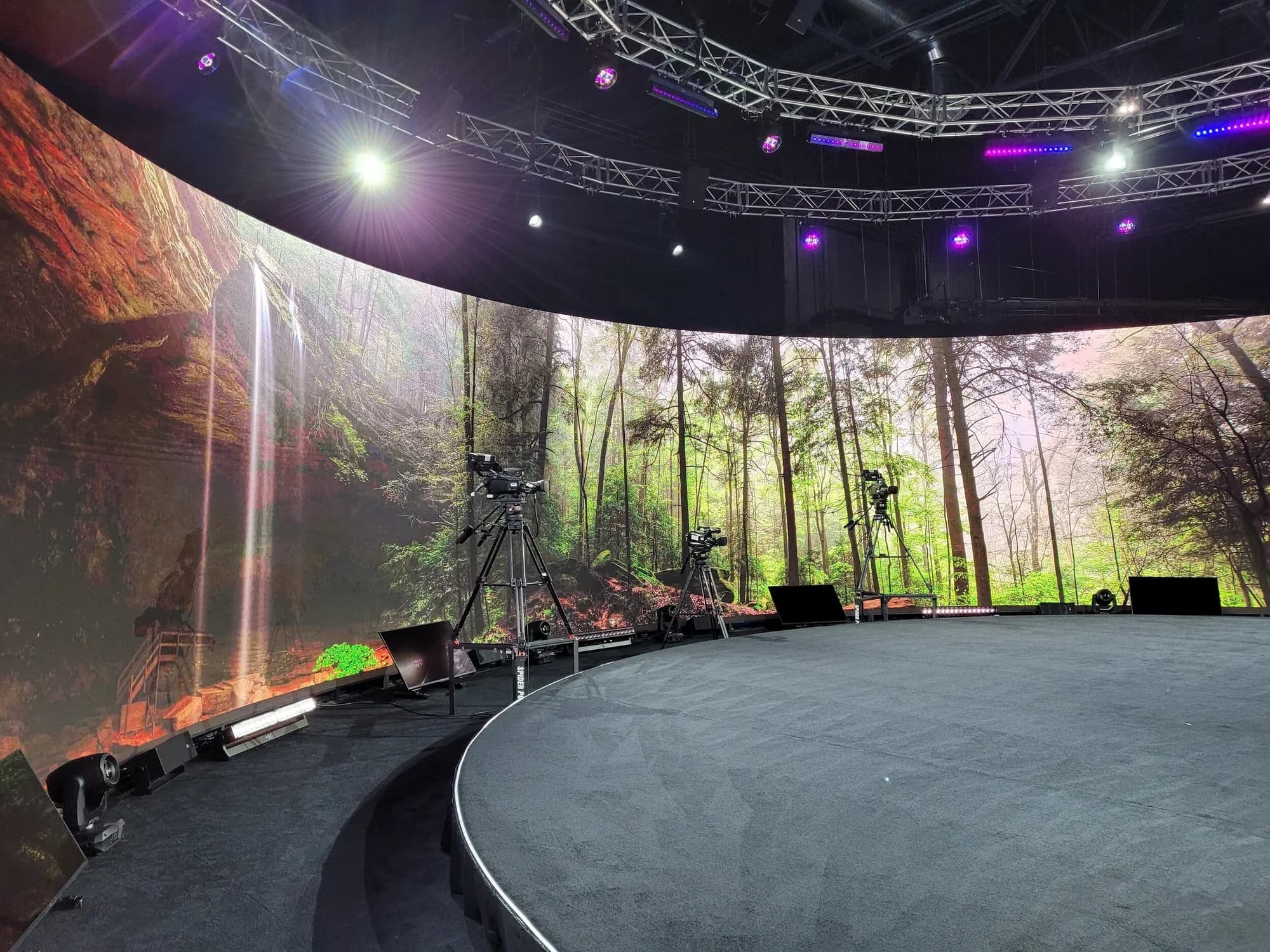
A dedicated studio venue inverts the model: for the hours of your event, there is nothing else on offer. Sessions, meals, and networking all happen inside the event — food and beverage run on-site, from executive dining to craft services — and the audience that arrives is the audience that's still there at the closing session. Attendees aren't captive; they're present, which is the thing you actually rented a venue to achieve.
There's a second-order effect planners underrate: shared focus compounds. When the whole audience moves through the same experience together — no one drifting off to a different property offering — the room develops the energy that hotel ballrooms are always chasing with production tricks.
Closing the Hotel Gap
The honest half of the objection remains: guests do need somewhere to stay. Here's how the model handles it — and why "no connected hotel" doesn't mean "no hotel."
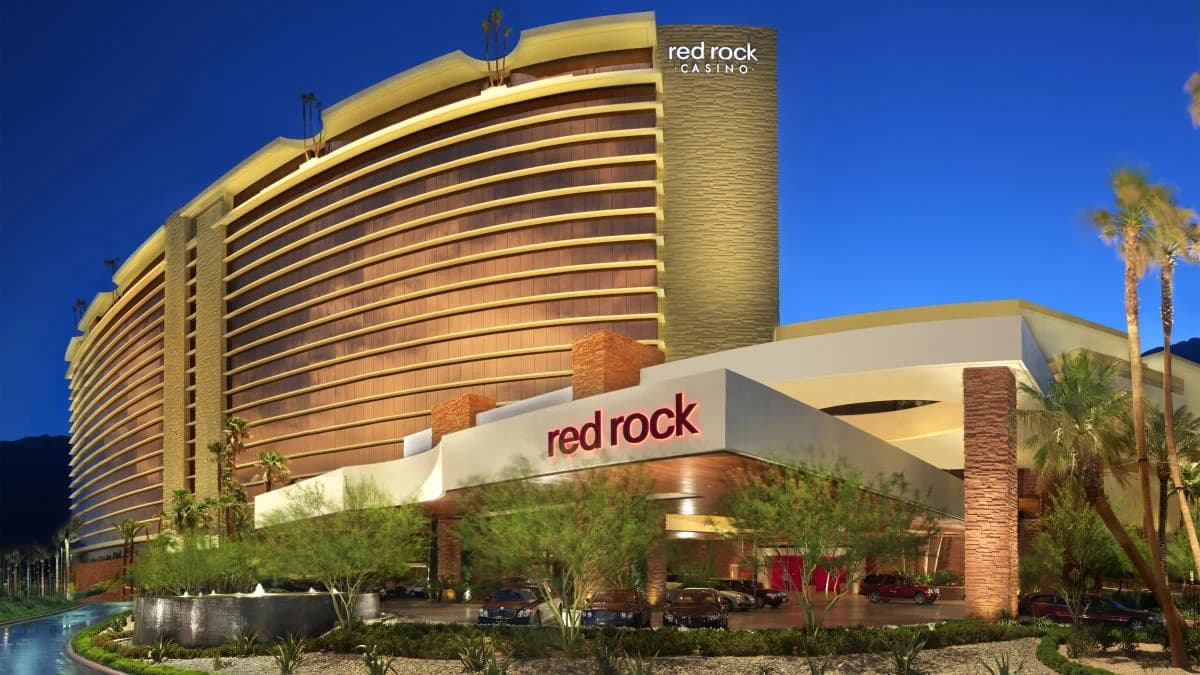
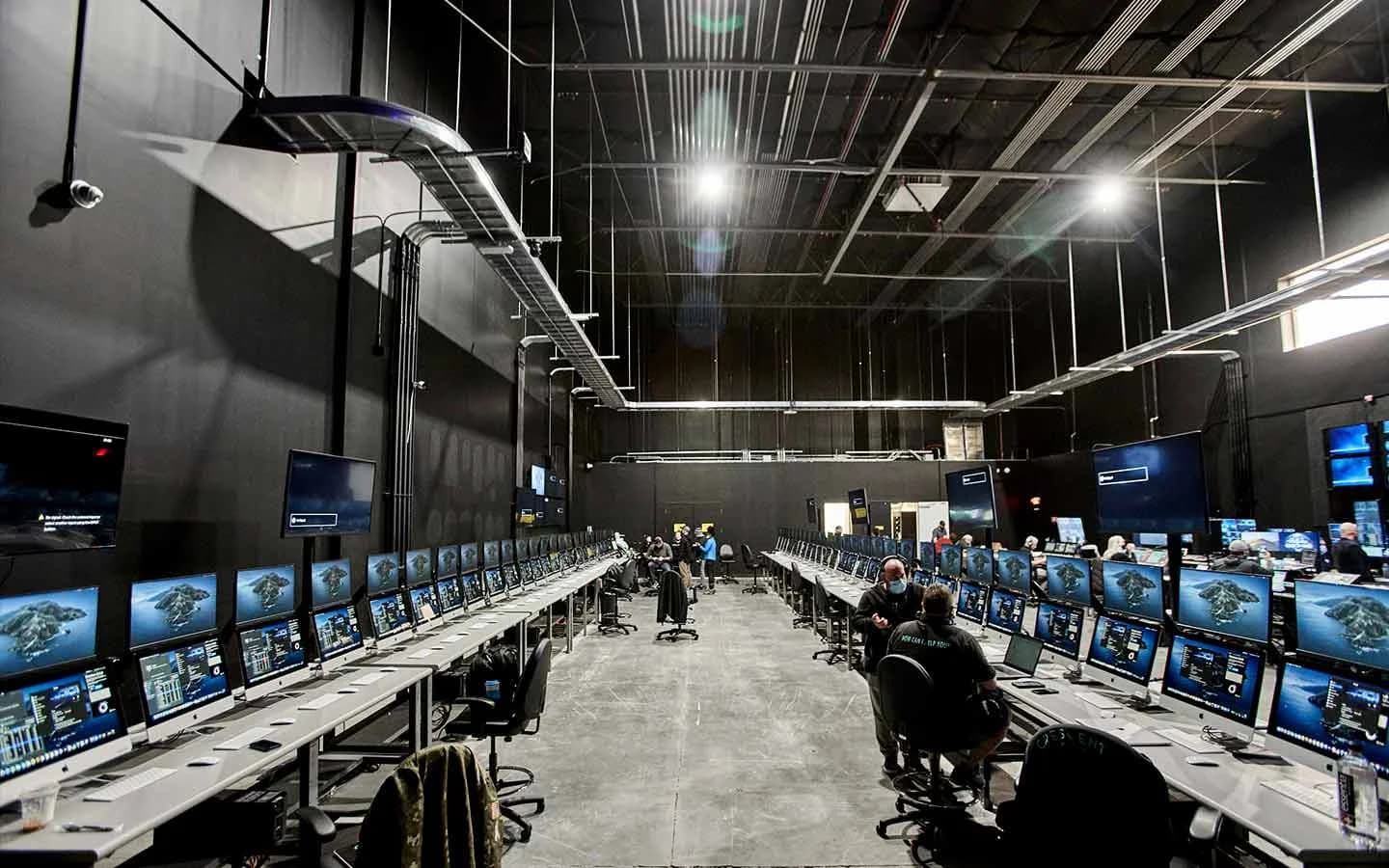
Room blocks run through partner properties across Las Vegas — Mandalay Bay on the MGM side, extending across most MGM properties, and the Station Casinos family including Red Rock Resort, Durango, Green Valley Ranch, Palace Station, Sunset Station, Boulder Station, and Santa Fe Station — matched to your audience's budget and geography. Transportation is produced as part of the event: buses and shuttles on schedule, private cars and charters where the guest list calls for them, and shuttle operations that have handled events with 400+ cars' worth of attendees. Guests get a full Las Vegas hotel experience on their own time; your event gets their full attention on yours.
The trade, in one line from our planning conversations: dedicated attention among attendees, with an easy transition from hotel to studio — the best of both worlds.
The Better Question
"Is there a connected hotel?" is a proxy for the real question: whose environment will my event happen in? If the answer needs to be yours — your brand on every surface, your audience participating rather than drifting, your content holding the room to the final session — the hotel corridor was never going to deliver it. Logistics are solvable; attention isn't retrofit-able.
Bring your headcount and your dates to a studio inquiry and the room-block and transportation plan gets scoped alongside the event itself.
Frequently Asked Questions
Room blocks are arranged at partner properties across Las Vegas — including Mandalay Bay and most MGM properties, and Station Casinos resorts like Red Rock, Green Valley Ranch, and Durango — matched to your audience and budget, with transportation between hotel and studio produced as part of the event.
Scheduled shuttles and buses for the general audience, private cars and charters where needed — planned into the event's run-of-show. Large events have run shuttle operations handling 400+ cars' worth of attendees.
The pattern runs the other way. Hotel events lose attendees to the property itself — the casino, the pool, competing functions. A self-contained venue holds its audience through the full program, because the event is the only thing happening.
They get all of it — evenings and off-hours at their hotel put the full Las Vegas experience on their own time. The separation works in both directions: the event owns event hours; guests own the rest.
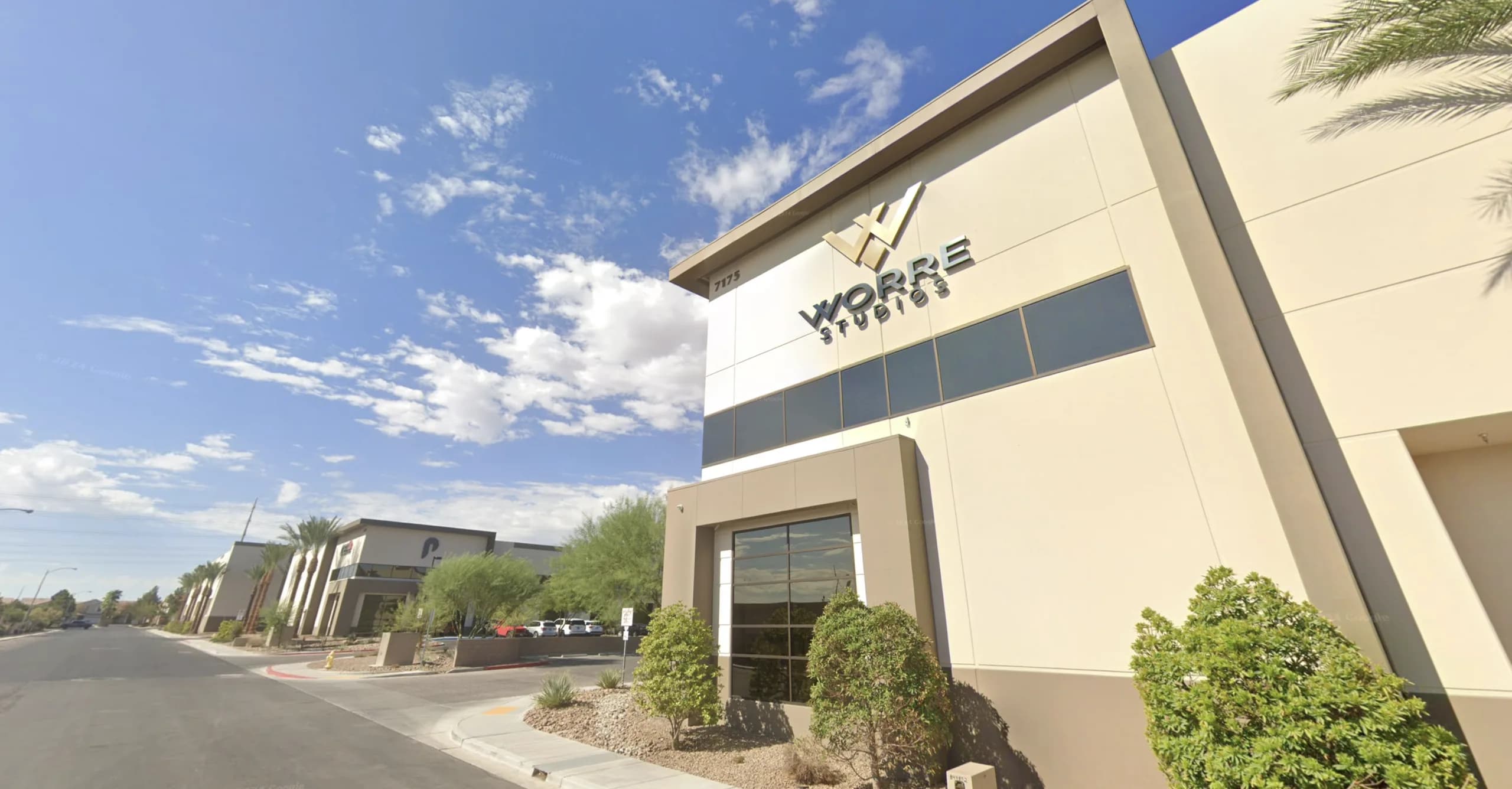
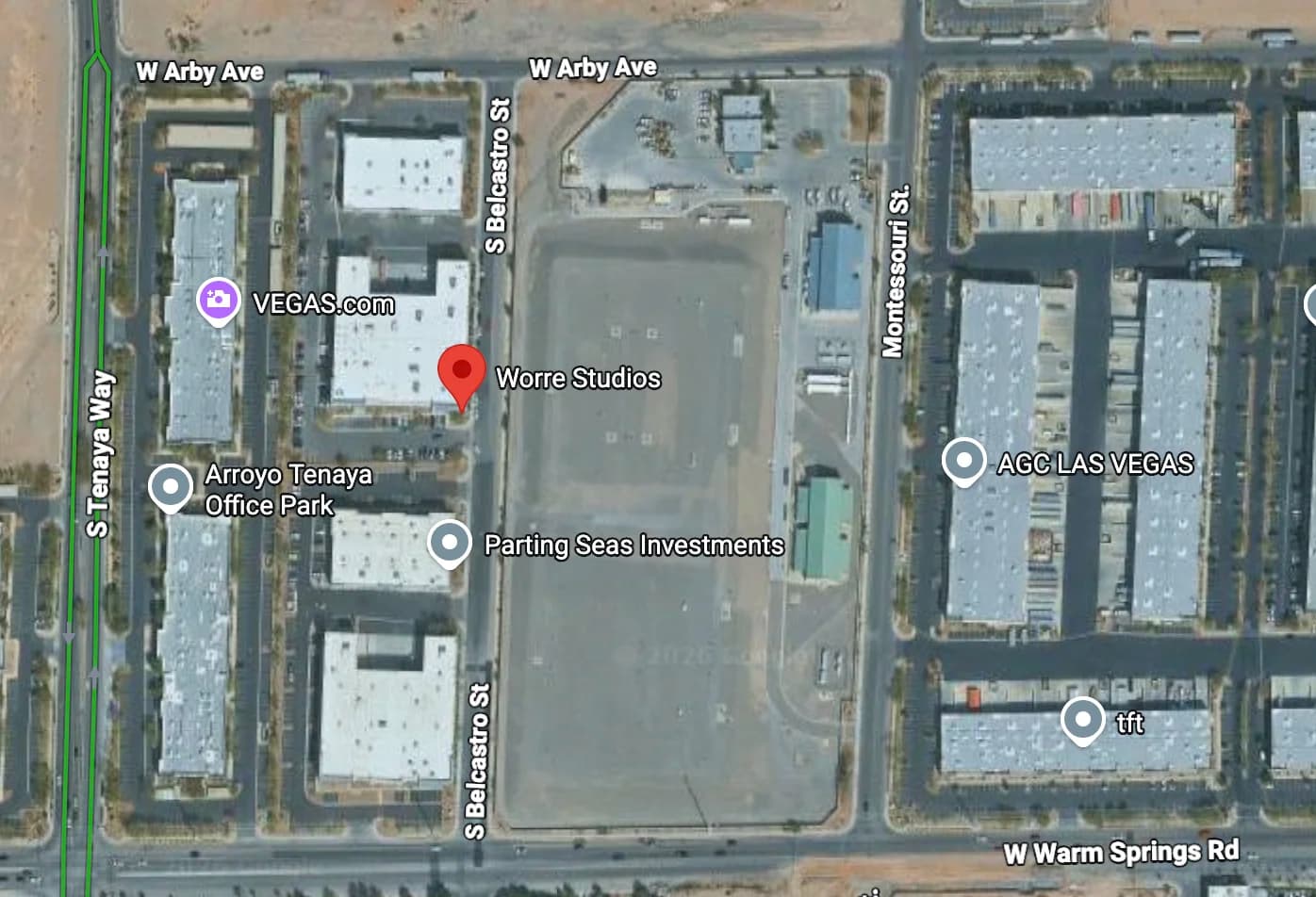
No — the studio sits in southwest Las Vegas with easy access to both public and private airports, plus direct load-in for production. Arrival logistics are part of the same planning conversation as room blocks and shuttles.

Written by the Worre Studios Content Team and reviewed by Miko Hilton, Event Manager. The hotel partnerships, transportation capabilities, and logistics described reflect the studio's confirmed partner network and delivered events. Last reviewed July 5, 2026.
More from The Front Row
Give the Hotel the Nights. Give Your Event the Days.
Bring your headcount and dates — we'll scope the room blocks, the shuttles, and the event they're all pointed at.