

LED Volume vs. Green Screen vs. Soundstage: Which Stage Does Your Shoot Need?
On this page
A green screen replaces the background later. An LED volume gives you the background now, in camera, with real light falling on your talent. A traditional soundstage gives you a controlled empty box and nothing else. Pick the green screen when the environment isn't designed yet, the volume when reflection, eyelines, and same-day sign-off matter, and the soundstage when you're building the world physically.
Key Takeaways
- The real difference isn't picture quality. It's when the background gets decided: on the day, or months later in post.
- An LED volume lights your subject with the scene itself, so reflective surfaces, glass, chrome, water, and hair edges come out right instead of getting fixed in compositing.
- Green screen is still the cheapest, fastest route when the environment is undesigned, fully CG, or likely to change after the shoot.
- A traditional soundstage wins when the story lives in physical sets, practical effects, or a build the camera has to move through.
- The three aren't exclusive. A stage whose LED walls can also key green or blue lets a single production run all three approaches without moving locations.
Every production that walks into film and TV production at the studio arrives with some version of the same question: do we need the LED wall, or would a green screen do the job for less? It's the right question to ask early, because the answer reshapes the schedule, the crew list, and the post budget. It's also the question most comparison guides answer badly, by treating it as a picture-quality contest. It isn't one.
The decision comes down to a single variable: at what point in the process does the background become real? Everything else follows from that.
The Three Stages, Side by Side
Each stage type solves a different problem. Reading them against each other on the attributes that change your production day is faster than reading three separate explanations.
| Attribute | LED Volume | Green Screen | Traditional Soundstage |
|---|---|---|---|
| Background exists | On the day, in camera | In post, weeks or months later | Physically, built on the floor |
| Lighting on talent | Cast by the scene itself | Rigged separately, matched later | Rigged to the practical set |
| Reflections and glass | Render naturally | Difficult, often hand-fixed | Render naturally |
| Director sees final frame | On the monitor, live | After the composite | On the monitor, live |
| Post-production load | Low | High | Low |
| Best for | Reflective subjects, live audiences, tight post timelines | Fully CG worlds, undecided environments, VFX-heavy work | Practical sets, stunts, physical effects |
When a Green Screen Is Still the Right Call
Green screen gets treated as the outdated option. It isn't. It's the correct tool whenever the background genuinely doesn't exist yet.
If the environment is a fully computer-generated world, if the creative team is still arguing about it, if the client will want three versions for three markets, or if a VFX house is already budgeted to build it, keying is the efficient path. You shoot the performance, protect the plate, and decide the world later. Nothing about an LED wall improves a shot whose background will be replaced anyway.
Green screen also stays the right call for heavy compositing: crowd multiplication, wire removal, digital doubles, set extensions well past what any wall could physically display. Work like that lives in post regardless of what the stage looked like.
The costs are the familiar ones. Green spill lands on skin, hair, and wardrobe and has to be pulled back out. Reflective surfaces, glass, chrome, liquid, anything wet, become expensive problems. The talent performs against nothing. And nobody, director included, sees the actual shot until the composite comes back.
Green screen doesn't cost less. It moves the cost from the shoot day to the post schedule.
What an LED Volume Does That a Green Screen Can't
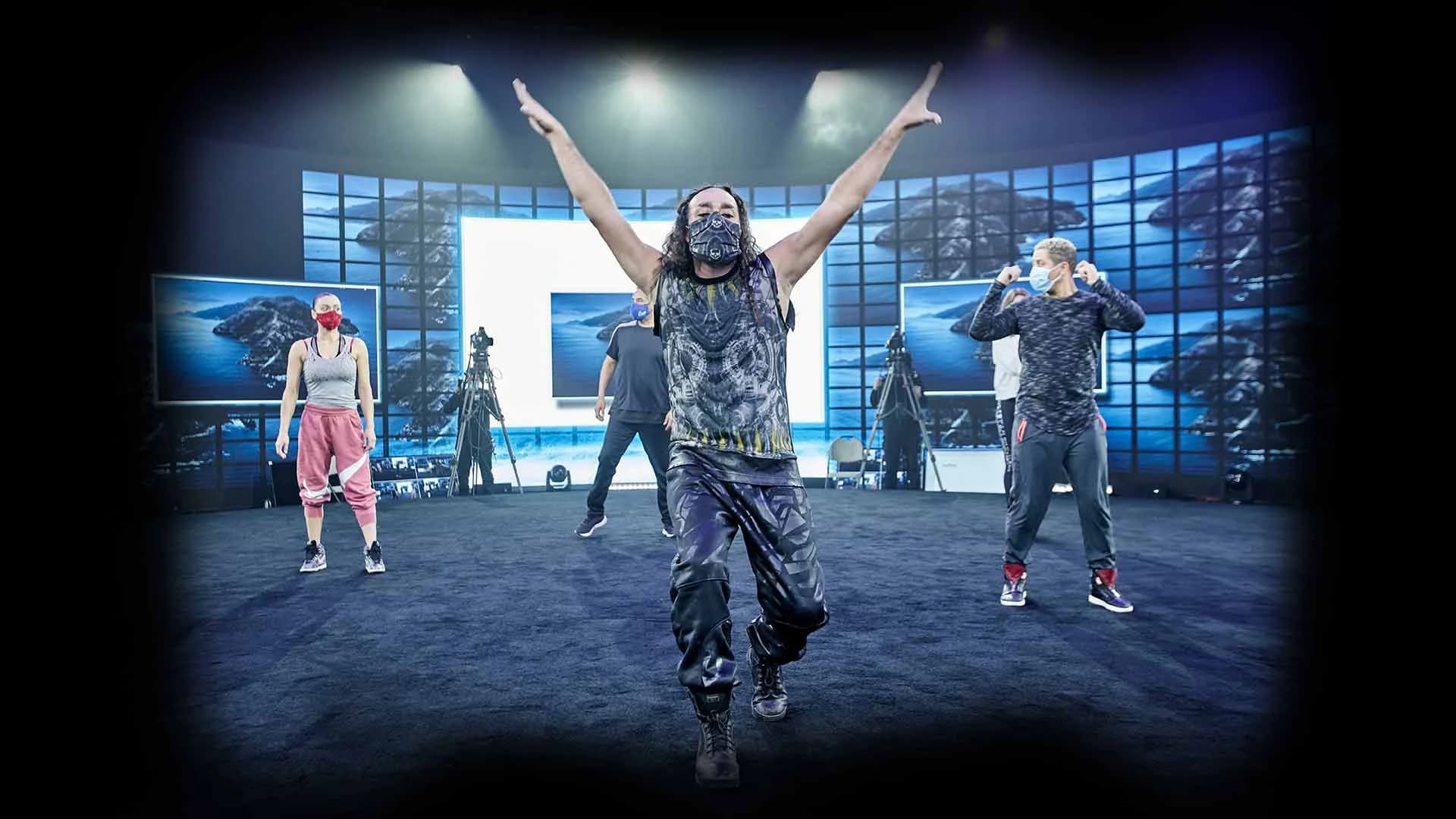
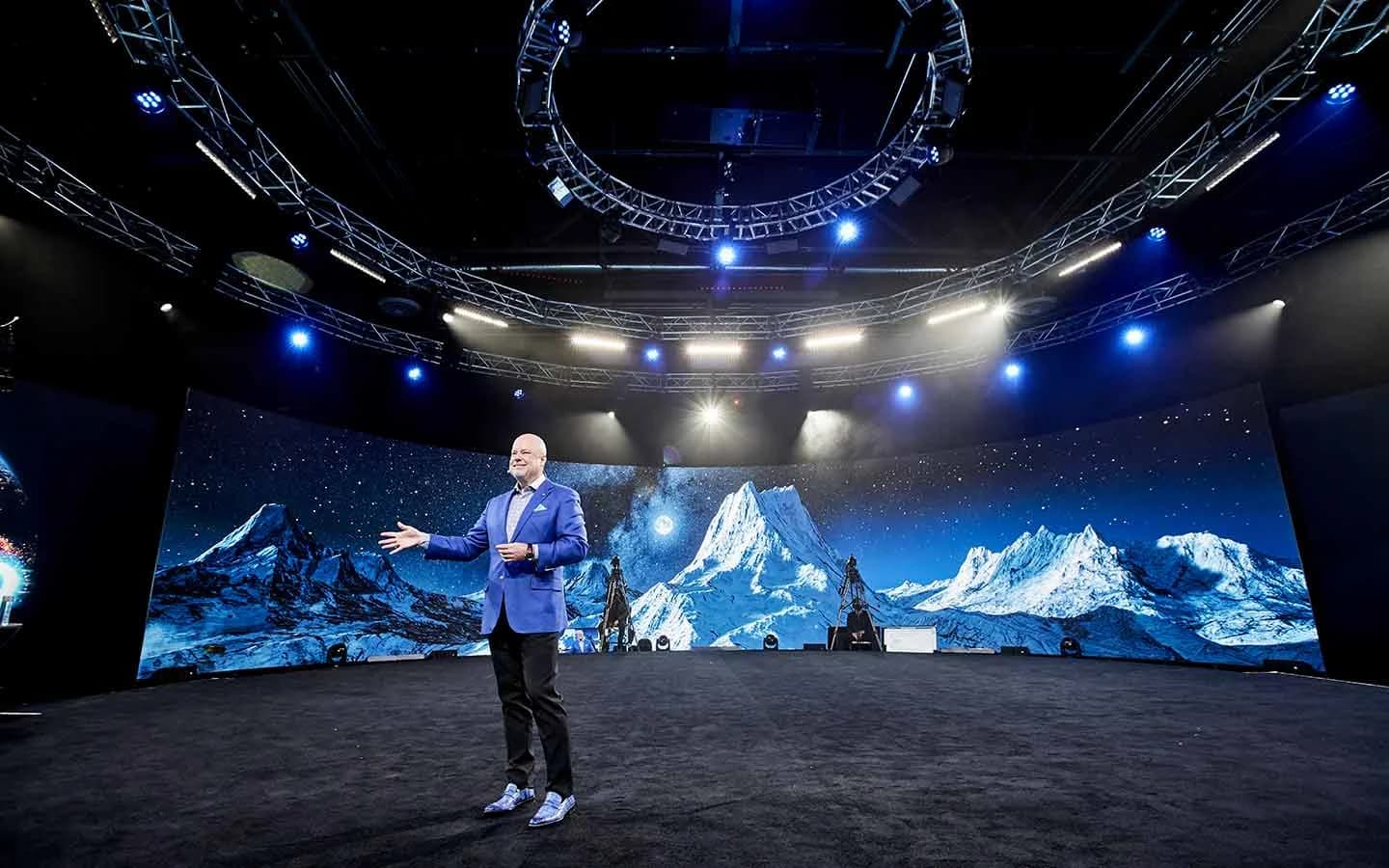
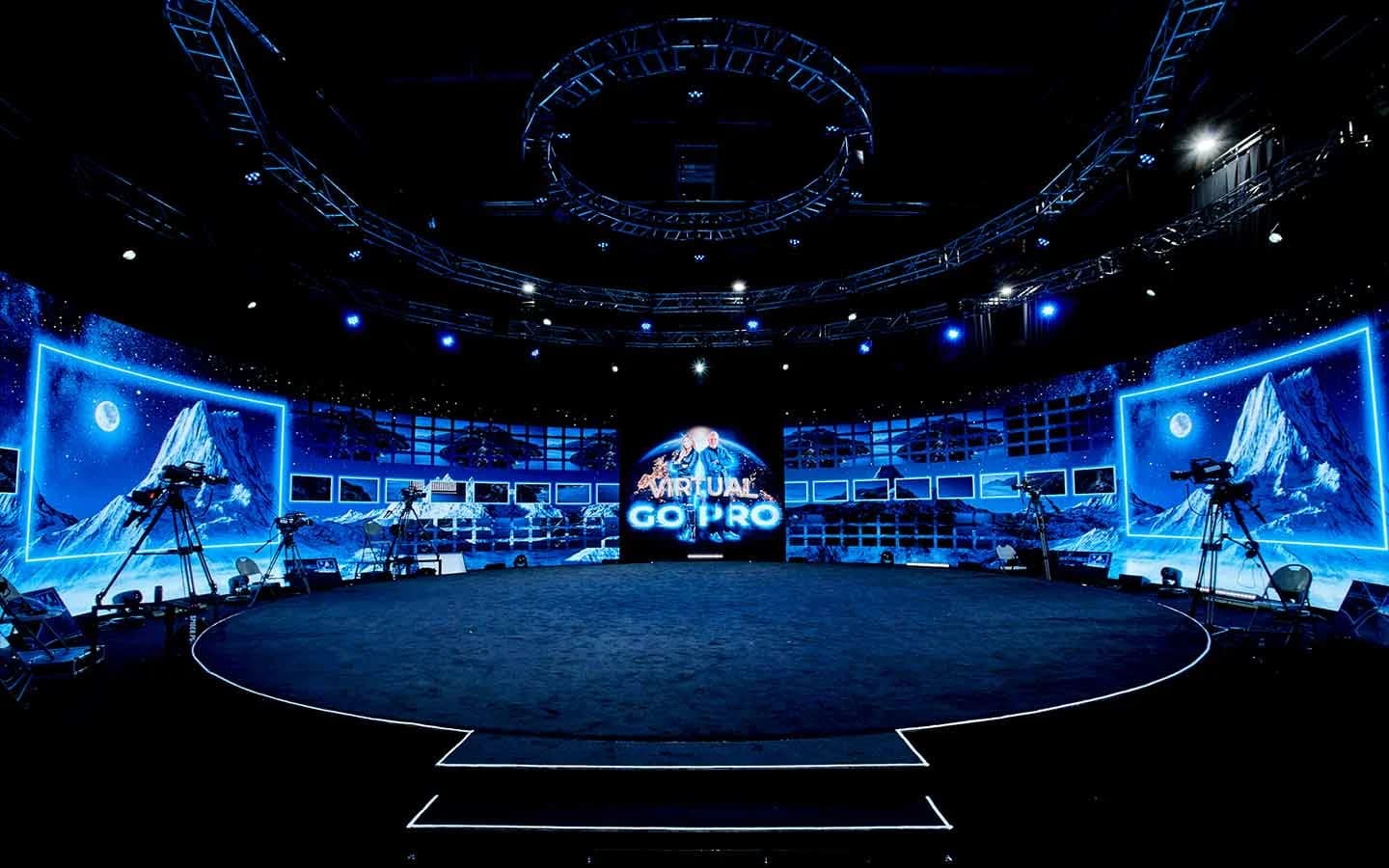
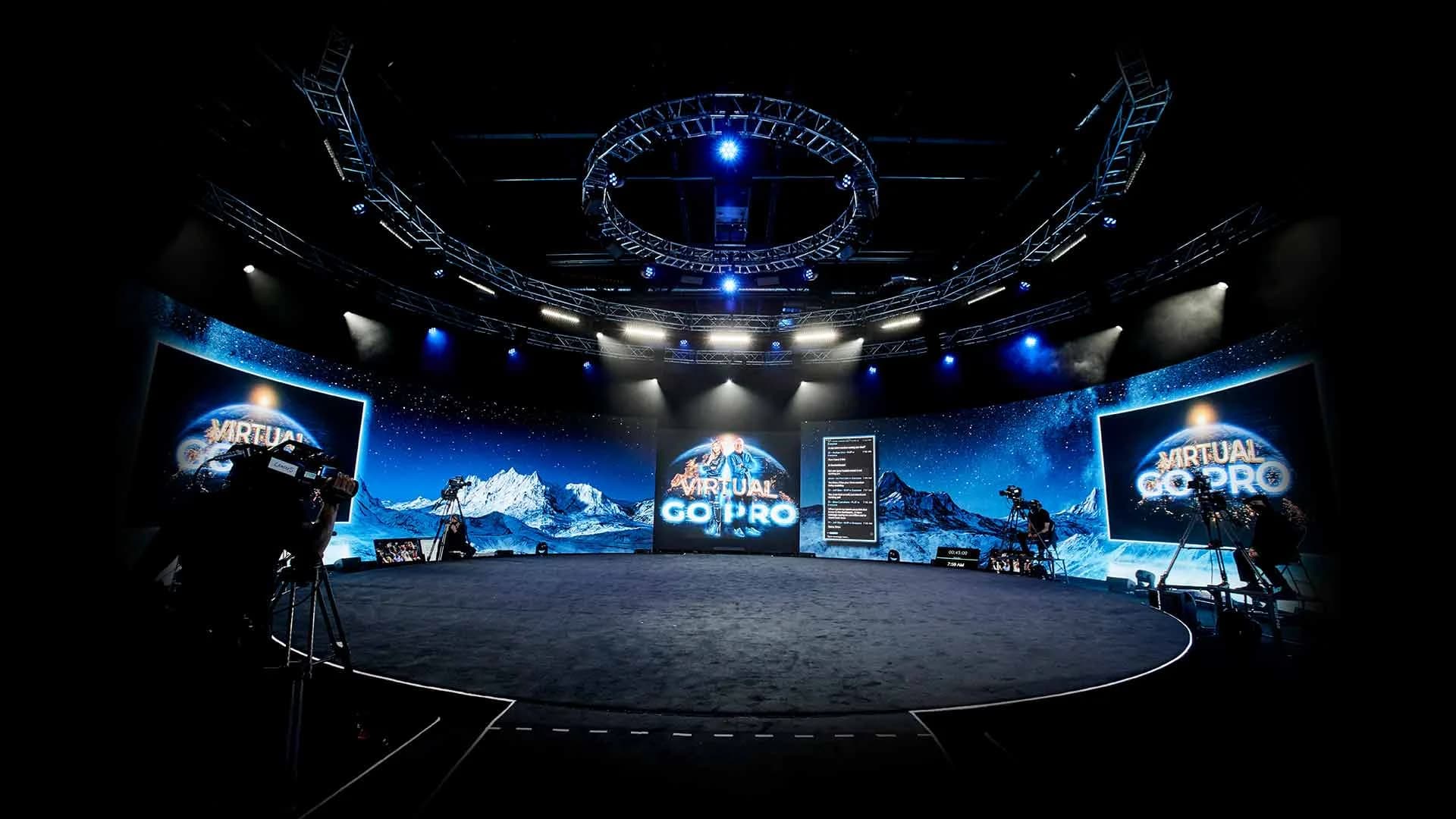
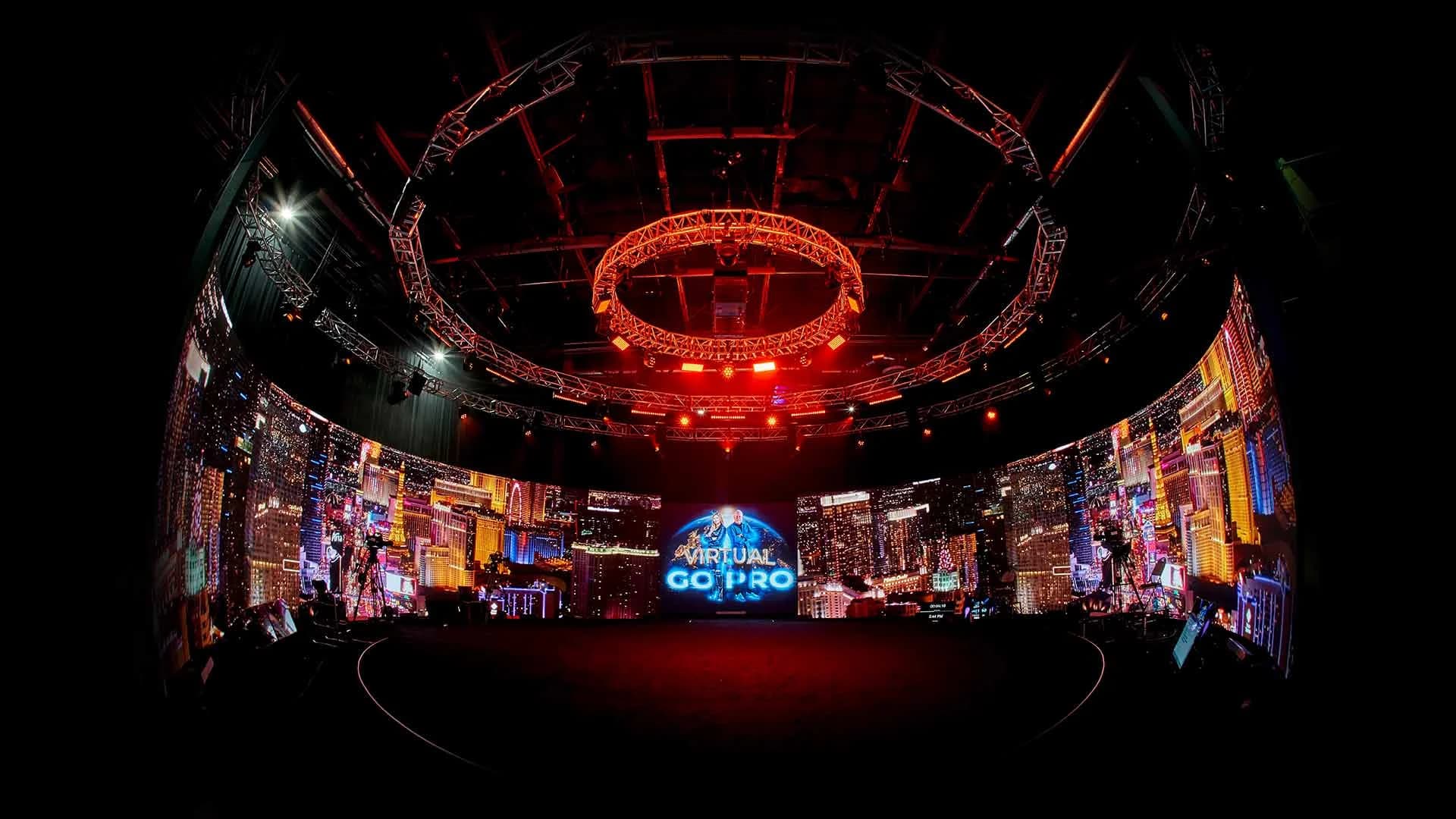
An LED volume is a stage enclosed by high-resolution LED walls that display a photographic or rendered environment while you shoot against it. The background is captured in camera, at the same moment as the performance. If you want the full picture of the format, we've written separately about what a 360° LED volume can actually do.
The advantage people expect is the picture behind the actor. The advantage that actually changes the day is the light coming off it.
A volume is a very large, very controllable light source wrapping the performance area. A neon-lit street throws neon onto faces. A sunset warms one side of the subject and cools the other. Chrome reflects the environment it's standing in, because it is standing in it. None of that gets estimated and matched in post. It's simply correct on the plate.
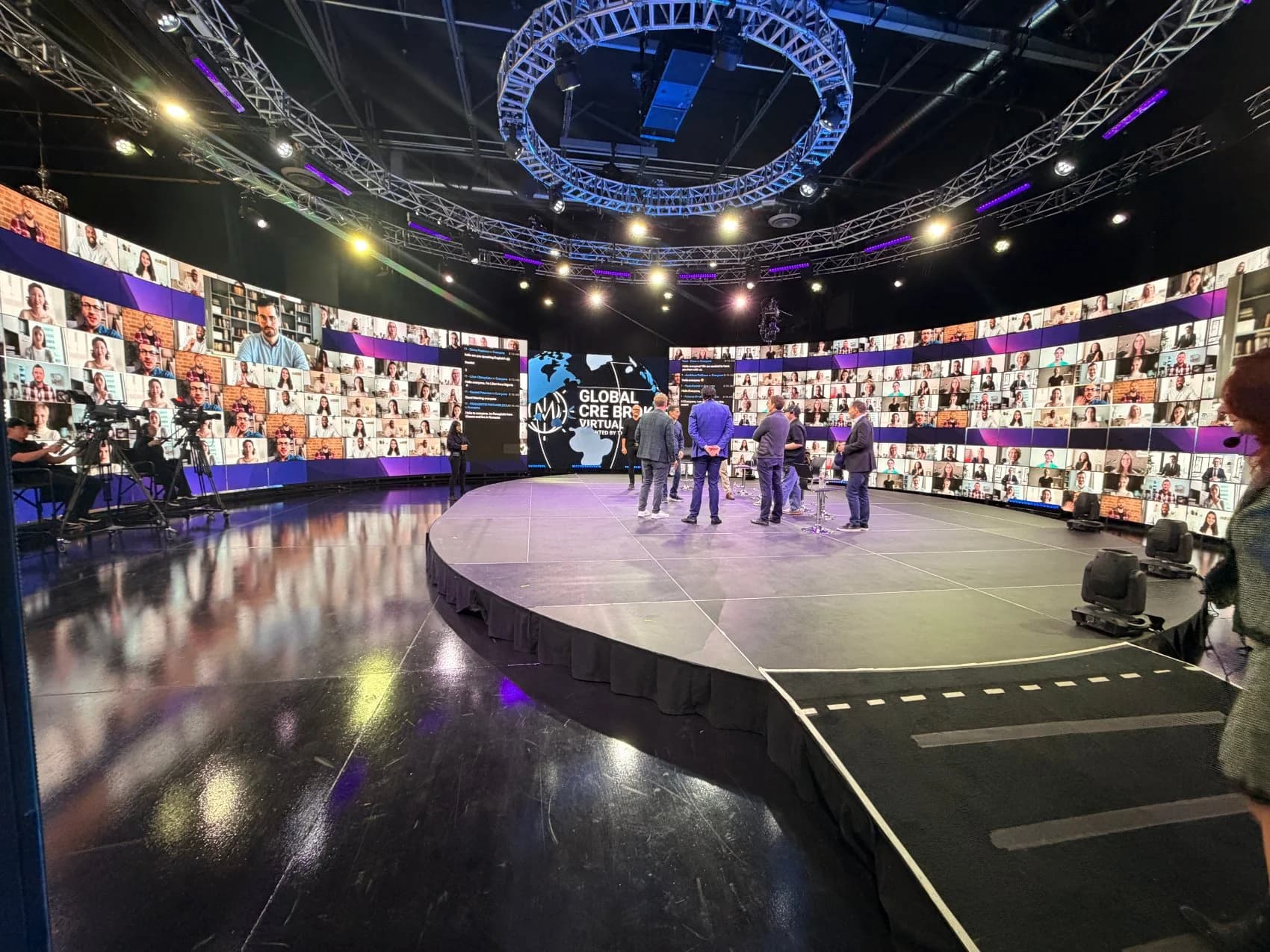
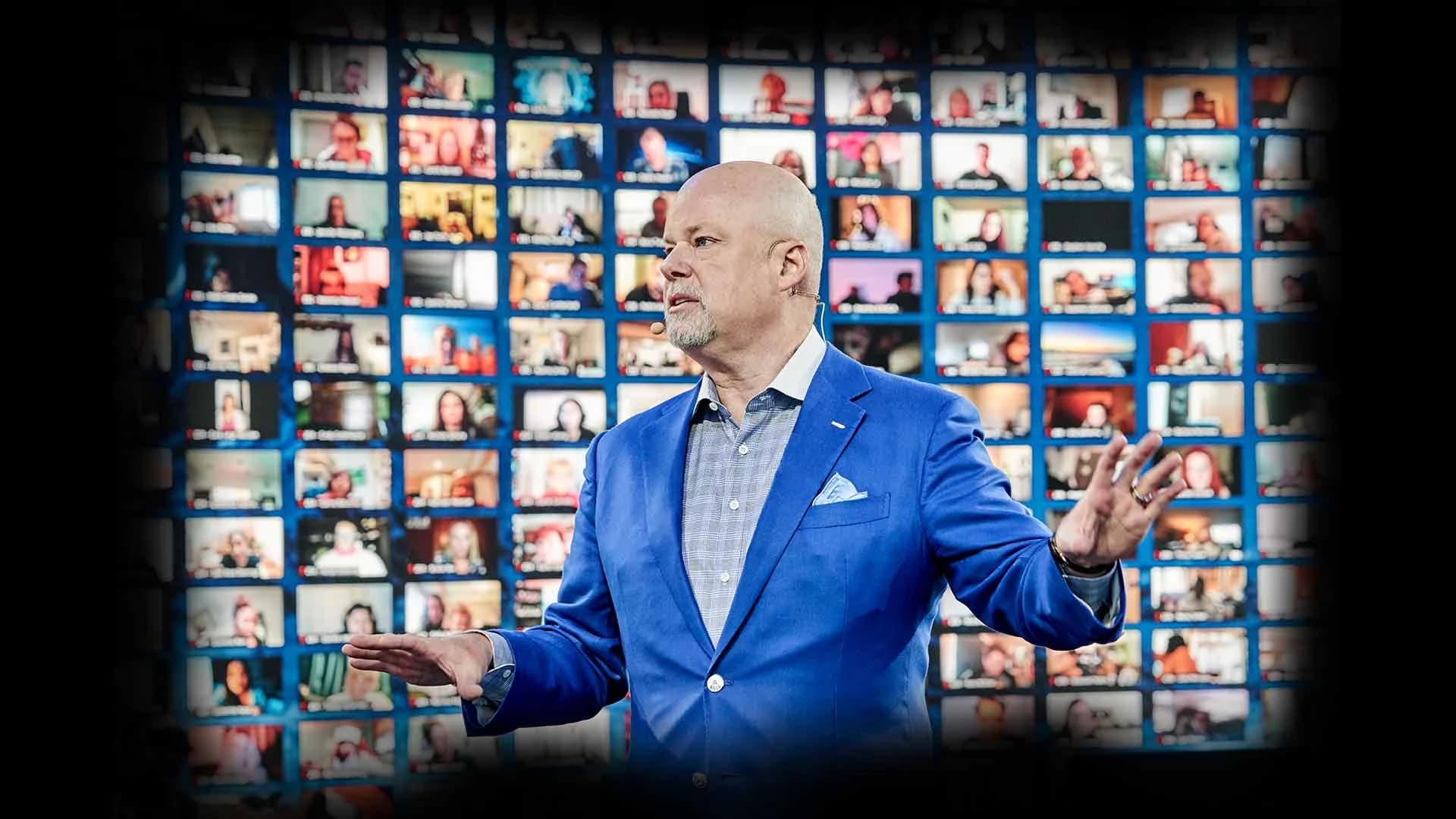
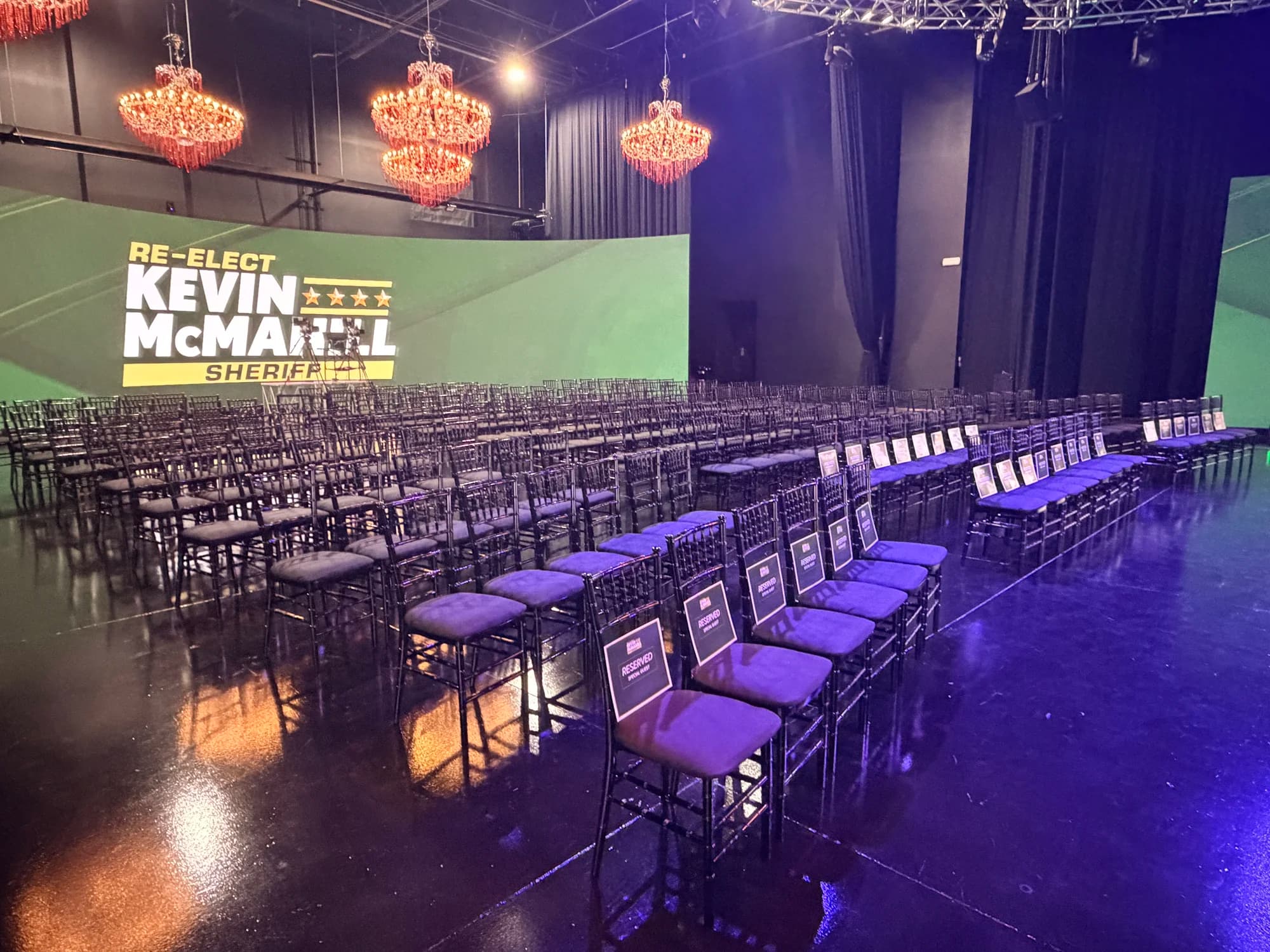
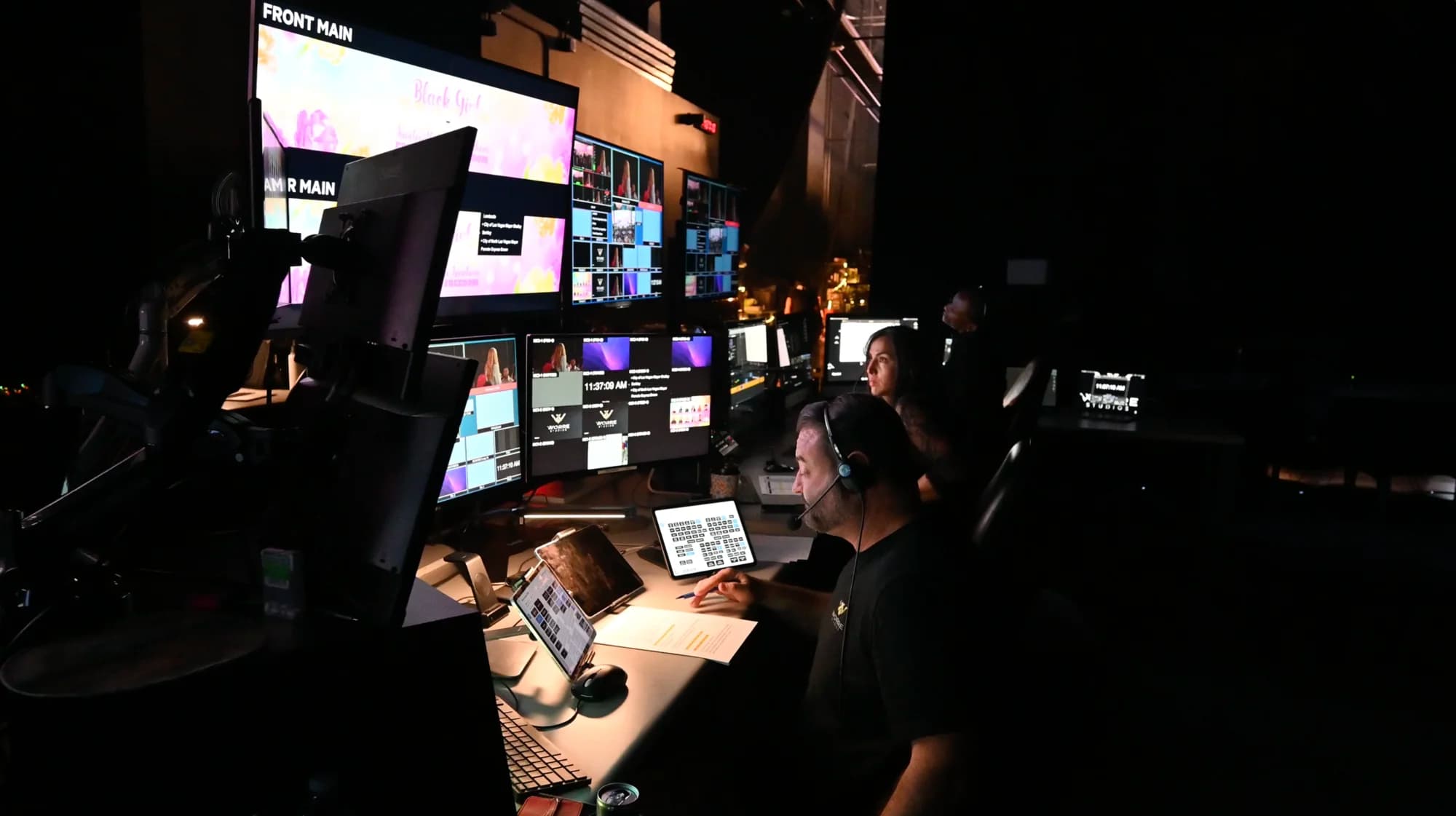
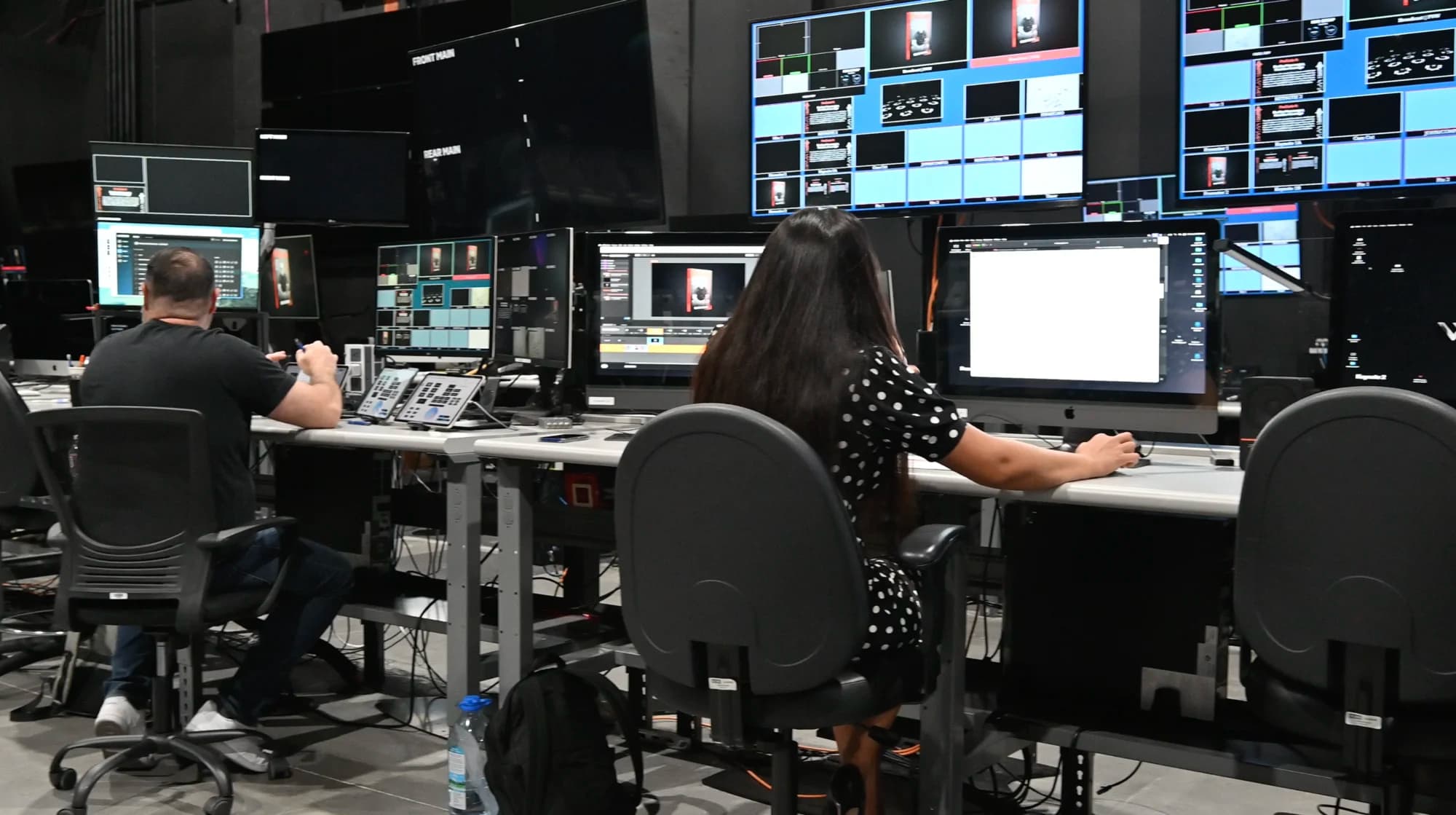
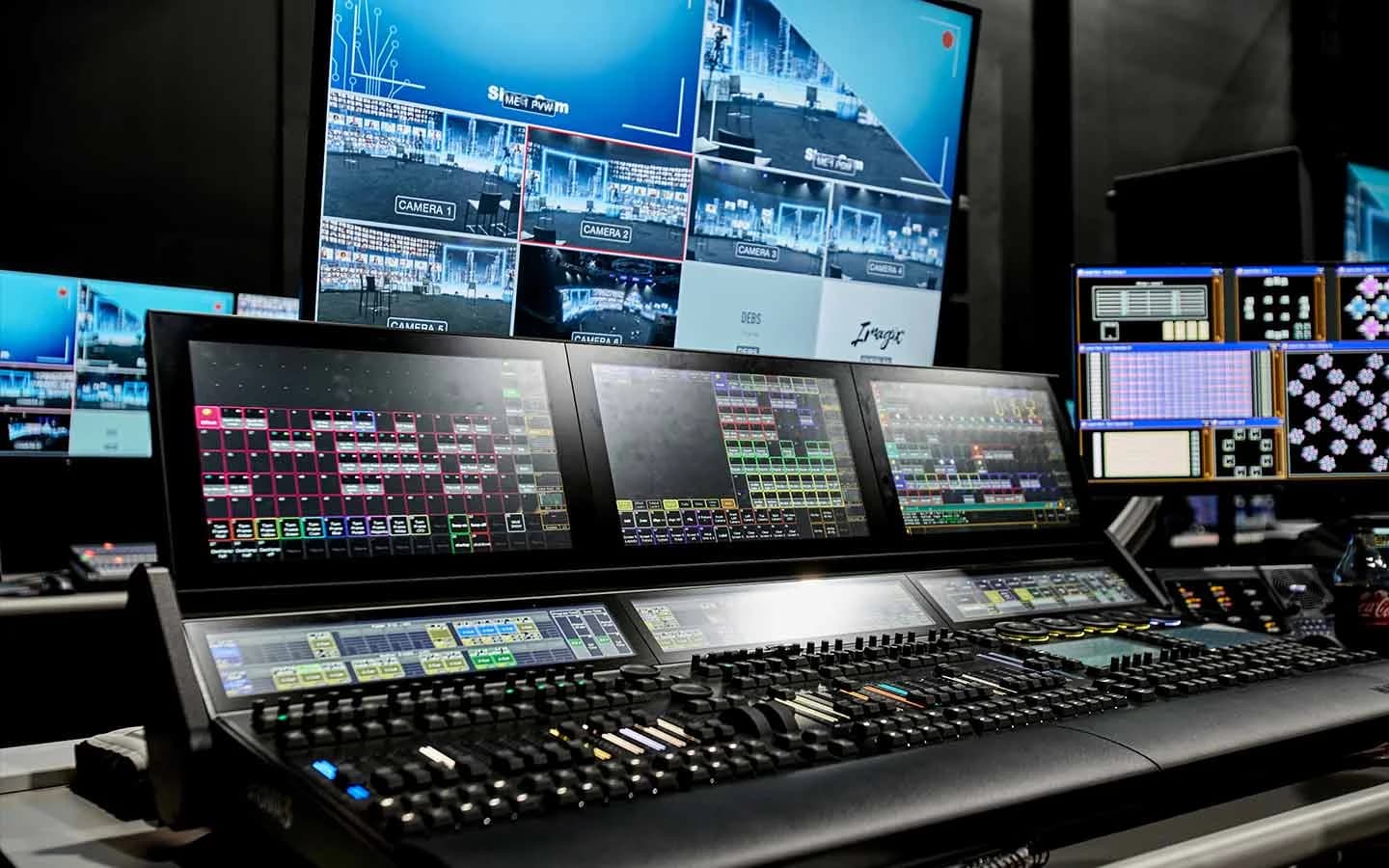
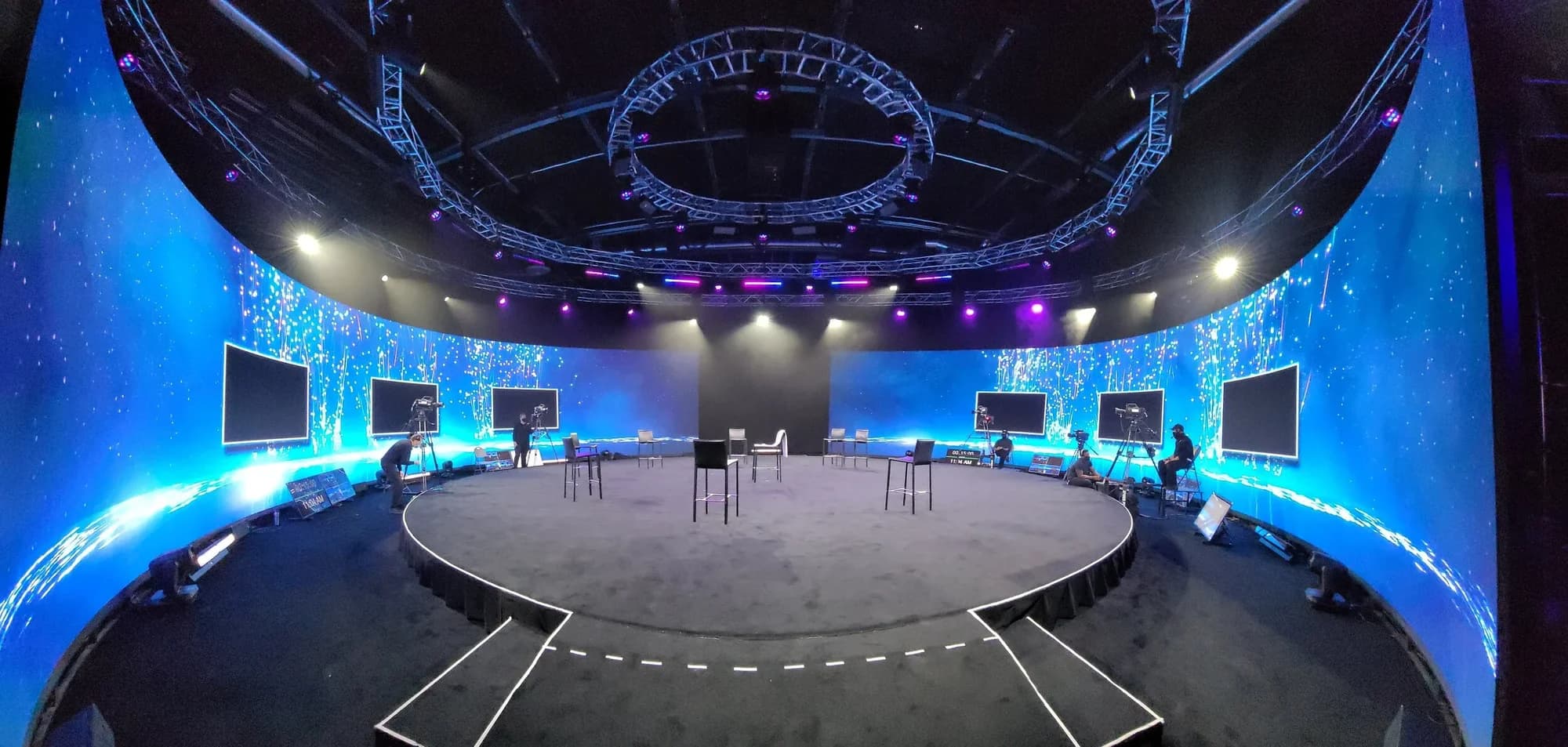
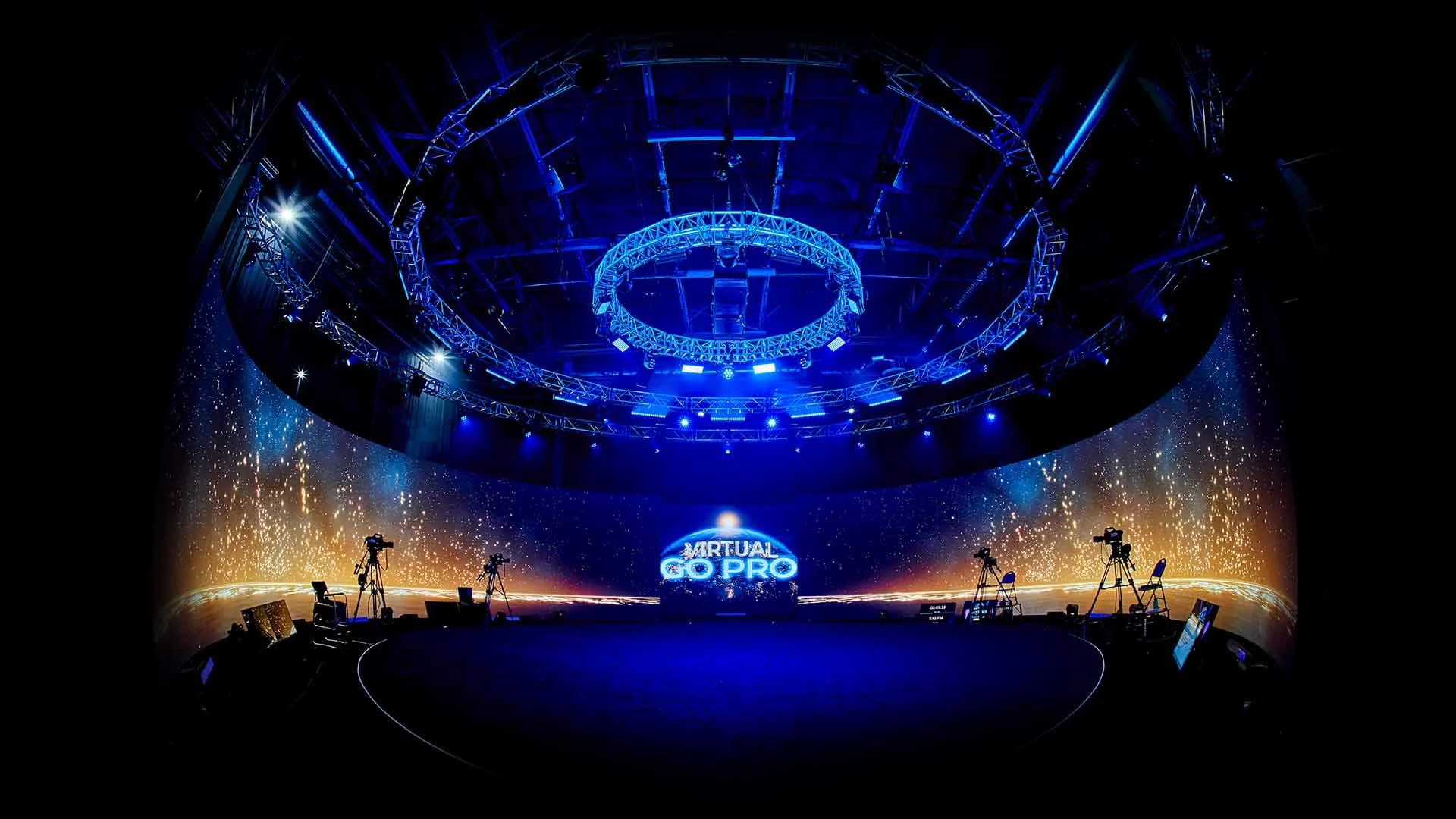
Worre Studios runs two 73-foot by 14-foot and two 24-foot by 14-foot curved LED walls at 1.9mm pitch, roughly 65 million pixels of wraparound surface, with content driven by Unreal Engine 5 and CANVAS on a custom-built system. Environments are pre-built and blended so a producer can trigger a scene change, a reveal, or a full location swap live from an iPad, without writing code. The mechanics of that pipeline are covered in our piece on Unreal Engine 5 running live, and the room's full technical specifications sit on the technology page.
- The director approves the finished frame on the day. What's on the monitor is close to what ships. Clients sign off in the room instead of six weeks later on a temp comp.
- Actors play to something real. Eyelines land. Reactions are genuine. Performance improves for reasons that have nothing to do with technology.
- Location changes take seconds. A commercial that needs a desert, a rooftop, and a showroom shoots all three in one day without striking a set or moving trucks.
The trade is front-loaded. Custom Unreal environments are rendered by graphic artists and take months of lead time, so a volume shoot rewards teams who lock the creative early. Book late and you're choosing from what already exists rather than commissioning what you imagined.
Where a Traditional Soundstage Fits
A traditional soundstage is a controlled empty box: sound isolation, a lighting grid, power, and enough clear height and floor to build whatever the story needs. No background technology at all, which is exactly the point when the world is meant to be physically there.
Practical sets still win for anything the camera has to move through, touch, or destroy. Stunts, fire, water, breakaway builds, long developing shots that walk from one room into another. A performer interacting with a real surface reads differently, and audiences notice even when they can't say why.
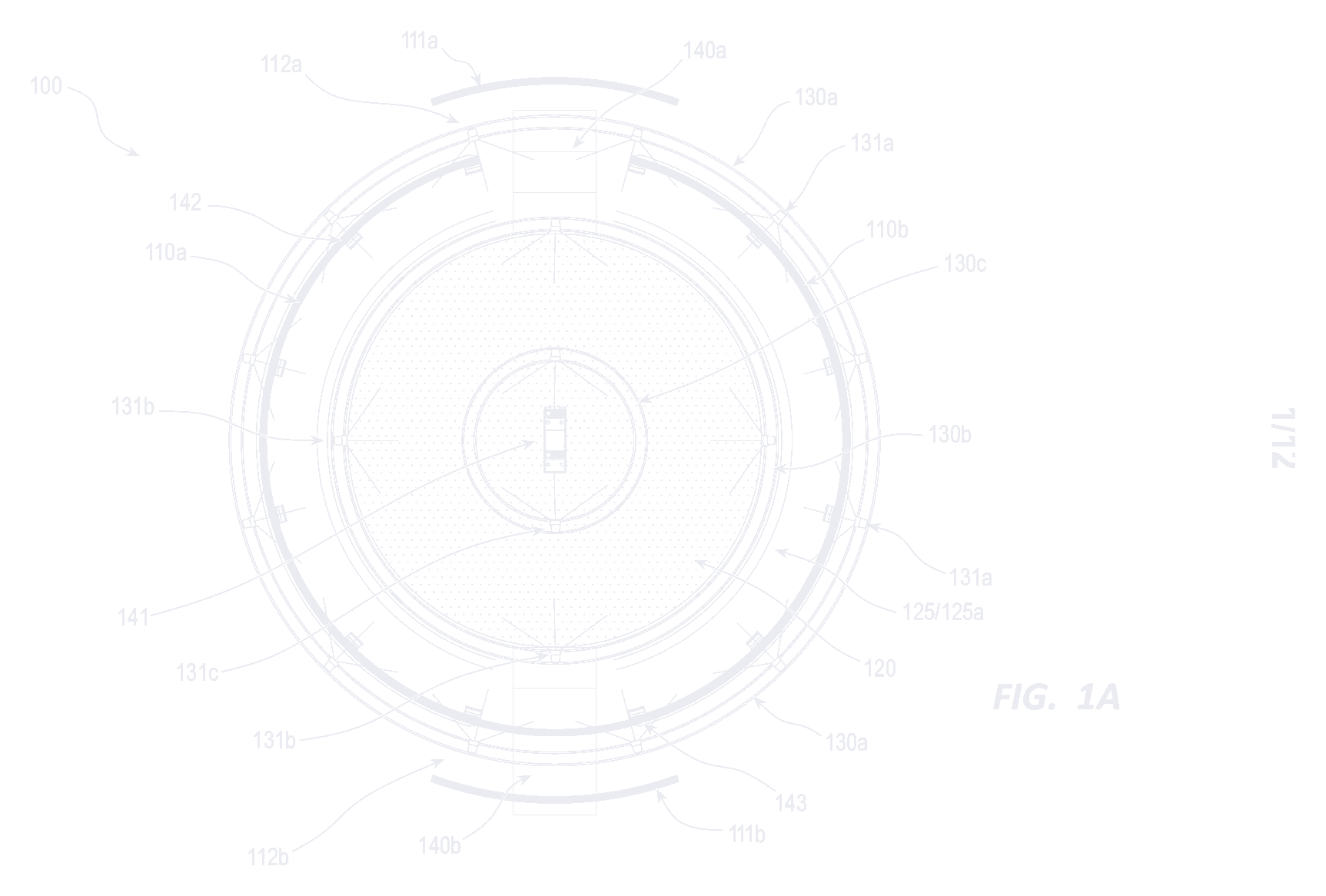
Worre Studios is a 25,000-square-foot facility with a stage-in-the-round footprint, a custom grid capacity demonstrated by a three-ton set piece hung from a custom grid built above the house grid, and enough floor to carry eight to ten separate environments built for a single production. Set builds and the LED volume are not competing options here. They occupy the same room.
The Question That Actually Decides It
Skip the feature comparison and answer one thing: when does the background have to be final?
- Final on the shoot day. Choose the LED volume. You get in-camera environments, correct interactive light, no keying, and a frame the client can approve before anyone leaves the building.
- Final in post, after the world gets designed or revised. Choose green screen. Protect flexibility and let the VFX pipeline carry it.
- Final because it's physically built. Choose the soundstage floor. Practical construction, practical effects, real surfaces.
Two secondary questions settle most remaining cases. If your subject is reflective, glass, chrome, polished product, water, or a car, the volume saves you compositing money that green screen will spend. If a live audience is watching the shoot, the volume is the only option of the three that gives them something to look at.
Bring Us the Shoot. We'll Tell You Which Stage It Needs.
Tell us what you're producing and we'll walk you through the room, the walls, and the honest answer on whether your project belongs on the volume, on green, or on a build.
When You Don't Have to Choose
The premise of the comparison breaks down in a room built to do all three.
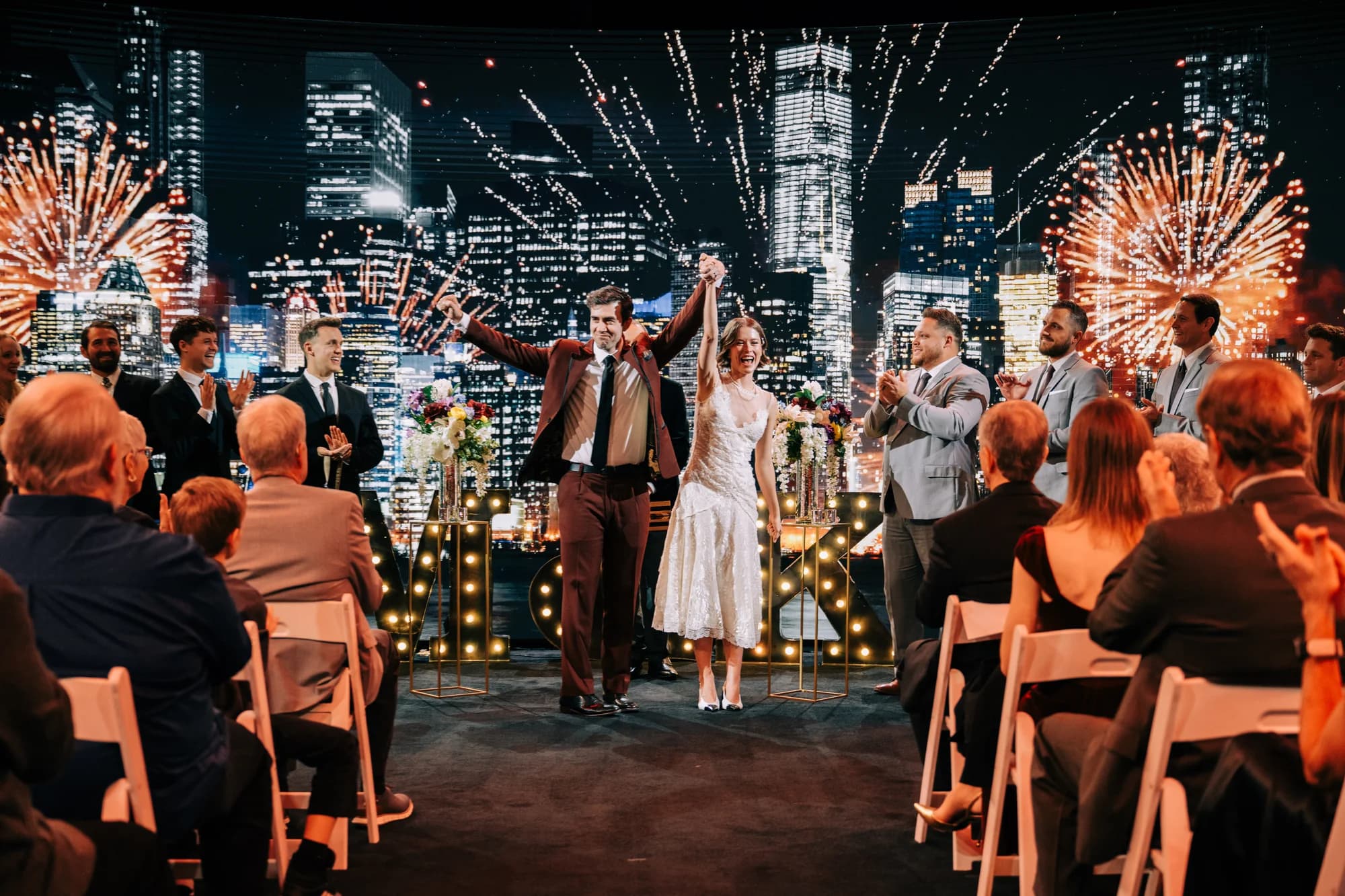
The LED walls at Worre Studios go green or blue for keying on request, so the same stage that gives you in-camera environments in the morning becomes a keying surface in the afternoon. Half the 360° wall sits on a track system and moves back, opening the floor for a physical build or a live audience. The result is a single booking that covers volume work, green screen work, and practical set work without a company move.
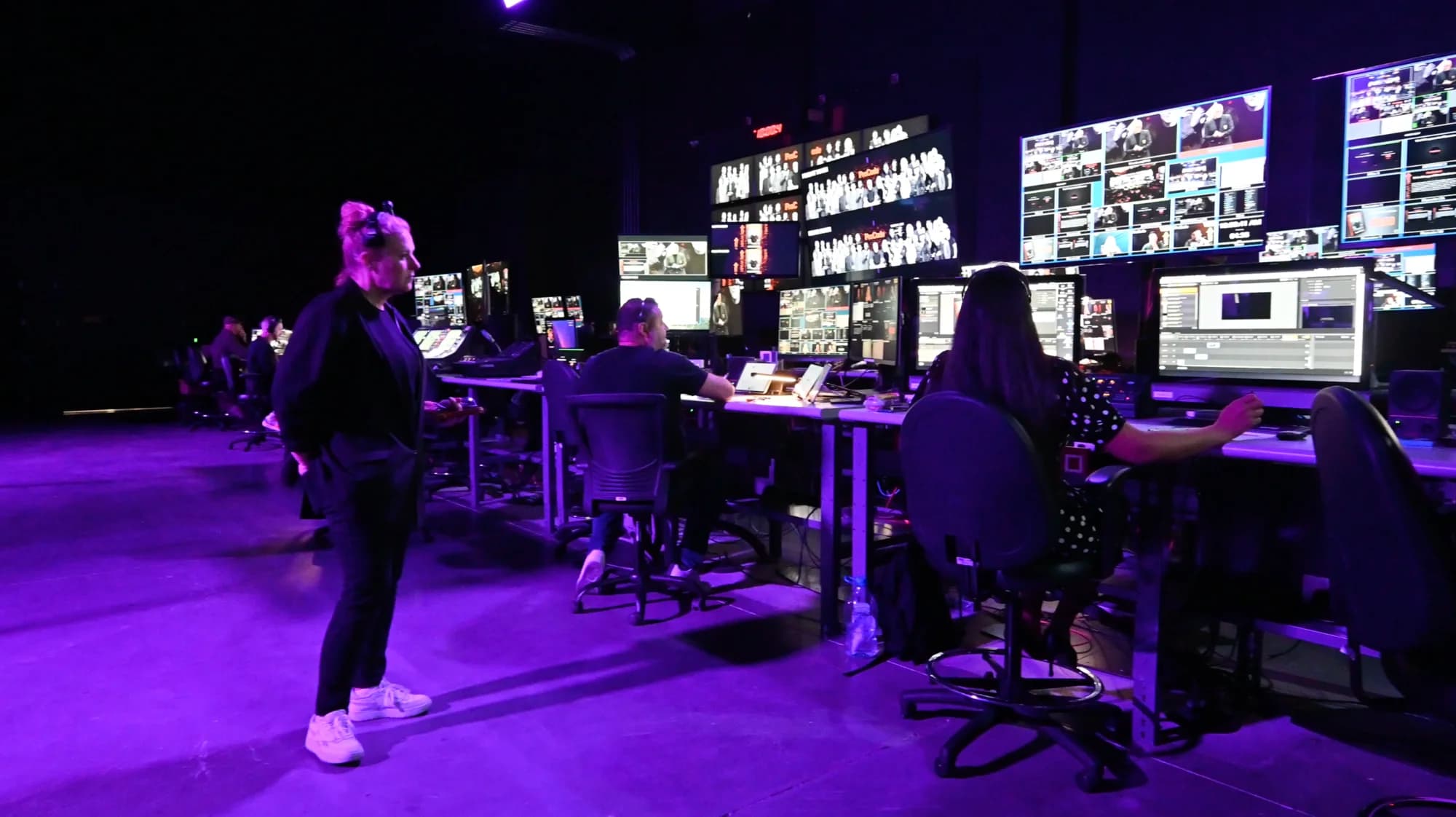
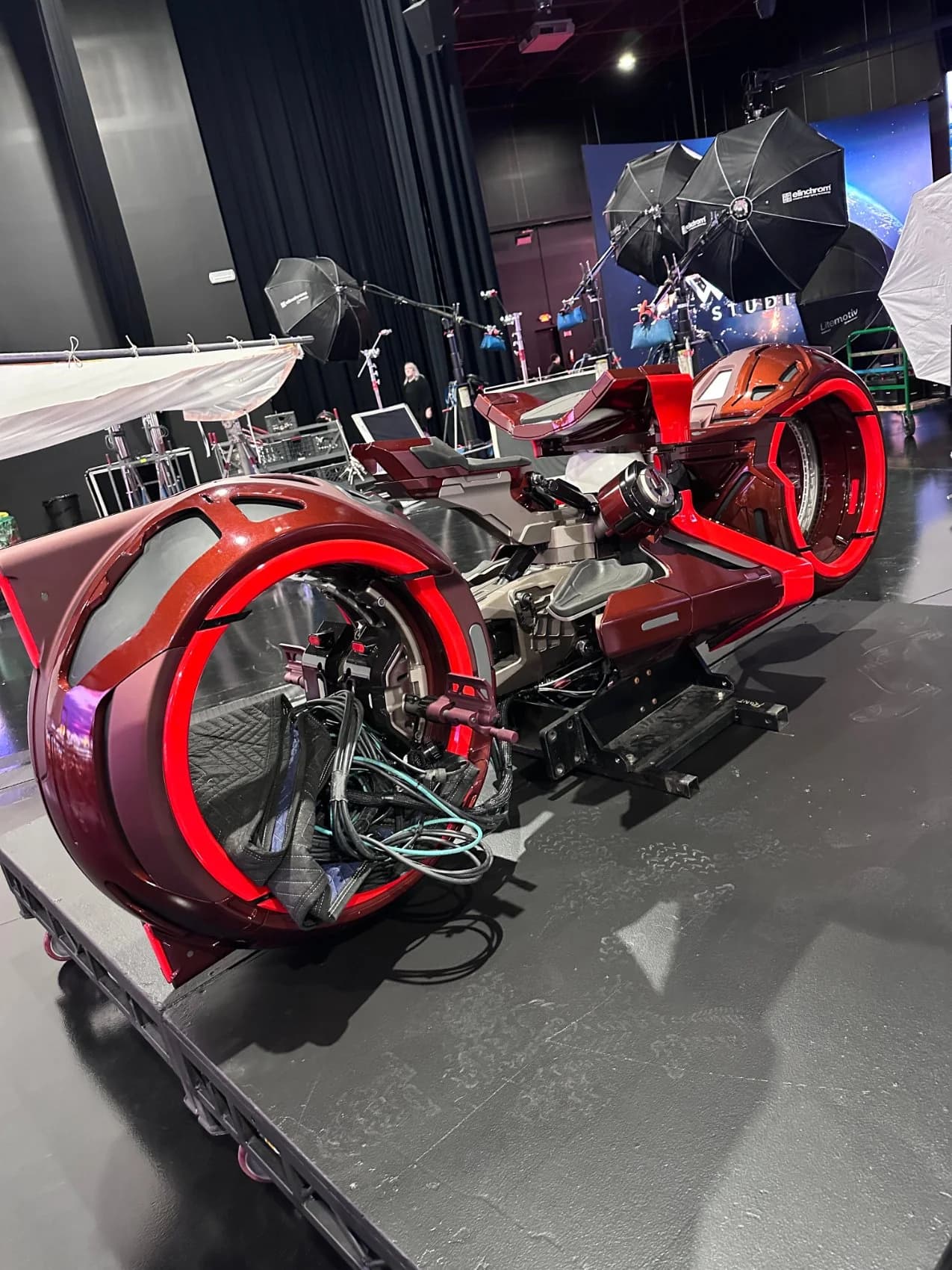
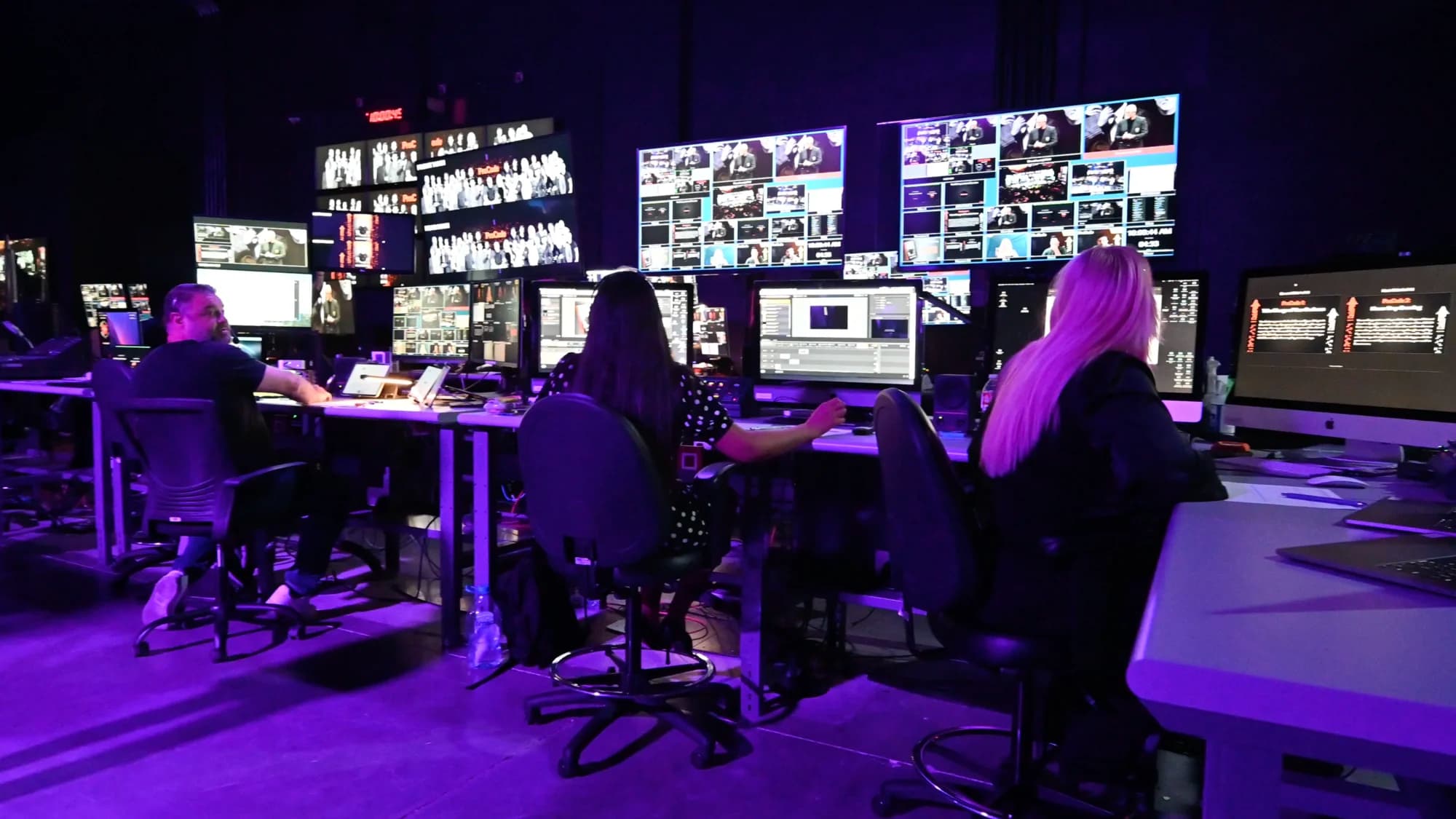
That combination is not theoretical. A Disney production shoot hosted at the studio for a Tron property ran an illuminated light-cycle set piece with a costumed performer, using blue and green screen keying for VFX compositing alongside full lighting and grid rigging and real-time production monitoring on the floor. Physical build, keying, and live monitoring, in one room, on one schedule. More of that work is visible in the productions shot on the floor.
The useful question isn't which stage type is better. It's how many of them your production needs before wrap.
Booking ten hours and using three doesn't have to mean wasting seven. Teams regularly shoot evergreen content in the same booking, running the commercial in the morning and pulling training or social assets from the same crew and lighting in the afternoon. One booking, several deliverables.
Booking a Stage in Las Vegas
Stage choice is a creative decision. Where you shoot it is a logistics decision, and in Las Vegas a few specifics change the math.
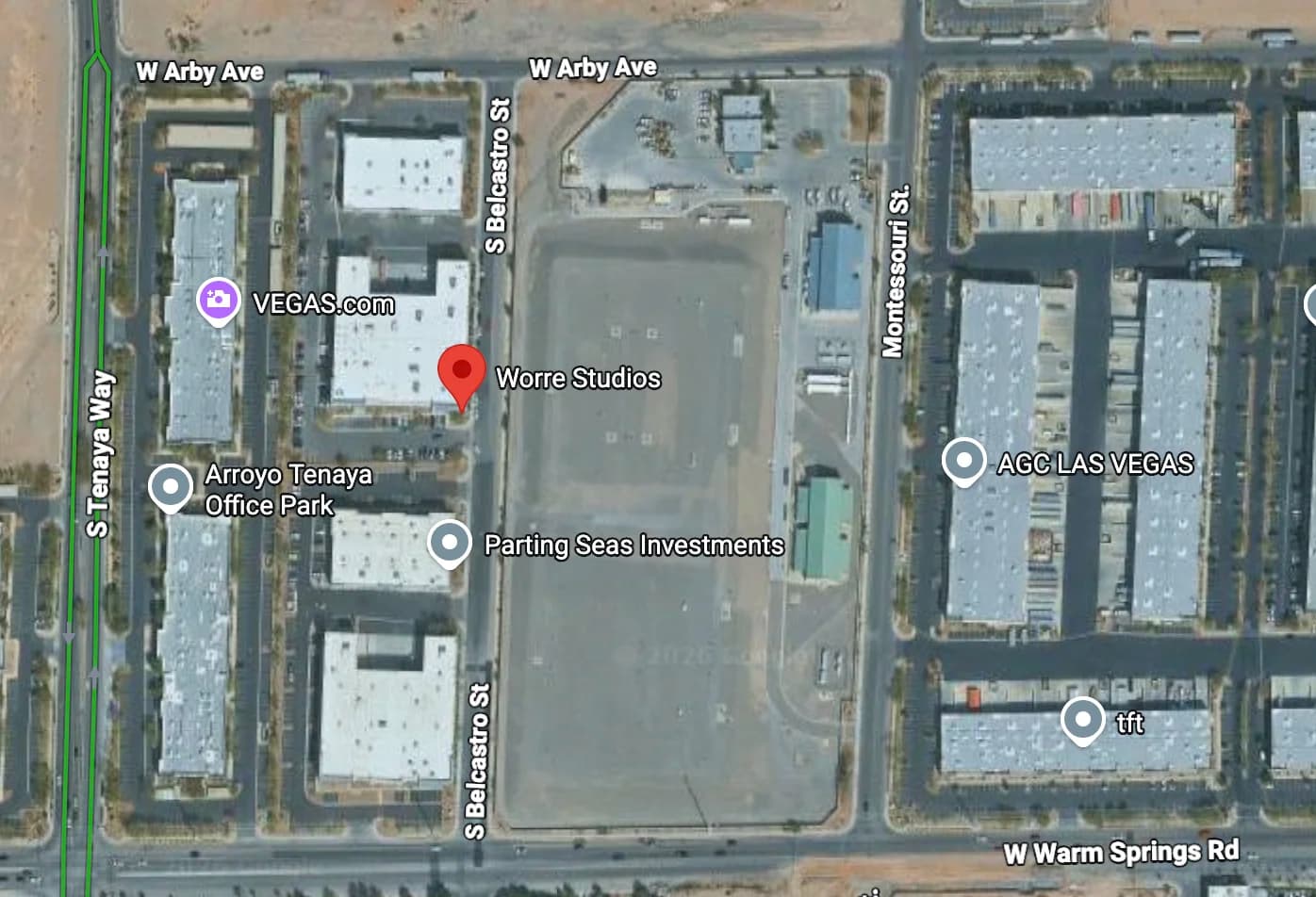
- Non-union flexibility. The studio sits off-strip, outside Paradise proper, which allows crew booking without union constraints. Real effect on both cost and scheduling.
- Direct load-in. Truck access straight onto the floor, with direct load-in and airport access to both public and private aviation. Sets, gear, and talent arrive without a staging shuffle.
- Camera-agnostic sourcing. The studio owns the room, the walls, the lighting, and the audio, and sources whatever camera package your DP specifies rather than pushing house bodies.
- Nevada film incentives. The studio is connected to the Las Vegas Film Office for tax incentives and credits, and can source generators, star wagons, wardrobe and production trailers, rigging, and city permits through one point of contact. The wider picture is in our Las Vegas production logistics guide.
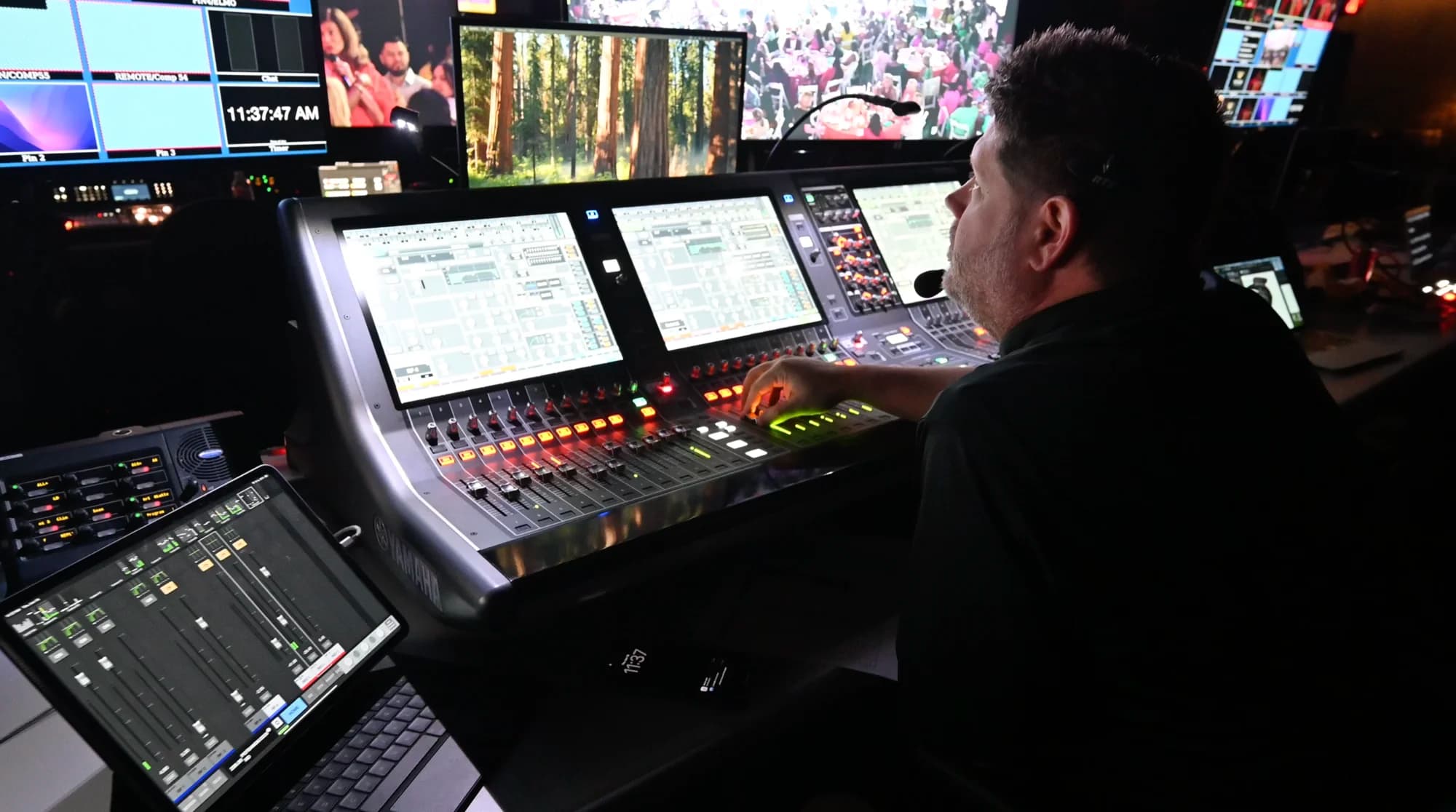
- Outside crews welcome. Teams bring their own DP, director, and crew and run their own show at no extra charge, with only a couple of positions held by the studio for safety on the audio console and the network.
Worth naming the economics too. Teams who have priced the alternative, renting comparable LED walls into a hotel ballroom, come back with quotes in the $300,000 to $500,000 range for the walls alone, before crew, lighting, audio, or rigging. In a purpose-built room the walls are already standing and already commissioned. Which is why the comparison rarely favors the empty box once everything is priced in.
Frequently Asked Questions
Effectively yes. "Virtual production" describes the workflow of shooting live action against real-time rendered environments, and an LED volume is the stage where that workflow happens. Some teams also use the term for green screen work driven by real-time engines, so it is worth confirming which one a facility means.
On a wall that supports it, yes. The LED walls at Worre Studios go green or blue for keying, so a production can shoot in-camera environments and keyed plates on the same stage in the same booking, without relighting from scratch or moving locations.
No, and any facility promising that is overselling. A volume removes the keying and background-replacement work and the cleanup that comes with it. Color, edit, sound, titles, and any shot-specific VFX still happen in post. The saving is in compositing hours, not in the finish.
Moiré is the shimmering interference pattern that appears when a camera's sensor grid and a display's pixel grid conflict. Tighter pixel pitch and correct camera distance both reduce it. The walls here run at 1.9mm, and working distances get settled with your DP during the exploratory calls that precede every booking.
It depends entirely on the content. Shooting inside an existing environment can be scheduled like any other stage day. Custom Unreal environments rendered specifically for your production take months of lead time, because graphic artists build them from scratch. Lock creative early if the world needs to be original.
Yes. Outside teams run their own show on the floor at no extra charge, with only a couple of non-negotiable positions retained by the studio, no outside lighting designer on the audio console and no unsupervised patching into the full network. Full crew, DP, director, and graphic artists are available if you would rather source them here.
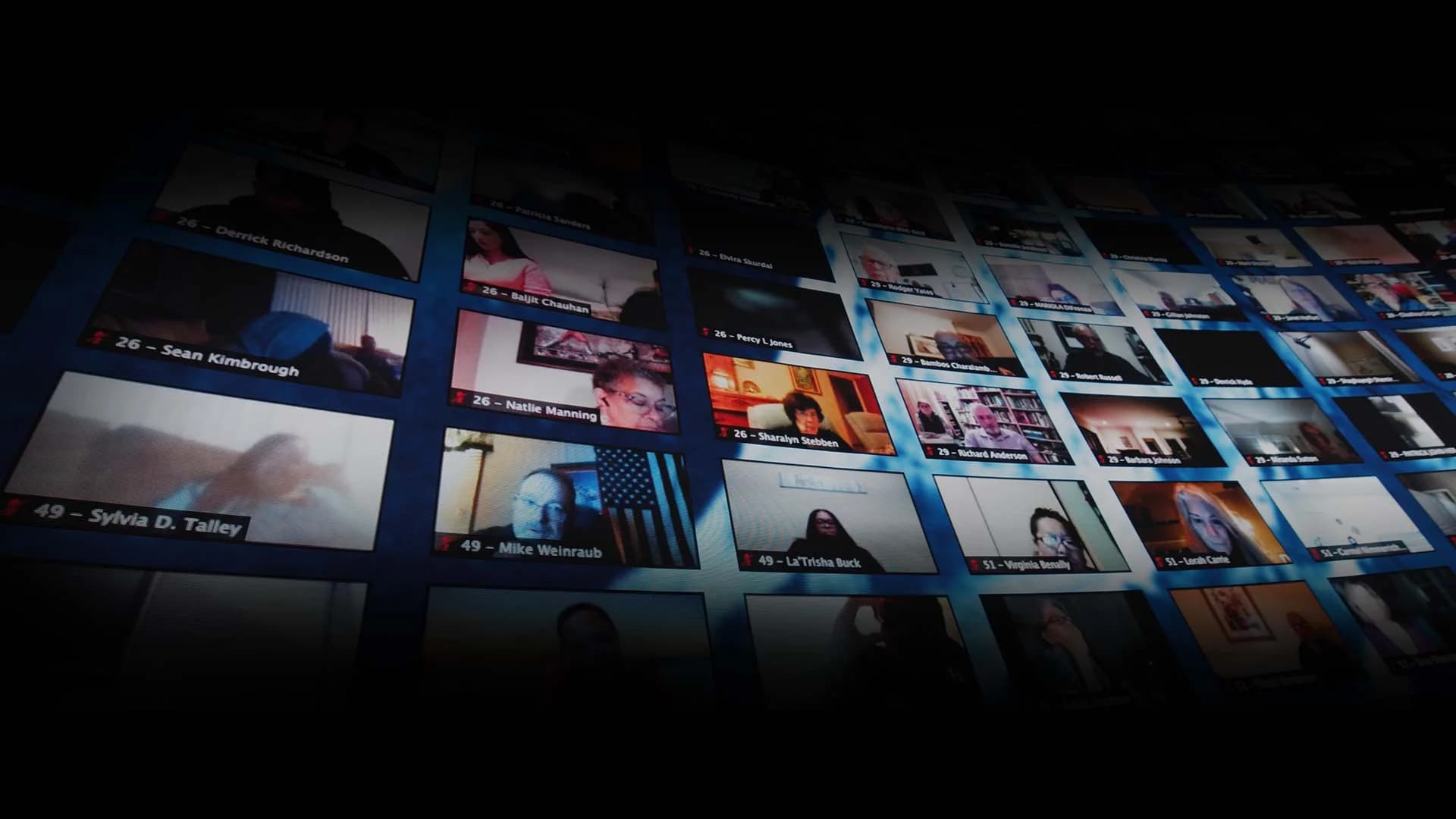
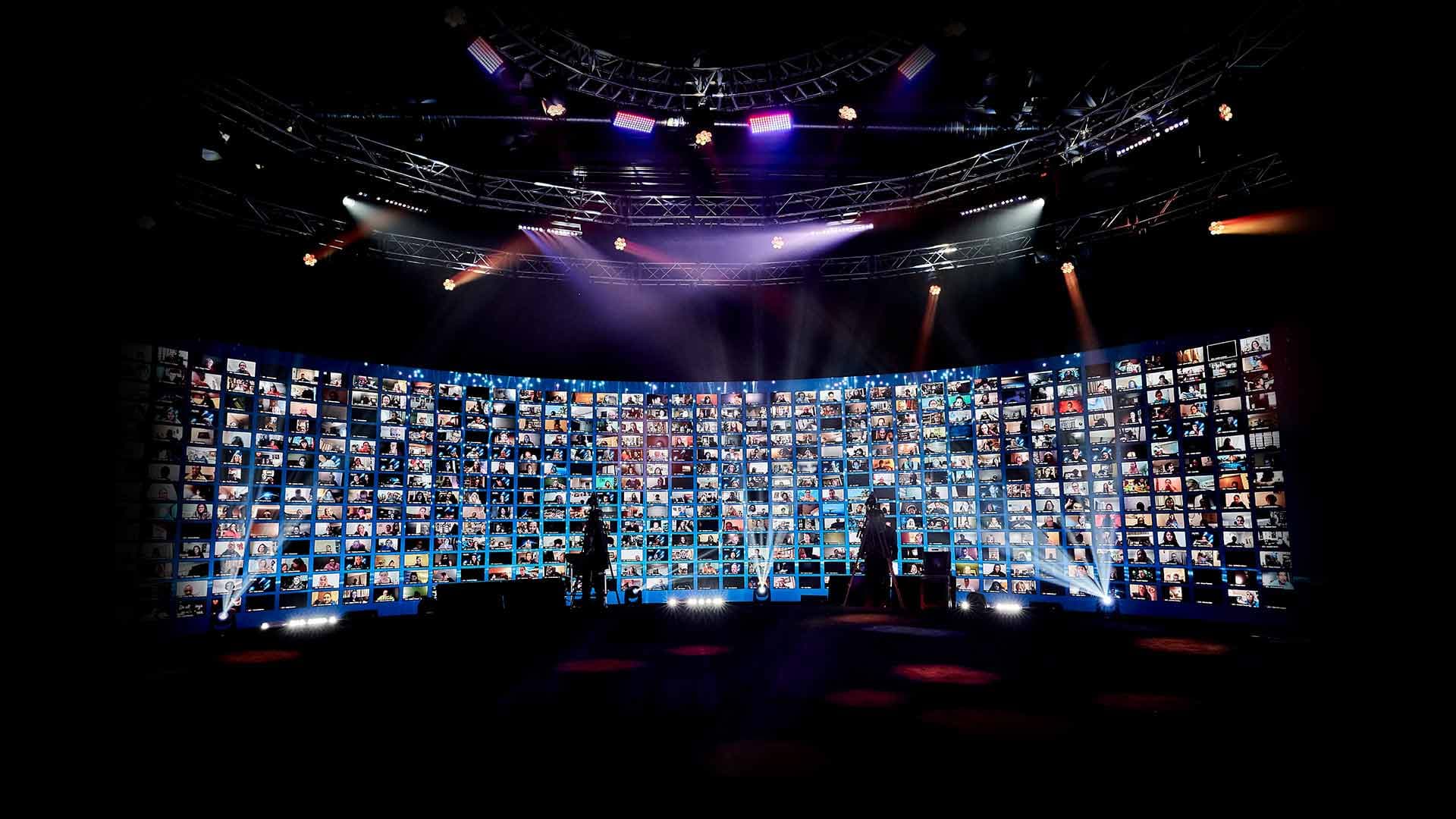
Yes. Half of the 360° wall moves back on a track system to open the floor for a live audience, and in-room configurations support up to 350 seated, 500 standing, or 600 concert-style. A green screen stage gives an audience nothing to look at, which is why launches and shows built for a crowd land on the volume.
Pricing is à la carte, starting with the room and adding exactly what the shoot needs, from cameras and crew to lighting, audio, and the interactive layer. A basic day, with the walls, audio, and lighting included, starts at roughly $15,000. Our studio day rate breakdown walks through what that covers.

Written by the Worre Studios Content Team and reviewed by Ben Groen, Ticketing & Interactive Platform Lead, who is the source of record for the studio's technical specifications. Every capability described here reflects the room as it stands: two 73-foot by 14-foot and two 24-foot by 14-foot curved 1.9mm LED walls, half on a track system, keyable to green or blue, a 25,000-square-foot floor with custom grid capacity, and a UE5 and CANVAS pipeline running on a custom-built system. Productions referenced were delivered at the studio. Last reviewed September 9, 2026.
Bring Us the Shoot. We'll Tell You Which Stage It Needs.
Tell us what you're producing and we'll walk you through the room, the walls, and the honest answer on whether your project belongs on the volume, on green, or on a build.