


Live-to-Record: Three Deliverables From One Event Day
On this page
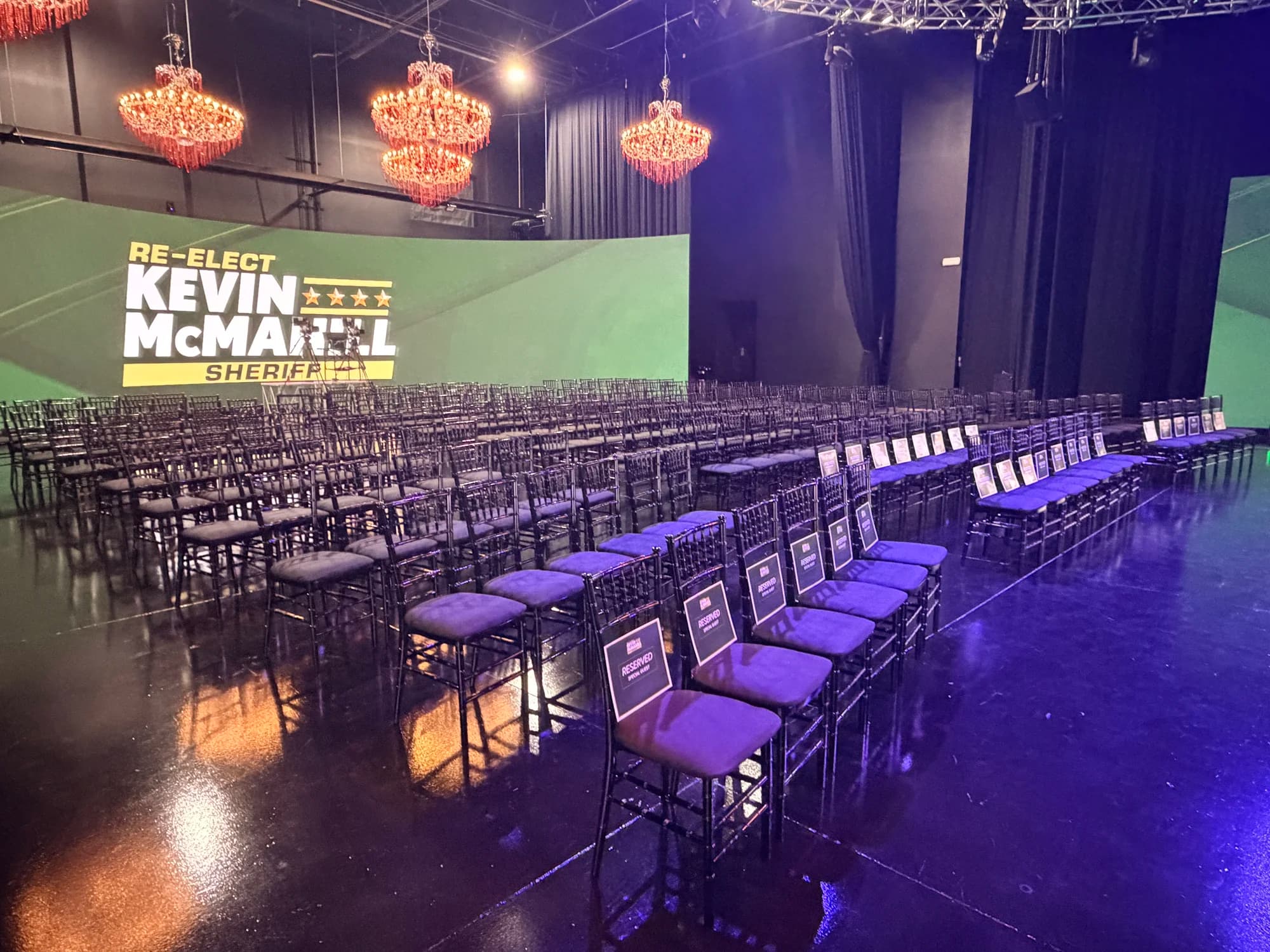
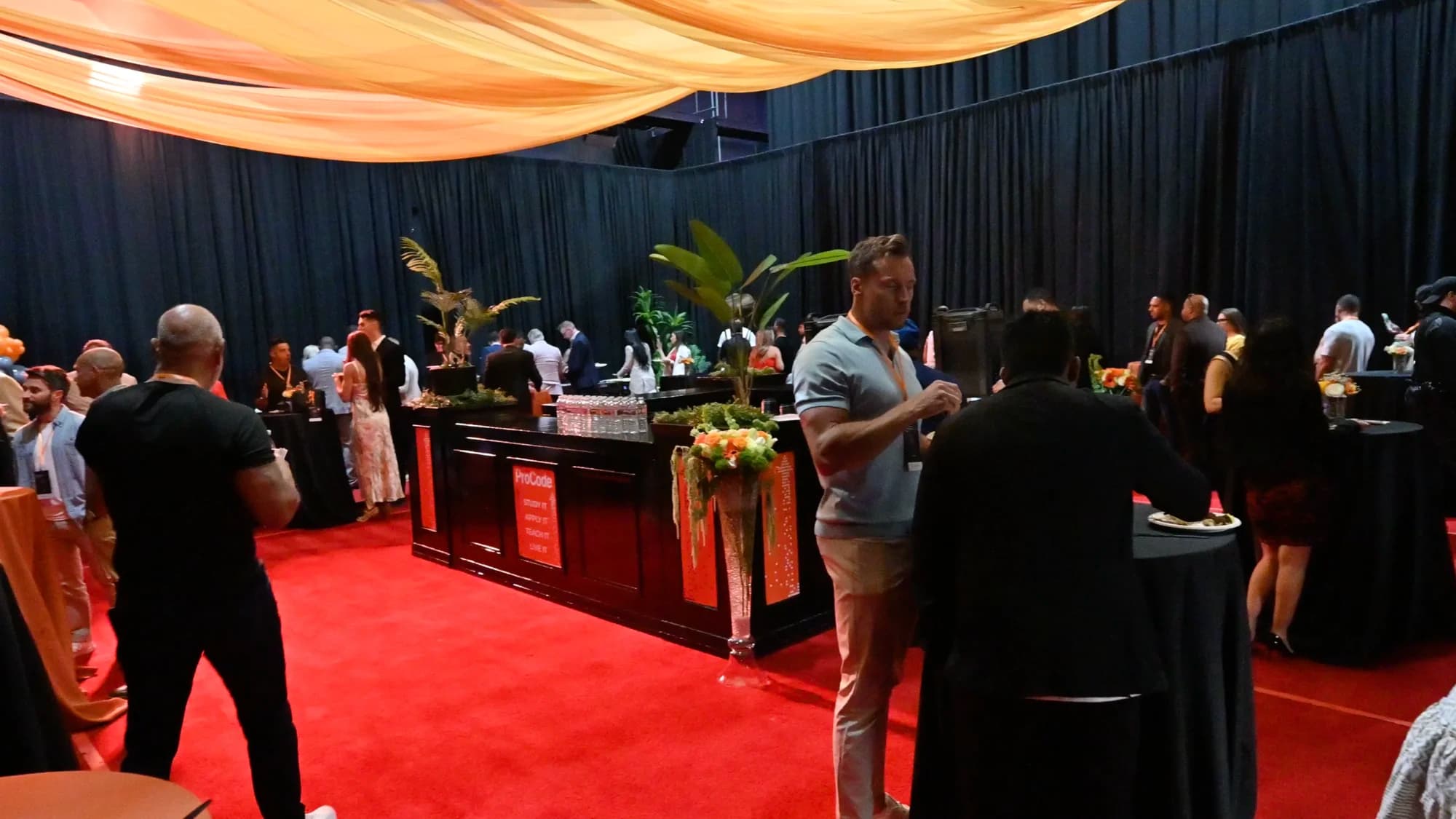
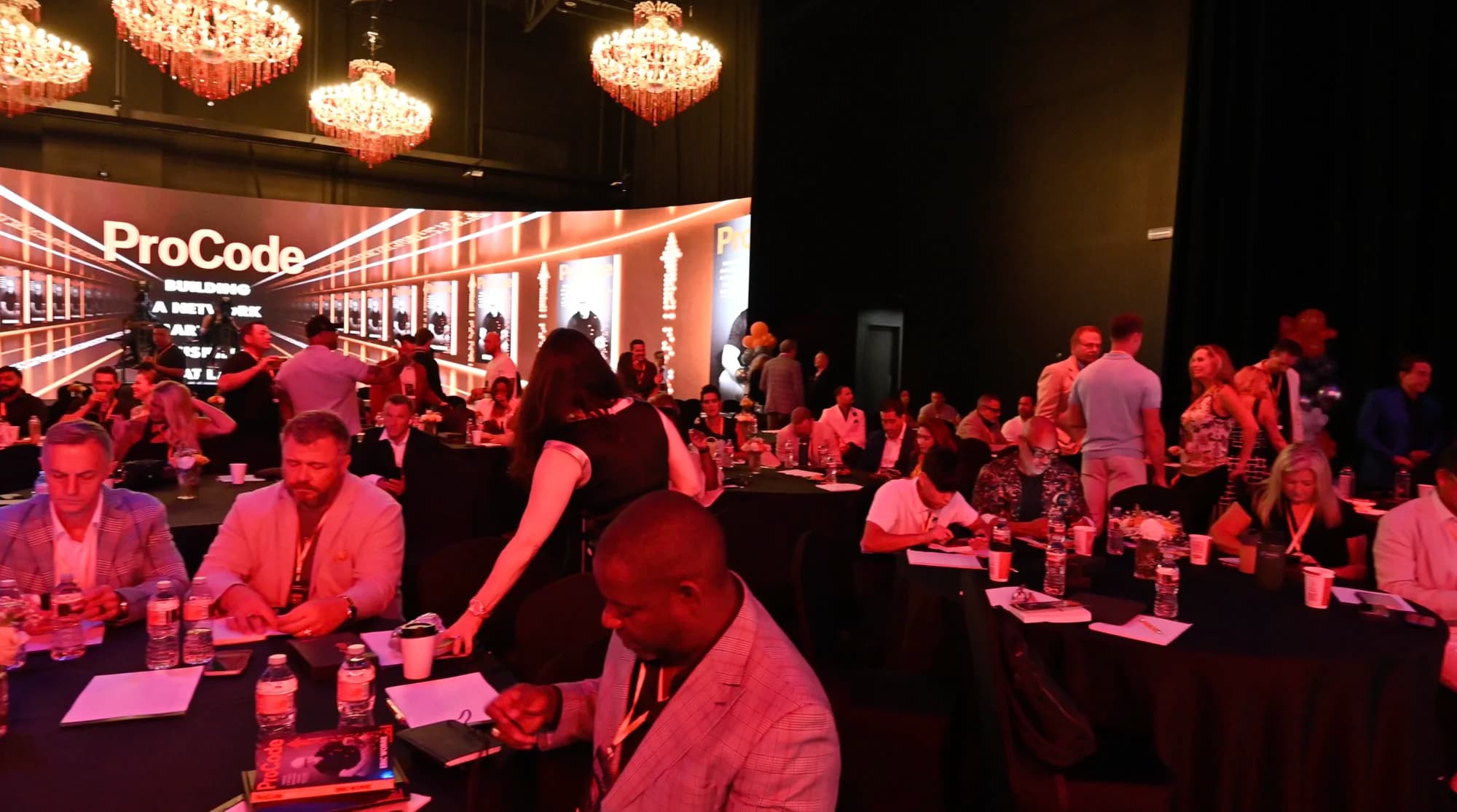
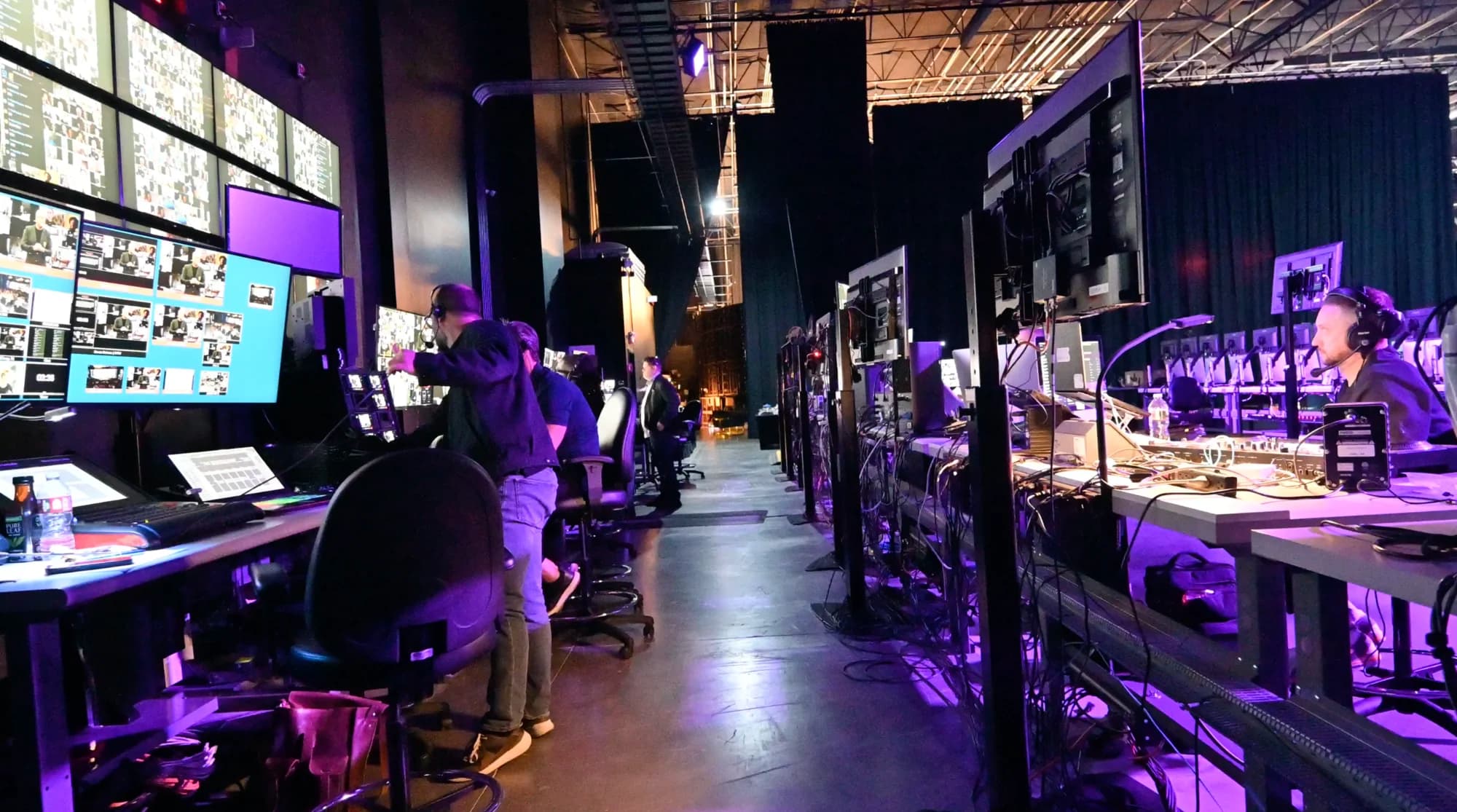
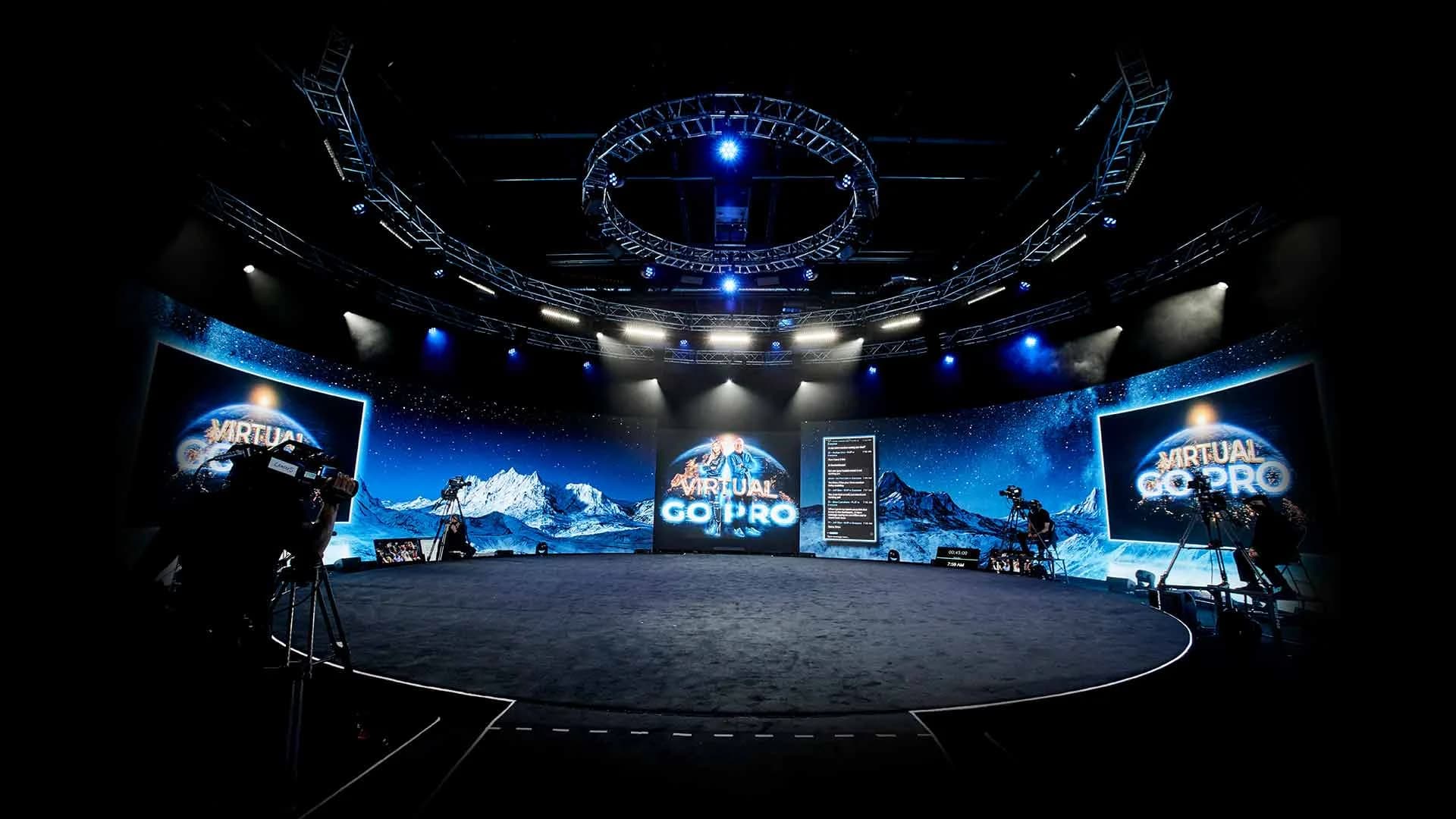
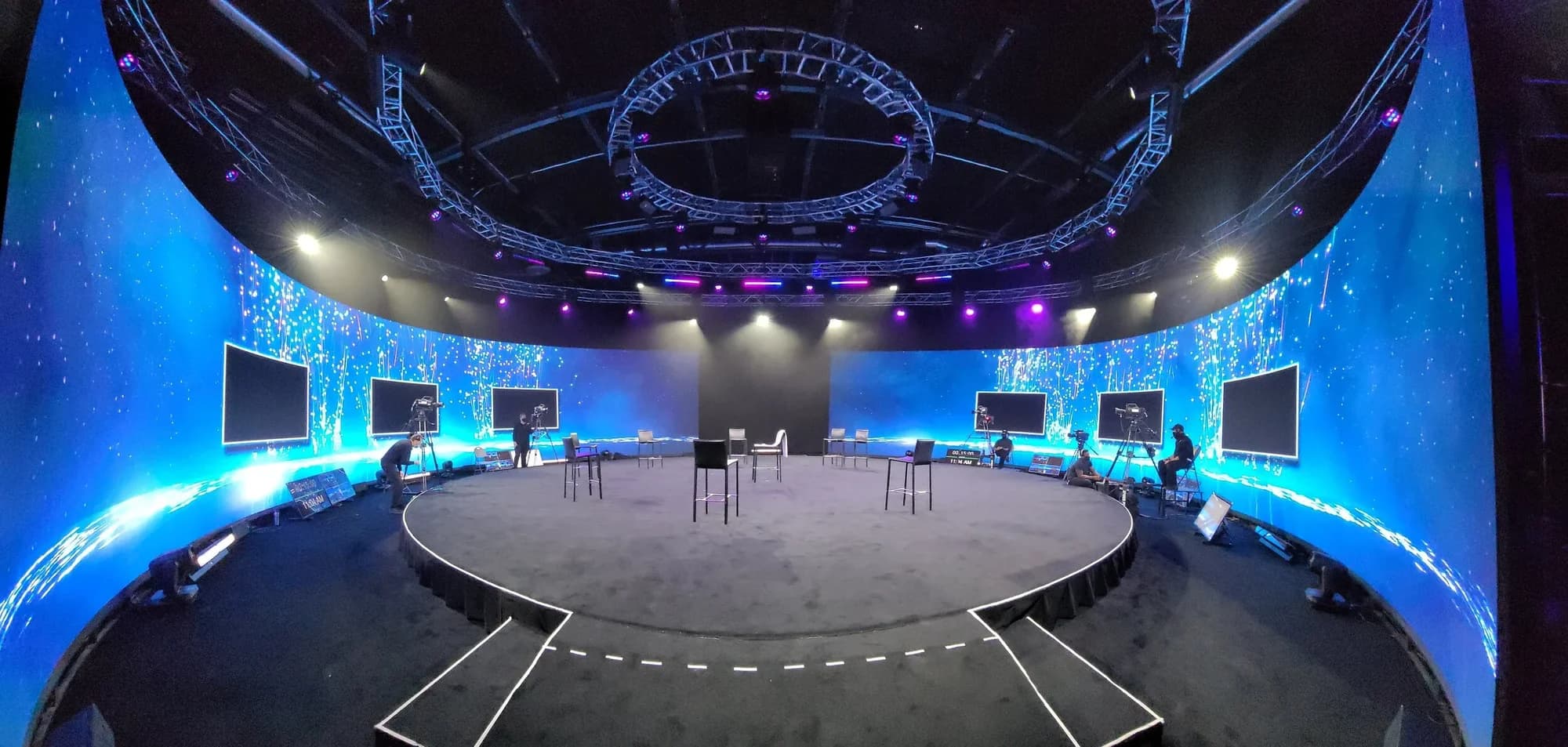
Most event teams book a production day, run a three-hour event, and hand the rest of the day back. Live-to-record strategy keeps it: the same room, crew, and infrastructure that broadcast your event spend the remaining hours shooting evergreen content — training libraries, commercial spots, executive messages — while everything is already lit, standing, and staffed. One booking. One load-in that never happened, because the studio doesn't load in. Multiple deliverables.
Key Takeaways
- A typical production day runs ten hours; a typical event runs three, with a couple more for rehearsal. The remainder is paid-for capacity most teams waste.
- In a purpose-built studio, the infrastructure never strikes between uses — the room that ends your event is instantly a content stage.
- Rendered environments swap live, so recorded segments can look like entirely different productions without a set change.
- The strategy converts an event budget line into a content budget line — the same day funds the event and the video library.
- One honest rule governs the output: live is live, recorded is recorded. Evergreen content gets framed as what it is.
The Math Nobody Runs
Walk through a standard event-day timeline. The booking runs ten hours. The event itself — the part your audience sees — runs perhaps three. Rehearsal takes two. Simple arithmetic leaves roughly half a production day: room lit, audio tuned, cameras up, crew on the clock, broadcast infrastructure live — and, on most teams' run-of-show, nothing scheduled.
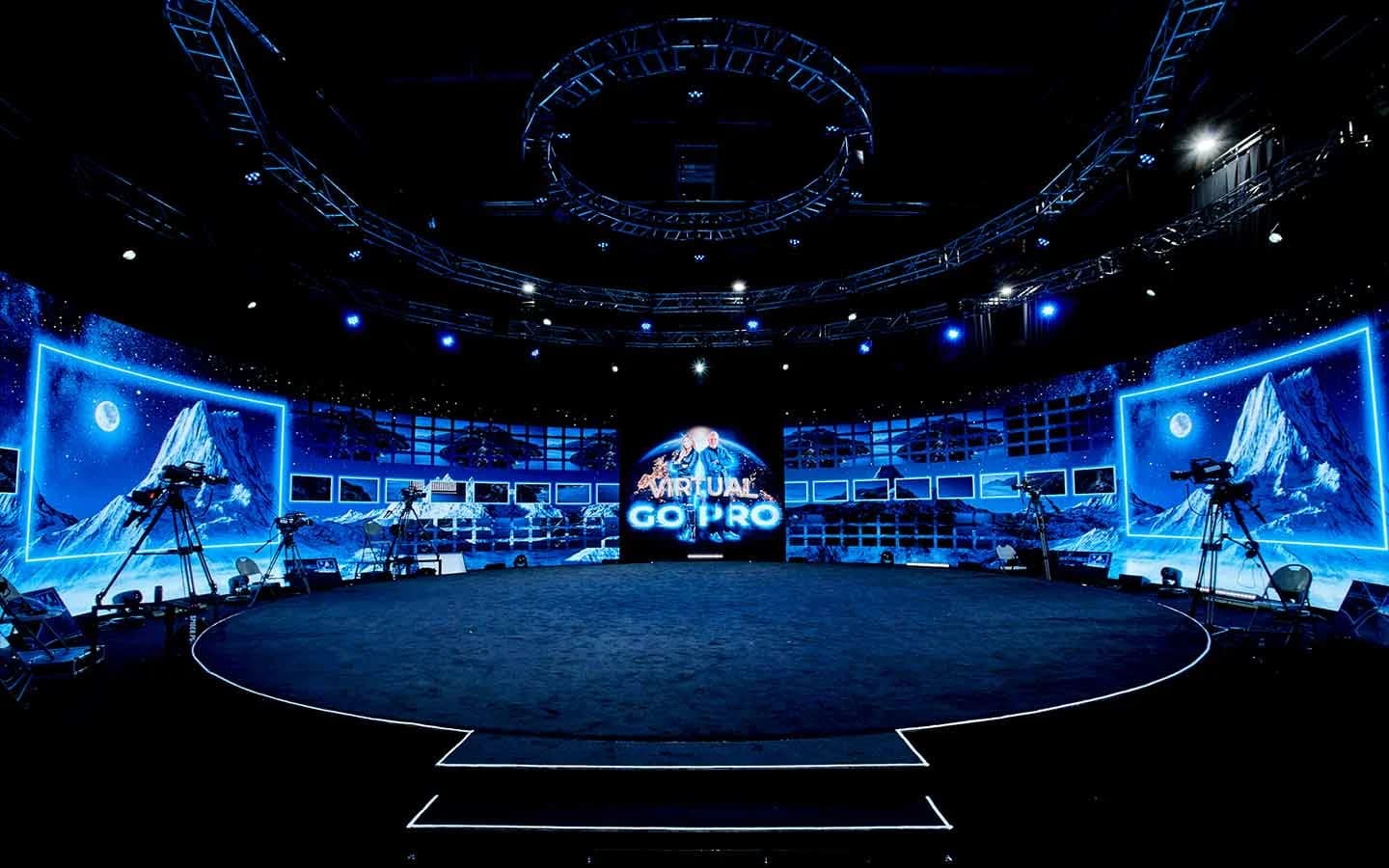
At a rented venue that surplus barely exists; the margins of the day get eaten by the build and the strike, because everything in the room is temporary. A purpose-built studio changes the arithmetic. Nothing gets built and nothing gets struck — the infrastructure is the building — so the hours around your event are genuinely usable production time. Live-to-record strategy is simply the decision to use them.
What Teams Shoot with the Surplus
The productive question for your run-of-show: what do we need on camera this quarter that we keep not producing? The common answers slot neatly into a post-event afternoon:
- Training and internal libraries. Leadership is present, keyed up, and already mic'd. An hour of structured shooting yields a quarter of internal content.
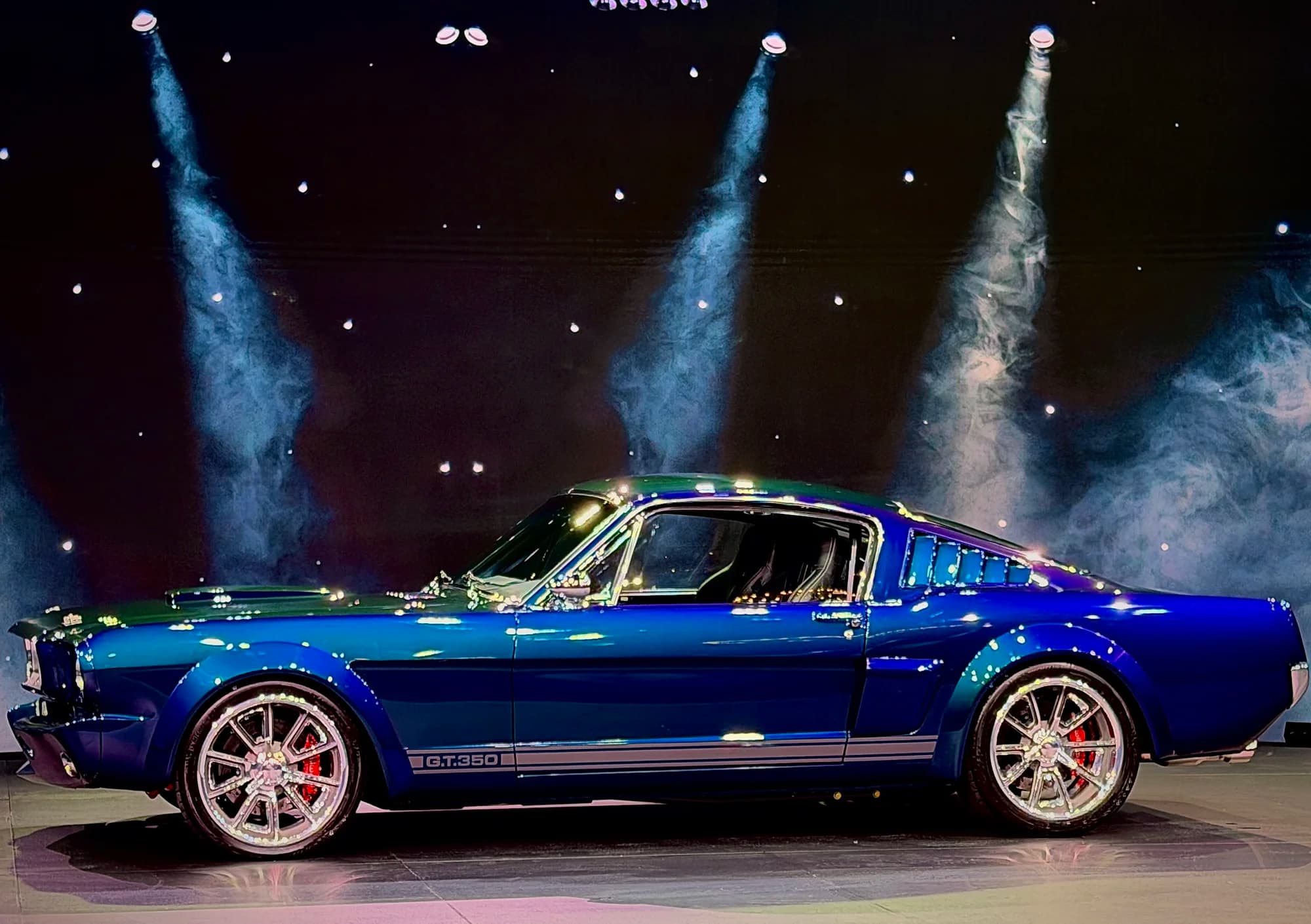
- Commercial and brand spots. The stage your audience just saw becomes the set for the spot your prospects will see.
- Executive and speaker messages. Recorded direct-to-camera pieces — investor updates, welcome videos, launch follow-ups — banked while the room and the talent are at their best.
- Event capture that outlives the event. Recap and promotional material for next year's registration push, shot with intent rather than scraped from the broadcast feed.
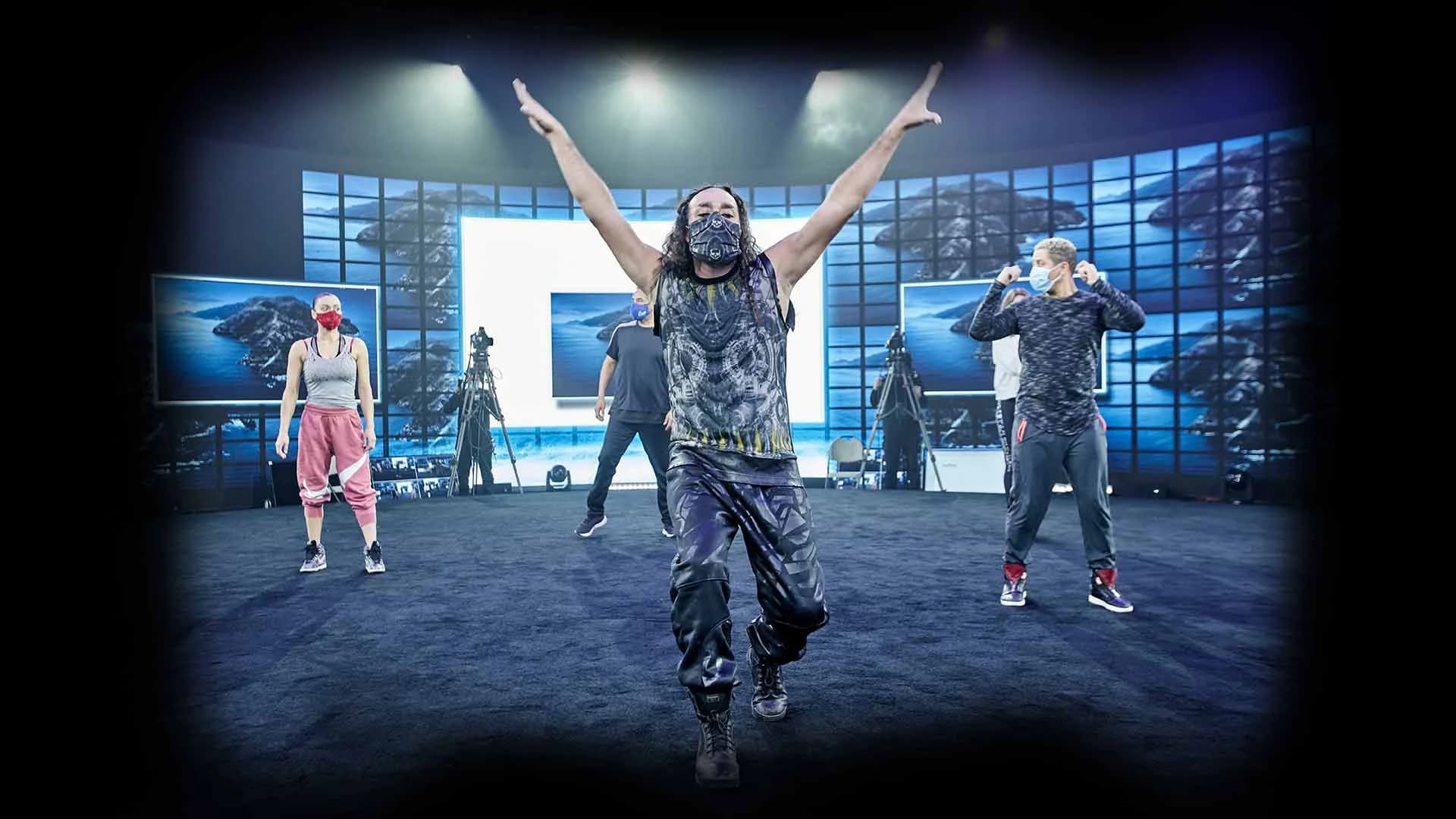
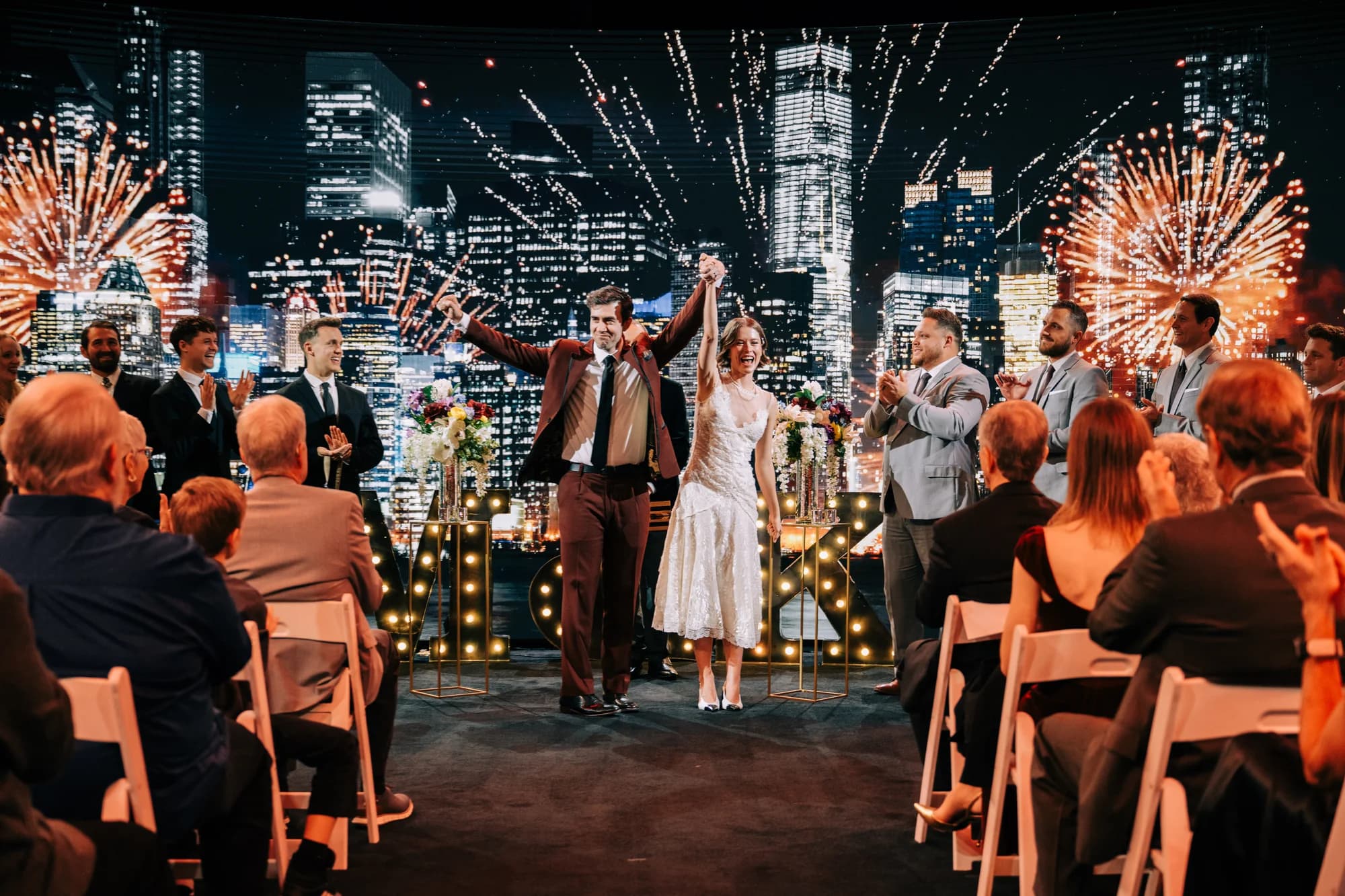
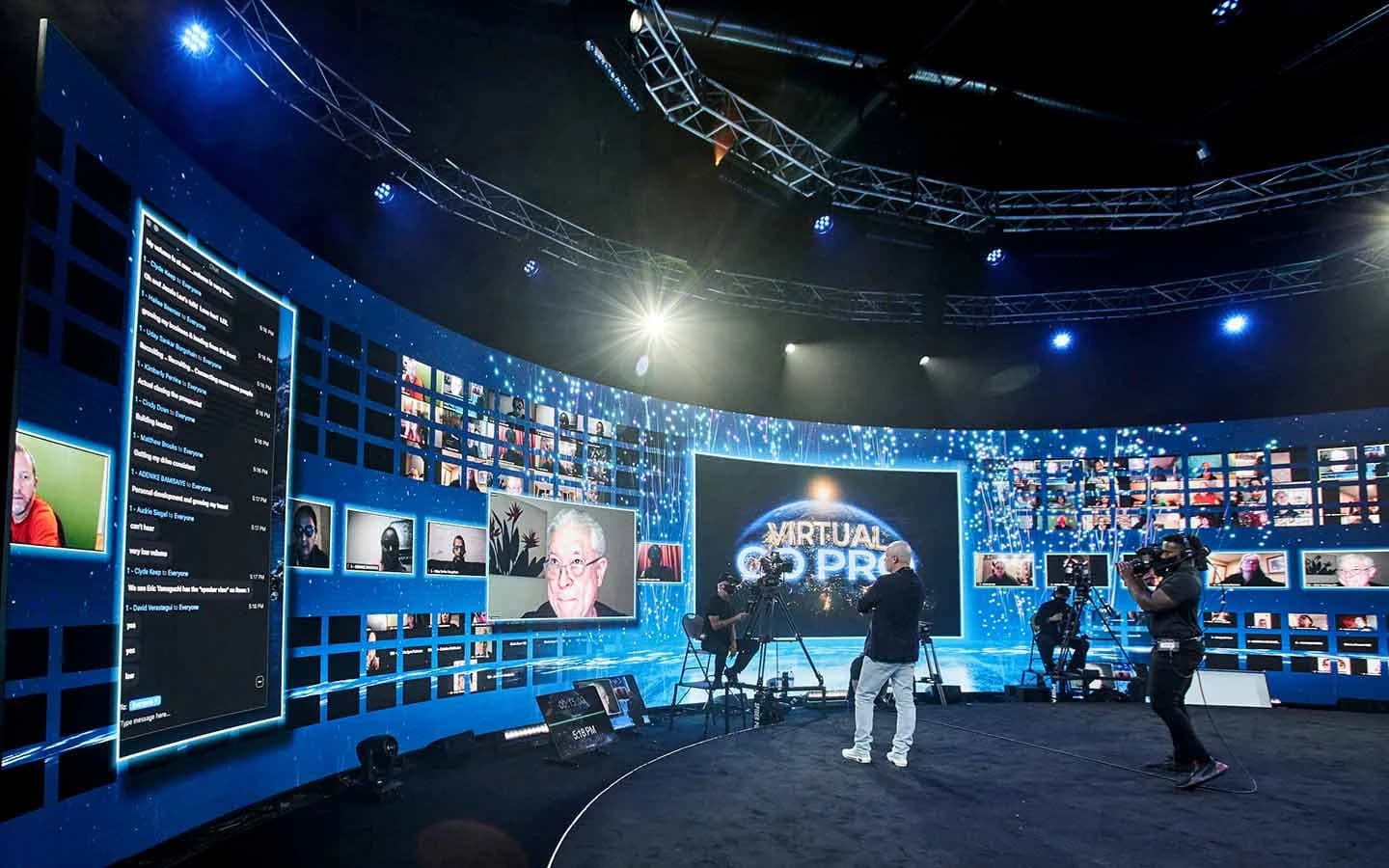
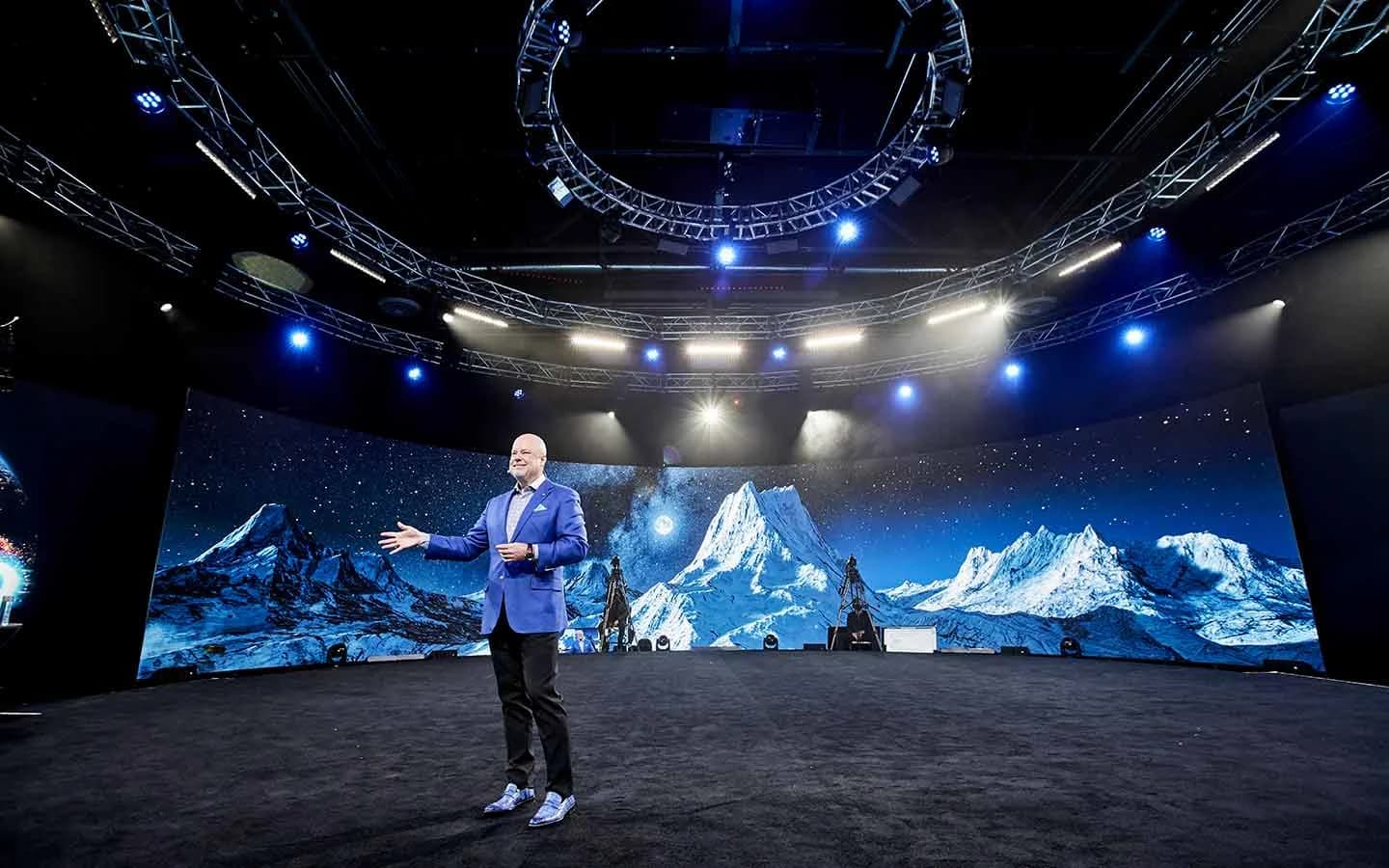
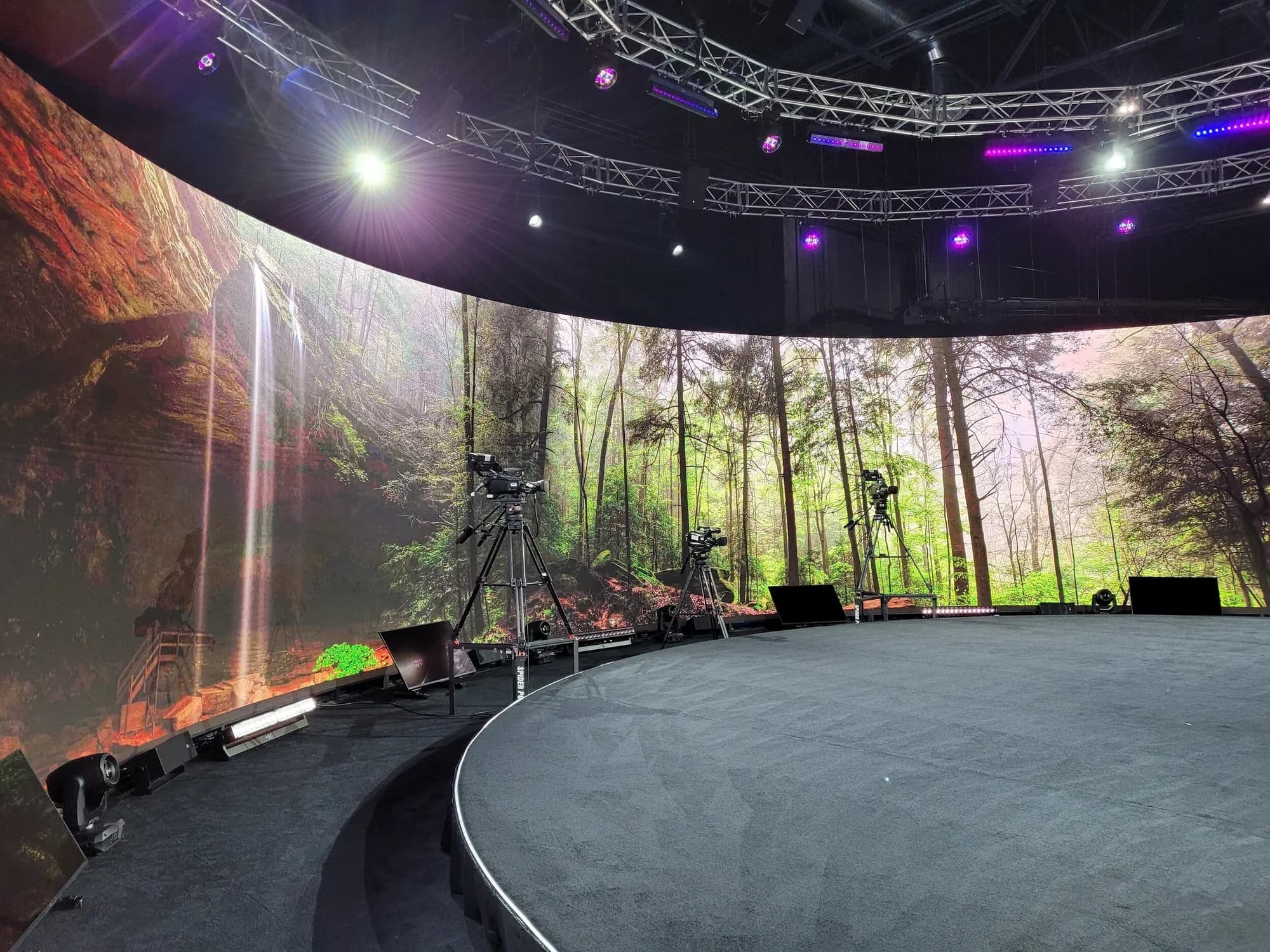
The environment itself multiplies the output. Because rendered worlds on the studio's Unreal Engine 5 pipeline swap live from an iPad — running on a custom-built system, no code, no reset — a recorded segment shot at 4 p.m. can look like a different production than the event that ended at 3. Same room, same cameras, new world. What the 360° volume can do between segments is its own article.
Same room, same cameras, new world.
Planning It so It Actually Happens
Live-to-record fails when it's an intention and works when it's on the schedule. Three planning habits make the difference:
- Script the surplus in the exploratory calls. The studio's production team plans your day with you from contract to event; tell them the content list early and the run-of-show gets built around event and shoot, including any custom environments — fully rendered Unreal worlds carry months of lead time.
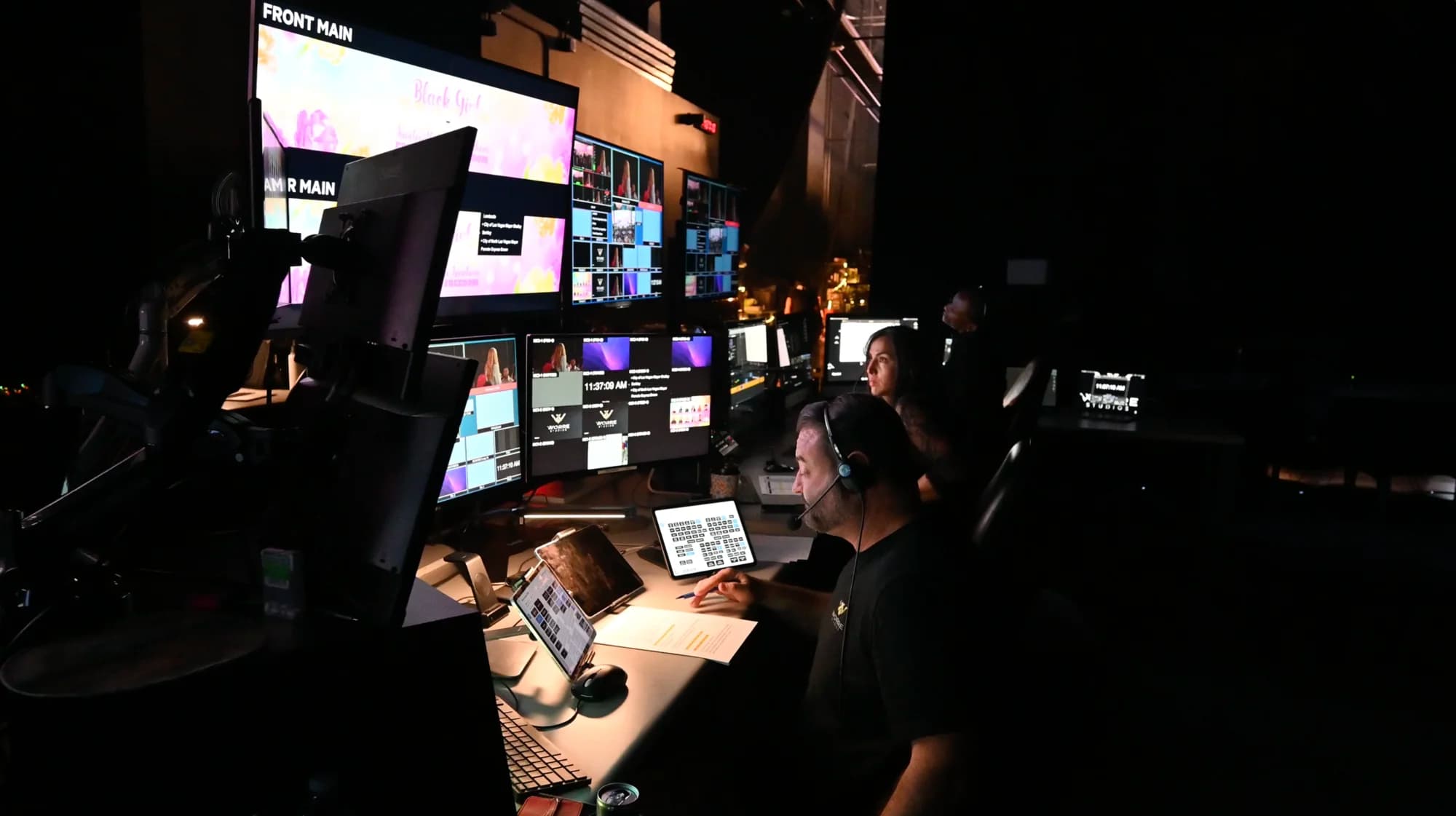
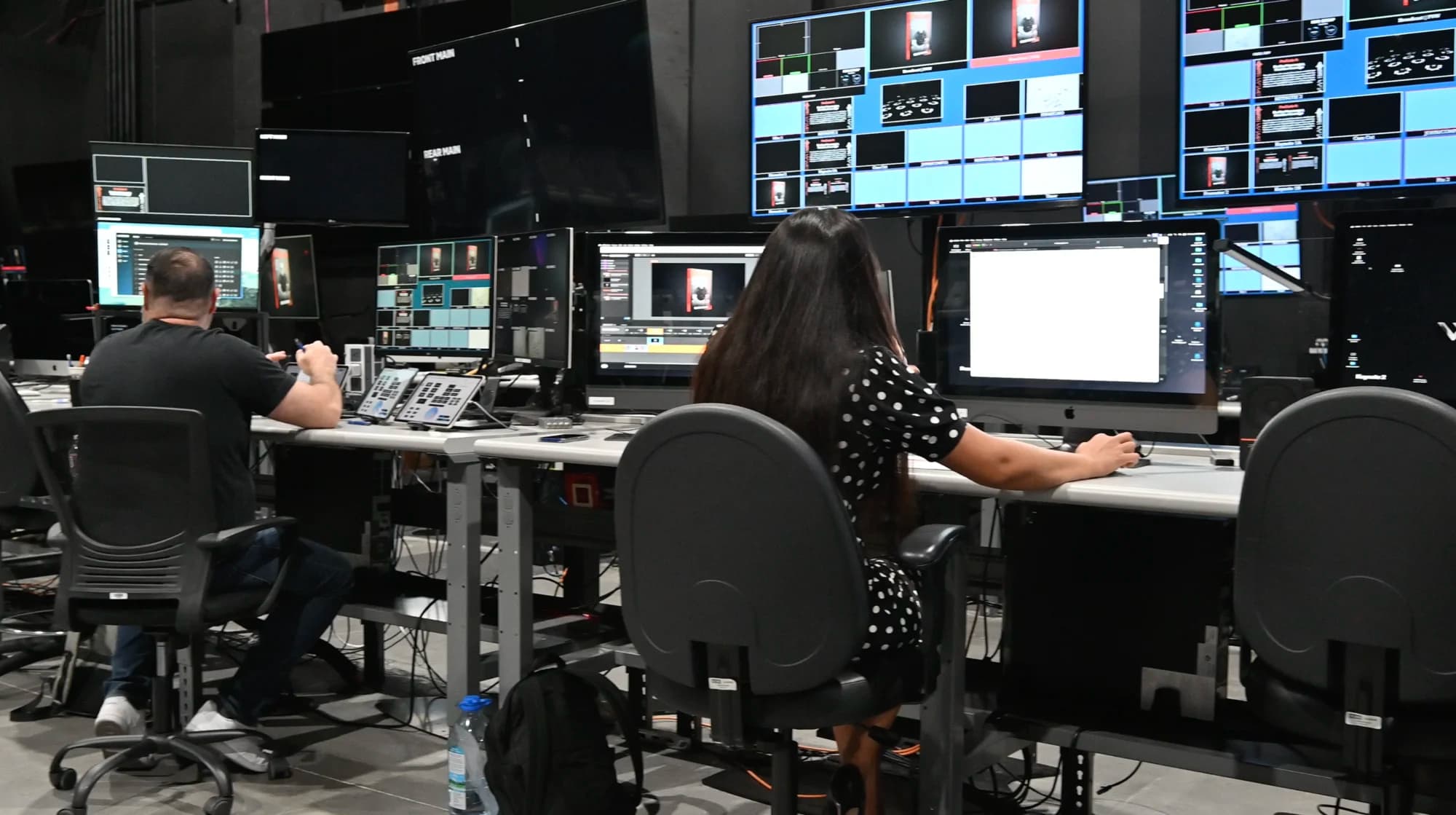
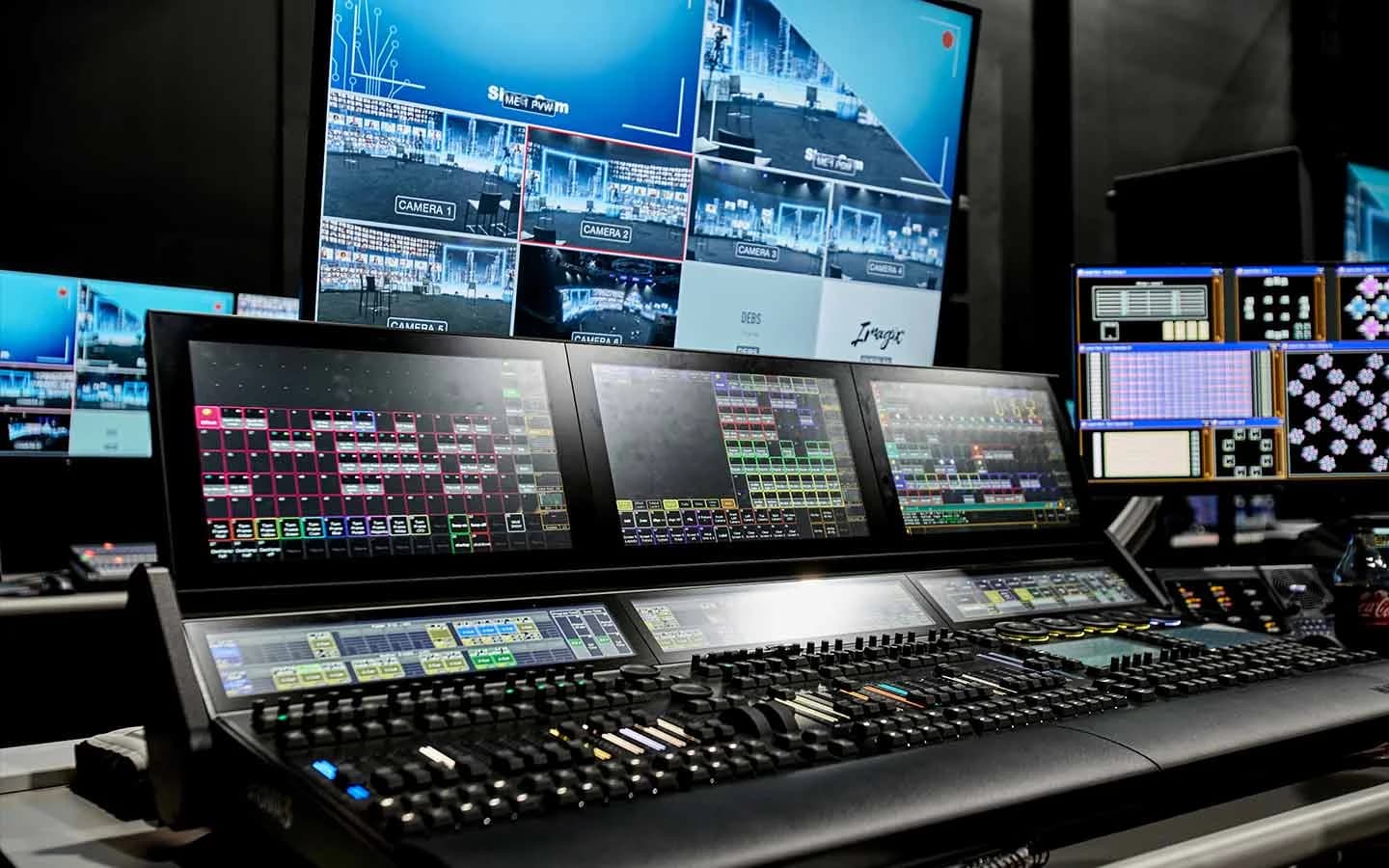
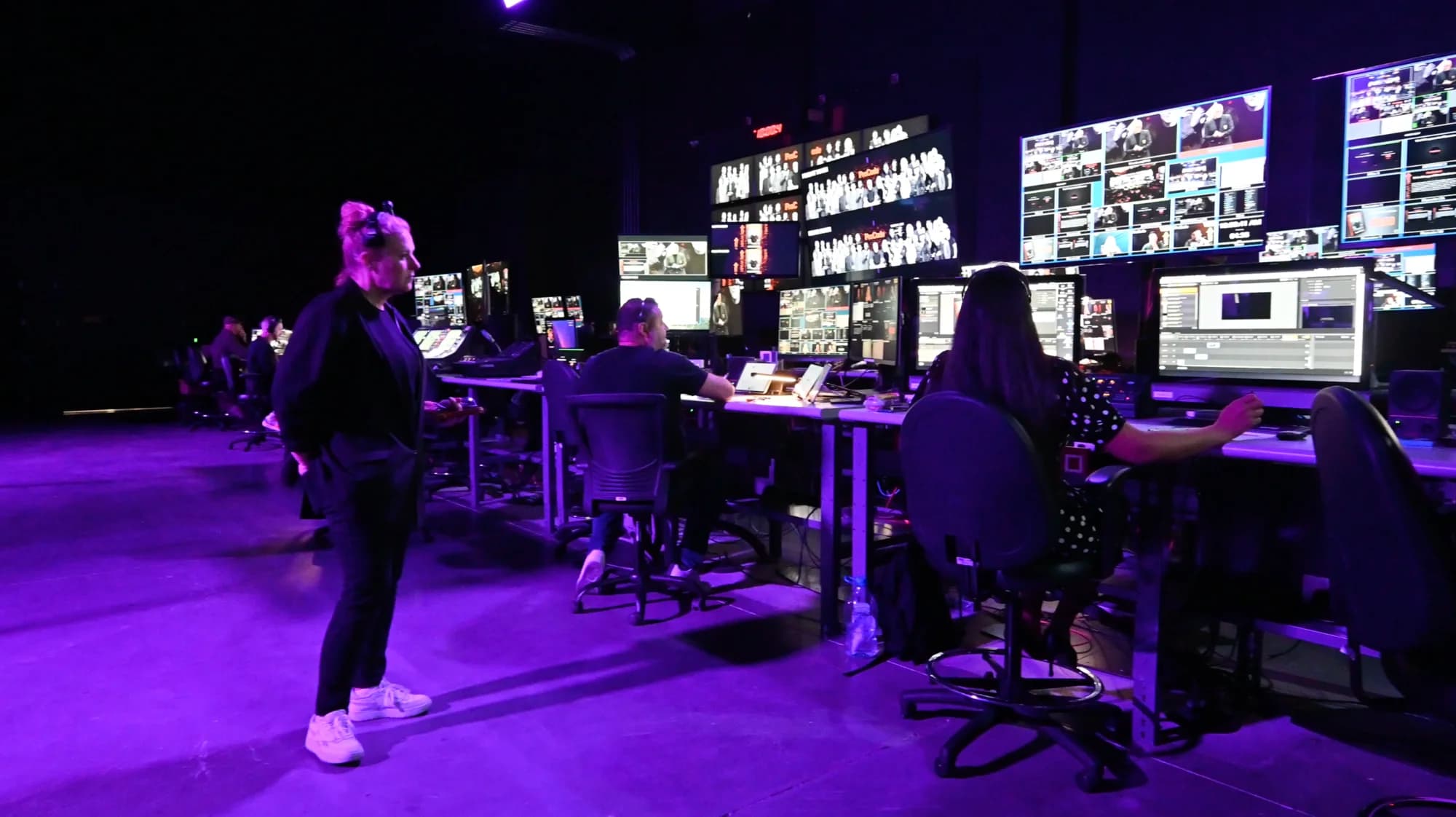
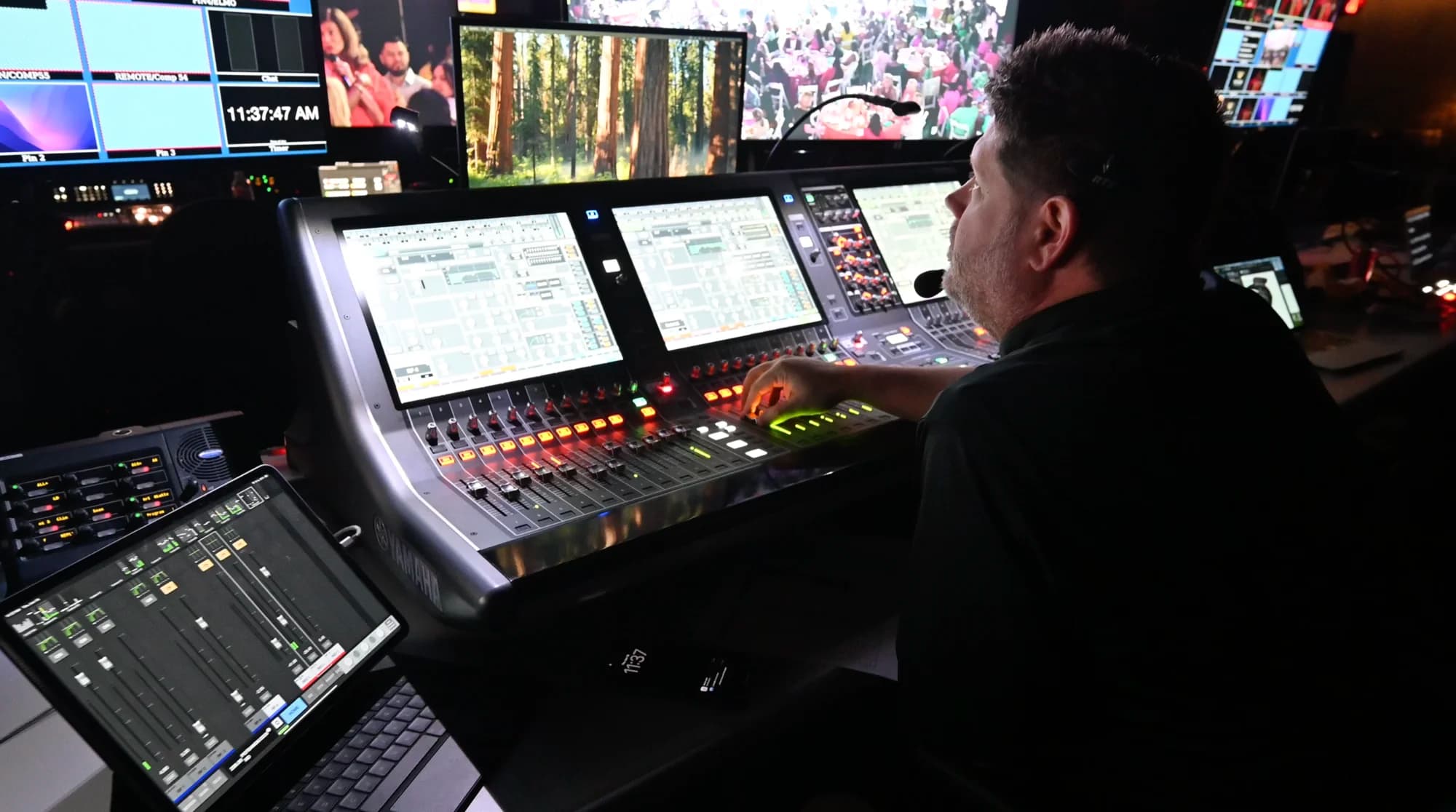
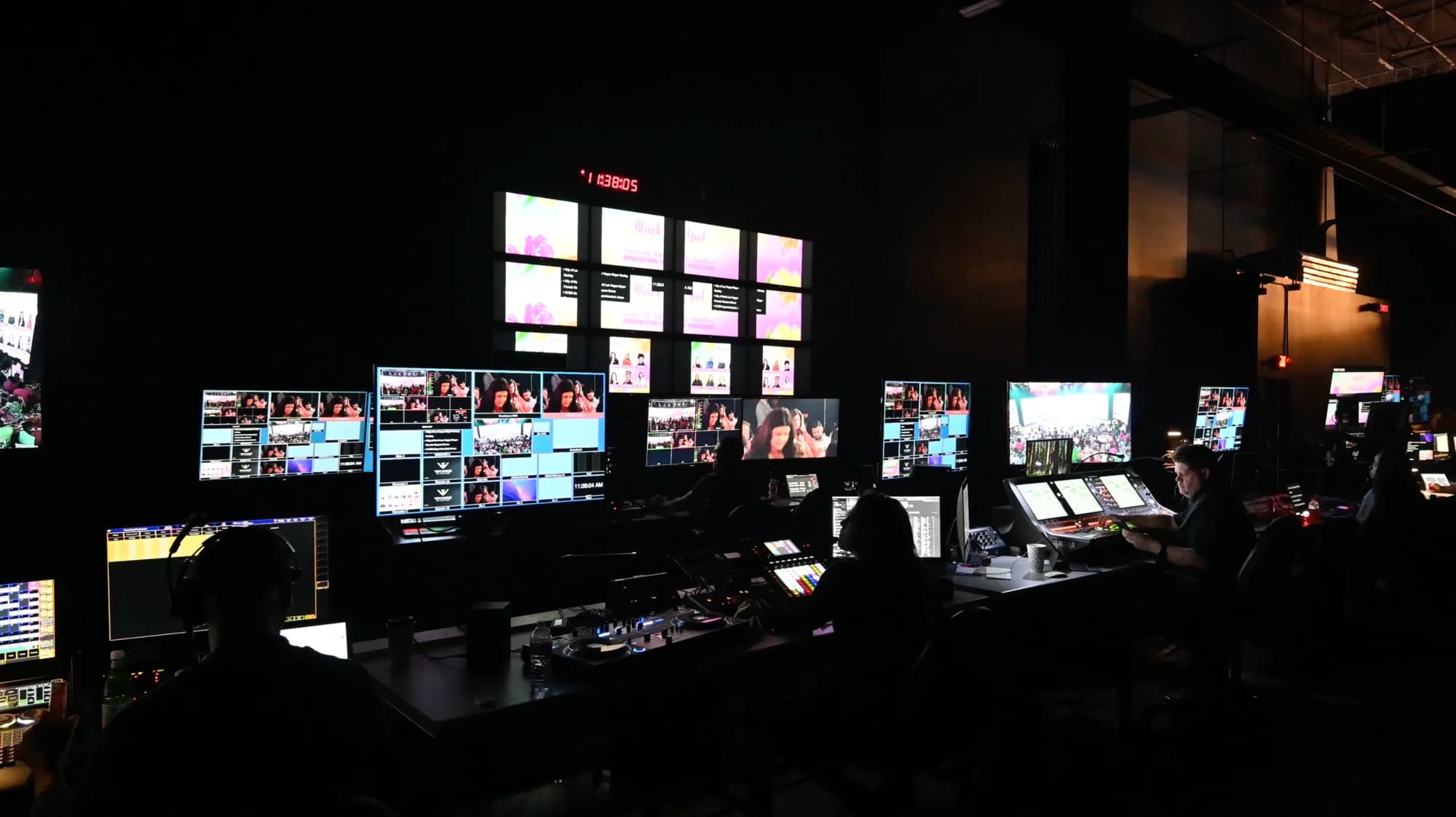
- Scope the crew for both jobs. The full production bench — crew, DP, director, graphic artists — is available in-house, and cameras are sourced to your project, so the shoot segment gets the camera package the deliverables need rather than whatever the event happened to use.
- Bank talent while you have it. Your speakers are flown in, rehearsed, and dressed. The recorded pieces that need them shoot the same day or usually never.
One Rule About the Output
A standing principle governs everything recorded here: live is live, and recorded is recorded. Evergreen content earns its keep as exactly what it is — polished, produced, and honestly framed. A recorded message played for an audience works beautifully when it's introduced as recorded; audiences respect the candor and it plays great. What the studio won't do is help pass recorded material off as live. The trust of a broadcast audience is the asset every deliverable ultimately depends on — nobody's spending it on a shortcut.
Bring your event and your content backlog to the same conversation — start a studio inquiry and scope the whole day.
Frequently Asked Questions
Using the paid production hours around a live event to shoot additional content — training, commercials, executive messages — with the same room, crew, and infrastructure. The event and the content library come out of one booking.
A rented venue's production is temporary — build and strike consume the margins of the day. A purpose-built studio's infrastructure is permanent, so the hours around the event are real production time instead of teardown.
Yes. Rendered environments swap live from an iPad on the studio's Unreal Engine 5 pipeline, so recorded content can run in a completely different world than the event — no physical set change required. Fully custom environments should be scoped early; they carry months of lead time.
Your choice. The studio fields a full in-house bench — crew, DP, director, graphic artists — or your team runs its own show. Cameras are sourced per project, matched to the deliverables.
Yes — framed honestly. Recorded segments introduced as recorded play great; the studio's standing rule is that live is live and recorded is recorded, because the audience's trust is the whole game.
Written by the Worre Studios Content Team and reviewed by Miko Hilton, Event Manager. The day structure and capabilities described reflect the studio's standard production model and delivered engagements. Content deliverables depend on each event's scoped schedule. Last reviewed July 5, 2026.
More from The Front Row
Book the Day. Keep Everything It Can Make.
Bring your event and your content wish list to the same call. We'll build a run-of-show that delivers both.