


How Much Does It Cost to Rent an LED Wall for an Event?
On this page
An LED wall quote is built from panels, processing, structure, power, content and the crew to build and run it, plus every day the wall spends going up and coming down. A small screen behind a stage prices as equipment. Walls comparable to a purpose-built broadcast stage, rented into a ballroom, run $300,000 to $500,000 for the walls alone, before audio, lighting or crew. If your event needs walls at that scale, the most direct way to get them is to book a room where they never leave.
Key Takeaways
- The panels are only part of the bill. Processing, structure, power, content and labor all sit on the same quote.
- Size and pixel pitch drive the panel cost. A tighter pitch means a sharper image up close, and more pixels in every square foot.
- Every rental pays for time nobody sees. Load-in, commissioning, rehearsal and strike are all billable days.
- At broadcast scale, the walls alone reach six figures. Renting walls comparable to a purpose-built stage into a ballroom runs $300,000 to $500,000.
- At Worre Studios, the walls come with the room. The 360° 12K LED walls are permanently installed and part of every Premium Event in the studio.
What an LED wall costs to rent depends less on the wall than on what you need it to do. A single screen behind a lectern is an equipment rental. A wall that wraps the stage, holds a picture for the camera and carries a broadcast is a construction project, and it's priced like one. Here's what goes into an LED wall rental quote, where the big numbers come from, and how a rental compares with a Premium Event in a studio where the walls are already standing.
Why Do LED Wall Rental Quotes Vary So Much?
Two planners can ask the same question, "how much is an LED wall?", and get answers six figures apart. Neither got a bad quote. They asked for different things.
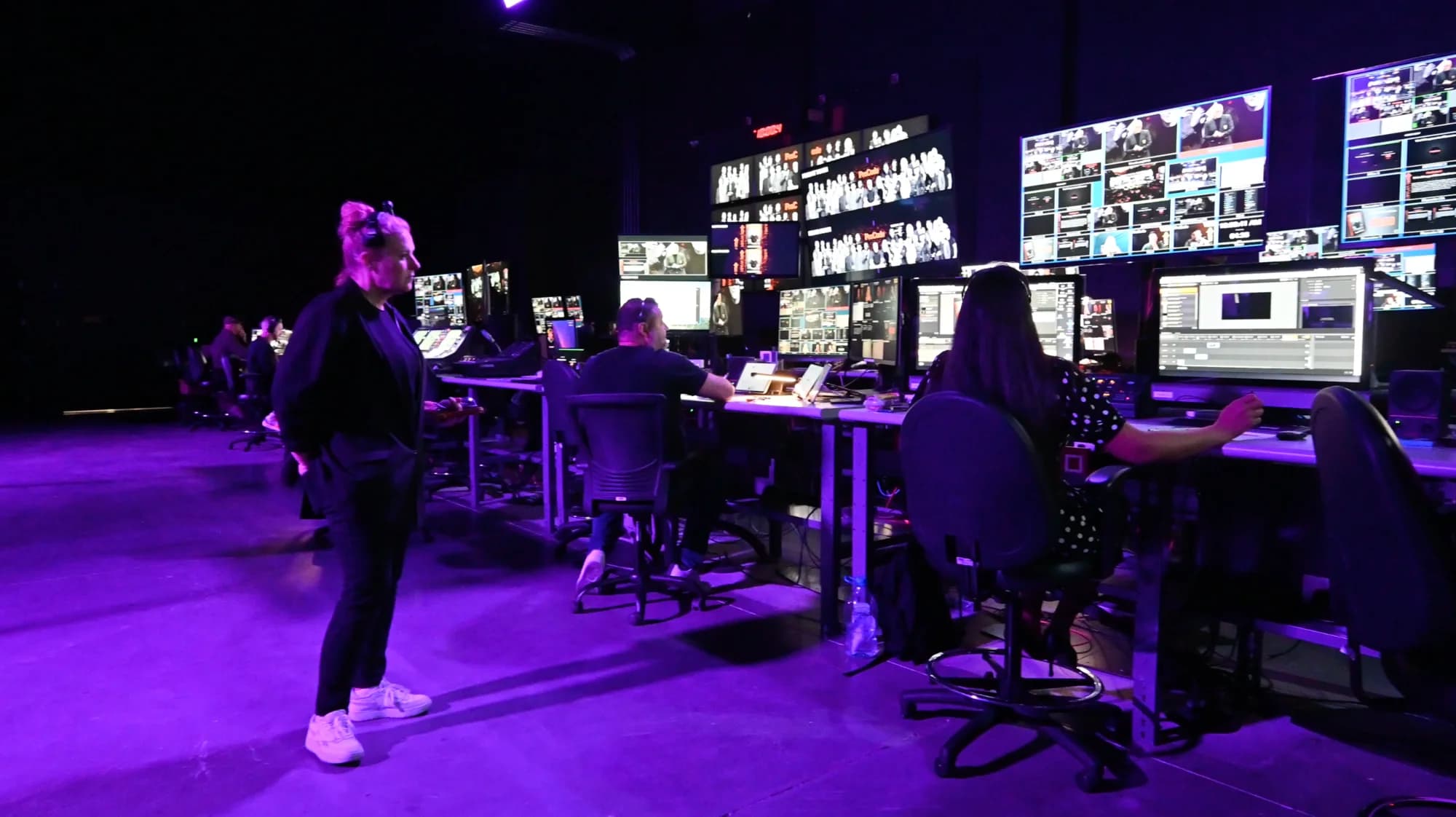
At one end is a screen: a flat wall on stands behind a speaker, showing slides and a logo. It's an equipment rental with a delivery, a setup and a technician. At the other end is an environment: curved walls around a stage, tight enough in pitch for a close camera shot, fed by media servers, built on its own structure, powered by its own distribution and run by an operator for the whole show. Same product category, completely different job.
Most rental price guides are written for the first kind. If your event is the second kind, the useful question isn't the price per panel. It's what the finished, working wall costs, from the first truck in to the last case out.
What's Actually in an LED Wall Rental Quote?
Every LED wall quote is built from the same handful of lines. The panels get the attention, but the lines around them often decide the total.
| Line item | What it covers | What moves the number |
|---|---|---|
| Panels | The LED tiles that make up the wall | Total size, pixel pitch, curved or flat, indoor or outdoor rating |
| Processing | The processors and media servers that map content to the wall | Resolution, number of inputs, live switching, backup hardware |
| Structure | Ground support, truss or rigging that holds the wall up | Height, whether it's flown, the venue's rigging points |
| Power | Distribution from the venue's supply to the wall | Wall size, the power the venue actually has, backup |
| Content | Graphics and video built to the wall's exact pixel map | Custom motion, full environments, how much lead time you allow |
| Labor | Technicians to build, calibrate, operate and strike | Crew size, show hours, overnight builds |
| Days | Load-in, rehearsal, show and strike | Every day the wall is in the room, not just show day |
The lines interact. A wall can't be flown from a ceiling with no rated points, and it can't run on power the room doesn't have. Content built for one screen has to be rebuilt for another. Each fix becomes its own line, and often its own vendor.
What Does an LED Wall Cost at Broadcast Scale?
Here's the number most price guides never reach. Renting LED walls comparable to a purpose-built broadcast installation into a hotel ballroom runs $300,000 to $500,000 for the walls alone. Audio, lighting, cameras, rigging and the crew to run them all sit on top, and we've broken down what a large hybrid event costs in a hotel ballroom line by line.
The jump from a stage screen to that figure isn't a markup. A broadcast-scale wall is more of everything: more square footage of panels, a tighter pitch for the camera, curved geometry instead of flat, processing that can drive full-motion environments, and a crew that has to build it, calibrate it and take it down again.
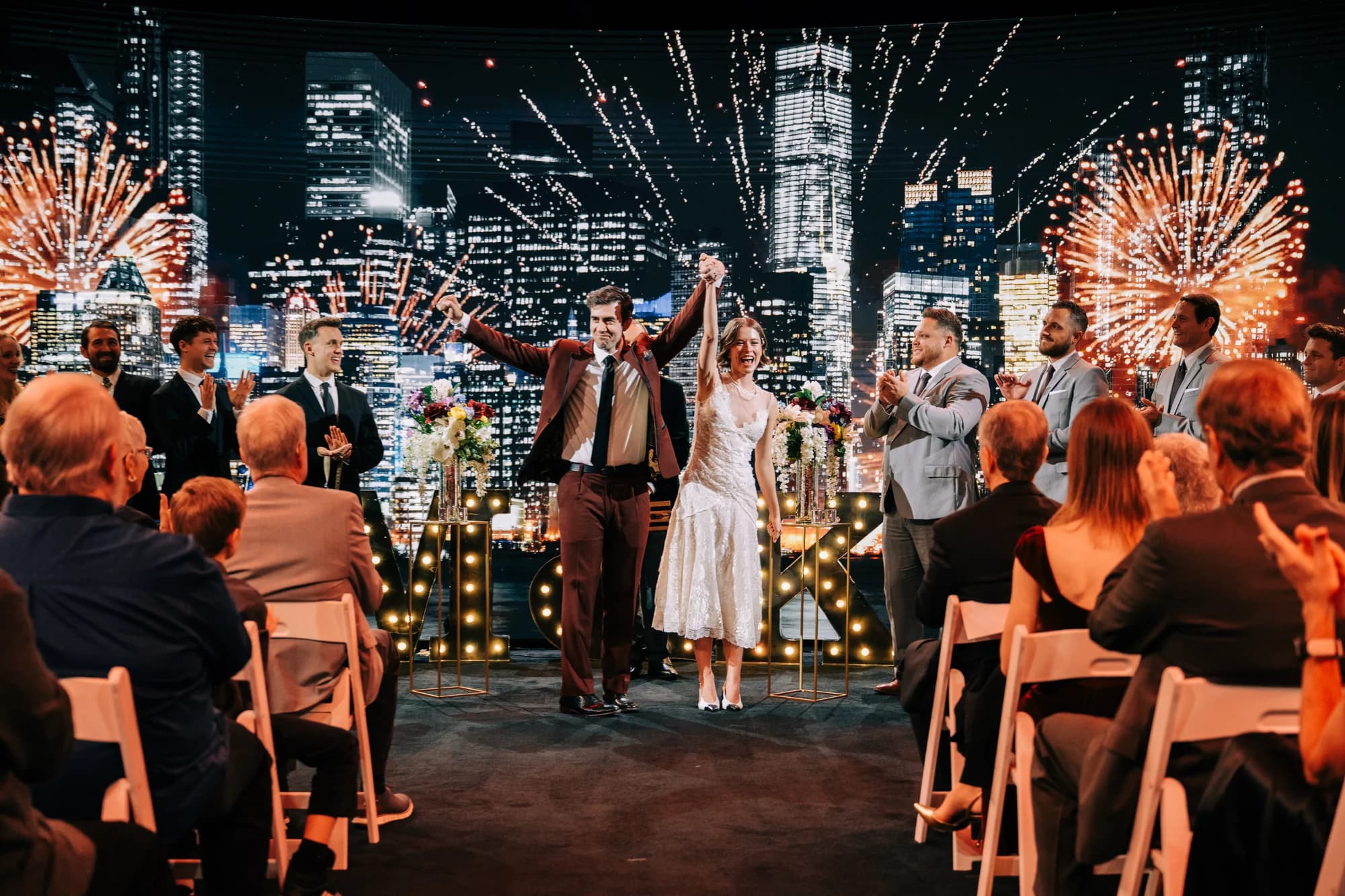
Scale changes what the wall is, too. When LED surrounds the audience instead of sitting behind the stage, the screen stops being a backdrop and becomes the room. Here's what a 360° LED volume can actually do once it does.
Pixel Pitch: The Spec That Moves the Panel Price
Pixel pitch is the distance between the centers of neighboring pixels, measured in millimeters. The smaller the number, the closer together the pixels sit, and the closer a viewer or a camera can get before the image breaks into dots. A tighter pitch also packs more pixels into every square foot, which is why it moves the panel cost so directly.
Match the pitch to your closest viewer. If the nearest seat is far back and nothing is being filmed, a looser pitch can do the job. If a camera will frame a presenter against the wall, or the front row sits close to it, the wall needs a tight pitch to read as a picture rather than a grid.
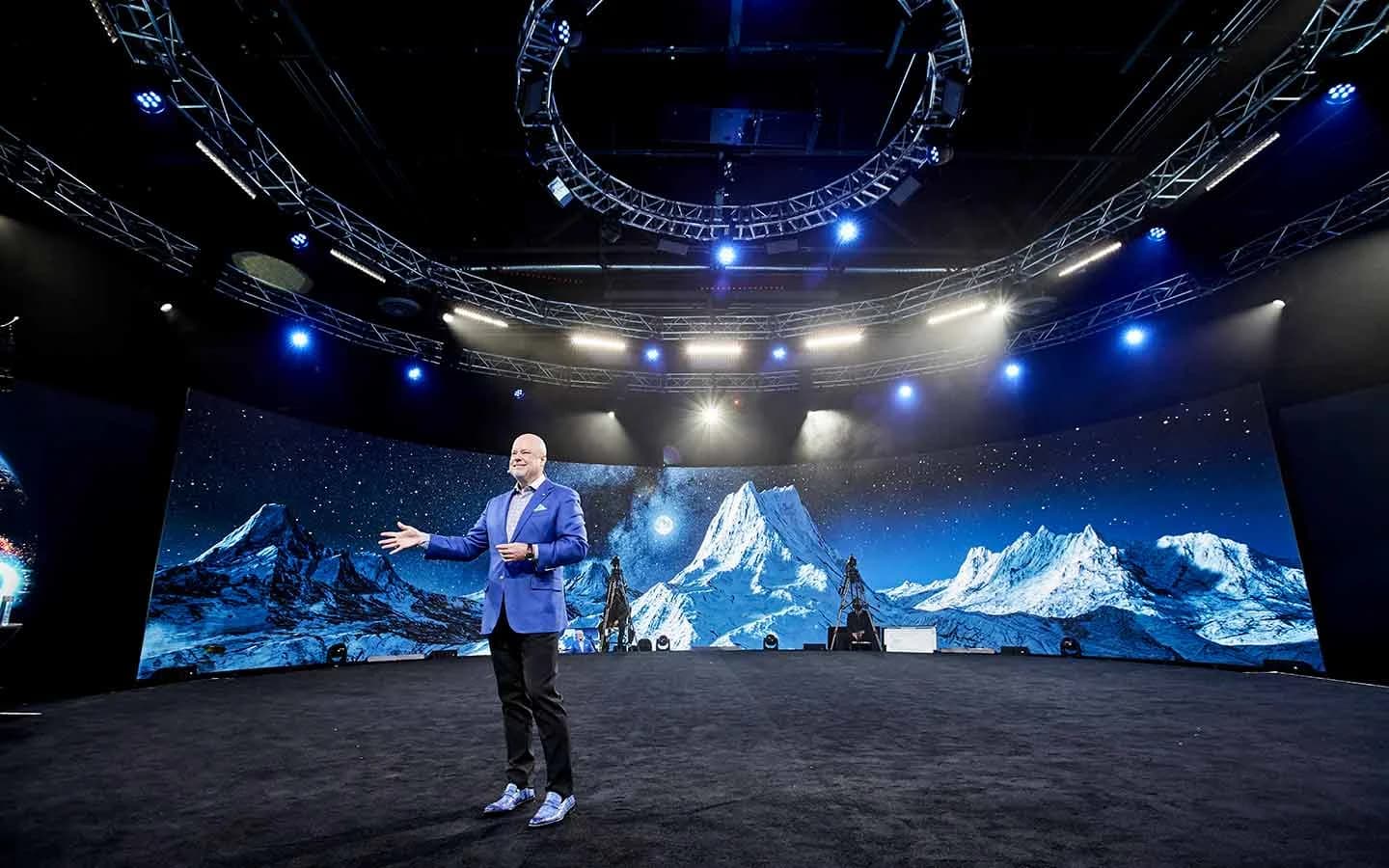
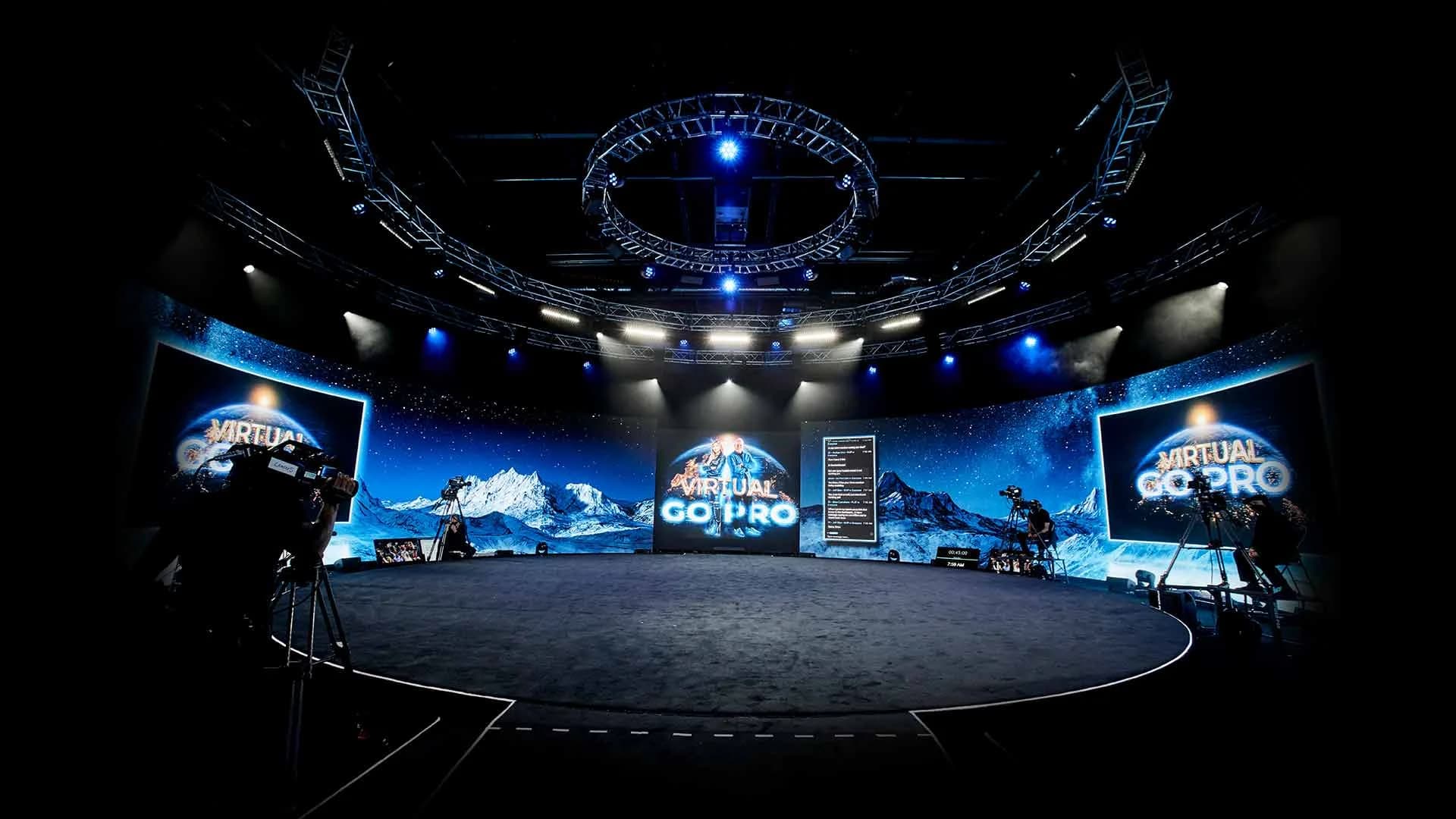
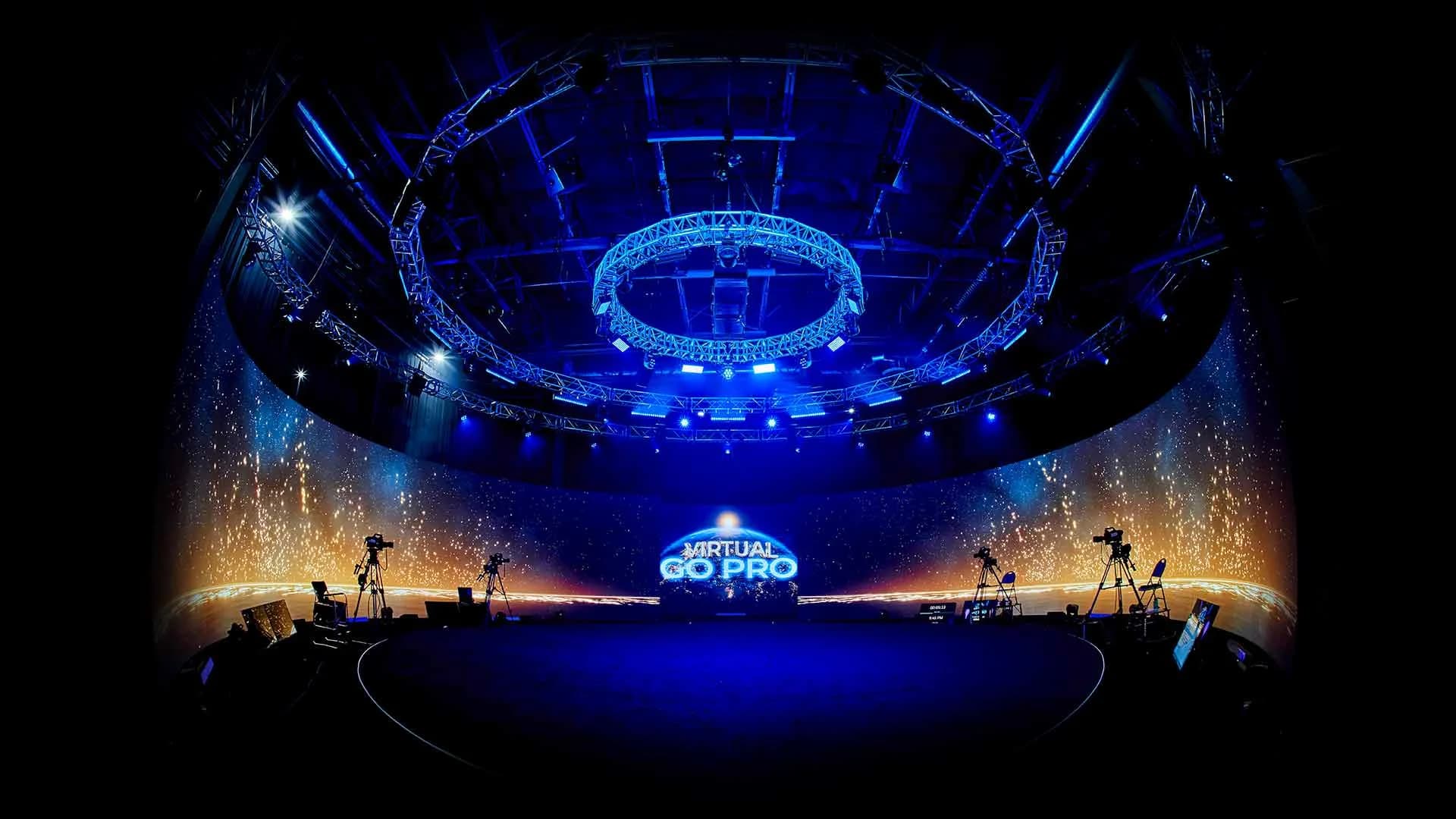
The studio's four curved walls run at a 1.9mm pitch. The same walls switch to green or blue when a production needs to key, so one surface serves both the live event and the camera. Here's how that compares in LED volume vs. green screen, and every system behind the walls is listed in the studio's full technology specification.
The Costs That Never Show Up on the LED Line
Some of the biggest costs of a rented wall don't appear next to the word "LED" on any quote.
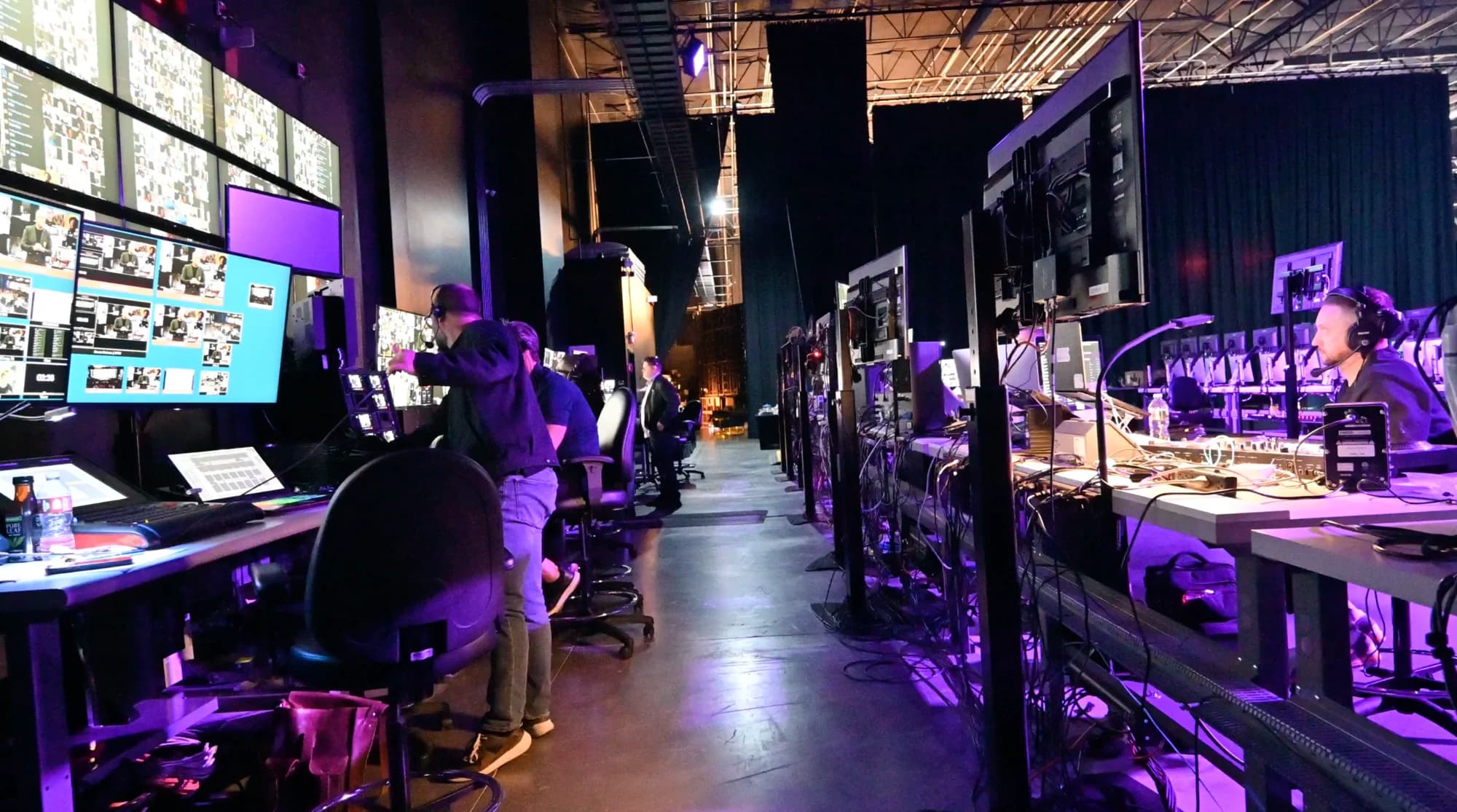
- Build days. A rented wall arrives in cases. Before the show it has to be built, powered, mapped and calibrated, and the room is booked, staffed and paid for the entire time.
- Rehearsal in a half-built room. Talent and producers rehearse while the build finishes around them, so the first full run often happens on show day.
- Strike. After the last applause, the wall comes down overnight or into the next morning, and the venue and crew are still on the clock.
- Vendor seams. Panels, rigging, power, audio and lighting often come from different companies, each with its own contract and its own point of failure.
- Content that underuses the wall. Teams book an enormous surface and park a static logo on it. Motion designed for the wall's real dimensions is what makes the spend visible to the audience.
None of these are hidden fees in the dishonest sense. They're simply what it costs to build a temporary broadcast facility inside a room designed for banquets, and then take it apart again.
Renting LED Walls vs. Booking a Studio Where They Already Stand
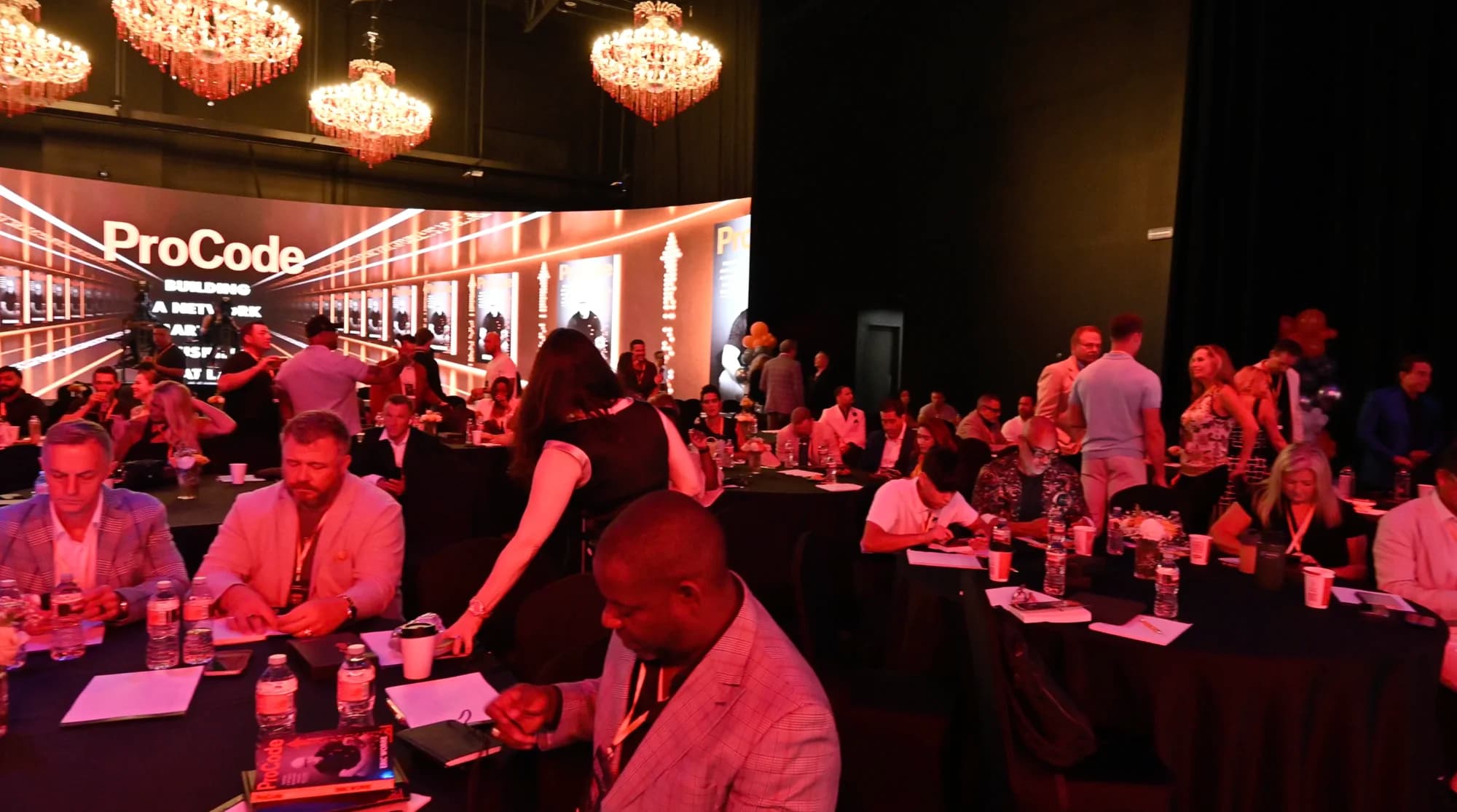
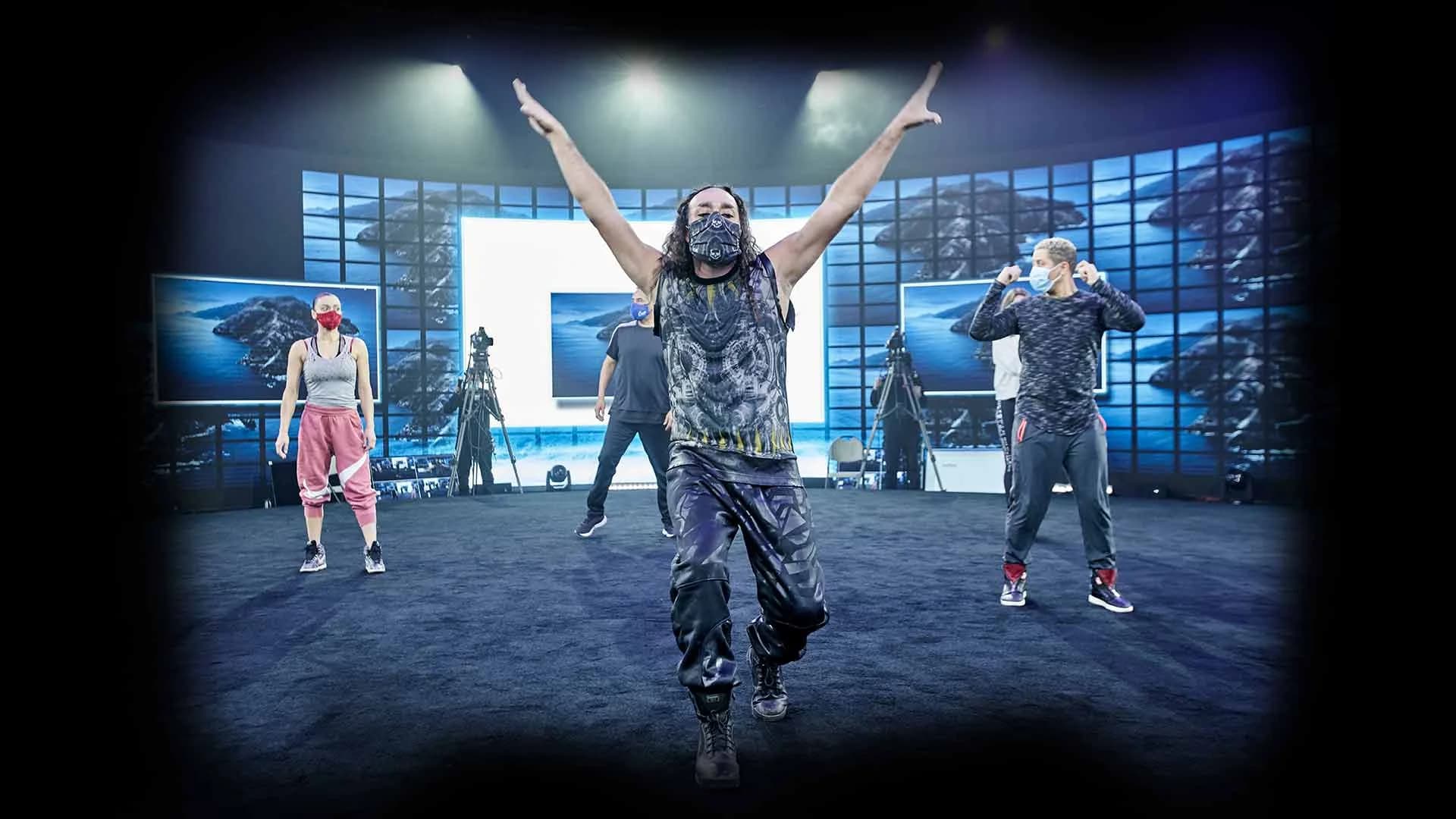
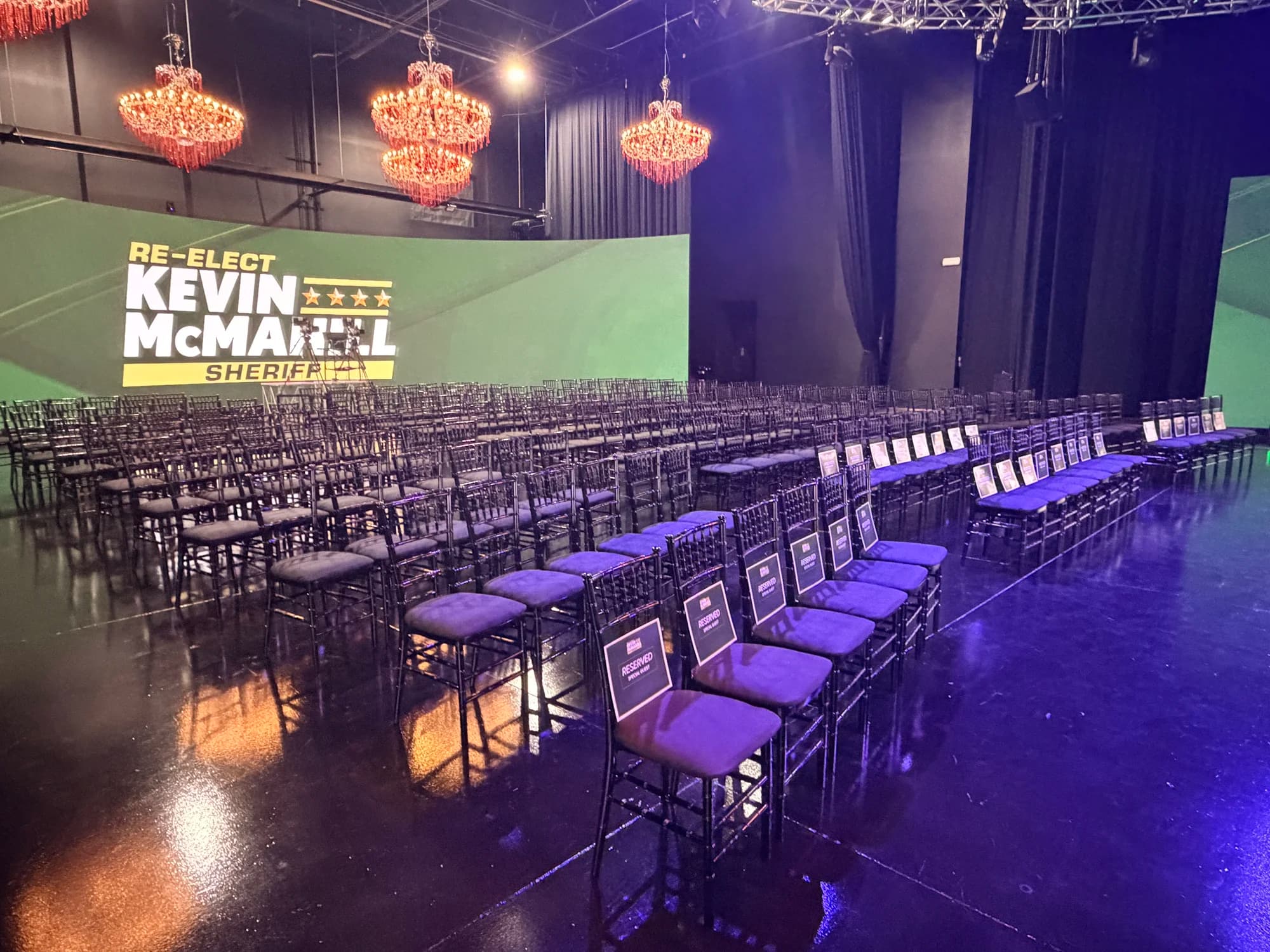
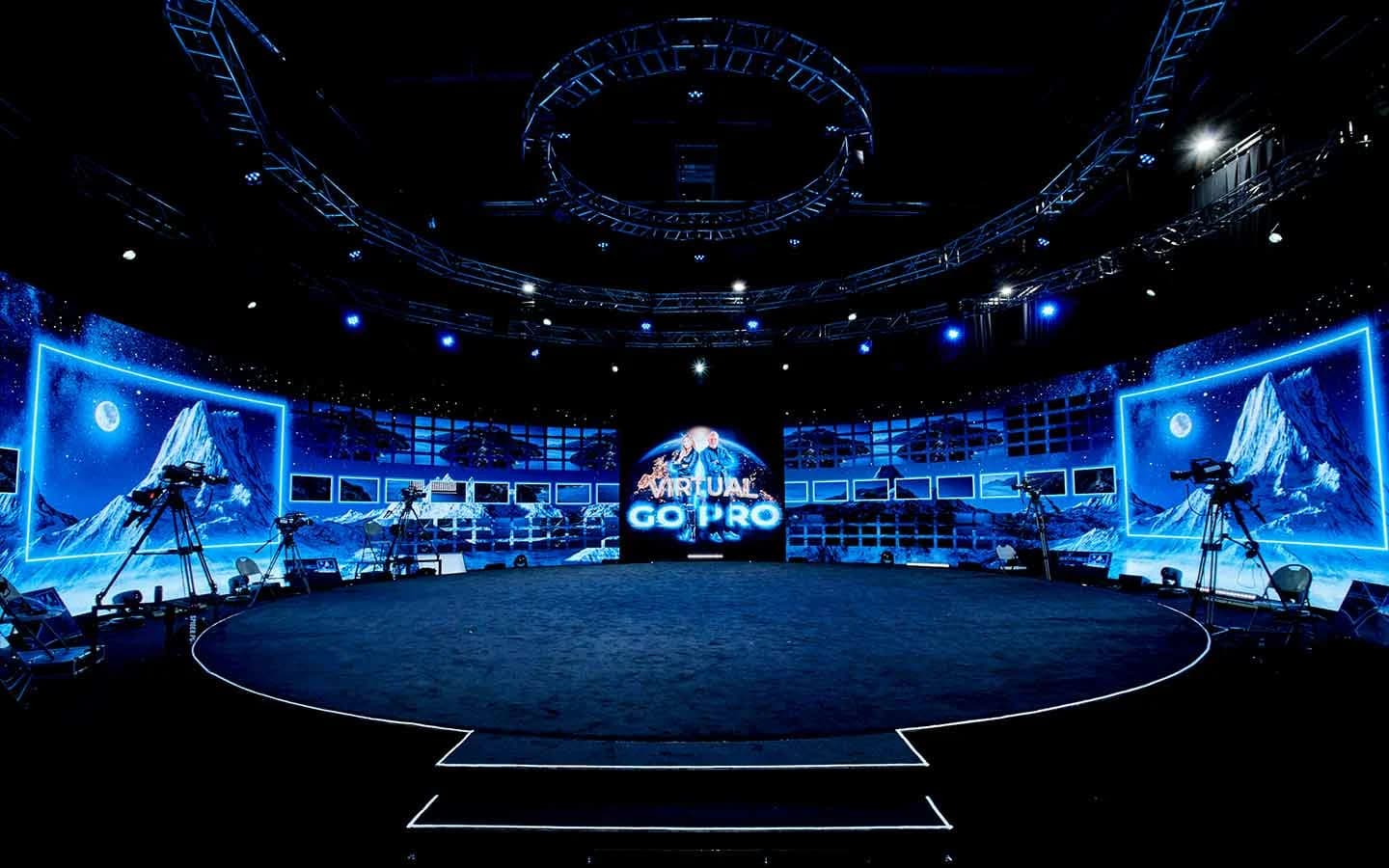
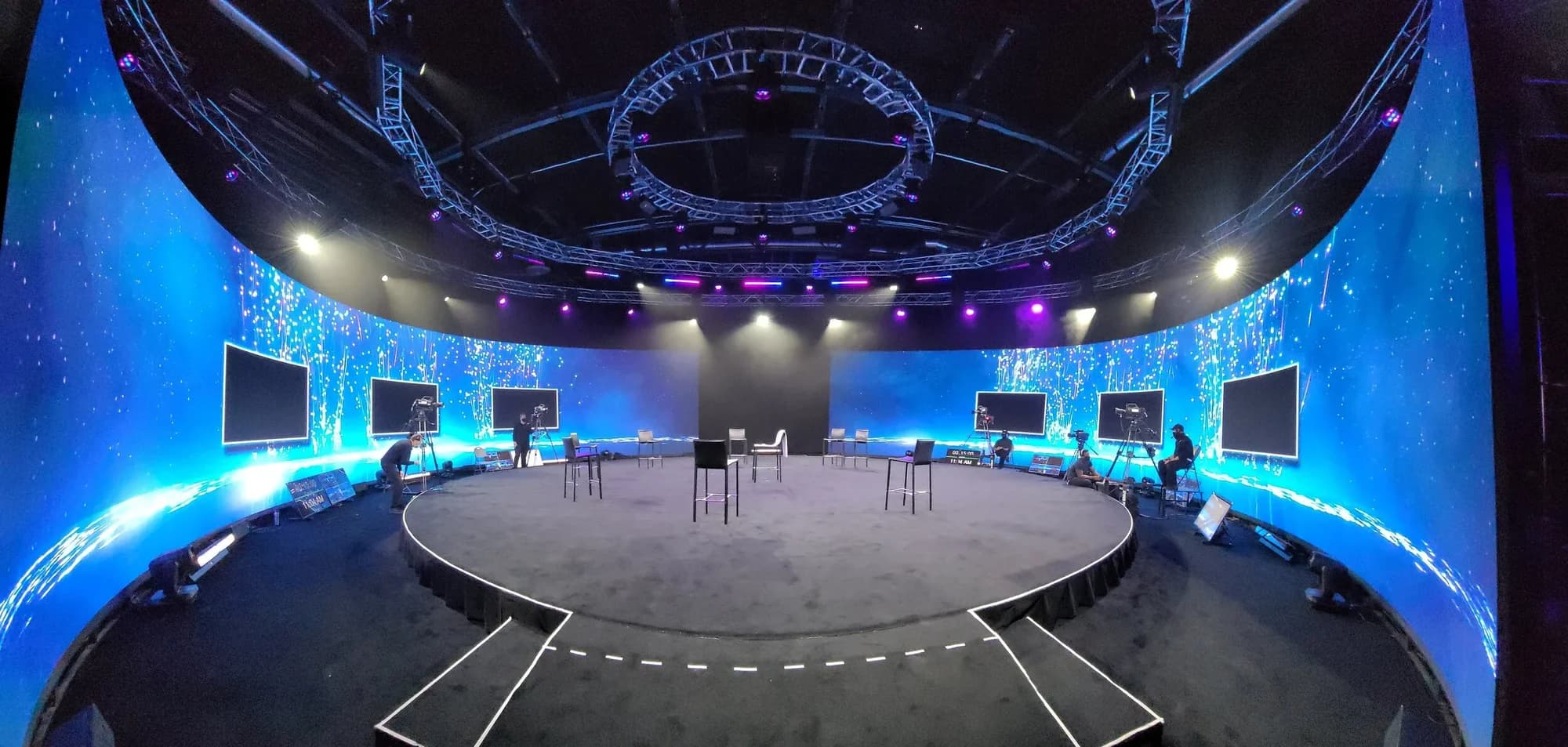
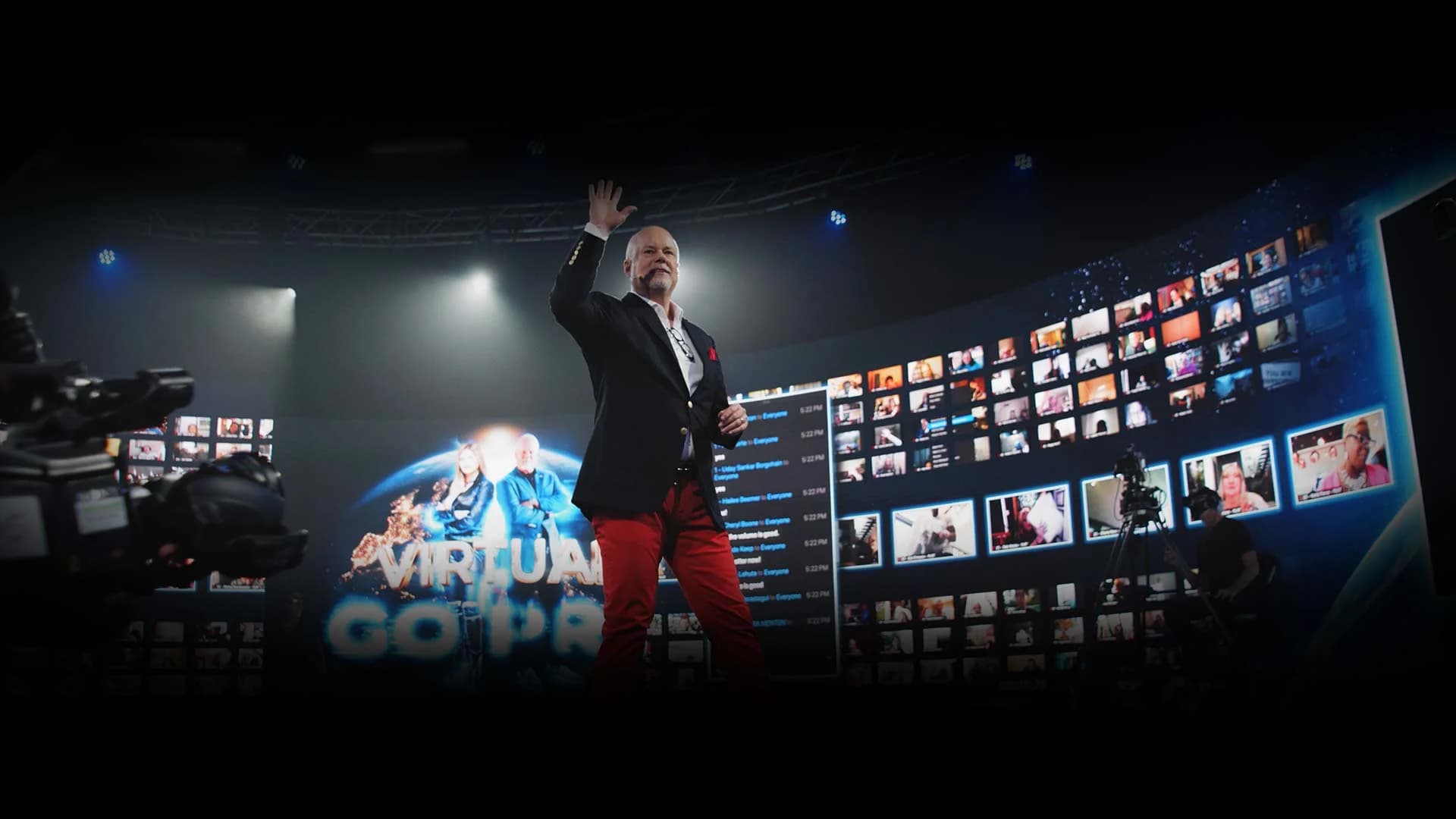
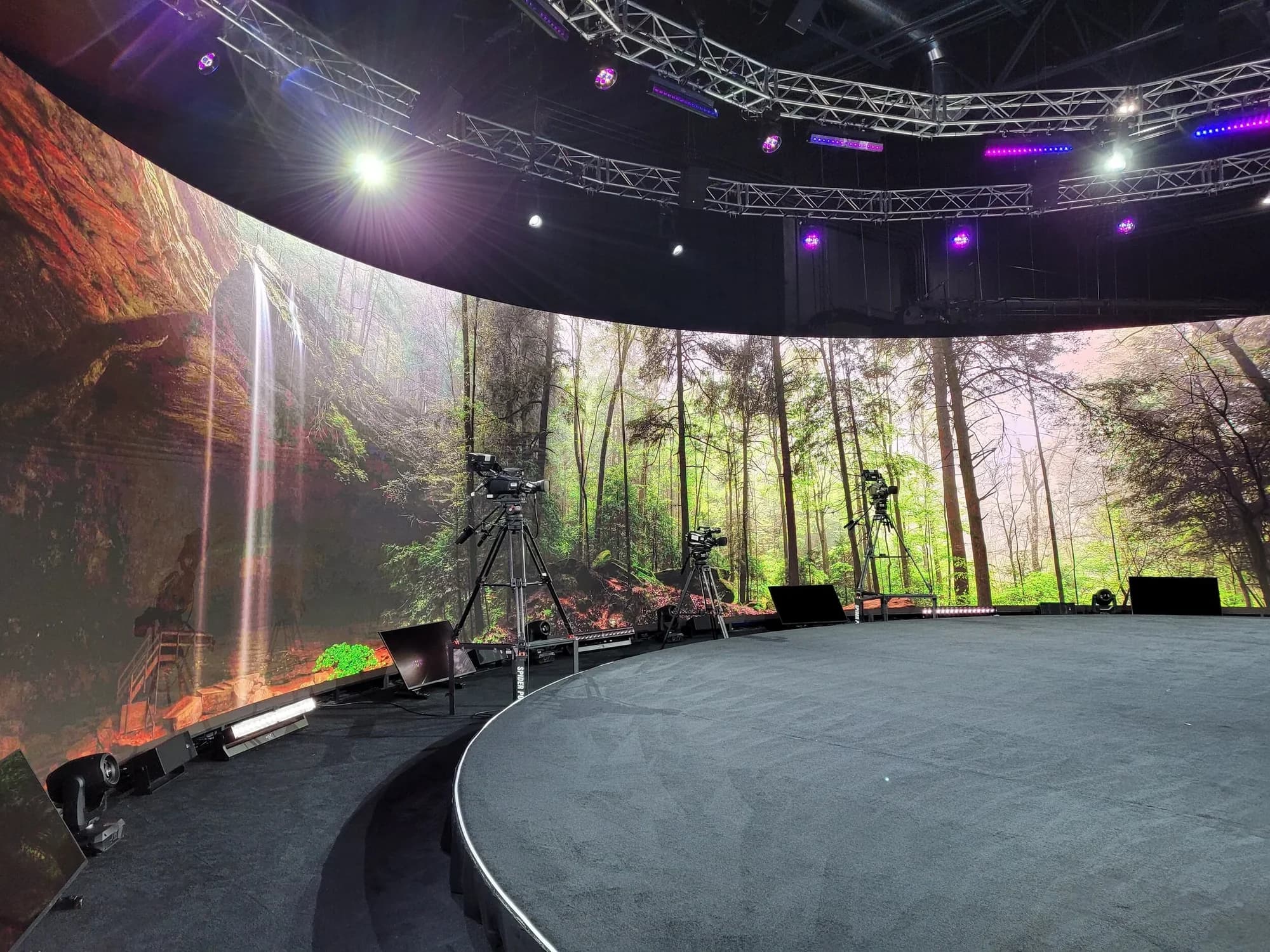
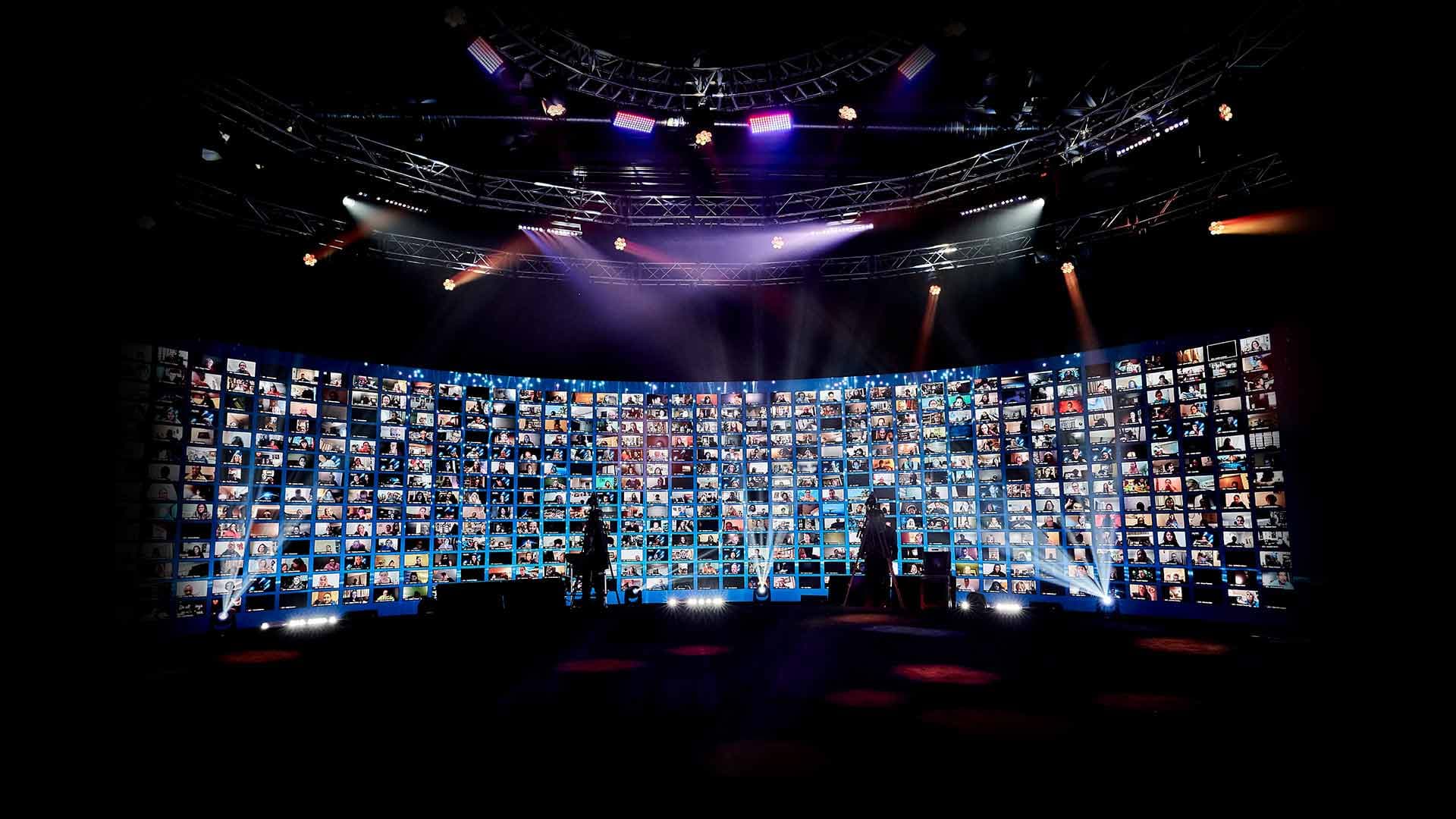
The other option is to skip the rental. At Worre Studios, the LED walls are part of the building: two 73' × 14' and two 24' × 14' curved 1.9mm walls wrapped 360° around a stage in the round, 12K across the full surface, permanently installed and always standing.
Here's what changes when the walls never leave:
- They come with the room. Every Premium Event in the studio runs on the 360° 12K LED walls. They're part of the booking, not a separate rental. Here's how the two ways to work with Worre Studios compare.
- No build, no strike. The walls are commissioned before you arrive, so the production days you pay for go into your event.
- The crew knows the walls. The team that runs them works the same surfaces every event, instead of learning a new install on load-in day.
- The room flexes. Half of the 360° wall moves back on a track to open the floor for a live audience of up to 350 seated, 500 standing or 600 in a concert setup. The studio floor plan has every dimension.
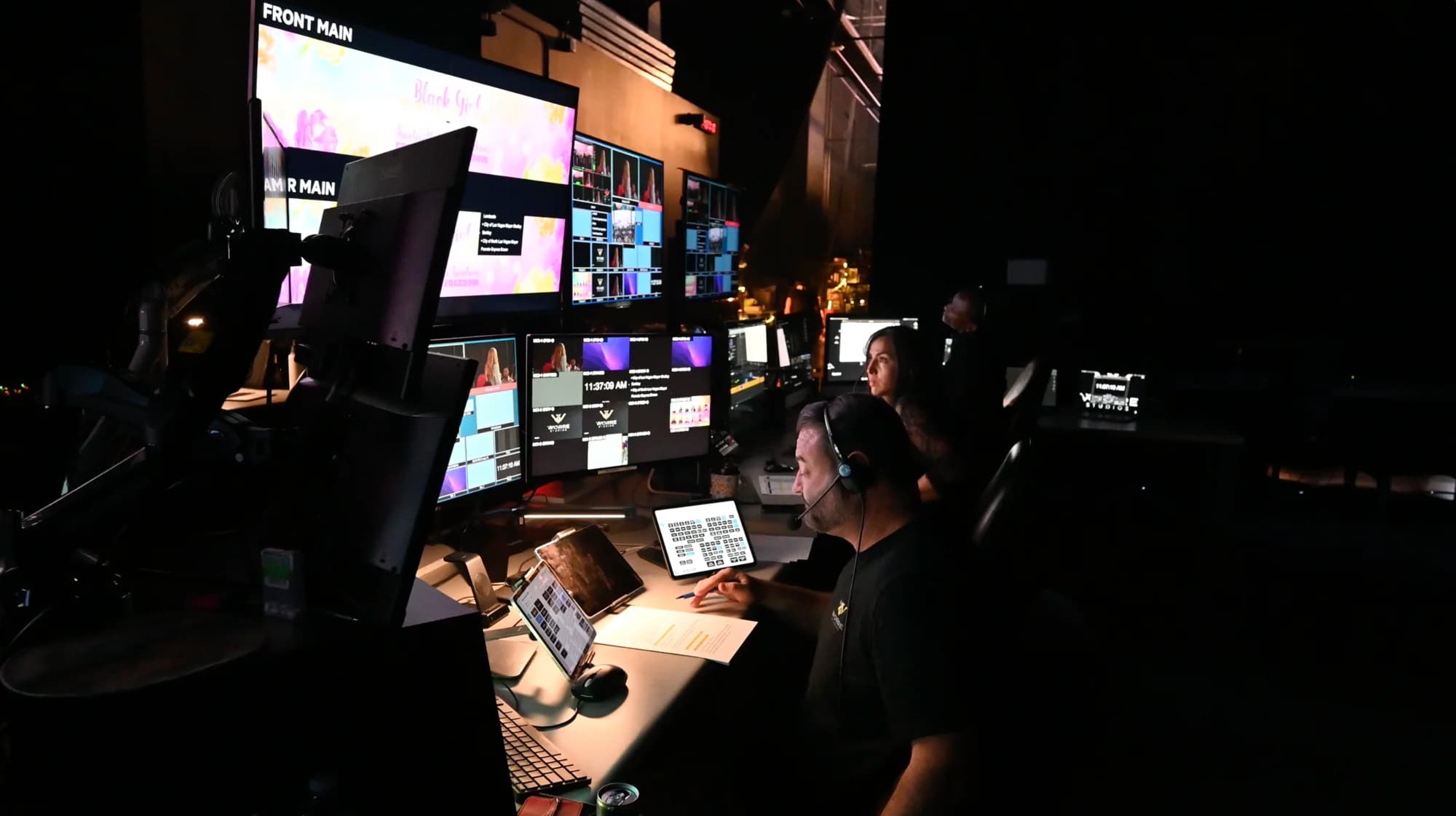
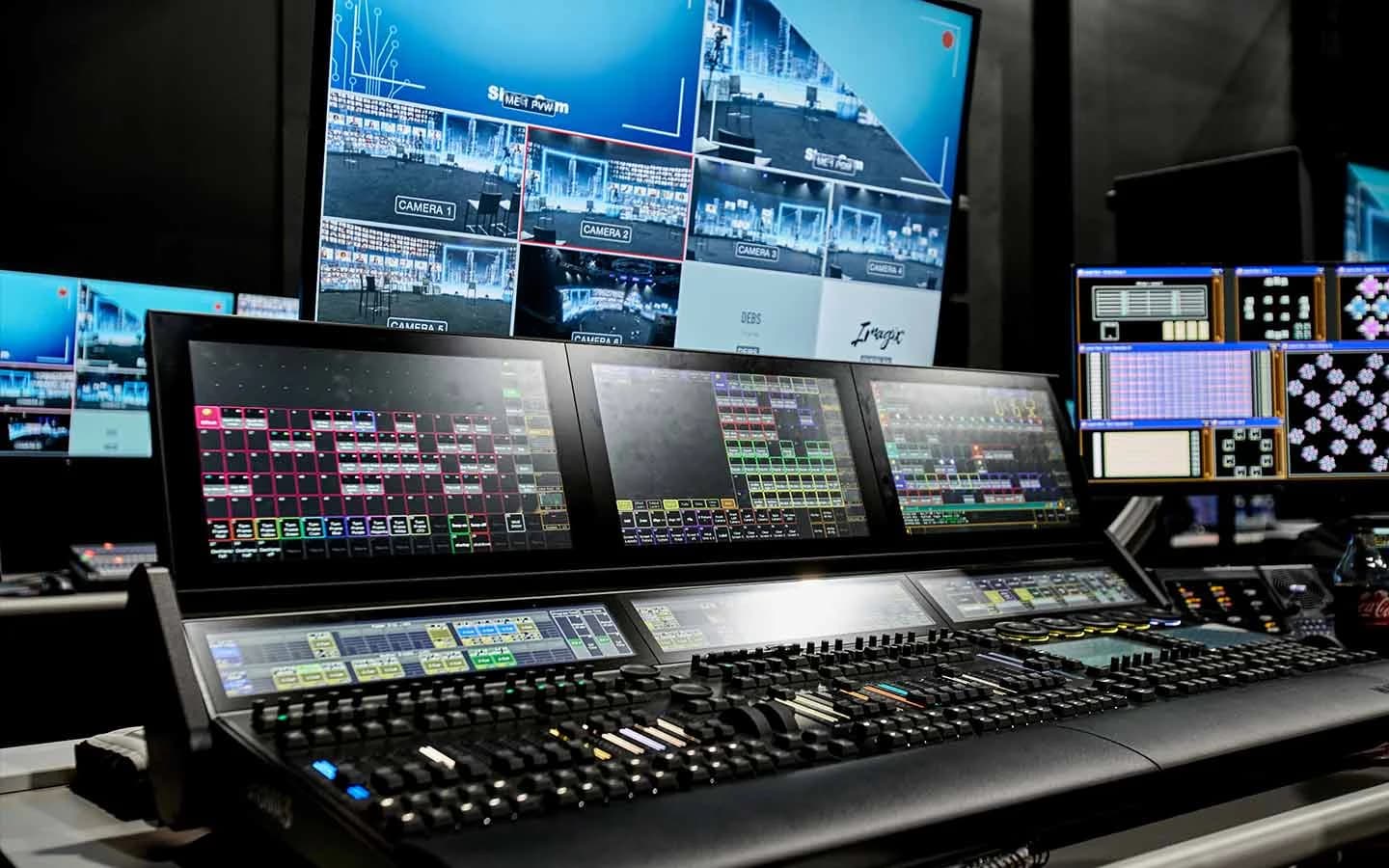
- The content moves. Environments run on Unreal Engine 5 and CANVAS through a custom-built system, so a producer can trigger scene changes and reveals live from an iPad. Custom environments take months of lead time, so brief them early. Here's how Unreal Engine works at live events.
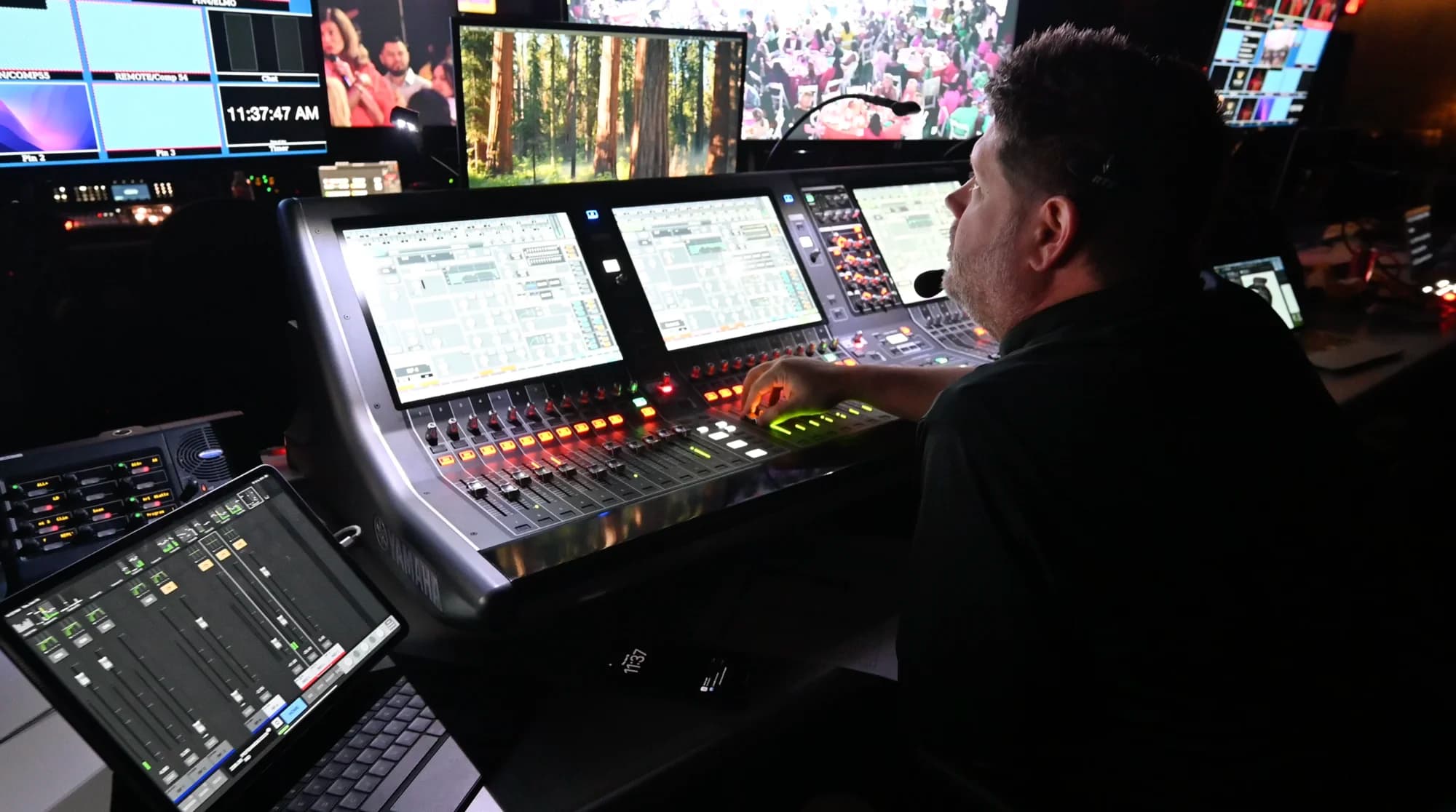
- Your team is welcome. Outside production teams can bring their own crew and run their own show. The house lighting and audio consoles run with our operators, and nobody patches into the full production network unsupervised.
We didn't build this comparison from a spreadsheet. Teams have walked the studio, gone off to price the rental path, and come back once the LED, rigging and labor lines landed. The pattern in their math was consistent: the rented build cost more than the room where the walls were already standing, and what it bought was a temporary install.
How to Compare LED Wall Quotes Like for Like
Whichever path you're pricing, ask every vendor to quote the same finished result. Send each of them:
- The wall's dimensions, its shape (flat or curved) and how many surfaces it has
- The closest viewing distance, and whether cameras will shoot against the wall
- The pixel pitch you want, or a request to recommend one for that distance
- Every day the wall must be in the room: load-in, rehearsal, show and strike
- Who builds the content, to what pixel map, and by when
- Who operates the wall during the show
- What the venue provides for structure, rigging and power, and what the vendor has to bring
- What happens if a panel or processor fails mid-show
Put the finished totals side by side, not the panel rates. Our comparison of an event studio vs. a convention center walks through the same scope-for-scope approach for the whole venue, and these questions to ask any venue before you book cover what to check beyond the walls.
If your host is somewhere else and doesn't need the room at all, our Remote Virtual Stage takes their camera feed and broadcasts it as a full interactive event. It's scoped separately and quoted per inquiry. When you're ready to price the studio path, start a studio inquiry with your event's scope, and we'll build a quote you can set beside the rental bids.
Frequently Asked Questions
How much does it cost to rent an LED wall for an event?
It depends on what the wall has to do. A single flat screen behind a stage is an equipment rental, priced by size, pixel pitch and days. At broadcast scale, renting LED walls comparable to a purpose-built studio installation into a ballroom runs $300,000 to $500,000 for the walls alone, before audio, lighting, rigging or crew.
What affects the cost of an LED wall rental?
Total size, pixel pitch, curved or flat geometry, processing, structure and rigging, power, content built to the wall's pixel map, the crew to build and run it, and the number of days the wall stays in the room, including load-in, rehearsal and strike.
What does pixel pitch mean on an LED wall quote?
Pixel pitch is the distance between neighboring pixels, in millimeters. A smaller number means a sharper image up close and more pixels per square foot, which raises the panel cost. Match the pitch to your closest viewer, and choose a tight pitch if cameras will shoot against the wall.
Why does an LED wall rental cost more than the panel quote?
The panel price is one line. Structure, power, processing, content, operators, and the days spent building and striking the wall usually arrive separately, often from different vendors.
Is the LED wall included when you book Worre Studios?
Yes. The studio's 360° 12K LED walls are permanently installed and come with every Premium Event in the studio, not as a separate rental. They're always standing and commissioned, so there's no build or strike to pay for.
How big are the LED walls at Worre Studios?
Four curved walls at a 1.9mm pixel pitch: two 73' × 14' and two 24' × 14', wrapped 360° around a stage in the round. Half the wall system moves back on a track to open the room for a live audience.
Can we bring our own crew to the studio?
Yes. Outside production teams can bring their own crew and run their own show. The house lighting and audio consoles run with our operators, and network patching is supervised. Custom Unreal environments rendered by the studio's graphic artists take months of lead time, so brief them early.
How do I compare an LED wall rental with a studio booking?
Compare finished totals, not panel rates. Ask every vendor to quote the same wall size, pitch and shape across every day it's in the room, with content, operators, structure and power included, then set those totals beside a studio quote built for the same event.

Written by the Worre Studios Content Team and reviewed by Ben Groen, Ticketing & Interactive Platform Lead. The $300,000 to $500,000 figure reflects market rental rates for LED walls comparable to the studio's permanent installation; other cost drivers are described at the category level and vary by vendor and venue. Studio capabilities reflect installed infrastructure, and every studio quote is built around the event's scope. Last reviewed November 11, 2026.
More from The Front Row
Price the Walls You'd Rent. See the Ones That Never Leave.
Bring us your event's scope. We'll build a quote you can set beside the rental bids, and walk you through the walls those bids are trying to recreate.