



Load-In to Load-Out: What an Event Production Day Actually Looks Like
On this page
Load-in is everything between the first truck arriving and the room being ready to rehearse: unloading, building, rigging, powering, programming and testing. Load-out is the same work in reverse, ending when the last case leaves the building. In an empty ballroom or convention hall, the production builds a temporary facility and pays for every hour of it. In a studio where the LED walls, audio, lighting and control room are already standing, load-in shrinks to what you bring, and the hours you save go into rehearsal and the show.
Key Takeaways
- Load-in and load-out are billable time. The room, the crew and the gear are on the clock from the first truck to the last case.
- The empty room is the biggest variable. Everything a venue lacks has to arrive by truck, get built and come down again.
- Rehearsal is what gets squeezed. When the build runs long, the first full run-through often happens on show day.
- One team should own the whole day. Load-in, show and load-out run cleanest when a single production team holds the schedule.
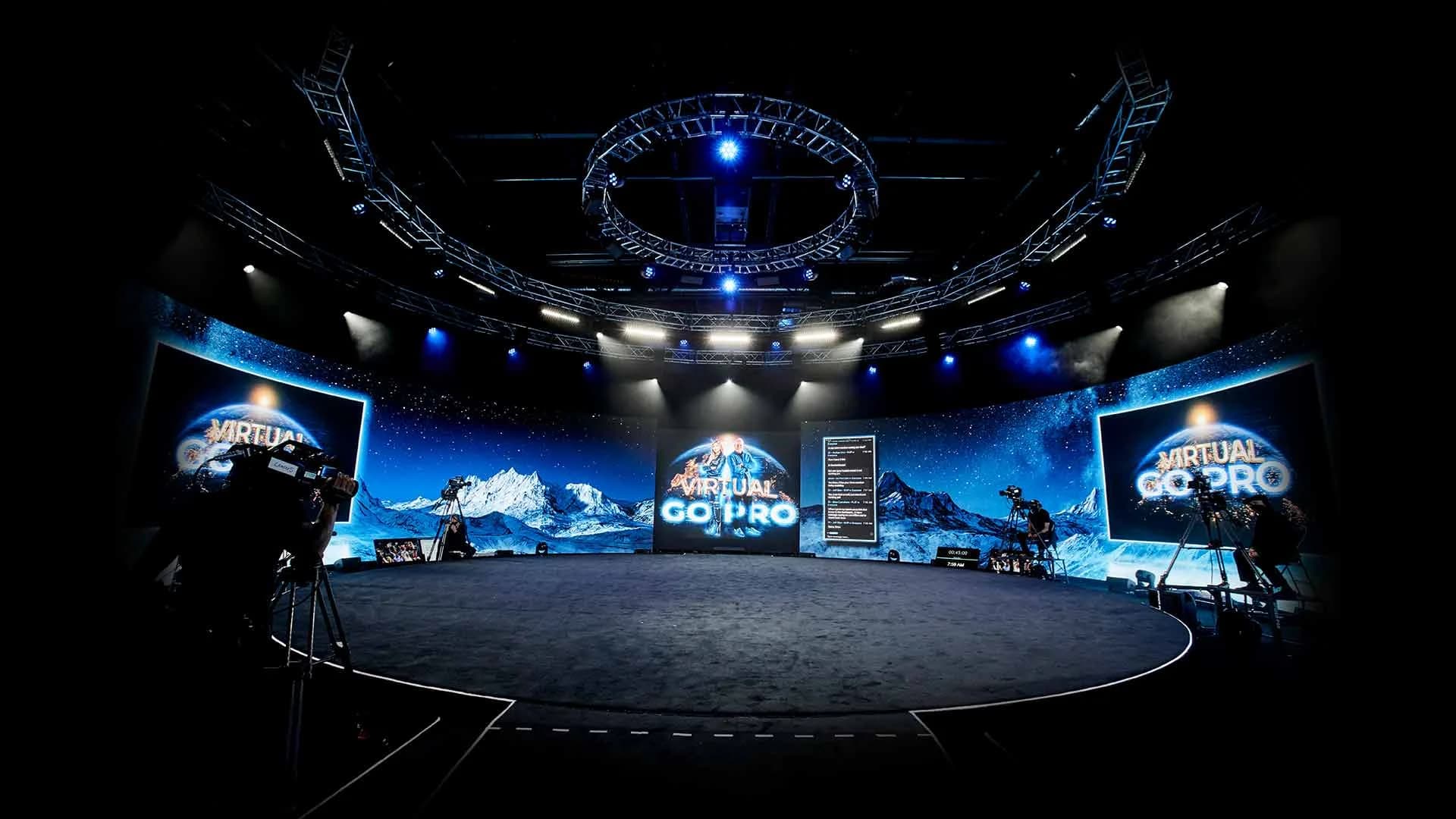
- At Worre Studios, the infrastructure never loads out. The 360° LED walls, audio, lighting and control room stay standing, so your day starts closer to rehearsal than to the loading door.
Every event runs on two schedules. The one your audience sees starts when the doors open. The one your production runs starts hours or days earlier, when the first truck backs up to the building, and it ends long after the last guest leaves. Load-in and load-out are the bookends of that second schedule, and they shape your budget, your rehearsal time and your nerves more than most planners expect. Here's what each phase involves, what makes it run long, who should own it, and how the whole day changes when the room is already built, as it is for every Premium Event in our studio.
What Do Load-In and Load-Out Mean?
Load-in is the process of getting a production into a venue and ready to run. Trucks are unloaded, gear moves to the floor, the stage and set go up, lighting is hung and focused, audio is placed and tuned, video walls are assembled, cable is run, and everything is powered and tested. It starts when the first vehicle arrives and ends when the production is ready to rehearse.
Load-out runs the other direction. After the event, the crew strikes the set, takes the gear down, packs it into its cases and loads it back onto the trucks. "Strike" is the teardown itself; load-out covers the strike plus getting everything out of the building. Either way, the venue isn't free until the last case is gone.
Between the two sits the part everyone plans for: technical rehearsal, the show, and anything else the day is booked to produce.
What Happens on a Production Day, Phase by Phase
Every production day moves through the same six phases. What changes from venue to venue is how long each one takes.
| Phase | What happens | What makes it run long |
|---|---|---|
| Load-in | Trucks unloaded, gear moved to the floor, staging and set built | Shared docks, freight elevators, long pushes from truck to room, fixed delivery windows |
| Rig and power | Lighting and audio hung, video walls assembled, power distributed | No rated rigging points where you need them, not enough house power, generators to bring in |
| Program and test | Lighting cues programmed, audio tuned, video mapped, signal paths checked | Gear that's new to the room, content built to the wrong screen size |
| Rehearsal | Speakers walk the stage, cues run, transitions timed | Whatever the build ran over comes out of this phase |
| Show | The event itself, live in the room and on the broadcast | Changes that never got rehearsed |
| Strike and load-out | Set struck, gear packed, trucks loaded, room handed back | Venue curfews, overnight labor, everything that went in coming back out |
The phases run in sequence, so delays compound. A late truck pushes the build, the build pushes programming, and programming eats into rehearsal. Experienced producers protect rehearsal time first and build the schedule backward from doors.
Why Load-In Runs Long in a Ballroom or Convention Hall
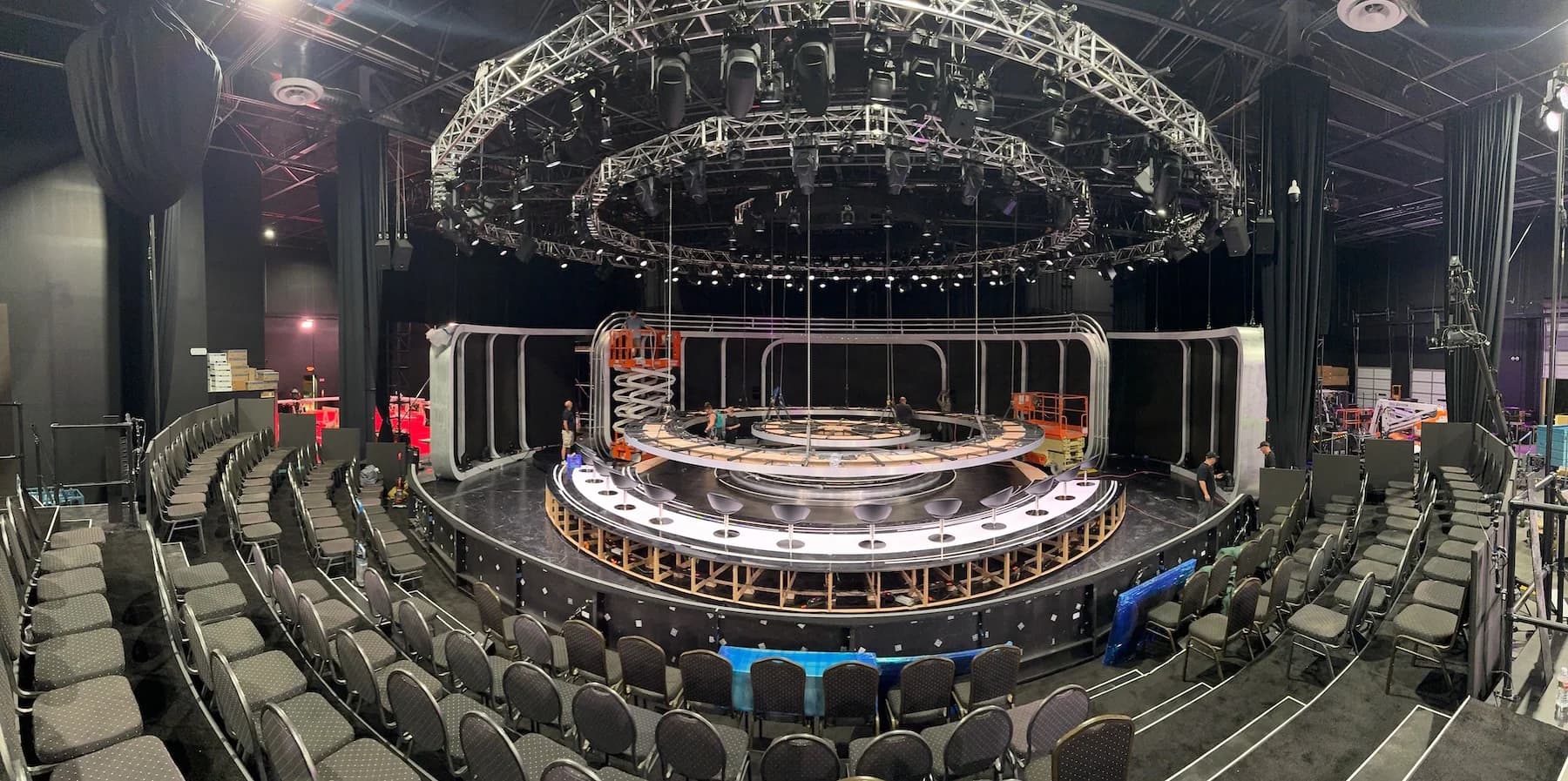
A hotel ballroom or convention hall is built to be empty. It sells floor space and leaves the production to you. Everything a broadcast-quality event needs, from the stage and LED walls to rigging, sound, lighting, a control position and the cable between them, arrives on a truck and gets assembled in the room, often by several vendors working around each other.
A few things stretch that build every time:
- Freight runs on someone else's schedule. Shared docks, service elevators and assigned delivery windows set the pace, not your crew.
- The room is billed while it's being built. Rental and labor run through every build hour, whether or not anything is happening on stage.
- Structure and power are fixed. If the ceiling can't carry the rig or the panel can't feed the wall, supplemental structure and generators join the order.
- The strike repeats it all. Everything that went up has to come down, often overnight, before the room goes back to the venue.
Our breakdown of what a large hybrid event costs in a hotel ballroom puts numbers to that build. Teams that have priced both paths keep finding the same thing: once the build is counted, the ballroom route costs more than the turn-key studio.
What Changes When the Room Is Already Built
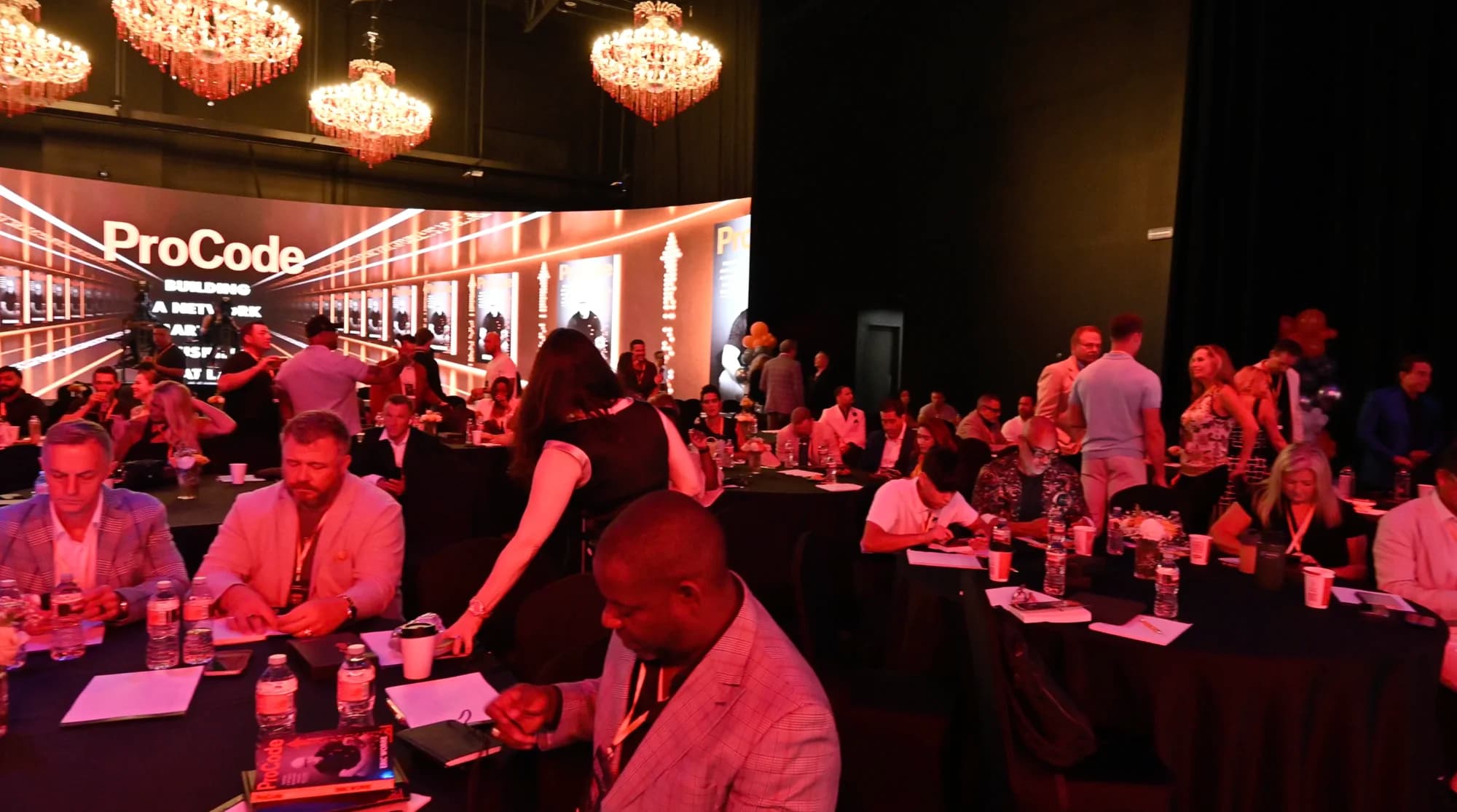
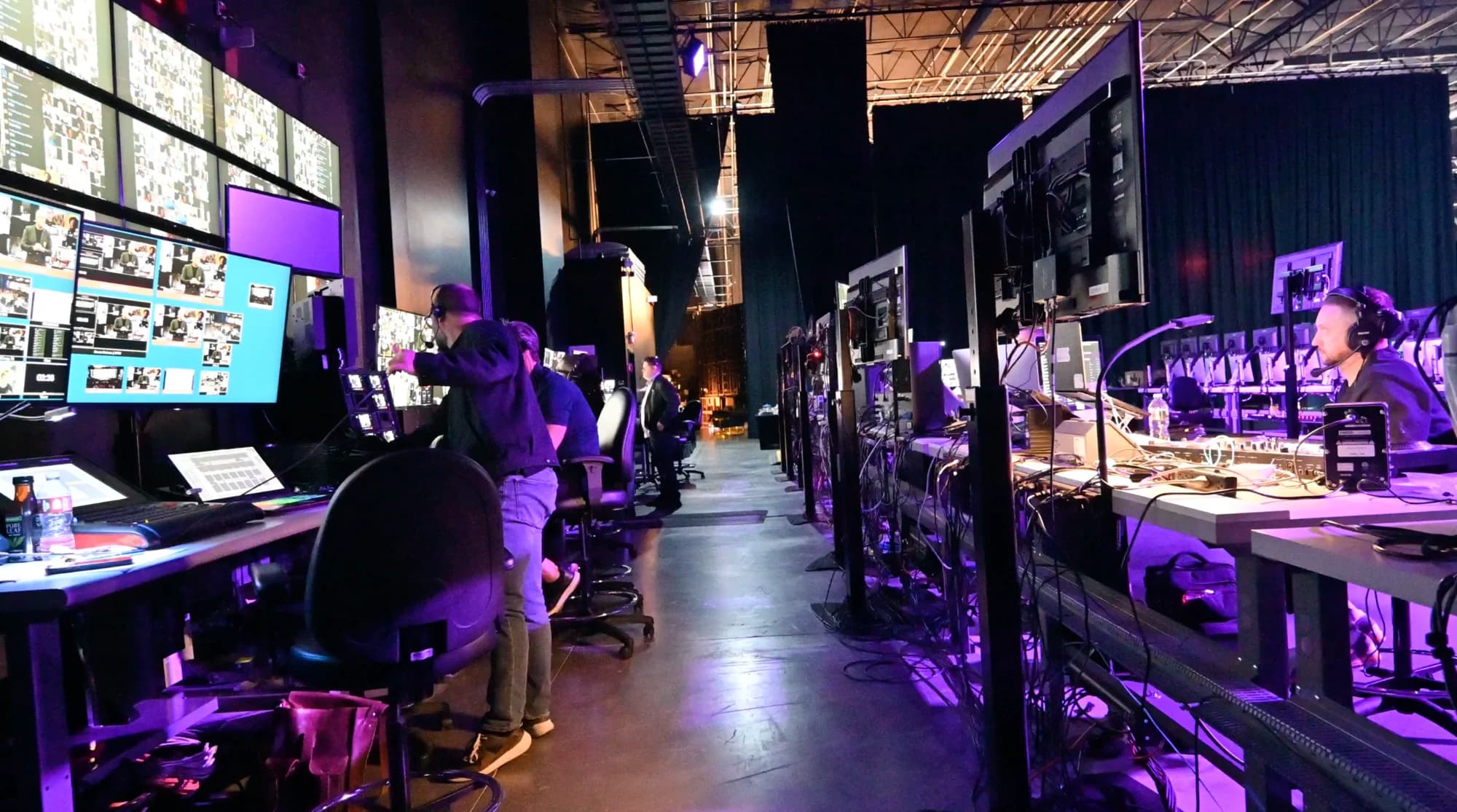
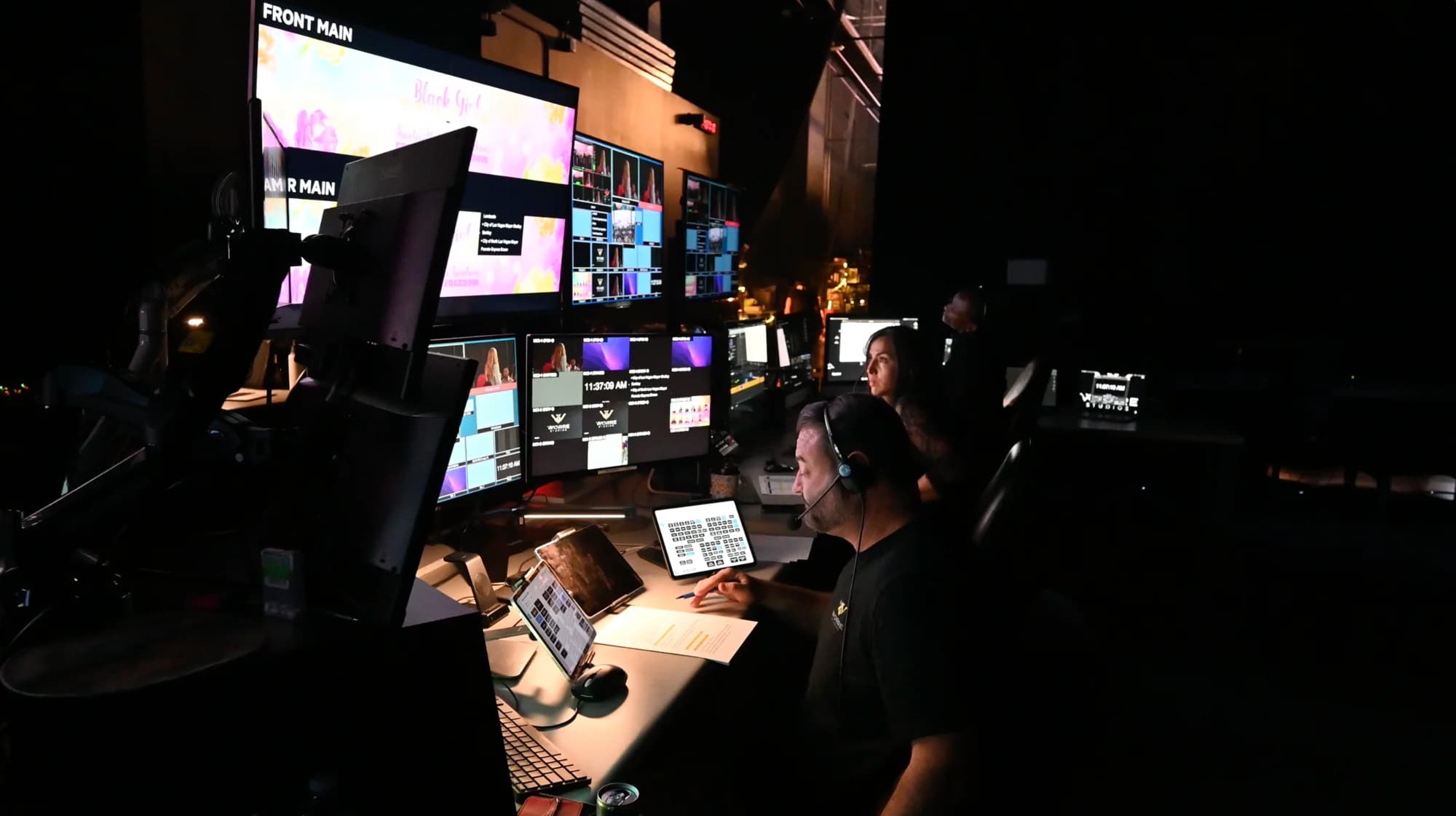
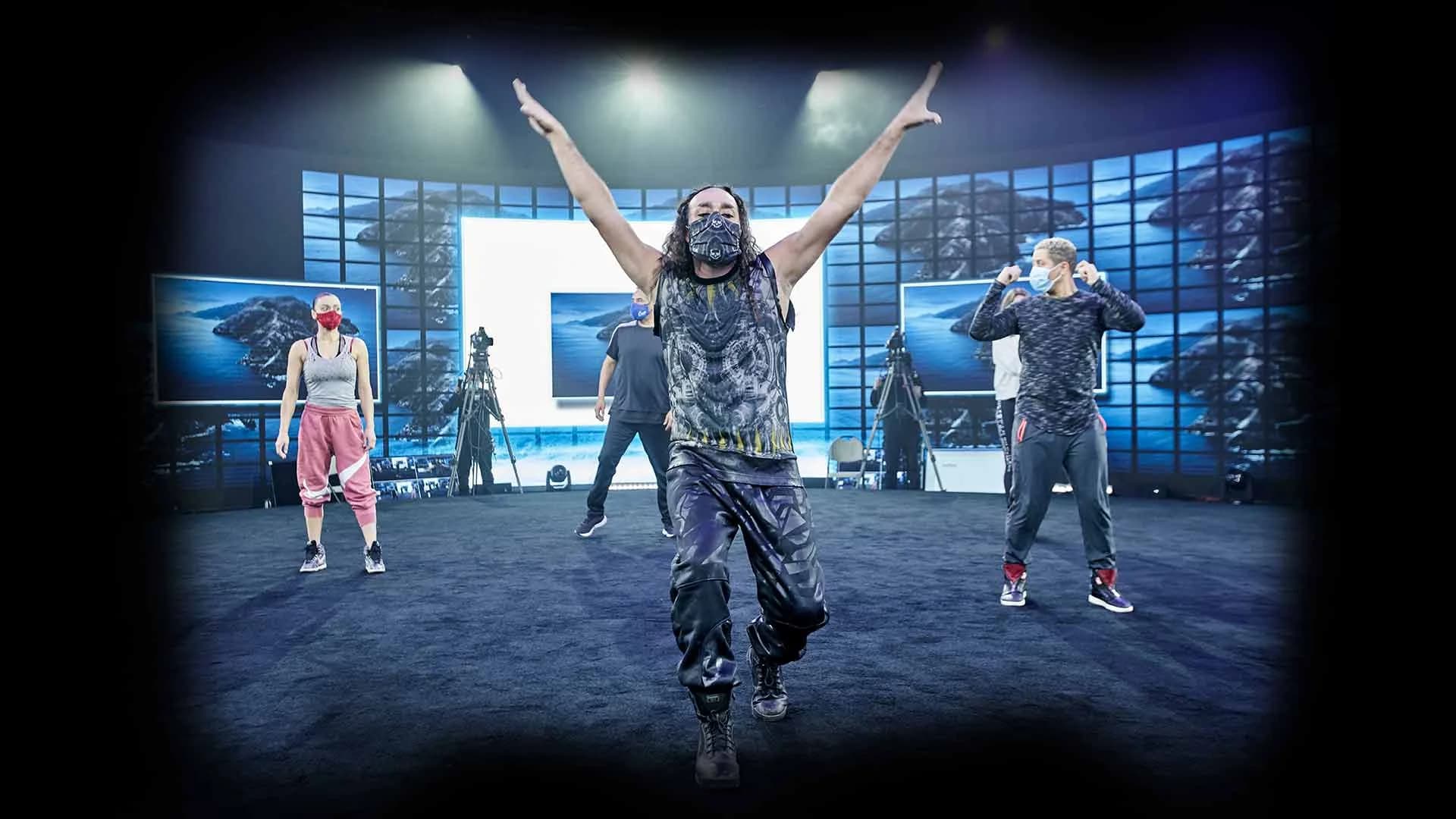
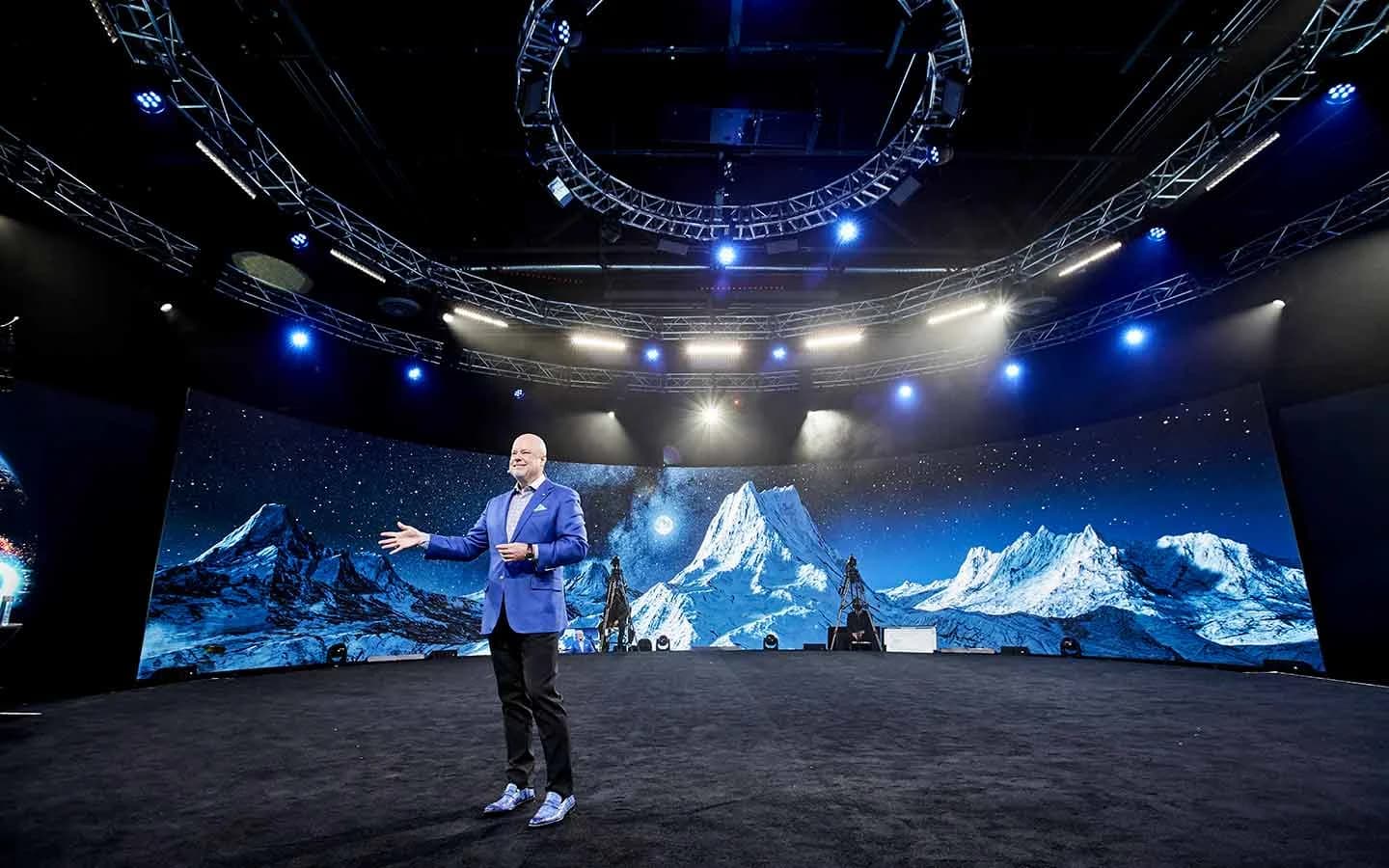
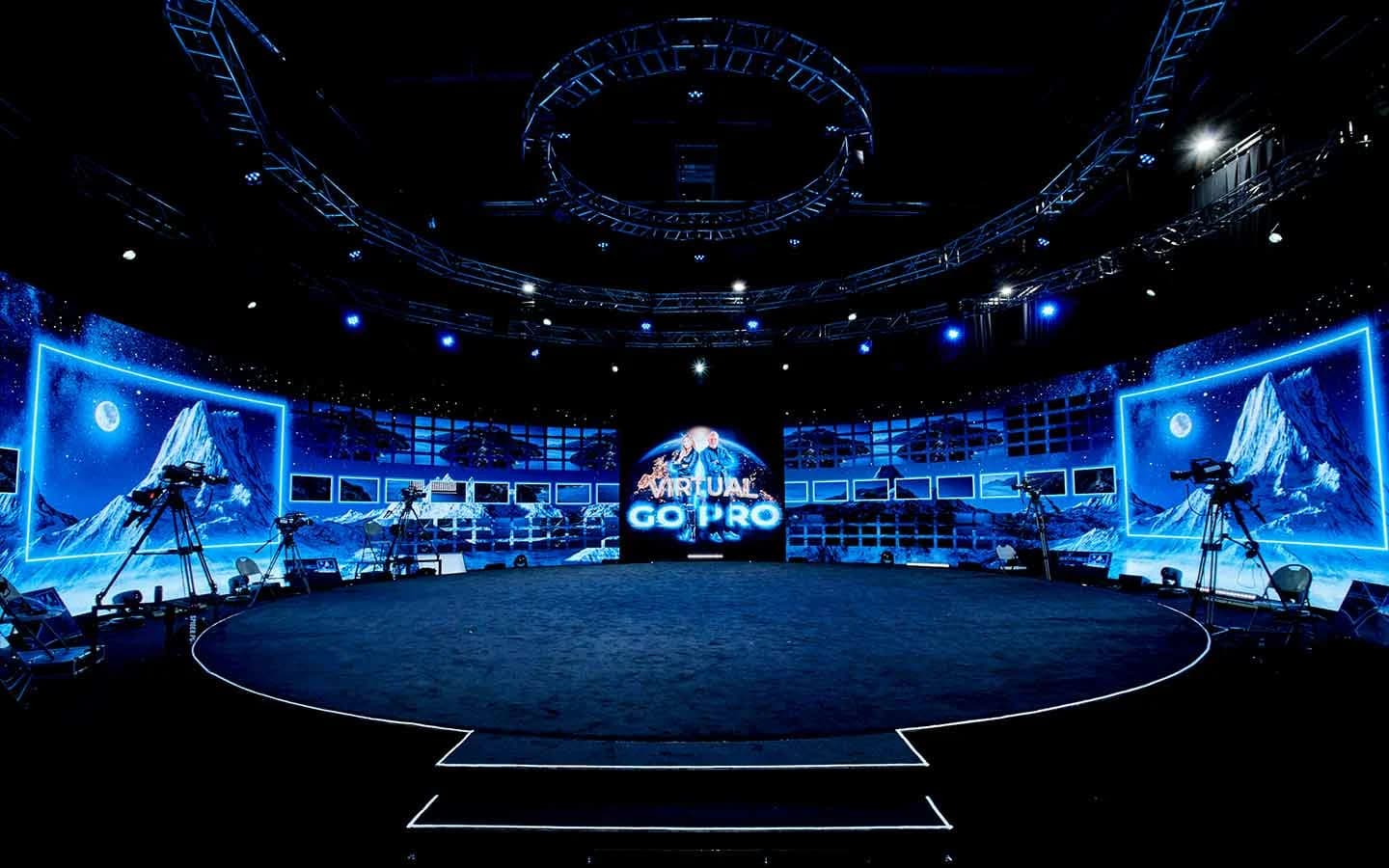
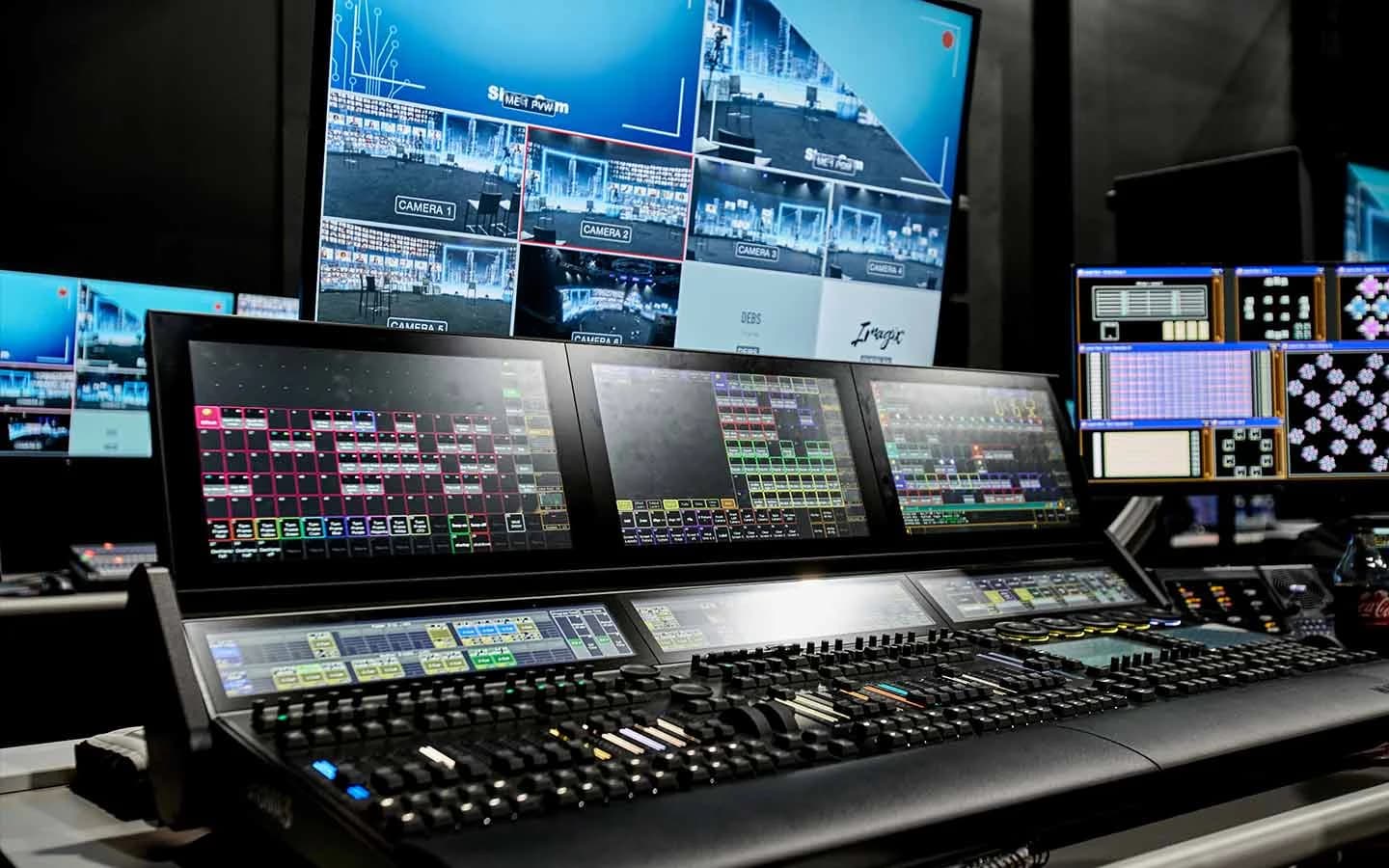
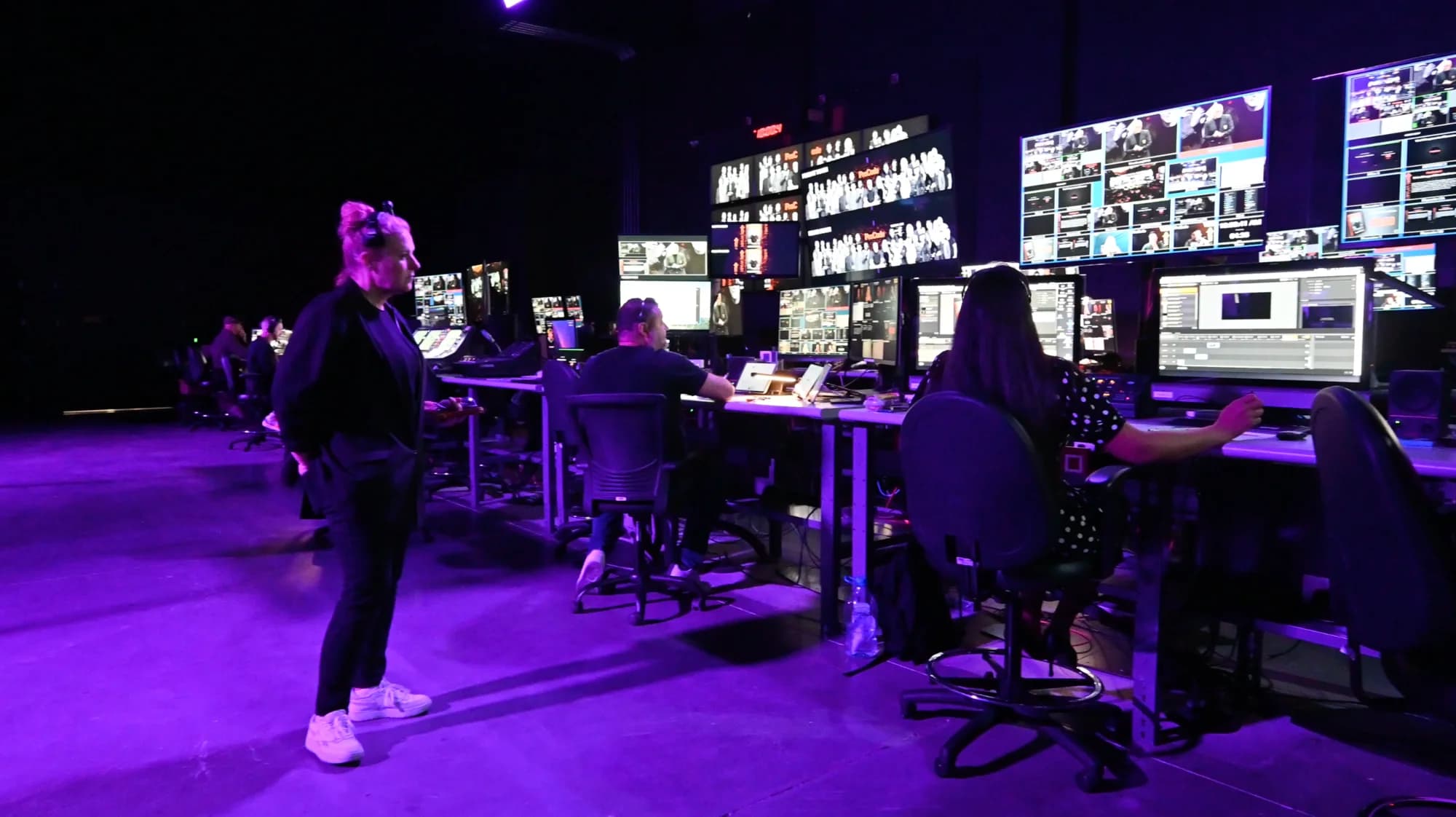
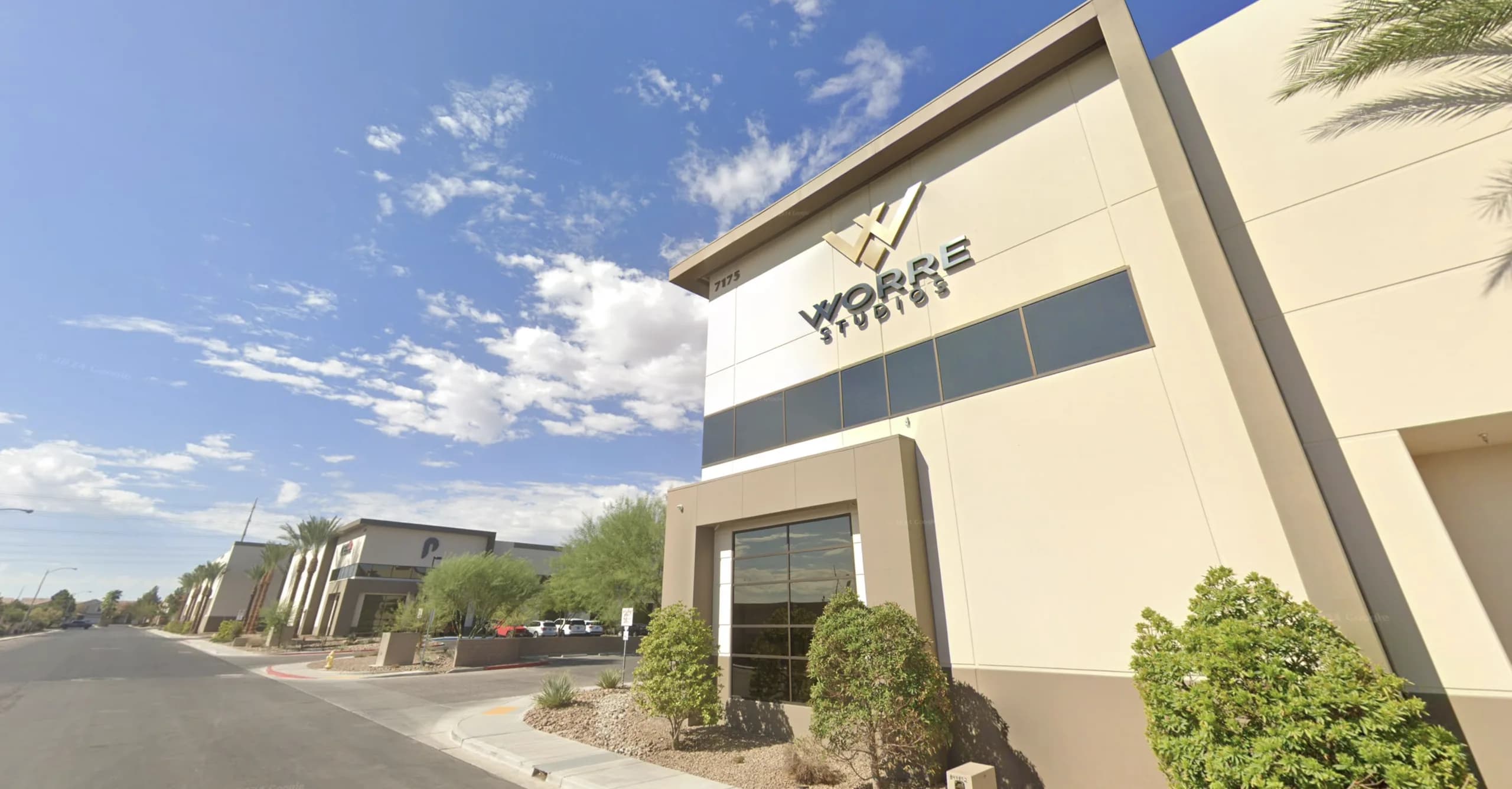
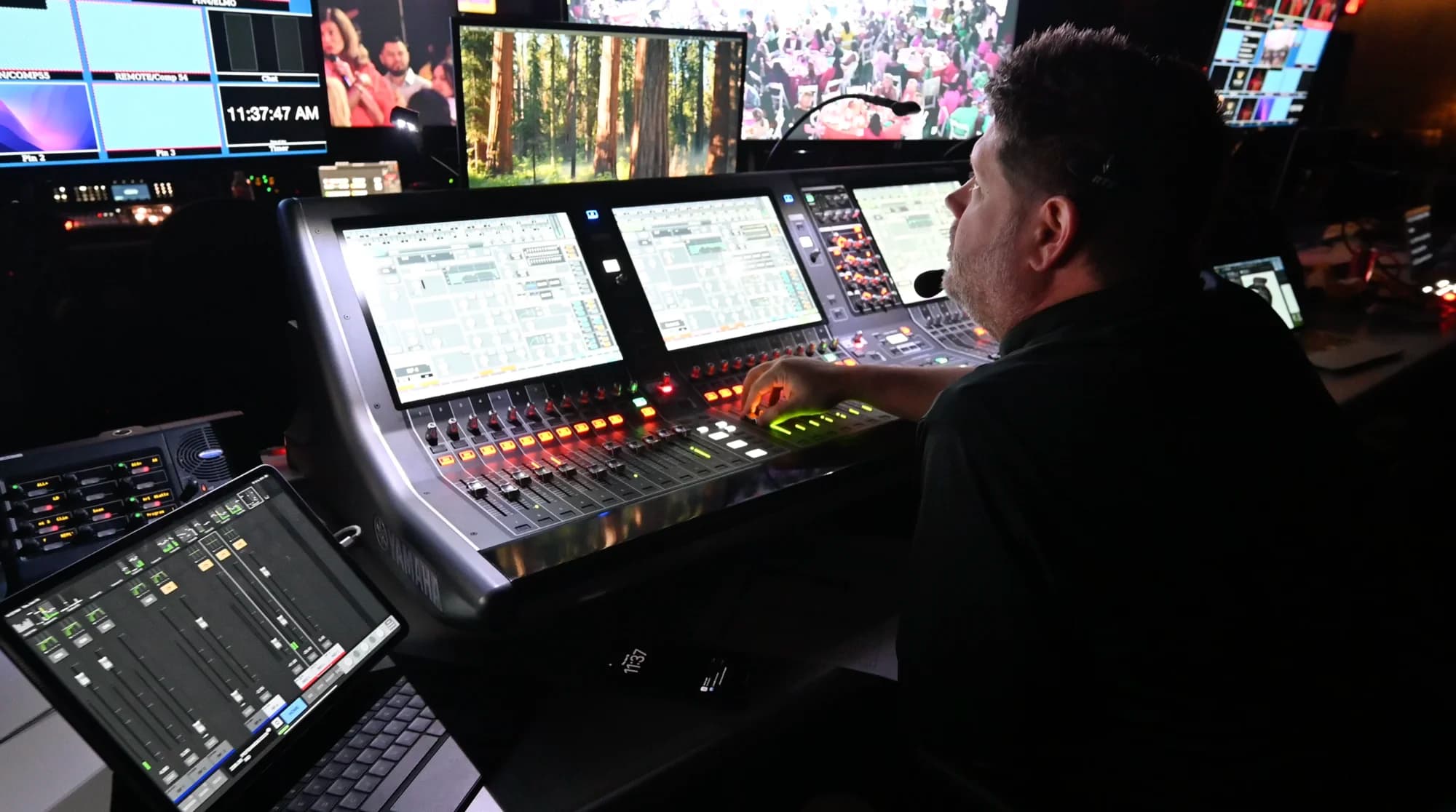
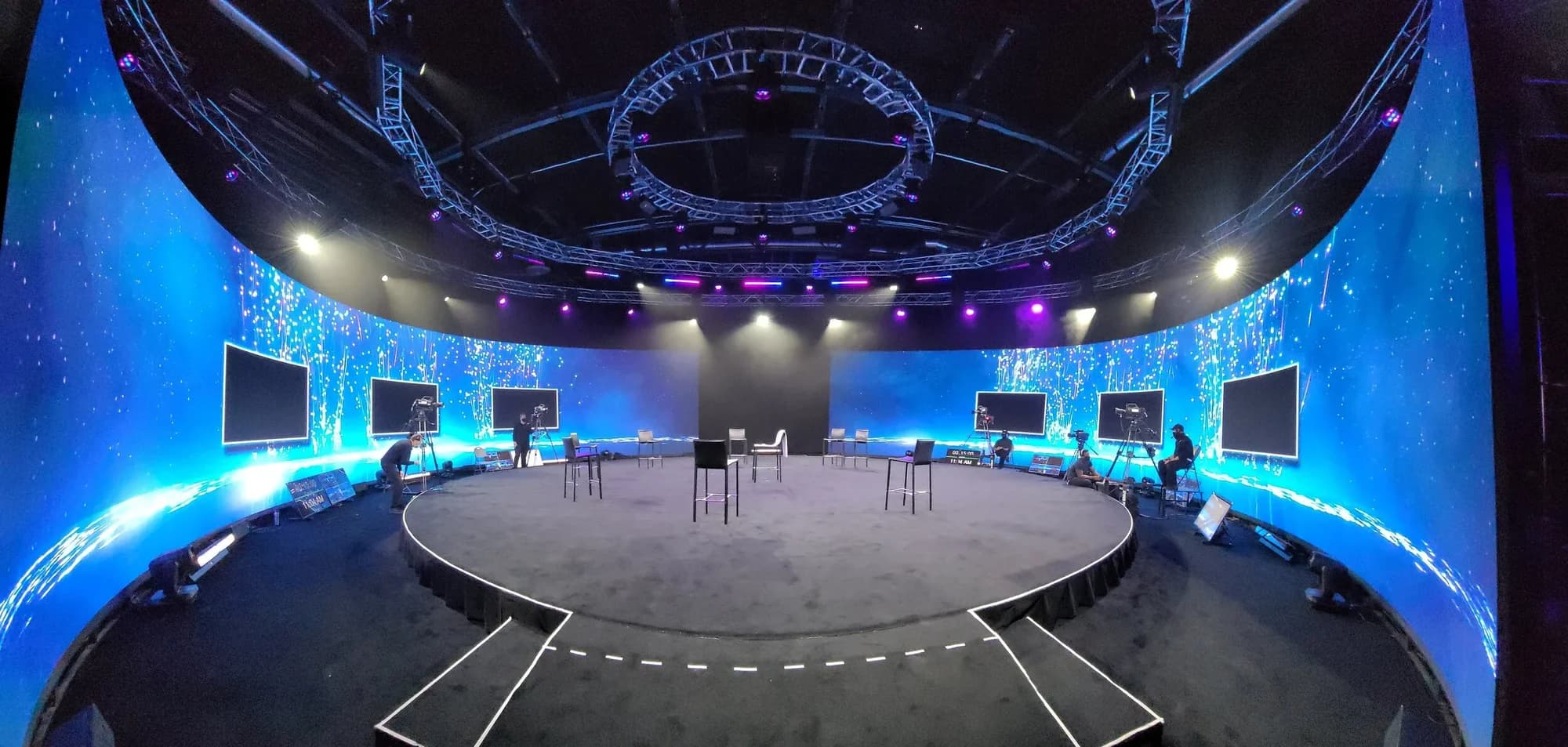
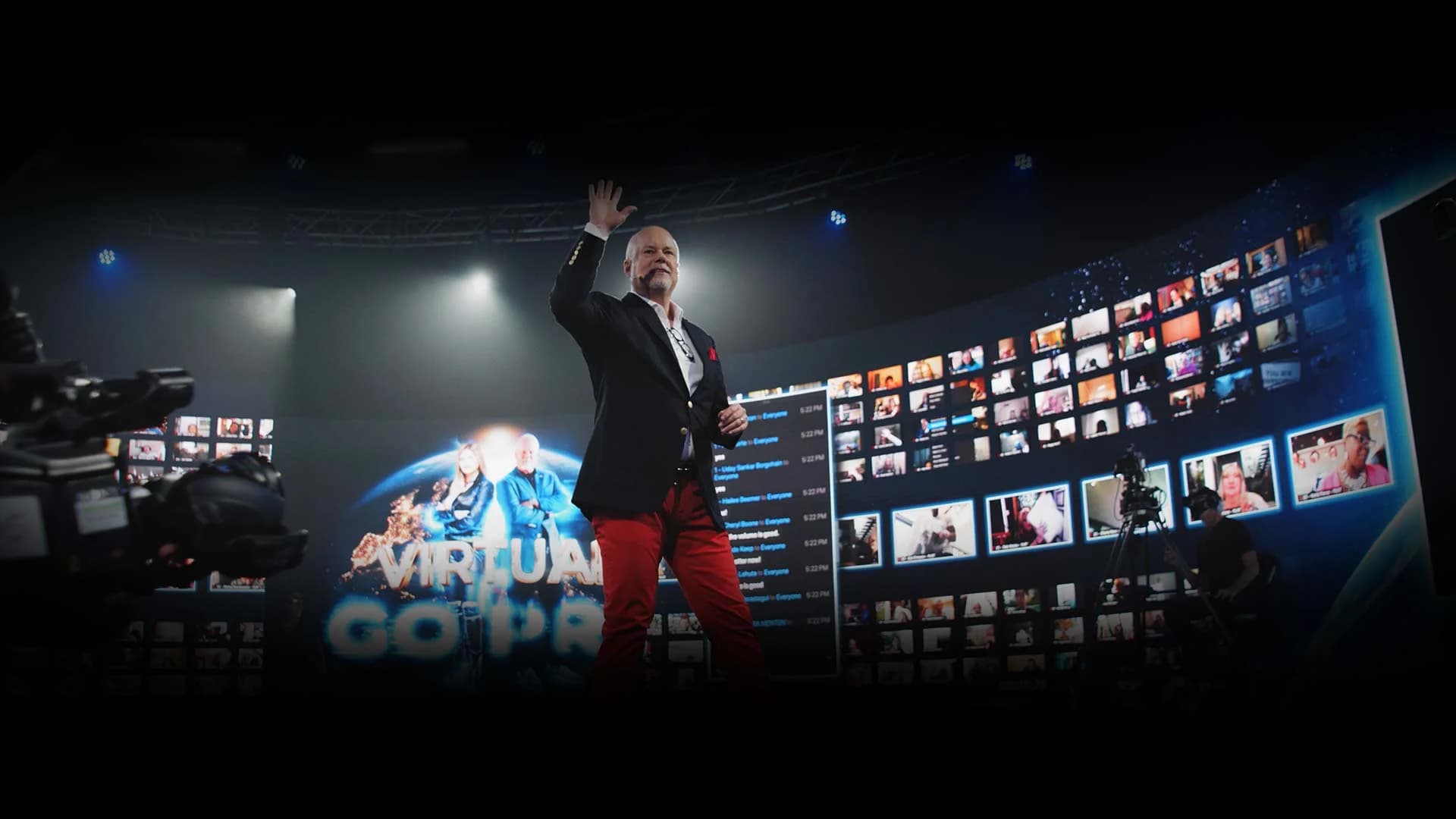
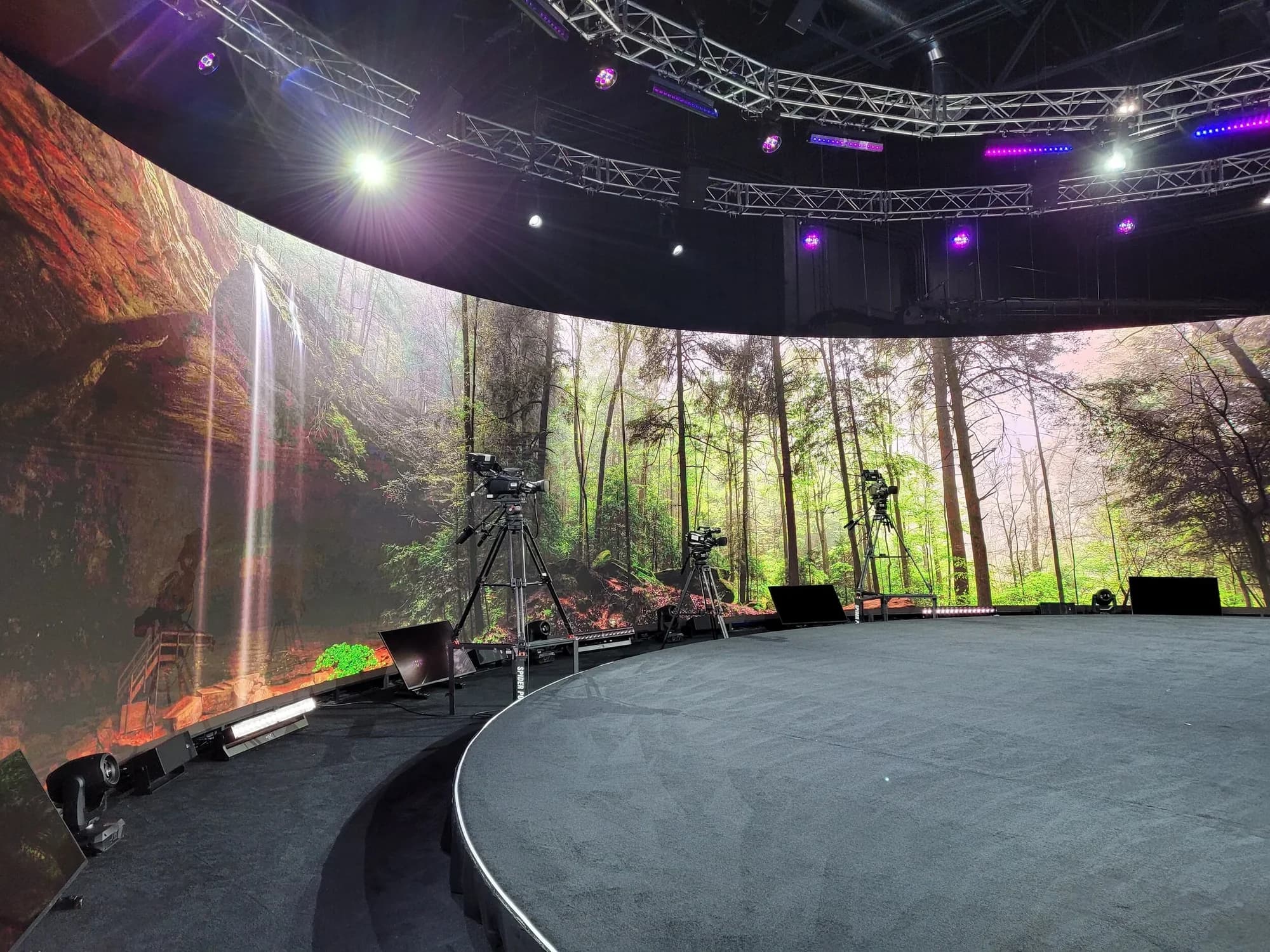
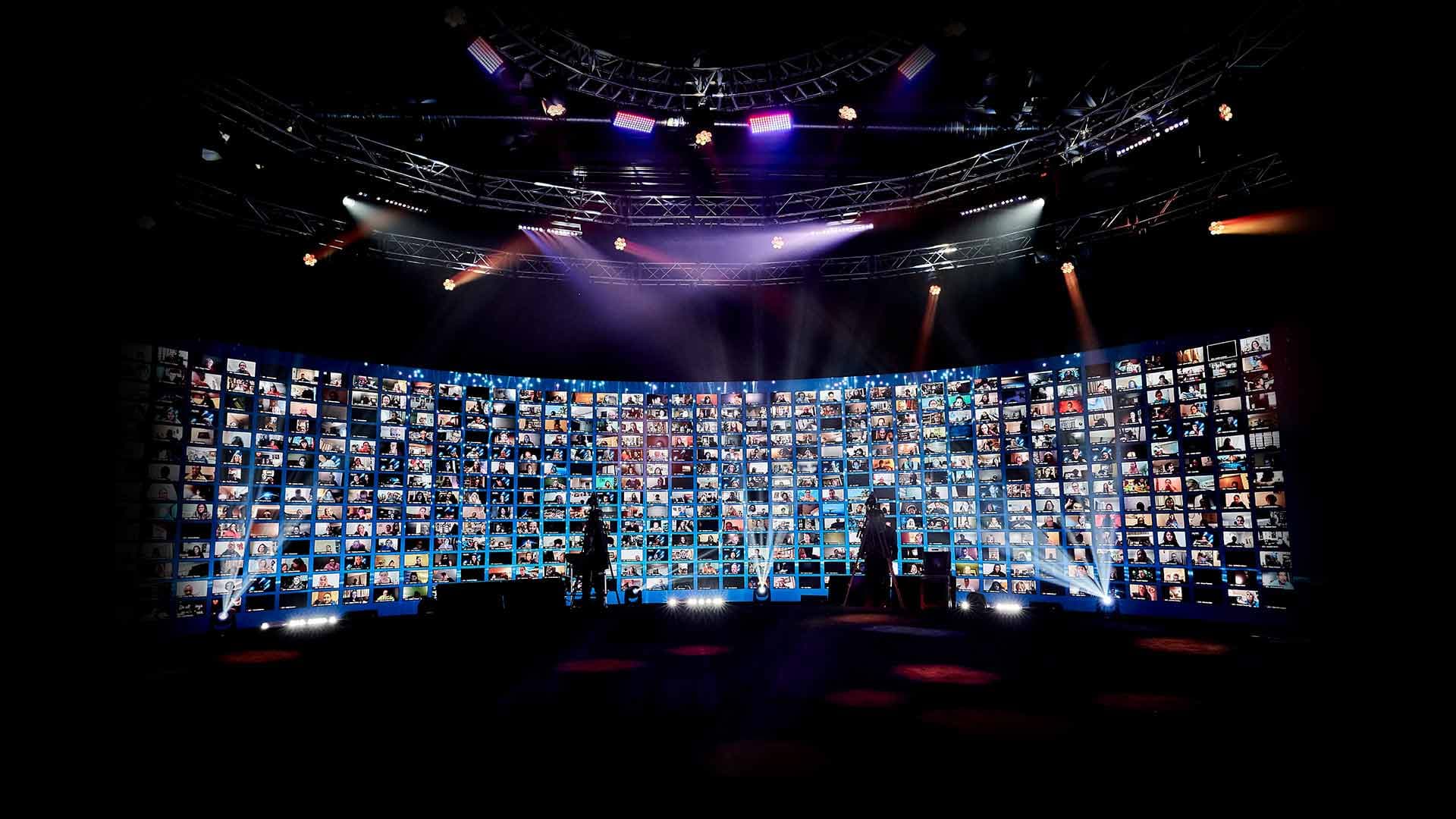
At Worre Studios, the production infrastructure is part of the building. The curved 360° LED walls are permanently installed, and the house audio, lighting, video switching and control room are standing before you arrive. The crew that runs them works these same systems at every event, so nobody is learning a new install on show day. Every system that stays standing is listed in the studio's full technology specification.
Load-in shrinks to what's yours:
- Set pieces and staging
- Branded elements, signage and props
- Wardrobe, product and anything going on camera
- Your own crew's gear, if you bring a team
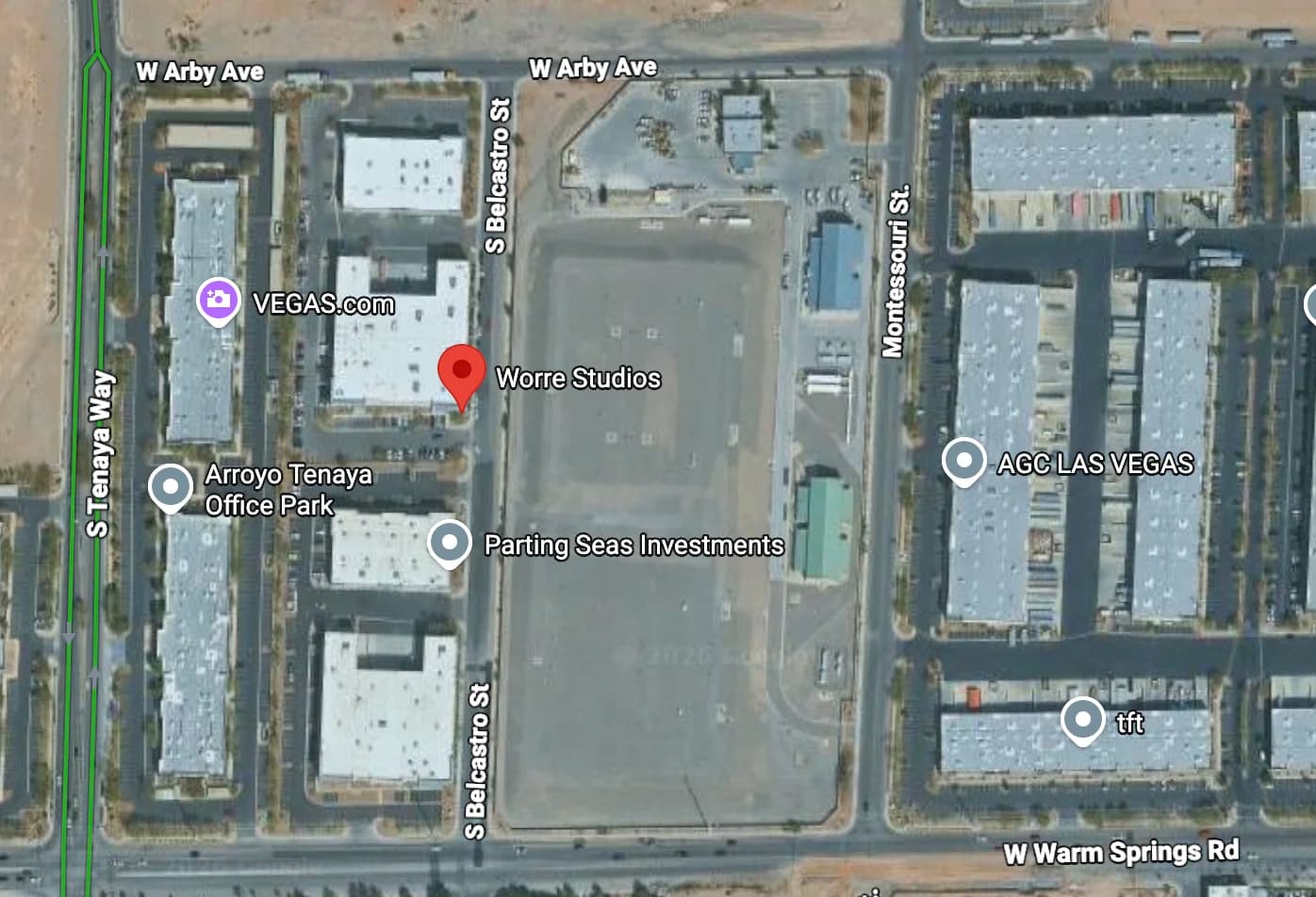
Getting it to the floor is direct. The studio has garage-door truck access straight onto the floor, so freight doesn't wait on a shared dock or a service elevator. Our Las Vegas logistics guide covers the rest of the chain, from airports to permits.
The approach scales when a production brings something big. A game show's 3-ton steel set, fabricated in Texas, came in through the loading door and was flown from a custom grid built above the house grid. Here's how that set went up.
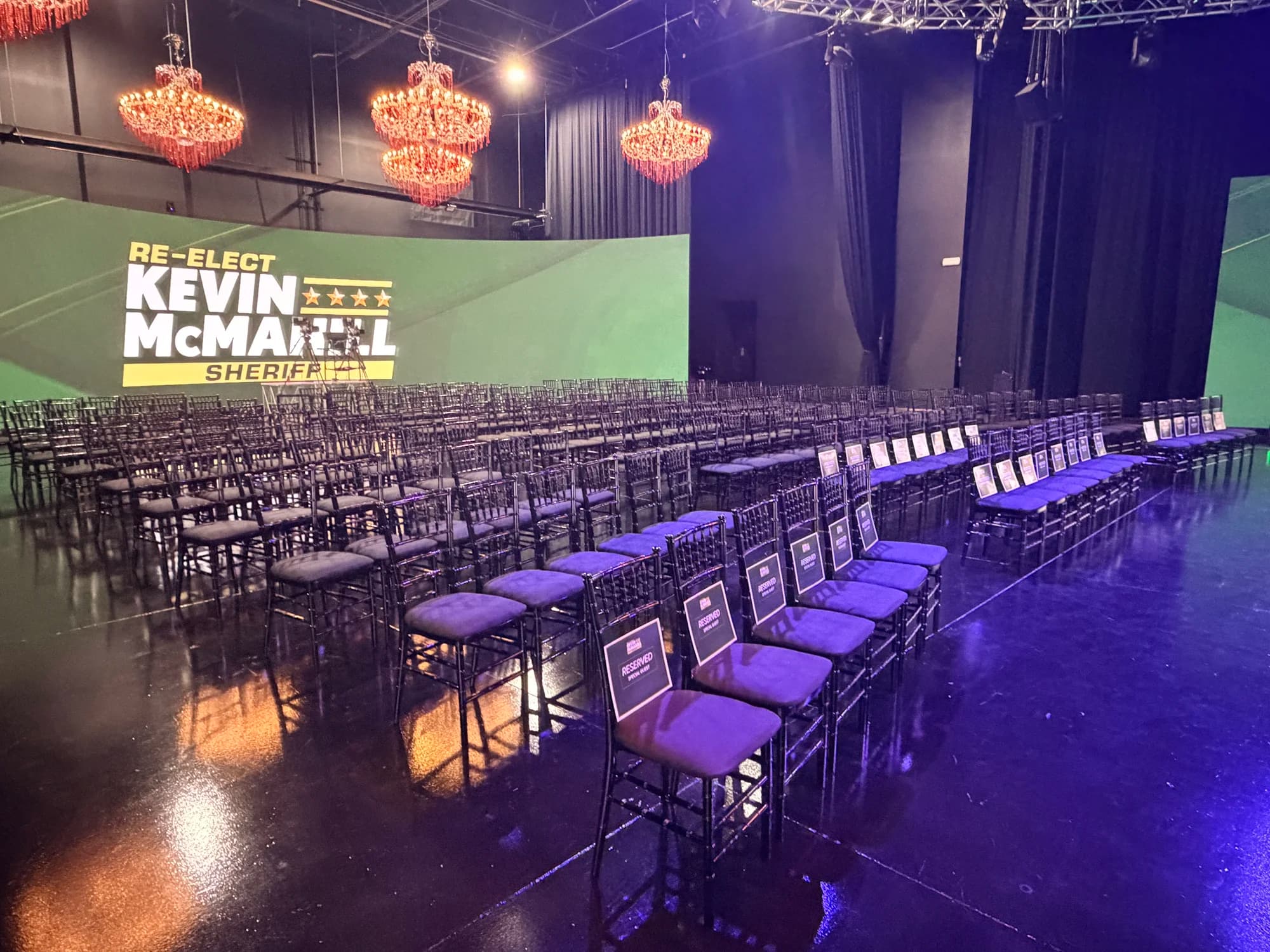
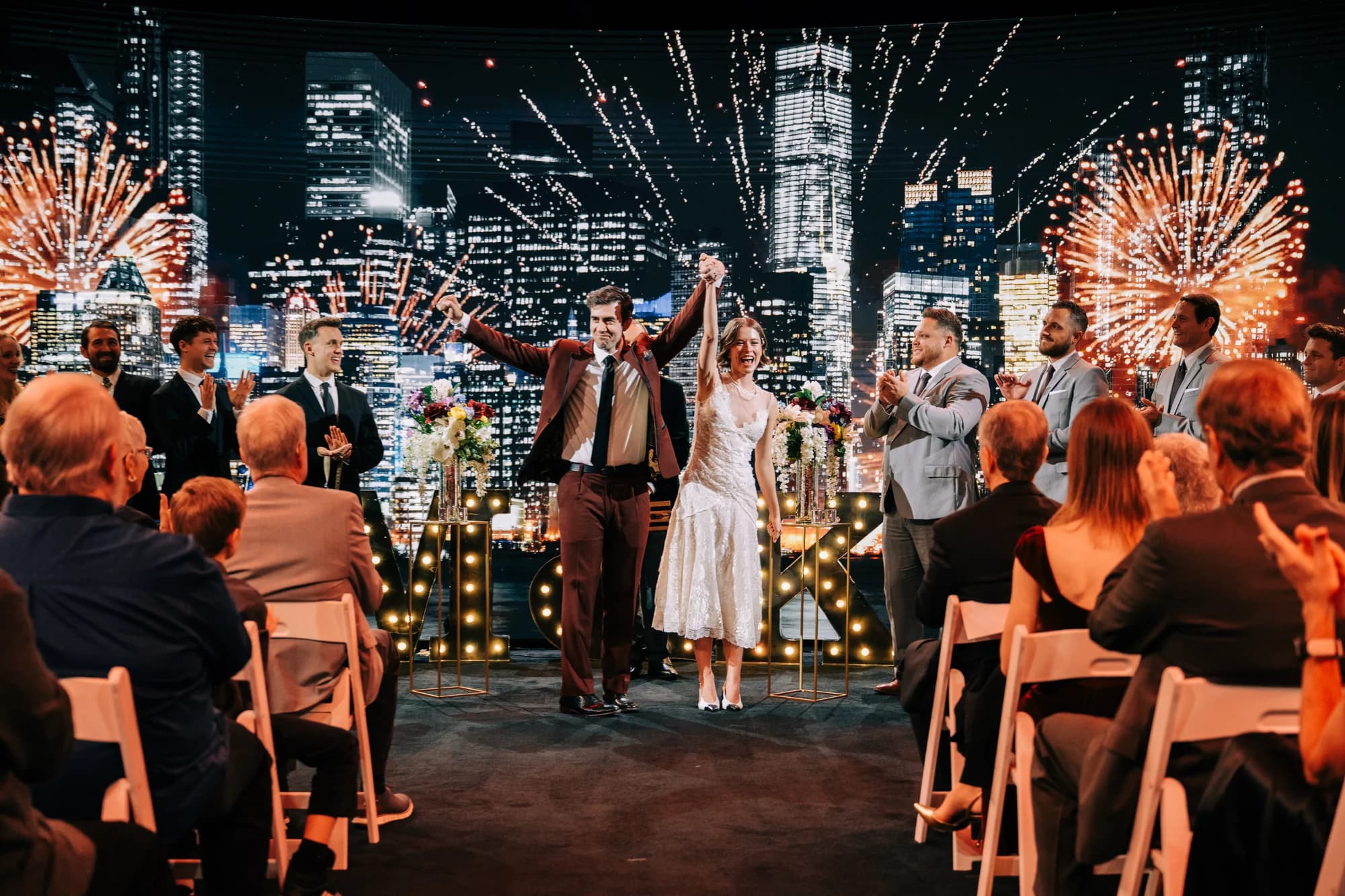
The room also reshapes without a rebuild. Half of the 360° wall moves back on a track to open the floor for a live audience of up to 350 seated, 500 standing or 600 in a concert setup. The studio floor plan has every dimension, including the loading area.
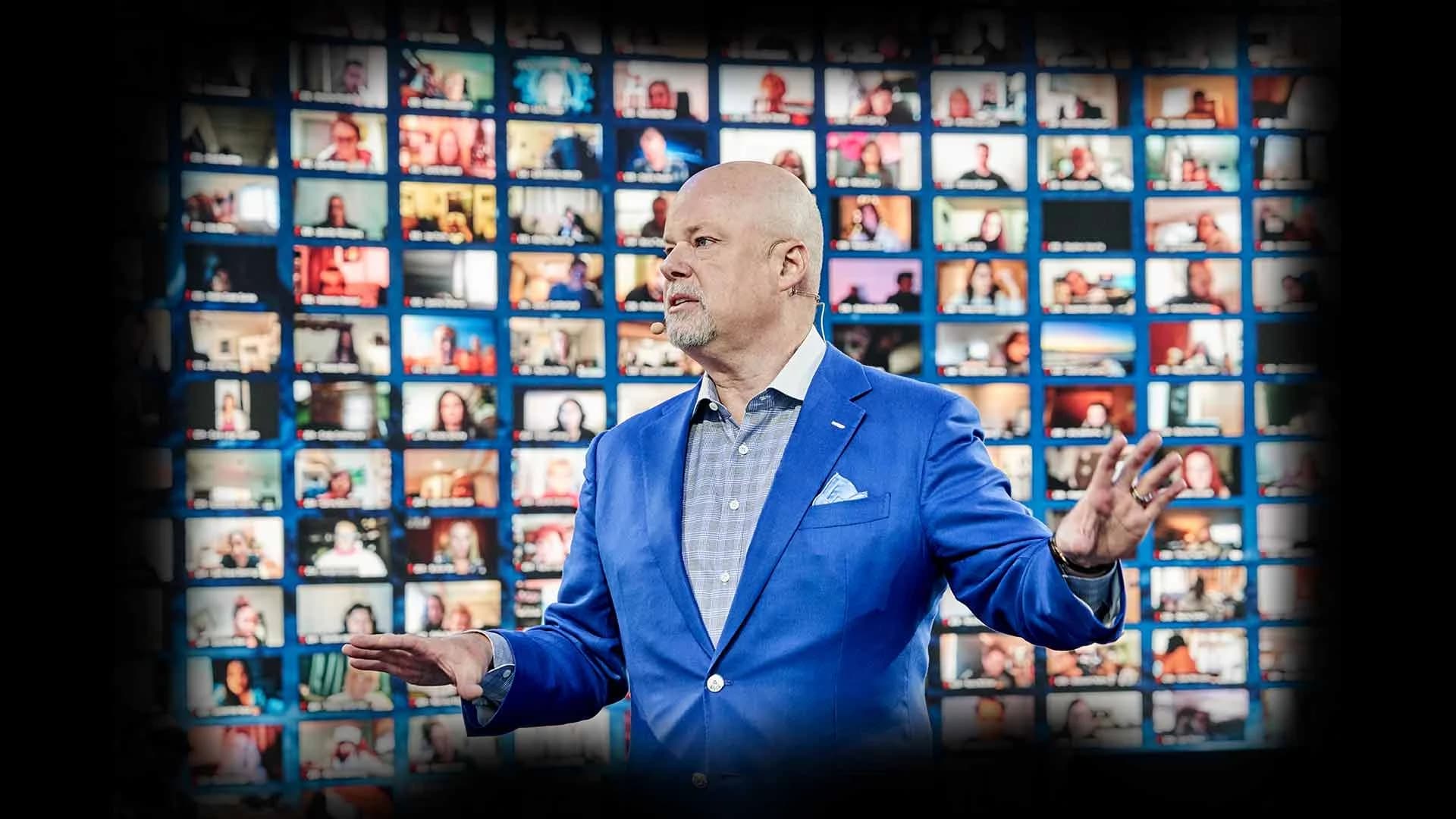
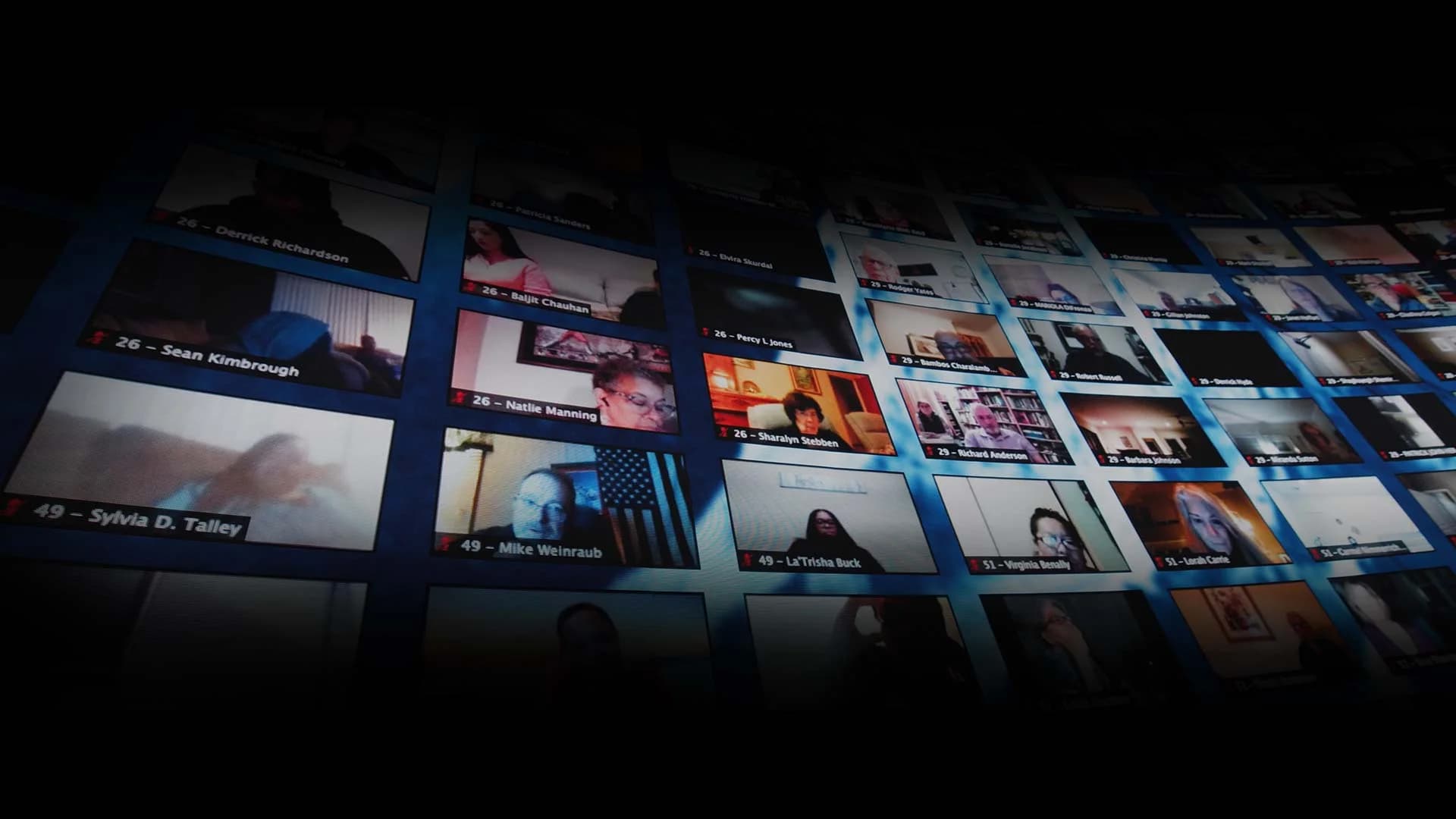
If your host is somewhere else entirely, there's nothing to load in at all. With Remote Virtual Stage, the only thing that arrives at the studio is a camera feed, and we broadcast it as a full interactive event. Here's how the two ways to work with Worre Studios compare.
What to Do With the Hours You Get Back
A typical studio booking runs 10 hours. When the room doesn't need building, those hours go into the work your audience actually sees.
- Real rehearsal. Speakers walk the actual stage, with the actual walls, cues and cameras, before show-day pressure arrives.
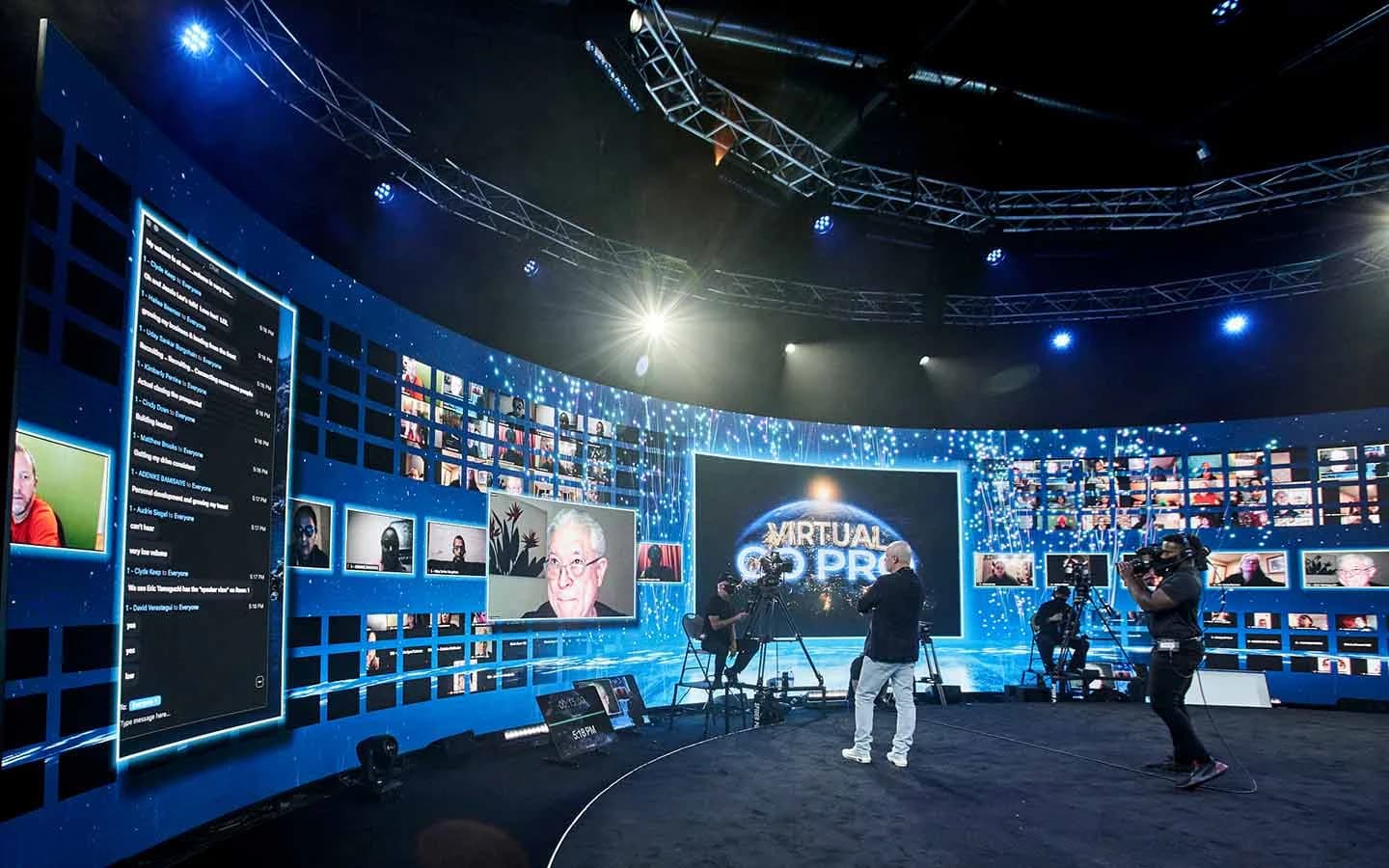
- Bigger scene changes. Environments built in Unreal Engine 5 run on CANVAS through a custom-built system, so a producer can change the whole room from an iPad between segments. Productions here have built as many as 8 to 10 distinct environments for a single show. Custom environments take months of lead time, so brief them early.
- Content beyond the event. A three-hour event with two hours of rehearsal leaves real time in a 10-hour booking. Here's how teams use it with a live-to-record content block.
At a rented venue, the build and the strike eat the margins of the day. In a built room, the margins become production time. Our comparison of an event studio vs. a convention center looks at the same difference across the whole venue.
Who Oversees Load-In, Show Day and Load-Out?
Ownership is where production days go wrong. The venue controls access and building rules. The AV vendor controls the build. The planner controls the run of show. When each of them owns a piece and nobody owns the whole, problems land in the gaps between them.
The cleanest day has one production team holding the schedule from the first truck to the last case. At Worre Studios, that team is with you long before load-in:
- Scoping. Exploratory calls define the scope, crew, power and any custom builds before a quote is final.
- Booking. All crew is booked when the contract is signed.
- Planning. Weekly or biweekly planning meetings run from contract to event day, whether the event is two weeks or ninety days out.
- Show day. The team that planned the event runs the room.
The supporting logistics come through the studio too: power trucks and generators, star wagons, wardrobe and production trailers, extra rigging, and city permits for parking and loading. Crew is simpler as well. The studio sits just off the Strip, outside Strip-proper, so we book crew without union constraints, which gives your production real flexibility in how load-in, show and strike are staffed.
And if you'd rather run your own show, outside production teams can bring their own crew at no extra charge. Only a couple of positions stay with the house: the lighting and audio consoles run with our operators, and nobody patches into the full production network unsupervised.
Questions to Settle Before Load-In Day
Whatever venue you choose, get clear answers to these before the first truck rolls:
- How does a truck get from the street to the floor, and who controls the loading schedule?
- What's already in the room, and what has to arrive on a truck?
- Where are the rigging points, how much house power is there, and who brings what's missing?
- When does the room open for load-in, and when does load-out have to finish?
- How many hours of rehearsal are protected after the build?
- Who builds the content, to what screen dimensions, and by when?
- Who owns the schedule on show day, and who calls the cues?
- Which positions can your own crew fill, and which stay with the venue?
- Where do trailers, talent and crew park, and who files the permits?
For the wider list, from backup systems to remote participation, here are the questions to ask any venue before you book. When you're ready to schedule the day, start a studio inquiry with what you're bringing and when you want doors open. We'll plan it from the first truck to the last case.
Frequently Asked Questions
What do load-in and load-out mean for an event?
Load-in is the work of getting a production into a venue and ready to rehearse: unloading trucks, building the stage and set, hanging lighting and audio, assembling video walls, and powering and testing everything. Load-out is the reverse after the event: striking the set, packing the gear and loading it back onto the trucks.
What's the difference between load-out and strike?
The strike is the teardown itself, taking down the set, staging and gear. Load-out covers the strike plus packing everything and getting it out of the building. The venue isn't free until load-out is complete.
How long does load-in take for a corporate event?
It depends on how much has to be built. In an empty ballroom or convention hall, a broadcast-quality production brings its stage, LED walls, rigging, audio, lighting and control position, and building all of it can take a full day or more before rehearsal starts. In a studio where that infrastructure is already standing, load-in covers only what you bring.
Who is responsible for load-in and load-out?
Responsibility is usually split between the venue, the production or AV team, and the event planner. The day runs cleanest when one production team owns the full schedule, from the first truck to the last case, and coordinates everyone else around it.
Does Worre Studios need a load-in day?
Not for the room itself. The LED walls, audio, lighting and control room are already standing, so load-in covers your set pieces, branding, props and anything else you bring. Larger custom builds are scoped in the exploratory calls and scheduled with the rest of the production.
Can trucks unload straight onto the studio floor?
Yes. The studio has direct garage-door truck access onto the floor, so freight doesn't wait on a shared dock or a service elevator.
Can our own production crew load in and run the show?
Yes. Outside production teams can bring their own crew and run their own show at no extra charge. The house lighting and audio consoles run with our operators, and patching into the full production network is supervised. Because the studio is off the Strip, crew can also be booked without union constraints.
Is there a load-in for a Remote Virtual Stage broadcast?
No. With Remote Virtual Stage, your host stays wherever they are and sends a camera feed, and the studio broadcasts it as a full interactive event. Nothing is trucked in or built. Remote Virtual Stage is scoped separately and quoted per inquiry.
What can we do with production-day hours we don't need for setup?
Use them for rehearsal on the real stage, bigger scene changes, or a live-to-record block that shoots training, commercial or executive content in the same room with the same crew.

Written by the Worre Studios Content Team and reviewed by Miko Hilton, Event Manager. Studio capabilities reflect installed infrastructure and delivered productions; venue practices are described at the category level and vary by venue. Each event's schedule is scoped to what it brings and builds, and timing isn't guaranteed for any specific event. Last reviewed November 11, 2026.
More from The Front Row
Skip the Build. Start Closer to the Show.
Tell us what you're bringing and when you want doors open. We'll schedule the day from the first truck to the last case, and show you how much of it goes into the show.