

Studio Day Rate: What a Basic Booking Actually Costs
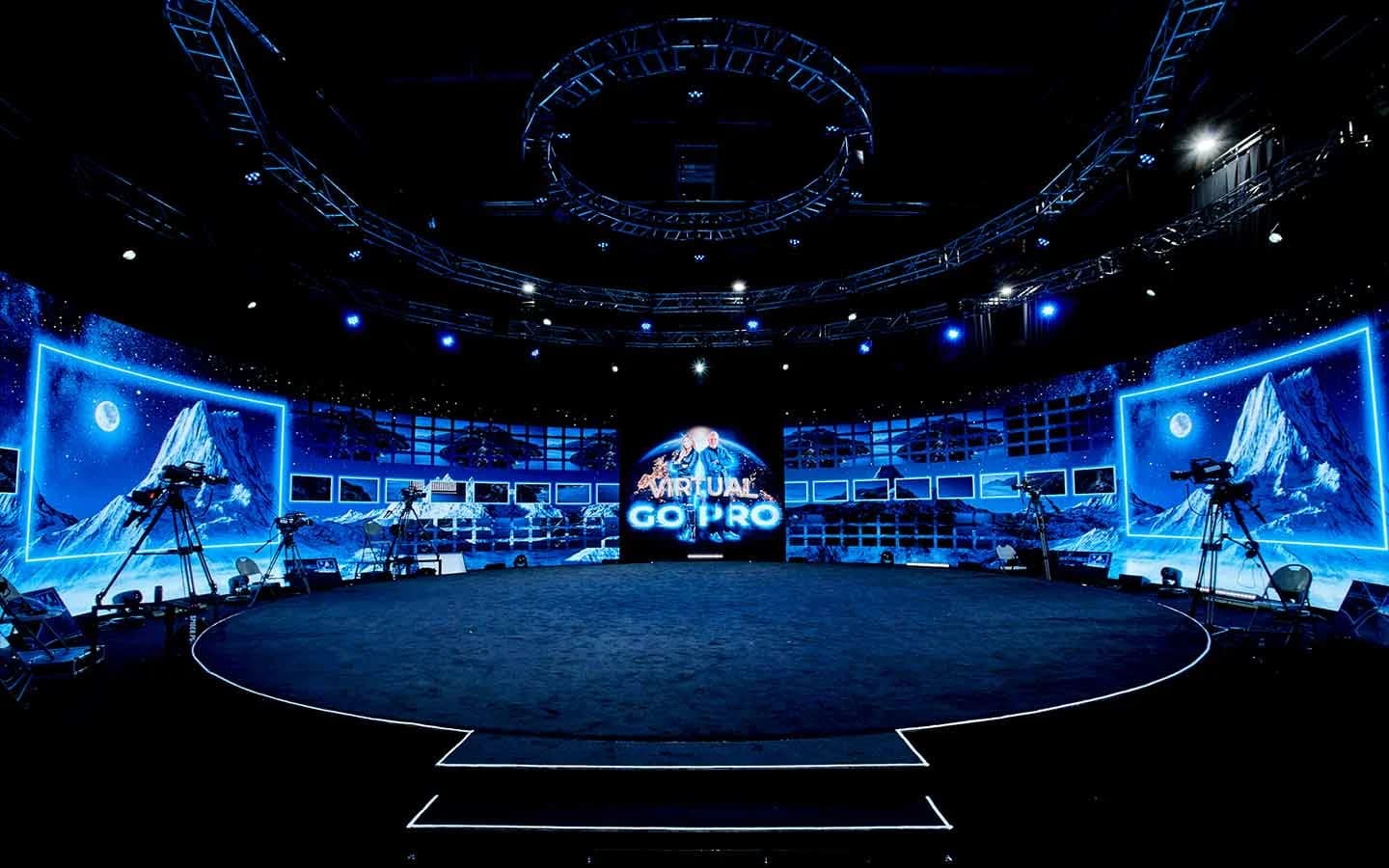
A basic day starts at roughly $15,000. That's the 25,000 square foot room for ten hours with the 360° LED walls, the audio rig, and the lighting rig already in it and already working. Add about $1,700 of building crew and you have a stage, a screen, sound, and lights for around $17,000. Everything past that is a choice, not a requirement.
Key Takeaways
- The base studio day rate is roughly $15,000, and the walls, audio, and lighting are included in it. They aren't line items, because they're already in the building.
- A basic day means one lighting look set at the top of the day, playlist music, and supplied graphics or video cued on the wall. It's a set room, not a run show.
- Three seats change that: a lighting designer, a media server operator, and an audio engineer. Together they run roughly $2,900 a day and turn a static room into a cued show.
- If you're producing a panel, a showcase, a launch, or a single-session conference with supplied video, the basic tier is the right tier. If your show has cues, live music, or a broadcast, buy the three seats.
- Every figure here is a starting point. The quote is built to the event, and the only way to get a real number is to walk us through the day.
Most people who call about a booking here assume the smallest version of this room is out of reach, because the room doesn't look small. It's a fair assumption and it's wrong. The studio rents à la carte, so the honest answer to "what's the least I can spend" is a real number, and it's the same number whether you're producing a keynote for 300 people or a product showcase for 60. If you want the other side of this arithmetic, we've published what a large hybrid event costs in a hotel ballroom, and the comparison is the point of this article.
What follows is the basic build: a stage, access, no structural changes to the room, sound, lights, and video playback. The kind of booking a promoter puts together without a production company behind them.
What the Base Day Rate Covers
The studio day rate is roughly $15,000, and it buys the whole room for a ten-hour day. Three systems come with it rather than beside it.
| What's included | What it actually is |
|---|---|
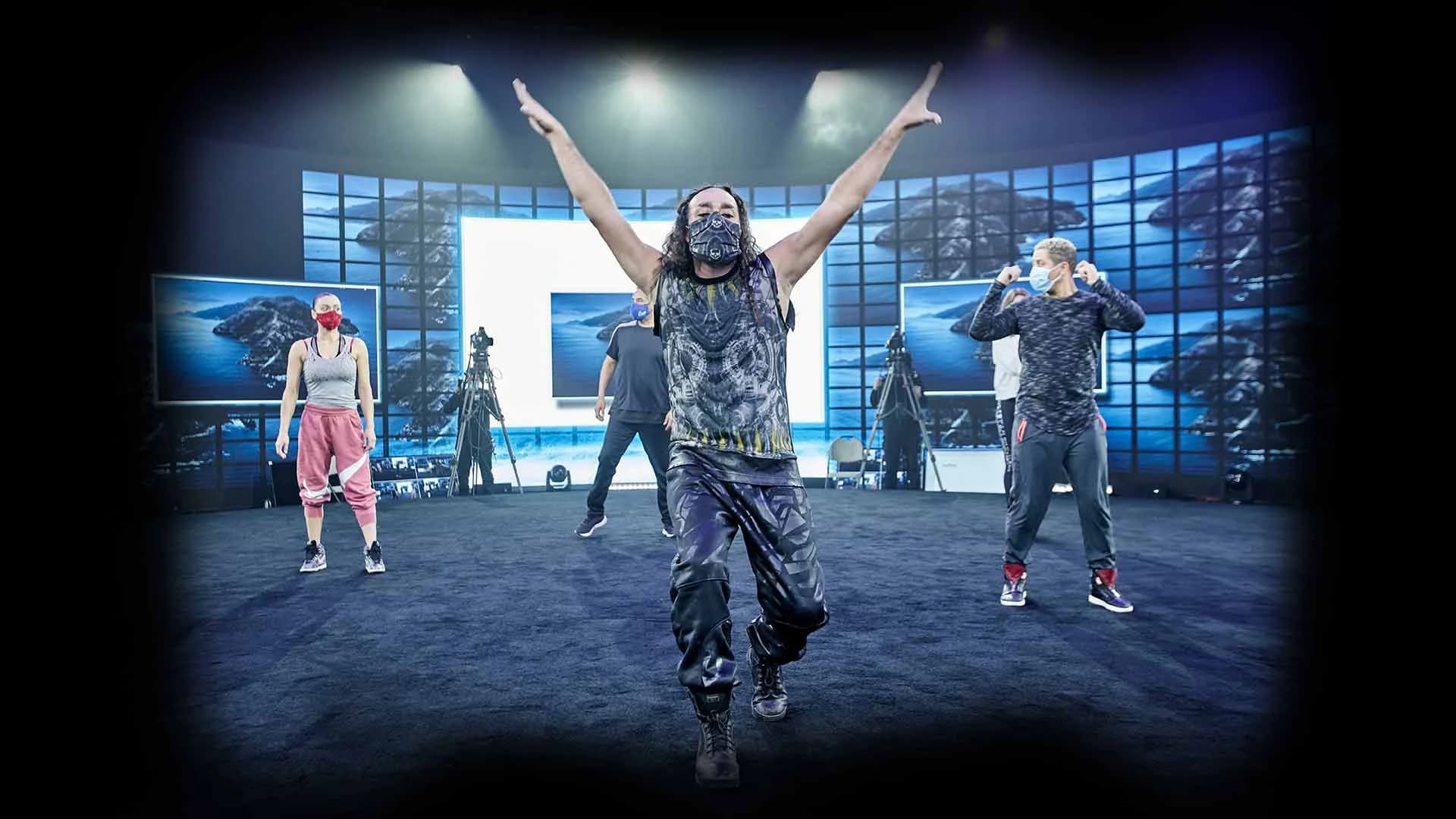
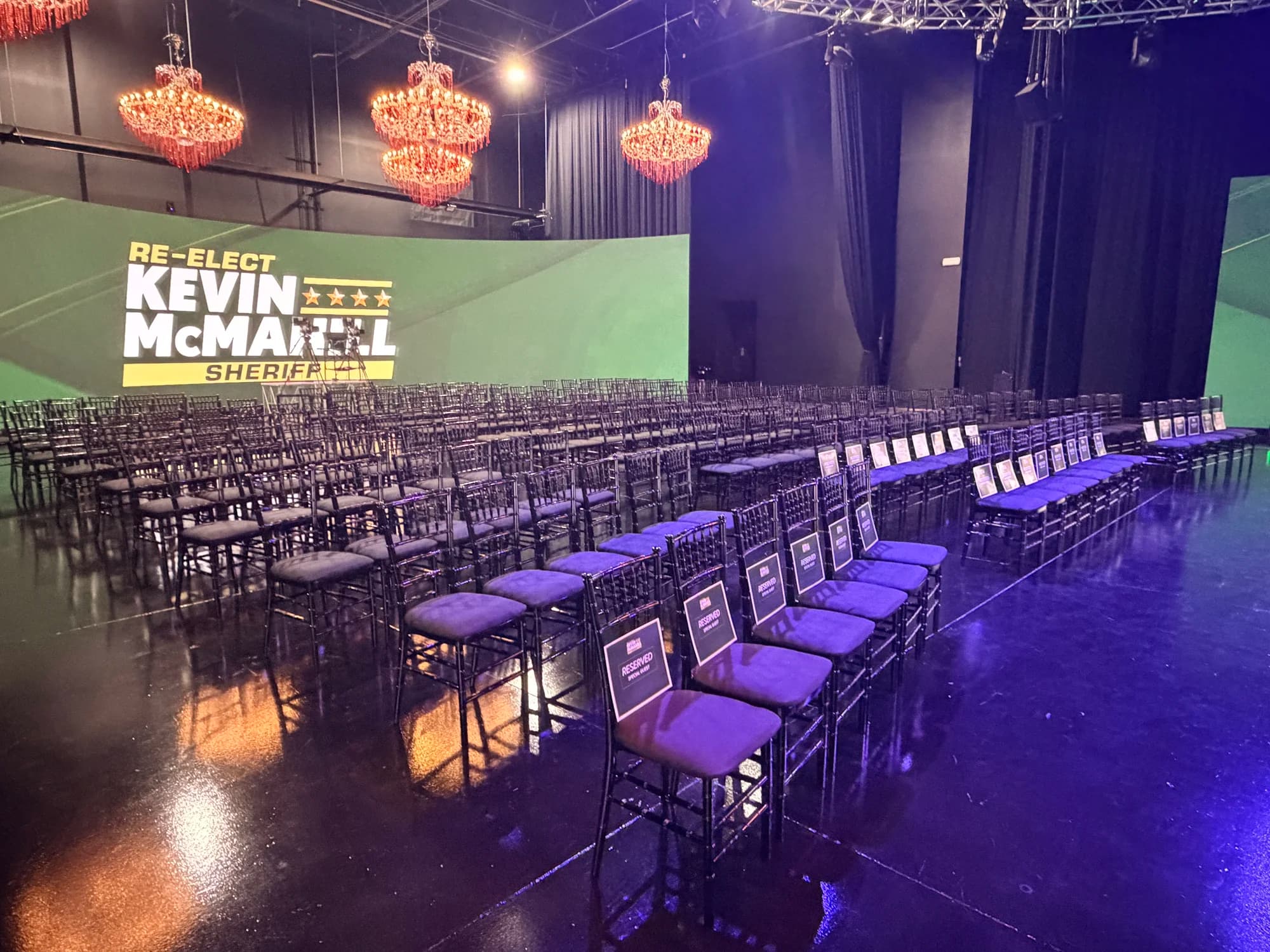
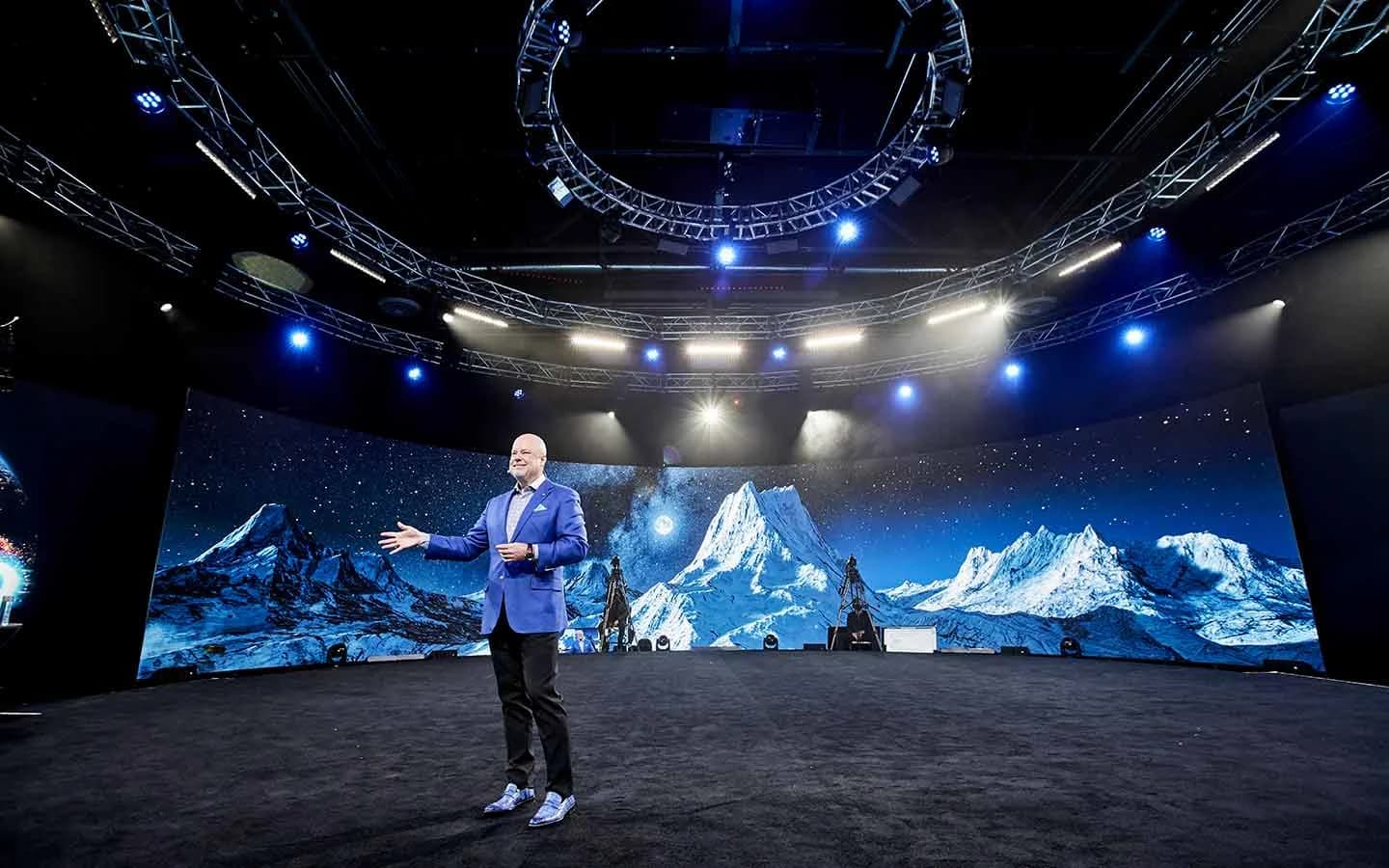
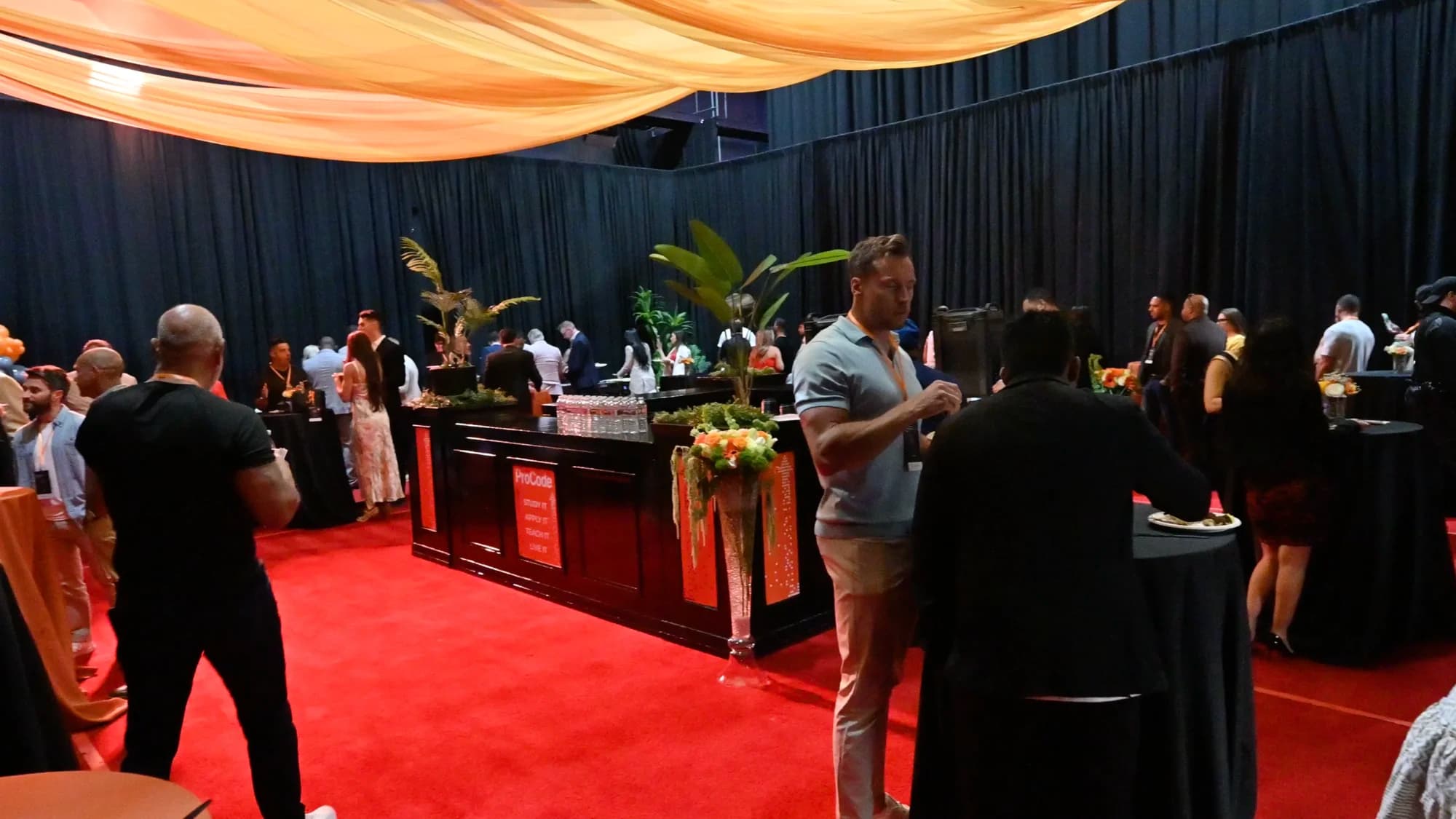
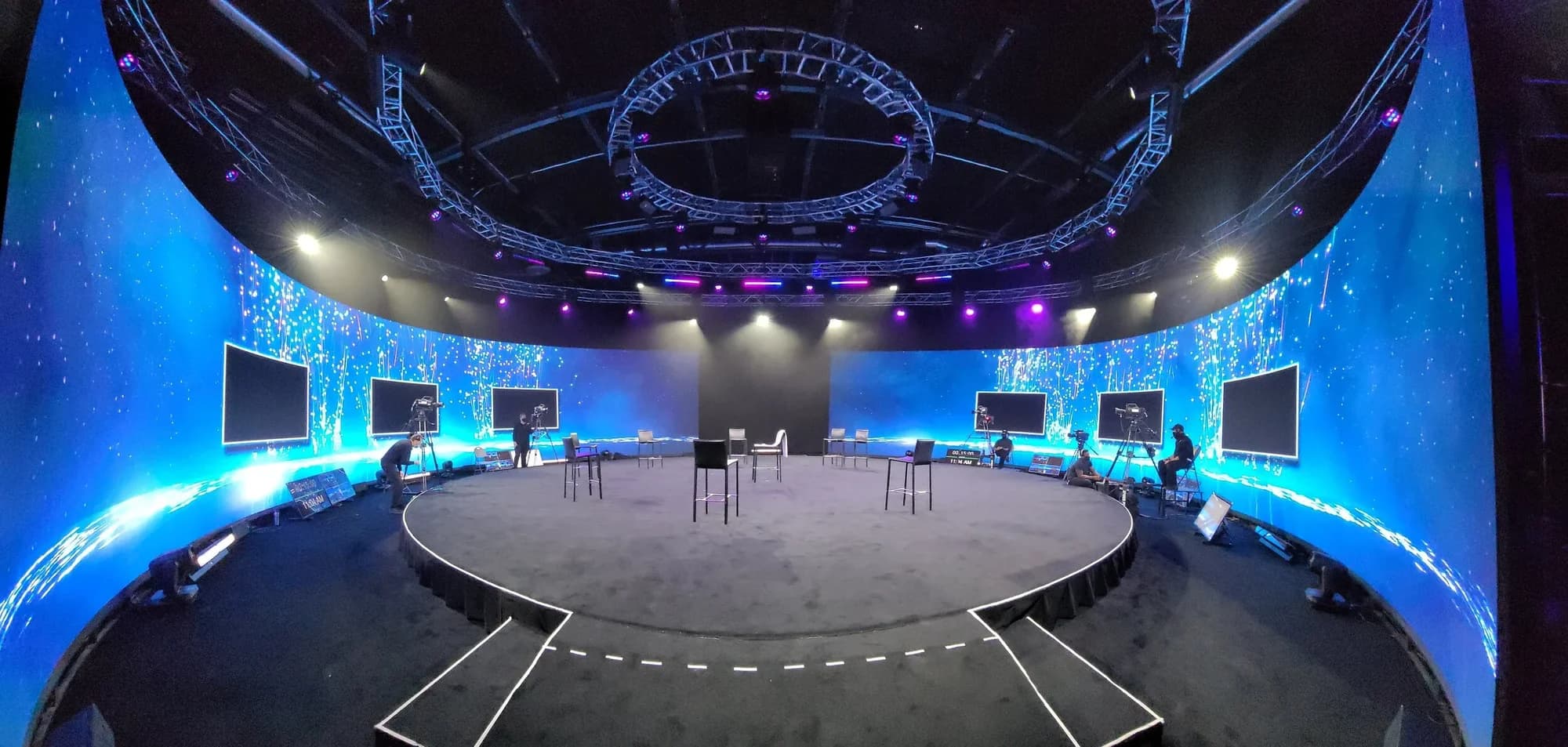
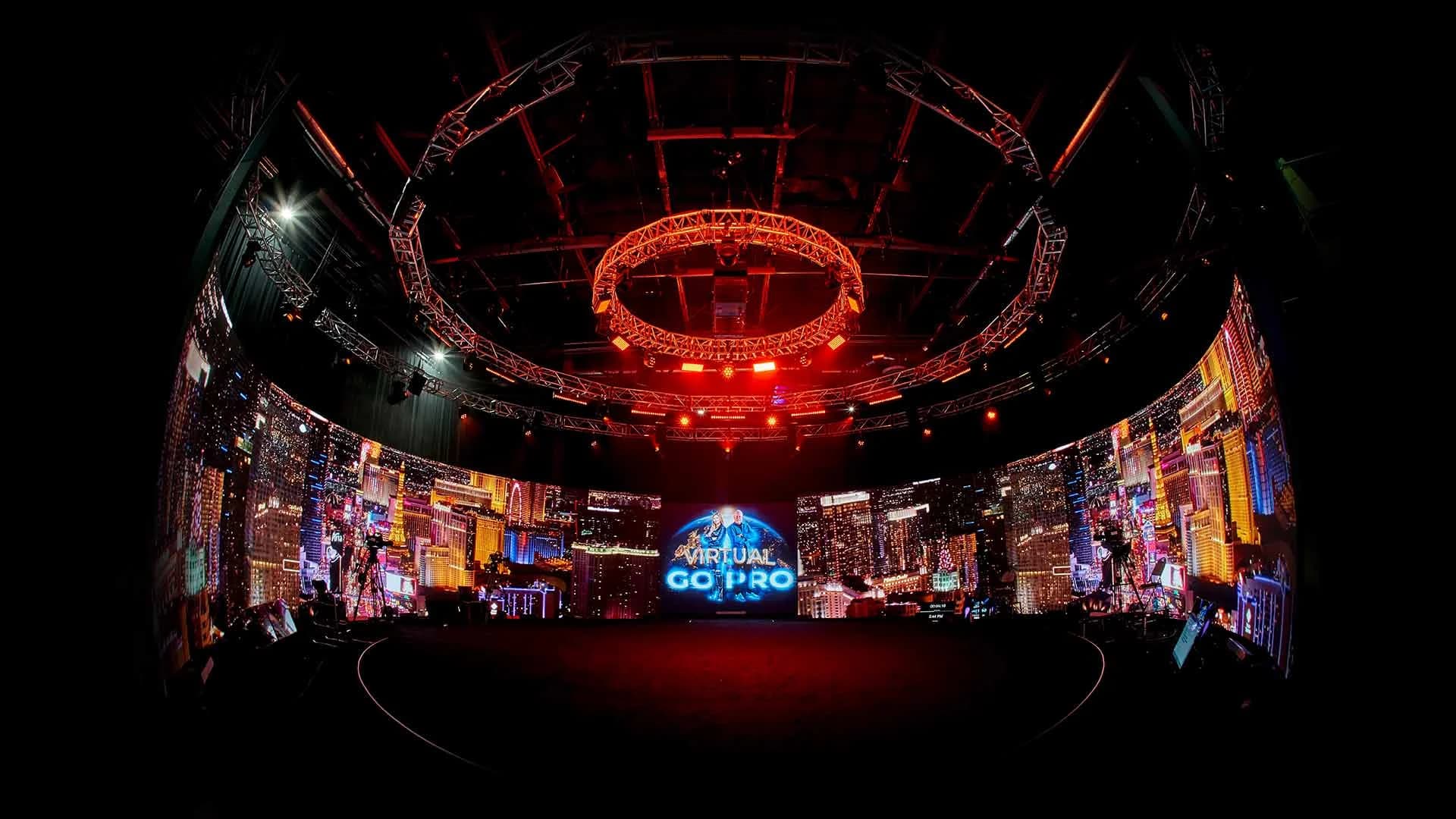
| The room | 25,000 square feet, stage-in-the-round, direct load-in through a truck door, lobby and green room access, climate controlled and private |
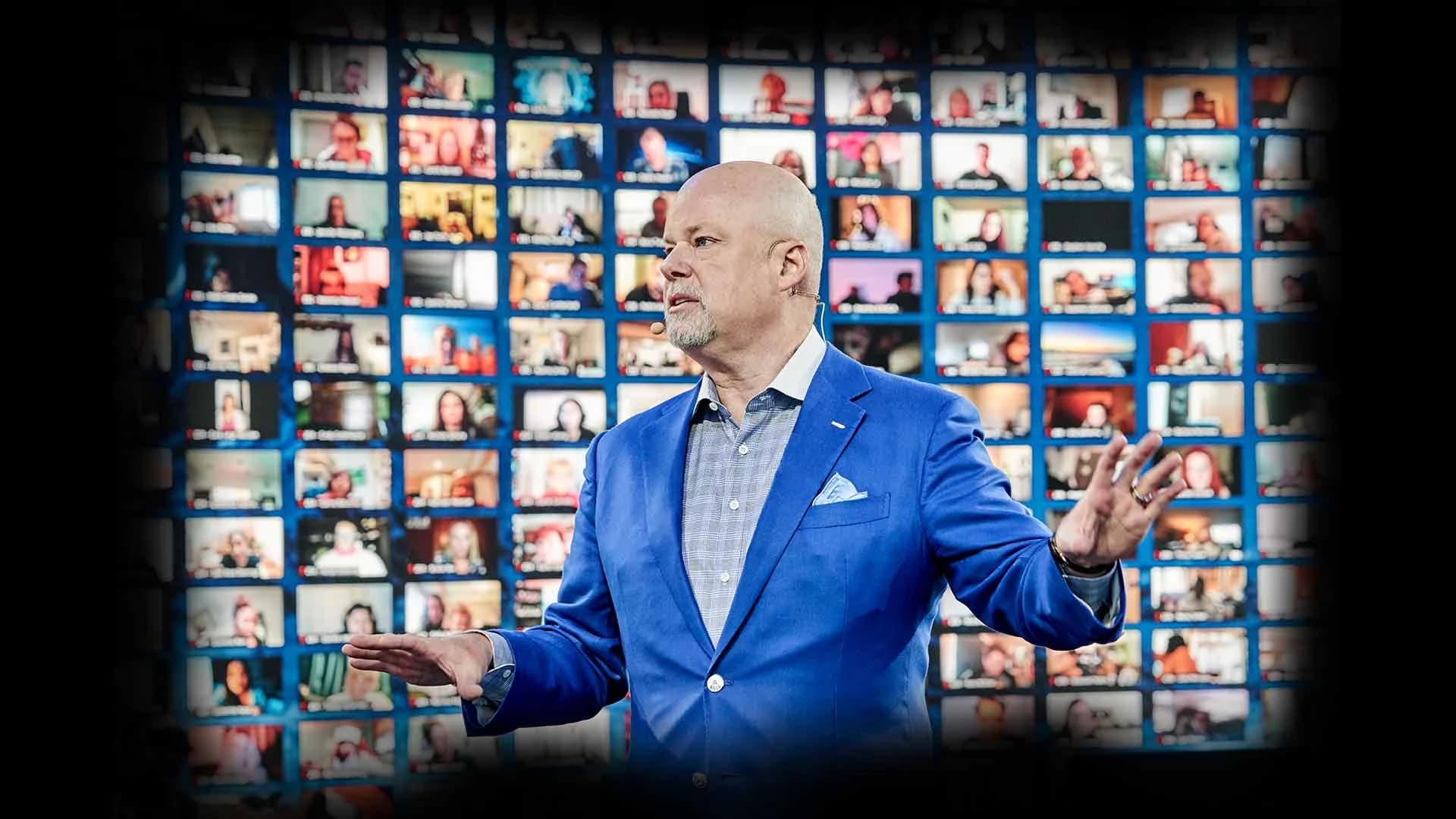
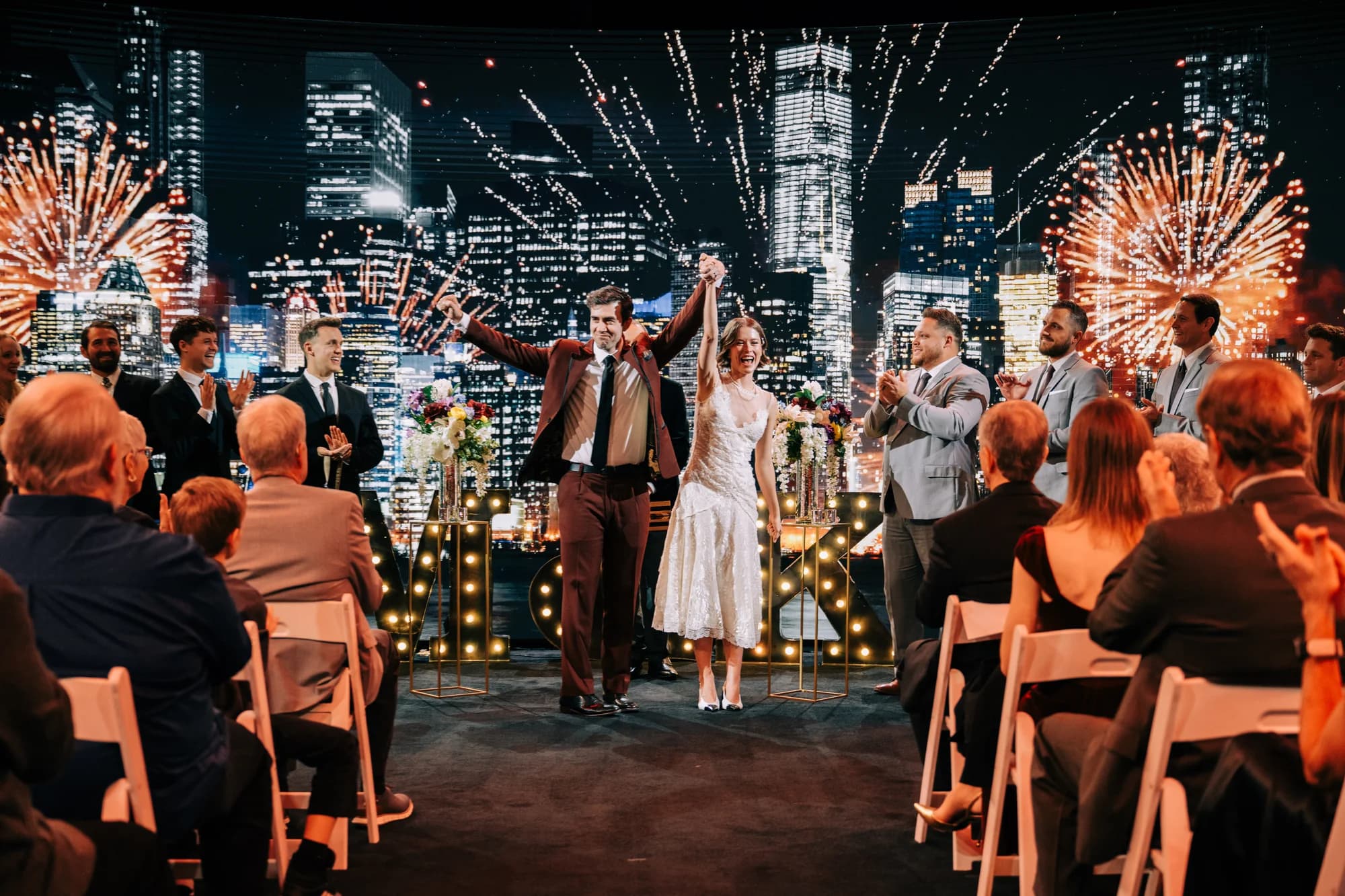
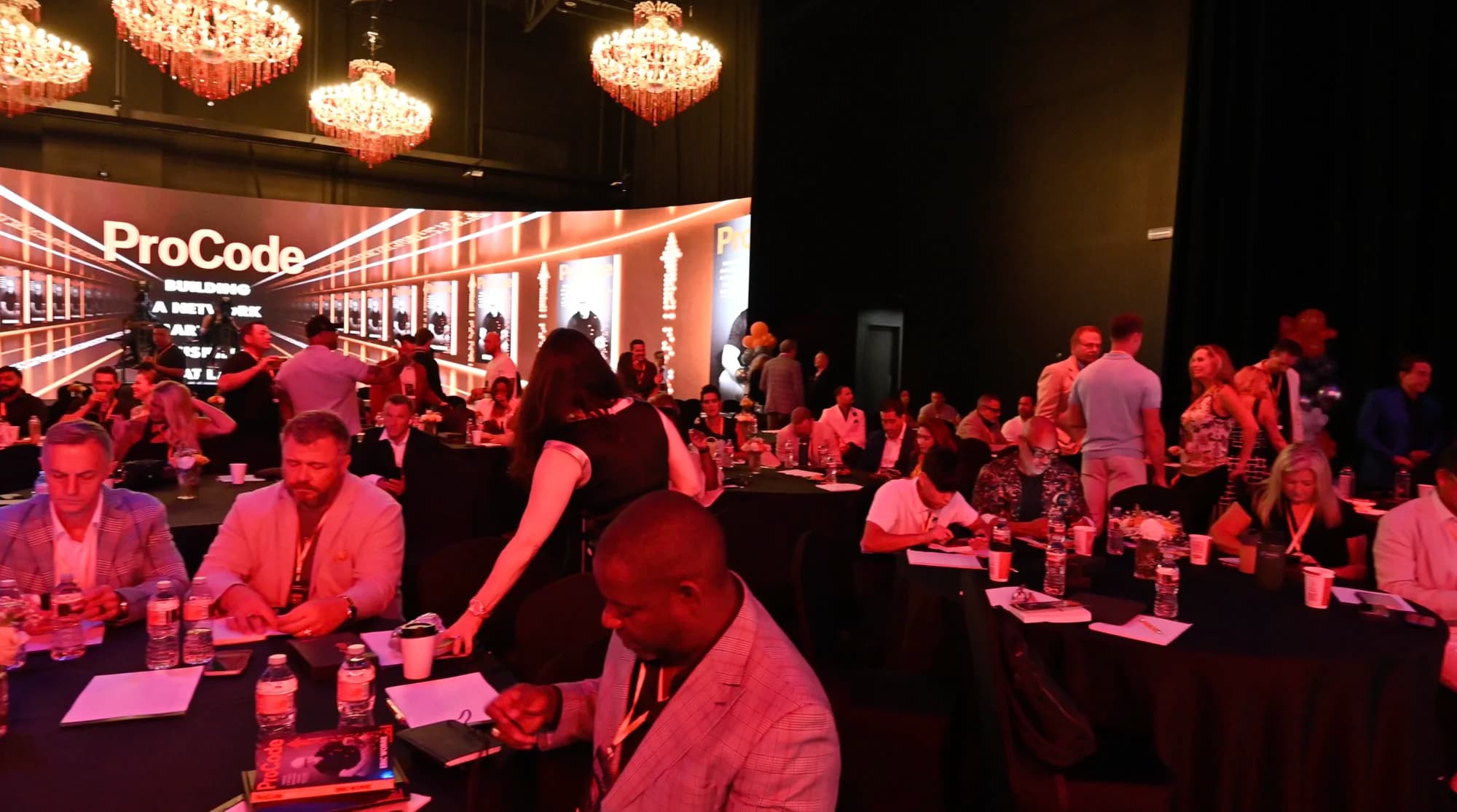
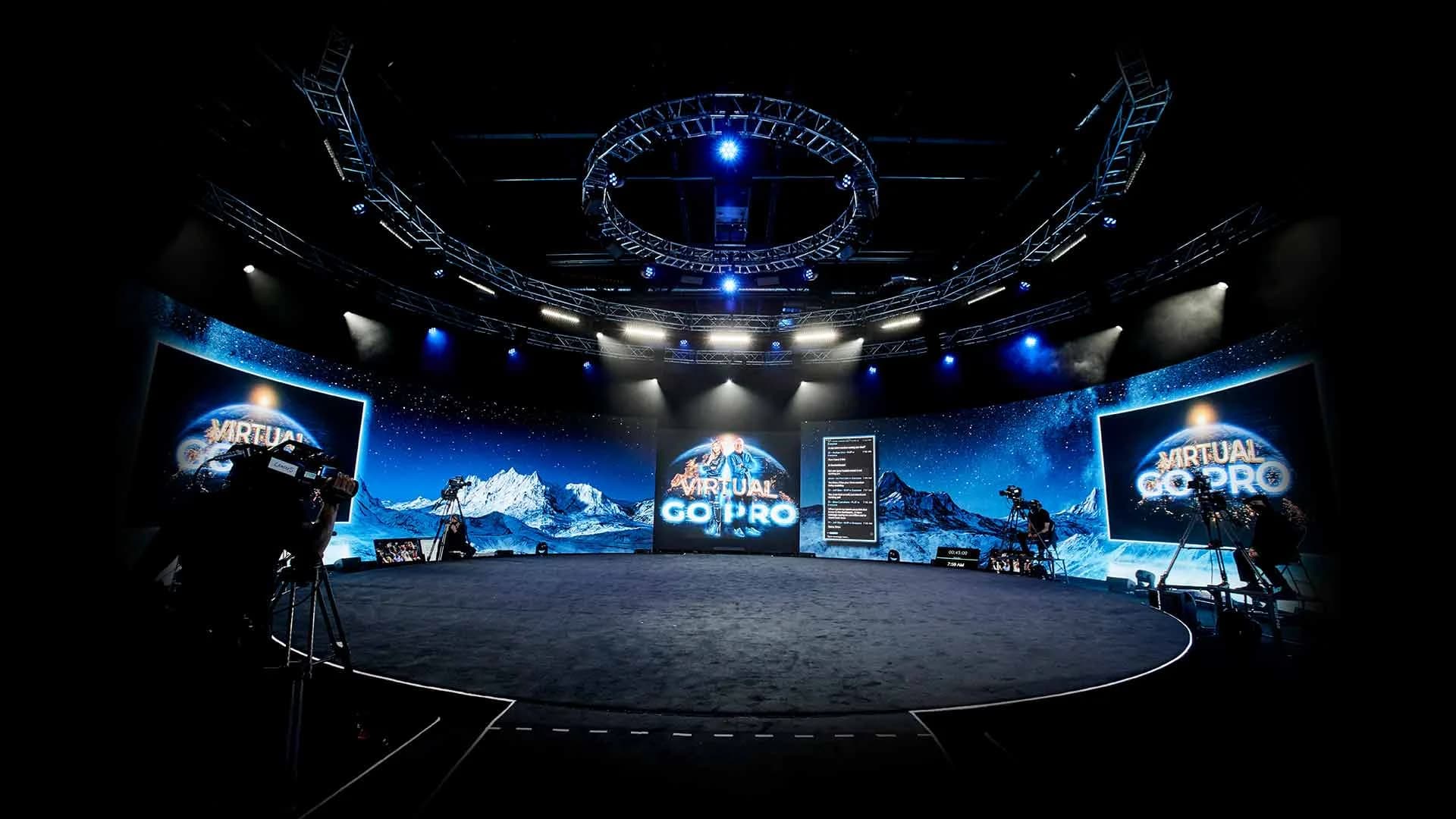
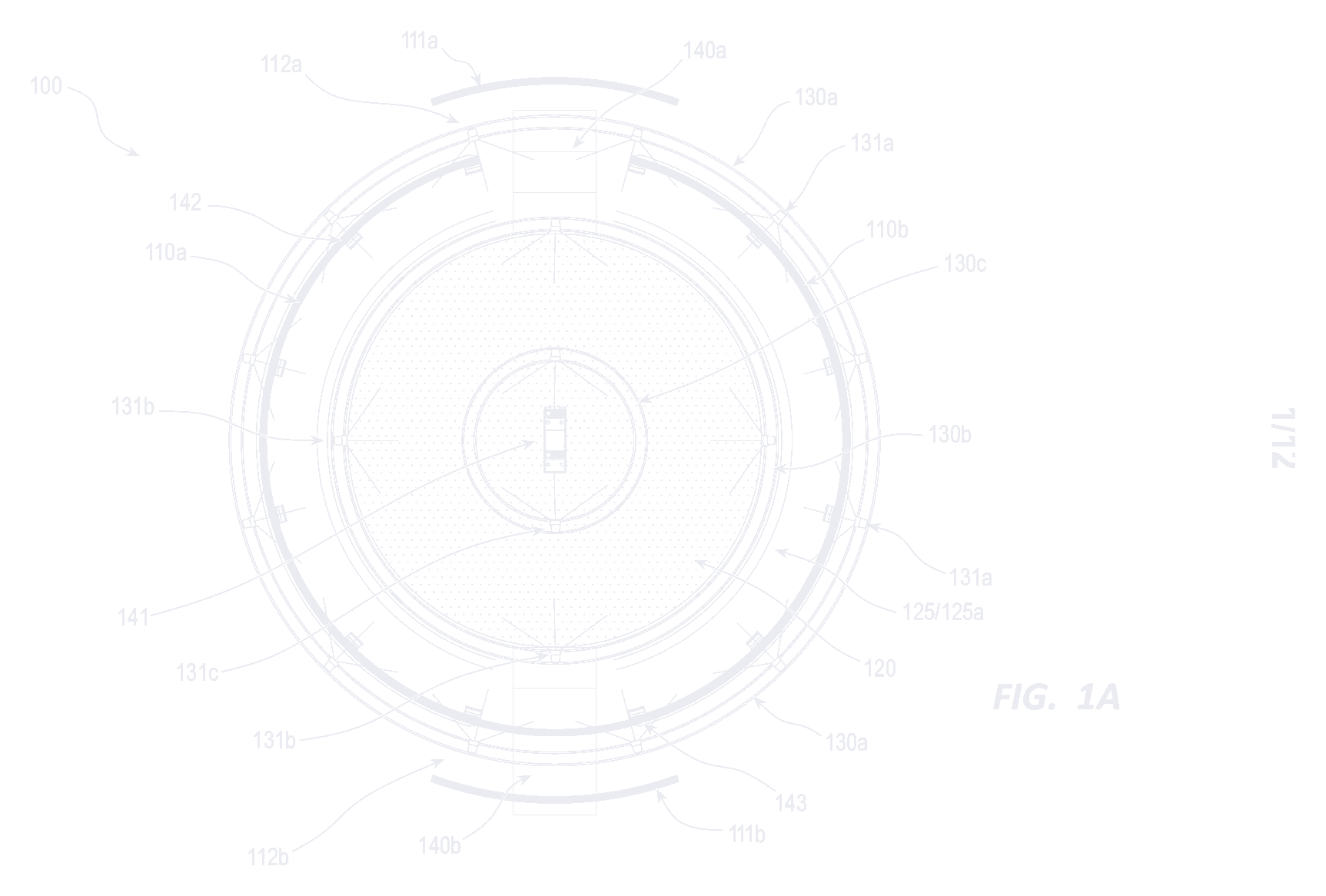
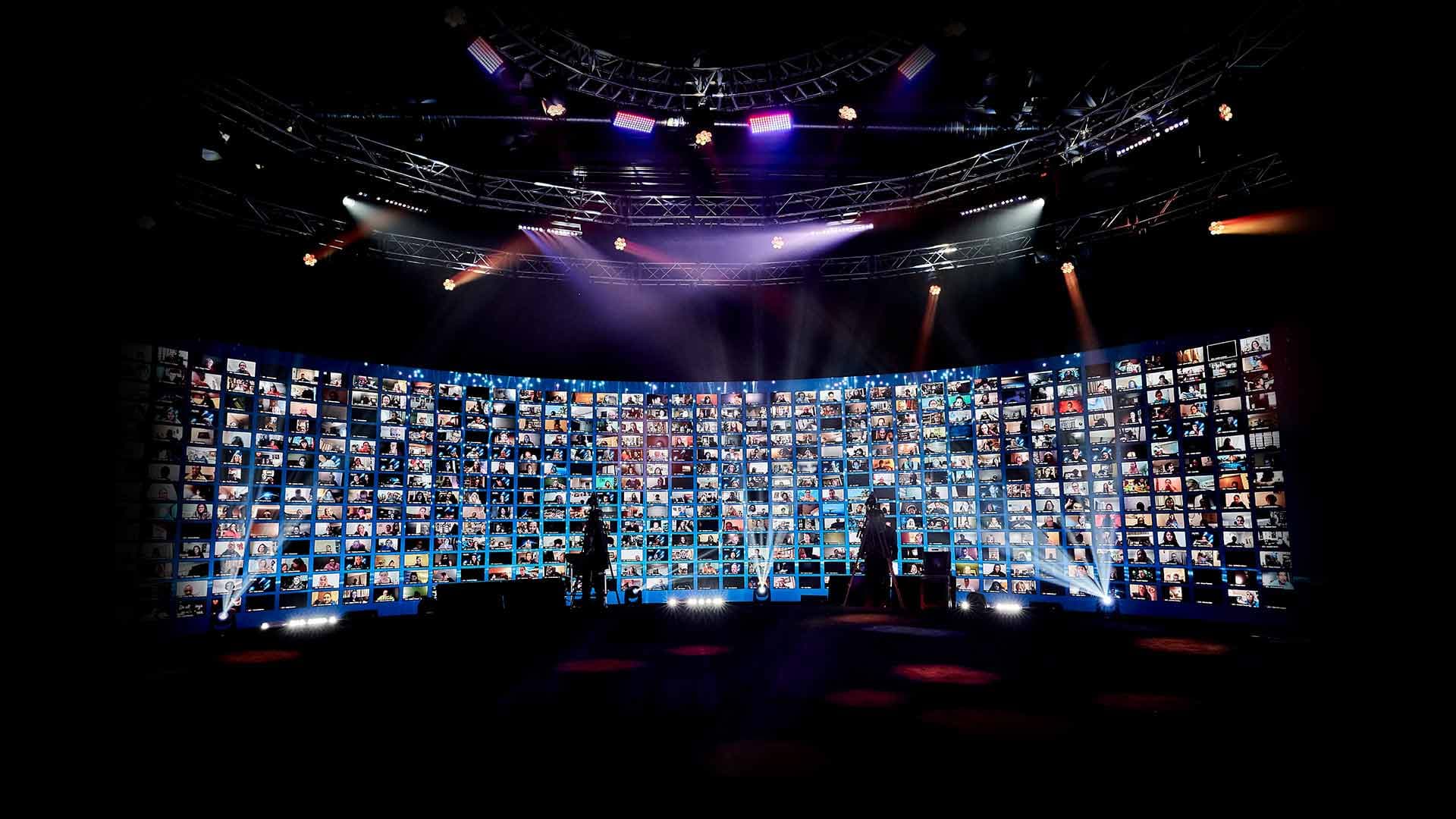
| 360° 4K LED wall system | Two 73-foot by 14-foot main walls and two 24-foot by 14-foot side walls at 1.9mm pitch, with house graphics and content playback running on the studio's media servers |
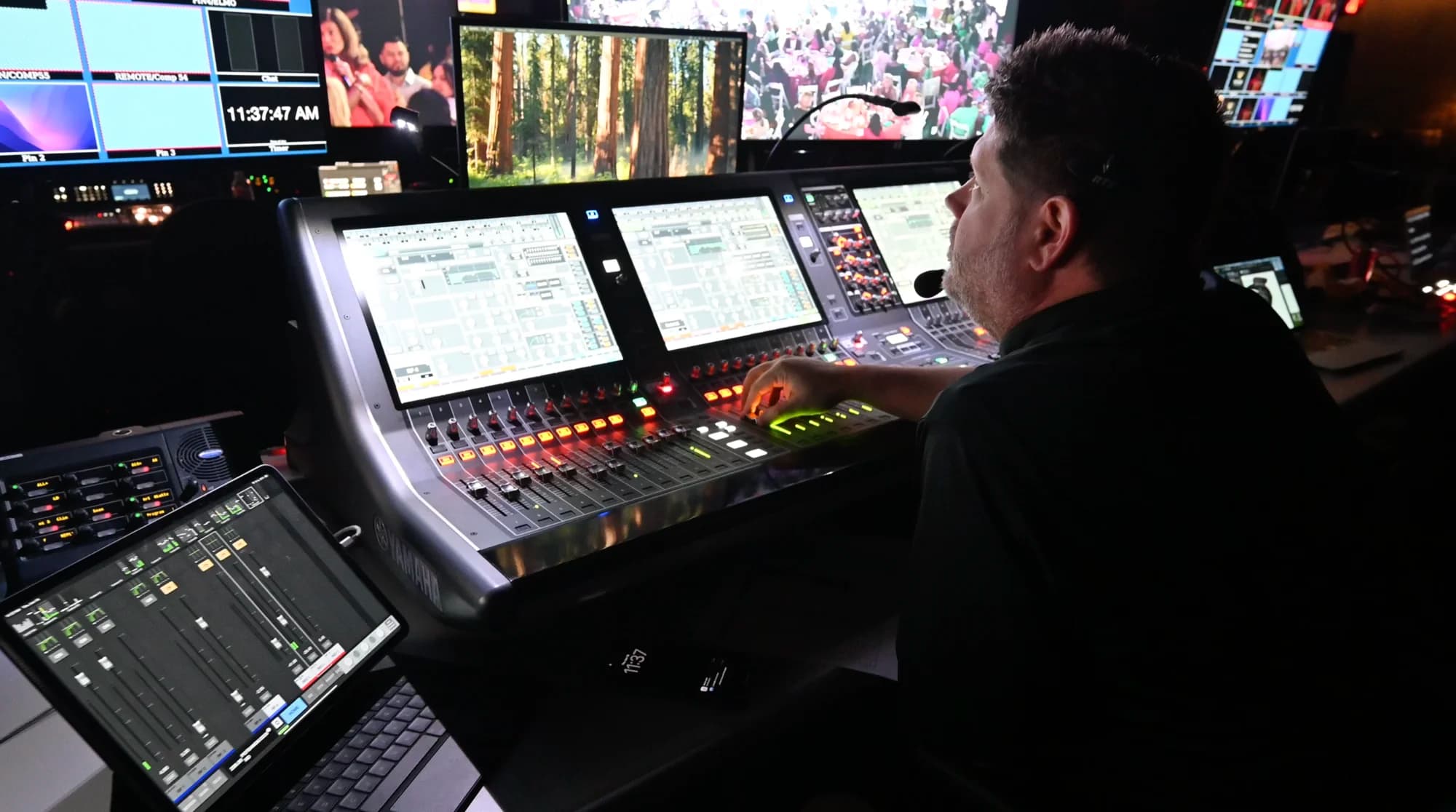
| Studio audio rig | Broadcast-grade Meyer and Yamaha throughout: 30 Meyer boxes, subs, a Yamaha Rivage PM5 console, and Shure Axient wireless |
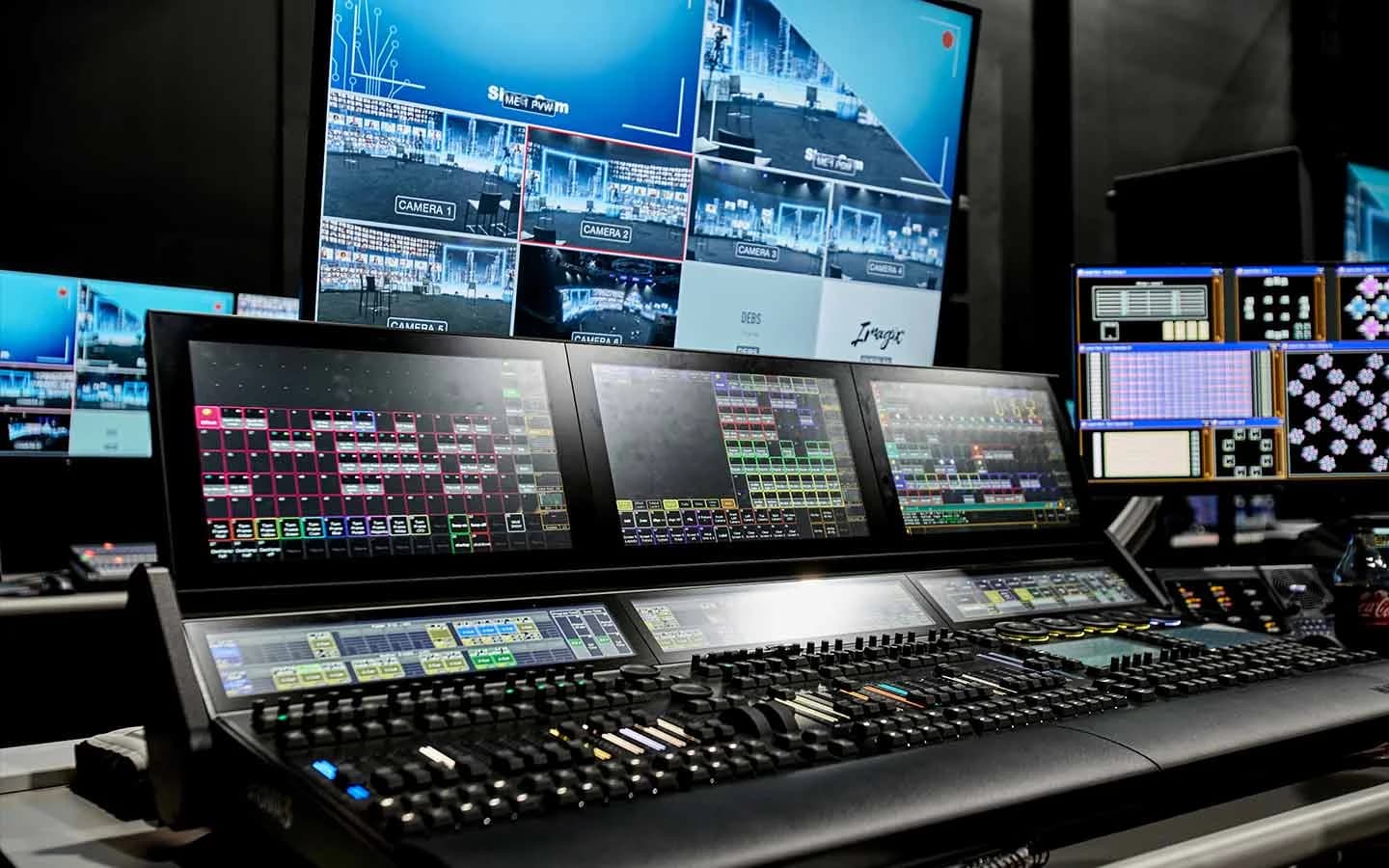
| Studio lighting rig | A GrandMA 3 driven rig of 94 fixtures, enough for a full stage wash with accent color, camera-ready from the first hour |
Renting comparable LED walls into a rented hall runs somewhere between $300,000 and $500,000 for the walls alone, before crew, audio, lighting, or rigging. Here they're already standing and already commissioned, which is why the base rate looks the way it does. The full technical specifications live on the technology page.
One line sits on nearly every booking regardless of size: building crew, which is an event coordinator as your single point of contact through the day plus facility care, at roughly $1,700 a day combined. Call the realistic floor about $17,000.
What a Basic Day Looks Like on the Floor
This is the part worth being plain about, because "included" does a lot of work in venue marketing and it shouldn't here.
At the base rate, the systems are set rather than operated. In practice that means three things:
- Lighting: one look, built at the top of the day and held there. A stage wash with accent color that reads well on camera and in the room. It doesn't change when the tone of your show changes.
- Audio: playback through the house rig. A playlist, walk-in music, the audio bed under your video. Mics for a host or a panel are straightforward. A band, a full FOH mix, or anything that has to be ridden live is not what this tier is.
- Video: graphics and video files you supply, played back on the walls. Someone cues them. Full-motion 360° environments, live scene triggers, and custom Unreal builds are a different tier and a different lead time.
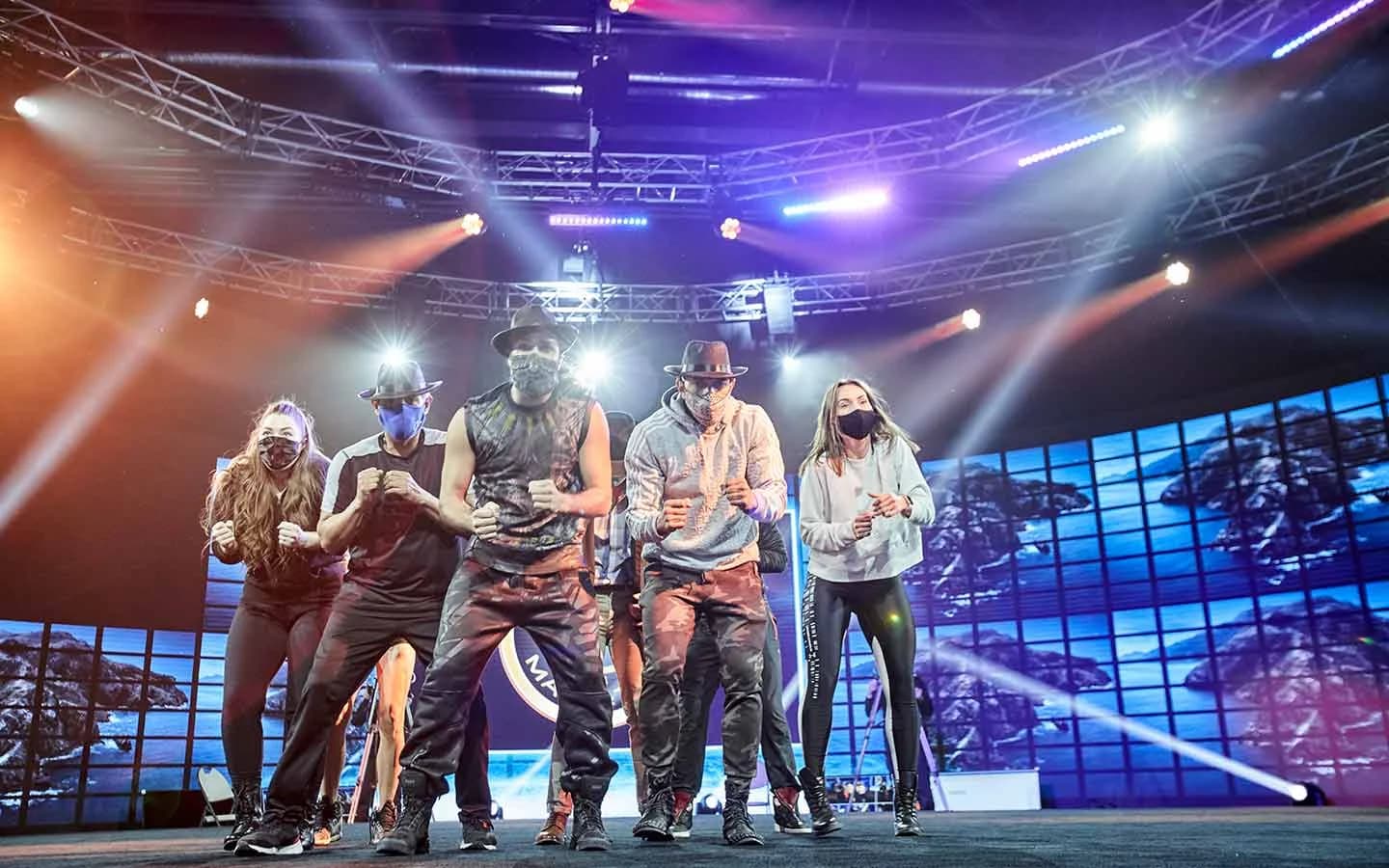
That's genuinely enough for a lot of events. A speaker with a deck. A panel with lower thirds and a sizzle reel. An awards night with a playback package and a walk-on look. A product showcase where the wall holds one enormous image and the room does the rest. Those shows work at this tier and they look expensive, because the room is doing the heavy lifting.

A set room and a run show are two different products. The difference is three people, not three trucks.
The Three Seats That Turn a Set Room Into a Run Show
The moment your show has cues, the base tier stops being the right tier. Three positions cover almost everyone who steps up, and they're bought individually.
| Seat | What it buys you | Roughly per day |
|---|---|---|
| Lighting Designer | Lighting that changes with the show. Different looks for the keynote, the panel, the award, the band. Cued on our board, camera-ready throughout. | $950 |
| Media Server Operator | The walls driven as part of the show rather than played from a folder. Scene changes, reveals, full environments, timing that lands with the moment. | $1,065 |
| A1, audio engineer | A live mix. Bands, multiple open mics, a panel that has to sound as good as it looks, and anything where the sound changes during the show. | $900 |
All three together add roughly $2,900 a day. A booking with the room, the building crew, and those three seats lands somewhere under $20,000, and at that point you have a properly run event: cued lighting, a wall that performs, and a live mix, in a room that comparable productions spend six figures approximating.
Most promoters who call about the basic tier end up here after one conversation, and it's usually the right move. It's also the honest stopping point. Nothing above this is required to put on a good show in this room.
Four Ways to Book the Same Room
Seeing the whole ladder at once tends to settle the question faster than reading the tiers separately, because it shows where the jumps actually are.
| Booking | What you get | Best for | Roughly per day |
|---|---|---|---|
| Space only | The room, climate controlled, with lobby and green room access. None of the systems. | Film and photo productions arriving fully self-contained | $7,500 |
| Basic build | The room with walls, audio, and lighting included, set rather than operated, plus building crew. | Panels, showcases, single-session conferences, speaker events with supplied video | $17,000 |
| Run show | The basic build plus a lighting designer, a media server operator, and an audio engineer. | Multi-segment shows, live music, awards, anything with a cue sheet | Under $20,000 |
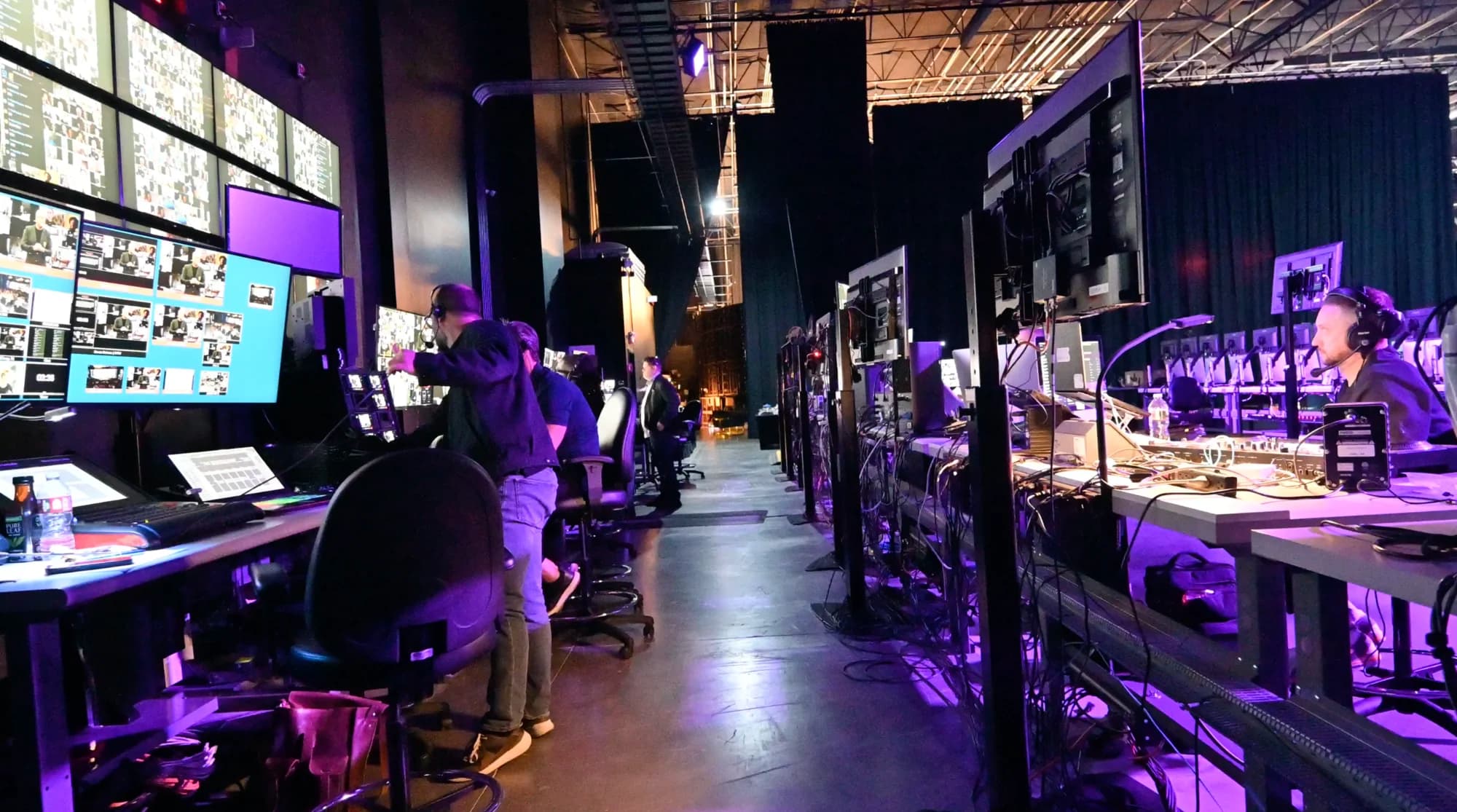
| Full production day | The room, the control room, a four-camera package with a jib, and a full production crew. | Broadcast, multi-camera capture, launches with a content deliverable | About $55,000 |
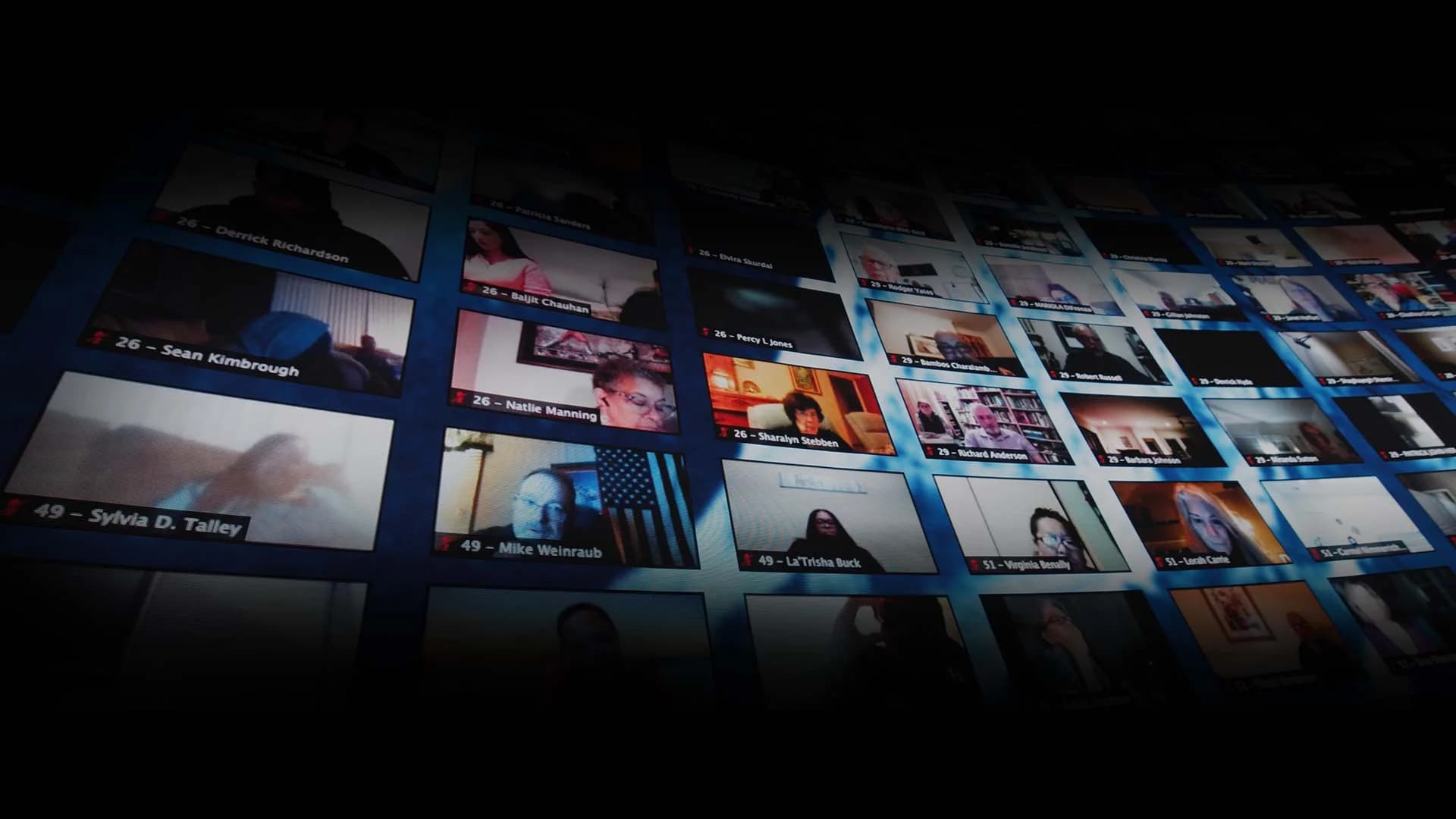
Beyond that sits the full interactive show day, which adds your own branded virtual environment, the media village, and the interactive crew who pull remote attendees live on stage with your host. That's a different conversation about reach rather than production, and it runs through our interactive broadcast articles, starting with why it isn't a webinar.
Worth noting what the ten-hour day does to this math. If your event runs three hours and rehearsal takes two, the remaining five belong to you. Teams regularly shoot evergreen content, training material, or a year of social assets on the same stage with the same crew and the same booking. One day, several deliverables.
Space-Only, and Who It's Really For
The $7,500 space-only rate looks like the obvious choice for a tight budget. For most events it isn't, and it's worth explaining why before someone books it by mistake.
Space-only is the room without the systems. No walls running, no house audio, no lighting rig. It exists for film and photo productions that arrive with their own everything, which is a real and regular use of the floor. For an event, it means the single most distinctive thing about this building is switched off, and you're paying $7,500 for a large empty box in Las Vegas. If your event touches the walls, the audio, or the lights, and nearly every event does, the full studio rental is your starting point.
Bringing Your Own People
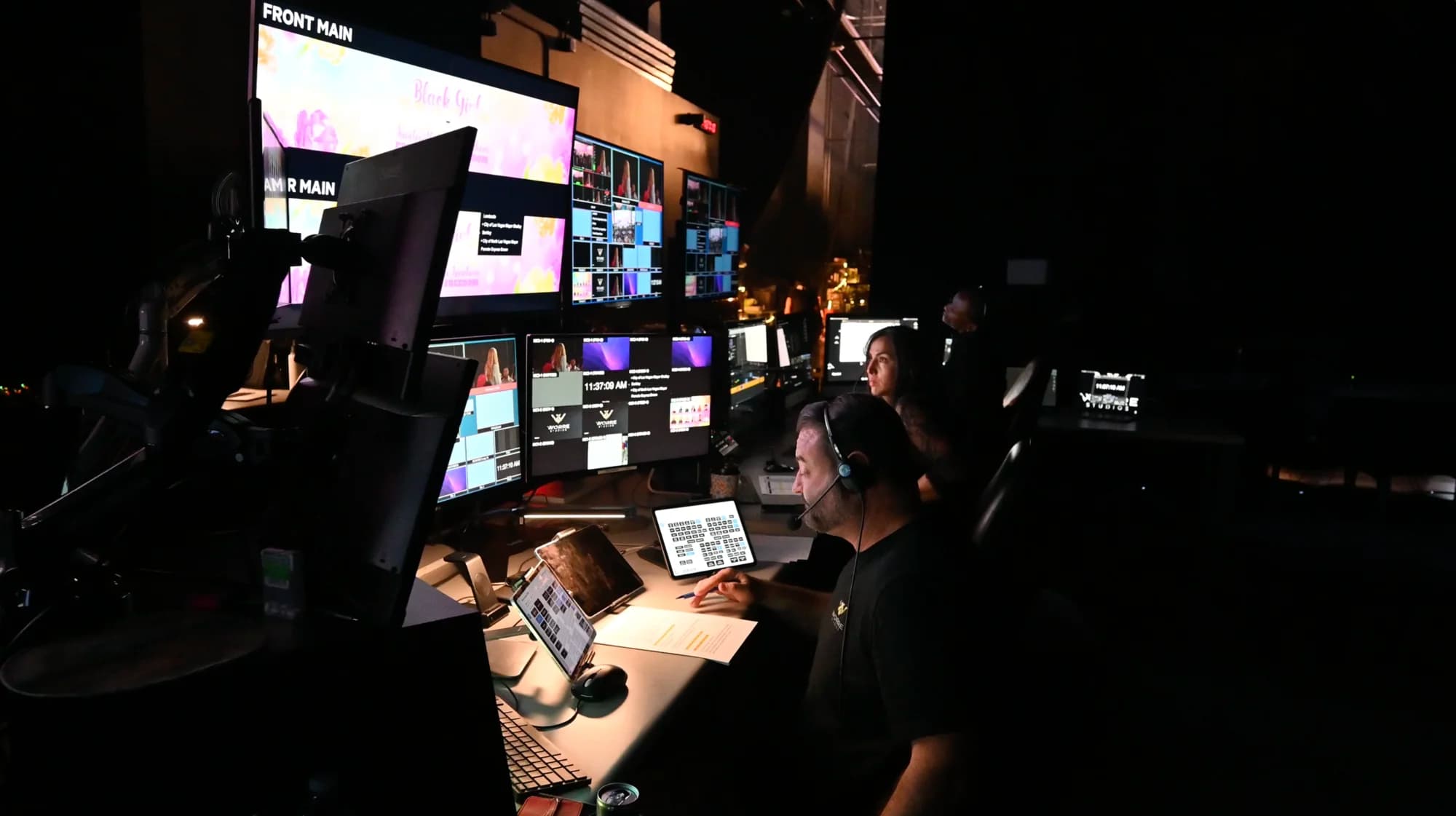
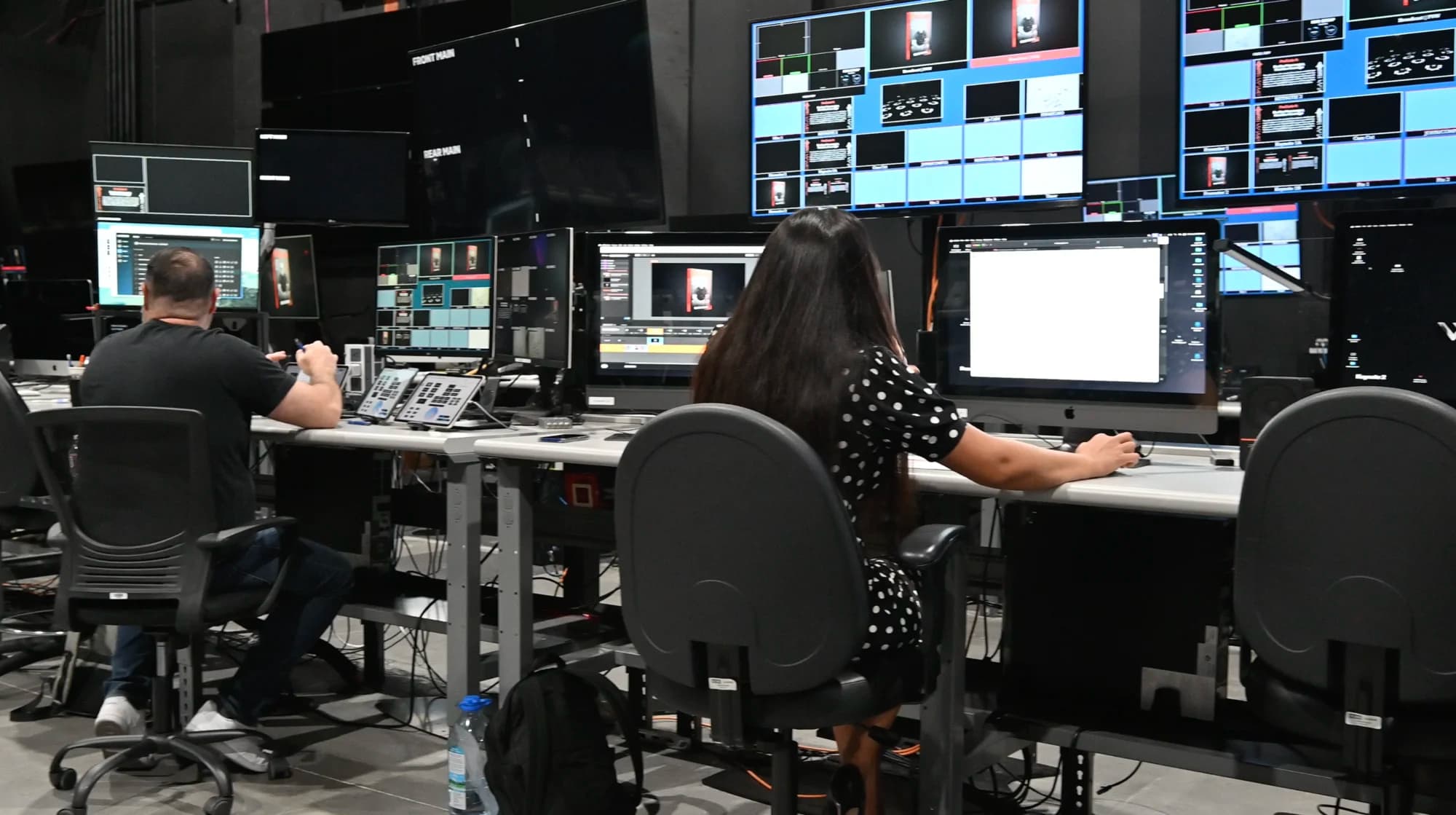
Outside teams run their own shows here at no extra charge. Bring your director, your producer, your stage manager, your content team. Our house is your house, and that's unusual enough among venues to be worth stating plainly.
A couple of positions stay with the studio for safety and continuity: nobody outside the studio takes the audio console, and nobody patches into the full network unsupervised. Beyond that the floor is yours. If your team wants hands on a system we hold, the practical answer is that your operator and ours work the day together, and that gets settled during the exploratory calls rather than on load-in morning.
What Moves Your Number
Two events at the same tier can quote differently. The variables that move a basic booking most often:
- Days, not hours. Rehearsal day, load-in day, and show day are separate days. A single-day booking with a two-hour rehearsal built into the ten hours is the cheapest version of almost any event.
- Seating and staging. Theater rows, banquet rounds, or tiered risers are built to your sightlines and scoped separately. The base rate covers the room, not a seating build.
- Content lead time. Playing your supplied files costs nothing extra. Custom environments rendered by the graphic team take months and price accordingly.
- Cameras. A two-camera package for a straightforward record starts around $4,200, plus the operators. Worth pricing if you want the event to exist afterward.
- Everything around the event. Catering, room blocks, transportation, event WiFi, permits, and parking are sourced through the studio and quoted to your plan.
None of that is a surprise line on an invoice. The scoping process exists specifically so the quote is built with you across a few rounds rather than handed to you once.
Why a Small Build Here Still Beats a Big Build Elsewhere
The comparison that matters isn't basic-here versus full-here. It's basic-here versus whatever the same event costs in a rented hall.
A ballroom quotes you an empty room and everything else arrives plus. The screens on one truck, the audio on another, the lighting on a third, the crew from a fourth vendor, the control position built from scratch in a corner, and a load-in schedule that starts a day early because none of it lives there. Teams who priced both paths tell us the same thing: the turn-key room came in under the hall they almost booked, and did more. That's the whole argument in our comparison of an event studio against a convention center.
At the basic tier that gap is at its widest, because a basic booking here still includes 360° of 4K LED, a broadcast-grade audio rig, and 94 lighting fixtures. A basic booking in a hall includes a room.
The cheapest day in this building still has the walls on.
If you're weighing a specific date, the fastest route to a real number is a conversation about the run of show. Live events in the round and the rest of the event formats give you the shape of what the room does; the quote comes from the details.
Frequently Asked Questions
Roughly $15,000 for the studio day rate, which covers the room for ten hours with the LED walls, audio rig, and lighting rig included. With building crew added, a realistic floor for an event booking is around $17,000. Final pricing is confirmed by quote.
Yes. The walls are permanently installed and permanently wired, so they come with the room rather than arriving as a rental. At the base rate they display graphics and video you supply, played back on the studio's media servers.
Ten hours. If your event runs three and rehearsal takes two, the remaining hours are yours to use, and many clients capture evergreen content on the same stage with the same crew in the same booking.
Outside teams run their own shows here at no extra charge. A couple of positions stay with the studio: the audio console, and unsupervised patching into the full network. Where your team wants hands on a system we hold, your operator and ours work the day together, agreed during scoping.
Studio rental is the room with the walls, audio, and lighting included. Space-only is the bare room at roughly $7,500 a day, built for film and photo productions arriving fully self-contained. If your event uses the walls, the sound, or the lights, studio rental is your starting point.
A lighting designer is roughly $950 a day, a media server operator roughly $1,065, and an audio engineer roughly $900. Together they run about $2,900 and take a booking from a set room to a cued show, landing the whole day somewhere under $20,000.
Rehearsal inside your ten hours costs nothing extra. Separate load-in or rehearsal days are additional days and are quoted as such, which is why single-day builds price lowest.
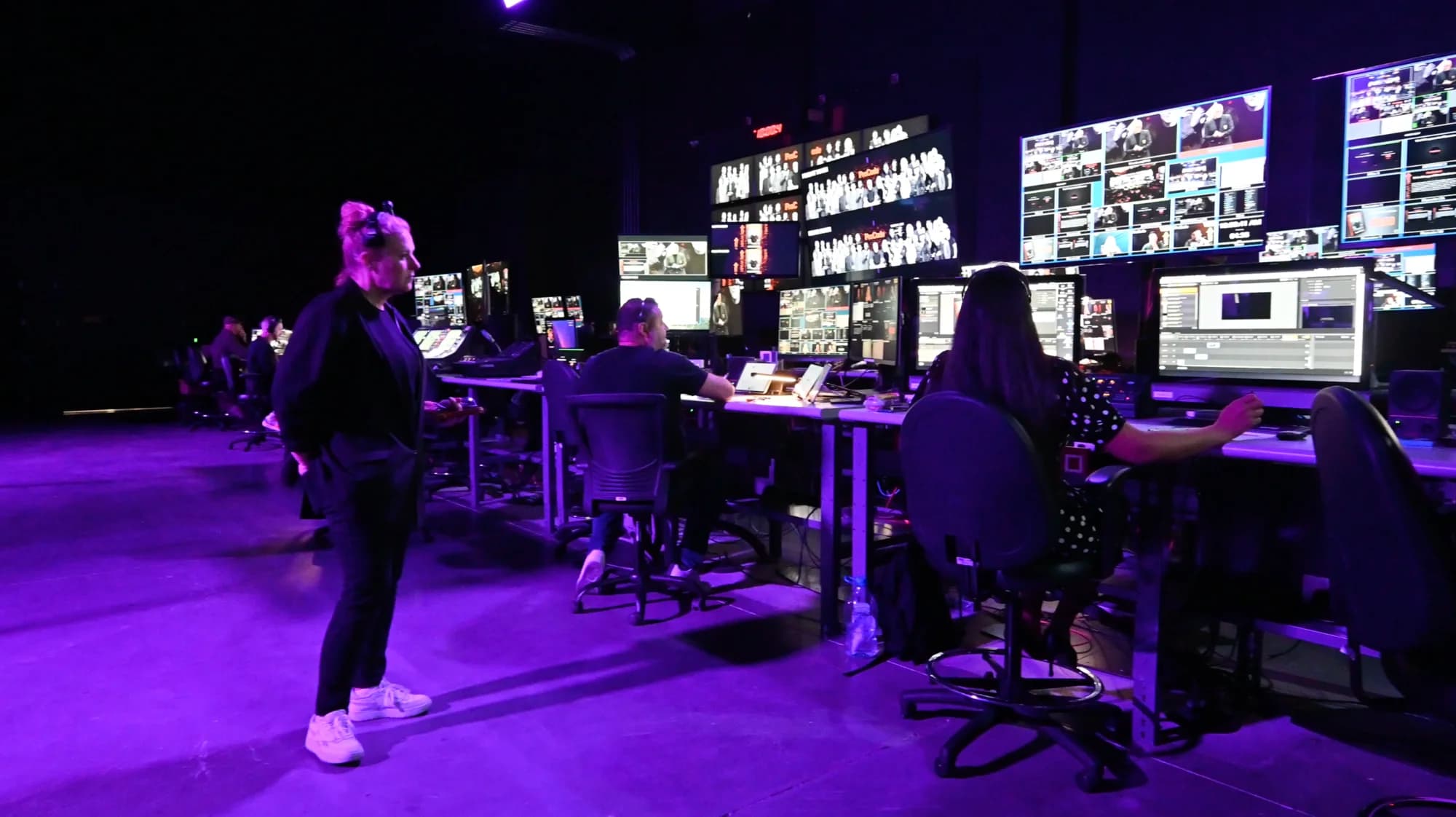
Recording and broadcast sit above the basic tier, because they need the control room and a camera package. A two-camera package starts around $4,200 plus operators. A full production day with a four-camera package, a jib, and a full crew lands near $55,000.
For a basic build using supplied content, weeks rather than months is workable subject to availability. Custom environments rendered by the graphic team take months of lead time, so lock creative early if the walls need original content.
Tell us the date, the run of show, and the audience, in the room and remote. Every quote here is built à la carte across a few rounds with the production team, so the number reflects your event rather than a package you have to grow into. More answers on how booking works, or start the conversation below.

Written by the Worre Studios Content Team and reviewed by Ben Groen, Ticketing & Interactive Platform Lead, who is the source of record for the studio's rates and technical specifications. Figures reflect the 2026 rate guide and are day rates unless noted. All rates are starting points confirmed by custom quote, subject to final scope and availability. Room specifications described here reflect the building as it stands: 25,000 square feet, two 73-foot by 14-foot and two 24-foot by 14-foot curved 1.9mm LED walls, a Meyer and Yamaha audio rig, and a GrandMA 3 driven lighting rig of 94 fixtures. Last reviewed September 17, 2026.
More from The Front Row
Tell Us the Show. We'll Tell You the Number.
Walk us through your run of show and your audience, and we'll scope the smallest build that does the job properly. No package you have to grow into.