

How to Host a Candidate Forum or Political Debate
On this page
Set written rules for who's invited, how questions are chosen and how time is kept, and share them with every campaign before anyone agrees to attend. Pick a neutral moderator, decide podium order by coin toss, and give each candidate identical light, sound and camera treatment. Plan the broadcast as carefully as the rules: a feed for press, a livestream for voters who can't attend, and the full unedited recording posted afterward.
Key Takeaways
- Fairness is decided in writing. Invitation criteria, format, time limits and question rules go to every campaign at the same time, on the same terms.
- The moderator and the questions must be neutral. Choose a moderator with no ties to any campaign, and screen audience questions for clarity, not viewpoint.
- Equal on stage means equal on camera. Same distance, same light, same microphone and the same shot rules for every candidate.
- Voters who can't attend still deserve a seat. A livestream reaches them; an interactive broadcast lets them ask questions face to face.
- Publish the whole forum. A full, unedited recording is the best defense against clips taken out of context.
A good candidate forum gives every candidate the same invitation, the same rules, the same time and the same treatment on stage, then gets the conversation to every voter who wants to hear it. Most of the work is fairness, decided in writing long before anyone takes a podium. The rest is production: making sure the room, the camera and the broadcast treat every candidate identically. Our studio has hosted political events and debates, including a gubernatorial debate carried on television statewide and nationally on C-SPAN, and the same principles hold for a city council forum.
What's the Difference Between a Candidate Forum and a Debate?
A forum lets voters hear each candidate's positions; a debate lets candidates respond to each other. The format you choose shapes the rules, the stage and the run of show.
| Format | How it works | Candidate interaction | Best for |
|---|---|---|---|
| Candidate forum | Each candidate answers the same questions in turn, with equal time | Little or none; no direct rebuttals | Crowded races, local offices, first-time hosts |
| Debate | Candidates answer questions and respond to each other under timed rules | Direct rebuttals and responses | Two- or three-candidate races, high-profile offices, broadcast partners |
| Issue or policy forum | Panelists, experts or officials discuss issues; candidates may or may not appear | Varies by session | Multi-panel programs, conferences, voter education |
Many hosts start with a forum and add short rebuttals once campaigns trust the process. Whatever the format, write it down and keep it the same for every candidate.
How Do You Keep a Candidate Forum Nonpartisan?
Treat every candidate identically, before and during the event, and make the rules public. Fairness that isn't written down is hard to defend when a campaign questions it.
- Set invitation criteria first. Decide which race and which candidates qualify, put the criteria in writing, and apply them to everyone.
- Invite everyone the same way. Same letter, same deadline, same information, sent at the same time.
- Agree the rules up front. Format, time limits, rebuttals, question sources, and what happens if a candidate runs over or doesn't show. Get each campaign to confirm in writing.
- Draw for positions. Use a coin toss or a draw for podium placement, speaking order and anything else a campaign might argue about.
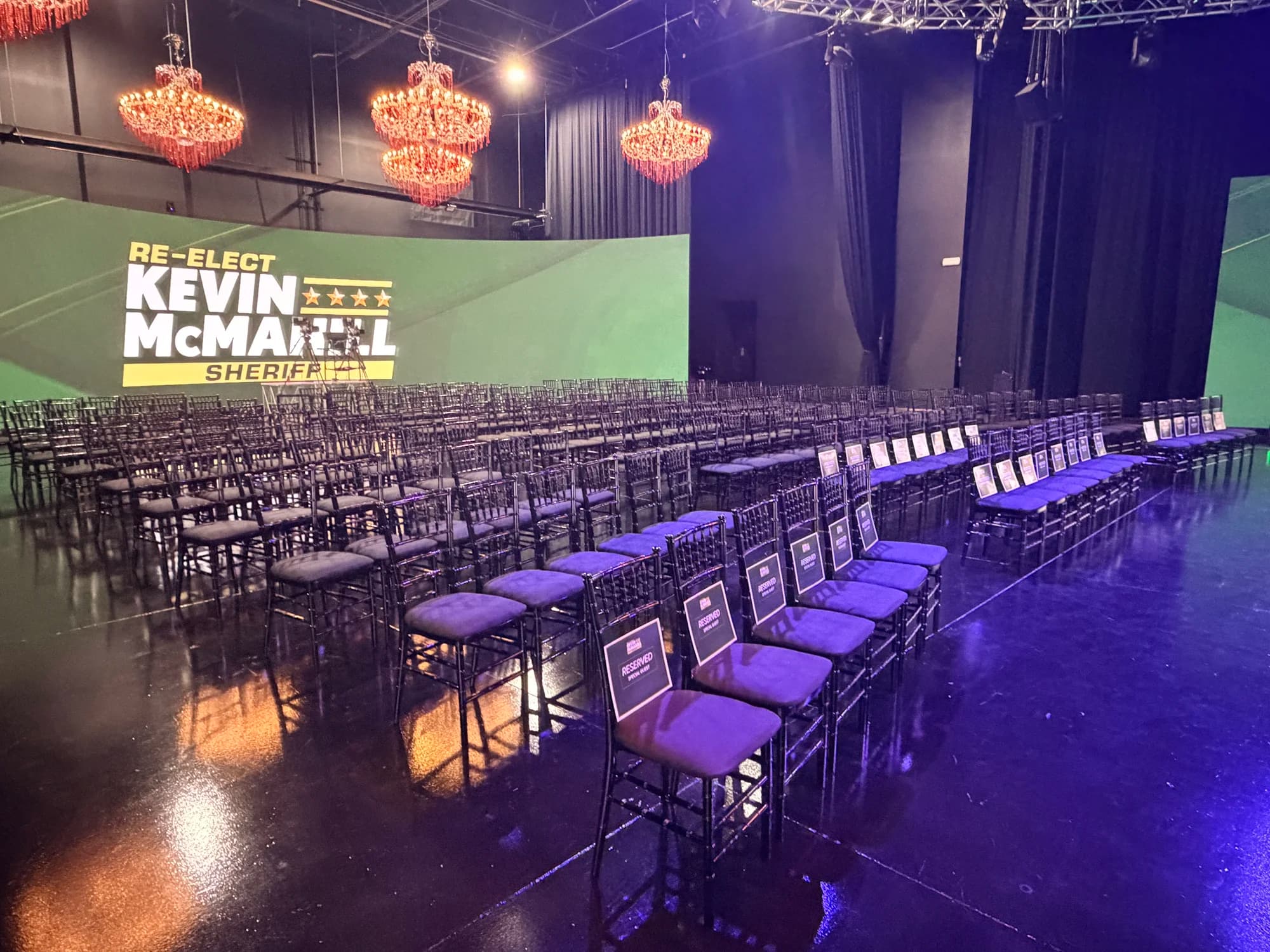
- Keep campaign material out of the room. No signs, banners or literature inside the forum space.
- Check the rules that apply to you. Nonprofits, media outlets and public bodies each face their own requirements for candidate events. Confirm yours before the invitations go out.
| Decision | Make it fair by |
|---|---|
| Who's invited | Written criteria applied to every candidate in the race |
| Moderator | No ties to any campaign; known for neutrality |
| Questions | Screened for clarity and repetition, never for viewpoint |
| Speaking order and podiums | Coin toss or draw, witnessed by the campaigns |
| Time | Equal limits, enforced the same way for everyone |
| Room | No campaign signs, banners or literature |
How Far Ahead Should You Start Planning?
Start ten to twelve weeks out for a local forum, and longer when a broadcaster is involved. Campaign calendars fill fast, and every rule needs time to be agreed.
| When | What to lock |
|---|---|
| 10–12 weeks out | Purpose, race, invitation criteria, co-hosts, date and venue |
| 8 weeks out | Invitations to every qualifying candidate on the same terms |
| 6 weeks out | Format and rules agreed with every campaign; moderator confirmed; broadcast and livestream partners confirmed |
| 4 weeks out | Public announcement, registration, question submissions open, press credentials |
| 2 weeks out | Run of show, question screening, technical plan and camera plan shared with campaigns |
| Day before | Full technical rehearsal with stand-ins at every podium |
| Day of | Campaign walkthroughs, final checks, doors, broadcast |
A walkthrough with each campaign's staff, in person or virtual, settles most disputes before the night. When campaigns can see the podiums, the lights and the timers for themselves, they stop worrying about them.
How Do You Make the Stage Fair on Camera?
Give every candidate identical physical and technical conditions, then prove it. Voters watching at home judge fairness by what the camera shows them.
- Same distance. Place each podium the same distance from the moderator and from the cameras.
- Same light. Measure the light level at each podium and match them. A candidate lit slightly darker looks less confident on screen, whether anyone intended it or not.
- Same sound. Identical microphones, set to the same level, with a backup ready for each candidate.
- Visible timers. Put timing lights where every candidate can see them, so time warnings come from the clock, not from the moderator's tone.
- Agreed microphone rules. Decide in advance whether microphones are cut when time expires, and tell every campaign how it works.
- Agreed shot rules. Settle whether the broadcast shows reaction shots of candidates who aren't speaking, and apply the rule the same way to everyone.
- A neutral set. Use the host's branding or a neutral scene, with no colors or imagery that could read as belonging to one side.
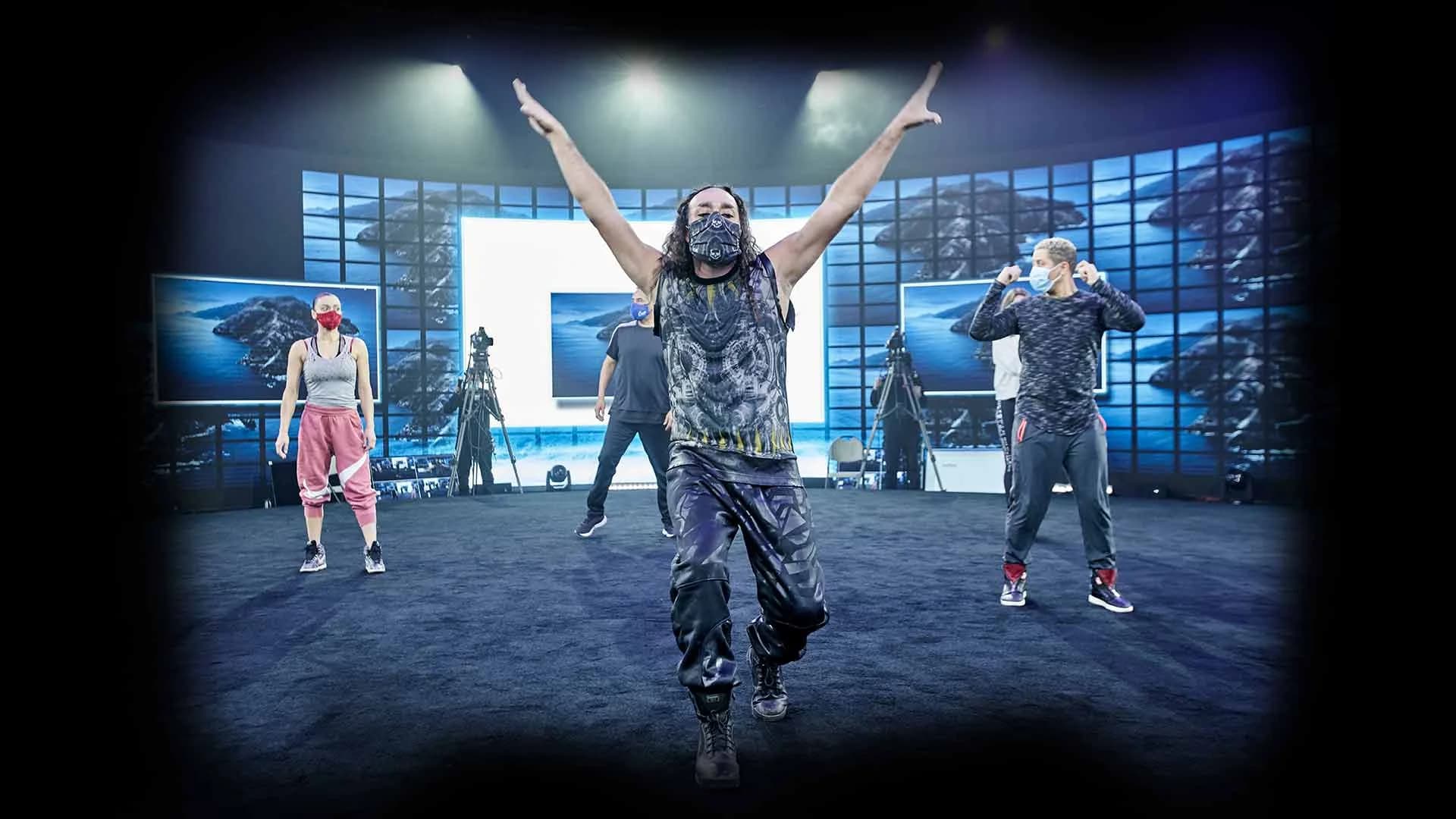
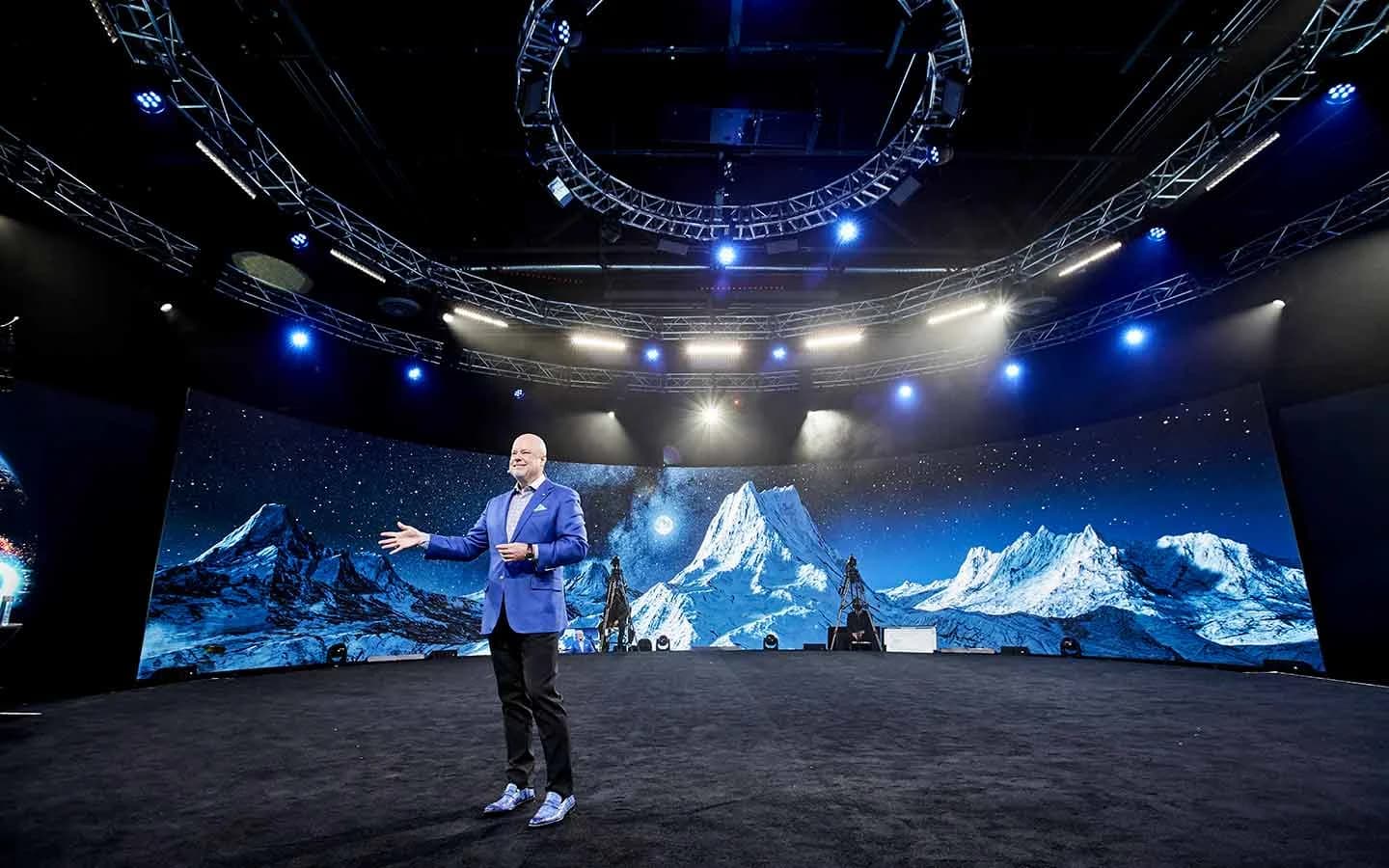
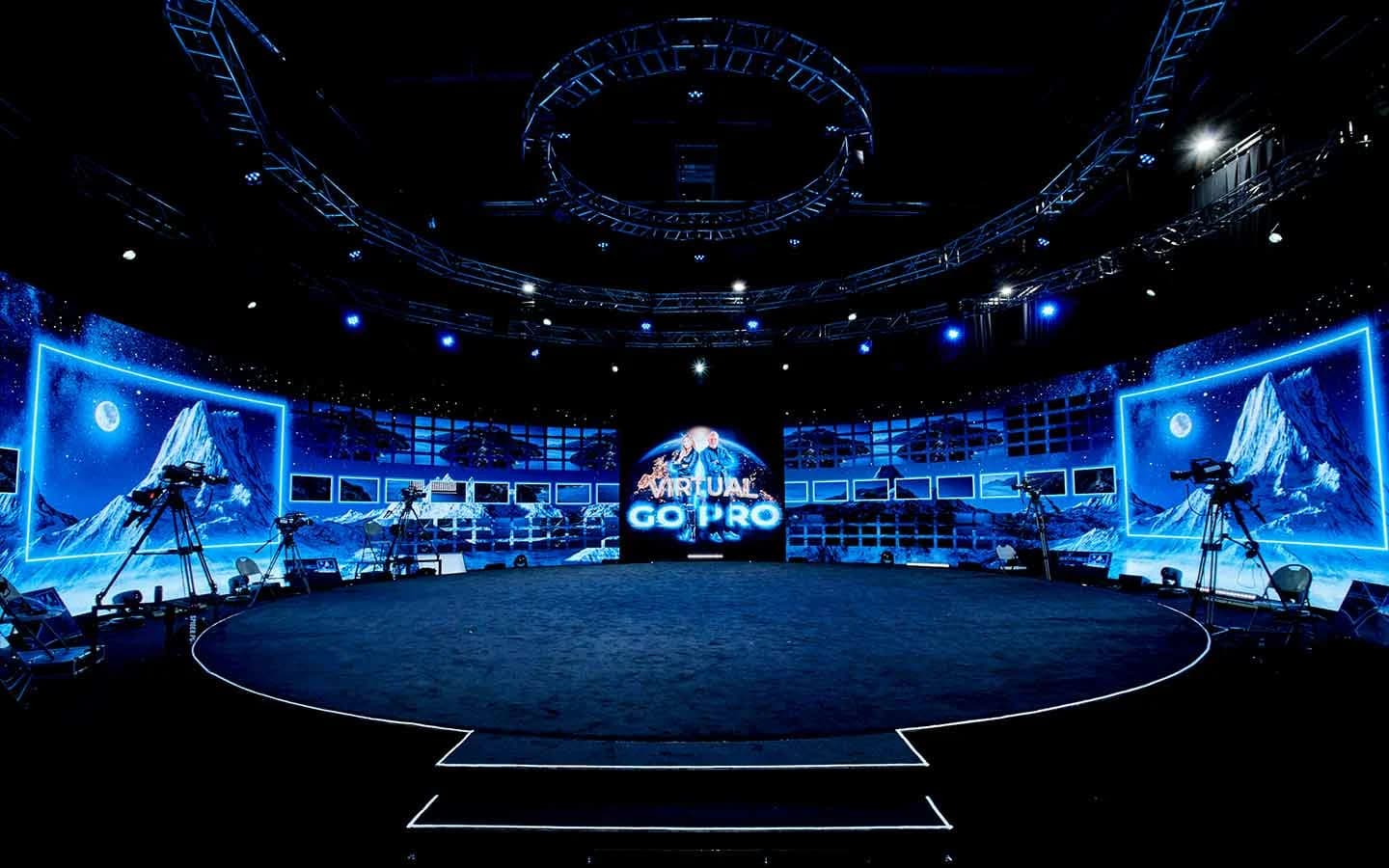
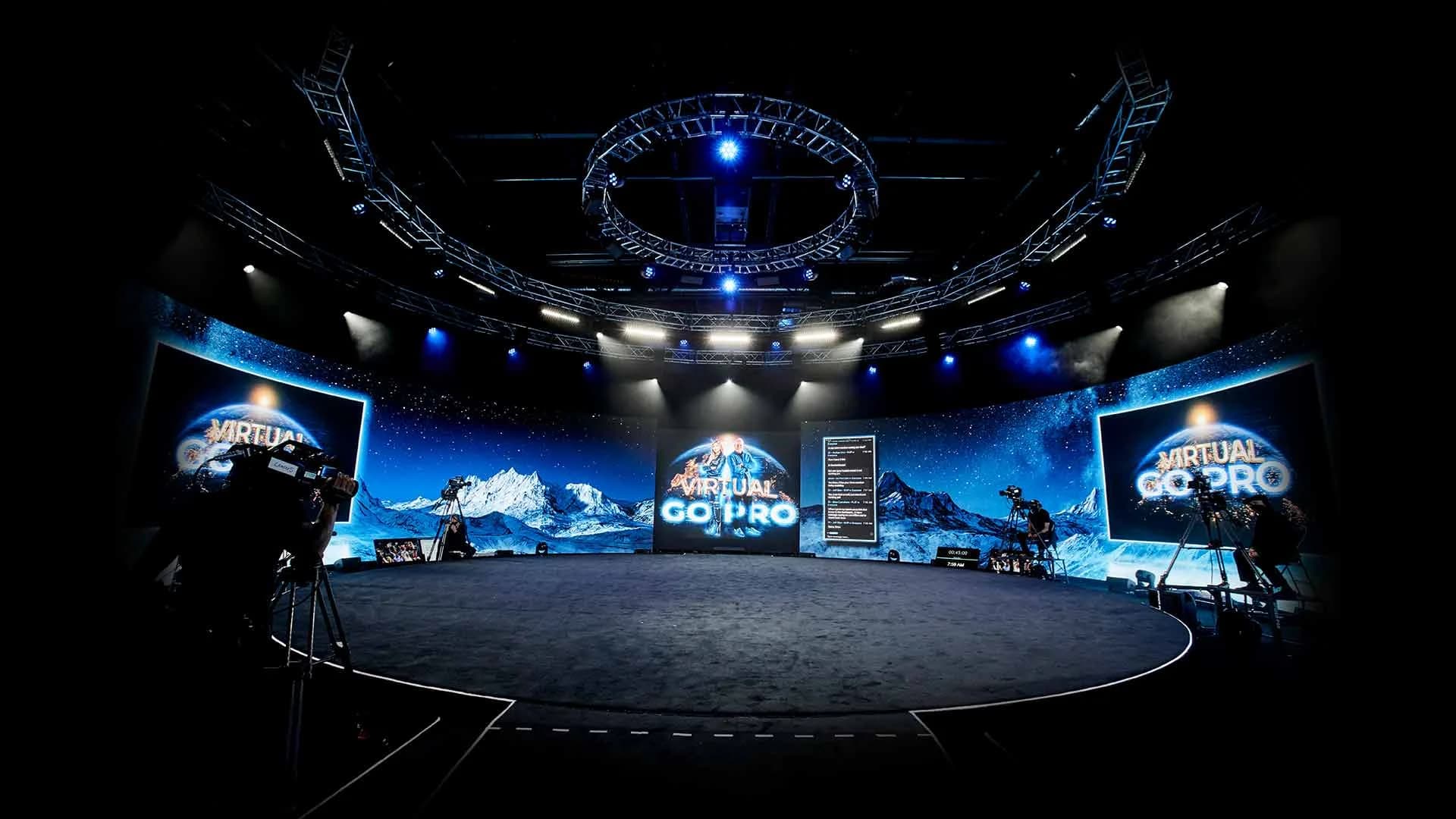
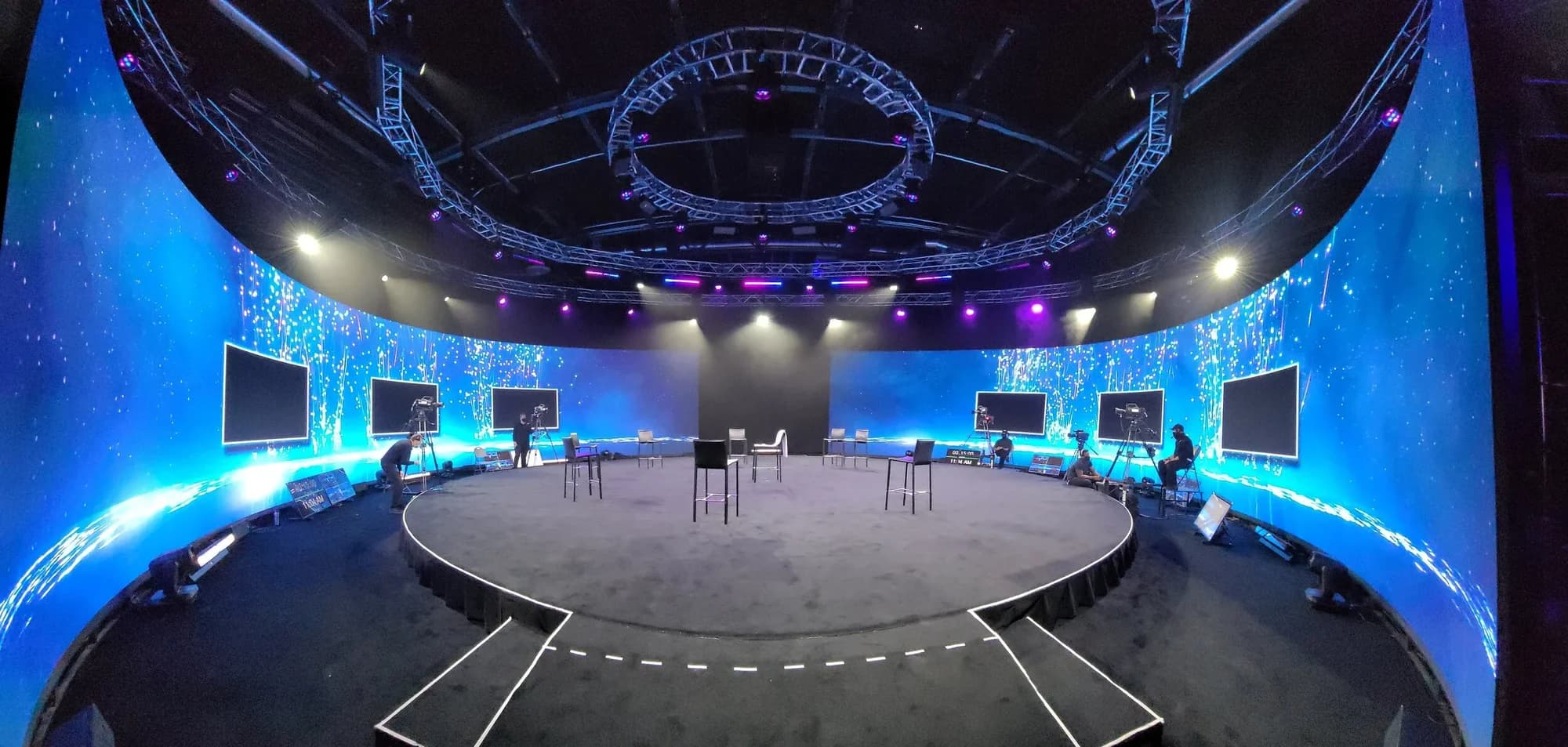
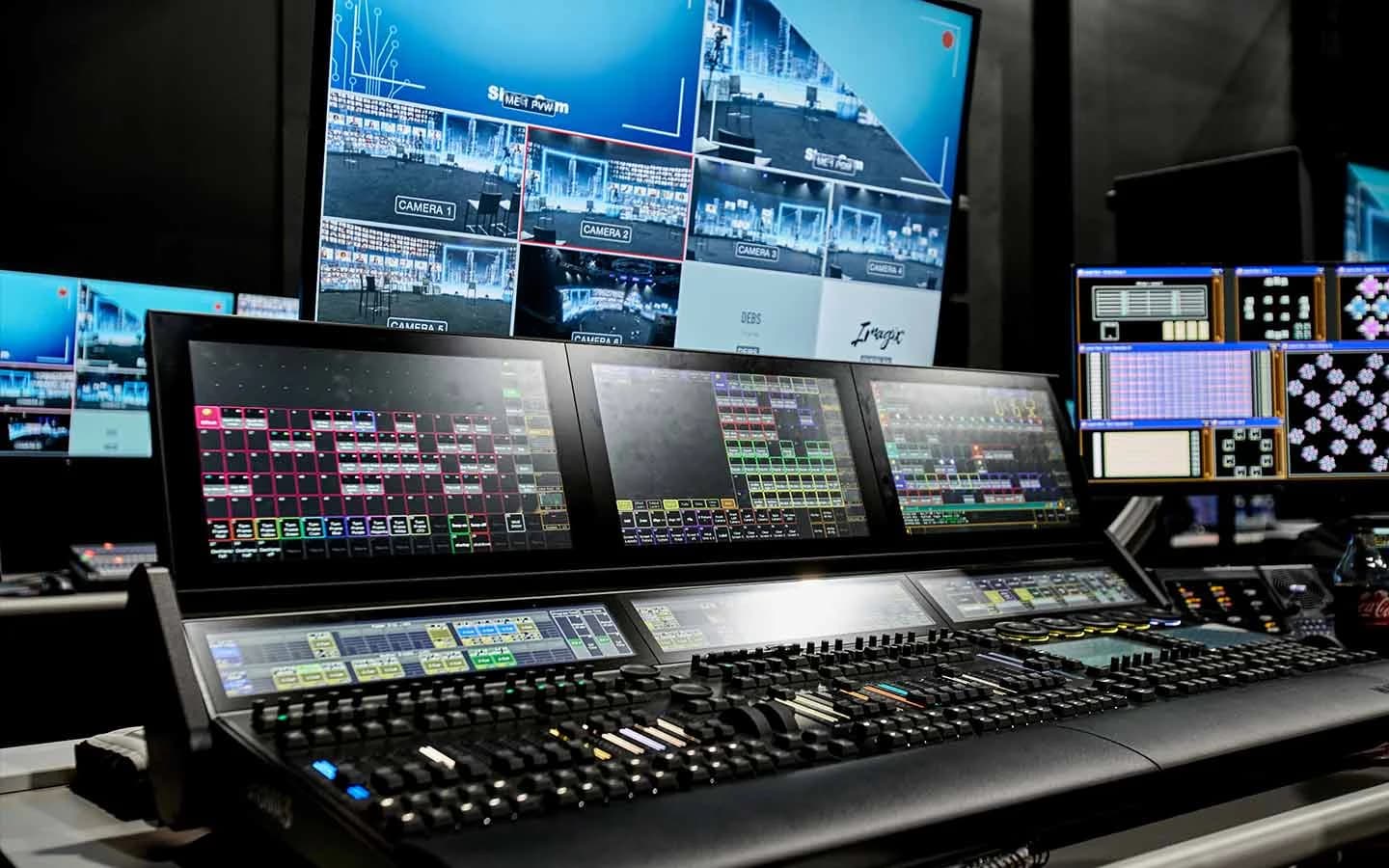
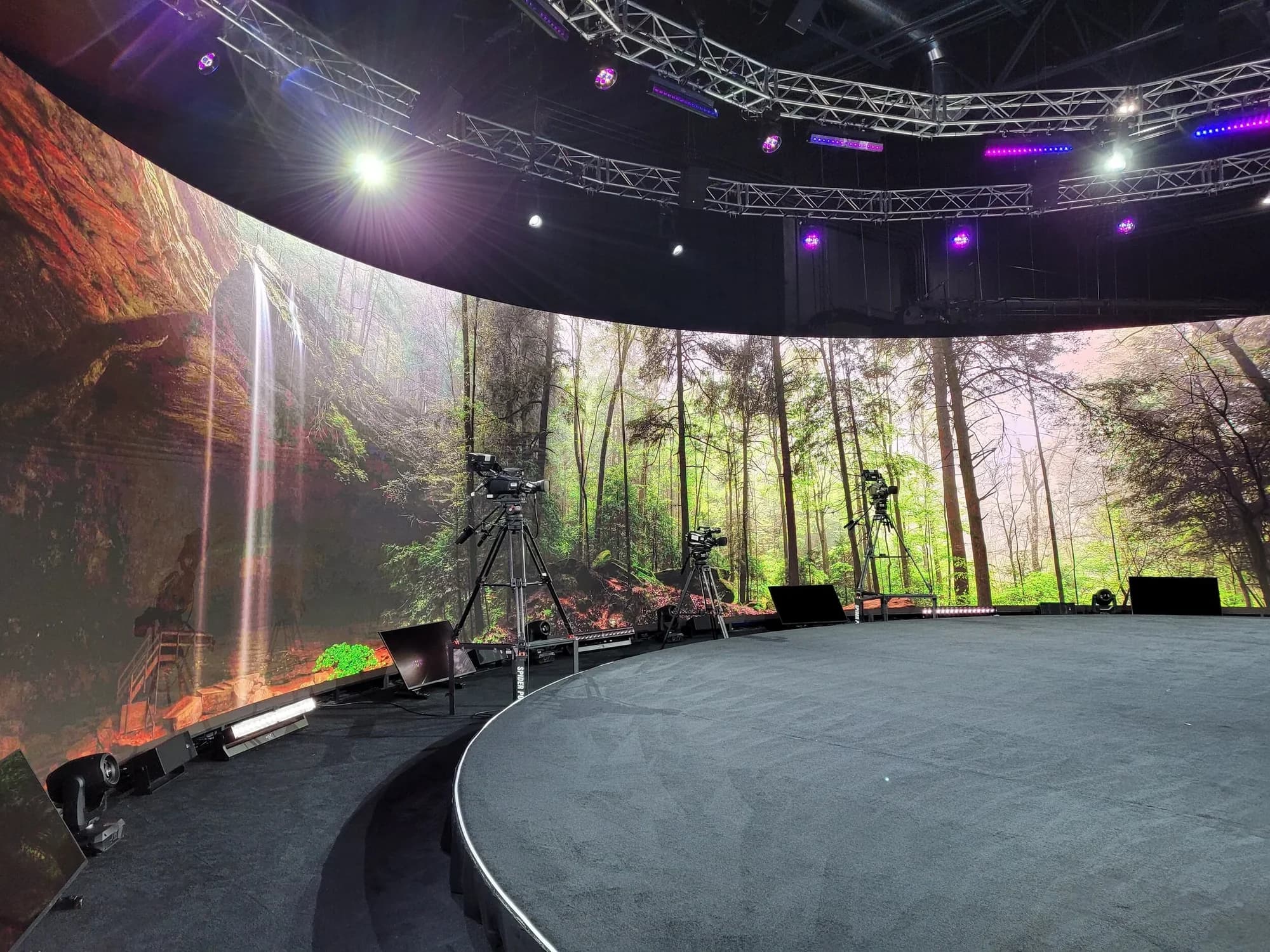
In our studio, the stage sits inside 360° of 12K LED, so the backdrop can carry the host's branding, a neutral scene or a clean color across the whole set. Lighting runs from a GrandMA 3 console and wireless microphones are Shure Axient. The walls, lighting and audio stay standing, so matching every podium comes down to setup and rehearsal. Every system is listed in the studio's full technology specification.
How Should Voters Ask Questions?
Combine a few sources, screen them for clarity, and keep the selection process open to the campaigns.
- Prepared questions from the moderator or a balanced panel, covering a broad range of topics.
- Submitted questions gathered in advance from registered attendees and the public.
- Live questions from the room, read or asked in turn under the moderator's control.
- Remote voters who ask their question live, on screen, face to face with the candidates.
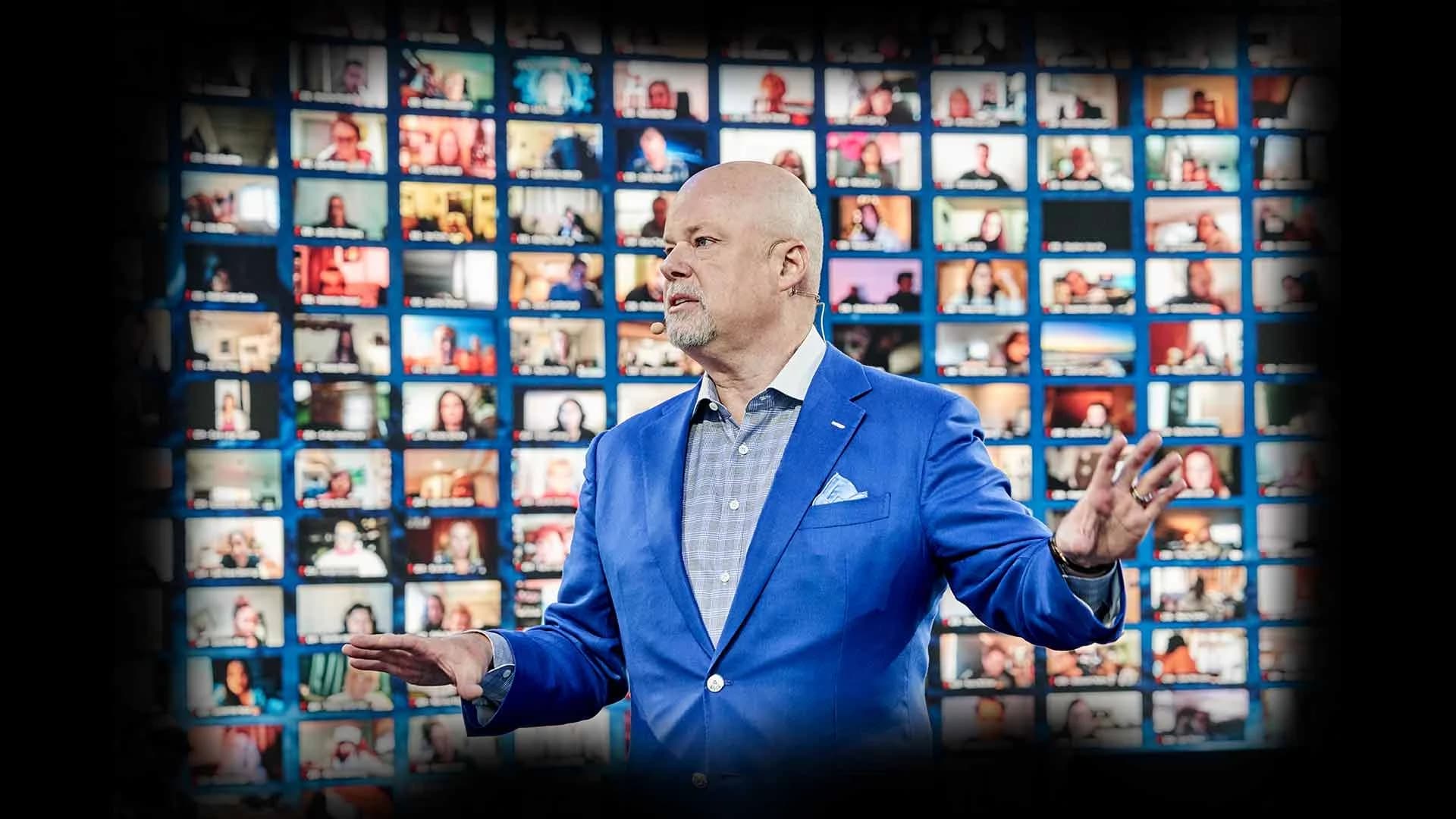
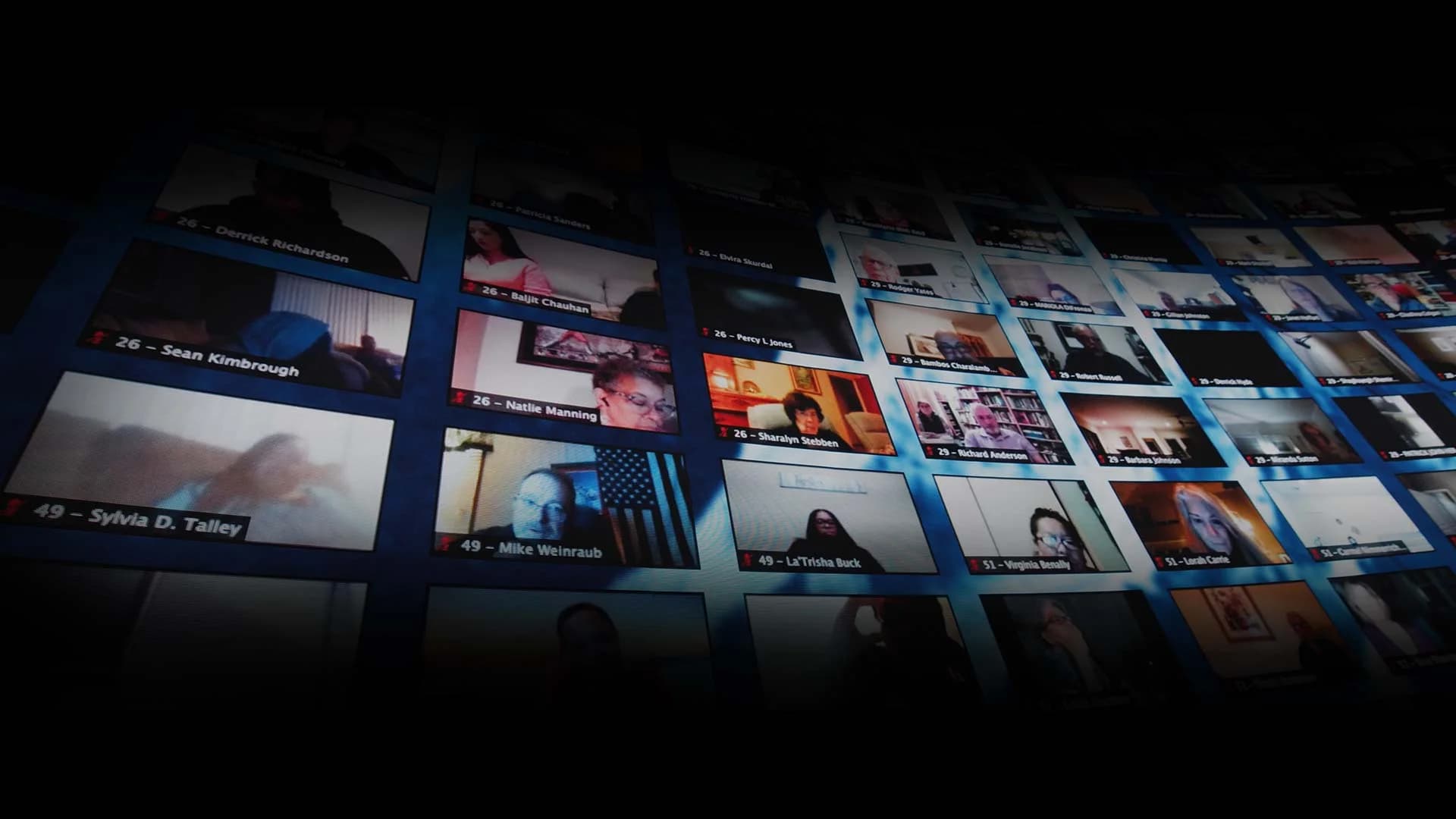
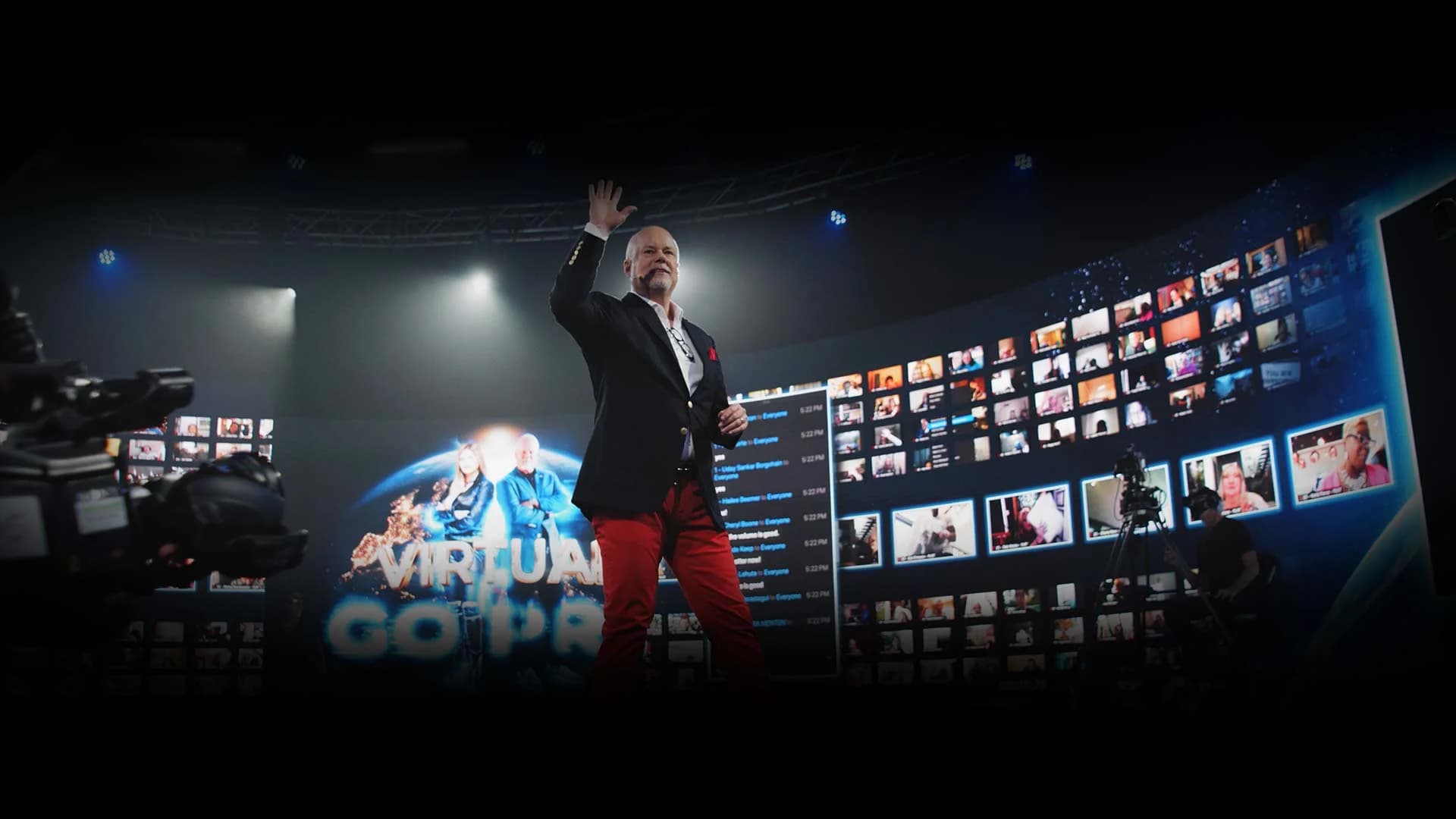
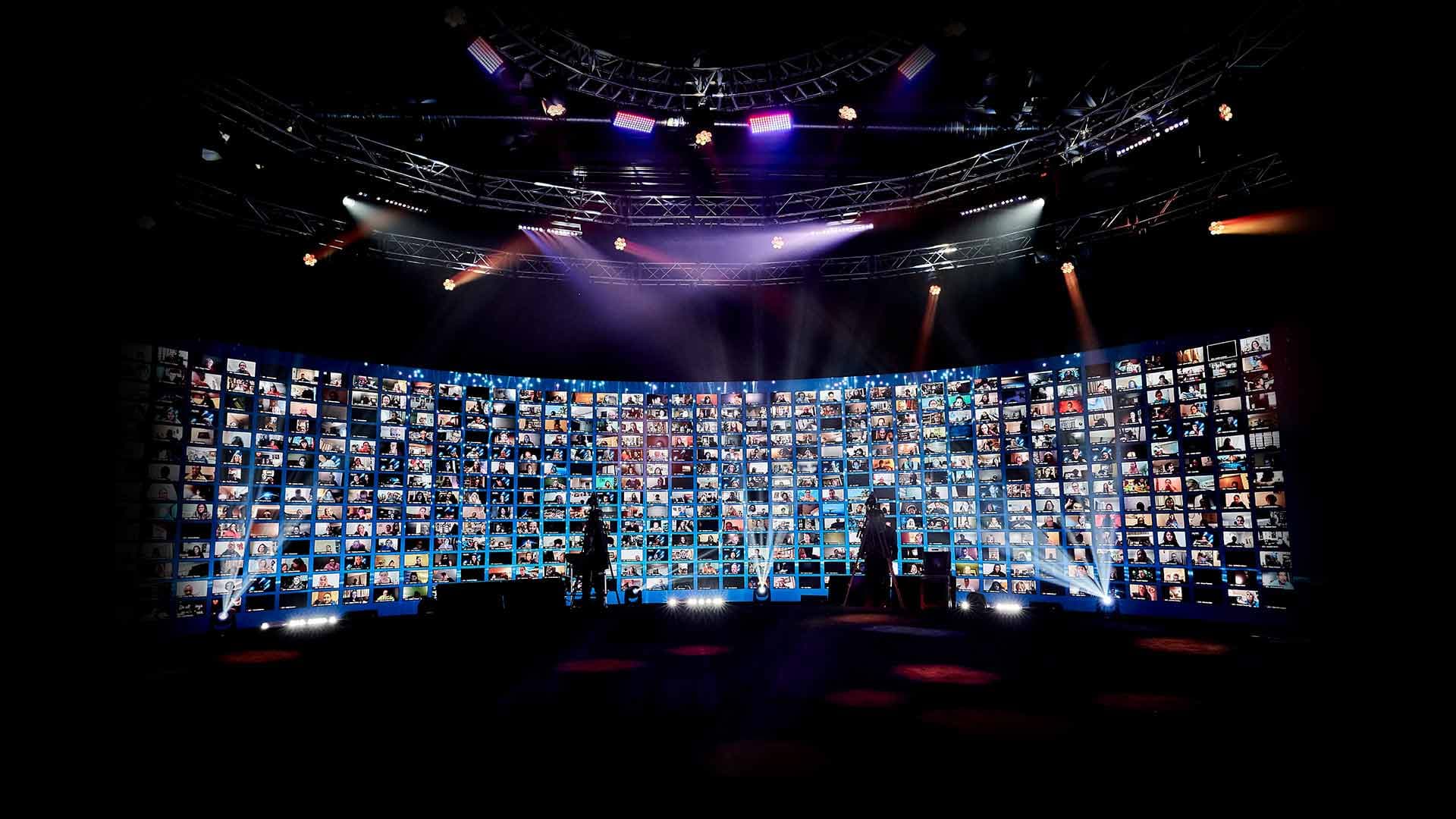
Remote participation changes who gets to take part. A forum held on a weeknight in one city usually hears only from the people who could make the drive. In an interactive broadcast, voters from across the district or the state are pulled up live onto the LED wall to ask their question in real time, with latency engineered for a natural back-and-forth rather than a satellite-style delay. Up to 2,744 remote participants can display on the studio's 360° wall at once, visible to the candidates, the moderator and the room.
For multilingual communities, real-time translation in 100+ languages, live or AI-driven, lets voters follow the forum in their own language, with captions plus a translated voice layered over the event audio. Here's how real-time translation works at live events.
How Do You Get the Forum on Air and Online?
Plan distribution as carefully as the format. Most voters will watch, not attend, so the broadcast is where the forum reaches them.
- Broadcast partners. A local TV or radio station can carry the forum live. Agree early on who produces the program and who gets the feed.
- A feed for press. Give credentialed news media the same clean feed, so every outlet reports from the same picture and sound.
- A livestream for everyone else. Stream to the host's website and the platforms voters already use.
- A standby slate. Keep a "technical difficulties" screen ready, so a problem never leaves a candidate frozen mid-answer.
- The full record. Post the complete, unedited recording soon after the forum ends.
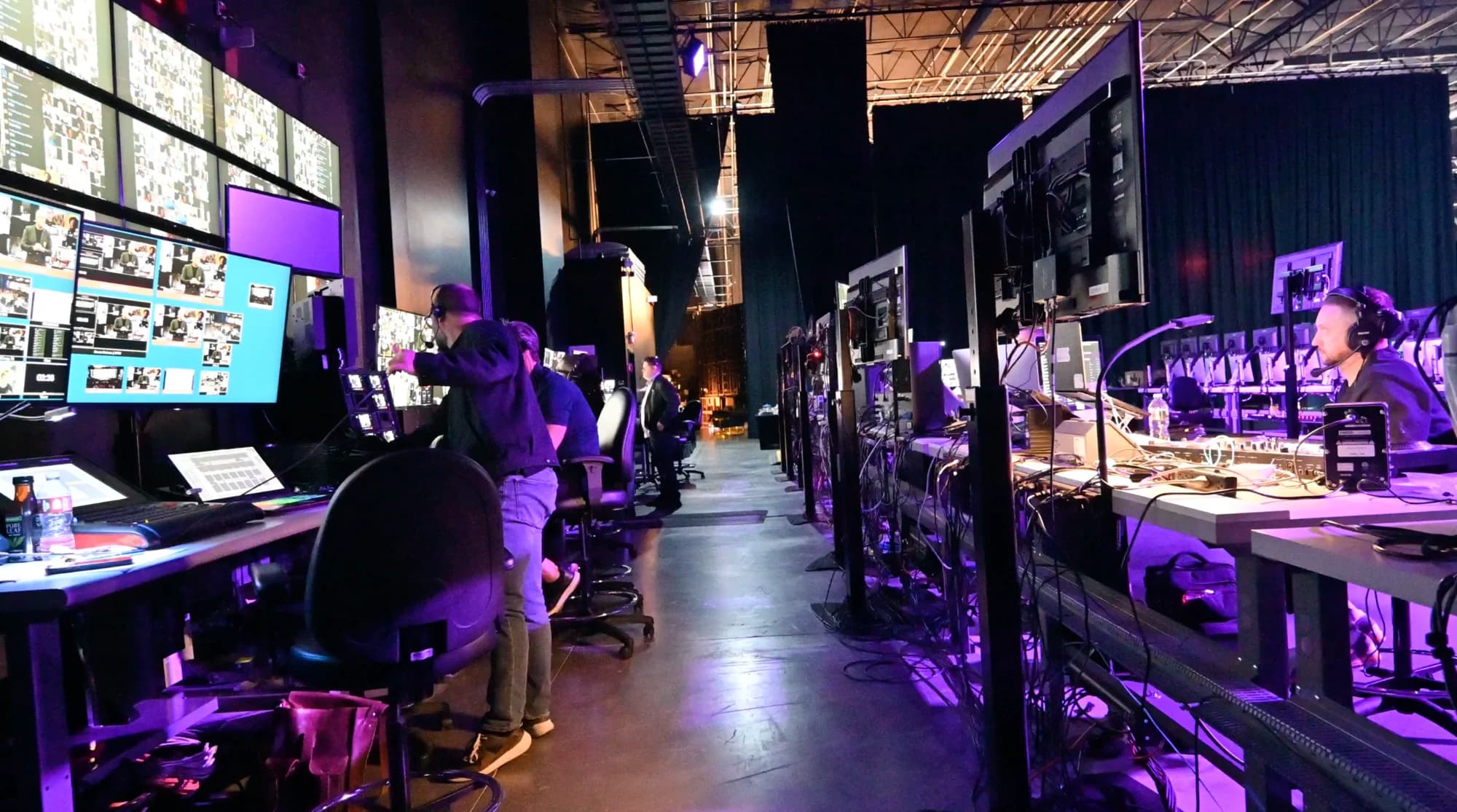
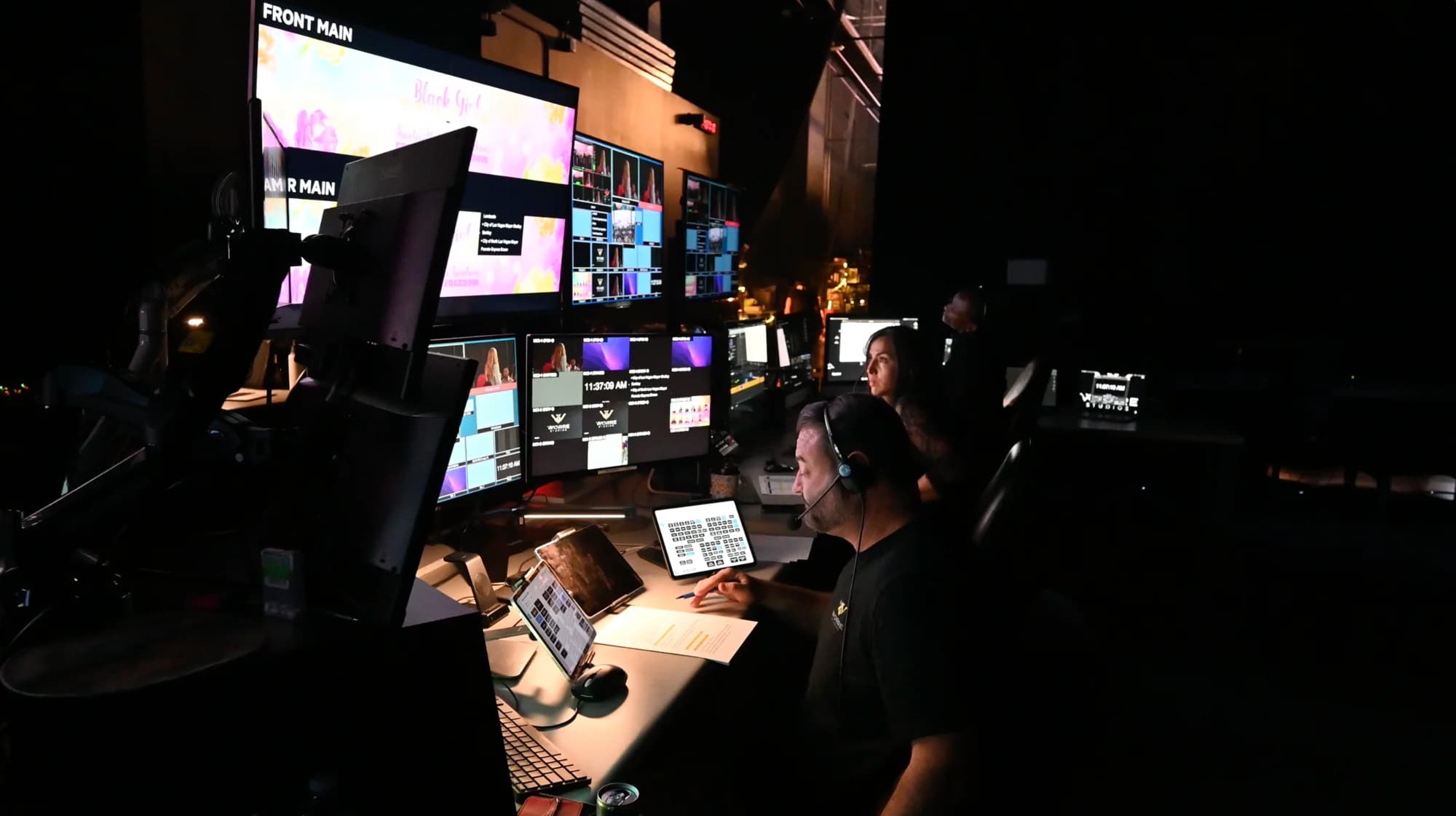
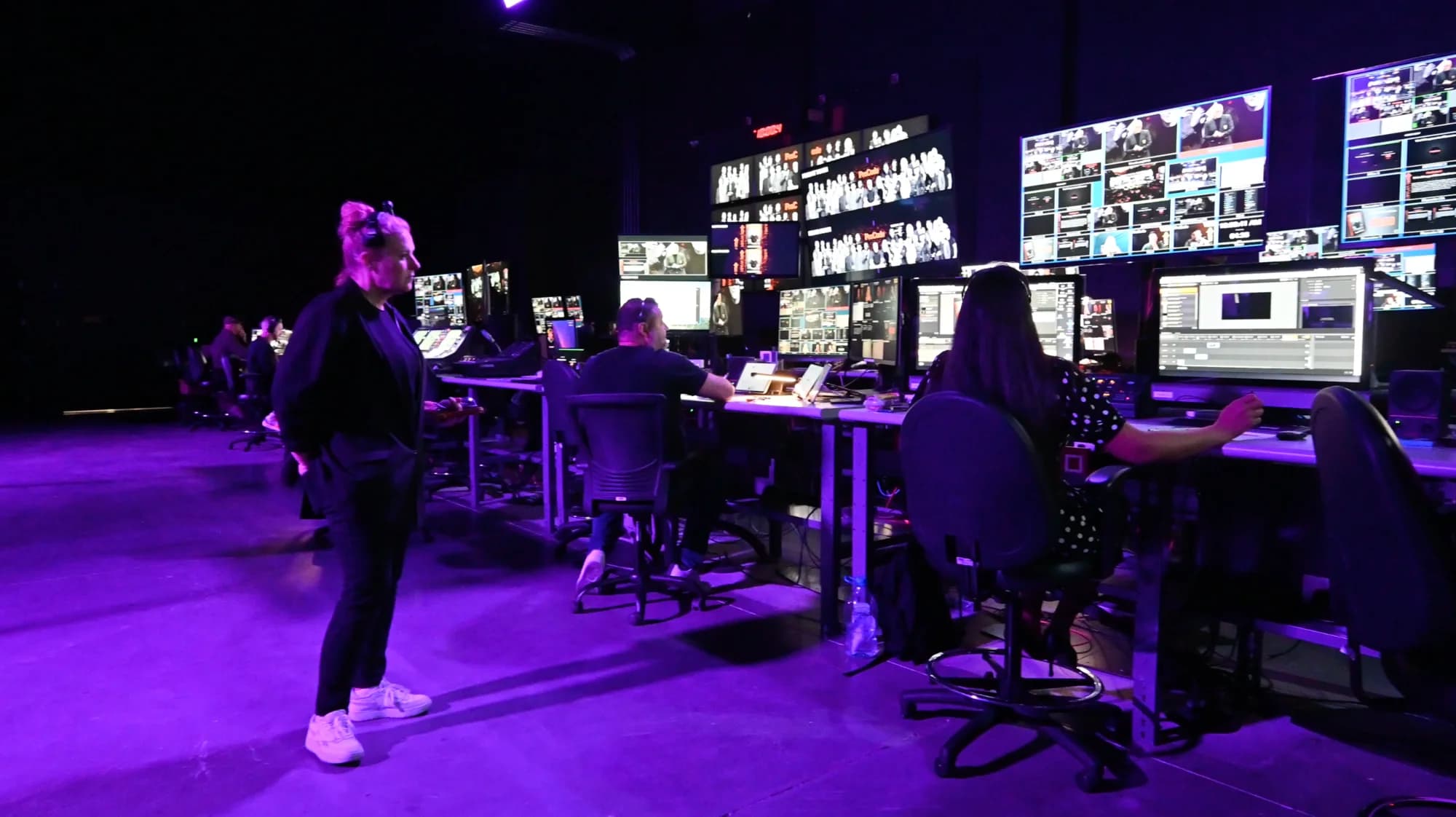
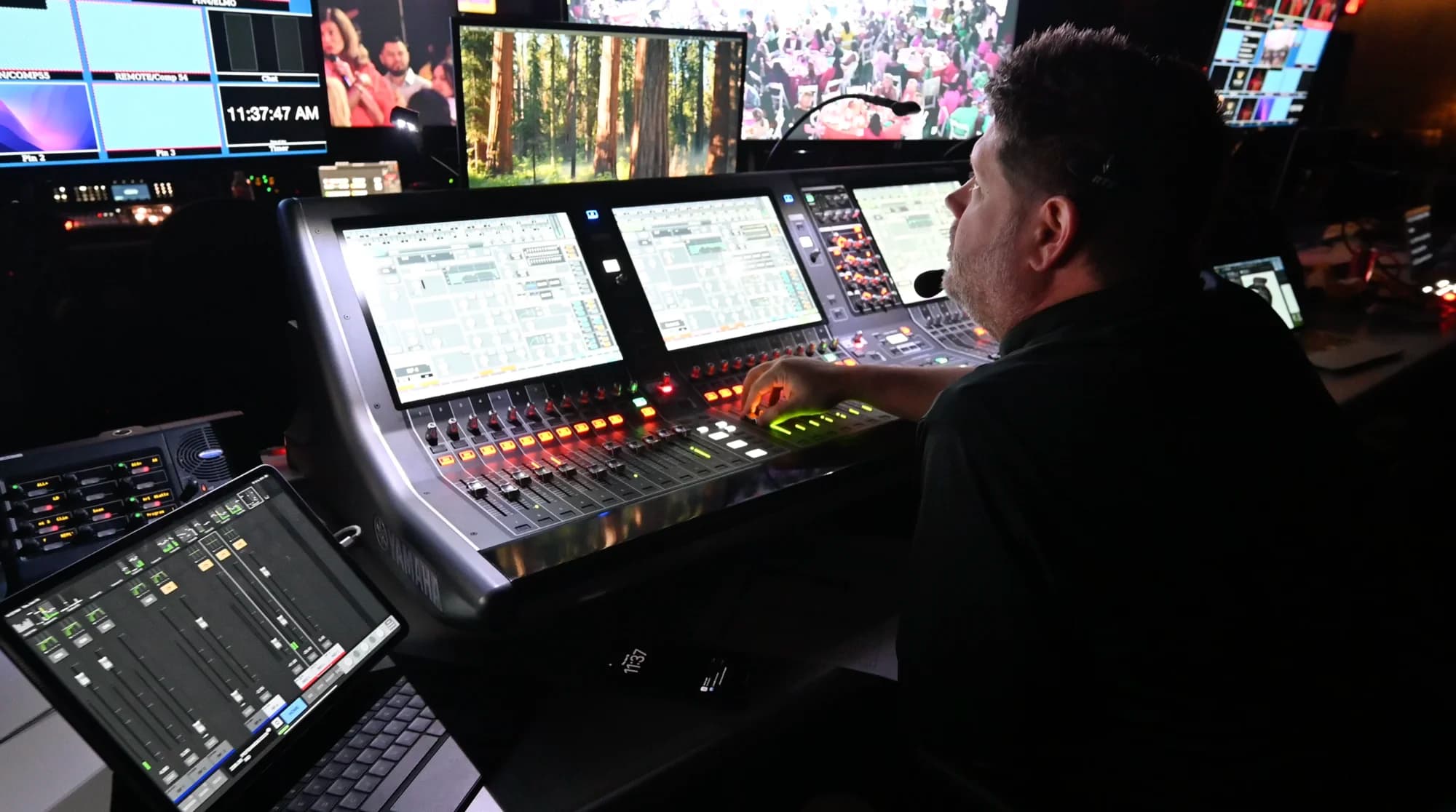
Redundancy matters more here than almost anywhere. A dropped stream during one candidate's answer can look like unequal treatment even when it's an accident. Our control room runs two AJA Bridge Live units with full redundancy on dual 5G networks, and one production can push to up to 24 platforms at once. Here's how streaming one event to multiple platforms works.
Outside broadcast teams are welcome to run their own show. A station's crew can bring its own people and gear at no extra charge; the house lighting and audio consoles run with our operators, and patching into the production network is supervised by our crew.
The studio hosted the 2022 Nevada gubernatorial debate, carried on television across the state and nationally on C-SPAN. A statewide debate doesn't get a second take, which is why broadcast-grade infrastructure belongs in the plan from the first call.
What About the Room, Press and Logistics?
Keep the event controlled and calm. Candidates, campaign staff, press and the public each need their own clear path through the night.
- Separate arrivals. Give each campaign the same arrival time, entrance and holding space, decided by the same draw as the podiums.
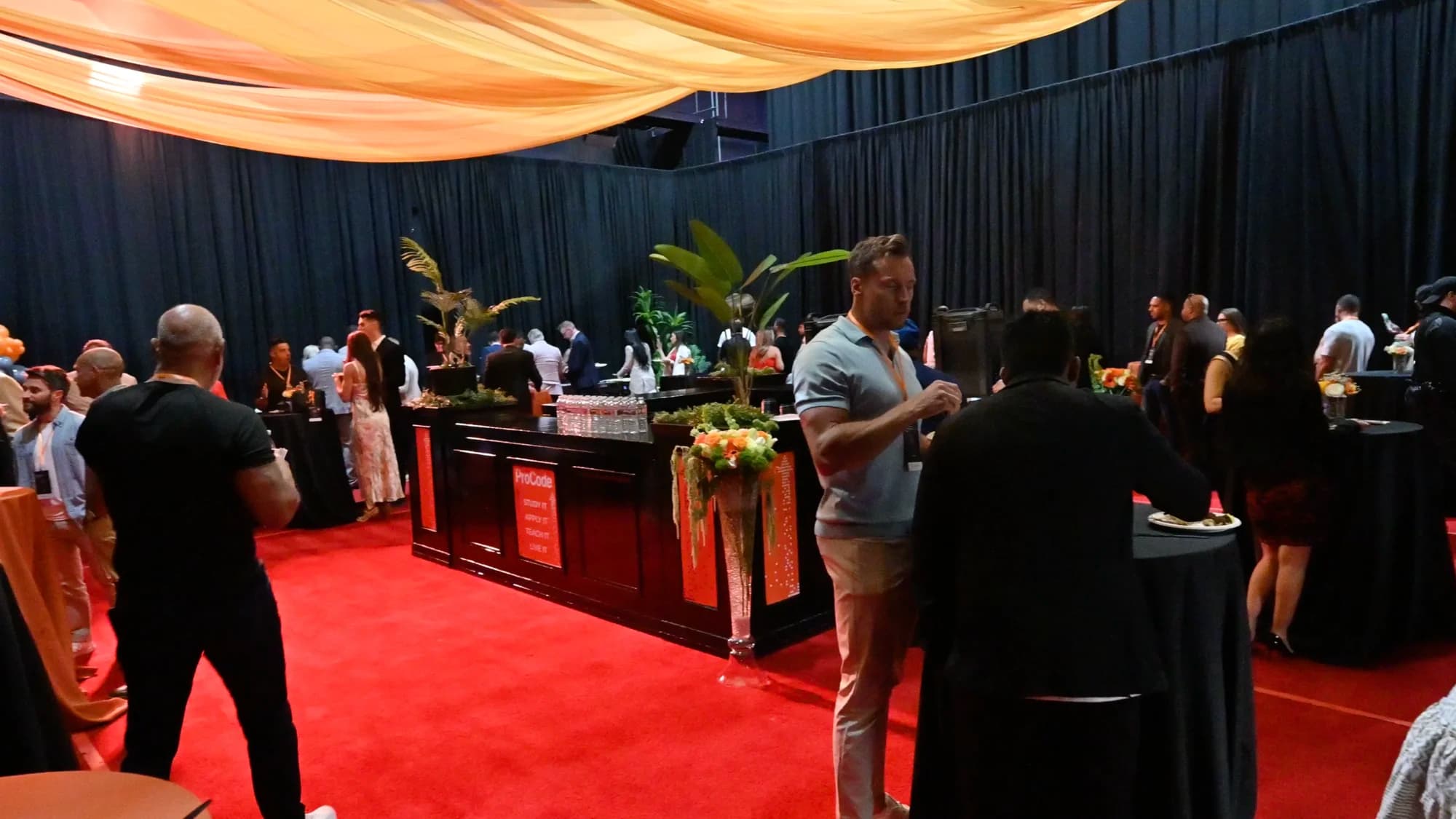
- A press area. Credential reporters ahead of time and give them a place to work and a place for post-forum interviews.
- Audience rules. Publish rules on applause, signs and interruptions, and have the moderator state them at the start.
- Seating that fits the race. A forum doesn't need a huge room. The audience you can seat well matters more than the one you could squeeze in.
- Parking and travel. Plan for candidates and staff arriving close to start time, and for a crowd leaving at once.
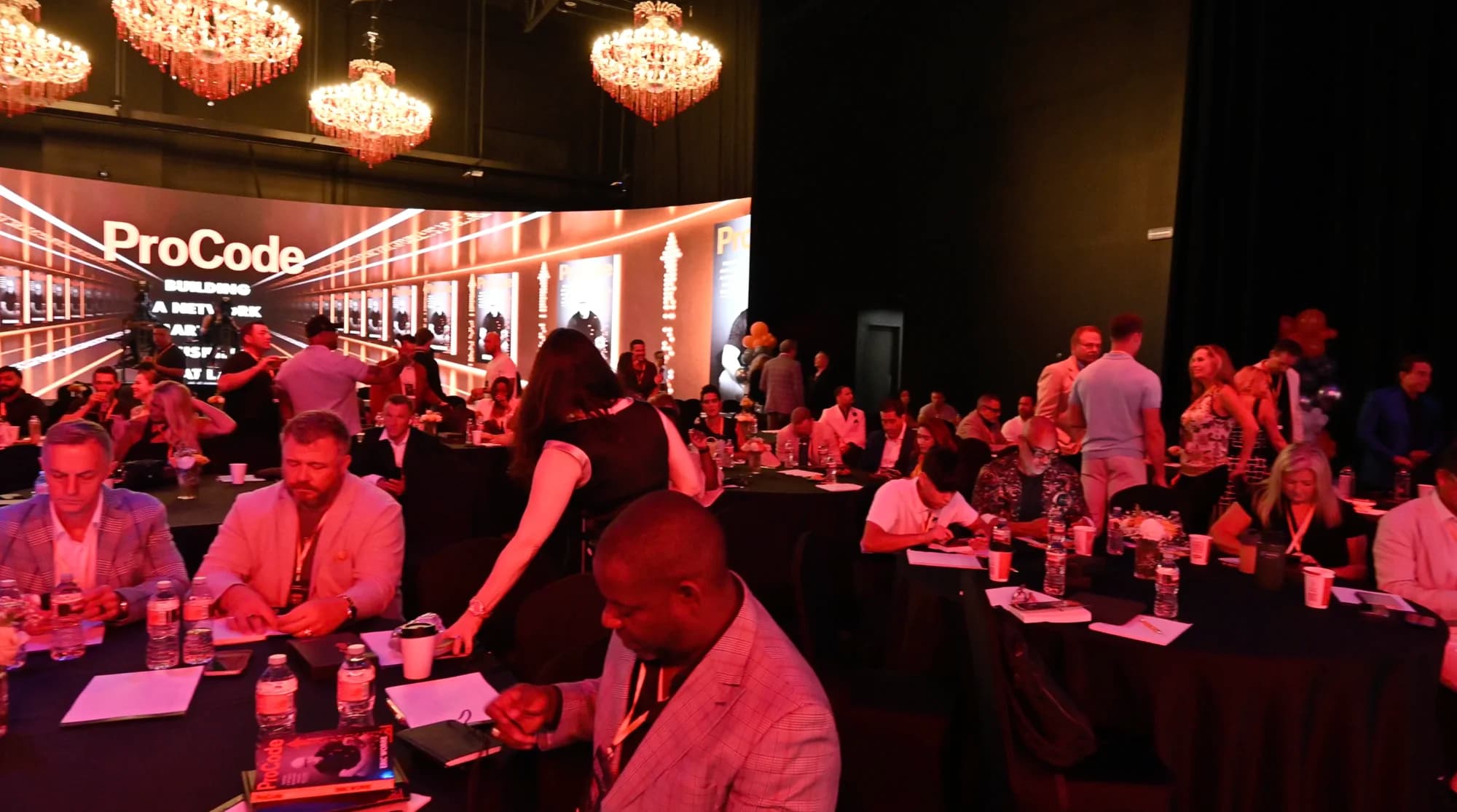
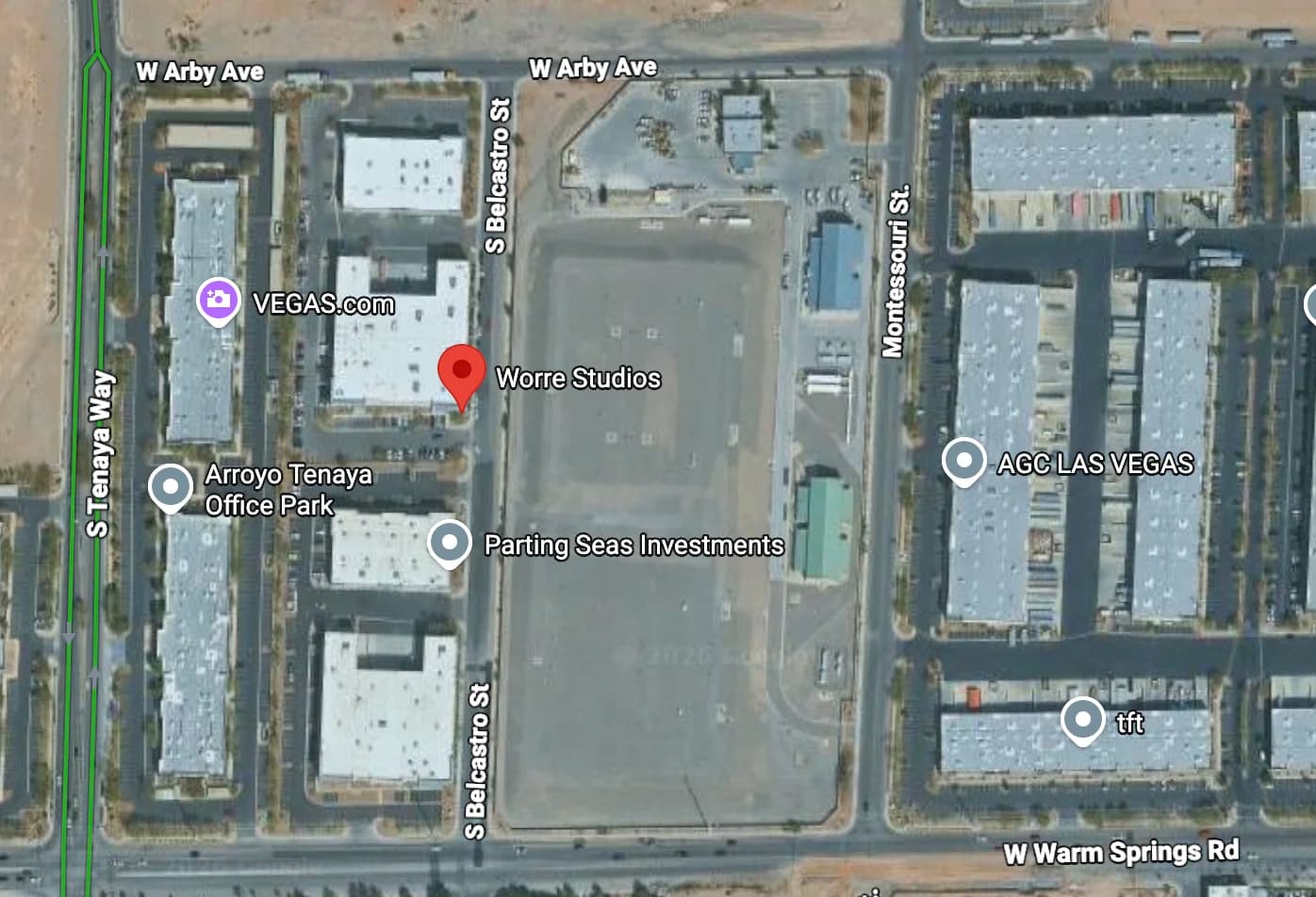
Our studio seats 350 in the room, with direct truck load-in and easy access to public and private airports. For a larger crowd, off-site parking with a shuttle can be arranged. Our Las Vegas event logistics guide covers transportation, room blocks and permits.
Can a Forum Become a Full Policy Conference?
Yes. Many organizations pair a candidate forum with panels, interviews and policy sessions over one or more days.
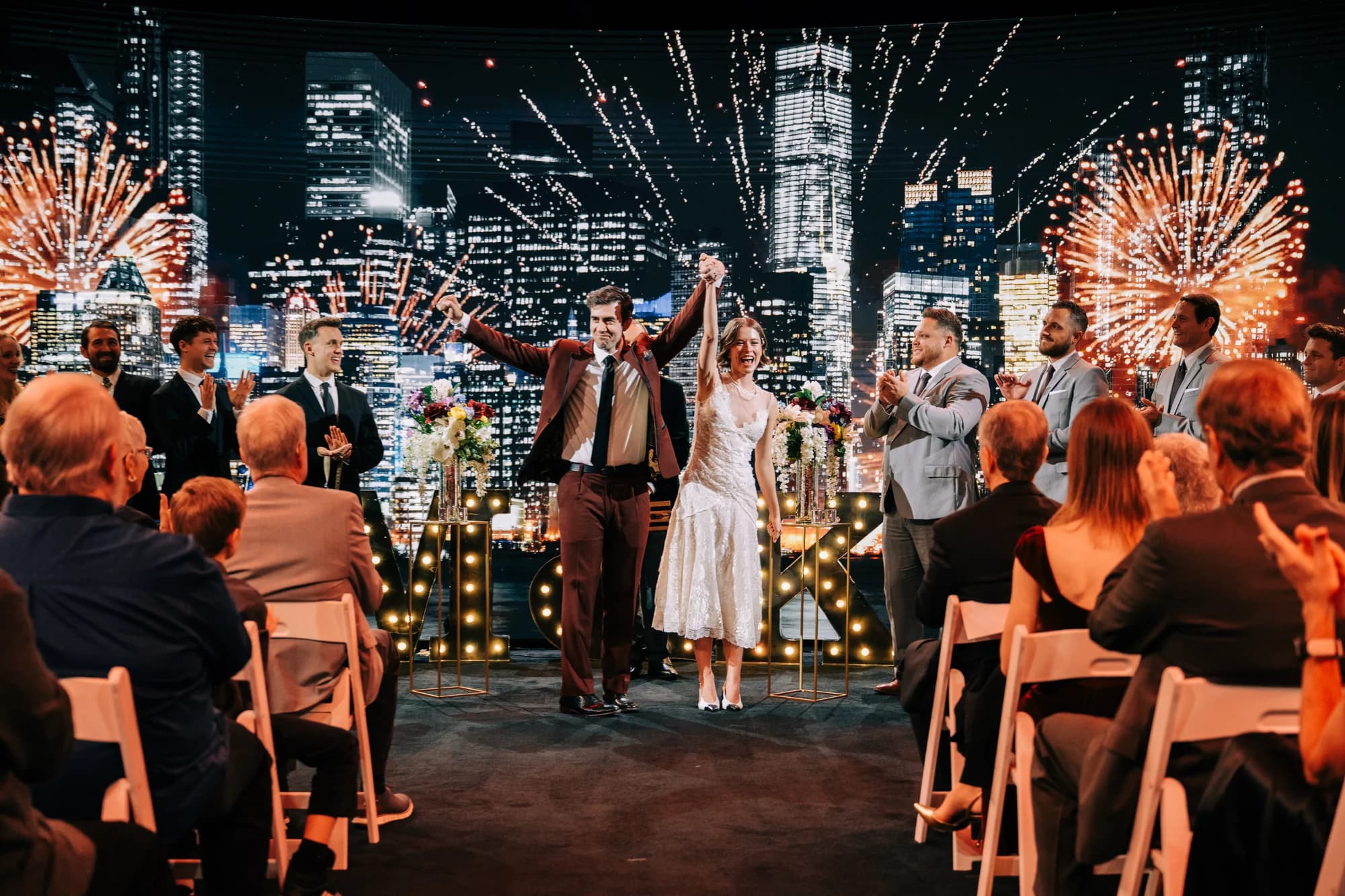
The studio has been home to IndyFest, The Nevada Independent's multi-day politics and policy conference, run as a hybrid event with in-person and virtual attendance. A multi-day program uses the same principles as a single forum: balanced panels, clear rules and a broadcast that brings in people who couldn't travel. Between sessions, the LED environments can change completely, so each panel gets its own look without rebuilding the set. For hybrid planning in general, see how hybrid events work at the studio.
When Does a Forum Call for a Broadcast Studio?
When the race is high-profile, a broadcaster is involved, or you want voters across the map to take part instead of only watching. A studio keeps the LED walls, lighting, audio and broadcast redundancy standing, so your team can focus on the rules and the questions.
We work two ways. A Premium Event brings the forum into the studio, with a live audience in the room, remote voters on the wall, or both, and reach to hundreds of thousands. If the forum is hosted somewhere else, our Remote Virtual Stage takes the camera feed from that room and broadcasts it as a full interactive event, so voters who aren't there can still take part, not just watch. Here's how the two ways to work with Worre Studios compare.
If you're comparing rooms, start with the questions to ask any venue before you book. When you're ready, start a studio inquiry and we'll walk you through the room, virtually or in person.
Frequently Asked Questions
What is the difference between a candidate forum and a debate?
In a forum, each candidate answers the same questions in turn with equal time and no direct rebuttals. In a debate, candidates also respond to each other under timed rules. Forums suit crowded or local races; debates suit races with two or three candidates and higher public interest.
How do you keep a candidate forum nonpartisan?
Invite every qualifying candidate on the same written criteria, choose a moderator with no campaign ties, screen questions for clarity rather than viewpoint, draw for podium and speaking order, and enforce equal time the same way for everyone. Keep campaign signs and literature out of the room.
What happens if only one candidate agrees to attend?
Decide this in your rules before invitations go out. Many civic organizations cancel or change the format rather than give one candidate an unopposed platform, and some organizations are required to. Check the rules that apply to yours.
How long should a candidate forum last?
An hour to 90 minutes suits most forums. Longer events lose both the room and the online audience. With many candidates, keep answers short or split the forum into separate sessions by race.
How should audience questions be handled?
Collect questions in advance and live, screen them for clarity and repetition, and have the moderator or a balanced panel select them. Remote voters can ask theirs live on screen in an interactive broadcast, so participation isn't limited to people in the room.
Can a candidate forum be livestreamed and broadcast at the same time?
Yes. One production can feed a TV partner, a press feed and a livestream together. At the studio, one production can push to up to 24 platforms at once, with full redundancy in the control room.
Can voters who aren't in the room ask questions?
Yes. In an interactive broadcast, remote voters are pulled up live onto the LED wall to ask their question face to face, with latency low enough for a real back-and-forth. Up to 2,744 remote participants can appear on the studio's wall at once.
Can a candidate forum run in more than one language?
Yes. Real-time translation in 100+ languages, through live interpreters or AI, lets voters follow in their own language, with captions plus a translated voice layered over the event audio.
Can a forum held outside Las Vegas use the studio's broadcast?
Yes. With Remote Virtual Stage, the room where the forum takes place sends its camera feed, and the studio broadcasts it as a full interactive event inside a branded dashboard, so voters elsewhere can take part. Remote Virtual Stage is scoped separately and quoted per inquiry.
Has a statewide debate been held at Worre Studios?
Yes. The studio hosted the 2022 Nevada gubernatorial debate, carried on television across the state and nationally on C-SPAN.

Written by the Worre Studios Content Team and reviewed by Ben Groen, Ticketing & Interactive Platform Lead. Studio capabilities reflect installed infrastructure and the delivered events named above; forum and debate practices are described at the category level. The guidance here is about production and fair process, not legal advice, so check the election and nonprofit rules that apply to your organization. Reach capability is not a guarantee of attendance or outcome for any specific event. Last reviewed November 10, 2026.
More from The Front Row
Give Every Candidate the Same Stage.
Tell us the race, the format and who needs to hear it. We'll walk you through the studio and plan a forum that's fair in the room and on the broadcast.